
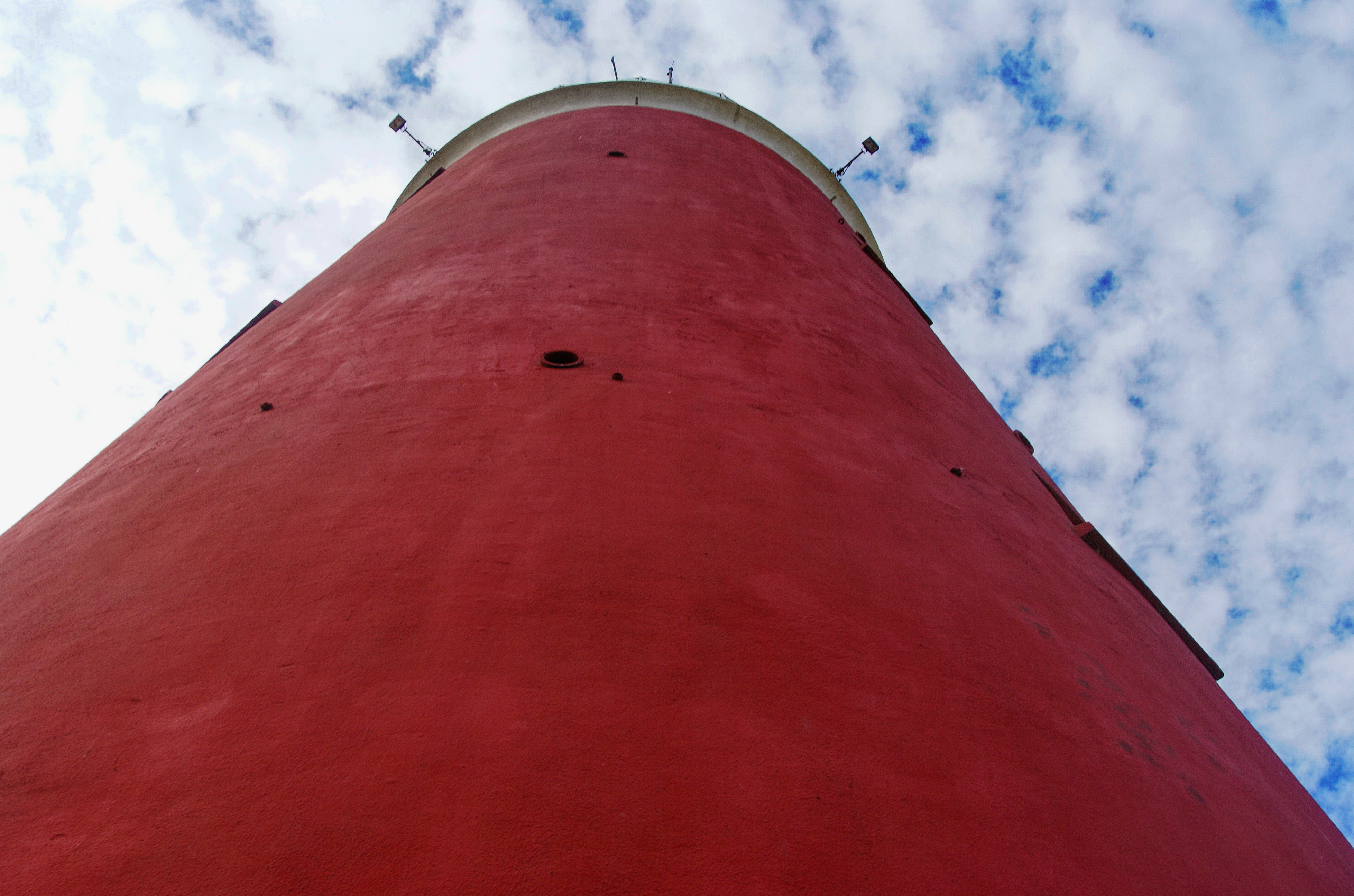
Texel is the Dutch Wadden Sea island for travellers who want a strong mix of wildlife, beach holidays, maritime heritage and working rural landscapes. It has a distinctive red lighthouse at its north tip, seal rehabilitation at Ecomare, the unusual tidal marsh of De Slufter and village museums that connect present-day visitors to older island life. There is enough variety that a few days feel worthwhile, but a good itinerary groups destinations geographically rather than attempting the whole island in a hurry.
This reader-first guide covers ten different Texel places, with what to expect, who a stop suits, how to plan it and important safety or accessibility limits. Some are open beaches or villages, others require tickets, and conservation areas may have seasonal restrictions. None should be described as automatically open or suitable for every party. Bring curiosity and time to enjoy the island, not just a list of pictures.
Travel update, 13 November 2026: TESO ferries travel between Den Helder and Texel in about 20 minutes, transporting cars, bicycles and pedestrians. Sailing times and additional peak services are managed by the operator. The standard vehicle ticket is return travel, but it is still important to check current fares and terminal procedures before a trip.
First-time priorities: Ecomare for marine animals, Eierland lighthouse for views, De Slufter for ecology, Kaap Skil for maritime history and Den Burg for everyday Texel.


At a glance: ten Texel experiences
| Place | Location | Suggested time |
|---|---|---|
| 1. Ecomare — Seal Rescue and Wadden Sea Education | Near De Koog, along Texel’s west-side dunes | Two to three hours; longer for exhibitions |
| 2. Eierland Lighthouse and the Northern Tip | De Cocksdorp region, northern Texel | One to two hours, plus a surrounding beach walk |
| 3. De Slufter — Open Tidal Salt Marsh | Northwestern Texel coast | Two to three hours for a signed route |
| 4. De Koog Village, West Beach and Dune Edge | Western coast of Texel | Half a day or relaxed beach afternoon |
| 5. Oudeschild Harbour and Museum Kaap Skil | East Texel, overlooking the Wadden Sea | Half a day for museum and harbour |
| 6. Den Burg’s Historic Centre and the Oudheidkamer | Central Texel | Two to three hours, longer for shops or lunch |
| 7. De Hoge Berg and Texel’s Sheep Landscape | Low hill landscape southeast of Den Burg | Two to three hours, or shorter viewpoints |
| 8. De Hors and the Southern Texel Dunes | Southern tip of Texel near the ferry side | Half-day for nature lovers, with a chosen route |
| 9. De Dennen Forest and Dunes National Park Trails | Central-western Texel behind the beaches | Two to four hours, depending on walking or cycling route |
| 10. Den Hoorn, White Church and the Mokbaai Coast | Southern Texel, near Den Hoorn and the southern bay | Half-day including a village and coastal stop |
1. Ecomare — Seal Rescue and Wadden Sea Education
Where: Near De Koog, along Texel’s west-side dunes. Time: Two to three hours; longer for exhibitions.
Ecomare offers one of Texel’s most useful family experiences because it combines seal care with learning about the North Sea and Wadden Sea ecosystems. Its seal rehabilitation work is a real animal-welfare service, not a facility where visitors can demand contact with every seal. The exhibitions also introduce birds, coastal habitats and the reasons protected nature areas matter. The distinction between animals in rehabilitation and wild animals left undisturbed on the beach is central to the experience.
What to experience
Start by exploring the nature interpretation, then observe the animal-care areas permitted to the public. Read signs about why individual seals have arrived and what the care team aims to achieve, where such information is provided. Depending on rescue needs and operating procedures, the number of animals changes. Look for how pools, monitoring and veterinary facilities differ from an ordinary petting zoo. The museum’s relationship with the Stichting Texels Museum network also connects conservation to broader island history. Families who enjoy science can compare the animals’ bodies and behaviour with the conditions of the wild shoreline, while avoiding assumptions about why a particular animal appears quiet.
Practical planning and access
Visit early in a nature-focused day, then walk a nearby signed dune or beach trail if weather permits. Verify current opening hours, ticket availability, feeding interpretations and accessibility on the Ecomare website. A museum ticket does not grant access to wildlife-only parts of the nearby national park. If the weather is poor, allow more time indoors rather than forcing an exposed second stop. If someone in the party has strong sensory or mobility needs, check specific public viewing areas and available facilities beforehand.
Safety and local respect
Never attempt to touch, feed or frighten seals, whether in a care centre or on the beach. Do not use flash or noisy behaviour that could disturb animals. Follow staff rules and distinguish veterinary care from visitor entertainment.
Learning activity: How does an injured or orphaned seal become ready to return to the wild? Which signs would trained staff monitor, and why is one attractive photograph not evidence of an animal’s health?
2. Eierland Lighthouse and the Northern Tip
Where: De Cocksdorp region, northern Texel. Time: One to two hours, plus a surrounding beach walk.
The red Eierland lighthouse is Texel’s most recognisable landmark, standing at the northern end where the North Sea and Wadden Sea meet. Unlike several famous working lighthouses elsewhere, Texel’s lighthouse is open to visitors at designated times. Its interior even reveals physical evidence of damage from the Second World War, allowing engineering, navigation and modern history to be considered together rather than as separate tourist subjects.
What to experience
When tickets and conditions allow, climb the historic spiral stairs and stop at the level where the old inner wall and later outer structure can be seen. Ecomare’s museum group explains that the original nineteenth-century core was damaged during wartime and protected by an added outer wall. From the upper viewing area you gain a wide sense of the sea around the island. If you cannot climb, the lighthouse is still satisfying from ground level and the surrounding beach. The visible difference between landward dunes and open water is worth studying before you photograph the tower.
Practical planning and access
The tower visit involves stairs and may be unsuitable for people with limited mobility or a fear of heights. Check present opening, reservations and wind-related restrictions; do not infer tower access from a photographed open door. The lighthouse fits a northern island day with De Slufter or the nearby Krimbos, but do not rush if you intend to climb. In late autumn the surrounding beach can be windy even under bright skies.
Safety and local respect
Stay within visitor areas and obey tower staffing limits. Do not climb barriers or access maintenance equipment. On the surrounding shore follow bathing and dune-protection rules. If the tower is shut, treat the exterior visit as the attraction instead of seeking an unofficial entry.
Learning activity: Why would a lighthouse need to be rebuilt around a damaged inner structure? Compare preservation of historical evidence with modern safety and reliability needs.
3. De Slufter — Open Tidal Salt Marsh
Where: Northwestern Texel coast. Time: Two to three hours for a signed route.
De Slufter is one of Texel’s most distinctive landscapes because it remains open to the North Sea through an inlet in the dunes. Salty water can flood the channels, creating a changing mosaic of salt marsh, sand and vegetation. The official VVV Texel guide states that most of the reserve is managed for nesting and resting birds, while only the southern part has free visitor access. A memorable visit therefore depends on seeing the environment without treating all the attractive channels as walking paths.
What to experience
Begin at the formal entrance viewpoint and look down at the winding channels. Their shapes reveal water movement better than a flat map. In late summer, sea lavender may create purple colour across parts of the marsh, while autumn and winter look different. If ground conditions are safe, follow an explicitly permitted southern path; after storms or high tides parts may be flooded or too muddy to use. Consider the difference between a plant thriving in salty conditions and an inland garden plant that would struggle here. Birdwatching can be excellent, but the animals require distance and patience.
Practical planning and access
The official visitor website describes a wheelchair path and a 200-metre mat path in the reserve, but it also says the beach cannot be reached by wheelchair via this arrangement. That distinction matters for accessibility planning. A cafe or guided excursion may be available according to season, but it is not a guaranteed route into closed nesting areas. Wear waterproof footwear, check tide and weather and adapt the plan if the water fills the marsh.
Safety and local respect
Do not enter the protected northern sections, cross tidal channels or use drones near wildlife. Water rises and paths can become impassable. Keep dogs in accordance with site rules and avoid walking onto sensitive vegetation.
Learning activity: Why can only some plants thrive where seawater floods regularly? Make a simple diagram of a creek, salt marsh and dune, and identify which conditions each habitat creates.
4. De Koog Village, West Beach and Dune Edge
Where: Western coast of Texel. Time: Half a day or relaxed beach afternoon.
De Koog offers the familiar beach-resort side of Texel: a village with cafes, shops, holiday accommodation and a wide North Sea shore beyond the dunes. It makes an easy base for travellers who want beach life without losing access to Ecomare and national-park walks. The contrast between busy village services and protected dunes is useful for seeing how a popular holiday destination manages land that remains ecologically sensitive.
What to experience
Walk from the village towards a signed beach entrance and notice how the character changes from shops to dune vegetation and open sand. Families can enjoy a short shore walk, a meal or suitable summer beach activity without needing a long cross-island drive. Take time to look at the way boardwalks and designated accesses concentrate pedestrian movement through fragile dunes. If you enjoy photography, watch how the same beach appears different in low autumn light, stormy conditions or bright summer weather. The sea is not obliged to reproduce a travel brochure image.
Practical planning and access
A convenient day pairs De Koog with Ecomare or the nearby forest. Beach hospitality is seasonal; check current opening of individual restaurants and pavilions. In summer, accommodation and parking can be busy, while shoulder seasons offer quieter walks. For people with mobility restrictions, confirm a particular beach access’s surface and availability of adapted equipment instead of assuming the broad beach is universally accessible.
Safety and local respect
Follow local swimming flags, lifeguard guidance, tide warnings and dog restrictions. Avoid walking through planted dunes. Do not rely on the presence of a beach pavilion to prove that a swim is safe on the day.
Learning activity: What parts of a seaside resort are designed for visitors, and which services are needed by residents throughout the year? Compare a seasonal pavilion with a year-round village shop.
5. Oudeschild Harbour and Museum Kaap Skil
Where: East Texel, overlooking the Wadden Sea. Time: Half a day for museum and harbour.
Oudeschild combines a working harbour with one of Texel’s most informative maritime museums. Museum Kaap Skil explores the island’s relationship with ships, fisheries, beachcombing and underwater archaeology, including the remarkable Palmwood Shipwreck finds. The museum matters because it links objects found in or around the sea with the trade routes, risk and lives that produced them. The neighbouring harbour shows that those relationships continue in modern forms.
What to experience
Start inside Kaap Skil with its models and excavated objects, reading the difference between a reconstructed story and physical evidence. The celebrated silk dress from the Palmwood Wreck is a striking example of an object that survived under special conditions; its interpretation should follow the current museum display rather than an exaggerated treasure-hunt narrative. Outside, the museum’s historic buildings give a feeling for past households and workspaces. Then walk part of the public harbour and observe how modern boats, moorings and service areas differ from the older exhibits. A museum is not simply somewhere to leave children while adults have lunch; it provides useful context for the whole island.
Practical planning and access
Allow a substantial museum visit rather than squeezing it between two coastal hikes. Check admissions, exhibition closures and opening hours, especially in winter. Oudeschild also suits a seafood meal if ingredients and dietary needs permit. Harbour tours may operate seasonally, but they are a separate booking; don’t assume every boat in port takes tourists.
Safety and local respect
Respect active quays, fishing operations and the museum’s rules about photographing exhibits. Keep children away from working ropes and unguarded water edges. Do not enter restricted port yards.
Learning activity: How do archaeologists interpret objects found in shipwrecks without knowing the full story of every passenger? Separate what an artefact proves from what researchers infer.
6. Den Burg’s Historic Centre and the Oudheidkamer
Where: Central Texel. Time: Two to three hours, longer for shops or lunch.
Den Burg is Texel’s principal town, providing a sense of the island as a place where people live and work rather than a chain of beaches. Its old streets, shops and the Oudheidkamer heritage house offer a compact introduction to household history and changing local culture. A visit makes an excellent everyday-life counterpoint to sea-cliff or nature stops: schools, groceries, public services and historic homes are also part of what makes an island function.
What to experience
Take an unhurried walk through the centre, observing the relationship between older narrow streets and modern shops. The Oudheidkamer, within a historic house, displays domestic interiors and objects that connect daily routines with previous generations. Its traditional garden can encourage discussion of plants, medicine and household knowledge, although specific interpretations should be checked on site. This museum is seasonal; Ecomare’s foundation information identifies an April–November 1 operating window rather than continuous year-round admission. If it is closed, the town walk is still useful and more reliable than driving to a locked museum entrance.
Practical planning and access
Pair Den Burg with nearby De Hoge Berg or a central-island lunch. In November, verify museums and independent shops before promising their services. Parking and bus options differ from a compact pedestrian square. For visitors who avoid stairs, inspect the heritage house’s entrance and room access in advance; a preserved old home may not be step-free.
Safety and local respect
Respect private houses, market operations and road crossings. Some local events can affect access to the centre. Treat museum artefacts and gardens as protected displays, not props to handle freely.
Learning activity: Compare a historic domestic room with a modern home. Which changes came from technology, which from family habits and which from access to imported goods?
7. De Hoge Berg and Texel’s Sheep Landscape
Where: Low hill landscape southeast of Den Burg. Time: Two to three hours, or shorter viewpoints.
De Hoge Berg is a characteristic cultural landscape of low green hills, old fields, sheep and turf-covered or stone boundary features. Unlike the strictly sea-facing dunes, this terrain reveals how farming shaped the island over generations. It rewards travellers who look past the famous lighthouse and see Texel as an agricultural community with its own land-use patterns. The official VVV Texel describes De Hoge Berg as an iconic landscape rather than simply another scenic pasture.
What to experience
Use signed walking or cycling routes to view characteristic sheep enclosures, historic field boundaries and views back across the low country. Look for the little traditional sheep barns called schapenboeten, which provided shelter and storage. Do not assume every barn is open or that a public footpath gives permission to enter a working field. Think about how wind and soil influence farm building design. The agricultural landscape also invites questions about local cheese, lamb and wool, but specific products and claims about farming methods should come from individual producers rather than broad tourism stereotypes.
Practical planning and access
Combine this stop with Den Burg or Oudeschild. It is a good alternative to exposed beach walking when a calmer rural outing suits your group, although the island can still be windy. Cycle only on permissible routes and check local traffic conditions; farming roads have working vehicles. Take photos from public paths and avoid driving into fields or yards for a closer image.
Safety and local respect
Keep dogs away from livestock and maintain field boundaries. Do not climb turf walls, enter barns or feed sheep without a farmer’s invitation. Respect farm machines and local traffic.
Learning activity: Why does an exposed agricultural island need field boundaries and particular shelter buildings? What would change in their design if wind and rain were different?
8. De Hors and the Southern Texel Dunes
Where: Southern tip of Texel near the ferry side. Time: Half-day for nature lovers, with a chosen route.
De Hors is a striking open sandy landscape where dunes are still forming. Official Texel nature guides identify it as a place to see young dunes and sand movement, making it especially valuable for people interested in physical geography. The sense of openness can be exhilarating, but that same openness creates practical risks: distances feel shorter than they are, the wind can change quickly and habitats around some dunes are protected.
What to experience
Follow a marked route or an authorised nature excursion and observe the stages from bare sand to early dune vegetation. Look at how grass traps windblown grains, creating small mounds that may become larger dunes over time. Compare the southern environment with the densely vegetated dunes farther north. A trained guide can help explain landscape changes, but an unsupported visitor guess about the exact age of a dune isn’t scientific evidence. From safe open viewpoints, the wide sky and shore are rewarding even without identifying every plant.
Practical planning and access
The southern area can be grouped with Den Hoorn, Mokbaai and the ferry arrival region. This is not a route where visitors should simply march seaward without considering tide, weather or return distance. Waterproof shoes and windproof layers are useful. Some areas may close for wildlife protection or defence-related activities, so follow current access guidance. A shorter viewpoint visit is better for families than a long unmarked sand hike.
Safety and local respect
Do not cross into fenced reserves or restricted zones, and avoid disturbing nesting birds. Sand and water channels can change. Stay together and use reliable navigation; do not assume every sandflat is safe to walk on.
Learning activity: Compare an area of bare sand, low grass and an older vegetated dune. How could these form a sequence, and what else would you need to know to verify their ages?
9. De Dennen Forest and Dunes National Park Trails
Where: Central-western Texel behind the beaches. Time: Two to four hours, depending on walking or cycling route.
The De Dennen forest creates a welcome change of atmosphere from the Wadden Sea and open North Sea beaches. Official island visitor information explains that parts were originally planted for forestry and are now valued for recreation and ecology. This human-influenced origin makes the woodland a useful reminder that not every green landscape is an untouched wilderness. Today the forest supports a network of signed paths where visitors can combine shade, birds and quiet outdoor recreation.
What to experience
Choose a route suited to your group, whether a short family walk or a longer cycling circuit, and notice how tree density changes the light, wind and sound. Look for signs showing planted trees, other vegetation and habitat management. A forest can be a place to appreciate nature while still requiring ongoing maintenance for visitor safety and biodiversity. If visiting after strong winds, check for warnings about fallen branches. The contrast with the nearby dunes shows how vegetation, soil and exposure shape different habitats over relatively short distances.
Practical planning and access
Pair De Dennen with De Koog or a beach visit on the west side. Take a route map rather than navigating by informal tracks; cycling and walking may use different sections. Some car parks and picnic facilities have seasonal or maintenance changes. A group with limited mobility should select a specific accessible loop and ask for its surface details rather than assuming all forest trails are smooth.
Safety and local respect
Stay on routes, observe dog and fire rules, and keep clear of forestry operations. Do not damage habitat to find a better photograph. In storms, avoid trees with visible instability and follow official closure notices.
Learning activity: How can a planted forest become valuable habitat? List benefits and trade-offs compared with naturally developing dunes and open grassland.
10. Den Hoorn, White Church and the Mokbaai Coast
Where: Southern Texel, near Den Hoorn and the southern bay. Time: Half-day including a village and coastal stop.
Den Hoorn is among Texel’s most photogenic villages, recognised for its white church rising over surrounding fields. A short heritage walk here offers contrast with Den Burg’s larger town and the busy western resort of De Koog. Nearby Mokbaai supports a very different side of Texel, with tidal flats and coastal habitats where birds gather to feed or rest. Together they make a strong final stop for people interested in both village architecture and ecology.
What to experience
Walk public village lanes to view the white church and traditional houses, respecting any religious services or private property. Notice how the church’s position makes it visible from a distance, just as the northern lighthouse has a distinct role in maritime navigation. For a coastal continuation, choose signed viewpoints towards Mokbaai rather than trying to reach every tide line. The bay is part of a wider nature landscape with sensitive zones, and official guided excursions may offer access to areas not normally open to casual visitors. Watching shorebirds from a permitted spot can be an excellent quiet activity.
Practical planning and access
Combine the village with De Hors or a mainland ferry departure day, keeping sufficient time to reach ‘t Horntje terminal. Don’t promise that the church interior is open or that a guided nature tour is available without booking. Winter daylight and wet weather may reduce outdoor plans. Visitors who use mobility aids should check the specific church approach and shoreline path rather than relying on the accessibility of the village centre alone.
Safety and local respect
Keep distance from wildlife, stay on signed routes and avoid walking on exposed tidal mud without a qualified guide. Respect worship, houses and local road traffic. A quiet bay is not necessarily a safe swimming place.
Learning activity: Why are a church tower and a lighthouse both prominent landmarks yet used for different social purposes? Compare their location, design and audiences.
Return to all ten · Suggested days
Three- or four-day itinerary for Texel
Day 1: Den Burg, Hoge Berg and Oudeschild
Arrive through ‘t Horntje and settle in before deciding how much ground to cover. Den Burg, De Hoge Berg and Oudeschild lie in a sensible central-to-eastern route, combining town life, agriculture and harbour history. Make Kaap Skil the main indoor attraction, then allow time for a seafood lunch or quiet harbour stroll. If you arrive late in the day, choose only Den Burg and save the museum for a later morning.
Day 2: Ecomare, De Koog and the western dunes
Spend the morning at Ecomare, learning about seals and the Wadden ecosystem. In the afternoon, walk a permitted dune or beach route near De Koog, with an easy café stop if the weather is poor. Families may prefer to spend the whole afternoon here instead of racing north for the lighthouse. Wildlife and conservation are more rewarding when you allow time for quiet observation and keep distance from animals.
Day 3: De Slufter and the northern lighthouse
Head north to De Slufter first, where the visitor viewpoint explains the unusual open sea connection. Choose only a safe permitted southern route, adapting if the marsh floods. Continue to Eierland Lighthouse at the north tip, checking whether tower admission is offered on your date. Wind can make both stops challenging, so keep an indoor or village alternative and don’t promise the climb to every family member.
Day 4: Southern sand and Den Hoorn
With an extra day, explore De Hors or another signed southern nature route, then finish at Den Hoorn village. This is also a helpful contingency for bad weather earlier in the stay. A half-day centred on the white church and local heritage can be memorable without long walking, while naturalists may prefer a longer guided field visit around Mokbaai.
How the Texel ferry works
TESO’s ferry operates between Den Helder and Texel’s southern landing at ‘t Horntje. The crossing is approximately twenty minutes, with regular sailings and extra peak services. You can travel on foot, with a bicycle or with a car; booking a standard car crossing is not generally required, although you may buy tickets online. Check the exact day, check-in requirements, the type of ticket needed for passengers and any change to operating conditions before you set off.
Without a car, travel is feasible using local bus connections, Texelhopper and cycling. The official VVV describes bus 28 serving Den Burg and De Koog from the ferry, but individual rural attractions may require a transfer, cycling or a longer walk. The shortest line between two places on a map may cross a protected reserve, so route planning needs to respect signed paths. For family accommodation, choose an area that supports the stops you prioritise rather than trying to stay equally close to every part of Texel.
Wildlife, tides and accessible nature
Texel’s nature areas differ in what they allow visitors to do. De Slufter’s southern public access and managed bird areas are not interchangeable. Some dunes have seasonal restrictions, while guided walks led by a ranger may enter zones not open to ordinary walkers. Beaches can offer broad public access, but this does not prove that unsupervised tidal flats are safe to cross. Read site signs and follow local directions; do not enter bird nesting or roosting habitat just because the view looks inviting.
Accessibility must be checked for a specific trail, not inferred from the phrase ‘family friendly’. Ecomare and museums may offer visitor facilities, but a lighthouse climb uses stairs and parts of De Slufter can be muddy or inundated. The official visitor site describes a mat path for wheelchairs within part of the reserve without an accessible route all the way to the beach. Planning with those limits in mind creates a better holiday for everyone.
When to go
Late spring and summer suit beaches, cycling and seasonal attractions, while autumn is appealing for migrating birds, quieter museums and a change in light. Winter can bring impressive waves and a peaceful island atmosphere, but outdoor paths may flood and certain heritage venues close. Check opening hours of the Oudheidkamer or other seasonal museums, and keep a weather fallback. A well-chosen indoor museum can be more satisfying than forcing an unsafe dune walk because a holiday timetable has no spare space.
Texel FAQs
How do you get to Texel?
Take the TESO ferry from Den Helder in North Holland to ‘t Horntje on Texel. The crossing is about 20 minutes; check the operator for actual departures.
Can you take a car to Texel?
Yes. Unlike some other Wadden islands, Texel’s TESO ferries carry vehicles as well as pedestrians and cyclists. Buying a ticket is required; private-car reservations are not normally necessary for the standard crossing.
How many days do I need?
Two or three days cover a balanced nature and culture itinerary. Four or five days allow more time for beaches, museums, cycling and weather flexibility.
Is Ecomare a seal-watching centre?
Yes, it combines seal rehabilitation with education about coastal wildlife. Visitor access is managed and you must not approach or touch animals.
Can I climb Texel lighthouse?
The Eierland lighthouse has public access at scheduled times, involving stairs. Verify the current dates, ticketing and mobility requirements.
Is De Slufter always walkable?
No. Tidal flooding and mud can make paths impassable. Only the southern section is freely accessible and protected bird habitats must be respected.
Is De Slufter wheelchair accessible?
There is an accessible approach and a mat path of about 200 metres, but the official destination site says the beach is not reachable by wheelchair using it. Check current conditions.
Is Den Burg the main town?
Yes. It contains shops, services and historic streets, while De Koog is known more for coastal resort experiences.
What is Kaap Skil?
A maritime and beachcombing museum in Oudeschild covering shipping, fishing and underwater archaeology, including finds from Texel-area shipwrecks.
What is the Hoge Berg?
A characteristic agricultural landscape of historic fields, sheep and traditional buildings on Texel.
Can you do Texel without a car?
Yes, with bicycles and public transport, including buses and Texelhopper. Check actual routes, prices and availability, especially for countryside stops.
When is the best season?
Summer suits beach holidays, while spring and autumn suit birds and cycling. Many attractions operate in other seasons but check individual museums and weather conditions.
Is mudflat walking safe without a guide?
Do not attempt remote tidal-flat routes without a qualified local guide. Water, mud and channels can create serious hazards.
How to learn from Texel without turning a holiday into homework
Every Texel setting poses a different useful question. At De Slufter, why does a salt-tolerant plant thrive where others fail? At the lighthouse, how is a working navigation structure maintained after wartime damage? At Oudeschild, how do surviving shipwreck objects become historical evidence? At De Hoge Berg, what makes a farming landscape distinctive? These questions help you notice what is behind the view, and encourage you to separate visible evidence from explanation.
Related eduKate reading: Top 10 Places to Visit When Touring the Netherlands · World Travel Hub · Secondary 1 Mathematics Tutor Clementi | Small Groups Tutorials.
Official sources and photo attribution
Sources reviewed 13 November 2026. Attraction admission, guided excursions, nature restrictions and ferry operations remain subject to change.
- VVV Texel — Museums and Cultural Attractions
- VVV Texel — De Slufter Access and Protected Habitat
- VVV Texel — Nature Reserves
- Ecomare — Museums, Lighthouse and Kaap Skil
- VVV Texel — Ferry Travel by TESO
- VVV Texel — Public Transport to and on Texel
- VVV Texel — Guided Nature Trips
- Wikimedia Commons — Texel Lighthouse Photo
The best Texel holiday may be a handful of places enjoyed well rather than every attraction completed quickly. Let the island’s coast, museums, farms and communities show how a living place works.