
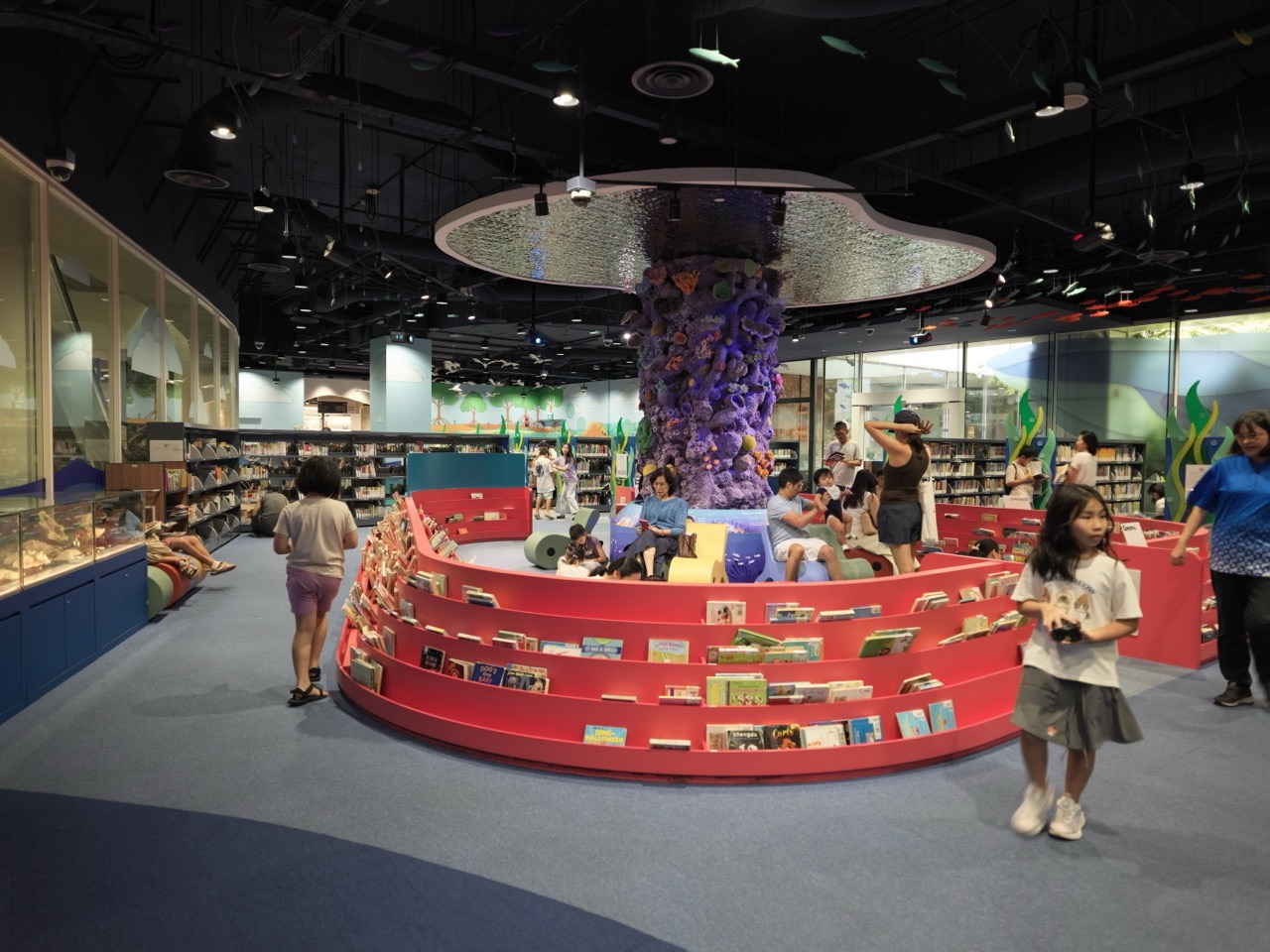
Quick answer: Primary 3 Chinese vocabulary should help children follow a passage, explain a character’s feelings and write clear, connected sentences. Here are 200 unique Chinese words and expressions with English meanings, arranged into ten real-life and reading topics. The selections extend eduKate’s Primary 1 and Primary 2 Chinese lists without repeating their vocabulary entries.
Singapore’s MOE 2024 Primary Chinese Language syllabus began implementation with the 2024 Primary One cohort, which reaches Primary 3 in 2026. A school’s classroom texts, spelling tasks and teaching sequence remain the immediate guide. These 200 entries are an independent study resource, not an official MOE memorisation list or an examination prediction.
Find the information you need:
- Exactly 200 different Primary 3 Chinese vocabulary entries with English meanings
- Ten topic-based lists, each with twenty entries and a direct practice activity
- Eight original model sentences and a short comprehension story
- Teaching steps, diagnostic checks, a four-week home plan and FAQs
- Official MOE syllabus and connected eduKate guides
Top 200 Primary 3 Chinese vocabulary entries and English meanings
The English meaning is a quick gloss rather than an exhaustive dictionary entry. A short phrase may count as one entry. The list is an original teaching aid and should not be mistaken for an official examination inventory.
Reading, plot and evidence — entries 1–20
- 文章 — passage; article
- 主题 — theme
- 标题 — title
- 内容 — content
- 情节 — plot
- 人物 — character
- 作者 — author
- 读者 — reader
- 对话 — dialogue
- 描写 — description
- 表达 — express
- 感受 — feeling; sense
- 看法 — viewpoint
- 判断 — judge
- 推测 — infer; conjecture
- 线索 — clue
- 证据 — evidence
- 总结 — summarise
- 说明 — explain; illustrate
- 观点 — point of view
Try this: Read an original passage, find a clue, then explain how the clue supports an answer.
Emotion, empathy and responses — entries 21–40
- 后悔 — regret
- 内疚 — feel guilty
- 感动 — emotionally moved
- 欣慰 — comforted; pleased
- 犹豫 — hesitate
- 坚持 — persist
- 放弃 — give up
- 体谅 — be considerate
- 谅解 — understand; forgive
- 原谅 — forgive
- 鼓励 — encourage
- 赞赏 — praise; appreciate
- 感谢 — express thanks
- 道歉 — apologise
- 误会 — misunderstanding
- 和解 — reconcile
- 拒绝 — refuse
- 接受 — accept
- 珍惜 — cherish
- 信任 — trust
Try this: Name a plausible feeling and support it with the character’s action.
Planning, responsibility and decisions — entries 41–60
- 目标 — goal
- 计划 — plan
- 步骤 — step
- 顺序 — order
- 条件 — condition
- 任务 — task
- 责任 — responsibility
- 规则 — rule
- 纪律 — discipline
- 安排 — arrange
- 分配 — allocate
- 准确 — accurate
- 效率 — efficiency
- 成果 — achievement; result
- 困难 — difficulty
- 挑战 — challenge
- 尝试 — attempt
- 解决 — solve
- 改善 — improve
- 反思 — reflect
Try this: Describe how a class project changes between planning and completion.
Movement, help and travel — entries 61–80
- 排队 — queue
- 拥挤 — crowded
- 散步 — stroll
- 越过 — cross over
- 绕过 — go around
- 抵达 — arrive
- 离开 — leave
- 迷路 — get lost
- 寻找 — search
- 拾起 — pick up
- 丢失 — lose
- 遗忘 — forget; leave behind
- 归还 — return an item
- 借用 — borrow
- 传递 — pass along
- 搀扶 — support a person
- 扶起 — help to stand
- 引导 — guide
- 陪伴 — accompany
- 送达 — deliver
Try this: Tell what happened before and after an action, and name who was involved.
Science observations and measurements — entries 81–100
- 观察 — observe
- 测量 — measure
- 记录 — record
- 实验 — experiment
- 材料 — material
- 工具 — tool
- 温度 — temperature
- 湿度 — humidity
- 蒸发 — evaporation
- 凝结 — condensation
- 液体 — liquid
- 固体 — solid
- 气体 — gas
- 重量 — weight
- 体积 — volume
- 速度 — speed
- 力量 — force; strength
- 变化 — change
- 循环 — cycle
- 能量 — energy
Try this: Separate a measured observation from a guess; use the vocabulary in a real explanation.
Natural resources and environmental care — entries 101–120
- 生态 — ecology
- 栖息地 — habitat
- 生物 — organism
- 资源 — resource
- 能源 — energy resource
- 垃圾桶 — rubbish bin
- 塑料 — plastic
- 纸张 — paper
- 电池 — battery
- 用水 — water use
- 废物 — waste
- 分类 — classify
- 再利用 — reuse
- 维修 — repair
- 节能 — save energy
- 环保 — environmental protection
- 降低 — lower; reduce
- 排放 — emissions; discharge
- 噪音 — noise
- 遮荫 — shade
Try this: Explain one small, accurate action for saving resources, without claiming it solves every environmental problem.
Public spaces and safety in Singapore — entries 121–140
- 公共 — public
- 秩序 — order
- 服务 — service
- 交通 — transport
- 行人 — pedestrian
- 斑马线 — zebra crossing
- 红绿灯 — traffic light
- 乘客 — passenger
- 车厢 — train carriage
- 月台 — platform
- 票价 — fare
- 设施 — facility
- 无障碍 — accessible; barrier-free
- 指示牌 — signboard
- 守则 — rules
- 消防 — fire safety; firefighting
- 紧急 — urgent; emergency
- 求助 — seek help
- 救援 — rescue
- 避难 — seek shelter
Try this: Read a simple public notice and describe its audience and purpose.
Weather and the landscape — entries 141–160
- 雷雨 — thunderstorm
- 闪电 — lightning
- 雷声 — thunder sound
- 阵雨 — rain shower
- 暴雨 — heavy rain
- 洪水 — flood
- 干旱 — drought
- 阴凉 — shady; cool
- 潮湿 — damp; humid
- 清凉 — refreshingly cool
- 地面 — ground
- 坡道 — slope; ramp
- 山坡 — hillside
- 小溪 — stream
- 湖泊 — lake
- 池塘 — pond
- 海岸 — coast
- 沙粒 — grain of sand
- 岩石 — rock
- 花瓣 — petal
Try this: Choose one exact description from a safe picture and explain how you know.
Comparisons, conditions and reasoning — entries 161–180
- 犹如 — like; as if
- 仿佛 — as though
- 好像 — seem; like
- 似乎 — it seems
- 与其 — rather than
- 不如 — would be better; not as good
- 反而 — instead; unexpectedly
- 即使 — even if
- 仍然 — still
- 无论 — regardless of
- 不管 — no matter
- 只要 — as long as
- 难怪 — no wonder
- 甚至 — even
- 特别 — especially
- 主要 — mainly
- 此外 — in addition
- 因此 — therefore
- 可是 — but
- 然而 — however
Try this: Ask whether a connector expresses contrast, a condition or a conclusion.
Vivid and accurate descriptions — entries 181–200
- 喧闹 — bustling; noisy
- 寂静 — silent
- 轻快 — light; brisk
- 沉重 — heavy; burdensome
- 温暖 — warm
- 冰冷 — icy cold
- 空旷 — open; empty
- 独特 — unique
- 出色 — outstanding
- 清晰 — clear; distinct
- 混乱 — chaotic
- 平静 — calm
- 激烈 — intense
- 细致 — meticulous
- 宏伟 — grand
- 破旧 — dilapidated
- 整洁 — tidy and clean
- 生动 — vivid
- 丰富 — rich; abundant
- 鲜艳 — bright-coloured
Try this: Name an observed feature before choosing the adjective; never decorate at random.
Eight original sentences that show the words working
Read naturally, ask who does what, and invite the child to replace one element with a different but accurate example. The purpose is meaningful language use, not memorising an adult’s perfect sentence as a performance.
- 文章的主题是关心社区。
The passage’s theme is caring for the community.
- 他后悔没有及时道歉。
He regrets not apologising promptly.
- 我们先观察,再记录变化。
We observe first, then record the change.
- 读者可以从人物的对话中找到线索。
A reader can find clues from the character’s dialogue.
- 为了环保,我们应该减少浪费。
To protect the environment, we should reduce waste.
- 他拾起丢失的书,并归还给同学。
He picks up the lost book and returns it to his classmate.
- 这段描写让故事更加生动。
This description makes the story more vivid.
- 即使下雨,活动仍然会在室内继续。
Even if it rains, the activity will continue indoors.
An original reading passage with a clear event sequence
星期六,几位志愿者来到社区公园。他们发现地上有不少塑料袋。小杰原本想离开,可是看到伙伴们认真清理,便决定留下来帮忙。大家先把废物分类,再将可回收物放进指定的箱子。活动结束后,小杰感到欣慰,也开始反思自己的生活习惯。
Plain-English summary: On Saturday, volunteers clean a neighbourhood park. A boy considers leaving but chooses to help, and afterwards he reflects on his habits.
Ask the pupil to answer four different types of question. Literal: Who participated and where? Sequence: What happened before the final action? Inference: How did the central character’s attitude change? Evidence: Which expression in the passage supports the explanation? Allow the child to point to a clue first, then give a short oral answer in the target language. If the learner has to read the passage several times, that is a normal step towards deeper comprehension.
Next, ask the child to invent one small alternative outcome. A changed ending should logically follow from a changed action. This exercise reveals whether the learner understands cause and consequence instead of reciting a model answer. Avoid awarding marks for a fancy expression that makes the story less accurate.
Ten ways the vocabulary connects to the world
These notes show how each topic can be used beyond an isolated English translation. The aim is to help a parent create one effective practice task and notice what a learner does independently.
1. A passage contains evidence, not just vocabulary: Reading, plot and evidence
Choose a short passage and ask three questions: what happened, what changed and which words support the answer. The exact location of a clue matters. Sometimes a character’s reaction appears after the event that caused it. Ask the pupil to point back to the earlier sentence. If the learner guesses a plausible feeling without evidence, acknowledge the idea but explain the difference between inference and invention. Teaching this distinction builds reading comprehension in a way that more character copying cannot accomplish.
For this set, compare 文章, 作者, 看法 and 说明 using an accurate example of each. Read an original passage, find a clue, then explain how the clue supports an answer. If the child answers correctly only while looking at the English glosses, cover the translations and present a different sentence. When they need a cue, record the cue without turning the experience into a punishment. Read a small original text again after a day or two, let the child locate one familiar item, and ask them to explain its meaning in context. A word becomes durable when it can be recognised, recalled and used for a real purpose rather than appearing only on a flashcard.
2. A feeling word should be connected to an event: Emotion, empathy and responses
Use a short story about a mistaken decision, an apology or a successful group project. Let the child first describe the event in familiar language. Only then ask for a feeling or character quality. The purpose is to show why the word fits. The same person can feel several emotions, and reasonable answers deserve attention when evidence is present. A word becomes usable when a pupil can explain what caused it and what action followed.
For this set, compare 后悔, 放弃, 感谢 and 珍惜 using an accurate example of each. Name a plausible feeling and support it with the character’s action. If the child answers correctly only while looking at the English glosses, cover the translations and present a different sentence. When they need a cue, record the cue without turning the experience into a punishment. Read a small original text again after a day or two, let the child locate one familiar item, and ask them to explain its meaning in context. A word becomes durable when it can be recognised, recalled and used for a real purpose rather than appearing only on a flashcard.
3. Plans and actions are connected by sequence: Planning, responsibility and decisions
Give an ordinary class project with a beginning, two tasks and a completion step. Ask which action describes planning, which describes carrying out a task and which describes checking the result. The differences may sound small in an English gloss but they change the meaning of a story. Encourage the child to describe responsibility: who did each task and what helped the group succeed? This also prepares the learner to write a coherent account rather than a list of disconnected actions.
For this set, compare 目标, 责任, 效率 and 改善 using an accurate example of each. Describe how a class project changes between planning and completion. If the child answers correctly only while looking at the English glosses, cover the translations and present a different sentence. When they need a cue, record the cue without turning the experience into a punishment. Read a small original text again after a day or two, let the child locate one familiar item, and ask them to explain its meaning in context. A word becomes durable when it can be recognised, recalled and used for a real purpose rather than appearing only on a flashcard.
4. Community words are useful when the account is accurate: Movement, help and travel
Choose a safe, familiar Singapore activity—borrowing a book, helping during a school event or joining a supervised cleanup. Ask what is actually visible or known. A pupil should not infer that every resident participates or that one small activity solves every public problem. Teach a specific action and its immediate effect. Then invite a sentence that states exactly what happened. This creates useful civic vocabulary without turning the language lesson into unsupported claims.
For this set, compare 排队, 离开, 归还 and 陪伴 using an accurate example of each. Tell what happened before and after an action, and name who was involved. If the child answers correctly only while looking at the English glosses, cover the translations and present a different sentence. When they need a cue, record the cue without turning the experience into a punishment. Read a small original text again after a day or two, let the child locate one familiar item, and ask them to explain its meaning in context. A word becomes durable when it can be recognised, recalled and used for a real purpose rather than appearing only on a flashcard.
5. Place words need a clear reference point: Science observations and measurements
Draw a simple fictional map containing a building, a path and a destination. Ask the child to describe the route and which side of the road a place occupies. Change the starting point and see whether the answer changes. A learner who memorises the name of a station may still misunderstand an instruction about entering, leaving or crossing. An adult remains responsible for real travel safety; the language activity is to explain a route accurately using a picture and an appropriate sequence.
For this set, compare 观察, 温度, 气体 and 循环 using an accurate example of each. Separate a measured observation from a guess; use the vocabulary in a real explanation. If the child answers correctly only while looking at the English glosses, cover the translations and present a different sentence. When they need a cue, record the cue without turning the experience into a punishment. Read a small original text again after a day or two, let the child locate one familiar item, and ask them to explain its meaning in context. A word becomes durable when it can be recognised, recalled and used for a real purpose rather than appearing only on a flashcard.
6. Nature reading separates observation from interpretation: Natural resources and environmental care
Use a photograph, simple chart or safe real-life observation. Ask the child to say what they can see, what might explain it and what they cannot tell from the picture alone. Words for weather, materials and living things can support precise descriptions when they are used within the child’s understanding. There is no need to teach a full Science syllabus in a vocabulary lesson. Instead, choose one true detail, one useful noun and one meaningful sentence that a reader can understand.
For this set, compare 生态, 塑料, 再利用 and 噪音 using an accurate example of each. Explain one small, accurate action for saving resources, without claiming it solves every environmental problem. If the child answers correctly only while looking at the English glosses, cover the translations and present a different sentence. When they need a cue, record the cue without turning the experience into a punishment. Read a small original text again after a day or two, let the child locate one familiar item, and ask them to explain its meaning in context. A word becomes durable when it can be recognised, recalled and used for a real purpose rather than appearing only on a flashcard.
7. A story needs cause and consequence: Public spaces and safety in Singapore
Read a scene where someone makes a decision that changes what happens next. Ask the child to name the decision, the immediate outcome and the character’s response. Some outcomes are stated directly, while others require a small inference. Do not force a moral onto every passage if the text does not support it. A clear cause-and-effect chain helps pupils choose accurate words and produce believable narrative writing without overloading their sentences with ornate phrases.
For this set, compare 公共, 红绿灯, 无障碍 and 救援 using an accurate example of each. Read a simple public notice and describe its audience and purpose. If the child answers correctly only while looking at the English glosses, cover the translations and present a different sentence. When they need a cue, record the cue without turning the experience into a punishment. Read a small original text again after a day or two, let the child locate one familiar item, and ask them to explain its meaning in context. A word becomes durable when it can be recognised, recalled and used for a real purpose rather than appearing only on a flashcard.
8. Connectors should reflect logic: Weather and the landscape
Two clauses may describe a time sequence, a cause, an exception or a comparison. Before choosing a connector, ask which relationship the writer intends. If the child can explain the relationship in ordinary words but selects the wrong expression, correct the connector using a short contrasting example. Avoid rewarding an advanced connective solely because it sounds impressive. Clear logic makes even a simple composition stronger and helps the child understand how paragraphs work.
For this set, compare 雷雨, 干旱, 山坡 and 岩石 using an accurate example of each. Choose one exact description from a safe picture and explain how you know. If the child answers correctly only while looking at the English glosses, cover the translations and present a different sentence. When they need a cue, record the cue without turning the experience into a punishment. Read a small original text again after a day or two, let the child locate one familiar item, and ask them to explain its meaning in context. A word becomes durable when it can be recognised, recalled and used for a real purpose rather than appearing only on a flashcard.
9. Description should be verifiable: Comparisons, conditions and reasoning
Present two pictures with obvious differences in light, space, texture or activity. Invite one descriptive word, then ask what feature supports it. Avoid describing a place as crowded merely because it appears lively, or as calm when the people shown are rushing. The right adjective makes the meaning more accurate. Once the learner chooses a fitting term, ask for a second sentence explaining what someone did there. That is a useful bridge from isolated vocabulary to coherent writing.
For this set, compare 犹如, 反而, 难怪 and 可是 using an accurate example of each. Ask whether a connector expresses contrast, a condition or a conclusion. If the child answers correctly only while looking at the English glosses, cover the translations and present a different sentence. When they need a cue, record the cue without turning the experience into a punishment. Read a small original text again after a day or two, let the child locate one familiar item, and ask them to explain its meaning in context. A word becomes durable when it can be recognised, recalled and used for a real purpose rather than appearing only on a flashcard.
10. Study vocabulary can explain the next action: Vivid and accurate descriptions
A class notice might contain a schedule, an instruction and a report requirement. Let the learner distinguish the information from the action it demands. Ask what must be done first, what should be checked and what outcome will show the task is complete. Even words that sound abstract become clearer when attached to a familiar practical problem. Finish by asking the child to explain the task without simply copying its wording.
For this set, compare 喧闹, 空旷, 激烈 and 丰富 using an accurate example of each. Name an observed feature before choosing the adjective; never decorate at random. If the child answers correctly only while looking at the English glosses, cover the translations and present a different sentence. When they need a cue, record the cue without turning the experience into a punishment. Read a small original text again after a day or two, let the child locate one familiar item, and ask them to explain its meaning in context. A word becomes durable when it can be recognised, recalled and used for a real purpose rather than appearing only on a flashcard.
Five small diagnostic checks that change what to teach next
Choose ten items from one section and test separate skills. A child who performs strongly in one task may still need guidance in another. Give five seconds to think, then offer a cue when appropriate. Make the record specific rather than labelling the entire subject as weak.
- Listening: Can the child explain a familiar word after hearing it without seeing the English gloss?
- Speaking: Can the child use two selected words in a meaningful answer to a new question?
- Print recognition: Can the learner recognise an item in a different sentence or layout?
- Comprehension: Can the learner find evidence in a short passage for one reason or feeling?
- Writing: Can the child produce two accurately connected sentences at the level the school is currently teaching?
Mark each task as independent, needs a clue or not yet. These simple notes tell parents and teachers which next step is worth practising. Do not assume that more memorised spellings automatically improve inferential reading.
Nine teaching steps that turn vocabulary into comprehension and expression
Step 1 — Decide what the child can already do
Begin with an observation of your own child. A familiar word may be understood when spoken, recognised in print or used in an original sentence; these are not the same achievement. Choose a few items from the list and ask for a small response. When the child needs a cue, record that detail. A useful study plan starts from a specific skill rather than a broad label such as ‘weak in Mother Tongue’.
Step 2 — Teach vocabulary with a purpose
Select a small set for a real task: explaining why a story character acted, describing a familiar place or asking a respectful question. Give one natural example and ask what information the word adds. A meaningful aim makes a word easier to retrieve later. An arbitrary target like memorising twenty translations by dinner may make the list feel complete without building the ability to communicate.
Step 3 — Listen before testing the written form
Model the word in a whole sentence at a natural pace. Ask the learner what is happening. When necessary, give a picture or real object. Only then show the word in print and connect it to a known meaning. The learner should have a chance to speak without reading aloud from a model. This is especially important when home-language familiarity and school reading proficiency differ.
Step 4 — Make the written word carry information
Place a familiar word in a short, original sentence and ask the child to locate it. Then show a second sentence where the people or actions are different. A pupil who recognises only one memorised flashcard may need further exposure. If the script, character or spelling form is not yet taught in school, adapt the printed task to the learner’s present level rather than making the first encounter an advanced dictation.
Step 5 — Compare words that overlap in translation
Two expressions can both be glossed as ‘however’, ‘finally’ or ‘careful’ and yet be used differently. Give two short true situations and ask which form fits better and why. A translation is only a beginning. When the learner chooses carefully, they start noticing the relationship between intention, grammar and audience. Correct the reason for the choice before requiring a polished written answer.
Step 6 — Ask for evidence in short texts
Read four to six original sentences and ask a literal question first. Then ask a small inference, such as why someone became disappointed or what a decision changed. Make the student identify the part of the text that supports the answer. If the child cannot find evidence, model the search in one sentence. This skill is different from reading an individual word aloud, and it deserves its own practice.
Step 7 — Write one accurate sentence
Invite the child to change a name, action or place in the model to express something true. Next, link two sentences only when the connector has a genuine logical function. Accuracy matters more than ornament. If the learner is not ready for independent writing, allow an oral response and a short supported sentence before asking for a whole composition.
Step 8 — Retrieve after a delay
Return to familiar items after a day or two. Hide the gloss and describe a situation; ask for a relevant expression. If the child hesitates, offer a cue rather than immediately announcing failure. Retrieval from memory is different from reading the answer. Revisit some older words among newer ones and track whether the learner needs fewer hints over time.
Step 9 — Transfer vocabulary beyond the worksheet
Use a relevant phrase at a neighbourhood library, during safe observation of nature or in an ordinary discussion about a story. The most useful check is whether the learner understands and uses the expression in a different setting. Praise clear communication and help with one improvement. When words connect to real experiences, the list becomes a resource rather than an isolated memorisation task.
Five mistakes that slow progress and what to do instead
- The correct evidence for a comprehension answer may appear several sentences earlier, not next to the question word. A better response is to model a concrete example, let the child explain which clue or meaning mattered, and return to the expression later. One specific correction gives the learner something achievable to practise.
- An emotion word such as 内疚 should be supported by an event that plausibly caused guilt. A better response is to model a concrete example, let the child explain which clue or meaning mattered, and return to the expression later. One specific correction gives the learner something achievable to practise.
- Connectors such as 反而, 即使 and 因此 are not interchangeable; each changes the logical relationship. A better response is to model a concrete example, let the child explain which clue or meaning mattered, and return to the expression later. One specific correction gives the learner something achievable to practise.
- A short, coherent composition is more useful than decorative vocabulary that the writer cannot explain. A better response is to model a concrete example, let the child explain which clue or meaning mattered, and return to the expression later. One specific correction gives the learner something achievable to practise.
- Words from Science and community life broaden reading experience but do not replace a subject syllabus. A better response is to model a concrete example, let the child explain which clue or meaning mattered, and return to the expression later. One specific correction gives the learner something achievable to practise.
If the learner repeatedly finds short passages frustrating, reduce the language load and return to a manageable story. If an oral explanation is already strong, choose print recognition, sentence organisation or evidence-search tasks rather than duplicating the child’s existing strength.
A four-week plan for families
Ten minutes on several school days can be enough to build a regular habit. This plan does not require memorising all 200 entries within four weeks; it establishes a method that can continue. Children should see how words help explain something they genuinely understand.
- Week 1 — Start with understanding: Choose twenty entries from the reading and feelings topics. Model each in a sentence. Ask the child to recognise meaning without always relying on English.
- Week 2 — Connect words to events: Add a small set from planning, action and place groups. Tell a three-event story and practise reading it in order. Check one correct connector or time expression.
- Week 3 — Support reasons and evidence: Revisit earlier entries in mixed order. Read the mini-story and ask for one reason supported by a line from the text. Improve one descriptive choice.
- Week 4 — Express an original idea: Invite the child to tell an ordinary school or family event and write a short, coherent paragraph if ready. Check the beginning, the change and the ending. Choose the next words from gaps actually noticed.
At the end of the month, ask for five heard words, five recognised in print, two correctly used in a new sentence and one small explanation from a passage. Share the pattern, not merely the score, with the teacher if more guidance would help.
Frequently asked parent questions
Is this the official Primary 3 Chinese vocabulary list?
No. It is a curated study resource. MOE sets curriculum aims, and schools select prescribed textbooks and assessed tasks.
Should all 200 words be memorised in one month?
No. Practise a small selection, revisit it and use it in genuine comprehension and sentences.
Will these words appear in school examinations?
No specific examination content is promised. Check current school materials for assessed learning outcomes.
How should my child answer inference questions?
Find the event, explain the likely reason or feeling, then identify the textual evidence.
Should every sentence include a sophisticated connector?
No. Use one only when it conveys a true cause, contrast, condition or sequence.
Does Hanyu Pinyin replace learning Chinese characters?
No. It can support pronunciation, while Chinese reading still requires recognising characters and understanding sentences.
How can families practise without stress?
Use short reading, a genuine discussion and one clear original sentence. Choose the next skill from observed needs.
Official MOE reference and further reading
For national curriculum aims, consult the 2024 MOE Primary Chinese Language syllabus. Schools specify the textbooks, class reading and written targets. MOE also announced MTL SOAR, a supplementary reading programme planned for progressive rollout across primary levels by 2029; it is not a mandatory 200-word memorisation list. The eduKate Primary Mother Tongue guide explains how the three languages and syllabuses fit the Singapore context.
For vocabulary methods, see the eduKate Vocabulary Learning Hub and How the Brain Builds Vocabulary. Review the previous-year foundations in Primary 2 Chinese and Primary 1 Chinese.
Parent takeaway: Begin with the child’s actual starting position. Use the vocabulary to improve understanding and expression; do not turn an optional list into a new source of stress.