
G1 Elements of Business Skills (EBS) K129 in the 2027 SEC requires a supervised Business Investigation built from relevant primary and secondary research. The top Task 1 assessment level describes two relevant primary sources plus a variety of relevant secondary sources. Surveys, appropriately permitted observations and onsite evidence can reveal customer needs, while websites, brochures, news and other published material supply business and industry context. The important skill is not collecting as much material as possible. It is knowing what each source can prove, what it cannot prove and how the evidence supports a reasonable improvement to the business’s marketing mix.
The real coursework examines a business in an assigned service industry—Travel and Tourism, Hospitality or Retail—with a customer-accessible physical location in Singapore. A fictional shop is useful for learning the method but cannot be substituted as the real selected establishment. Families should ask the school about business eligibility, access, information-gathering permissions, candidate authenticity and exact deadlines before fieldwork begins. A good investigation is respectful of actual people and businesses.
K129 Paper 1 is a 90-minute written paper worth 60%; Paper 2 is an 80-mark business investigation worth 40%, with five assessed tasks of 16 marks each. Later study in business services, hospitality, tourism or retail is possible according to the relevant course’s actual criteria. Students can develop valuable research and communication abilities without any guarantee of a named job, diploma or business outcome.
The actual five-task K129 evidence chain
| Coursework task | Marks | What information or thinking is needed |
|---|---|---|
| 1. Information Gathering | 16 | Relevant primary and secondary sources aligned with later tasks |
| 2. Nature of Business and Customers | 16 | Actual offer, type(s) of customer, needs and wants from collected evidence |
| 3. Marketing Mix and Customer Service | 16 | Product, Price, Place, Promotion and observed customer service |
| 4. Competition and Industry Trend | 16 | One relevant competitor and one trend, and possible customer-experience effects |
| 5. Decision-Making and Recommendation | 16 | Meaningful improvements, relevant evidence, feasible evaluation and conclusion |
| Paper 2 total | 80 / 40% | School-supervised report using a real eligible business |
Worked example: a fictional refill shelf
Imagine an entirely invented stationery shop called Garden Lane Supplies. Several visitors are trying to find refill pens compatible with a particular model. The business website provides broad product descriptions but its fictional in-store shelf labels show only prices. A school learner suspects that clearer compatibility information could help, yet the suspicion is not itself evidence that the shop’s actual customers are confused. A responsible investigation would identify what needs to be observed, which questions are neutral and whether school permission for any data collection has been obtained.
For practice, suppose an original survey of twelve fictional respondents contains five people reporting that compatibility was difficult to identify. A second hypothetical primary source is a permitted observation note recording exactly where the relevant shelf labels were placed at one visit. The two pieces of evidence address different parts of the problem: a reported experience and a visible feature. The candidate may write ‘five of twelve respondents in this illustrative sample reported difficulty’ without claiming the result describes all shoppers.
Secondary sources might include the fictional business’s published product catalogue and a relevant public explanation of common refills. The proposed solution could be a concise verified shelf guide, or a small digital product comparison tool. The stronger recommendation would consider how each fits customers, how it could be maintained and what the investigation actually supports. Neither alternative is guaranteed to increase profits, and no real business is being criticised by this teaching example.
Worked example: two primary sources do not equal two identical screenshots
A student collects an onsite photograph of a publicly visible shelf and notes when and where it was taken, under appropriate permission. They also conduct a school-approved questionnaire about whether the signage helps relevant shoppers. Those are distinct original kinds of information. If the learner instead prints two screenshots from the same company’s own website, both are secondary material, even though the two pictures look different. The distinction matters because K129 assesses the origin and relevance of the data, not just the number of images attached to a document.
The examiner also needs to understand where the finding is used. One note on layout may support a Place analysis, while a survey about product information may support a Product or Promotion recommendation. A candidate should cross-reference evidence where it actually helps an assertion rather than place all sources on the final page and hope the connection is apparent.
Forty evidence and fieldwork decisions worth mastering
1. Know what a real coursework business must be
K129 Paper 2 is a business investigation, not an imaginary enterprise design contest. The official task specifies one of three service industries—Travel and Tourism, Hospitality or Retail—and each candidate chooses a business with a customer-accessible physical location in Singapore within that assigned industry. The school controls actual eligibility and assignment conditions.
A common mistake is this: An online-only overseas seller or a fictional shop can help with classroom practice but cannot automatically satisfy the real assessment requirement.
One useful check: Check industry, address and genuine customer access with the supervising teacher before investing effort in fieldwork. After the exercise, ask exactly which source supports the conclusion and whether the student can explain the source’s limitation. This turns a pile of material into an evidence-based business decision rather than an attractive but unsupported report.
2. Different students may need distinct business choices
The assessment guidance states that candidates within the same class should choose different businesses in the specified industry. A popular chain can be familiar, but overlapping investigations may create assessment and authenticity problems when choices are not coordinated.
A common mistake is this: Two students should not assume it is acceptable to submit substantially similar material merely because they saw the same shopping centre.
One useful check: Confirm business selection through the school’s required process early, and document what information is actually available for the chosen setting. After the exercise, ask exactly which source supports the conclusion and whether the student can explain the source’s limitation. This turns a pile of material into an evidence-based business decision rather than an attractive but unsupported report.
3. What two relevant primary sources mean
The highest Task 1 rubric describes comprehensive relevant information from two primary sources. The specimen investigation illustrates such sources with questionnaire results, observations or onsite photographs; the exact released coursework task governs the evidence. A primary source is original information collected for the investigation, not just a website somebody else prepared.
A common mistake is this: Printing two pages of the same marketing brochure does not automatically create two original field-research sources.
One useful check: List each proposed source, how it is obtained lawfully and which coursework question it can help answer. After the exercise, ask exactly which source supports the conclusion and whether the student can explain the source’s limitation. This turns a pile of material into an evidence-based business decision rather than an attractive but unsupported report.
4. Secondary sources are already published material
A business website, brochure, social page, credible news article or appropriate public review may provide secondary information. These sources can describe products, operating context and customer communication. The highest Task 1 descriptors expect relevant information from a variety of secondary sources, not one endlessly repeated company slogan.
A common mistake is this: A business’s own website is useful evidence of what it publicly claims, not independent proof of every claim’s success.
One useful check: Create a source inventory showing who published the material, when it was viewed, what the claim concerns and its possible limitation. After the exercise, ask exactly which source supports the conclusion and whether the student can explain the source’s limitation. This turns a pile of material into an evidence-based business decision rather than an attractive but unsupported report.
5. The sources should relate to later tasks
K129 requires the information in Task 1 to support the nature of the business, its customers, the four Ps and service, industry competition and trends, and eventual decisions. A large collection of unrelated facts can obscure rather than support these connections.
A common mistake is this: Ten photographs of a mall’s ceiling add little if the actual question concerns shoppers finding product information.
One useful check: Label every intended observation or secondary page with the specific question or assessed task it can help answer. After the exercise, ask exactly which source supports the conclusion and whether the student can explain the source’s limitation. This turns a pile of material into an evidence-based business decision rather than an attractive but unsupported report.
6. Observation is not the same as spying
A student may wish to note whether a sign is visible from the entrance or whether product sizes are labelled clearly. Such observations can be proportionate and useful under the school’s fieldwork rules. Recording private conversations, photographing identifiable people or entering restricted staff areas is not automatically permitted.
A common mistake is this: The fact that a business serves the public does not give a pupil unrestricted rights to collect everyone’s personal data.
One useful check: Describe the physical layout or public signage without unnecessary personal identifiers, and ask the teacher about approval before taking photographs. After the exercise, ask exactly which source supports the conclusion and whether the student can explain the source’s limitation. This turns a pile of material into an evidence-based business decision rather than an attractive but unsupported report.
7. An onsite photograph should have a reason
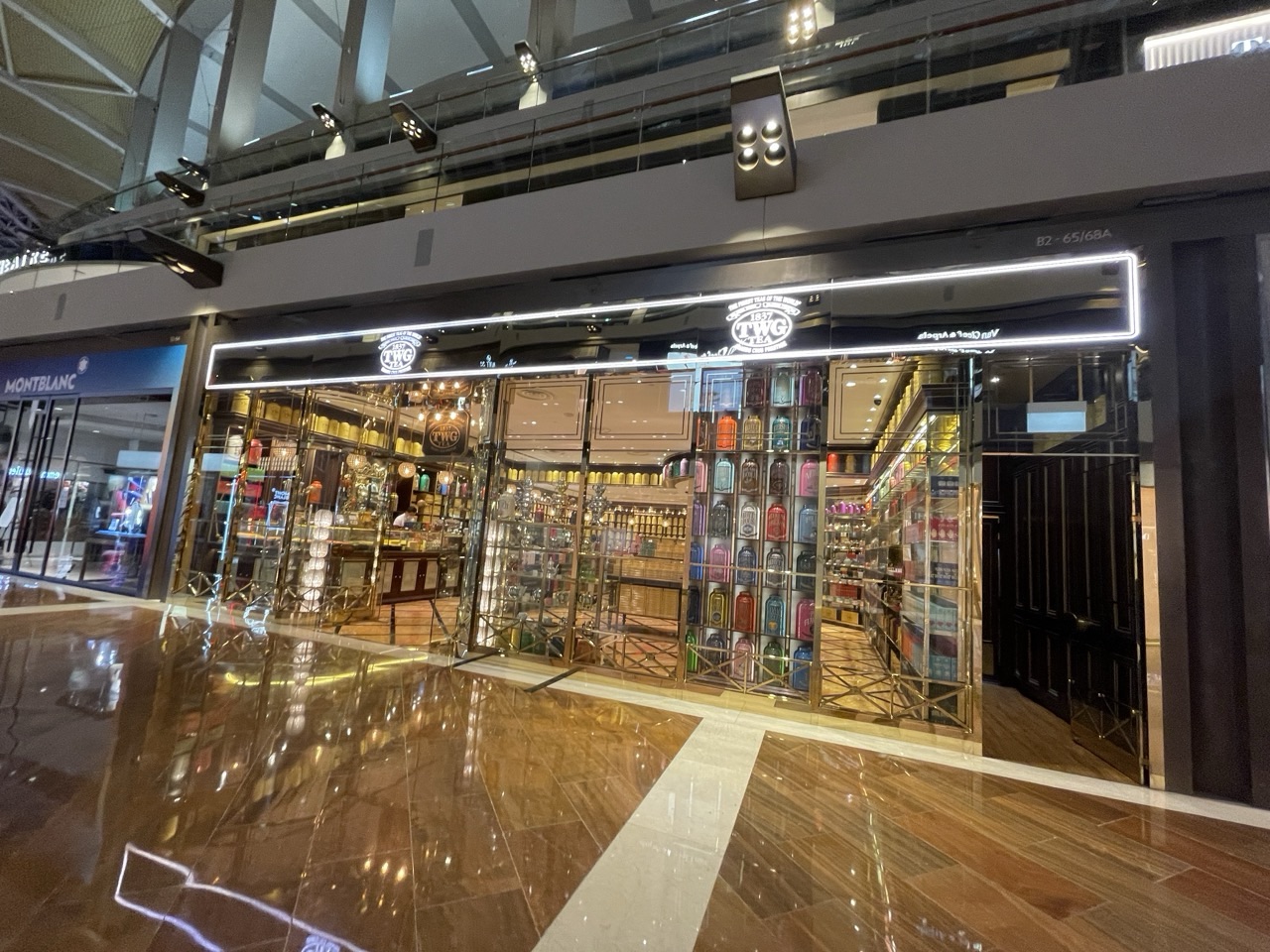
A photograph of an entrance may illustrate physical access; a publicly permitted photograph of a display may support a description of the Place or Product aspect of marketing. The image needs context: which location, approximately when and which claim it helps substantiate. A visually dramatic shot is not always evidence of a customer issue.
A common mistake is this: A cropped image without location or explanation can make a normal store display appear misleadingly empty or crowded.
One useful check: Write a short, factual evidence caption, and include only school-authorised photography with appropriate permissions. After the exercise, ask exactly which source supports the conclusion and whether the student can explain the source’s limitation. This turns a pile of material into an evidence-based business decision rather than an attractive but unsupported report.
8. A survey should have a defined question
A candidate could ask whether customers found a particular shelf label clear. A useful survey starts with a narrow issue that connects to business decisions, instead of an open-ended hope of collecting favourable comments. The question should be understandable by the intended respondents and appropriate to the school-approved collection setting.
A common mistake is this: A questionnaire asking ‘How wonderful are our products?’ is likely to generate biased or unhelpful evidence.
One useful check: State the research question first, then rewrite each survey item to avoid suggesting the preferred answer. After the exercise, ask exactly which source supports the conclusion and whether the student can explain the source’s limitation. This turns a pile of material into an evidence-based business decision rather than an attractive but unsupported report.
9. Leading words can bias the response
A question such as ‘Don’t you agree that the shop should replace its confusing signs?’ contains both an assumption and a proposed solution. A respondent may agree with the framing without independently identifying confusion. A neutral alternative might ask what information was easy or difficult to locate during the visit.
A common mistake is this: An apparently high percentage agreeing with a leading question does not establish an independent preference for the proposed change.
One useful check: Compare the wording of a leading and a neutral fictional question and explain what each might encourage respondents to say. After the exercise, ask exactly which source supports the conclusion and whether the student can explain the source’s limitation. This turns a pile of material into an evidence-based business decision rather than an attractive but unsupported report.
10. The sample size must remain visible
Suppose eight of twelve fictional surveyed visitors report difficulty identifying refill compatibility. The accurate statement is ‘eight of twelve respondents in this practice sample’. The proportion is about 66.7%, but that is not proof that two thirds of all Singapore shoppers share the problem.
A common mistake is this: A tidy pie chart does not magically make a small convenience sample representative of every customer who might visit.
One useful check: Show both the count and denominator, and state the limited collection setting whenever you report a survey percentage. After the exercise, ask exactly which source supports the conclusion and whether the student can explain the source’s limitation. This turns a pile of material into an evidence-based business decision rather than an attractive but unsupported report.
11. Convenience sampling creates limitations
Students may find it easiest to survey people available at the same time on one afternoon. Those respondents could have different needs from customers who come during weekends, evenings or school holidays. A convenience sample can provide useful initial observations without supporting broad population-level conclusions.
A common mistake is this: Reporting a lunchtime sample as if it describes an entire retail year overstates what was observed.
One useful check: Record the relevant visit day, time and permission conditions, then explain who was not necessarily represented. After the exercise, ask exactly which source supports the conclusion and whether the student can explain the source’s limitation. This turns a pile of material into an evidence-based business decision rather than an attractive but unsupported report.
12. A non-response is not an agreement
A shopper who declines a school survey has not expressed a positive or negative view about the business. Neither should a skipped question be silently treated as agreement with the student’s intended recommendation. The denominator for a particular item may differ from the number invited to respond.
A common mistake is this: If twelve people are approached but only eight respond, the result for a question should not automatically use twelve as its response denominator.
One useful check: Record approaches, responses and any item non-responses separately where school-approved, without keeping personal identifiers. After the exercise, ask exactly which source supports the conclusion and whether the student can explain the source’s limitation. This turns a pile of material into an evidence-based business decision rather than an attractive but unsupported report.
13. An open question reveals unexpected detail
A neutral question such as ‘What product information would have helped you during your visit?’ can reveal needs that fixed answer options miss. It may also produce varied answers that take longer to group accurately. Both types of questions can be useful if the purpose is clear.
A common mistake is this: Coding every open response into the student’s favourite recommendation risks distorting what respondents actually said.
One useful check: Create an original set of five fictional answers and group them by the meaning they express, keeping ambiguous cases visible. After the exercise, ask exactly which source supports the conclusion and whether the student can explain the source’s limitation. This turns a pile of material into an evidence-based business decision rather than an attractive but unsupported report.
14. A rating scale is not a precise measurement of service quality
A survey might ask visitors to rate signage clarity from one to five. The numerical results describe those respondents’ perceptions under stated conditions; they do not provide a universal physical measurement of clarity. A scale’s endpoints must be explained and used consistently.
A common mistake is this: Treating a small average rating increase as guaranteed sales growth is an unsupported leap.
One useful check: Write clear labels for a five-point practice scale and state what one response does and does not establish. After the exercise, ask exactly which source supports the conclusion and whether the student can explain the source’s limitation. This turns a pile of material into an evidence-based business decision rather than an attractive but unsupported report.
15. Observations should describe actual behaviour
Seeing three people stop beside a product display can be recorded as an observation, but the student’s assumption that they were confused remains a hypothesis. The candidates need further evidence before turning that hypothesis into a firm conclusion. A real business can appear busy for many reasons.
A common mistake is this: A shopper pausing does not prove that the signage is defective or that service is poor.
One useful check: Separate the exact observed action, one possible interpretation and the additional evidence that would test it. After the exercise, ask exactly which source supports the conclusion and whether the student can explain the source’s limitation. This turns a pile of material into an evidence-based business decision rather than an attractive but unsupported report.
16. Time and environment can influence the result
A long queue during a special promotion may not represent an ordinary weekday. Similarly, a quiet aisle during an unusual weather event need not mean customer demand is weak. Field reports become more trustworthy when they state when and under what circumstances information was collected.
A common mistake is this: Calling a single busy afternoon a long-term decline in service quality overstates the finding.
One useful check: Include a short timing note in an invented observation record, then ask whether the conclusion might differ at another time. After the exercise, ask exactly which source supports the conclusion and whether the student can explain the source’s limitation. This turns a pile of material into an evidence-based business decision rather than an attractive but unsupported report.
17. Interviews require permission and accurate attribution
Speaking with a staff member or manager may provide useful explanation of public procedures or customer service, subject to authorisation and the person’s willingness to participate. The candidate should avoid asking for private employee details, confidential accounts or customer data. The school’s rules govern what is appropriate for the assignment.
A common mistake is this: A casual remark overheard near a counter is not an authorised official statement from the business.
One useful check: Write a polite request that explains the school’s educational purpose and seek the teacher’s approval before any real contact. After the exercise, ask exactly which source supports the conclusion and whether the student can explain the source’s limitation. This turns a pile of material into an evidence-based business decision rather than an attractive but unsupported report.
18. Do not collect identity data without a reason
The PDPC’s general data-protection guidance emphasises collecting and using personal data responsibly within the applicable legal framework. A school investigation into labels or customer needs usually does not require an individual’s NRIC, phone number or private address. School requirements and any relevant consent rules must be respected.
A common mistake is this: A longer questionnaire containing sensitive personal details is not better research merely because it collects more fields.
One useful check: Remove unnecessary personal identifiers from a hypothetical survey and ask the teacher whether any remaining information needs special protection. After the exercise, ask exactly which source supports the conclusion and whether the student can explain the source’s limitation. This turns a pile of material into an evidence-based business decision rather than an attractive but unsupported report.
19. Keep records of consent and access where applicable
Permission to observe a publicly visible sign differs from consent to record an identifiable shopper or interview a staff member. The ethical basis for each activity should be clear. It is sensible to verify business premises rules and to stop if access or recording is not approved.
A common mistake is this: Assuming that a retail location’s public entrance grants unrestricted permission to film or publish customers is unsafe.
One useful check: Prepare a simple fieldwork permission checklist and ask the school who may approve observation, interviews or images. After the exercise, ask exactly which source supports the conclusion and whether the student can explain the source’s limitation. This turns a pile of material into an evidence-based business decision rather than an attractive but unsupported report.
20. An attractive social-media page is still a business claim
An establishment may describe its service as fast, reliable or personal. These statements show what it wants to communicate through Promotion. They do not independently establish how every customer experiences that promise at a particular time.
A common mistake is this: Copying ‘best customer service’ from advertising into Task 3 as a proven independent fact is weak analysis.
One useful check: Label each collected statement as business publicity, observed feature, customer report or independent published account. After the exercise, ask exactly which source supports the conclusion and whether the student can explain the source’s limitation. This turns a pile of material into an evidence-based business decision rather than an attractive but unsupported report.
21. A public review is a person’s reported experience
Online reviews can illustrate opinions that some reviewers expressed but have sampling and authenticity limitations. They may concern another branch, an old promotion or a one-off incident. Candidates should not treat a handful of reviews as the average experience of all customers.
A common mistake is this: An angry review from years earlier is not proof that today’s staff or service follows the same pattern.
One useful check: Record platform, date and location where appropriate, and explain why a review may need corroboration. After the exercise, ask exactly which source supports the conclusion and whether the student can explain the source’s limitation. This turns a pile of material into an evidence-based business decision rather than an attractive but unsupported report.
22. Cross-reference sources rather than merely list them
The official specimen task requires candidates to cross-reference information sources used in their report. A useful connection could pair a company’s description of a service with school-approved observations and the relevant customer feedback. Together, they may reveal whether the public claim matches the observed context.
A common mistake is this: A bibliography at the end is not a substitute for showing which specific source supports an individual business statement.
One useful check: Write one example sentence with a source note immediately after the relevant claim and check whether the information can be found there. After the exercise, ask exactly which source supports the conclusion and whether the student can explain the source’s limitation. This turns a pile of material into an evidence-based business decision rather than an attractive but unsupported report.
23. Triangulation does not erase weak sampling
A survey, a photograph and a business website can approach a question from different angles. However, all three may be limited to the same short visit or may describe different aspects. Multiple sources are not automatically equivalent to independent proof of a general trend.
A common mistake is this: Repeating the same company claim through several reposted websites does not create genuinely independent corroboration.
One useful check: Draw arrows from each separate source to the precise finding it supports and identify which conclusions still require more evidence. After the exercise, ask exactly which source supports the conclusion and whether the student can explain the source’s limitation. This turns a pile of material into an evidence-based business decision rather than an attractive but unsupported report.
24. A secondary source needs a date and context
A retailer’s website may show prices, product lines or collection arrangements that change. The date on which a candidate accessed the information matters if a later claim depends on current availability. Archived promotions should not be presented as present-day offers without checking.
A common mistake is this: A screenshot of an old discount may misleadingly suggest that the promotion still applies.
One useful check: Record page title, publisher, date viewed and the relevant claim for an invented source log. After the exercise, ask exactly which source supports the conclusion and whether the student can explain the source’s limitation. This turns a pile of material into an evidence-based business decision rather than an attractive but unsupported report.
25. Avoid unsupported competitor claims
A competitor may have a similar product line and nearby location, but a candidate should not invent its financial performance or sales volume. Comparisons should use observable or documented features relevant to customer needs, such as access, opening information or available product categories.
A common mistake is this: ‘Competitor A is losing money’ requires evidence, and the candidate’s impression of a quiet shop does not provide it.
One useful check: Compare two fictional establishments only on information supplied in the scenario, leaving unknown profit or footfall explicitly unclaimed. After the exercise, ask exactly which source supports the conclusion and whether the student can explain the source’s limitation. This turns a pile of material into an evidence-based business decision rather than an attractive but unsupported report.
26. A photograph can be an example of Place evidence
An authorised image of a shop entrance could support a discussion of accessibility, wayfinding or physical access. It does not by itself establish whether all users can find it easily or whether the business has good marketing. The specific research question determines the relevance of the photograph.
A common mistake is this: A well-lit photograph can make an entrance look welcoming even if the actual customer pathway remains confusing.
One useful check: Caption an invented image with the feature directly visible, then state what extra customer evidence would support an accessibility conclusion. After the exercise, ask exactly which source supports the conclusion and whether the student can explain the source’s limitation. This turns a pile of material into an evidence-based business decision rather than an attractive but unsupported report.
27. The nature of the business is not just its name
Task 2 asks students to explain aspects of the selected business and the customers it serves. The candidate may need to describe goods, services, target groups or actual operating features, supported by Task 1 evidence. A famous brand name alone does not establish the required analysis.
A common mistake is this: Writing a long company history while ignoring who the present customers are may not address the investigation’s actual purpose.
One useful check: Prepare a small table of business offer, typical customer need and source evidence for a hypothetical establishment. After the exercise, ask exactly which source supports the conclusion and whether the student can explain the source’s limitation. This turns a pile of material into an evidence-based business decision rather than an attractive but unsupported report.
28. Customer needs should not be guessed from appearance
Students should avoid inferring a person’s income, identity or preferences from visible clothing, age assumptions or a photograph. What the business attracts should be described through appropriate evidence and cautious statements about the relevant customer group.
A common mistake is this: Deciding somebody must want luxury goods because of appearance is both stereotyping and poor research.
One useful check: Write a neutral customer-needs question focused on the shopping task rather than private identity. After the exercise, ask exactly which source supports the conclusion and whether the student can explain the source’s limitation. This turns a pile of material into an evidence-based business decision rather than an attractive but unsupported report.
29. Product evidence should be specific
The Product element of the marketing mix concerns actual goods, services, features and relevant customer value. A candidate can compare product range, information clarity or available options if these are documented. Generic praise such as ‘many nice things’ does not explain how the offer serves the target customers.
A common mistake is this: A colourful shelf picture without explanation is not a marketing-mix analysis.
One useful check: Identify one specific product feature that matches one stated customer need and link it to the source that confirms the feature. After the exercise, ask exactly which source supports the conclusion and whether the student can explain the source’s limitation. This turns a pile of material into an evidence-based business decision rather than an attractive but unsupported report.
30. Price evidence should compare equivalent offers
A store’s price tag may concern a different package size or item variant than another shop’s. Before concluding which is cheaper, the candidate should verify that the same relevant product or comparable quantity is being examined. The offer’s conditions and dates may matter.
A common mistake is this: One lower headline price cannot prove that the product is better value for every customer.
One useful check: Construct a fictional comparison including package size, included service and final stated cost, then identify which difference remains uncertain. After the exercise, ask exactly which source supports the conclusion and whether the student can explain the source’s limitation. This turns a pile of material into an evidence-based business decision rather than an attractive but unsupported report.
31. Place can include digital access
An eligible K129 business still needs a physical location in Singapore, but its Place strategy may also involve websites, online catalogues, reservation information or collection options. Candidates should distinguish business eligibility from the wider marketing channels the actual establishment offers.
A common mistake is this: Calling an online catalogue a separate eligible physical business misunderstands the assessment’s location requirement.
One useful check: Trace a customer’s hypothetical path from seeing an item online to finding and obtaining it at the actual store. After the exercise, ask exactly which source supports the conclusion and whether the student can explain the source’s limitation. This turns a pile of material into an evidence-based business decision rather than an attractive but unsupported report.
32. Promotion has to be read as communication
A clear window sign with date, eligibility and price can help customers understand an offer. A colourful advertisement with an unreadable condition may attract attention but fail to communicate the action. The candidate should explain how the promotion actually reaches and informs the relevant customers.
A common mistake is this: Advising ‘more social media’ without evidence of a communication gap may be generic.
One useful check: Redesign an invented promotional notice to make the deadline clear and test whether a reader can identify it quickly. After the exercise, ask exactly which source supports the conclusion and whether the student can explain the source’s limitation. This turns a pile of material into an evidence-based business decision rather than an attractive but unsupported report.
33. Service observations need more than a greeting
A staff member may greet a shopper warmly yet provide incomplete product information or fail to clarify a return rule. Good customer relations involve listening, accuracy and a follow-up suited to the establishment’s policy. The correct analysis should describe a particular action, not only an impression of friendliness.
A common mistake is this: A polite apology does not automatically resolve a complaint when the customer still lacks a clear next step.
One useful check: Use a fictional service case to write a specific observation, its customer effect and one policy-dependent improvement. After the exercise, ask exactly which source supports the conclusion and whether the student can explain the source’s limitation. This turns a pile of material into an evidence-based business decision rather than an attractive but unsupported report.
34. A competitor and a trend are different findings
Task 4 concerns how competition and a service-industry trend may affect the selected business. A nearby store is a competitor; growing adoption of a shopping technology may be a trend, subject to actual supporting evidence. The two should not be presented as interchangeable labels.
A common mistake is this: One new rival opening nearby does not by itself prove a nationwide trend in customer preferences.
One useful check: Describe one documented competitor feature and one separate, credibly sourced trend, then explain possible effects cautiously. After the exercise, ask exactly which source supports the conclusion and whether the student can explain the source’s limitation. This turns a pile of material into an evidence-based business decision rather than an attractive but unsupported report.
35. Task 5 should present meaningful alternatives
The K129 rubric asks the candidate to make and evaluate improvement suggestions linked to the investigation. A strong report compares genuine options that respond to the same customer issue—for instance, clearer shelf information versus an additional digital comparison method. Their feasibility and likely benefit differ.
A common mistake is this: Two slightly reworded versions of ‘increase advertising’ are not necessarily two distinct recommendations.
One useful check: List how each option changes the experience, what resources it needs and what evidence might test success. After the exercise, ask exactly which source supports the conclusion and whether the student can explain the source’s limitation. This turns a pile of material into an evidence-based business decision rather than an attractive but unsupported report.
36. Avoid the leap from satisfaction to guaranteed profit
A shop might receive favourable feedback after clearer signage, but its revenue and profit are distinct from that perception. A school investigation often lacks the confidential financial data required to establish the effect on profit. The candidate should be able to propose a measure of success without inventing results.
A common mistake is this: A statement that an improvement ‘will raise profits by 20%’ has no support merely because several respondents liked the idea.
One useful check: Write one qualified claim beginning ‘could help’ and name what actual information would be needed to test a sales or profit impact. After the exercise, ask exactly which source supports the conclusion and whether the student can explain the source’s limitation. This turns a pile of material into an evidence-based business decision rather than an attractive but unsupported report.
37. The same evidence may support more than one task
A permitted observation of difficult product comparisons could inform Task 1’s raw information, Task 3’s Product or Promotion analysis, and Task 5’s recommendation. The student should use it accurately in each context instead of copying the same paragraph repeatedly.
A common mistake is this: Repeating an unsupported assertion under several headings does not make it true.
One useful check: Create an evidence map with one finding connected to three distinct analytical questions, giving the appropriate reason in each case. After the exercise, ask exactly which source supports the conclusion and whether the student can explain the source’s limitation. This turns a pile of material into an evidence-based business decision rather than an attractive but unsupported report.
38. The twenty lab hours are for specified coursework work
The official K129 scheme allocates twenty computer-lab curriculum hours across roughly ten to fourteen weeks to research secondary sources, organise findings, answer coursework tasks and meet supervisors. Primary-source surveys, observations or interviews are generally undertaken outside those hours under school arrangements.
A common mistake is this: Treating the lab schedule as permission to collect data without supervision or asking a parent to conduct the investigation on the candidate’s behalf is incorrect.
One useful check: Plan the school-approved information-gathering and report-writing stages, keeping fieldwork access and safety clear. After the exercise, ask exactly which source supports the conclusion and whether the student can explain the source’s limitation. This turns a pile of material into an evidence-based business decision rather than an attractive but unsupported report.
39. Originality includes factual honesty
The final business report is an assessed school submission. A student cannot legitimately invent survey responses, edit a photograph to imply nonexistent conditions, paste a competitor analysis from another pupil or allow a tutor to author the report for them. Honest limitations do not ruin an investigation; they explain what the evidence can support.
A common mistake is this: Fabricating an impressive data set may create a seemingly polished report while undermining the purpose of assessment.
One useful check: Keep dated real source notes and ask the candidate to explain the origin of each important claim during legitimate teacher review. After the exercise, ask exactly which source supports the conclusion and whether the student can explain the source’s limitation. This turns a pile of material into an evidence-based business decision rather than an attractive but unsupported report.
40. Written Paper 1 is still the majority of the grade
K129 Paper 1 lasts 90 minutes, contains four compulsory context-based questions on Units 1–3 and contributes 60%. Paper 2 is important but does not replace knowledge of business activity, marketing strategies and customer relations. Those concepts help candidates interpret the business they investigate.
A common mistake is this: Spending every study session on formatting report pages while neglecting written case questions leaves a significant assessment gap.
One useful check: Practise a short fictional customer complaint, pricing choice or marketing question after one fieldwork-related task each week. After the exercise, ask exactly which source supports the conclusion and whether the student can explain the source’s limitation. This turns a pile of material into an evidence-based business decision rather than an attractive but unsupported report.
41. A business interest may develop in many directions
Researching a shop may reveal an interest in information analysis, hospitality, digital marketing, customer service, logistics or administration. These are different daily activities and qualification routes. The SEC grade is a starting point for exploring strengths rather than a fixed career outcome.
A common mistake is this: No single K129 investigation guarantees entry to a diploma, a job or success in running a business.
One useful check: Compare official course descriptions and identify both admission rules and the kind of work the student wants to learn more about. After the exercise, ask exactly which source supports the conclusion and whether the student can explain the source’s limitation. This turns a pile of material into an evidence-based business decision rather than an attractive but unsupported report.
A useful four-week research-method practice plan
- Week 1: learn the difference between primary and secondary sources; use fictional case material to align information with the five coursework tasks.
- Week 2: practise neutral survey questions and proportional interpretations, keeping count, denominator, collection context and privacy in view.
- Week 3: compare website claims, permitted observation notes and relevant published industry information; identify unsupported inferences and genuine gaps.
- Week 4: use a fictional business to compare two marketing improvements, stating the source, feasibility, possible customer benefit and limitation for each.
This routine prepares the skill without conducting unapproved real fieldwork or producing assessed content for a candidate. Actual coursework uses the released question and the school’s twenty computer-lab hours, approximately over ten to fourteen weeks, plus legitimate primary research outside them. The teacher controls the approved business selection and authentication procedures. Families can discuss questions and source credibility but should not author the investigation report.
Frequently asked questions about G1 EBS research
Does K129 coursework require primary research?
Yes. The syllabus expects primary data gathering, and the top Task 1 rubric refers to comprehensive relevant information from two primary sources.
What can count as a primary source?
The official specimen illustrates survey results, observation notes and suitable onsite photographs; actual permissions and the released task govern what candidates may use.
What are secondary sources?
Published sources such as an actual business website, advertising, brochures, suitable news, reviews and other documents, evaluated for relevance and credibility.
Can candidates choose an entirely online overseas company?
No. The real selected business must be within the assigned service industry and have a customer-accessible physical location in Singapore.
Which service industries may be specified?
Travel and Tourism, Hospitality or Retail, as stated by the issued question paper.
Must a survey collect phone numbers or NRIC?
No general requirement of that kind follows from the syllabus. Avoid unnecessary personal identifiers and follow school and applicable privacy rules.
Can a candidate take photographs of customers without permission?
Do not assume so. Photography, business access and personal information handling must follow school instructions and relevant permissions and privacy safeguards.
Is six out of ten respondents the same as 60% of all customers?
No. It describes 60% of that particular sample, not necessarily the overall customer population.
Is a company’s social-media page reliable primary evidence?
It is normally a secondary business-published source about the company’s own claims, not a first-hand survey of its customers.
Is an impressive graph enough to prove a finding?
No. The meaning depends on data quality, sample context and appropriate interpretation.
How is Task 1 linked to the other four tasks?
Its information supports describing the business, analysing marketing and service, studying competition and trends, and choosing justified recommendations.
Does the written paper still matter?
Yes. K129 Paper 1 contains four compulsory case-based questions and accounts for 60% of the subject.
What is the most helpful research habit?
For every claim, ask what source supplies it, whether it directly supports the statement and which uncertainty remains.
Will EBS automatically qualify someone for a business course?
No. It provides useful learning but post-secondary admission depends on current institutional rules and full results.
Official sources and related eduKateSG guides
This article follows the 2027 SEAB K129 syllabus and Task 1 assessment descriptors, with broader general privacy context from Singapore’s Personal Data Protection Commission. Fictional business names, sample sizes and proposed recommendations are original teaching illustrations, not claims about real retailers or assessed fieldwork. Actual candidates must follow the school-issued question, permissions and supervision.
- Official SEAB 2027 K129 G1 Elements of Business Skills syllabus
- 2027 G1 SEC directory and K129 specimen papers
- Singapore Personal Data Protection Commission: responsible data use
- G1 EBS customer investigation and marketing overview
- Direct/indirect competition and industry trends
- How to connect evidence to EBS findings
- Business Investigation Paper 2 preparation
- Why a sales increase does not prove greater profit
- Comparing business-related G1, G2 and G3 subjects
- Foundations-first secondary learning approach
A worthwhile business investigation begins with a genuine question about a real customer, gathers relevant information ethically and chooses a proportionate response. The student should know how every important claim was established—and be able to say what remains uncertain. That is the beginning of useful independent business judgement.
Related G1 learning: one evidence skill across subjects
A business investigation depends on clear questions, proportionate conclusions and dependable original data rather than an impressive report alone. These companion guides cover distinct official 2027 G1 subjects and their own assessment requirements; they are useful connections for transferable skills rather than substitutions for one another.