
G1 Tamil Language K122 Paper 1 in the 2027 Singapore-Cambridge SEC is a 30-minute, 10-mark computer-based functional e-writing task requiring at least 50 Tamil words. Candidates respond to information in an online-post-style setting and are assessed on relevant ideas and appropriate language and organisation. The minimum is in Tamil words, not Chinese characters, and the digital input arrangements should be checked with the student’s school. This is a practical response, not a long free-topic essay.
The most helpful starting step is to identify what the writer of the supplied post actually wants. A library may seek suggestions for a weekend event, or a school group may ask for a view on an activity. A meaningful reply should answer the question, explain one or two reasons and avoid inventing dates, registration methods or outcomes not provided in the source. Such writing builds useful bilingual communication, regardless of the student’s later course pathway.
K122 remains a full language subject: Paper 2 language use and reading carries 25%, Oral 45% and Listening 20%. The large combined oral/listening share of 65% deserves regular practice, but functional writing also requires attention. A pupil who speaks Tamil comfortably may still need support in reading the digital prompt and composing accurate formal written sentences. That is a teachable difference, not a fixed ceiling on ability.
The official 2027 assessment and the unique Tamil writing requirement
| Assessment | Officially specified requirement | Weight |
|---|---|---|
| Paper 1 Functional e-Writing | 30 minutes; one open response to given situation; at least 50 Tamil words | 10 raw marks / 10% |
| Paper 2 Language Use and Comprehension | 40 minutes, including language items, idioms and paired expressions, graphic and other reading | 25 raw marks / 25% |
| Paper 3 Oral | Approximately 10–15 minutes, with reading aloud and video conversation | 45 raw marks / 45% |
| Paper 3 Listening | Approximately 30 minutes, seven recorded texts and ten MCQs | 20 raw marks / 20% |
| Important counting distinction | Tamil uses a minimum number of words; G1 Chinese K120 specifies characters and Malay K121 specifies 60 words | Language-specific |
Original worked example: a community library forum
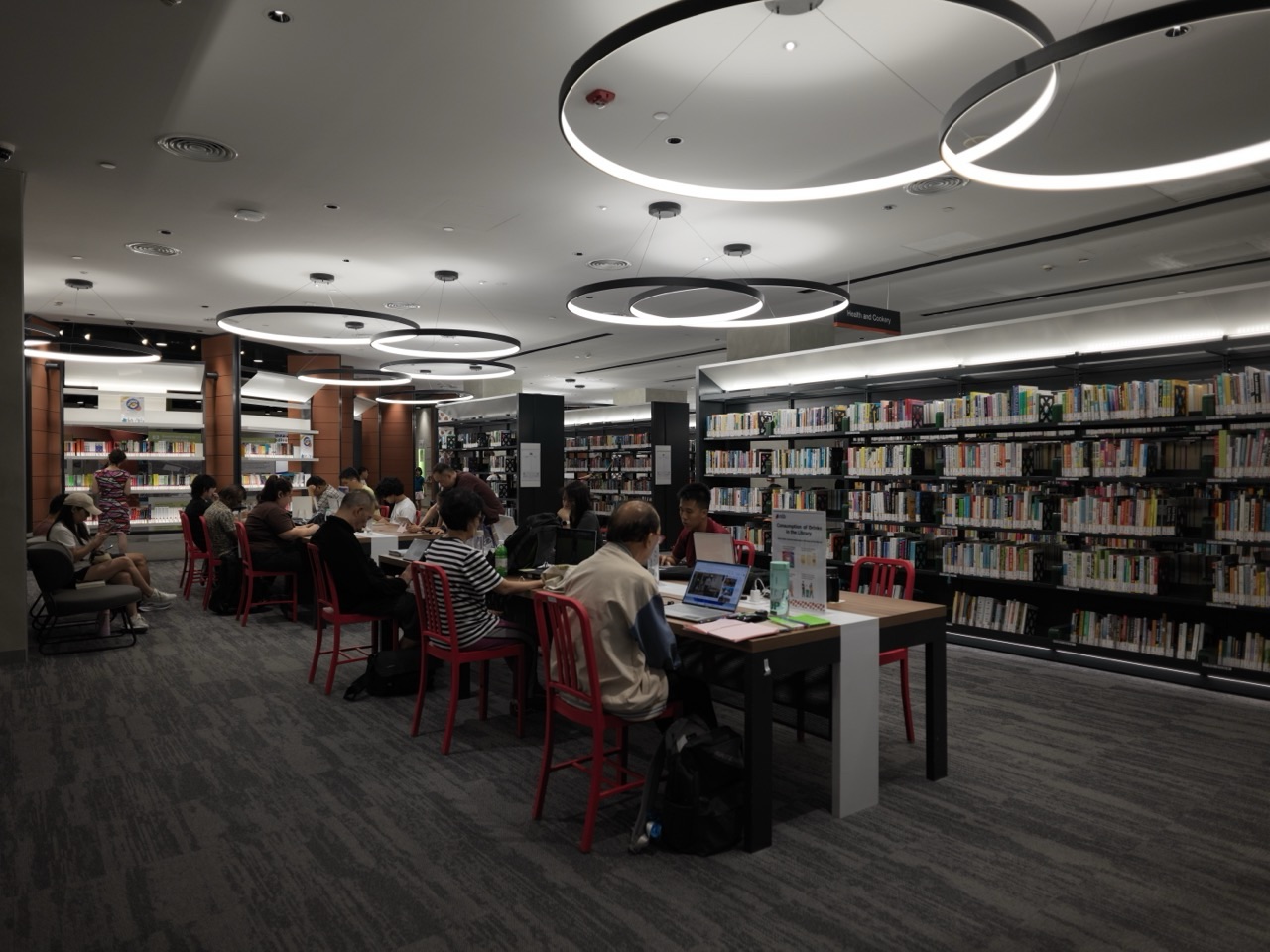
Imagine a fictional Tamil online post asking young readers to suggest a weekend library activity. A strong planning sequence identifies the intended audience, proposes one feasible activity, explains the benefit and, if useful, asks the organisers a genuine question. The candidate should not claim that the event already exists, because the original post is only requesting suggestions.
Illustrative original Tamil practice reply (teacher review recommended): எங்கள் பகுதியில் உள்ள நூலகத்தில் வார இறுதியில் மாணவர்களுக்கான வாசிப்பு நிகழ்ச்சி நடத்தலாம் என்று நான் நினைக்கிறேன். இந்த நிகழ்ச்சியில் மாணவர்கள் தங்களுக்குப் பிடித்த புத்தகங்களை அறிமுகப்படுத்தலாம். புதிய நண்பர்களுடன் கருத்துகளைப் பகிர்ந்து கொள்வதற்கும் இது நல்ல வாய்ப்பாக இருக்கும். முதல் முறையாக வருபவர்களுக்கு உதவ சில மாணவர்கள் முன்வரலாம். நிகழ்ச்சி எப்போது நடைபெறும், எவ்வாறு பதிவு செய்ய வேண்டும் என்பதையும் ஏற்பாட்டாளர்கள் தெரிவிக்கலாம். அனைவரும் கலந்து கொள்ளும் வகையில் எளிய செயல்பாடுகளை ஏற்பாடு செய்தால் நிகழ்ச்சி பயனுள்ளதாக அமையும். இந்த யோசனையைப் பரிசீலித்ததற்கு நன்றி.
This newly written example proposes book sharing, explains a possible social benefit, considers first-time participants and asks how participation might be arranged. It is not a released or mandatory model answer. A qualified Tamil teacher should check precise language and the syllabus’s word-count conventions for the candidate. Students should practise independently with changed prompts rather than copy it into their assessed responses.
Worked example: why a direct question can strengthen functional writing
Suppose an invented public notice says a reading activity takes place next Sunday but gives no registration instructions. It may be appropriate for a candidate to express interest and ask how to register. Inventing an email address or asserting that registration is free would be inappropriate because those details were not given. The same reasoning holds for a school club, youth competition or community exhibition.
Ask the learner to distinguish three things: source facts, the writer’s view and information the source does not contain. Then compose an appropriate Tamil reply that preserves the facts and presents opinions honestly. This method is useful in everyday online interaction, not only as a writing-exam strategy.
Forty separate functional-writing decisions
1. Fifty Tamil words is the official minimum
Consider this realistic school communication situation: a school prompt asks for an online-post-style reply and the draft is only a few words long. The central principle is that K122 Paper 1 requires at least 50 Tamil words within its thirty-minute task. The learner should first identify what another reader needs to understand, then use Tamil words and sentence structure suitable for communicating that information. Reading the supplied post carefully is part of the writing task.
A common shortcut is assuming a minimum of 50 characters means the same as 50 words. That can result in a reply which looks long enough but no longer answers the actual question. A useful correction starts with the source facts and the response’s purpose, before asking whether language or organisation needs improvement. Accurate communication matters more than decorative phrasing.
For short practice, use the school’s approved counting method and focus on a complete response. Then introduce a slightly different scenario and give the learner a chance to adapt independently. A qualified Tamil teacher can provide precise spelling and grammar feedback, while parents can support the learner’s purpose, confidence and study routine.
2. The paper is an electronic writing task
A child may meet this challenge when a candidate knows spoken Tamil but struggles with the approved typing setup. The useful lesson is that the official K122 specification describes e-writing and independent digital response. A short online-format message does not need the grand style of a lengthy essay. It needs a response relevant to the supplied reader, a developed idea and words the candidate can use accurately.
The tempting mistake is to believe an unfamiliar keyboard can be mastered without any practice. Return to the prompt and ask whether the statement was given, inferred or invented. The writer should not promise an event’s registration rules or popularity unless those facts are actually supplied. Where the problem is unclear language, the teacher can address the precise sentence rather than criticise the entire child.
One independent exercise is to confirm the permitted school examination input method and practise early. Check the response with a new purpose or reader and explain how the wording changes. The result is a flexible method that can work even when the 2027 question presents a topic that has not appeared in practice.
3. The task has a real communication purpose
Imagine that a fictional online community asks what weekend activity pupils would attend. This is an opportunity to practise appropriate written Tamil for a real reason. Here, the candidate must respond to the supplied issue rather than write an unrelated essay. A message that supplies the right information and conveys a relevant attitude is usually more helpful than a collection of long phrases that the writer cannot explain.
An unsupported assumption would be a memorised story answers every online post. A candidate should examine what the source actually says, then distinguish personal opinion or a proposed action from established fact. This protects coherence and avoids accidental misrepresentation of people, times or conditions.
A manageable task is to identify the actual question in plain words before composing. After checking with a teacher where needed, the learner should state why the second attempt is clearer. This helps build independent bilingual communication rather than a fragile memorised script.
4. Reading the prompt is part of writing
This skill matters when the source mentions a specific age group and the need for advance registration. The central point is that a relevant reply must use supplied facts accurately and respect stated conditions. A clear reply is organised for the reader’s benefit; the choice of detail, the language and the structure should work together rather than compete for attention.
A common error is to assume the largest heading tells the entire story. Ask which sentence actually addresses the task and which merely repeats a familiar expression. If a major point is missing, polishing punctuation alone will not solve the problem; if the correct point is present but unclear, focused language work may be enough.
To practise, make separate notes for topic, constraints and requested action. Give a short explanation of what the reader can now understand that was not clear before. A pupil grows more confident when improvement can be demonstrated through a new original response.
5. One direct opening helps the reader
Consider this realistic school communication situation: a student begins with many generic sentences about modern society. The central principle is that the intended reader should be able to recognise the central suggestion early. The learner should first identify what another reader needs to understand, then use Tamil words and sentence structure suitable for communicating that information. Reading the supplied post carefully is part of the writing task.
A common shortcut is assuming a grand introduction is always worth more marks. That can result in a reply which looks long enough but no longer answers the actual question. A useful correction starts with the source facts and the response’s purpose, before asking whether language or organisation needs improvement. Accurate communication matters more than decorative phrasing.
For short practice, state the view before giving an explanation. Then introduce a slightly different scenario and give the learner a chance to adapt independently. A qualified Tamil teacher can provide precise spelling and grammar feedback, while parents can support the learner’s purpose, confidence and study routine.
6. Content must fit the situation
A child may meet this challenge when a youth library post asks for a reading-event suggestion. The useful lesson is that the reply should offer a suitable activity, not a long complaint about unrelated transport. A short online-format message does not need the grand style of a lengthy essay. It needs a response relevant to the supplied reader, a developed idea and words the candidate can use accurately.
The tempting mistake is to believe language fluency compensates for irrelevance. Return to the prompt and ask whether the statement was given, inferred or invented. The writer should not promise an event’s registration rules or popularity unless those facts are actually supplied. Where the problem is unclear language, the teacher can address the precise sentence rather than criticise the entire child.
One independent exercise is to match the response’s main point to the forum question. Check the response with a new purpose or reader and explain how the wording changes. The result is a flexible method that can work even when the 2027 question presents a topic that has not appeared in practice.
7. Explain why the idea might help
Imagine that a pupil proposes a book-sharing session. This is an opportunity to practise appropriate written Tamil for a real reason. Here, an explanation might connect participation with reading enjoyment or peer communication. A message that supplies the right information and conveys a relevant attitude is usually more helpful than a collection of long phrases that the writer cannot explain.
An unsupported assumption would be a stack of adjectives is equal to a developed reason. A candidate should examine what the source actually says, then distinguish personal opinion or a proposed action from established fact. This protects coherence and avoids accidental misrepresentation of people, times or conditions.
A manageable task is to identify who benefits and what they could do. After checking with a teacher where needed, the learner should state why the second attempt is clearer. This helps build independent bilingual communication rather than a fragile memorised script.
8. An example should genuinely fit the point
This skill matters when a writer recalls introducing a book to a classmate. The central point is that a modest authentic example can make an idea concrete. A clear reply is organised for the reader’s benefit; the choice of detail, the language and the structure should work together rather than compete for attention.
A common error is to assume every response needs a grand personal achievement. Ask which sentence actually addresses the task and which merely repeats a familiar expression. If a major point is missing, polishing punctuation alone will not solve the problem; if the correct point is present but unclear, focused language work may be enough.
To practise, choose one truthful small experience and describe its relevance. Give a short explanation of what the reader can now understand that was not clear before. A pupil grows more confident when improvement can be demonstrated through a new original response.
9. Respect the audience
Consider this realistic school communication situation: a community organiser requests polite suggestions. The central principle is that a courteous practical register helps another reader understand the message. The learner should first identify what another reader needs to understand, then use Tamil words and sentence structure suitable for communicating that information. Reading the supplied post carefully is part of the writing task.
A common shortcut is assuming formal language must be artificially elaborate. That can result in a reply which looks long enough but no longer answers the actual question. A useful correction starts with the source facts and the response’s purpose, before asking whether language or organisation needs improvement. Accurate communication matters more than decorative phrasing.
For short practice, compare a helpful response with an overly casual unsupported one. Then introduce a slightly different scenario and give the learner a chance to adapt independently. A qualified Tamil teacher can provide precise spelling and grammar feedback, while parents can support the learner’s purpose, confidence and study routine.
10. An opinion is not the same as a fact
A child may meet this challenge when an online notice provides a date but does not predict attendance. The useful lesson is that the date is a source fact while popularity is a possible opinion or expectation. A short online-format message does not need the grand style of a lengthy essay. It needs a response relevant to the supplied reader, a developed idea and words the candidate can use accurately.
The tempting mistake is to believe positive predictions can be written as confirmed outcomes. Return to the prompt and ask whether the statement was given, inferred or invented. The writer should not promise an event’s registration rules or popularity unless those facts are actually supplied. Where the problem is unclear language, the teacher can address the precise sentence rather than criticise the entire child.
One independent exercise is to underline actual facts in the prompt and mark the writer’s own ideas. Check the response with a new purpose or reader and explain how the wording changes. The result is a flexible method that can work even when the 2027 question presents a topic that has not appeared in practice.
11. A missing detail can support a question
Imagine that the post does not explain how to register. This is an opportunity to practise appropriate written Tamil for a real reason. Here, asking for the method may be more accurate than inventing a URL. A message that supplies the right information and conveys a relevant attitude is usually more helpful than a collection of long phrases that the writer cannot explain.
An unsupported assumption would be a candidate must make up a plausible website to sound decisive. A candidate should examine what the source actually says, then distinguish personal opinion or a proposed action from established fact. This protects coherence and avoids accidental misrepresentation of people, times or conditions.
A manageable task is to draft a brief accurate request for the missing information. After checking with a teacher where needed, the learner should state why the second attempt is clearer. This helps build independent bilingual communication rather than a fragile memorised script.
12. Avoid inventing dates and names
This skill matters when a practice notice identifies a particular library and timing. The central point is that precise practical details must be carried into the reply accurately. A clear reply is organised for the reader’s benefit; the choice of detail, the language and the structure should work together rather than compete for attention.
A common error is to assume similar-sounding place names are interchangeable. Ask which sentence actually addresses the task and which merely repeats a familiar expression. If a major point is missing, polishing punctuation alone will not solve the problem; if the correct point is present but unclear, focused language work may be enough.
To practise, proofread proper names and time phrases against the source. Give a short explanation of what the reader can now understand that was not clear before. A pupil grows more confident when improvement can be demonstrated through a new original response.
13. Readers should know who acts
Consider this realistic school communication situation: an event proposal mentions pupils, librarians and volunteers. The central principle is that subject and action need a clear relationship in the Tamil sentence. The learner should first identify what another reader needs to understand, then use Tamil words and sentence structure suitable for communicating that information. Reading the supplied post carefully is part of the writing task.
A common shortcut is assuming the actor is obvious even when several people are mentioned. That can result in a reply which looks long enough but no longer answers the actual question. A useful correction starts with the source facts and the response’s purpose, before asking whether language or organisation needs improvement. Accurate communication matters more than decorative phrasing.
For short practice, check who will organise, attend and help. Then introduce a slightly different scenario and give the learner a chance to adapt independently. A qualified Tamil teacher can provide precise spelling and grammar feedback, while parents can support the learner’s purpose, confidence and study routine.
14. A useful verb clarifies the proposal
A child may meet this challenge when the draft says an activity is enjoyable but never says what people do. The useful lesson is that action verbs help the reader see the intended event. A short online-format message does not need the grand style of a lengthy essay. It needs a response relevant to the supplied reader, a developed idea and words the candidate can use accurately.
The tempting mistake is to believe vague praise can replace the core activity. Return to the prompt and ask whether the statement was given, inferred or invented. The writer should not promise an event’s registration rules or popularity unless those facts are actually supplied. Where the problem is unclear language, the teacher can address the precise sentence rather than criticise the entire child.
One independent exercise is to identify the main action and one reasonable supporting action. Check the response with a new purpose or reader and explain how the wording changes. The result is a flexible method that can work even when the 2027 question presents a topic that has not appeared in practice.
15. Connect reasons and consequences
Imagine that a reading session is proposed to support younger pupils. This is an opportunity to practise appropriate written Tamil for a real reason. Here, the writer should show a meaningful link between the activity and its intended effect. A message that supplies the right information and conveys a relevant attitude is usually more helpful than a collection of long phrases that the writer cannot explain.
An unsupported assumption would be one connector makes unrelated ideas logical. A candidate should examine what the source actually says, then distinguish personal opinion or a proposed action from established fact. This protects coherence and avoids accidental misrepresentation of people, times or conditions.
A manageable task is to state the intended outcome and how the activity could help. After checking with a teacher where needed, the learner should state why the second attempt is clearer. This helps build independent bilingual communication rather than a fragile memorised script.
16. A contrast should express a real reservation
This skill matters when the writer supports an activity but worries about access for beginners. The central point is that a contrast can introduce a limitation without changing the main recommendation. A clear reply is organised for the reader’s benefit; the choice of detail, the language and the structure should work together rather than compete for attention.
A common error is to assume every second sentence needs a contrast for sophistication. Ask which sentence actually addresses the task and which merely repeats a familiar expression. If a major point is missing, polishing punctuation alone will not solve the problem; if the correct point is present but unclear, focused language work may be enough.
To practise, give one benefit and a reasonable concern. Give a short explanation of what the reader can now understand that was not clear before. A pupil grows more confident when improvement can be demonstrated through a new original response.
17. Questions are a legitimate response mode
Consider this realistic school communication situation: a school forum asks pupils how to improve a service. The central principle is that a useful writer may offer an idea and politely seek clarification. The learner should first identify what another reader needs to understand, then use Tamil words and sentence structure suitable for communicating that information. Reading the supplied post carefully is part of the writing task.
A common shortcut is assuming all sentences must be declarations. That can result in a reply which looks long enough but no longer answers the actual question. A useful correction starts with the source facts and the response’s purpose, before asking whether language or organisation needs improvement. Accurate communication matters more than decorative phrasing.
For short practice, write a genuine question arising from the supplied information. Then introduce a slightly different scenario and give the learner a chance to adapt independently. A qualified Tamil teacher can provide precise spelling and grammar feedback, while parents can support the learner’s purpose, confidence and study routine.
18. Sentence order supports meaning
A child may meet this challenge when a draft gives examples before identifying the activity being discussed. The useful lesson is that a compact progression can move from suggestion to reason, illustration and closing. A short online-format message does not need the grand style of a lengthy essay. It needs a response relevant to the supplied reader, a developed idea and words the candidate can use accurately.
The tempting mistake is to believe an exam response must use a fixed long-essay structure. Return to the prompt and ask whether the statement was given, inferred or invented. The writer should not promise an event’s registration rules or popularity unless those facts are actually supplied. Where the problem is unclear language, the teacher can address the precise sentence rather than criticise the entire child.
One independent exercise is to give each sentence a purpose and arrange related sentences together. Check the response with a new purpose or reader and explain how the wording changes. The result is a flexible method that can work even when the 2027 question presents a topic that has not appeared in practice.
19. One paragraph can be clear
Imagine that the candidate writes a short public reply rather than a formal research report. This is an opportunity to practise appropriate written Tamil for a real reason. Here, a concise well-organised response can be suitable without unnecessary section headings. A message that supplies the right information and conveys a relevant attitude is usually more helpful than a collection of long phrases that the writer cannot explain.
An unsupported assumption would be more paragraph breaks always mean a stronger result. A candidate should examine what the source actually says, then distinguish personal opinion or a proposed action from established fact. This protects coherence and avoids accidental misrepresentation of people, times or conditions.
A manageable task is to check the actual amount of information and use natural grouping. After checking with a teacher where needed, the learner should state why the second attempt is clearer. This helps build independent bilingual communication rather than a fragile memorised script.
20. Typing speed is not language accuracy
This skill matters when a learner enters text quickly but selects several unintended Tamil words. The central point is that the final characters and grammatical wording determine what a reader understands. A clear reply is organised for the reader’s benefit; the choice of detail, the language and the structure should work together rather than compete for attention.
A common error is to assume rapid entry proves accurate comprehension. Ask which sentence actually addresses the task and which merely repeats a familiar expression. If a major point is missing, polishing punctuation alone will not solve the problem; if the correct point is present but unclear, focused language work may be enough.
To practise, read the submitted Tamil text after typing. Give a short explanation of what the reader can now understand that was not clear before. A pupil grows more confident when improvement can be demonstrated through a new original response.
21. Tamil script is not Pinyin
Consider this realistic school communication situation: a parent borrows G1 Chinese typing advice for a Tamil pupil. The central principle is that K122 is a separate language-specific task with its own writing and input requirements. The learner should first identify what another reader needs to understand, then use Tamil words and sentence structure suitable for communicating that information. Reading the supplied post carefully is part of the writing task.
A common shortcut is assuming the Chinese Pinyin character-selection process is the Tamil examination method. That can result in a reply which looks long enough but no longer answers the actual question. A useful correction starts with the source facts and the response’s purpose, before asking whether language or organisation needs improvement. Accurate communication matters more than decorative phrasing.
For short practice, use the school-confirmed Tamil input arrangement. Then introduce a slightly different scenario and give the learner a chance to adapt independently. A qualified Tamil teacher can provide precise spelling and grammar feedback, while parents can support the learner’s purpose, confidence and study routine.
22. A word count is not a character count
A child may meet this challenge when a candidate checks the number of Tamil letters rather than separated words. The useful lesson is that K122 specifies a minimum number of சொற்கள் or words. A short online-format message does not need the grand style of a lengthy essay. It needs a response relevant to the supplied reader, a developed idea and words the candidate can use accurately.
The tempting mistake is to believe fifty Tamil characters meet the same requirement. Return to the prompt and ask whether the statement was given, inferred or invented. The writer should not promise an event’s registration rules or popularity unless those facts are actually supplied. Where the problem is unclear language, the teacher can address the precise sentence rather than criticise the entire child.
One independent exercise is to compare how a practice paragraph’s word and character counts differ. Check the response with a new purpose or reader and explain how the wording changes. The result is a flexible method that can work even when the 2027 question presents a topic that has not appeared in practice.
23. Punctuation supports the intended function
Imagine that a writer asks a question but writes it as an unclear declaration. This is an opportunity to practise appropriate written Tamil for a real reason. Here, question and statement conventions aid the reader. A message that supplies the right information and conveys a relevant attitude is usually more helpful than a collection of long phrases that the writer cannot explain.
An unsupported assumption would be the marker cares only about the numerical word count. A candidate should examine what the source actually says, then distinguish personal opinion or a proposed action from established fact. This protects coherence and avoids accidental misrepresentation of people, times or conditions.
A manageable task is to proofread an information request for clear question meaning. After checking with a teacher where needed, the learner should state why the second attempt is clearer. This helps build independent bilingual communication rather than a fragile memorised script.
24. Proofread difficult word choices
This skill matters when a familiar-sounding Tamil expression is used in an unsuitable context. The central point is that vocabulary must convey the intended meaning in the sentence. A clear reply is organised for the reader’s benefit; the choice of detail, the language and the structure should work together rather than compete for attention.
A common error is to assume a rare word always produces a better response. Ask which sentence actually addresses the task and which merely repeats a familiar expression. If a major point is missing, polishing punctuation alone will not solve the problem; if the correct point is present but unclear, focused language work may be enough.
To practise, compare a precise familiar phrase with an uncertain elaborate one. Give a short explanation of what the reader can now understand that was not clear before. A pupil grows more confident when improvement can be demonstrated through a new original response.
25. A full response needs enough information
Consider this realistic school communication situation: the learner gives a view with no explanation or example. The central principle is that the fifty-word minimum should be met through relevant content, not repetition. The learner should first identify what another reader needs to understand, then use Tamil words and sentence structure suitable for communicating that information. Reading the supplied post carefully is part of the writing task.
A common shortcut is assuming copying the same sentence five times proves idea development. That can result in a reply which looks long enough but no longer answers the actual question. A useful correction starts with the source facts and the response’s purpose, before asking whether language or organisation needs improvement. Accurate communication matters more than decorative phrasing.
For short practice, expand with a reason, situation or useful next step. Then introduce a slightly different scenario and give the learner a chance to adapt independently. A qualified Tamil teacher can provide precise spelling and grammar feedback, while parents can support the learner’s purpose, confidence and study routine.
26. A real example can be modest
A child may meet this challenge when a student joined one library event rather than a national project. The useful lesson is that small honest experiences are sufficient when relevant to the question. A short online-format message does not need the grand style of a lengthy essay. It needs a response relevant to the supplied reader, a developed idea and words the candidate can use accurately.
The tempting mistake is to believe invented prestige is essential to credibility. Return to the prompt and ask whether the statement was given, inferred or invented. The writer should not promise an event’s registration rules or popularity unless those facts are actually supplied. Where the problem is unclear language, the teacher can address the precise sentence rather than criticise the entire child.
One independent exercise is to describe an actual action and what the learner noticed. Check the response with a new purpose or reader and explain how the wording changes. The result is a flexible method that can work even when the 2027 question presents a topic that has not appeared in practice.
27. Personal views can be qualified
Imagine that a candidate believes an activity might encourage reading. This is an opportunity to practise appropriate written Tamil for a real reason. Here, a plausible expected benefit can be written as a possibility rather than a certain result. A message that supplies the right information and conveys a relevant attitude is usually more helpful than a collection of long phrases that the writer cannot explain.
An unsupported assumption would be every prediction must be framed as established fact. A candidate should examine what the source actually says, then distinguish personal opinion or a proposed action from established fact. This protects coherence and avoids accidental misrepresentation of people, times or conditions.
A manageable task is to select wording that distinguishes hope from verified outcome. After checking with a teacher where needed, the learner should state why the second attempt is clearer. This helps build independent bilingual communication rather than a fragile memorised script.
28. A constructive disagreement is allowed
This skill matters when a pupil thinks an event should offer different activity options. The central point is that a relevant polite alternative can make the reply thoughtful. A clear reply is organised for the reader’s benefit; the choice of detail, the language and the structure should work together rather than compete for attention.
A common error is to assume agreement with a poster’s every detail is compulsory. Ask which sentence actually addresses the task and which merely repeats a familiar expression. If a major point is missing, polishing punctuation alone will not solve the problem; if the correct point is present but unclear, focused language work may be enough.
To practise, acknowledge the suggestion and explain an alternative. Give a short explanation of what the reader can now understand that was not clear before. A pupil grows more confident when improvement can be demonstrated through a new original response.
29. A practical recommendation considers access
Consider this realistic school communication situation: a proposed event may be difficult for first-time participants. The central principle is that the writer can suggest clear directions or volunteer support when relevant. The learner should first identify what another reader needs to understand, then use Tamil words and sentence structure suitable for communicating that information. Reading the supplied post carefully is part of the writing task.
A common shortcut is assuming the most complicated activity always benefits everyone. That can result in a reply which looks long enough but no longer answers the actual question. A useful correction starts with the source facts and the response’s purpose, before asking whether language or organisation needs improvement. Accurate communication matters more than decorative phrasing.
For short practice, identify one specific participant need. Then introduce a slightly different scenario and give the learner a chance to adapt independently. A qualified Tamil teacher can provide precise spelling and grammar feedback, while parents can support the learner’s purpose, confidence and study routine.
30. The ending should not undo the answer
A child may meet this challenge when a reply concludes with an unrelated moral slogan. The useful lesson is that a closing line can reinforce the useful suggestion or request. A short online-format message does not need the grand style of a lengthy essay. It needs a response relevant to the supplied reader, a developed idea and words the candidate can use accurately.
The tempting mistake is to believe a long decorative ending is necessary. Return to the prompt and ask whether the statement was given, inferred or invented. The writer should not promise an event’s registration rules or popularity unless those facts are actually supplied. Where the problem is unclear language, the teacher can address the precise sentence rather than criticise the entire child.
One independent exercise is to close with one relevant question or appreciation. Check the response with a new purpose or reader and explain how the wording changes. The result is a flexible method that can work even when the 2027 question presents a topic that has not appeared in practice.
31. The thirty-minute limit needs a routine
Imagine that a student devotes almost all available time to choosing a title. This is an opportunity to practise appropriate written Tamil for a real reason. Here, reading, idea selection, independent writing and checking must fit within the paper. A message that supplies the right information and conveys a relevant attitude is usually more helpful than a collection of long phrases that the writer cannot explain.
An unsupported assumption would be a fixed fifteen-minute introduction is a sound strategy. A candidate should examine what the source actually says, then distinguish personal opinion or a proposed action from established fact. This protects coherence and avoids accidental misrepresentation of people, times or conditions.
A manageable task is to rehearse a flexible time allocation under teacher guidance. After checking with a teacher where needed, the learner should state why the second attempt is clearer. This helps build independent bilingual communication rather than a fragile memorised script.
32. Paper 2 uses different response modes
This skill matters when the learner studies vocabulary and reading MCQs. The central point is that K122 Paper 2 is a forty-minute, twenty-five-mark assessment with language, expressions and comprehension. A clear reply is organised for the reader’s benefit; the choice of detail, the language and the structure should work together rather than compete for attention.
A common error is to assume MCQ drills alone teach independent functional writing. Ask which sentence actually addresses the task and which merely repeats a familiar expression. If a major point is missing, polishing punctuation alone will not solve the problem; if the correct point is present but unclear, focused language work may be enough.
To practise, practise responding in fresh language to a short notice. Give a short explanation of what the reader can now understand that was not clear before. A pupil grows more confident when improvement can be demonstrated through a new original response.
33. Idioms belong to Paper 2, not a compulsory decoration
Consider this realistic school communication situation: the candidate inserts several unfamiliar idioms into a brief online reply. The central principle is that K122 has a separate four-mark idiom and paired-expression component in Paper 2. The learner should first identify what another reader needs to understand, then use Tamil words and sentence structure suitable for communicating that information. Reading the supplied post carefully is part of the writing task.
A common shortcut is assuming every functional response must contain ornate idioms. That can result in a reply which looks long enough but no longer answers the actual question. A useful correction starts with the source facts and the response’s purpose, before asking whether language or organisation needs improvement. Accurate communication matters more than decorative phrasing.
For short practice, use expressions only when their meaning truly fits. Then introduce a slightly different scenario and give the learner a chance to adapt independently. A qualified Tamil teacher can provide precise spelling and grammar feedback, while parents can support the learner’s purpose, confidence and study routine.
34. Paper 3 oral remains important
A child may meet this challenge when the child can type confidently but hesitates in spontaneous conversation. The useful lesson is that K122 oral contributes 45 percent and uses Reading Aloud and video conversation. A short online-format message does not need the grand style of a lengthy essay. It needs a response relevant to the supplied reader, a developed idea and words the candidate can use accurately.
The tempting mistake is to believe one strong e-writing result completes the language preparation. Return to the prompt and ask whether the statement was given, inferred or invented. The writer should not promise an event’s registration rules or popularity unless those facts are actually supplied. Where the problem is unclear language, the teacher can address the precise sentence rather than criticise the entire child.
One independent exercise is to schedule small authentic conversations with follow-up questions. Check the response with a new purpose or reader and explain how the wording changes. The result is a flexible method that can work even when the 2027 question presents a topic that has not appeared in practice.
35. Listening is another assessed skill
Imagine that the pupil knows vocabulary but misses a change in an audio notice. This is an opportunity to practise appropriate written Tamil for a real reason. Here, K122 listening contributes twenty percent through seven recordings and ten MCQs. A message that supplies the right information and conveys a relevant attitude is usually more helpful than a collection of long phrases that the writer cannot explain.
An unsupported assumption would be the first number heard is necessarily the final instruction. A candidate should examine what the source actually says, then distinguish personal opinion or a proposed action from established fact. This protects coherence and avoids accidental misrepresentation of people, times or conditions.
A manageable task is to compare old and revised information in original short audio. After checking with a teacher where needed, the learner should state why the second attempt is clearer. This helps build independent bilingual communication rather than a fragile memorised script.
36. Language varieties deserve respect
This skill matters when a student speaks Tamil at home but finds formal school writing challenging. The central point is that spoken familiarity and assessed written Tamil are related yet distinct skills. A clear reply is organised for the reader’s benefit; the choice of detail, the language and the structure should work together rather than compete for attention.
A common error is to assume a different home register indicates a lack of intelligence. Ask which sentence actually addresses the task and which merely repeats a familiar expression. If a major point is missing, polishing punctuation alone will not solve the problem; if the correct point is present but unclear, focused language work may be enough.
To practise, seek precise teacher feedback without belittling family speech. Give a short explanation of what the reader can now understand that was not clear before. A pupil grows more confident when improvement can be demonstrated through a new original response.
37. Clear feedback targets a specific issue
Consider this realistic school communication situation: a parent describes the whole response as weak Tamil. The central principle is that the difficulty may lie in stimulus reading, vocabulary, sentence structure or typing. The learner should first identify what another reader needs to understand, then use Tamil words and sentence structure suitable for communicating that information. Reading the supplied post carefully is part of the writing task.
A common shortcut is assuming all difficulties need the same model-essay memorisation. That can result in a reply which looks long enough but no longer answers the actual question. A useful correction starts with the source facts and the response’s purpose, before asking whether language or organisation needs improvement. Accurate communication matters more than decorative phrasing.
For short practice, label the exact gap and practise a changed question. Then introduce a slightly different scenario and give the learner a chance to adapt independently. A qualified Tamil teacher can provide precise spelling and grammar feedback, while parents can support the learner’s purpose, confidence and study routine.
38. Future study requires the full results
A child may meet this challenge when a learner enjoys helping visitors understand community information. The useful lesson is that Tamil literacy can complement many subjects and practical interests. A short online-format message does not need the grand style of a lengthy essay. It needs a response relevant to the supplied reader, a developed idea and words the candidate can use accurately.
The tempting mistake is to believe one G1 grade automatically grants a specific diploma. Return to the prompt and ask whether the statement was given, inferred or invented. The writer should not promise an event’s registration rules or popularity unless those facts are actually supplied. Where the problem is unclear language, the teacher can address the precise sentence rather than criticise the entire child.
One independent exercise is to consult actual programme requirements before making promises. Check the response with a new purpose or reader and explain how the wording changes. The result is a flexible method that can work even when the 2027 question presents a topic that has not appeared in practice.
39. Creative participation need not become a job
Imagine that a student enjoys Tamil books and community stories. This is an opportunity to practise appropriate written Tamil for a real reason. Here, language and cultural engagement have lasting value beyond professional training. A message that supplies the right information and conveys a relevant attitude is usually more helpful than a collection of long phrases that the writer cannot explain.
An unsupported assumption would be every subject interest must become an occupation. A candidate should examine what the source actually says, then distinguish personal opinion or a proposed action from established fact. This protects coherence and avoids accidental misrepresentation of people, times or conditions.
A manageable task is to choose one meaningful everyday reading or writing activity. After checking with a teacher where needed, the learner should state why the second attempt is clearer. This helps build independent bilingual communication rather than a fragile memorised script.
40. Authentic independence is the goal
This skill matters when an adult offers to write the entire assessed reply for the child. The central point is that teachers and parents can support understanding while the candidate must produce original work. A clear reply is organised for the reader’s benefit; the choice of detail, the language and the structure should work together rather than compete for attention.
A common error is to assume copying a perfect response demonstrates language confidence. Ask which sentence actually addresses the task and which merely repeats a familiar expression. If a major point is missing, polishing punctuation alone will not solve the problem; if the correct point is present but unclear, focused language work may be enough.
To practise, give a fresh unrelated prompt after reviewing a model. Give a short explanation of what the reader can now understand that was not clear before. A pupil grows more confident when improvement can be demonstrated through a new original response.
A four-week plan for purposeful K122 writing
- Week 1: read short fictional online prompts and label purpose, audience, confirmed details and missing information.
- Week 2: practise school-approved Tamil digital input, useful verbs, sentence structure and proofreading without borrowing the Chinese Pinyin method.
- Week 3: compose original responses that meet the 50-word minimum and develop relevant ideas, with specific teacher correction.
- Week 4: rehearse the thirty-minute task and continue practising distinct Paper 2, Oral and Listening skills.
Parents can support the schedule and ask the learner to explain their ideas, even when they do not have the language proficiency to correct every Tamil word. A teacher can verify grammar, script, spelling and register. The student should own the final response and know what each sentence contributes. A useful correction should identify the real weakness rather than label the whole child as poor at Tamil.
Frequently asked questions
Does 2027 G1 Tamil require 50 words?
Yes. K122 Paper 1 specifies an electronic functional-writing response of at least 50 Tamil words.
How long is the task?
Thirty minutes, with 10 marks contributing 10% of the subject grade.
Is this the same input method as Chinese Pinyin?
No. K122 is a separate Tamil-language digital examination; follow the school’s authorised input method.
Is a long formal essay required?
No. The paper asks for an appropriate short functional response based on the given situation.
Does Tamil writing have the same minimum as Malay?
No. Malay K121 requires at least 60 words; Tamil K122 requires at least 50.
Can a candidate invent an event’s missing registration details?
No. A factual claim must follow the stimulus; an appropriate question may seek missing information.
What makes a good response besides length?
Relevant developed ideas, suitable vocabulary, grammar, clear organisation and accuracy to the provided context.
Are idioms part of the course?
Yes. K122 Paper 2 includes an idioms and paired-expressions component; they should not be forced unnaturally into Paper 1.
How much is Oral worth?
45% of the full K122 grade, with reading aloud and video conversation.
How much is Listening worth?
20% through seven recorded texts and ten multiple-choice questions.
May the student memorise the illustrative paragraph here?
It is better to learn how it responds to a question, then independently compose a new message for a different prompt.
Does this result ensure a specific career or course?
No. Actual progression depends on the complete results and current admissions and training requirements.
Official syllabus and the eduKate Tamil learning ecosystem
The format and requirements come from the official SEAB K122 2027 document. The example and discussion are original learning material, not an examination question. Schools control actual electronic input, permitted resources and assessment procedures, and teachers should verify detailed Tamil language choices.
- Official SEAB 2027 G1 Tamil Language K122 syllabus
- Official 2027 G1 subject directory
- G1 Tamil e-Writing and communication overview
- Tamil oral and listening weightings explained
- How to practise Paper 1 functional writing
- Tamil language, idioms and reading comprehension
- How the G1 Mother Tongue examinations differ
- The separate 60-word G1 Malay functional response
- The distinct 75-character G1 Chinese writing task
- An accurate foundation-first secondary learning approach
A useful reply begins with understanding another person’s question. Choose a relevant idea, express it in clear Tamil, explain why it is useful and check the actual written words before submitting. The fifty-word minimum then becomes one requirement within a genuine communication task.