
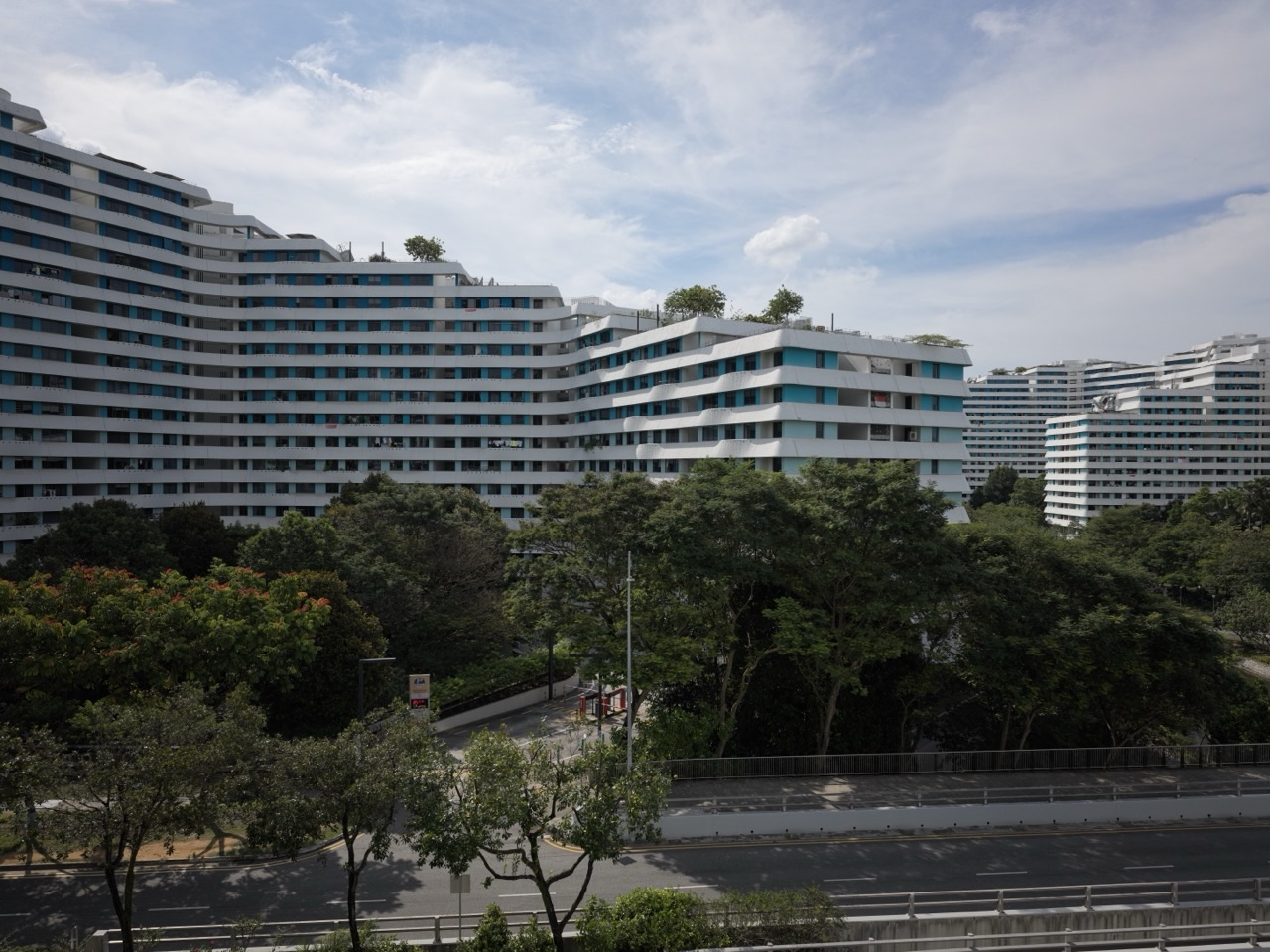
Two eligible single Singapore Citizens can apply to buy an HDB flat together under the joint singles framework, generally from age 35 if unmarried or divorced, with specified younger widowed or orphaned exceptions. Eligible joint singles can apply for a new two-room Flexi flat or buy qualifying resale flats, subject to the property’s classification. Both buyers become core applicants expected to live in the property during the relevant Minimum Occupation Period.
As of November 2026, the Enhanced CPF Housing Grant for Singles can reach $60,000 per eligible first-timer, with up to two qualifying applicants receiving a combined maximum of $120,000. That is not an automatic cash payment, and grants and loan figures depend on the joint HFE assessment. Importantly, buying a flat with another single is distinct from the Public Rental Joint Singles Scheme, which offers rental accommodation rather than ownership.
This reader-first guide follows the purchase from two-citizen eligibility and age checks to new versus resale flat choices, grants, mortgage and CPF contributions, title modes, occupation requirements and the difficult question of what happens if one partner marries, relocates or wants to sell. It is designed to help two adults decide whether shared homeownership will genuinely work through 2027 and 2028.
Quick information for buying with another single
- Both core applicants under joint singles buying generally must be Singapore Citizens.
- Unmarried or divorced joint buyers generally must each be at least 35, with specified widowed/orphaned exceptions from 21.
- New-flat route: eligible two-room Flexi projects; resale offers broader eligible choices, excluding 3Gen.
- Plus and Prime flat restrictions differ from Unclassified or Standard resale homes.
- Eligible first-timer applicants may each receive EHG Singles up to $60,000; a maximum is not guaranteed.
- HFE must reflect the genuine joint nucleus and each buyer’s finances.
- Both owners are expected to reside in the flat through its MOP.
- Joint tenancy and tenancy-in-common have different inheritance consequences.
- Mortgage, CPF refunds and possible buyouts must be considered before purchase.
- Public Rental Joint Singles Scheme is a separate programme.
Chapter-by-chapter buying and exit plan
- 1. Buying together is a partnership with legal consequences
- 2. This is not the Public Rental Joint Singles Scheme
- 3. Each joint buyer must be a Singapore Citizen
- 4. The ordinary minimum age is thirty-five
- 5. Widowed or orphaned applicants require careful evidence
- 6. Joint applicants form the core buying nucleus
- 7. New BTO buying is generally a two-room Flexi option
- 8. Resale offers a wider selection of flat sizes
- 9. Plus and Prime restrictions can change the exit
- 10. Unclassified and Standard are not identical to Plus
- 11. The flat purchase can have no general income ceiling
- 12. Income ceilings differ across options
- 13. HFE comes before deciding your final price
- 14. EHG for Singles can apply to two eligible buyers
- 15. Resale grants follow their own tests
- 16. Proximity Housing Grant is a separate consideration
- 17. Each owner’s CPF account remains their own
- 18. A shared mortgage creates joint financial exposure
- 19. Stress-test a one-income interruption
- 20. Consider joint tenancy versus tenancy-in-common
- 21. Equal contributions do not automatically settle title shares
- 22. Renovation can be a source of disagreement
- 23. Household expenses need a clear system
- 24. MOP requires genuine occupation
- 25. One person marrying changes the partnership
- 26. An owner wanting to move overseas poses a challenge
- 27. Selling one owner’s share is not as simple as splitting a bill
- 28. A partnership agreement needs realistic boundaries
- 29. One owner should not act as a secret landlord
- 30. Estate and location selection still matters
- 31. Resale inspection should be a shared exercise
- 32. The lease can affect both buyers differently
- 33. Example: two 36-year-old first-timers
- 34. Example: a 40-year-old and a 32-year-old
- 35. Example: one owner wants to exit after marriage
- 36. Example: one buyer dies unexpectedly
- 37. Prepare a genuine one-income survival budget
- 38. A pre-purchase conversation checklist
- 39. What to check during 2027 and 2028
- 40. Mastery: understand both the home and the partnership
1. Buying together is a partnership with legal consequences
Two single adults may be friends, siblings or long-standing housemates who want to buy a stable home together. Combining resources can make the purchase more accessible, but it creates a joint legal and financial obligation. A buyer should understand ownership shares, the mortgage, the Minimum Occupation Period and what happens if one person wants to leave before treating the arrangement as a simple alternative to renting.
The first step is not choosing a neighbourhood. It is discussing how long both people genuinely intend to live there, how decisions will be made and what happens when life changes. A successful joint purchase is one the parties can operate fairly for years, including when their income and relationships change.
2. This is not the Public Rental Joint Singles Scheme
HDB uses the words Joint Singles Scheme in both public-housing contexts, but buying a flat with another single must not be confused with the Public Rental Joint Singles Scheme. The rental route is for eligible lower-income applicants seeking subsidised tenancy and has separate income, household and operator-run rules. It does not transfer ownership of a flat.
An online article discussing assigned flatmates and partitioned rental units is not a purchase guide. Buyers should use HDB’s Singles purchase eligibility page and their HFE assessment. The question is whether both Singapore Citizen applicants can lawfully acquire and occupy a particular new or resale flat.
3. Each joint buyer must be a Singapore Citizen
Under HDB’s current joint singles buying conditions, each proposed core applicant must be a Singapore Citizen. Two friends where one holds only Singapore Permanent Resident status do not qualify for that particular joint singles buying route. Another family-nucleus scheme might apply in a different relationship, but it cannot be assumed without meeting its rules.
Identify the nationality and permanent residency status of each proposed owner before making an offer. A pending citizenship application is not approval. Buyers should not include an ineligible person on a contract and hope HDB will overlook the issue because both adults can afford the loan.
4. The ordinary minimum age is thirty-five
For unmarried or divorced applicants buying together under the joint singles route, each person generally must be at least thirty-five. The qualifying age differs for widowed or orphaned singles, who can be eligible from twenty-one under specific criteria. The age rule belongs to each core applicant, not merely the eldest person in the proposed pair.
Consider friends aged thirty-six and thirty-three. The older buyer’s eligibility does not automatically qualify the younger under the ordinary joint singles route. Wait for the correct eligibility date or assess a different lawful housing option rather than signing a binding resale contract too early.
5. Widowed or orphaned applicants require careful evidence
HDB’s purchase criteria recognise widowed or orphaned applicants aged at least twenty-one. For orphaned applicants, at least one deceased parent must have been a Singapore Citizen or Singapore Permanent Resident under the published footnote. These conditions differ from simply having no current contact with a parent or being financially independent.
Gather the actual relationship and death records requested by HDB, and confirm which purchasing category applies. A pair where one member qualifies through an exception should obtain the correct HFE outcome before committing. Sensitive family circumstances deserve accurate assessment rather than casual assumptions.
6. Joint applicants form the core buying nucleus
Each qualifying joint buyer is a core applicant whose name appears in the HFE application and flat purchase. HDB expects core members to remain in the application and physically reside in the home during the applicable Minimum Occupation Period. The arrangement cannot be treated as one genuine resident and another nominal financier.
Ask whether both people intend to make the flat their ordinary home. If someone plans to work overseas and never move in, the intended nucleus may not reflect reality. A financial partner who only wants investment exposure is not automatically a suitable joint singles HDB applicant.
7. New BTO buying is generally a two-room Flexi option
Under the current new-flat joint singles framework, qualifying applicants can apply for a two-room Flexi flat from HDB. They cannot simply combine two single incomes to buy a newly launched four- or five-room BTO under the same route. The exact project availability and new flat classification still matter.
A compact new flat may suit adults who value lower expenses and are comfortable sharing a modest living area. But it requires careful discussion of bedrooms, working from home, visitors and future caregiving. The fact that a flat is subsidised does not make its floor plan appropriate for every partnership.
8. Resale offers a wider selection of flat sizes
Qualifying joint singles may buy eligible resale flats under the published conditions, generally including Unclassified, Standard and Plus units but excluding three-generation flats. Resale Prime flat eligibility is more restrictive and must be checked separately against the specific table and project. A mature estate name alone does not tell the buyer which resale classification applies.
Compare actual flat size, remaining lease, renovation condition and financing before assuming a larger resale flat is affordable. A good shared home provides enough space for both adults without relying on one person to subsidise the other’s expected lifestyle.
9. Plus and Prime restrictions can change the exit
Plus and Prime homes have stricter resale and occupation conditions than many older Unclassified flats. A ten-year Minimum Occupation Period, whole-flat rental restrictions and buyer eligibility conditions can make future flexibility significantly different. Joint singles expecting to buy a condo or dissolve the arrangement soon should understand the actual project’s terms.
Do not simply buy the cheapest available new unit with the expectation of a quick resale. The legal purchase conditions may keep both adults tied to the home for many years. Choosing an appropriate classification is part of partnership planning, not just a question of location.
10. Unclassified and Standard are not identical to Plus
An Unclassified resale flat was generally sold before the October 2024 Standard, Plus and Prime classification framework. Standard homes are sold under that newer system. Both can have less restrictive resale conditions than Plus or Prime, though the exact eligibility and purchase contract govern. A centrally located older home does not automatically become Prime.
Record the flat’s original classification rather than inferring it from the resale price or station proximity. The decision affects who can buy later, how long owners must occupy the flat and whether certain rental choices are allowed.
11. The flat purchase can have no general income ceiling
HDB’s joint singles eligibility table lists no general purchase income ceiling for Unclassified and Standard resale flats. This does not mean grants and HDB loans have no income tests. Plus resale purchases and certain two-room Flexi or Prime options carry their own published income thresholds.
Buyers should run separate checks for property eligibility, grant qualification and financing. An applicant might earn too much for a particular CPF housing grant while remaining able to purchase an ordinary resale flat. The full HFE result is more useful than one headline salary number.
12. Income ceilings differ across options
HDB currently lists a combined income ceiling of eight thousand dollars for a new ninety-nine-year two-room Flexi flat and a qualifying two-room resale Prime purchase under the joint singles framework. For relevant resale Plus flats, the published purchase income ceiling is sixteen thousand dollars. Specific sale terms and project classification govern these figures.
Do not borrow an Executive Condominium’s income ceiling or a married couple’s BTO threshold for this scheme. Applying the wrong household category can make a technically attractive purchase ineligible. Check HDB’s current table at the point of application.
13. HFE comes before deciding your final price
The HDB Flat Eligibility letter helps both buyers understand their qualifying housing routes, individual and household grants, and any HDB loan eligibility. An HFE assessment must reflect the actual core buyers, not two separate letters issued as though each intends to live alone. It is a key checkpoint before a resale Option to Purchase.
Submit accurate employment, citizenship, property ownership and relationship details. If one buyer’s marital status changes or the proposed buying partner withdraws, do not assume the old HFE assessment automatically applies to a new configuration. Ask HDB which update is required.
14. EHG for Singles can apply to two eligible buyers
HDB’s Enhanced CPF Housing Grant for Singles currently provides up to sixty thousand dollars to a qualifying first-timer single, depending on income and employment tests. When two eligible first-timer singles buy together, up to two may each qualify, giving a combined possible maximum of one hundred and twenty thousand dollars.
That amount is a ceiling rather than a standard award. It must be assessed from the eligible incomes and qualifying conditions. Neither buyer should assume the maximum will be available to fund the downpayment until HDB issues the appropriate grant decision.
15. Resale grants follow their own tests
On a qualifying resale purchase, the CPF Housing Grant for Singles is assessed separately from EHG. HDB states that a resale buyer must first qualify for the applicable Singles resale grant before qualifying for EHG on that purchase. First-timer and prior subsidy history therefore matter to the amount available.
Build a financing plan around the confirmed HFE figures, not a social-media table adding every published maximum. A government grant credited to CPF helps with housing use; it is not unrestricted cash to divide equally between two friends for non-housing expenses.
16. Proximity Housing Grant is a separate consideration
Joint singles buying near or with qualifying parents or a child may be eligible for the Singles Proximity Housing Grant under its criteria. The existing published rates are not automatically multiplied by the number of adults on title, and related-family residence obligations can apply throughout MOP.
Before incorporating proximity support into the purchase budget, identify whose parent or child is the reference person and confirm the official distance. Each applicant should understand that the chosen home must continue to meet any grant-related occupancy conditions.
17. Each owner’s CPF account remains their own
Where CPF savings and housing grants are used, individual contributions and accrued interest continue to matter to the respective members. Two buyers may contribute different sums at purchase even when they hold similar legal shares. That can become important when the flat is sold or one ownership interest is transferred.
Prepare a simple record of who pays what, including downpayment, stamp duties, loan instalments and renovation. Do not assume the resale cash proceeds can later be divided by an informal percentage before CPF housing refunds and outstanding loan redemption are dealt with.
18. A shared mortgage creates joint financial exposure
With joint borrowers, both people can be responsible to the lender under the signed loan terms. If one loses employment or stops contributing, the lender may still require repayment from those legally obliged. A private promise between friends does not automatically change the bank’s legal rights.
Ask the lender whether the intended arrangement is joint-and-several, how the instalments are collected and what happens if a payment fails. A partnership that works only when both salaries grow continuously may not be financially resilient enough for homeownership.
19. Stress-test a one-income interruption
Suppose both buyers each expect to pay half the mortgage. One later takes extended unpaid leave or faces retrenchment. The other could temporarily have to cover a much larger share to keep the loan current, while the affected owner retains their legal interest. That imbalance can create conflict without a prior agreement.
Set an emergency-reserve target and agree how temporary shortfalls will be tracked. A fair arrangement might distinguish gifts, loans and temporary additional contributions. The details are a matter for lawful private agreement and advice, not a way to override title or mortgage obligations.
20. Consider joint tenancy versus tenancy-in-common
HDB recognises joint tenancy and tenancy-in-common as ways of holding title. Joint tenancy has a right of survivorship, while tenancy-in-common holds separately specified shares that enter the relevant estate administration on death. These arrangements can produce very different outcomes even when both buyers contribute equally.
Discuss the intended outcome if one owner dies. Someone may want a sibling or parent to inherit a financial interest rather than have it pass entirely to the surviving co-owner. Such decisions deserve qualified conveyancing advice before the choice of title mode is made.
21. Equal contributions do not automatically settle title shares
Two people might each pay the same first deposit yet agree to different shares because one pays more of the ongoing mortgage or provides the larger CPF contribution. Whatever arrangement they choose should match the legal title, loan and applicable HDB rules. The act of paying expenses alone does not necessarily alter the registered percentages.
Record the agreed contributions and seek legal advice about valid ownership structuring. A spreadsheet is useful evidence of money paid but is not an informal replacement for a registered title or a lawful later change in ownership proportions.
22. Renovation can be a source of disagreement
One owner may prefer a basic functional home, while the other wants expensive carpentry or a larger television system. Renovation contributions often become contentious if the buyers have not agreed whether improvements are shared costs or optional personal purchases. HDB’s renovation permit and contractor rules continue to apply to the flat.
Set a renovation budget before completion and agree what happens to jointly purchased furniture if the partnership ends. A simple room-by-room list helps avoid an argument over who was supposed to pay for fixtures or whether one person’s design preference becomes the other’s debt.
23. Household expenses need a clear system
Utilities, internet, S&CC, property tax, minor maintenance and insurance continue after key collection. Two owners can choose different ways to share these costs, but the arrangement should be specific enough to avoid constant negotiations. Bills owed by the household or owners will not disappear because private expense-sharing was unclear.
Consider a dedicated joint budgeting method, but keep access secure and preserve each person’s financial autonomy. Review amounts periodically when tariffs, incomes or occupancy change. A shared home should run on predictable agreements instead of repeated arguments about groceries and visitors.
24. MOP requires genuine occupation
HDB expects the core singles who established eligibility to physically reside in the flat throughout the applicable Minimum Occupation Period. The MOP is commonly five years for Unclassified or Standard homes and longer for Plus or Prime units, subject to actual purchase conditions. It restricts sale and some rental or other property transactions.
Someone who plans to permanently move into a partner’s private home after one year should understand the consequences before purchasing. A nominal co-owner cannot simply disappear while remaining an essential qualifying buyer with no occupancy obligations.
25. One person marrying changes the partnership
A joint buyer may later marry and wish to move with a spouse or purchase a different property. Marriage by itself does not necessarily permit immediately removing that person from the HDB title or selling the home during MOP. The original buying scheme and purchase conditions continue to matter.
Discuss this possibility before buying, even if both buyers are currently single and have no concrete marriage plans. Agree to seek HDB’s approval and legal advice if circumstances change. The other owner should not be surprised to learn that a personal life event can disrupt the shared home’s financing and occupancy.
26. An owner wanting to move overseas poses a challenge
Overseas employment can create temporary or permanent absence from the flat. Because HDB requires core owners to observe the actual occupation conditions, the household should not assume that one person can leave Singapore indefinitely and keep the home as a passive investment during MOP.
Obtain case-specific guidance from HDB about any necessary permission or consequences. A clear plan for mortgage payments and day-to-day maintenance will also be needed. A personal employment opportunity does not automatically cancel the other owner’s legal obligations.
27. Selling one owner’s share is not as simple as splitting a bill
HDB provides procedures for changing owners and for eligible resale of part-share. A proposed buyout requires the remaining owner to satisfy the relevant buying conditions, finance the interest and arrange CPF refunds and mortgage changes. A private transfer of money does not itself remove a name from title.
Ask HDB and a suitable conveyancing professional which procedure is legally available. If the remaining person no longer qualifies under the joint singles scheme or another eligible nucleus, retaining the flat may be complicated. Avoid promising a simple buyout until eligibility and financing have been confirmed.
28. A partnership agreement needs realistic boundaries
Buyers may prepare a written understanding about contributions, maintenance, decision-making, dispute handling and circumstances prompting a sale. Such a document can help communicate expectations, but it cannot override HDB legislation, the purchase scheme, title registration, lender rights or statutory MOP conditions.
Have an appropriate legal professional review anything intended to create binding rights. An arrangement that purports to let one person ignore HDB occupation requirements is not made lawful by private signatures. The agreement should work within the public-housing system.
29. One owner should not act as a secret landlord
A joint buyer might imagine renting their bedroom to another person while moving elsewhere, or charging the co-owner market rent for the whole flat. HDB bedroom and whole-flat rental rules depend on owner residence, flat category, MOP and permissions. A side agreement does not automatically make an otherwise prohibited rental lawful.
Before contemplating any tenant, confirm which owners will still live there and the relevant approval or registration. The flat should first operate as the home of its qualifying buyers. If the original joint living arrangement no longer works, ask HDB about legal alternatives.
30. Estate and location selection still matters
Two people may have different workplaces, families, social networks and mobility needs. A flat near one buyer’s office may require the other to travel two hours daily. Such differences can make a nominally affordable shared purchase feel unfair over time.
Map both daily journeys, test train and bus connections and think about essential family visits. A decision based solely on the nearer applicant’s preference can create resentment. Choose a location that provides defensible benefits to both people.
31. Resale inspection should be a shared exercise
A joint singles household should inspect for leaks, remaining lease, approved renovations, noise, access and likely repair costs. One partner may be enthusiastic about price and overlook a major defect, while the other may be more cautious. Both need to understand what they are legally buying.
Create a common inspection checklist and visit at least once together. If there is a serious concern, obtain appropriate professional advice instead of relying on one buyer’s intuition. An expensive repair after completion becomes a shared financial problem regardless of who first noticed it.
32. The lease can affect both buyers differently
CPF and loan limits depend partly on remaining lease and the ages of relevant purchasers. Two singles of different ages can face different long-term horizons and retirement needs. A flat whose lease will not cover the youngest buyer to age ninety-five may restrict financing in ways not obvious from its advertised price.
Run the actual CPF and lender calculations for both buyers and the chosen address. A cheaper older flat can demand more cash and reduce future flexibility. The partnership needs a home that is affordable to the household, not just one that seems cheap compared with other listings.
33. Example: two 36-year-old first-timers
Two Singapore Citizen friends aged thirty-six have stable incomes and wish to live together. They may assess a qualifying two-room Flexi BTO or an eligible resale flat. If both meet individual first-timer and EHG Singles conditions, combined grant support may help, subject to actual household income and approval.
The couple of friends should still plan mortgage contributions, legal title, minimum occupation and future exit. A grant is useful but cannot determine whether they will remain compatible housemates for five or ten years. A truthful discussion may prevent a financially costly breakdown.
34. Example: a 40-year-old and a 32-year-old
One Singapore Citizen is forty and another is thirty-two, and both are unmarried. They want to purchase under the ordinary joint singles scheme. The younger person’s age means the shared purchase does not satisfy the standard thirty-five-year minimum, even though the older applicant is eligible alone.
The pair should not issue an OTP assuming they can combine their ages. They can reconsider timing, look at other lawful housing routes or allow the older person to assess a separate sole purchase. The correct decision begins with eligibility rather than finance alone.
35. Example: one owner wants to exit after marriage
Two owners bought an eligible resale flat three years earlier. One marries and wants to move out; the other wants to keep living there. Because MOP and joint buying eligibility still apply, the parties cannot assume a voluntary part-share transfer will be approved immediately or financed by an existing bank loan.
Contact HDB before agreeing to cancel the ownership arrangement. Review how mortgage, CPF refund and future housing decisions are affected. A written contingency agreed at purchase can guide the discussion, but official approval remains necessary.
36. Example: one buyer dies unexpectedly
Suppose two friends held the property as joint tenants and one dies. The right of survivorship can affect legal title. If they held tenancy-in-common, the deceased owner’s share enters the applicable estate process instead. Housing eligibility and outstanding financing can add further layers.
These outcomes show why title mode and insurance should be considered before purchase. The surviving owner and family may need professional legal help, particularly when the deceased person’s relatives expect a share. A casual understanding of ‘we both own half’ is not always enough.
37. Prepare a genuine one-income survival budget
Calculate the mortgage and basic household costs if one buyer could not contribute for a temporary period. Then add realistic expenses for repairs, insurance and everyday living. An emergency buffer should cover more than one month of payments because unemployment and medical recovery can last longer.
If neither person could carry the flat through a plausible disruption, reconsider price or loan size. Buying jointly should improve resilience rather than create a fragile structure where one missed salary causes immediate arrears and personal conflict.
38. A pre-purchase conversation checklist
Discuss intended residence length, location, ownership mode, upfront funds, monthly payments, renovation, guests, privacy, marriage, overseas work, medical events, death and sale. Record which decisions require both people’s agreement and how disagreements will be handled. A list may feel awkward before purchase, but it is far easier than resolving a dispute after title is registered.
The goal is not distrust. It is preventing two people from assuming different answers to questions that affect their shared finances. A structured agreement can make home ownership more comfortable when properly aligned with HDB and lender requirements.
39. What to check during 2027 and 2028
At every future sales exercise, confirm the joint singles age, citizenship, flat type, income and grant criteria using HDB’s live rules. Do not assume a proposed new project is available to joint singles merely because the sales brochure says it welcomes first-timers. A 2028 project may also have its own Standard, Plus or Prime classification.
Update HFE and lender assessments before entering a resale purchase. An older article can explain the decision method, but only prevailing rules and actual household facts determine eligibility. Keep the partnership plan current as jobs, incomes and relationships change.
40. Mastery: understand both the home and the partnership
A joint singles buyer understands the scheme when they can explain the two-citizen requirement, relevant age thresholds, eligible new and resale flat types, grant tests and core occupation responsibilities. They also know that legal title, CPF contribution and mortgage responsibility are separate facts that need deliberate planning.
Successful shared homeownership is not merely an alternative to renting. It is a long-term financial and personal arrangement that should help both adults enjoy stable housing without trapping either in an unmanageable commitment. Clarity before purchase is the cheapest form of risk reduction.
Frequently asked questions
Can two unmarried friends buy an HDB flat together?
Potentially, if both are eligible Singapore Citizens who meet the joint singles age and other requirements.
Does one applicant aged 35 make both eligible?
No. Each qualifying applicant must independently meet the relevant age condition.
Can a Singapore Permanent Resident join a Singapore Citizen under joint singles?
The joint singles buying scheme requires the core applicants to be Singapore Citizens.
Can joint singles apply for a five-room new BTO?
Not under the ordinary new-flat joint singles route, which focuses on qualifying two-room Flexi units.
Can joint singles buy a five-room resale flat?
Eligible Unclassified, Standard or Plus resale flats may include larger types, excluding three-generation flats, subject to the actual criteria.
Can two applicants each receive an EHG Singles grant?
Up to two eligible first-timer singles may each receive up to $60,000 under the current EHG framework.
Do grants arrive as cash for renovation?
No. CPF housing grants follow CPF housing use and credit rules.
What happens if one person marries?
MOP, core household eligibility and title remain important; contact HDB for approved next steps.
Can one buyer simply remove a co-owner?
No. Ownership changes require HDB eligibility, proper conveyancing and financing or CPF refund arrangements.
Is joint tenancy the same as tenancy-in-common?
No. Survivorship and separately specified shares differ.
Does a private partnership agreement override MOP?
No. HDB rules and actual legal title remain controlling.
Should both people inspect a resale flat?
Yes. Joint inspection and an agreed financial plan reduce future disputes.
What if one owner stops paying the mortgage?
Actual lender obligations remain; a private expense split does not automatically release a borrower.
Is the Public Rental Joint Singles Scheme the same?
No. Public rental is a separate low-income tenancy programme, not joint flat ownership.
What should the buyers obtain first?
A joint eligibility and financing assessment through HFE, followed by realistic legal and mortgage advice.
Official HDB and CPF sources
- HDB — Singles and Two or More Singles Eligibility
- HDB — Enhanced CPF Housing Grant for Singles
- HDB — CPF Housing Grant for Singles
- HDB — Proximity Housing Grant for Singles
- HDB — HFE Letter Application
- HDB — Resale Flat Buying Process
- HDB — Changing Owners, Occupiers and Ownership Shares
- HDB — Resale Conditions and Minimum Occupation Period
- HDB — Public Rental Joint Singles Scheme (Different Scheme)
- CPF Board — Refunds Upon Selling or Transferring Property
Related eduKateSG guides
- What Is Next — Singles, Two-Room Flexi and Independent Living
- What Is Next — Adding or Removing Owners
- What Is Next — EIP, Resale Due Diligence and COV
- What Is Next — HFE and Affordability
Reviewed 7 November 2026. Only HDB and the actual lender can approve the particular household, grant and loan. This is general homeownership information, not individual legal advice or a promise of 2028 flat supply.