
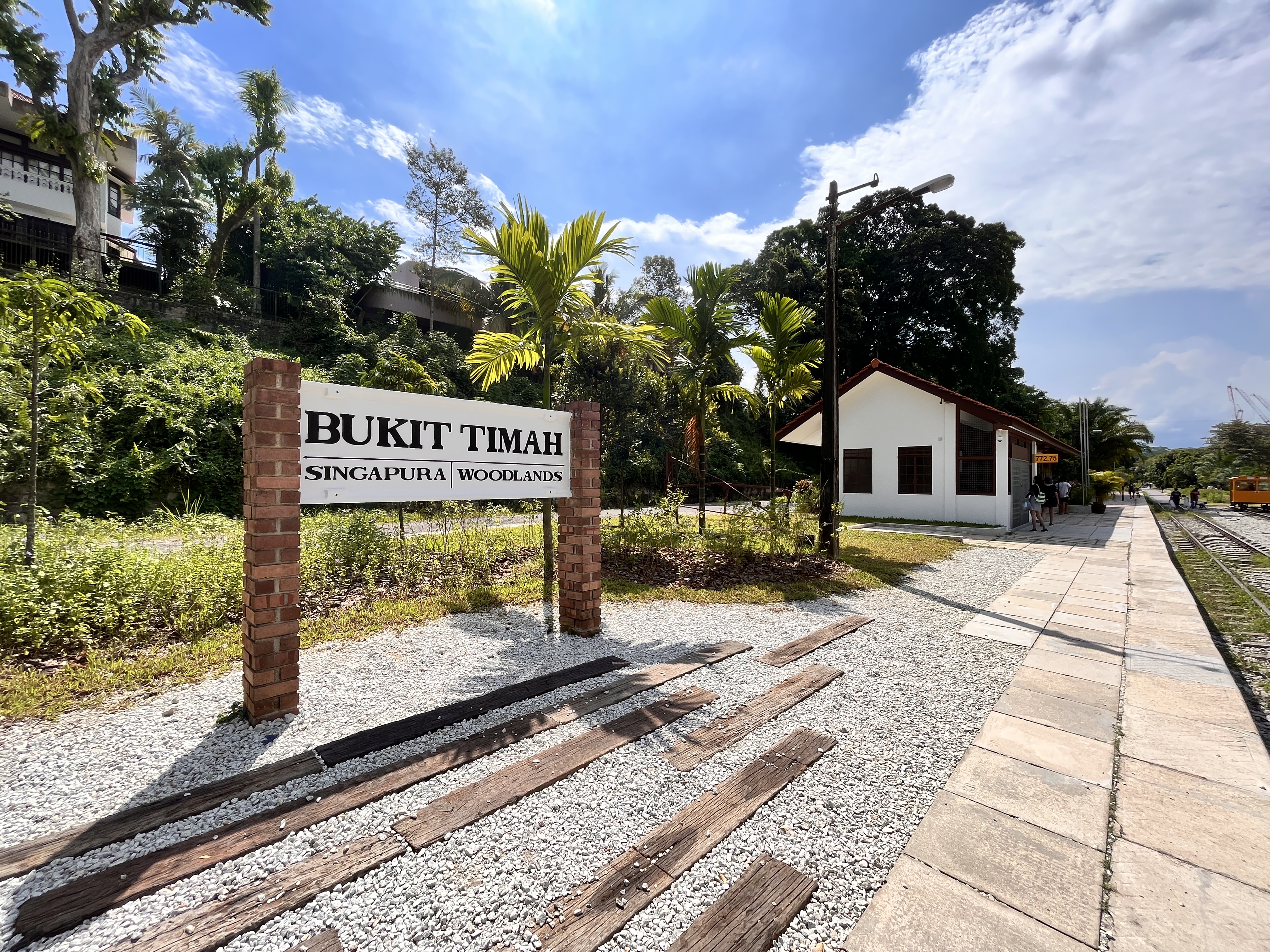
After getting PSLE results, parents of a child who enjoys museums, old photographs, neighbourhood stories, historical places or Singapore’s multicultural heritage should first identify secondary schools eligible for the actual PG1, PG2 or PG3 Posting Group. Then compare how the schools teach History and Humanities through evidence, heritage trails, learning journeys and reflective projects. Dunman Secondary’s 2026 Heritage Module begins in Secondary 1 with school-history trails and the story of Sir Thomas Dunman, while Zhenghua Secondary’s ZIESTA experience connects Secondary 1 learning with local culture, heritage and sustainability. These are different educational approaches, and a school’s heritage gallery is not proof that every new pupil joins a specialist research team.
CHIJ St. Theresa’s Convent also publishes a Secondary 1 Education for Life theme on Singapore’s sustainability heritage, using historical sources, poetry and visits; Yishun Town Secondary describes Humanities investigations and a Secondary 2 heritage trail. Use official school information to ask what a new pupil actually studies, whether a programme is schoolwide or selected and how it supports ordinary academic teaching. Rank six genuinely suitable eligible schools through the S1 Portal, consider travel and the child’s interests, and include realistic historical cut-off-point alternatives rather than selecting a school solely for a famous museum visit.
- Confirm the child’s PSLE Score, eligible Posting Group and S1 Option Form first.
- Separate ordinary History and Humanities lessons from school-heritage modules and selected enrichment.
- Dunman’s published Secondary 1 Heritage Module uses a school trail and historical identity learning.
- Zhenghua’s ZIESTA and CHIJ St. Theresa’s first-year programme include culture and heritage experiences.
- Ask about actual source work, observation, historical reasoning, school trips and supervision.
- Understand that National Heritage Board resources are available to schools but trips are not automatic.
- Compare language, History teaching, school culture, academic support and safe transport.
- Use six genuinely suitable schools, including realistic previous-year COP alternatives.
Definition lock: heritage learning is more than visiting a museum
Heritage learning explores how people, places, objects and memories connect the past with the present. At school, pupils might investigate why a neighbourhood looks the way it does, compare photographs, examine a building’s historical meaning or learn how a school evolved. A museum visit can support that enquiry, but the visit itself is not a formal examination subject or a guarantee of specialist research training.
Parents should ask what the student does before, during and after an activity. Are pupils taught to ask questions, evaluate sources and explain changes? A programme that uses a familiar local place thoughtfully can develop stronger historical reasoning than an expensive excursion with no meaningful follow-up. The educational goal is understanding evidence and communities, not collecting photographs of heritage sites.
Parent action: Ask what historical question the pupil investigates and what evidence is used.
Posting Group eligibility still governs normal school choices
PG1, PG2 and PG3 facilitate Secondary 1 admission under Full Subject-Based Banding, while individual G1, G2 and G3 subjects differ in academic demand. A pupil admitted through PG1 may love local history, and another with a competitive PSLE Score may find museums uninteresting. The overall result is not a complete measure of historical curiosity or empathy.
Use the official S1 Option Form and select only eligible schools for the normal ranking. At a boundary score that permits an option, decide on appropriate academic demand before comparing heritage programmes. A child’s history scrapbook or primary-school museum project does not override ordinary admissions rules. The receiving school should also provide suitable English, Mathematics, Science and other subject teaching.
Parent action: Confirm the formal Posting Group before evaluating heritage opportunities.
Dunman Secondary teaches its own school history progressively
Dunman Secondary’s September 2026 Heritage Module page describes a programme spanning the school years. Secondary 1 includes a heritage trail around key school sites, the Dunman story, Sir Thomas Dunman and the school’s motto and song. Secondary 2 examines further aspects of the school’s earlier years and community history, with later levels considering continuity and legacy.
This is not a conventional specialist museum course, but it can help new pupils understand the community they are joining. Parents should ask how pupils connect stories to historical evidence and whether the trail gives them opportunities to ask questions. A school-history programme may develop identity and belonging without requiring every student to become a historian.
Parent action: Ask how Dunman’s first-year heritage module develops understanding rather than memorisation.
Zhenghua Secondary connects heritage with outdoor discovery
Zhenghua Secondary’s 2026 ZIESTA programme describes experiences outside the classroom, with Secondary 1 opportunities to appreciate sustainability, culture and heritage. Its Learning for Life Programme also describes interdisciplinary trails in Singapore’s historically significant blue and green spaces, alongside trip planning and outdoor learning.
This combines place-based learning with responsibility and practical navigation. Parents should confirm the actual 2027 first-year activities and how pupils are supervised. A student who enjoys history might value a trail that connects stories to geography; another might prefer museum artefacts or document-based inquiry. The learning experience depends on the questions pupils investigate rather than the number of kilometres covered.
Parent action: Ask what students learn about a place’s past during the first-year interdisciplinary trail.
CHIJ St. Theresa’s combines sources, culture and sustainability
CHIJ St. Theresa’s Convent’s Education for Life ALP information, updated in July 2026, describes a Secondary 1 theme involving Singapore’s sustainability heritage. The activities listed include investigating MacRitchie Reservoir, a Science Centre learning journey, and exploring historical contributions of the Chinese community through poetry and sources.
This is an example of multidisciplinary heritage learning rather than a pure History elective. Parents should ask how the activities are connected, how evidence is interpreted and what is actually compulsory for the incoming pupil. The school may use several subjects to help students appreciate a real-world issue. A child who enjoys both history and environmental questions may find this approach meaningful.
Parent action: Ask how the programme links historical sources with present-day decisions.
Yishun Town describes a later heritage trail
Yishun Town Secondary’s current Humanities page lists a Secondary 1 geographical investigation at Yishun Pond and a Secondary 2 heritage trail, together with selected Humanities talent development opportunities. This matters because parents might see the heritage activity online and assume it occurs immediately after the child enters Secondary 1.
Ask for the current year-level progression and how the pupil’s interest will be supported in the first year. Ordinary History or Geography lessons can build foundations before later fieldwork. A programme that introduces source skills and observation first may provide a strong learning sequence, even if a major excursion happens a year later.
Parent action: Record which activities are Secondary 1 and which belong to older cohorts.
Hillgrove’s 2026 history event shows another learning format
Hillgrove Secondary’s July 2026 school event reporting describes a National Heritage Board collaboration in which Secondary 1 History pupils explored aspects of migrants’ lives using virtual-reality equipment and tablets. This is an example of technology being used to make a historical topic more accessible through a guided educational experience.
However, one past event does not prove the same VR activity will take place for every future cohort. Ask what the History department teaches regularly and how digital experiences are followed by discussion of evidence. A realistic simulation can evoke interest, but pupils must still distinguish reconstruction from a direct historical record.
Parent action: Ask how digital historical experiences are checked against sources and explained.
A school heritage trail should involve real historical questions
Students may walk past an old building, monument or familiar street without understanding why it matters. A good trail helps them examine changes over time, the people connected to the place and the sources supporting those stories. A pupil might compare a present-day site with an old map or archival photograph.
Ask schools whether children are given a question to investigate and an opportunity to discuss what they found. The ability to identify uncertainty is useful: a photograph shows some details but may not reveal why people acted as they did. Historical learning should encourage careful interpretation rather than invent a dramatic story whenever information is missing.
Parent action: Ask what evidence a trail uses to explain a place’s historical significance.
History is not simply remembering dates
History involves reasoning about sources, causes, consequences and perspectives. A child may enjoy stories about old Singapore but need practice explaining why a conclusion follows from evidence. The Secondary 1 curriculum may involve reading extracts, interpreting visual sources and comparing accounts rather than merely recalling a chronological list.
Ask candidate schools how teachers guide pupils through unfamiliar texts and evaluate source reliability. A good heritage module should support the same intellectual habits. Parents can encourage a pupil to ask who created a source, for what purpose and what else would help understand the event. These skills develop with appropriate teaching at different subject levels.
Parent action: Ask how a school teaches the difference between a historical fact and an interpretation.
Museums contain objects, not automatic explanations
A museum artefact can reveal useful information about materials, everyday life, trade or culture, but its meaning depends on context. Students should learn to read labels, compare objects and understand what an exhibition can or cannot prove. An attractive display may simplify a complex historical issue for visitors, so critical questions remain important.
Ask whether a school’s museum visit includes guided tasks and teacher preparation. Some programmes offer docent-led sessions or inquiry materials, while others allow independent exploration. The child’s educational experience is stronger when they can explain how an object supports a historical question rather than merely say they saw it.
Parent action: Ask the pupil what an artefact tells them and what remains unknown.
NHB Heritage On The Move can bring exhibitions to schools
The National Heritage Board’s Heritage On The Move initiative offers travelling exhibitions about Singapore’s history and multicultural heritage. MOE’s National Education resource guide describes these modular exhibitions as suitable for primary through post-secondary audiences, with different themes and formal school registration.
Parents should not assume that every secondary school hosts all exhibitions or that a child can privately register as though they were a school coordinator. Ask whether the receiving school uses NHB resources and how the exhibit is linked to classroom learning. A travelling exhibition can be valuable when teachers prompt students to read critically and discuss the community stories represented.
Parent action: Ask whether the school brings external heritage resources into ordinary lessons.
The Peranakan Museum can support guided cultural understanding
MOE’s resource guide lists guided tours at the Peranakan Museum for secondary pupils, including a Mandarin-language tour and one on Peranakan cultural heritage. These are school-booked educational opportunities subject to capacity and docent availability. The guide includes practical advance registration requirements rather than promising an automatic visit.
A parent should ask which museum experiences the school actually arranges and whether they support the child’s language and historical interests. A tour can introduce pupils to objects and histories reflecting cultural interactions. It should encourage respect for complexity rather than reduce communities to clothing or decorative objects.
Parent action: Ask how a guided visit deepens evidence-based cultural understanding.
Monument trails show how buildings connect with civic history
Singapore’s national monuments and historic districts can help students explore changes in religion, public institutions, government and everyday life. The MOE National Education resource guide includes National Heritage Board monumental learning journeys and guided activities in the Civic District. A carefully planned route can teach both spatial awareness and historical context.
Ask what the school studies at each site, what safety arrangements are in place and how pupils reflect afterward. An outdoor heritage activity is not guaranteed for every cohort. A meaningful visit should develop understanding of the people and decisions behind a place, not simply provide a scenic background for group photographs.
Parent action: Ask whether a monument visit has clear learning questions and follow-up tasks.
The school itself has a heritage worth understanding
Secondary schools often carry histories involving relocation, mergers, language streams and changes in their communities. A new pupil can benefit from understanding why the school has a particular name, badge or motto, and how former students contributed. Such learning can support belonging without requiring uncritical praise of every past decision.
Ask whether the school encourages pupils to examine its history honestly and relate it to Singapore’s broader development. Dunman’s programme is one example of this approach, but other schools may use assemblies, archives or alumni stories. A pupil who understands their school as a community may feel more connected to it.
Parent action: Ask what one historical fact about the school helps a new student understand its identity.
Heritage learning can build oral-history and listening skills
Some historical questions can be explored through interviews with people who experienced an event or a place. Oral accounts can offer valuable perspectives, but memory is selective and individual recollections may differ. Students should learn to ask respectful questions, seek appropriate permission and compare testimony with other sources.
Parents should not encourage a pupil to interview strangers independently or record private conversations without consent. A school programme should explain ethical conduct and how accounts are used. A student who listens carefully and accurately represents another person’s story can learn empathy alongside historical reasoning.
Parent action: Ask how pupils learn to handle interviews and personal memories respectfully.
A photograph of the past needs context
Old photographs can prompt rich questions about buildings, clothes, activities and neighbourhood change. But a photograph captures one scene from one perspective and may be cropped, staged or misdated. A pupil should avoid drawing a sweeping conclusion from the image alone.
Ask whether the school teaches students to examine provenance, dates and other evidence. A modern image generated to imitate a historic scene should not be presented as a real archive photograph. This distinction matters as AI imagery becomes more convincing. Sound historical education helps children appreciate visual evidence without believing every realistic-looking image.
Parent action: Ask when a photograph was made, who made it and what else could verify its story.
Learning about heritage should respect different perspectives
Singapore’s history includes different communities, languages and experiences. Students may find that people remember an event differently or place different meanings on a familiar location. Good historical teaching should help pupils examine those perspectives without treating every claim as equally supported by evidence.
Ask how a school invites respectful discussion and uses reliable sources. A heritage project should not stereotype a community or demand that one student speak for an entire group. The pupil can learn to explain similarities and differences thoughtfully. These habits support civic understanding and language learning as well as formal History.
Heritage trails need planning and safe fieldwork
An outdoor historical activity can involve walking, road crossings, weather and transport. Schools should determine suitable routes, supervision and learning tasks. A child should not enter abandoned buildings or restricted sites independently simply because they are curious about the past.
Ask whether the programme is compulsory, selected or a one-off learning journey. If a pupil has documented mobility or sensory needs, discuss appropriate support privately with the school. Good fieldwork is inclusive and age-appropriate; it can use accessible public spaces and classroom evidence rather than require adventurous entry to unsafe sites.
Museums do not replace reading and writing
A school visit may help a pupil imagine a historical setting, but historical understanding still requires careful reading, explanation and comparison of evidence. A pupil who enjoys looking at artefacts may need help writing a clear answer about what an object suggests. That is normal and can develop through explicit teaching.
Ask schools how they connect visits with ordinary English and History lessons. A good programme might involve reading before a trip, taking structured notes and writing a thoughtful reflection afterward. Parents can support the child by asking them to explain one object or story accurately rather than demanding a long scrapbook of every visit.
Digital heritage tools should be evaluated critically
Interactive maps, virtual-reality experiences and archives can make the past easier to explore. Hillgrove’s 2026 example shows how a school may use immersive technology to support History learning. These tools can be powerful, but a reconstruction or generated scene is not equivalent to a photograph taken during the event itself.
Ask how teachers distinguish source material from artistic interpretation. A pupil should learn that historical explanations depend on evidence and context, not just how realistic an animation looks. Good digital learning makes students more critical and informed rather than more easily convinced by dramatic visuals.
A heritage interest can connect Geography and literature
Places tell stories about land use, transport, buildings and communities. Literature and poetry can also reflect people’s experiences at different times. CHIJ St. Theresa’s multidisciplinary first-year programme illustrates how historical sources and poetry may be studied alongside contemporary environmental questions.
Parents should consider whether the child enjoys maps, texts, objects or social history. A school may support that curiosity through ordinary Humanities teaching even if it does not run a dedicated heritage club. The subject links can help pupils understand that a place has physical, social and cultural dimensions. Strong teaching matters more than a single headline activity.
Selected Humanities talent groups differ from cohort learning
Some schools offer extension programmes for pupils particularly interested in History and Geography. These may include research, competitions or advanced projects with selection criteria. A school whose Humanities department celebrates a national competition achievement is not guaranteeing that every new student receives the same opportunity.
Ask about the broad first-year curriculum and the process for entering any selected group. A child may develop interest only after taking Secondary 1 History lessons, so opportunities for later participation can matter. The school should remain worthwhile for ordinary teaching and supportive culture even if one extension place is not secured.
School heritage and city heritage should not be confused
A programme about the school’s founding and alumni can support identity and belonging, while a city-wide heritage investigation may examine a neighbourhood, monument or community’s development. Both are valuable but teach somewhat different questions. A pupil who loves museums may prefer broader local history; another may enjoy discovering the story of their new school.
Compare programmes on the actual experiences offered to the incoming cohort. Dunman’s first-year modules are clearly school-focused, while Zhenghua’s trail and CHIJ St. Theresa’s interdisciplinary programme connect different places and themes. Parents should not assume all heritage offerings are interchangeable just because they include the word heritage.
The school commute still affects real learning
A family may choose a distant school because of an exciting heritage programme but discover that daily travel is tiring. Learning journeys may also begin early or finish later than ordinary lessons, depending on the activity. A school’s postal address does not describe the entire school-week routine.
Test the morning and afternoon journeys, and ask about any required transport for specific activities. A nearer school with good History teaching, a welcoming library and access to local heritage may provide a more sustainable education for the child. A distinctive programme can be worth extra travel, but the family should make that trade-off with evidence.
The historical school COP is not an admission promise
A secondary school’s previous-year cut-off point shows the final admitted pupil’s score for the relevant Posting Group in an earlier exercise. It can change with demand and available places. A heritage programme, a museum award or a child’s history project does not automatically provide admission priority through ordinary S1 Posting.
Use the correct PG1, PG2 or PG3 historical range and include two or three genuinely suitable schools with less stringent previous-year COPs than the child’s score, in line with MOE guidance. Every alternative should still offer a school environment where the pupil could learn well. Heritage interest is a reason to compare schools, not a reason to ignore admission realism.
The six-school list should reflect the child’s genuine preferences
Normal S1 Posting requires an ordered list of eligible schools. At equal PSLE Scores for the last remaining places, the standard tie-breakers involve citizenship, choice order and computerised balloting. A parent should not rank a school first solely because someone claims the museum-learning programme prefers first-choice applicants.
Discuss where the child would enjoy everyday lessons and school life. Ask whether the heritage activities are accessible, how the student will travel and whether other academic and CCA interests are supported. A balanced list contains schools the pupil would genuinely be able to attend, not one prestige target and five unexamined names.
The first term should turn curiosity into a steady learning habit
After posting, the pupil will encounter new Humanities and English lessons, class projects and school history. They may have a heritage trail immediately or later in the year. Parents should follow the receiving school’s actual programme rather than pressure the child to complete an entire museum checklist before Secondary 1 begins.
Encourage regular reading, careful source questions and one manageable local history investigation. A child might compare an old photo with a current street while following safe public-space rules. The first term should also support new friendships and academic routines. Heritage learning can help the student feel connected to a place rather than serve as another high-pressure competition.
The best heritage school develops careful historical understanding
Heritage experiences become educationally meaningful when pupils understand people, sources, places and changing circumstances. A good school may use museums, trails, texts, archives or digital media to help learners reason responsibly. A student should be able to explain why a place matters and what remains uncertain, not merely repeat a rehearsed tour description.
Choose among eligible schools according to authentic first-year programme access, strong academic teaching, culture, support and sustainable travel. A love of local history can grow in many settings and need not become a fixed career. The right school allows curiosity about the past to become thoughtful learning about people and the present.
Frequently asked questions about heritage and school choices
Does every secondary school run heritage trails?
No. Programmes and timing vary. Ask about current school History and Humanities activities.
Does Dunman have a first-year heritage module?
Its 2026 programme describes a Secondary 1 school heritage trail and the story of Sir Thomas Dunman.
What is ZIESTA at Zhenghua Secondary?
Its school programme connects experiential learning with sustainability, culture and heritage in Secondary 1.
Does CHIJ St. Theresa’s offer a heritage-themed first-year programme?
Its current Education for Life information includes Singapore sustainability heritage, poetry and historical sources.
Is Yishun Town’s heritage trail a Secondary 1 activity?
Its published Humanities page lists the heritage trail at Secondary 2 and a different geographical investigation at Secondary 1.
Does joining a school guarantee a museum trip?
No. Learning journeys depend on the actual school programme and may have capacity and timetable conditions.
Can PG1 pupils benefit from heritage learning?
Yes. Posting Group does not determine curiosity about history, and learning is taught at appropriate subject levels.
Do museum visits replace History teaching?
No. They supplement ordinary subject learning and need evidence-based explanation.
Is a realistic VR historical scene always documentary evidence?
No. Reconstructions and primary historical sources must be distinguished.
Are previous COPs guaranteed?
No. Historical score boundaries can change with vacancies and preferences.
Can a school with no heritage ALP still suit a history-loving child?
Yes. Strong Humanities, reading and relevant learning journeys can develop the interest.
How should six schools be ranked?
By genuine preference among eligible schools, with realistic historical alternatives.
Official heritage learning and relevant parent guides
Dunman Secondary 2026 Heritage Module
Zhenghua Secondary ZIESTA programme
Zhenghua Secondary Learning for Life and heritage trails
CHIJ St. Theresa’s Convent Education for Life ALP
Yishun Town Secondary Humanities and heritage trail
Hillgrove Secondary 2026 school History events
National Heritage Board Heritage On The Move via MOE
MOE Heritage and Culture Learning Journeys
MOE Peranakan Museum guided heritage tour
eduKateSG: History, Reading and Debate school guide
eduKateSG: Maps and Urban Planning parent guide
eduKateSG: Full PSLE results parent hub
Reviewed 1 November 2026. Heritage modules, museum bookings, school-learning journeys and extension programmes may vary by cohort, and the examples reflect school publications available during the review. Confirm the actual 2027 Secondary 1 arrangements and official S1 Posting eligibility. Historical school cut-off points are not guaranteed admissions.