
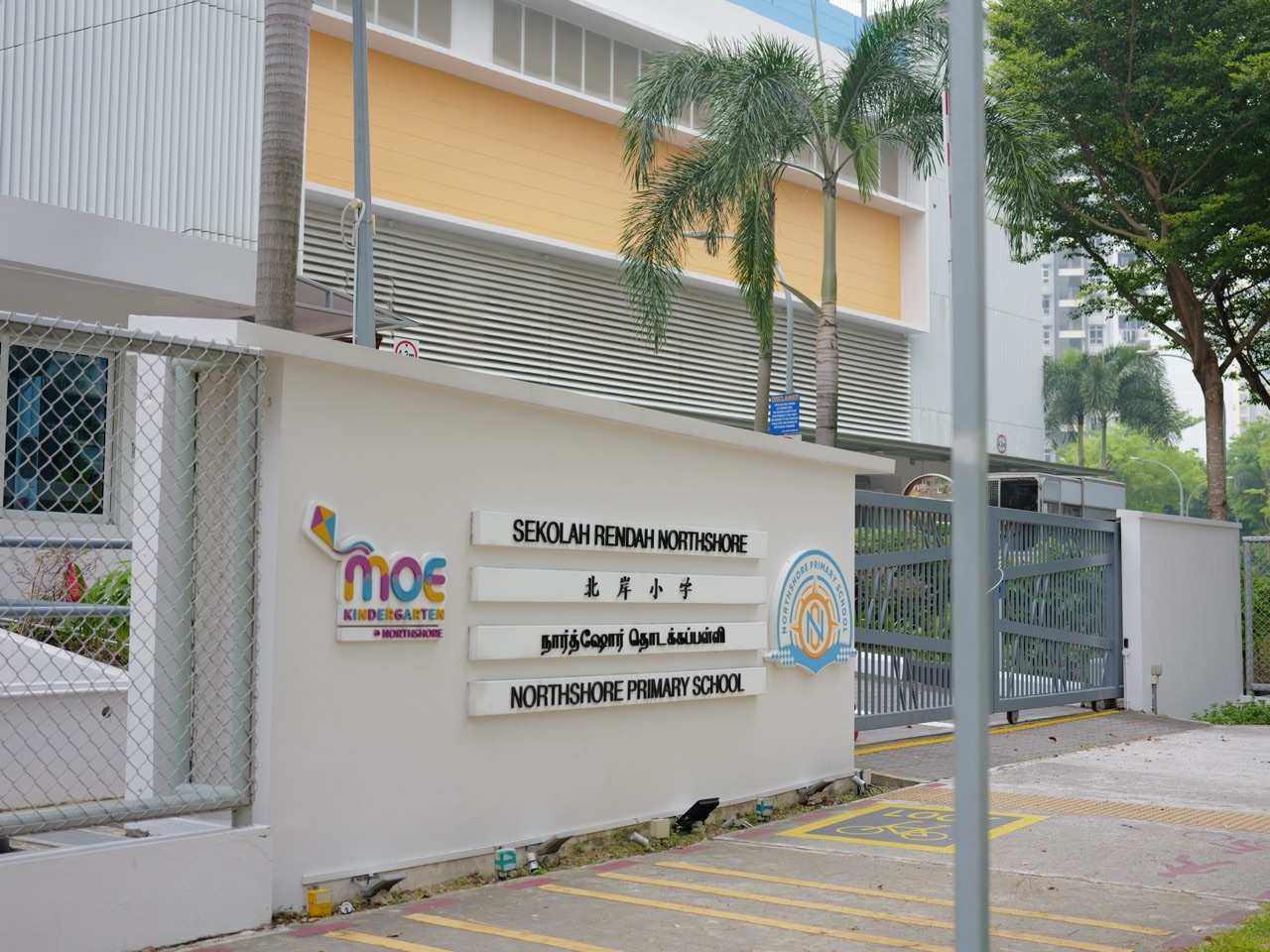
Northshore Primary School: explore the sibling school guides
Why go Northshore Primary School? — discover its learning programmes. Is Northshore Primary School a good school? — assess the evidence, practical choices and best fit for your child.
EDUKATE · PRIMARY SCHOOL FAMILY GUIDE
Find your family’s next step
Choose the question closest to yours, then continue through the full guide at your own pace.
ROUTE 2 · CHAPTERS 3–8
Understand the distinctive opportunities and prepare personal questions.
ROUTE 3 · CHAPTERS 9–13
Connect interests with clear foundations and manageable practice.
ROUTE 4 · CHAPTERS 14–16
Check travel, care and the routine your household can sustain.
Why go Northshore Primary School? A child who likes making, testing and exploring may find its combination of practical STEM and outdoor environmental learning especially interesting. For parents, those strengths become useful when you know which experiences reach the whole cohort, which are selected and how an ordinary Northshore school week would work for your family.
Should we shortlist Northshore Primary?
Consider Northshore if game design, making and outdoor environmental experiences match your child’s interests, and the journey to Northshore Drive is manageable. Confirm access to the programmes for the relevant level, the CCA placement process and any afternoon care you need. Look for a school experience that supports curiosity alongside clear subject foundations and a sustainable routine.
Illustrative eduKate Primary-learning photograph; it does not depict this school.
Full chapter index
Open a chapter list to find a section. All chapters below remain expanded for comfortable reading.
Meet the school · Chapters 1–2
Explore its programmes · Chapters 3–8
Support Primary learning · Chapters 9–13
Plan the ordinary day · Chapters 14–16
The school contact page lists 30 Northshore Drive, Singapore 828671, and 6202 6490. It also identifies nearby public transport approaches. Check a current route for your own home and travel time before choosing one.
Try the final walk with your child if possible. Consider shelter, crossings and the collection point as well as the main journey. Office operating hours on a contact page are not a pupil timetable. Ask the school for reporting and dismissal arrangements for the level you need, so the family can plan a complete day.
CHAPTER 2 OF 20 · Meet the school
2. Did You Know? Designing a game can begin with empathy
Did you know that making a game can involve understanding another person’s needs? Northshore’s Applied Learning Programme describes a P4 CareChat project involving AI-enhanced empathy work, game design and active ageing.
An original family conversation might begin with “What would make this game enjoyable for Grandpa?” The child may consider clearer instructions or a comfortable pace. That example is a home illustration, not a school assignment. It helps parents see why designing for a user can be an important question alongside whether a game is exciting to play.
Northshore’s STEM ALP, imaginEErs, combines game design and making. The published programme page outlines lower-primary experiences including inflatables in P1, Sustainable F1 in P2 and a propeller activity in P3. Its approach gives pupils opportunities to develop and test ideas.
Ask how the current cohort’s task is guided and what children explain afterwards. A useful answer will show the thinking process as well as the object being made. If your child is enthusiastic about building but becomes frustrated when a design fails, ask how teachers support revision and help pupils recognise progress.
CHAPTER 4 OF 20 · Explore its programmes
4. Ask clear questions about AI-supported learning
The P4 project description includes using a chatbot to help surface user needs within an integrated learning project. That does not by itself explain every supervision or information-handling arrangement. Ask the school how children are guided, how they check suggestions and what information is appropriate to use.
Keep your child’s role central. What do they observe, decide and explain for themselves? Parents do not need to be technical specialists to ask those questions. Understanding the teaching process helps you distinguish a learning activity from an assumption that more technology automatically produces deeper understanding or greater independence.
The Learning for Life Programme is OCE@N, connecting outdoor education with care for the environment. Its description includes P3 and P4 day camps and a P5 outdoor education camp, alongside environmental habits and pupil leadership opportunities.
Ask which experiences are planned for your child’s year and how the school prepares pupils. Share relevant health, sensory or mobility needs early. Do not assume that every activity shown in a programme photograph is undertaken by every pupil. A practical discussion about participation and support makes outdoor learning easier for a family to assess confidently.
CHAPTER 6 OF 20 · Explore its programmes
6. Distinguish general experiences and selected opportunities
Northshore’s ALP description separates broad programme exposure from a more advanced pathway involving its Media and STEM CCA. Environmental leadership roles within the LLP also differ from ordinary pupil participation. Those distinctions help parents set fair expectations.
If your child already enjoys coding or design, ask what access requires and how developing interest is recognised. If the child is just beginning, ask how the cohort activities introduce the topic. A school can offer an appealing learning environment even when the child does not join a selected advanced group. Discovery itself can be an important step.
The current CCA overview lists 13 CCAs across four groups. Examples include String Ensemble, Modern Dance, Green Club, Media and STEM Club, Scouts and sports options. Basketball has separately listed boys’ and girls’ groups.
Invite your child to identify one interest and one alternative. Ask about the relevant level, placement criteria, weekly training and available places. The overview describes a range of opportunities; it does not guarantee each pupil’s first choice. Knowing the commitment can also help you decide whether the child will still have enough room for rest and ordinary family time.
Northshore’s CCA timeline distinguishes the P3 start from the P4–P6 start and describes a P2 experience and registration stage. Requests to change CCA are identified for P4 and P5 and are subject to vacancies. P6 stand-down is tentative, with possible continuing participation for events.
Confirm the current dates for the year you are entering. This matters if your household is planning travel, tuition or care around training. It also helps a child understand that joining an activity involves continuing practice. Ask about changes before assuming that a first choice can be replaced immediately.
CHAPTER 9 OF 20 · Support Primary learning
9. English helps a maker explain an idea
A child can build something interesting yet find it difficult to describe what it does. An optional home activity is to ask for a short explanation: who is it for, how does it work and what would you improve? Invite clarity rather than a long speech.
This is a family learning suggestion, not a description of Northshore’s English assessment. Ask how the school develops reading, spoken communication and writing at your child’s level. If your child has strong ideas but brief written answers, bring an example. The teacher conversation can then focus on how the child organises and expresses those ideas.
CHAPTER 10 OF 20 · Support Primary learning
10. Mathematics supports careful design thinking
When a child compares lengths, quantities or possible arrangements, they can practise explaining a relationship. At home, ask them to show what they know before choosing a calculation. A simple diagram can reveal whether they understand the situation.
Ask Northshore about ordinary Mathematics teaching, feedback and support. The STEM identity is an attractive context, but it does not establish your child’s subject attainment or access to a particular enrichment pathway. Keep those questions separate. A clear discussion of a current learning gap is more useful than assuming that a maker activity will automatically resolve difficulties with mathematical language.
CHAPTER 11 OF 20 · Support Primary learning
11. Science needs evidence alongside excitement
Making and outdoor exploration can create plenty of questions. Help your child distinguish what they observed from what they think caused it. For example, they can describe a change before offering an explanation. Keep home practical work safe and appropriate for their age.
During your school conversation, ask how Science lessons build accurate concepts and how pupils receive feedback on explanations. A finished model is one part of learning; understanding why something happened is another. Your child’s enthusiasm can be a useful starting point, while teachers help connect that enthusiasm with careful observation and subject knowledge.
CHAPTER 12 OF 20 · Support Primary learning
12. Discuss Mother Tongue learning directly
Northshore’s Mother Tongue page describes communication, cultural identity and immersive learning experiences. Ask the school to explain the relevant language provision and arrangements for your child’s intake, including support or extension where appropriate.
Bring a clear picture of what the child can currently do: perhaps they converse comfortably but avoid reading, or recognise words but hesitate to speak. That helps the conversation become practical. This guide does not infer an individual placement from the general page. A welcoming family reading or conversation routine can complement the specific advice the school gives you.
CHAPTER 13 OF 20 · Support Primary learning
13. Plan support for unfamiliar experiences
Outdoor activities and collaborative making can be exciting, and they can also feel unfamiliar. Tell the school if your child struggles with noise, change, group work or physical participation. Share what helps them feel secure enough to try.
Ask how class teachers coordinate support and who handles a follow-up concern. For camps, request the current information about preparation, supervision and relevant accommodations. You are looking for a realistic plan for your child, rather than a guarantee that every experience will feel easy. Helpful preparation can make a new challenge feel achievable and preserve the child’s willingness to participate.
Confirm reporting time, regular dismissal and additional sessions directly with Northshore. The contact page’s office hours do not establish pupil school hours. This guide leaves the exact daily timetable for the school to confirm for your cohort.
Build a simple weekly calendar that includes meals, transport and the actual activity day. Ask where a child waits if collection follows an additional session, and how authorised adults receive pickup instructions. If your household shares collection duties, make the plan understandable to everyone. A well-organised afternoon supports learning because the child knows what comes next.
CHAPTER 15 OF 20 · Plan the ordinary day
15. Keep primary student care separate from KCare
The service providers page lists YMCA primary student care, contact 6592 0776, separately from kindergarten KCare. Use the primary service when asking about arrangements for a primary-school pupil.
Confirm its current hours, calendar, fees, vacancies and collection process directly. The provider listing does not guarantee an available place. Ask how handover works after CCA or another school session and what happens on closure days. For a working parent, this information can be just as important as a distinctive programme when deciding whether the school fits the whole household routine.
CHAPTER 16 OF 20 · Plan the ordinary day
16. Prepare for a comfortable Primary transition
A child entering a new school can practise asking for help, managing belongings and explaining where they expect to go after dismissal. Make the practice friendly. You can role-play a short question to a teacher rather than rehearsing a long set of instructions.
Ask Northshore about the current orientation and communication arrangements for your intake. Confirm admission requirements and timelines through official channels. An attractive STEM programme, a nearby home or an existing care centre should be considered with the relevant confirmed registration and service information. Keep room for your child’s questions too; they may be wondering about something very ordinary.
Record what is confirmed and what still needs a response. Ask your other realistic school options the same practical questions.
| Family interest | What to clarify at Northshore | Why the answer helps |
|---|---|---|
| Making and games | Cohort task and teacher guidance | Shows the learning process |
| AI project | Supervision and checking suggestions | Explains the child’s role |
| Outdoor learning | Current activity and support needs | Makes participation realistic |
| CCA | Placement, schedule and change rules | Sets a sustainable commitment |
| Care | Primary service access and handover | Completes the afternoon plan |
Use the answers to compare fit, rather than turning programme names into a ranking.
Northshore may appeal to a child curious about making, design and the environment, especially when the Northshore Drive journey works well for the family. Ask how its approach supports your child’s present confidence and learning needs, not only their most enthusiastic interest.
If the decision rests on the Media and STEM CCA, clarify access first. If outdoor participation needs adjustment, discuss that early. If care is essential, confirm a place. A hopeful decision can be precise about these conditions. Your family is choosing room for steady growth, with the daily support that helps a child enjoy trying something new.
Is advanced STEM participation automatic?
The ALP page distinguishes general experiences and an advanced CCA pathway. Ask about current access for your child’s level.
Does every photograph describe a guaranteed camp activity?
Confirm the current programme and participation arrangements directly. Images alone do not establish a cohort itinerary.
Can a pupil change CCA whenever they wish?
The published overview describes a request period for P4 and P5, subject to vacancies. Confirm current arrangements.
Is KCare the primary student care service?
The school lists these separately. Use the primary YMCA contact when planning a primary pupil’s afternoon.
Take a short description of your child’s interests and needs to the school. Ask for a current learning example, the CCA access relevant to the child and the weekly timetable. If you rely on care, contact the primary provider as a separate practical step.
Let your child add one question about something they hope to try. Compare further through the Singapore schools directory. This guide checked the linked official information on 6 October 2026; reconfirm cohort arrangements and changing services before making your final plan.