
Small Group Tutorials
Here to help students catch up, keep up, and move ahead. Book a consultation here.
Project Type: Civilisation
-

Everything About Pakistan | Geography, History, Culture and Life
Explore Pakistan through geography, history, languages, everyday life, culture and global connections in twenty sourced chapters.
-
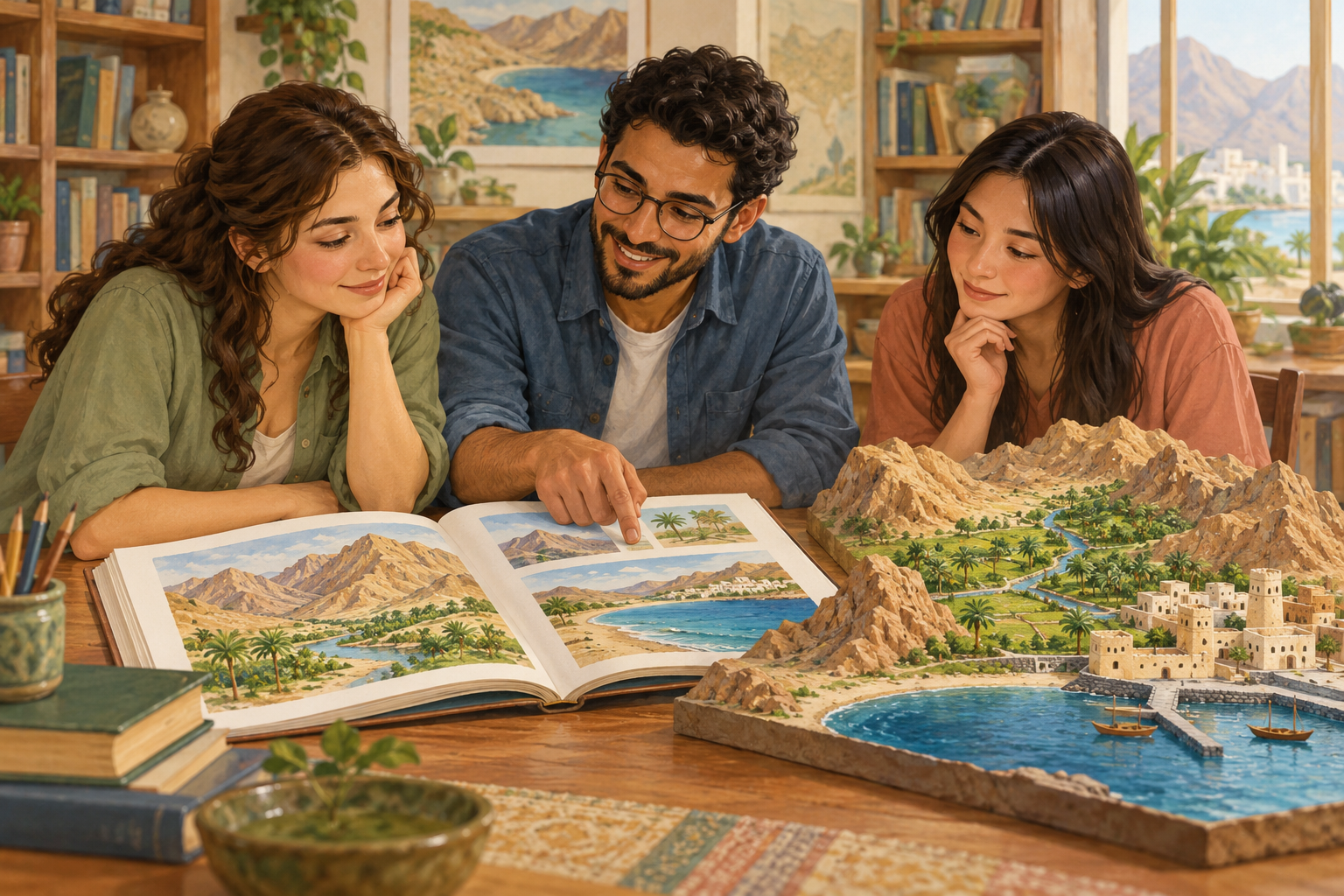
Everything About Oman | Geography, History, Culture and Life
Explore Oman through geography, history, languages, everyday life, culture and global connections in twenty sourced chapters.
-

Everything About Norway | Geography, History, Culture and Life
Explore Norway through geography, history, languages, everyday life, culture and global connections in twenty sourced chapters.
-
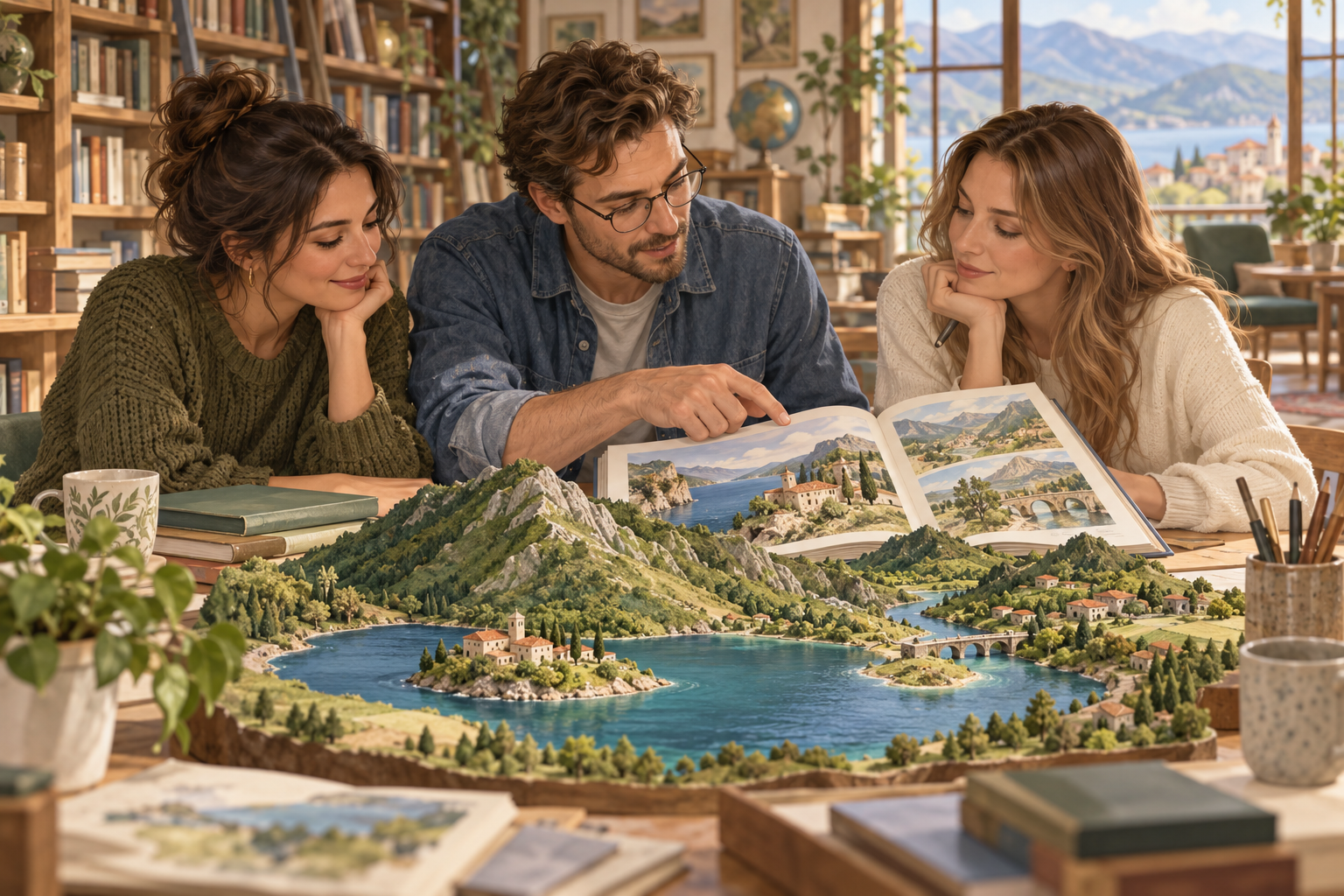
Everything About North Macedonia | Geography, History, Culture and Life
Explore North Macedonia through geography, history, languages, everyday life, culture and global connections in twenty sourced chapters.
-

Everything About North Korea (DPRK) | Geography, History, Culture and Life
Explore North Korea (DPRK) through geography, history, languages, everyday life, culture and global connections in twenty sourced chapters.
-
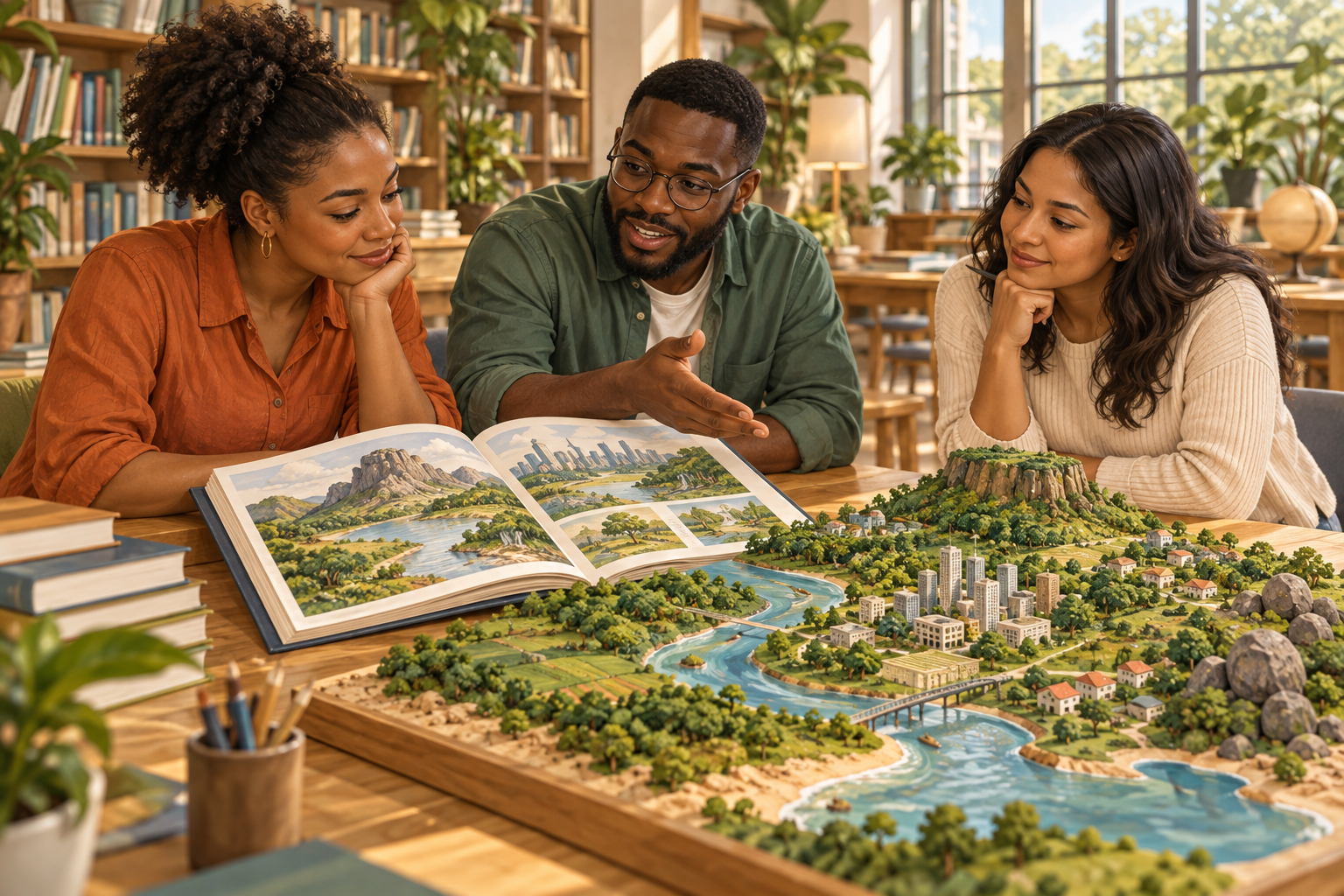
Everything About Nigeria | Geography, History, Culture and Life
Explore Nigeria through geography, history, languages, everyday life, culture and global connections in twenty sourced chapters.
-
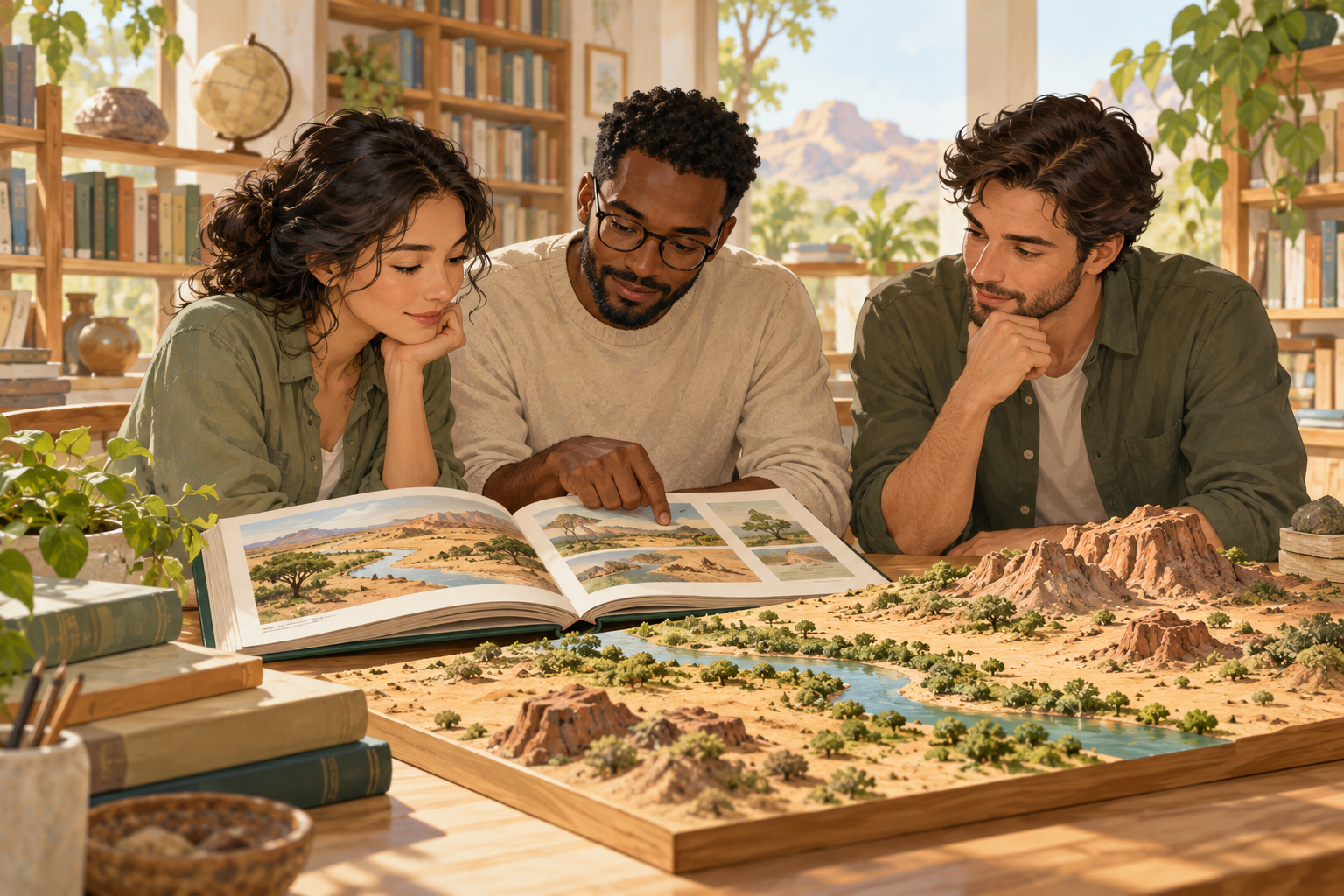
Everything About Niger | Geography, History, Culture and Life
Explore Niger through geography, history, languages, everyday life, culture and global connections in twenty sourced chapters.
-
Everything About Nicaragua | Geography, History, Culture and Life
Explore Nicaragua through geography, history, languages, everyday life, culture and global connections in twenty sourced chapters.
-

Everything About New Zealand | Geography, History, Culture and Life
Explore New Zealand through geography, history, languages, everyday life, culture and global connections in twenty sourced chapters.
-

Everything About the Netherlands | Geography, History, Culture and Life
Explore the Netherlands through geography, history, languages, everyday life, culture and global connections in twenty sourced chapters.
-
Everything About Nepal | Geography, History, Culture and Life
Explore Nepal through geography, history, languages, everyday life, culture and global connections in twenty sourced chapters.
-
Everything About Naoero (Nauru) | Geography, History, Culture and Life
Explore Naoero (Nauru) through geography, history, languages, everyday life, culture and global connections in twenty sourced chapters.
Civilisation by eduKateSG is the main branch for understanding how human systems work across education, culture, society, language, governance, technology, infrastructure, trust, repair, failure and long-term future-readiness.
This project collects eduKateSG articles, frameworks and operating models that explain civilisation not only as history, empires, cities, monuments or progress, but as a living system that must keep people, institutions, knowledge, resources and values working together across time.
Across the Civilisation articles, eduKateSG studies how ordinary human actions connect to the wider future of society.
A civilisation is not built only by governments, leaders or major events. It is also built by parents raising children, teachers transferring knowledge, students learning foundations, workers maintaining systems, communities preserving trust, institutions carrying responsibility, and societies repairing what breaks. Civilisation survives when enough people and systems continue to detect problems, protect the base, repair damage, transfer knowledge and prepare the next generation.
This branch includes CivilisationOS / CivOS, civilisational literacy, civilisation repair, failure detection, collapse warning, reboot sequence, operating manuals, courage, trust, society, culture, teamwork, news, war, education, governance, PlanetOS and The Purple Report. It studies how civilisation moves through pressure, drift, time, signal, responsibility, coordination and repair. It also asks what happens when systems stop seeing clearly, when trust weakens, when education fails to transfer capability, when society loses responsibility, when culture fragments, when news distorts reality, when war damages the floor, or when Earth systems are harmed faster than they can recover.
The Civilisation project also explains why civilisation must be read across many levels at once. A small classroom problem may later become a workforce problem. A weak family or community pattern may become a society problem. A broken institution may become a national problem. A damaged ecosystem may become a civilisation problem. eduKateSG uses this branch to connect the small scale of daily life with the large scale of civilisation, showing how micro actions, social systems and planetary conditions are linked.
As part of eduKateSG’s wider public knowledge system, the Civilisation branch helps students, parents, educators, readers and leaders understand the bigger picture behind learning, culture, society, media, governance, technology and survival. It is designed to make civilisation readable in plain language: what holds it together, what breaks it apart, what must be protected, what needs repair, and how the future is carried by the work being done now.
Civilisation by eduKateSG is a long-form knowledge branch for readers who want to understand how civilisation works, how societies grow or decline, how culture and education shape the future, how systems fail, and how human beings can build repair, trust and future-readiness into the world they inherit and pass on.