
Small Group Tutorials
Here to help students catch up, keep up, and move ahead. Book a consultation here.
Project Type: Secondary 2 English Tuition
-
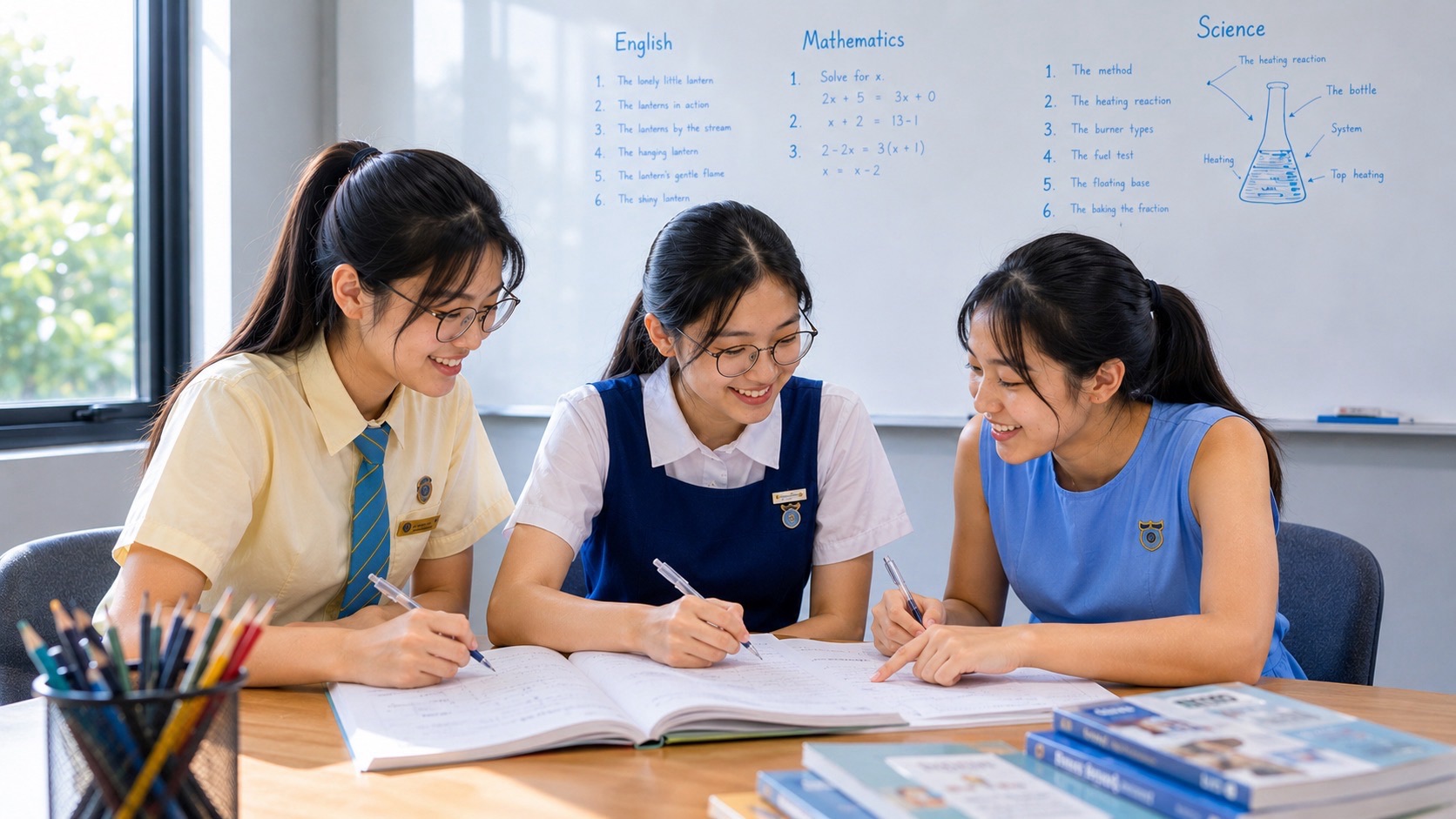
Secondary 2 English Tuition Hougang & Serangoon | The Connected World Series #08 — WEIGHTED PATHFINDING
The content discusses the transition in learning from Secondary 1 to Secondary 2, emphasizing the shift from mere recognition of multiple interpretations to the necessity of evaluating and selecting the most robust ones. Students must compare evidence, prioritize information, and accept ambiguity, leading to more complex cognitive processes in interpretation and comprehension.
-
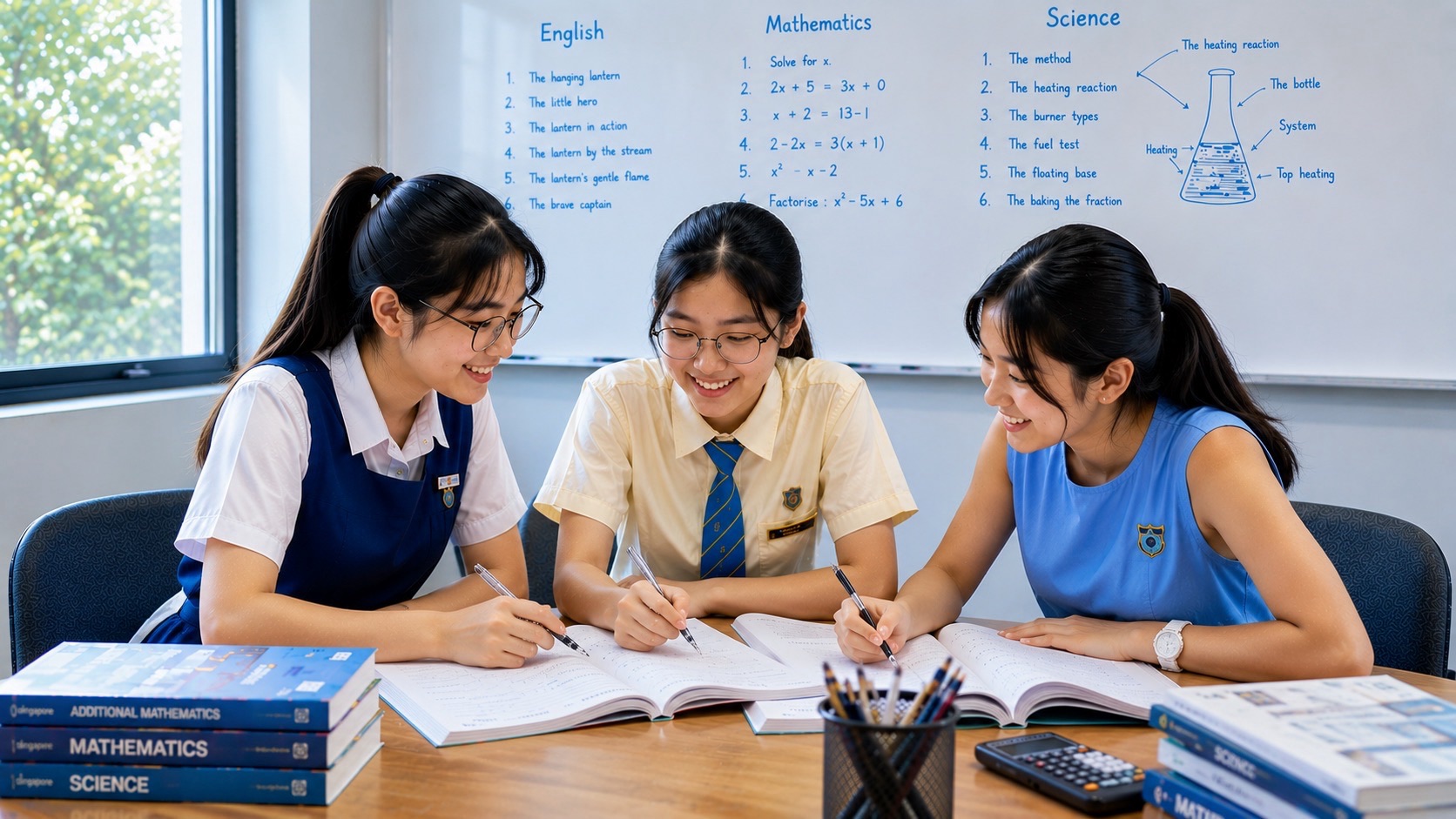
Secondary 2 English Tuition Tampines & Pasir Ris | The Living World Series #08 — Selection
The transition from Secondary 1 to Secondary 2 in English education emphasizes the importance of selection over mere variation. Students move from retrieving clear answers to evaluating multiple interpretations and weighing evidence. This cognitive shift fosters critical thinking, encouraging learners to discern relevance and coherence amid competing signals, enhancing their analytical capabilities.
-
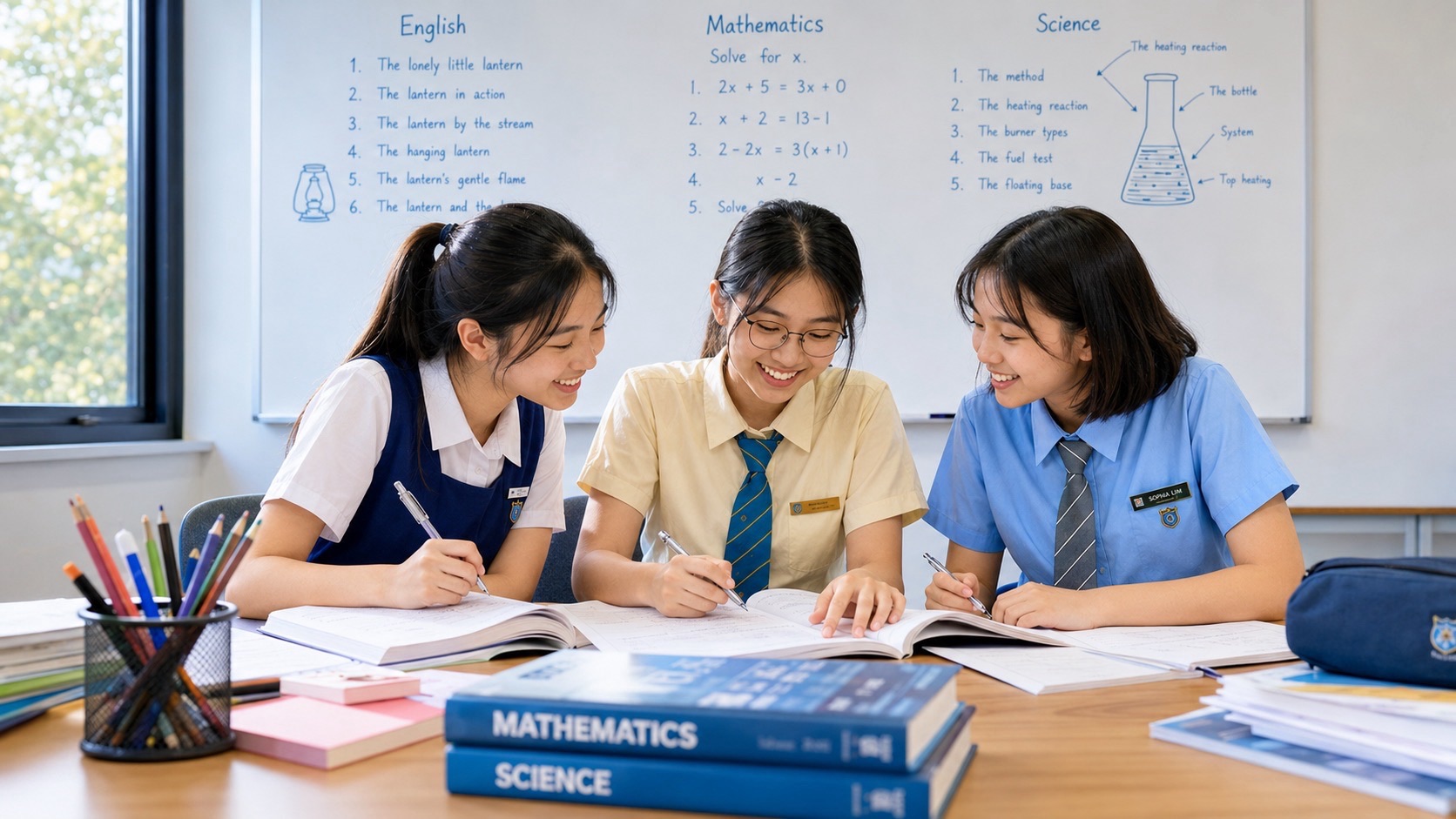
Secondary 2 English Tuition Thomson, Yio Chu Kang and Ang Mo Kio | Edmund Spenser Series #08 — Perspective and Competing Models
The Edmund Spenser Series emphasizes the importance of connecting interpretations with evidence in English studies, particularly at the Secondary 2 level. Learners assess competing representations and models, considering different perspectives, assumptions, and missing information. This critical thinking framework enhances reasoning and writing skills, preparing students for complex argumentation and media literacy challenges.
-

Secondary 2 English Tuition Siglap, Katong & Marine Parade | Every Traveller Sees a Different Road
The article discusses eduKateSG's Secondary 2 English tuition for students in Siglap, Katong, and Marine Parade, emphasizing the importance of understanding perspective in communication. It highlights how students learn to differentiate between events, representations, judgments, and evidence, fostering critical reading and writing skills essential for engaging with diverse viewpoints.
-
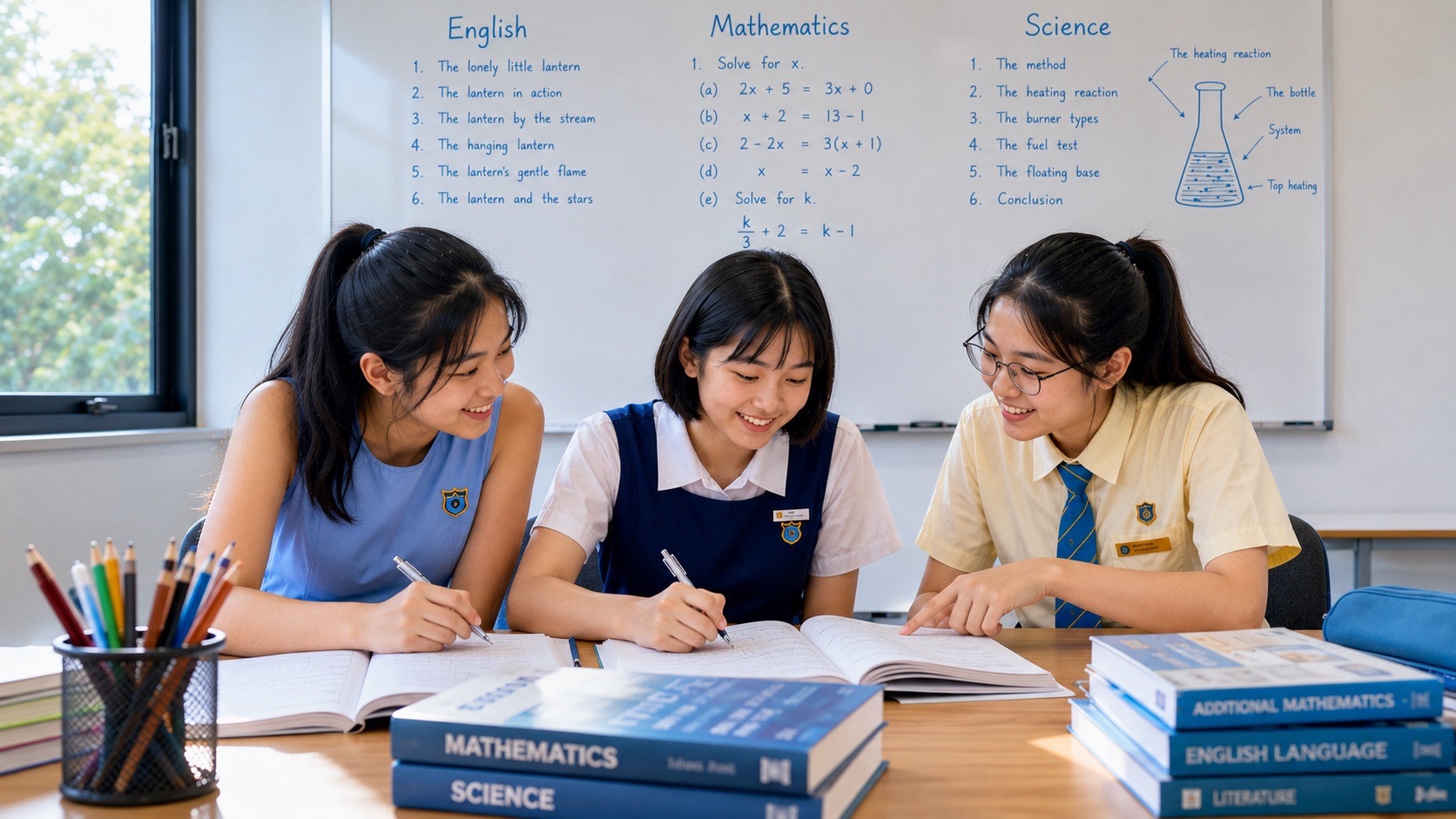
Secondary 2 English Tuition Bishan | Two Truths Walk onto the Same Stage
Secondary 2 English Tuition in Bishan emphasizes the evaluation of competing interpretations of events, moving from simple idea generation to complex judgment. Students learn to analyze, compare, and justify different perspectives using balanced argumentation, enhancing their comprehension, writing, and critical thinking skills through small group classes.
-
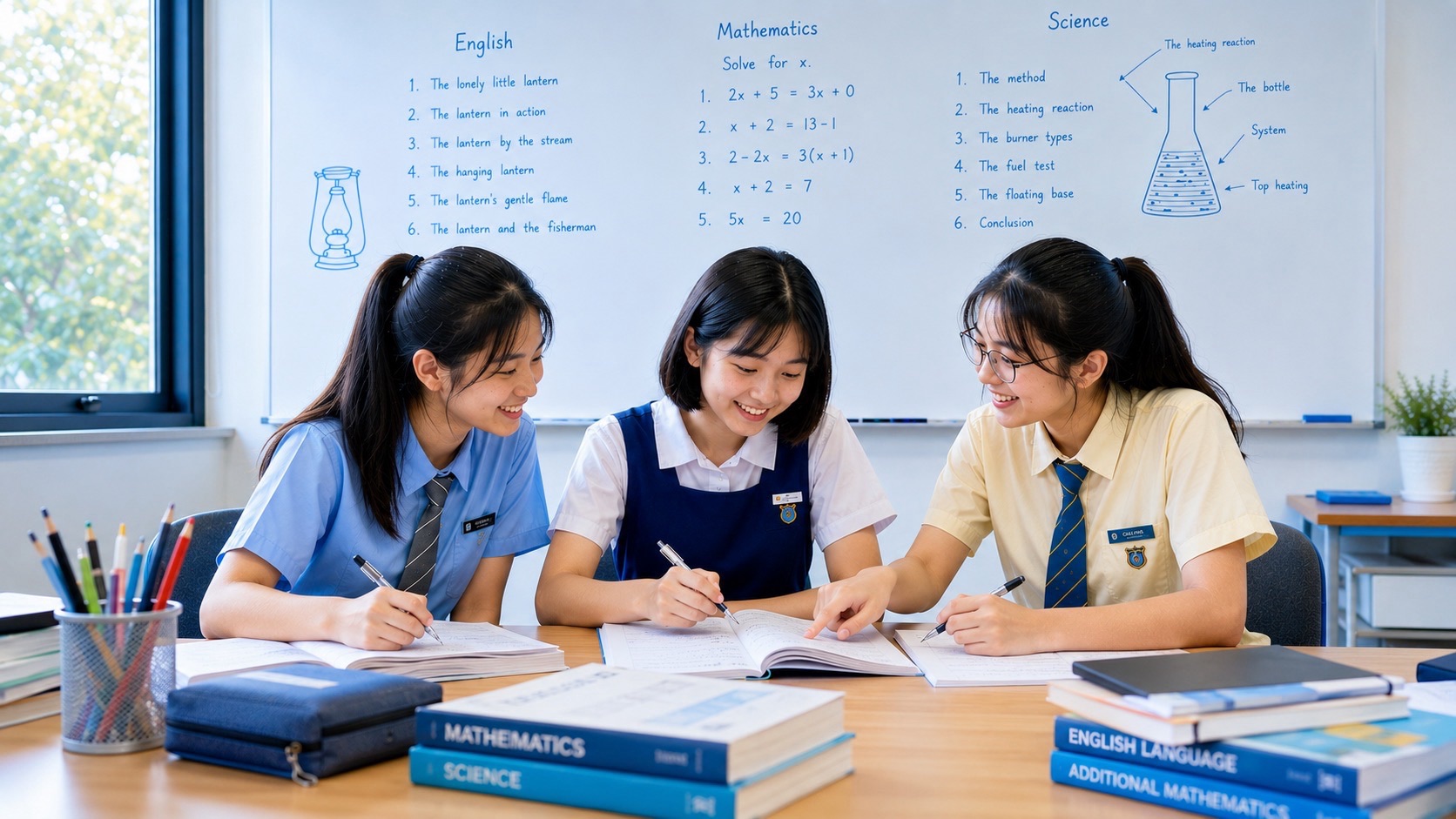
Secondary 2 English Tuition Clementi | The Story of Humanity Division
eduKateSG offers Secondary 2 English Tuition in Clementi, focusing on developing comprehension, vocabulary, writing, and argumentation skills through small group classes. The program aims to enhance students' understanding of diverse perspectives and promotes effective communication, preparing them for upper-secondary English demands while fostering independent thinking and deeper engagement with language.
-

How Secondary 2 English Works | The Mechanisms Before The Language
Secondary 2 English transitions from basic language skills to a mechanism for controlling meaning and action. Students must learn to operate English with precision, targeting audience, purpose, context, and effect. This stage is crucial for developing skills in comprehension, composition, oral communication, and situational writing, facilitating clarity and purpose in school.
-
Secondary 2 English Tuition | Diagnostic Test and Parent Checklist
Before Secondary 2 English tuition, diagnosing students' specific weaknesses is crucial for effective learning. Each student may struggle in different areas, such as reading accuracy, comprehension, or writing structure. A tailored diagnostic assessment helps identify these gaps, ensuring personalized and focused support to strengthen English skills before tuition begins.
-
Secondary 2 English Tuition | 8-Week AI-Age English Programme
This 8-week Secondary 2 English tuition program focuses on developing student capabilities in reading, writing, speaking, summarizing, and AI literacy. Each week emphasizes practical skills, such as reading comprehension, inference, composition structure, oral communication, and verification, while ensuring students preserve their unique voice in an AI-driven environment.
-

Secondary 2 English Tuition | The Complete AI-Age English Learning Guide
The transition from Secondary 2 to upper secondary English emphasizes the development of critical skills such as reading, writing, and oral communication, alongside new competencies like AI literacy and verification. English tuition must focus on nurturing stronger engagement with language, ensuring students become confident thinkers and articulate communicators in a technology-driven world.
-
How Secondary 2 English Tuition Works | New Requirements
Secondary 2 English tuition should evolve from traditional support to a comprehensive program that prepares students for school, professional communication, and the AI era. It must encompass six areas: foundational skills, exam readiness, critical thinking, AI engagement, personal voice, and professional communication, fostering clarity, individuality, and responsibility in language use for future demands.
-
Secondary 2 English Tuition | The Receiver: How to Strengthen Your Signals So the Reader Does Not Mistake Your Ideas
Secondary 2 English is crucial as it focuses on enhancing students' communication skills. It transitions them from basic understanding to effectively transmitting meaning, considering their audience's interpretation, especially for future exams. By mastering clarity, tone, and context, students learn to control their signals, ensuring their messages are received accurately, preparing them for higher academic demands.
Secondary 2 English Tuition by eduKateSG helps students strengthen English at the point where secondary school learning begins to turn into route choice, subject-combination readiness, upper-secondary preparation and future pathway planning.
Secondary 2 is not simply “harder Secondary 1 English.” It is the year where English begins to affect more than English results alone. Students are expected to read more mature texts, understand implied meaning more accurately, explain ideas with clearer reasoning, write with stronger structure, speak with more confidence, and respond to questions that require inference, precision, judgement and evidence. At the same time, they are moving closer to Secondary 3 subject combinations, upper-secondary workload and later Secondary 4 examination demands.
This project explains Secondary 2 English Tuition as a structured learning system for helping students read signals early, repair weak routes and keep more future corridors open. Many students struggle in Secondary 2 not because they lack effort, but because they have not yet learnt how English connects across subjects. A comprehension weakness may affect humanities. A vocabulary weakness may affect essay maturity. A weak inference habit may affect literature, source-based questions and oral discussion. A student may know the content in another subject but still lose marks because the question was misunderstood or the explanation was unclear.
eduKateSG’s Secondary 2 English Tuition supports students by strengthening the full English route chain: reading meaning, decoding questions, organising thought, expressing answers, checking accuracy, speaking clearly and repairing repeated mistakes. This includes comprehension precision, vocabulary depth, grammar control, sentence accuracy, paragraph development, summary skill, essay planning, situational writing, oral communication, listening accuracy, examination timing and subject-readiness awareness.
The project also helps parents and students understand why Secondary 2 is such an important transition year. At this level, students must move beyond surface answers and memorised phrases. They need to learn how to infer, justify, compare, evaluate, explain evidence, read tone, understand purpose, control audience and respond with maturity. These skills are important not only for English examinations, but also for Science, Mathematics word problems, History, Geography, Literature, project work, presentations, digital learning, AI tools and real-world communication.
Secondary 2 English Tuition by eduKateSG focuses on building route-ready English, not just completed worksheets. Students learn how to read the right meaning, answer the right question, choose the right word, build the right sentence, structure the right paragraph, explain the right evidence and repair weak phrasing before it becomes a repeated habit. The aim is to help students become clearer, more confident and more independent users of English before Secondary 3 expectations increase.
This branch studies Secondary 2 English through curriculum, comprehension, composition, grammar, vocabulary, oral communication, listening, summary, situational writing, media literacy, critical thinking, literature response, examination skills, learning diagnostics and subject-combination readiness. It is designed for students, parents and educators who want to understand how Secondary 2 English works, why it matters, and how tuition can support the transition from lower-secondary adjustment into upper-secondary preparation.
Secondary 2 is also the year where parents and students should begin reading early learning signals more carefully. January to March often shows whether Secondary 1 foundations are stable. A student may be reading too slowly, writing without structure, copying comprehension answers without explanation, using weak vocabulary, avoiding oral discussion or losing marks because of question misunderstanding. These are not just small English problems. They are route signals. If repaired early, they can protect future subject choices and examination confidence. If ignored, they may multiply into larger difficulties in Secondary 3 and Secondary 4.
In Singapore’s changing secondary education landscape, students need stronger route awareness. Subject levels, subject combinations and post-secondary pathways require students to understand their strengths, learning needs and future options more clearly. English plays a central role because it helps students read information, understand requirements, ask better questions, compare choices, explain themselves and communicate with confidence.
In the age of AI and digital communication, English is also becoming more important as a command language for search, prompts, summaries, online learning and machine-assisted thinking. Students who control English more clearly can ask better questions, evaluate answers more carefully, compare information more accurately and express themselves with greater precision. This matters for school, but it also matters for future learning, work and adulthood.
Secondary 2 English Tuition by eduKateSG teaches English as a system for route clarity, thinking, expression, understanding, repair and future readiness. It helps students move from adjusted Secondary 1 English into route-ready Secondary 2 English, where vocabulary, grammar, comprehension, writing, speaking, judgement and self-awareness work together to support school success, subject-combination confidence and real-world communication.