
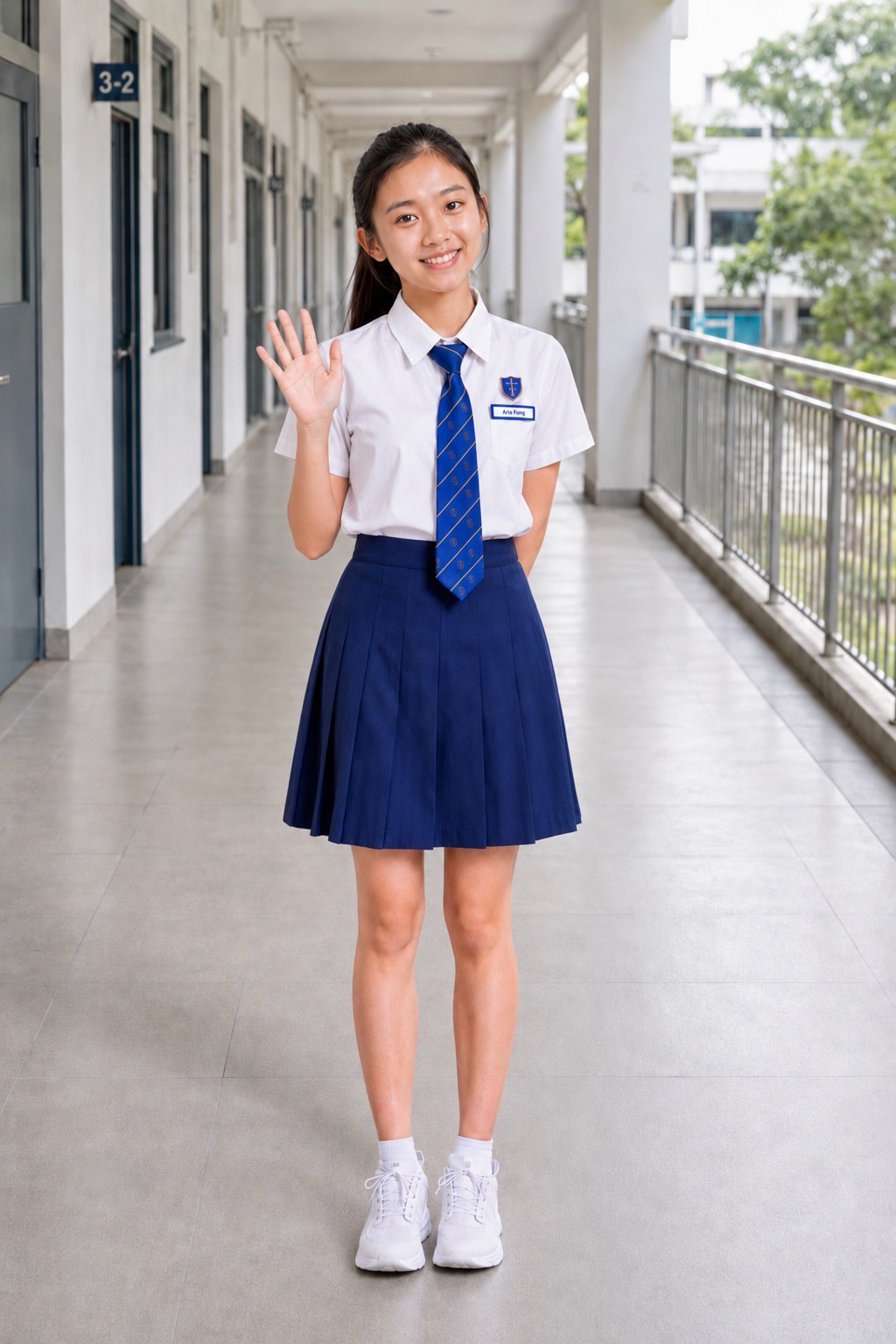
Primary 3 composition often improves dramatically when students learn that not every visible detail deserves a sentence. A picture may contain many objects, people and actions. The writer’s job is to select the details that help build the event, character, problem or setting rather than describe the picture item by item.
This rebuilt 2019 Woodlands page owns one distinct job: picture-to-relevant-detail composition control. It does not duplicate the Buangkok P3 morphology page or the Yishun P3 paragraph-sequencing page. Here the focus is selection: inspect the picture, identify the likely event, decide what matters, infer cautiously, build a short route and turn visual evidence into purposeful sentences.
Quick Read: Observe → Select → Infer → Build → Check
- Observe: list what is actually visible.
- Select: choose details that support the story job.
- Infer cautiously: add only ideas the picture can reasonably support.
- Connect: link detail to event, feeling or consequence.
- Build: organise the sequence before writing.
- Delete: remove decorative details with no narrative work.
- Verify: can a reader see why each sentence belongs?
1. Picture Writing Is Not Inventory Writing
“There is a tree. There is a bench. There is a bag.” proves observation but not composition. We ask which visual detail changes the reader’s understanding of the event.
2. Separate Visible Fact From Inference
If a character is looking down with a frown, the child may infer worry, disappointment or concentration. We distinguish what is visible from what is interpreted and require the inference to remain plausible.
3. Choose the Story Centre
Students identify the main person, event or problem in the picture. Secondary details are kept only if they support that centre.
4. Use the Relevance Test
For every detail, ask: does this help show where the character is, what happened, why it matters or what happens next? If not, it may be unnecessary.
5. Build Before and After
A picture usually captures one moment. The writer must decide what probably happened before and what could happen after. We teach causal continuity rather than random extensions.
6. Avoid Impossible Inference
A picture can suggest, but it cannot prove hidden motives or distant events. Students learn to keep invented detail within a reasonable boundary.
7. Turn Objects Into Story Functions
A bag can be background, evidence, an obstacle or the cause of a misunderstanding. We ask what job an object performs before giving it sentence space.
8. Facial Expression Needs Context
A smile does not always mean happiness; it may represent relief, politeness or mischief. Students connect expression to surrounding evidence.
9. Position and Direction Matter
Where characters are looking or moving can indicate relationships. Students describe these only when they help the event make sense.
10. Use a Three-Beat Route
- What is happening now?
- What caused or complicated it?
- What changes next?
This keeps Primary 3 stories manageable while still creating progression.
11. Dialogue Must Come From the Scene
Dialogue can clarify a problem or decision, but random greetings add little. We use one or two useful lines instead of turning every picture into a conversation.
12. Description Should Direct Attention
A useful descriptive sentence tells the reader what to notice. We discourage long adjective chains that do not support the narrative job.
13. Paragraphs Need Event Movement
The selected details are ordered so the reader can follow cause, reaction and consequence. Picture evidence becomes paragraph logic.
14. Use the Deletion Test
Remove one sentence. If the story loses nothing, the sentence may be decorative. This teaches economy without demanding short writing.
15. Use the Cold-Reader Test
A peer reads the paragraph without seeing the writer’s planning notes and says what happened. If the reader identifies a different event, detail selection may be misleading.
16. The Primary 3 Picture-Composition Diagnostic
- Inventory writing: object-by-object description.
- No story centre.
- Visible/inferred confusion.
- Unsupported motive invention.
- Decorative detail overload.
- No before/after logic.
- Dialogue filler.
- Random event extension.
- No deletion awareness.
- Transfer failure with a new picture.
17. Why Three Students Works
- Three students can choose different story centres from the same picture.
- Peers can challenge unsupported inferences.
- The tutor can compare relevance decisions directly.
- Cold-reader feedback makes unclear selection visible.
- Final compositions remain independent.
18. A 90-Minute Woodlands P3 Runtime
- 10 min — visible-detail scan.
- 10 min — fact versus inference.
- 10 min — story-centre selection.
- 15 min — relevance sorting.
- 15 min — three-beat route.
- 10 min — dialogue/description economy.
- 10 min — paragraph drafting.
- 5 min — deletion test.
- 5 min — cold-reader feedback.
19. Catch Up and Move Ahead
Struggling learners use pictures with one obvious event and select three essential details. Stronger learners work with ambiguous scenes and justify why one interpretation is better supported than another.
20. Parent Guide
- Ask “What is the main event?”
- Ask “Which three details matter most?”
- Ask whether a feeling is visible or inferred.
- Ask what probably happened just before the picture.
- Delete one sentence and see whether the story changes.
21. What Real Progress Looks Like
- Fewer object lists.
- Clearer story centres.
- Visual facts and inferences are distinguished.
- Selected details contribute to event logic.
- Dialogue becomes more purposeful.
- Descriptions become more selective.
- Before/after sequences become more causal.
- Cold readers reconstruct the intended event more accurately.
22. When Woodlands P3 English Tuition Is Worth Considering
This approach is useful when a P3 student can describe pictures accurately but compositions read like inventories, contain many unrelated details or jump into unsupported events without a clear route.
No responsible tutor can guarantee later examination outcomes. Relevant-detail control supports composition while progress also depends on vocabulary, sentence control, reading and school learning.
Conclusion: Not Everything Visible Deserves a Sentence
Observe widely, select narrowly. Choose the details that reveal the event, support the character, create pressure or explain what happens next. When picture evidence is filtered by purpose, composition becomes a story rather than a list.