
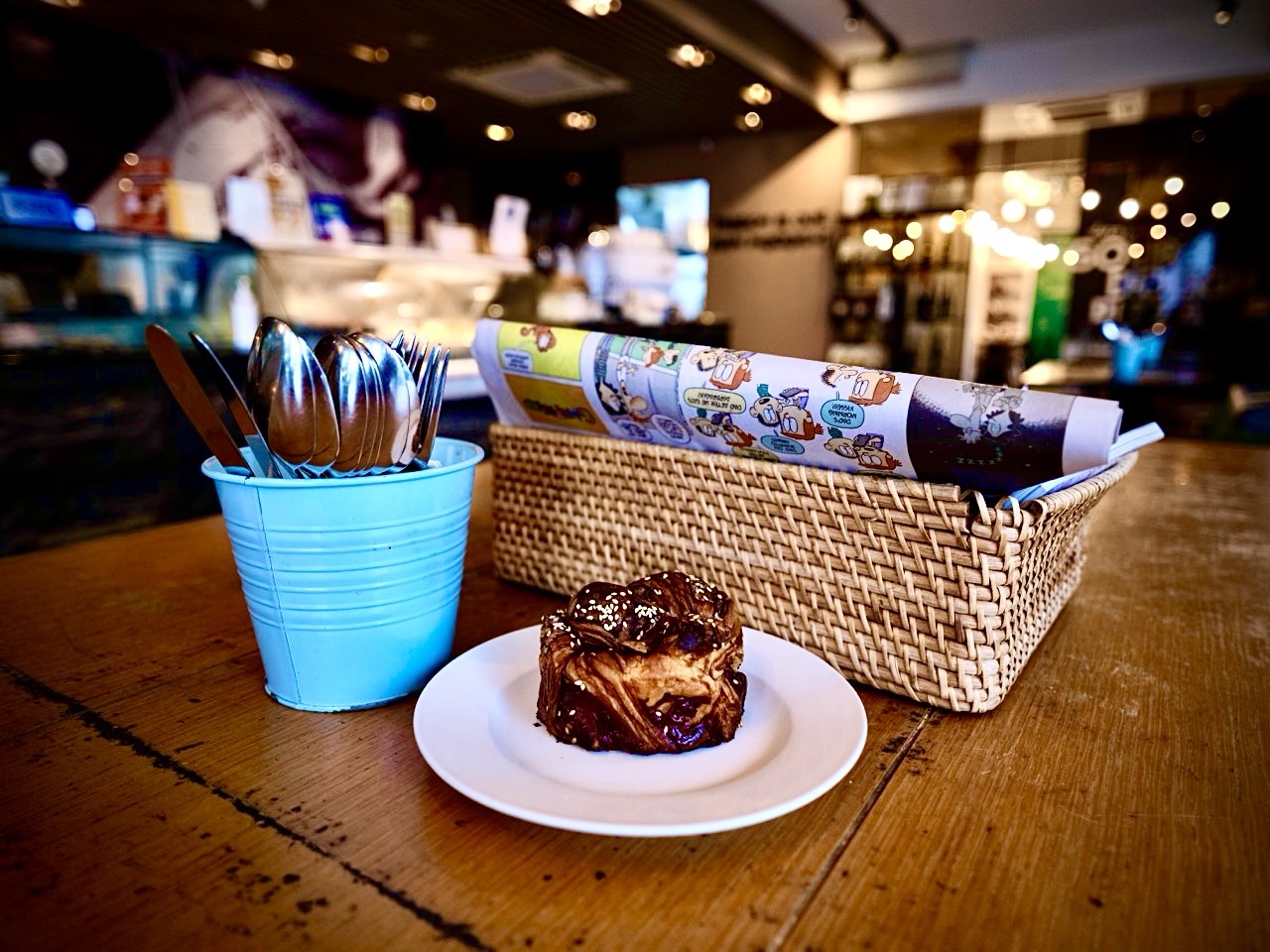
Quick Read. Food is a moving subject even when the plate sits still. Ice melts. Herbs wilt. Sauce skins over. Steam disappears. Fried surfaces soften. Food photography therefore begins with preparation and timing before exposure. Light must reveal texture, colour must remain believable, camera angle must explain shape, and styling must preserve the food’s identity rather than bury it.
One-sentence answer: Food photography works by coordinating preparation, styling, light and timing so the camera meets the food during its most visually informative state.
The Subject Is Deteriorating
A portrait subject can usually wait while the photographer moves a light. A bowl of ice cream cannot. A freshly poured drink changes condensation. Noodles absorb sauce. A steak loses surface sheen. The photograph therefore has a biological and physical clock.
Professional workflows often solve composition, props and lighting before the hero food arrives. The camera should be ready for the food, not the other way around.
Texture Makes Food Legible
Crisp bread needs small shadows that reveal crust. Soup needs highlights that reveal liquid surface. Chocolate needs enough reflection to show gloss without becoming a white glare. Side or back-side light often works well because it creates texture and translucency rather than flattening everything from the front.
Soft light is common, but direction remains important. A giant source directly around the camera can make food technically even and visually dead.
Backlight Can Make Ingredients Glow
Thin leaves, drinks, steam and translucent ingredients can become luminous when light passes through or skims them from behind. The technique also creates bright edges and surface highlights.
But backlight can push the front of the dish too dark, so reflectors or gentle fill may be needed. Again, lighting is a ratio rather than a single direction.
Camera Angle Follows Food Geometry
A pizza or table spread can read clearly from overhead because its important information is arranged horizontally. A burger needs a lower angle because its structure is vertical. A bowl may need enough elevation to show contents without collapsing its shape.
The fashionable angle is irrelevant if it hides the food’s defining structure.
Colour Has to Feel Edible
Mixed restaurant lighting can turn food green or orange. White balance and controlled illumination matter because humans carry strong expectations about food colour. Lettuce that shifts toward grey, meat that becomes magenta or rice that turns blue can feel unappetising before the viewer consciously identifies why.
Creative grading can establish atmosphere, but it should not destroy the visual cues by which food is recognised as fresh and plausible unless that distortion is intentional.
Styling Is Structural Editing
Turning one strawberry, moving a herb leaf or wiping one plate edge can change hierarchy. Food styling is not necessarily deception; much of it is simply arranging visible ingredients so the camera can describe what the dish actually contains.
There is an ethical boundary when advertising substitutions or manipulations create claims the real product cannot meet. Editorial, recipe, packaging and advertising photography can have different disclosure obligations.
Depth of Field Decides What Looks Ready to Eat
Very shallow focus can isolate one garnish beautifully while turning the rest of the dish into an unreadable blur. Deep focus can explain a full table but lose intimacy. The useful depth depends on what the photograph needs the viewer to understand.
Focus is appetite-directed attention: where should the viewer visually “taste” first?
Steam Is a Lighting Problem
Steam becomes visible when light scatters from droplets against a suitably contrasting background. Backlight or side-backlight often reveals it far better than front light. The steam itself is transient, so lighting and camera settings should be solved before the hot dish arrives.
Three Experiments
- Angle test. Photograph the same dish overhead, at roughly forty-five degrees and near table level. Decide which angle explains its structure.
- Texture test. Move one soft source from front to side to back-side and compare surface texture.
- Time test. Photograph one hot or cold food safely at several intervals and observe how visual freshness changes.
Common Misconceptions
- “Shallow depth always makes food professional.” Too little depth can hide the dish.
- “Bright front light makes food clear.” It can flatten texture.
- “Food styling means fake food.” Much styling is simply arrangement, cleanup and timing; deceptive substitution is a separate issue.
- “Editing can restore freshness.” Some physical cues are easier to preserve at capture than manufacture later.
From Beginner to Advanced
Beginners can learn window light, angle and clean composition. Intermediate photographers can control reflections, steam, colour and styling. Advanced food work opens into commercial set building, tethering, focus stacking, motion pours, polarisation, colour-critical workflows and large campaign compositing.
For Parents and Teachers
Food photography is a practical lesson in observation because students already know what food should look like. Ask them why one image feels fresh and another dull. Then trace the answer back to light, colour, moisture, angle and time.
The Final Idea
The camera cannot make food fresh. It can only meet freshness while it exists and translate its evidence—shine, steam, colour, texture and structure—into a frame. That is why good food photography begins before the camera.
Photography route: This article is part of eduKate’s Photography knowledge estate. Return to the canonical Photography Knowledge Map for the wider connected system.