
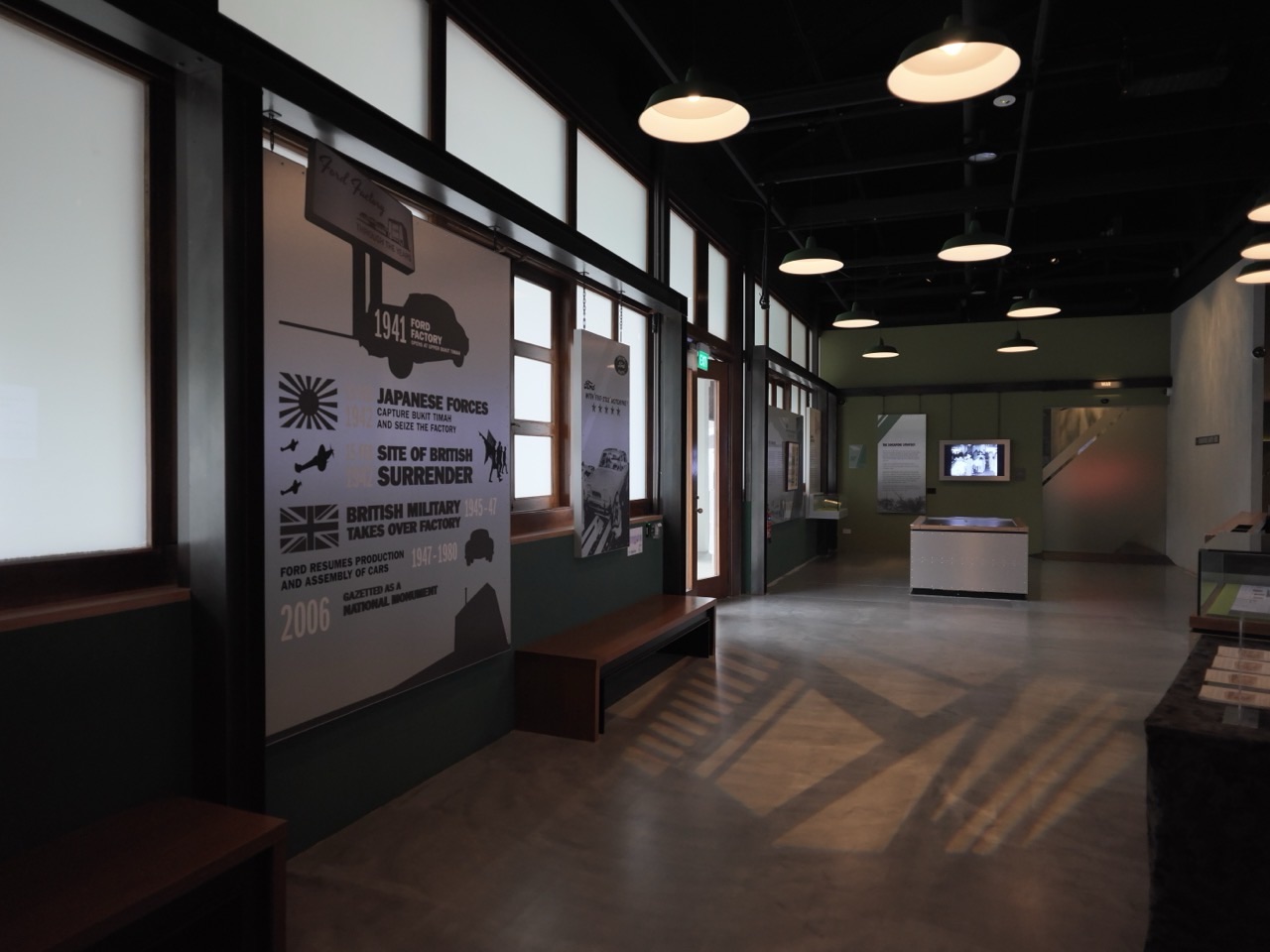
The public sees an exhibition when it opens. The museum has been living inside it for years.
Before the first visitor enters, somebody has proposed an idea, argued for it, researched it, selected objects, rejected other objects, written a brief, found lenders, negotiated rights, checked conservation needs, built a budget, drawn floorplans, tested materials, designed cases, fabricated mounts, written labels, translated text, booked transport, checked insurance, solved lighting, installed objects, tested interactives, trained staff and fixed the things nobody realised were wrong until the gallery became real.
An exhibition is not a room filled with objects. It is a temporary institution assembled inside the institution.
The Smithsonian’s National Museum of American History describes installation as the culmination of years of work: the idea comes first; then object selection, research, conservation, script writing, design and construction. Smithsonian exhibition records likewise preserve concepts, proposals, scripts, floorplans, schedules, installation photographs and other evidence of the full development process.
This article does not own the intellectual argument of spatial arrangement—that belongs to The Gallery Is an Argument. It does not own what happens when the show ends—that belongs to What Happens After the Exhibition Closes. This article owns the production system that turns an idea into a safe, readable, openable exhibition.
Quick Read: The Exhibition Production Mechanism
IDEA → PURPOSE → AUDIENCE → BRIEF → RESEARCH → OBJECT LIST → FEASIBILITY → BUDGET → SCHEDULE → LOANS + RIGHTS → CONSERVATION REVIEW → INTERPRETIVE PLAN → DESIGN → MATERIAL TESTING → GRAPHICS + MEDIA → FABRICATION → TRANSPORT → CONDITION CHECK → INSTALLATION → LIGHTING → ACCESSIBILITY + SAFETY TEST → SNAGGING → STAFF HANDOFF → OPEN → EVALUATE.
The arrow chain is misleading in one useful way.
Real exhibition development loops backwards constantly.
A loan is refused.
The story changes.
A case is too small.
The object list changes.
Conservation rejects the proposed light level.
Design changes.
Good project management does not eliminate change.
It makes change survivable.
The Exhibition Starts With a Decision About Why It Should Exist
“We have beautiful objects” is not yet an exhibition purpose.
Why these objects?
Why now?
For whom?
What should visitors be able to see, understand, question or feel that they could not before?
The exhibition brief converts enthusiasm into accountable purpose.
The Brief Is a Contract With the Future Exhibition
A strong brief usually clarifies:
- big idea;
- audience;
- scope;
- key outcomes;
- collection dependencies;
- space;
- budget;
- opening date;
- accessibility ambitions;
- evaluation needs.
The brief becomes a return point when the project grows.
Does this new interactive serve the exhibition?
Or has the exhibition begun serving the interactive?
Object Selection Is Also Feasibility Selection
The curator wants Object A.
Can it travel?
Can it withstand display?
Is it already committed elsewhere?
Can the case provide the correct environment?
Can the floor support it?
Can insurance be arranged?
Object choice is therefore simultaneously curatorial, conservation, logistical and financial.
The First Object List Is a Hypothesis
Long list.
Short list.
Loan requests.
Refusals.
Substitutions.
Late discoveries.
The final exhibition can differ significantly from the first intellectual map.
Project systems need versioned object lists so everybody knows which version is current.
Loans Put External Institutions on the Critical Path
A lender can require:
- facility information;
- security assurances;
- environmental data;
- insurance or indemnity;
- approved transport;
- courier attendance;
- special installation conditions.
The V&A, for example, can require facilities information, security review, strict installation access and written approval before borrowed objects are moved or treated.
Borrowing therefore extends the project beyond the borrowing museum’s internal authority.
A Loan Refusal Can Improve the Exhibition
The famous painting is unavailable.
The team searches for another object.
The alternative reveals a neglected story.
Constraints can force better thinking.
Exhibition planning is partly the art of turning unavailable perfection into coherent reality.
The Budget Is a Curatorial Document in Disguise
Spend on transport.
Spend on conservation.
Spend on immersive media.
Spend on translation.
Spend on accessibility.
Every allocation changes what the public eventually receives.
Budgeting is not separate from interpretation.
It is interpretation under scarcity.
The Schedule Is a Dependency Map
Graphics cannot print before text is final.
Text cannot finalise before object list stabilises.
Case fabrication cannot finish before dimensions are confirmed.
Mounts cannot finalise before object condition and installation method are agreed.
Installation cannot happen before transport arrives.
The opening date is the visible endpoint of an invisible dependency graph.
The Critical Path Is the Part of the Project That Cannot Slip
Some tasks have slack.
Others directly control opening.
If the main showcase arrives two weeks late, installation may stop.
If one social-media graphic is late, the gallery can still open.
World-class project management knows the difference.
Conservation Enters Before the Object Reaches the Gallery
Smithsonian exhibition conservation emphasises that display exposes objects to handling, light, environmental fluctuations, pollutants, accidents, theft and vandalism.
Conservators therefore assess:
- whether an object is stable enough to display;
- how it should be handled;
- what environment is required;
- what mount is safe;
- what case materials are acceptable;
- what light exposure is tolerable.
Exhibition design has to fit the object, not merely the visual concept.
Display Materials Can Damage the Collection
Fresh paint.
Foam.
Adhesive.
Fabric.
Board.
These seem like neutral exhibition materials.
Some can emit compounds that interact with sensitive objects.
Smithsonian conservation programmes specifically study and test materials used in cases, mounts, packing and display.
The thing holding the object can become a conservation threat.
The Mount Is Invisible Engineering
A vase appears to float.
Behind it:
a mount distributes weight.
Prevents tipping.
Avoids pressure on fragile areas.
Allows safe installation.
Good exhibition engineering disappears visually because it performs structurally.
Heavy Objects Turn Curating Into Structural Engineering
Can the floor carry it?
Can the lift carry it?
Can it fit through the loading door?
Can the turn radius clear the corridor?
The final gallery position can be determined by architecture long before aesthetics.
The Biggest Object May Have to Enter First
Small cases are built around a large machine.
If the machine arrives last, there may be no physical path left.
Installation sequence is spatial logic.
You are not only deciding where objects end up.
You are deciding the order in which the room can become itself.
Graphics Have Their Own Critical Path
Text approved.
Translation approved.
Rights cleared.
Images supplied.
Designer lays out.
Proof checked.
Fabricator prints.
One late rights clearance can hold an entire panel.
Late Text Is Expensive Text
Change a Word document early:
cheap.
Change a printed wall panel after installation:
design time, reproof, reprint, delivery, labour, possible opening delay.
The cost of change rises as the project becomes physical.
Digital Media Has Hardware, Software and Content Clocks
Film complete.
Player incompatible.
Touchscreen arrives.
Software crashes.
Caption file incorrect.
Interactive exhibition elements require integration testing before opening because each component can be individually “finished” while the complete system still fails.
A Prototype Can Save a Finished Failure
Build the interactive cheaply first.
Test it with visitors.
Nobody understands the instruction.
Good.
The problem appeared while change was still cheap.
This is where The Museum Counts What Visitors Do connects back into exhibition production through formative evaluation.
Accessibility Cannot Be Added at the End Without Cost
Case already built too high.
Caption screen has no mounting space.
Circulation route too narrow.
Audio description has no content budget.
Accessible design is cheapest and strongest when it begins during brief and concept development.
Translation Changes Physical Design
Add a second language.
Text expands.
Panel size changes.
Type hierarchy changes.
Reading time changes.
This is why The Museum Is a Translation Machine should be connected to exhibition planning before graphics freeze.
Installation Is Controlled Chaos
Crates arrive.
Couriers arrive.
Cases are open.
Objects are vulnerable.
Tools are everywhere.
Lighting technicians need access.
Graphic installers need access.
The room is at its most active when some of its most valuable objects are temporarily least protected by their final display systems.
Installation access therefore needs strict choreography.
Condition Checking Creates the Handoff Baseline
Object arrives.
Before display, compare with condition record.
Did anything change during transit?
If yes, the gallery should not absorb the object silently.
Condition checking establishes the state at custody transition.
Couriers Exist Because Trust Sometimes Travels With the Object
Lending institution sends a courier.
The courier may supervise unpacking, condition checking and installation.
The borrower receives not only the object but the lender’s representative at a critical handoff.
Temporary custody becomes witnessed custody.
Installation Photographs Preserve a State That Will Soon Disappear
Where exactly was the object?
How was the mount positioned?
Which cables ran where?
What did the gallery look like before visitors entered?
Installation documentation becomes future evidence for reinstallations, research and institutional memory.
Lighting Is the Final Rewrite
Object installed.
Text installed.
Then lighting changes emphasis.
One sculpture becomes dominant.
One label becomes difficult to read.
One reflection blocks an image.
Lighting is not merely visibility.
It is interpretive hierarchy constrained by conservation limits.
The Gallery Needs a Snagging Pass
Door catches.
Caption has typo.
Projector overheats.
Case light flickers.
Wheelchair turning circle blocked by bench.
A snag list captures the small defects that remain after the “big work” is complete.
Opening quality is often determined by whether these small things are systematically closed.
Opening Day Is a Handoff, Not the End
Project team has lived with the exhibition for years.
Front-of-house staff may meet it only shortly before opening.
They need:
- key stories;
- access information;
- object sensitivities;
- what visitors may touch;
- what happens if media fails;
- how to escalate incidents.
The exhibition cannot function publicly until operational staff inherit enough knowledge to run it.
An Exhibition Is a Temporary Operating System
Objects.
Media.
Security.
Environmental controls.
Visitor flows.
Staff routines.
Cleaning instructions.
Accessibility services.
All must run together for a limited time.
Opening transforms a project into operations.
The First Visitors Are the First Live Load Test
They queue where nobody expected.
Touch the edge nobody considered touchable.
Skip the intended introduction.
Block a doorway while reading.
The exhibition finally meets uncontrolled reality.
Good teams observe and adjust what can still be adjusted.
Change Control Prevents One Fix From Breaking Three Other Things
Move a case ten centimetres.
Now fire-exit clearance changes.
Lighting angle changes.
Tactile route changes.
Cleaning access changes.
Late changes need cross-disciplinary review because mature exhibition systems are densely coupled.
Decision Logs Protect the Project From Repeating Old Arguments
Why is Object B excluded?
Why is the panel only 80 words?
Why is light capped here?
Three months later, staff may forget.
A decision log preserves rationale, not merely outcome.
Project memory reduces re-litigation.
Exhibition Records Become Institutional Heritage
The Smithsonian Archives treats exhibition concepts, scripts, floorplans, schedules, photographs and related records as material worth preserving.
Why?
Because exhibitions are historical acts.
They reveal what an institution believed mattered at a particular moment.
The exhibition disappears.
Its evidence can remain.
AI Can Help Manage Complexity Without Owning Exhibition Judgement
AI can flag schedule dependencies.
Compare object lists.
Detect inconsistent label facts.
Summarise lender requirements.
Find unresolved rights items.
Useful.
But whether an object belongs in the story, whether a community voice is represented fairly, whether a conservation risk is acceptable and whether a design supports meaning remain accountable human decisions.
How to Read Exhibition Production Intelligently
- Purpose: Why should the exhibition exist?
- Audience: Who is it designed to serve?
- Brief: What is fixed and what is open?
- Objects: Which selections are feasible as well as desirable?
- Loans: Which external dependencies control the project?
- Budget: What priorities become visible through spending?
- Schedule: What lies on the critical path?
- Conservation: Can every object survive the planned use?
- Design: Does physical form support the argument?
- Materials: Are display materials safe for the collection?
- Access: Is accessibility designed in early?
- Rights: Are text, images and media legally usable?
- Install: Is sequence, custody and access controlled?
- Snagging: Are small defects systematically closed?
- Handoff: Can operational staff run the finished exhibition?
- Memory: Are decisions and final states documented?
Exhibition-Production Failure Tests
| Failure | What Goes Wrong | Repair Question |
|---|---|---|
| Idea = exhibition | Purpose remains vague | What visitor outcome justifies the project? |
| Object list = fixed | Loan and conservation reality are ignored | Which substitutions preserve the argument? |
| Budget = administration | Resource decisions quietly reshape meaning | What public value is each major cost buying? |
| Design = appearance | Conservation, access and operations enter too late | Which constraints must shape design now? |
| Install = final step | High-risk handoffs are underplanned | Who owns every object and task during installation? |
| Open = finished | Operational problems remain invisible | What did live visitors reveal? |
| Late change = local change | Connected systems break elsewhere | What else does this modification affect? |
| Records = paperwork | Institution forgets why decisions were made | What should the next exhibition team inherit? |
Frequently Asked Questions
How long does it take to make a museum exhibition?
It varies enormously. Major exhibitions can take several years because research, loans, conservation, rights, design, fabrication and transport all have long lead times.
Who works on a museum exhibition?
Teams can include curators, researchers, project managers, registrars, conservators, designers, mount makers, educators, editors, translators, rights staff, technicians, fabricators, audiovisual specialists, security staff and front-of-house teams.
Why are exhibition materials tested?
Because paints, foams, boards, fabrics, adhesives and case materials can emit chemicals or create physical risks that may damage objects during display.
What is exhibition snagging?
It is the systematic identification and closure of remaining defects before or just after opening, such as graphic errors, hardware faults, accessibility problems, lighting issues and unfinished details.
Current Evidence and Professional Anchors
- National Museum of American History — Exhibition Installation for the years-long path from idea, selection, research and conservation to design and installation.
- National Museum of Asian Art — Exhibitions Conservation for condition assessment, handling, environment, design review, couriers and installation safety.
- Smithsonian American Art Museum — Conservation and Exhibition Planning for material testing across design, display, mounts and packing.
- Smithsonian Institution Archives — Exhibition Records for the long-term value of concepts, scripts, floorplans, schedules and installation documentation.
Where This Fits in the Museum Series
How Museums Work remains the canonical root.
The Gallery Is an Argument owns the intellectual structure of display. What Happens After the Exhibition Closes owns deinstallation and afterlife. The Exhibition Exists Before the Doors Open owns the production engine connecting concept, objects, people, schedule, risk and physical delivery.
Final Thought
On opening morning, the gallery can feel inevitable.
The painting belongs on that wall.
The case belongs in that corner.
The story seems to unfold naturally.
That naturalness is manufactured.
It is the visible calm produced by thousands of invisible decisions, dependencies, checks, arguments, compromises and handoffs.
The exhibition begins long before the doors open. Opening day is simply the moment when years of private coordination become public experience.
Museum series route: The Museum and the Market maps the boundary between public stewardship and commercial circulation.