
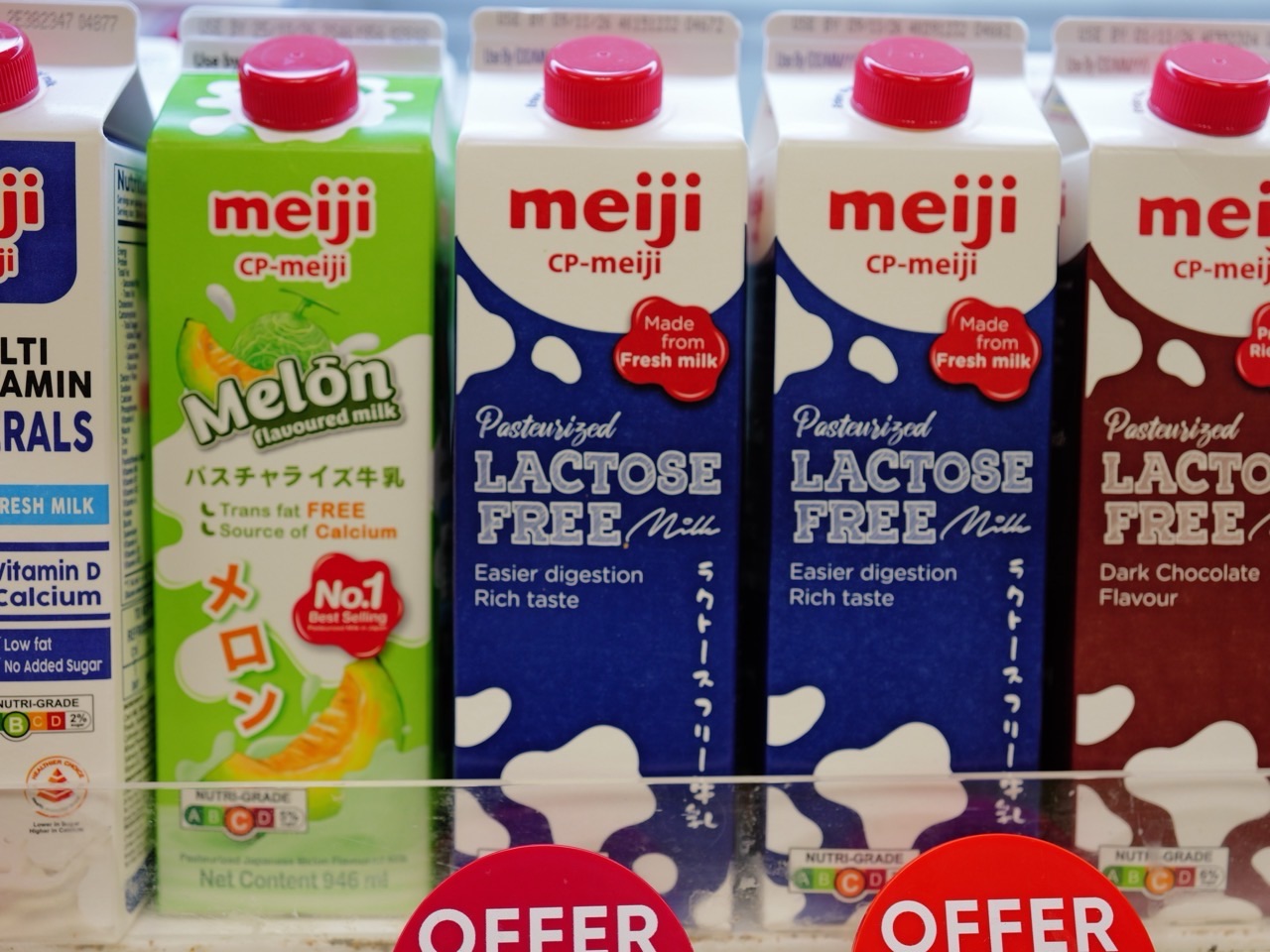
A food package speaks in several voices at once: brand name, serving suggestion, ingredients, allergen statements, date marks, storage directions and nutrition information. English matters because the reader must know which words answer which safety or purchasing question.
Reading food labels and allergen warnings is not about fearing every unfamiliar ingredient. It is a calm sequence: identify the food, read the full ingredient statement, find declared allergens and precautionary language, check storage and date information, then ask the food business when a material point remains unclear.
The Singapore Food Agency’s official food-label guide explains the name of food, ingredient statement, net quantity, date marking, warnings and nutrition panel. SFA’s official food allergy and intolerance guidance explains declared allergens, precautionary statements such as ‘may contain’ and the need for immediate medical attention for severe reactions. These pages were checked on 6 October 2026; medical diagnosis and individual avoidance plans belong with qualified healthcare professionals.
Start with the section closest to your situation. This guide moves from the specific English mechanism to practical checks, honest limits and transfer into education, work and everyday life.
Find a section in this guide
- Begin with the true name of the food
- Read the complete ingredient statement
- Recognise allergen names and families
- Distinguish contains from may contain
- Do not treat bold type as the only signal
- Check every new pack
- Read date marking with storage instructions
- Follow preparation and cooking directions
- Understand net quantity
- Read the nutrition panel for one question at a time
- Treat nutrition claims as claims
- Separate allergy from intolerance
- Ask about non-prepacked food
- Check recalls and updated advice
- Contact the food business precisely
- Did You Know? Ingredient order tells a story
- Parents can practise a label routine
- Frequently asked questions
- A safe label scan
- A stop–read–ask routine
- Useful next reading
Begin with the true name of the food
Branding can sound familiar while the product itself is less obvious. A food label is a safety and choice document. English helps a reader distinguish the name of the food, the ingredient statement, allergen information, storage directions, date markings, quantity and nutrition information.
The key language feature is the common name or description identifies the food’s true nature. A familiar front-of-pack phrase may serve a different purpose from mandatory information. The reader should locate the exact statement that answers the actual question.
Consider this shopping moment: A front label shows a dessert image while the formal name reveals a flavoured preparation. The best response is not a guess from packaging colour or product name. It is a traceable check across the relevant label fields and, when necessary, the food business or a medical professional.
Use this routine: find the name before interpreting claims or pictures. Read with the person and decision in mind. A general nutrition comparison and an allergy-safety check are different tasks, even when they use the same packet.
Then decide: ask whether the product is what you think you are buying. If essential information is unclear, damaged, outdated or inconsistent, pause the purchase or preparation and seek an authorised answer.
Keep safety first. Pictures may show serving suggestions and are not a complete ingredient account. Labels reduce risk but cannot diagnose allergy or intolerance, guarantee absence of unintended allergens, or replace personalised medical advice and an emergency plan.
The habit transfers to medicines, cleaning products and product specifications: identify the decision, locate the controlling text, check scope and act proportionately.
Read the complete ingredient statement
The most visible words are rarely the whole recipe. A food label is a safety and choice document. English helps a reader distinguish the name of the food, the ingredient statement, allergen information, storage directions, date markings, quantity and nutrition information.
The key language feature is ingredients are listed in descending order by weight used in manufacture under Singapore requirements. A familiar front-of-pack phrase may serve a different purpose from mandatory information. The reader should locate the exact statement that answers the actual question.
Consider this shopping moment: A product marketed around fruit lists sugar and flour before fruit. The best response is not a guess from packaging colour or product name. It is a traceable check across the relevant label fields and, when necessary, the food business or a medical professional.
Use this routine: read from the first ingredient through additives and sub-ingredients. Read with the person and decision in mind. A general nutrition comparison and an allergy-safety check are different tasks, even when they use the same packet.
Then decide: compare products using the same label field. If essential information is unclear, damaged, outdated or inconsistent, pause the purchase or preparation and seek an authorised answer.
Keep safety first. Order does not reveal an exact percentage unless the label provides one. Labels reduce risk but cannot diagnose allergy or intolerance, guarantee absence of unintended allergens, or replace personalised medical advice and an emergency plan.
The habit transfers to cosmetics, materials lists and technical datasheets: identify the decision, locate the controlling text, check scope and act proportionately.
Recognise allergen names and families
An allergen may appear under a technical or less familiar food name. A food label is a safety and choice document. English helps a reader distinguish the name of the food, the ingredient statement, allergen information, storage directions, date markings, quantity and nutrition information.
The key language feature is Singapore declarations cover specified ingredients known to cause hypersensitivity, including cereals containing gluten, crustaceans, eggs, fish, peanuts, soybeans, milk, tree nuts and sulphites at the stated threshold. A familiar front-of-pack phrase may serve a different purpose from mandatory information. The reader should locate the exact statement that answers the actual question.
Consider this shopping moment: Groundnut appears where a reader expects the word peanut. The best response is not a guess from packaging colour or product name. It is a traceable check across the relevant label fields and, when necessary, the food business or a medical professional.
Use this routine: use the diagnosed allergen list supplied by the healthcare plan and scan every ingredient line. Read with the person and decision in mind. A general nutrition comparison and an allergy-safety check are different tasks, even when they use the same packet.
Then decide: do not rely only on bold type or one front label. If essential information is unclear, damaged, outdated or inconsistent, pause the purchase or preparation and seek an authorised answer.
Keep safety first. If identity is uncertain, contact the food business and follow medical advice. Labels reduce risk but cannot diagnose allergy or intolerance, guarantee absence of unintended allergens, or replace personalised medical advice and an emergency plan.
The habit transfers to school forms, restaurant questions and travel preparation: identify the decision, locate the controlling text, check scope and act proportionately.
Distinguish contains from may contain
Direct ingredient declaration and precautionary allergen labelling communicate different sources of risk. A food label is a safety and choice document. English helps a reader distinguish the name of the food, the ingredient statement, allergen information, storage directions, date markings, quantity and nutrition information.
The key language feature is contains identifies declared presence, while may contain warns of possible inadvertent presence such as cross-contact. A familiar front-of-pack phrase may serve a different purpose from mandatory information. The reader should locate the exact statement that answers the actual question.
Consider this shopping moment: A biscuit has no peanut in the recipe but carries a facility warning. The best response is not a guess from packaging colour or product name. It is a traceable check across the relevant label fields and, when necessary, the food business or a medical professional.
Use this routine: read both the ingredient statement and nearby precautionary text. Read with the person and decision in mind. A general nutrition comparison and an allergy-safety check are different tasks, even when they use the same packet.
Then decide: follow the person’s clinical avoidance plan rather than inventing a safe threshold. If essential information is unclear, damaged, outdated or inconsistent, pause the purchase or preparation and seek an authorised answer.
Keep safety first. SFA notes precautionary labelling should follow risk assessment, but it is still material to allergic consumers. Labels reduce risk but cannot diagnose allergy or intolerance, guarantee absence of unintended allergens, or replace personalised medical advice and an emergency plan.
The habit transfers to hazard notices, medication cautions and workplace safety: identify the decision, locate the controlling text, check scope and act proportionately.
Do not treat bold type as the only signal
Typography helps scanning but legal requirements may not require special highlighting when the ingredient is clearly declared. A food label is a safety and choice document. English helps a reader distinguish the name of the food, the ingredient statement, allergen information, storage directions, date markings, quantity and nutrition information.
The key language feature is meaning comes from the words, not only font weight or a coloured box. A familiar front-of-pack phrase may serve a different purpose from mandatory information. The reader should locate the exact statement that answers the actual question.
Consider this shopping moment: Fish is named in an ingredient list without a separate bold contains statement. The best response is not a guess from packaging colour or product name. It is a traceable check across the relevant label fields and, when necessary, the food business or a medical professional.
Use this routine: read the whole statement slowly and use accessibility support if print is difficult. Read with the person and decision in mind. A general nutrition comparison and an allergy-safety check are different tasks, even when they use the same packet.
Then decide: seek another format or help before consuming when critical text is unreadable. If essential information is unclear, damaged, outdated or inconsistent, pause the purchase or preparation and seek an authorised answer.
Keep safety first. Small print is not a test of intelligence; accessible information matters. Labels reduce risk but cannot diagnose allergy or intolerance, guarantee absence of unintended allergens, or replace personalised medical advice and an emergency plan.
The habit transfers to contracts, forms and public notices: identify the decision, locate the controlling text, check scope and act proportionately.
Check every new pack
Recipes, suppliers and production arrangements can change. A food label is a safety and choice document. English helps a reader distinguish the name of the food, the ingredient statement, allergen information, storage directions, date markings, quantity and nutrition information.
The key language feature is a familiar brand name does not guarantee identical ingredients across time, size or country. A familiar front-of-pack phrase may serve a different purpose from mandatory information. The reader should locate the exact statement that answers the actual question.
Consider this shopping moment: A family buys a new flavour and assumes it matches the usual one. The best response is not a guess from packaging colour or product name. It is a traceable check across the relevant label fields and, when necessary, the food business or a medical professional.
Use this routine: read each distinct product and recheck after packaging changes. Read with the person and decision in mind. A general nutrition comparison and an allergy-safety check are different tasks, even when they use the same packet.
Then decide: compare the current label, not a remembered photo. If essential information is unclear, damaged, outdated or inconsistent, pause the purchase or preparation and seek an authorised answer.
Keep safety first. Imported variants may differ; use the label on the product being consumed. Labels reduce risk but cannot diagnose allergy or intolerance, guarantee absence of unintended allergens, or replace personalised medical advice and an emergency plan.
The habit transfers to software updates, course rules and transport notices: identify the decision, locate the controlling text, check scope and act proportionately.
Read date marking with storage instructions
A date is meaningful only with the food type and required storage. A food label is a safety and choice document. English helps a reader distinguish the name of the food, the ingredient statement, allergen information, storage directions, date markings, quantity and nutrition information.
The key language feature is expiry, use-by or other date language works with keep refrigerated, consume after opening and preparation directions. A familiar front-of-pack phrase may serve a different purpose from mandatory information. The reader should locate the exact statement that answers the actual question.
Consider this shopping moment: Milk remains on a warm table despite a valid printed date. The best response is not a guess from packaging colour or product name. It is a traceable check across the relevant label fields and, when necessary, the food business or a medical professional.
Use this routine: connect the date, unopened condition, storage temperature and opening time. Read with the person and decision in mind. A general nutrition comparison and an allergy-safety check are different tasks, even when they use the same packet.
Then decide: discard or seek official guidance when safe conditions were not maintained. If essential information is unclear, damaged, outdated or inconsistent, pause the purchase or preparation and seek an authorised answer.
Keep safety first. Do not use smell or appearance alone to declare high-risk food safe. Labels reduce risk but cannot diagnose allergy or intolerance, guarantee absence of unintended allergens, or replace personalised medical advice and an emergency plan.
The habit transfers to medicines, laboratory samples and cold-chain deliveries: identify the decision, locate the controlling text, check scope and act proportionately.
Follow preparation and cooking directions
A label may contain steps that manage food-safety risk, not merely improve taste. A food label is a safety and choice document. English helps a reader distinguish the name of the food, the ingredient statement, allergen information, storage directions, date markings, quantity and nutrition information.
The key language feature is cook thoroughly, thaw, refrigerate and consume within phrases carry operational meaning. A familiar front-of-pack phrase may serve a different purpose from mandatory information. The reader should locate the exact statement that answers the actual question.
Consider this shopping moment: A frozen product is heated for less time because the centre feels warm. The best response is not a guess from packaging colour or product name. It is a traceable check across the relevant label fields and, when necessary, the food business or a medical professional.
Use this routine: follow the stated method, time, temperature and equipment assumptions. Read with the person and decision in mind. A general nutrition comparison and an allergy-safety check are different tasks, even when they use the same packet.
Then decide: repeat or adjust only according to safe official guidance. If essential information is unclear, damaged, outdated or inconsistent, pause the purchase or preparation and seek an authorised answer.
Keep safety first. Household improvisation should not override safety instructions. Labels reduce risk but cannot diagnose allergy or intolerance, guarantee absence of unintended allergens, or replace personalised medical advice and an emergency plan.
The habit transfers to laboratory protocols, appliance manuals and workplace procedures: identify the decision, locate the controlling text, check scope and act proportionately.
Understand net quantity
Package size and visual fullness can mislead comparison. A food label is a safety and choice document. English helps a reader distinguish the name of the food, the ingredient statement, allergen information, storage directions, date markings, quantity and nutrition information.
The key language feature is net quantity describes the amount of food, while packaging and serving imagery serve other purposes. A familiar front-of-pack phrase may serve a different purpose from mandatory information. The reader should locate the exact statement that answers the actual question.
Consider this shopping moment: Two boxes look equal but contain different weights. The best response is not a guess from packaging colour or product name. It is a traceable check across the relevant label fields and, when necessary, the food business or a medical professional.
Use this routine: compare quantity with price, use and waste risk. Read with the person and decision in mind. A general nutrition comparison and an allergy-safety check are different tasks, even when they use the same packet.
Then decide: choose the amount the household can store and finish safely. If essential information is unclear, damaged, outdated or inconsistent, pause the purchase or preparation and seek an authorised answer.
Keep safety first. Net quantity does not describe nutritional quality. Labels reduce risk but cannot diagnose allergy or intolerance, guarantee absence of unintended allergens, or replace personalised medical advice and an emergency plan.
The habit transfers to prices, dosages and shipping records: identify the decision, locate the controlling text, check scope and act proportionately.
Read the nutrition panel for one question at a time
A panel contains several nutrients, units and serving bases. A food label is a safety and choice document. English helps a reader distinguish the name of the food, the ingredient statement, allergen information, storage directions, date markings, quantity and nutrition information.
The key language feature is per serving and per 100 grams are different comparison frames. A familiar front-of-pack phrase may serve a different purpose from mandatory information. The reader should locate the exact statement that answers the actual question.
Consider this shopping moment: One product uses a smaller serving to make the displayed number appear lower. The best response is not a guess from packaging colour or product name. It is a traceable check across the relevant label fields and, when necessary, the food business or a medical professional.
Use this routine: identify the unit, serving size and number of servings before comparing. Read with the person and decision in mind. A general nutrition comparison and an allergy-safety check are different tasks, even when they use the same packet.
Then decide: use the same basis across products where possible. If essential information is unclear, damaged, outdated or inconsistent, pause the purchase or preparation and seek an authorised answer.
Keep safety first. People with medical nutrition needs should follow professional guidance. Labels reduce risk but cannot diagnose allergy or intolerance, guarantee absence of unintended allergens, or replace personalised medical advice and an emergency plan.
The habit transfers to utility tariffs, bank fees and data tables: identify the decision, locate the controlling text, check scope and act proportionately.
Treat nutrition claims as claims
Low, high, source of and similar phrases must be interpreted through the supporting information and current rules. A food label is a safety and choice document. English helps a reader distinguish the name of the food, the ingredient statement, allergen information, storage directions, date markings, quantity and nutrition information.
The key language feature is a claim highlights one property rather than summarising the entire food. A familiar front-of-pack phrase may serve a different purpose from mandatory information. The reader should locate the exact statement that answers the actual question.
Consider this shopping moment: A low-fat product may still differ in sugar, salt or serving size. The best response is not a guess from packaging colour or product name. It is a traceable check across the relevant label fields and, when necessary, the food business or a medical professional.
Use this routine: locate the nutrition panel and ingredient statement behind the front claim. Read with the person and decision in mind. A general nutrition comparison and an allergy-safety check are different tasks, even when they use the same packet.
Then decide: decide using the full profile relevant to your needs. If essential information is unclear, damaged, outdated or inconsistent, pause the purchase or preparation and seek an authorised answer.
Keep safety first. No single phrase makes a food universally healthy or unhealthy. Labels reduce risk but cannot diagnose allergy or intolerance, guarantee absence of unintended allergens, or replace personalised medical advice and an emergency plan.
The habit transfers to advertisements, course claims and product reviews: identify the decision, locate the controlling text, check scope and act proportionately.
Separate allergy from intolerance
The words are sometimes used casually as if they mean the same condition. A food label is a safety and choice document. English helps a reader distinguish the name of the food, the ingredient statement, allergen information, storage directions, date markings, quantity and nutrition information.
The key language feature is SFA explains allergy as an immune response and intolerance as difficulty processing certain substances. A familiar front-of-pack phrase may serve a different purpose from mandatory information. The reader should locate the exact statement that answers the actual question.
Consider this shopping moment: Two people report stomach symptoms for different clinical reasons. The best response is not a guess from packaging colour or product name. It is a traceable check across the relevant label fields and, when necessary, the food business or a medical professional.
Use this routine: use the terminology in the person’s medical advice and emergency plan. Read with the person and decision in mind. A general nutrition comparison and an allergy-safety check are different tasks, even when they use the same packet.
Then decide: seek professional diagnosis rather than self-labelling from a packet. If essential information is unclear, damaged, outdated or inconsistent, pause the purchase or preparation and seek an authorised answer.
Keep safety first. Severe allergic reactions require immediate medical attention. Labels reduce risk but cannot diagnose allergy or intolerance, guarantee absence of unintended allergens, or replace personalised medical advice and an emergency plan.
The habit transfers to health conversations, school care plans and travel forms: identify the decision, locate the controlling text, check scope and act proportionately.
Ask about non-prepacked food
Restaurant and bakery food may not carry the same package label. A food label is a safety and choice document. English helps a reader distinguish the name of the food, the ingredient statement, allergen information, storage directions, date markings, quantity and nutrition information.
The key language feature is the reader must turn the safety question into clear spoken or written communication. A familiar front-of-pack phrase may serve a different purpose from mandatory information. The reader should locate the exact statement that answers the actual question.
Consider this shopping moment: A dish has no printed ingredient list and may share equipment. The best response is not a guess from packaging colour or product name. It is a traceable check across the relevant label fields and, when necessary, the food business or a medical professional.
Use this routine: name the specific allergen, ask about ingredients and cross-contact, and confirm the answer. Read with the person and decision in mind. A general nutrition comparison and an allergy-safety check are different tasks, even when they use the same packet.
Then decide: do not accept vague reassurance when the consequence is serious. If essential information is unclear, damaged, outdated or inconsistent, pause the purchase or preparation and seek an authorised answer.
Keep safety first. Staff answers have limits; follow the individual’s medical safety plan. Labels reduce risk but cannot diagnose allergy or intolerance, guarantee absence of unintended allergens, or replace personalised medical advice and an emergency plan.
The habit transfers to travel, school events and catered meetings: identify the decision, locate the controlling text, check scope and act proportionately.
Check recalls and updated advice
A label identifies the product in a safety incident. A food label is a safety and choice document. English helps a reader distinguish the name of the food, the ingredient statement, allergen information, storage directions, date markings, quantity and nutrition information.
The key language feature is brand, product name, batch, size and date help distinguish affected stock. A familiar front-of-pack phrase may serve a different purpose from mandatory information. The reader should locate the exact statement that answers the actual question.
Consider this shopping moment: A recall notice applies only to particular batches. The best response is not a guess from packaging colour or product name. It is a traceable check across the relevant label fields and, when necessary, the food business or a medical professional.
Use this routine: use the official notice and compare every identifier. Read with the person and decision in mind. A general nutrition comparison and an allergy-safety check are different tasks, even when they use the same packet.
Then decide: follow disposal or return instructions exactly. If essential information is unclear, damaged, outdated or inconsistent, pause the purchase or preparation and seek an authorised answer.
Keep safety first. Do not spread unverified screenshots that omit product scope. Labels reduce risk but cannot diagnose allergy or intolerance, guarantee absence of unintended allergens, or replace personalised medical advice and an emergency plan.
The habit transfers to medicine recalls, device notices and service outages: identify the decision, locate the controlling text, check scope and act proportionately.
Contact the food business precisely
SFA advises consumers to seek clarification when information about possible allergens is needed. A food label is a safety and choice document. English helps a reader distinguish the name of the food, the ingredient statement, allergen information, storage directions, date markings, quantity and nutrition information.
The key language feature is a useful enquiry names the exact product, batch and question. A familiar front-of-pack phrase may serve a different purpose from mandatory information. The reader should locate the exact statement that answers the actual question.
Consider this shopping moment: The caller asks whether a precautionary statement reflects shared equipment. The best response is not a guess from packaging colour or product name. It is a traceable check across the relevant label fields and, when necessary, the food business or a medical professional.
Use this routine: photograph permitted label details and use official contact information. Read with the person and decision in mind. A general nutrition comparison and an allergy-safety check are different tasks, even when they use the same packet.
Then decide: record the answer and avoid guessing beyond it. If essential information is unclear, damaged, outdated or inconsistent, pause the purchase or preparation and seek an authorised answer.
Keep safety first. A reply cannot replace emergency medical advice. Labels reduce risk but cannot diagnose allergy or intolerance, guarantee absence of unintended allergens, or replace personalised medical advice and an emergency plan.
The habit transfers to support tickets, product complaints and application queries: identify the decision, locate the controlling text, check scope and act proportionately.
Did You Know? Ingredient order tells a story
The sequence gives a quick view of formulation even without exact percentages. A food label is a safety and choice document. English helps a reader distinguish the name of the food, the ingredient statement, allergen information, storage directions, date markings, quantity and nutrition information.
The key language feature is earlier ingredients were used in greater proportion by weight than later ones. A familiar front-of-pack phrase may serve a different purpose from mandatory information. The reader should locate the exact statement that answers the actual question.
Consider this shopping moment: A cereal’s first listed ingredient differs from its biggest front image. The best response is not a guess from packaging colour or product name. It is a traceable check across the relevant label fields and, when necessary, the food business or a medical professional.
Use this routine: compare the first few ingredients before reading marketing claims. Read with the person and decision in mind. A general nutrition comparison and an allergy-safety check are different tasks, even when they use the same packet.
Then decide: use the insight as one part of the choice. If essential information is unclear, damaged, outdated or inconsistent, pause the purchase or preparation and seek an authorised answer.
Keep safety first. Order alone does not determine healthfulness, safety or suitability. Labels reduce risk but cannot diagnose allergy or intolerance, guarantee absence of unintended allergens, or replace personalised medical advice and an emergency plan.
The habit transfers to source lists, bibliographies and budget categories: identify the decision, locate the controlling text, check scope and act proportionately.
Parents can practise a label routine
Children can learn calm checking without becoming frightened of food. A food label is a safety and choice document. English helps a reader distinguish the name of the food, the ingredient statement, allergen information, storage directions, date markings, quantity and nutrition information.
The key language feature is the adult models finding the name, ingredients, allergen text, date and storage directions. A familiar front-of-pack phrase may serve a different purpose from mandatory information. The reader should locate the exact statement that answers the actual question.
Consider this shopping moment: A child with an allergy learns to ask rather than accept an unlabeled snack. The best response is not a guess from packaging colour or product name. It is a traceable check across the relevant label fields and, when necessary, the food business or a medical professional.
Use this routine: rehearse a simple stop–read–ask routine suited to the care plan. Read with the person and decision in mind. A general nutrition comparison and an allergy-safety check are different tasks, even when they use the same packet.
Then decide: praise responsible checking, not risk-taking or panic. If essential information is unclear, damaged, outdated or inconsistent, pause the purchase or preparation and seek an authorised answer.
Keep safety first. Schools and caregivers should follow the child’s authorised medical plan. Labels reduce risk but cannot diagnose allergy or intolerance, guarantee absence of unintended allergens, or replace personalised medical advice and an emergency plan.
The habit transfers to school camps, travel and independent shopping: identify the decision, locate the controlling text, check scope and act proportionately.
Frequently asked questions
Is “may contain” the same as “contains”?
No. They describe different routes of possible presence, but both may matter to someone with an allergy. Follow the person’s medical avoidance plan and seek clarification when needed.
Must allergens always be bold?
SFA says special highlighting is not required when the ingredient has been clearly declared in the ingredient statement. Read the full list, not only bold text.
Can a label diagnose an intolerance?
No. Labels provide product information. Diagnosis and personalised advice belong with a qualified healthcare professional.
What if the food has no package label?
Ask the food business about the specific allergen, ingredients and cross-contact. For serious allergies, follow the individual’s medical safety plan and do not rely on vague reassurance.
A safe label scan
- True name or description of the food
- Full ingredient statement and sub-ingredients
- Declared allergens and precautionary statements
- Date marking, storage and preparation directions
- Net quantity and nutrition basis for comparison
- Product identifiers and official contact route
A stop–read–ask routine
- Stop before opening or ordering.
- Read the current product, not a remembered version.
- Match every allergen term to the care plan.
- Check date, storage and preparation conditions.
- Ask the food business or qualified professional when uncertainty matters.
Useful next reading
This article owns the narrow task of reading food labels and allergen warnings. Continue with comparing product information, following laboratory instructions, reporting a problem clearly and the How English Works big picture.