
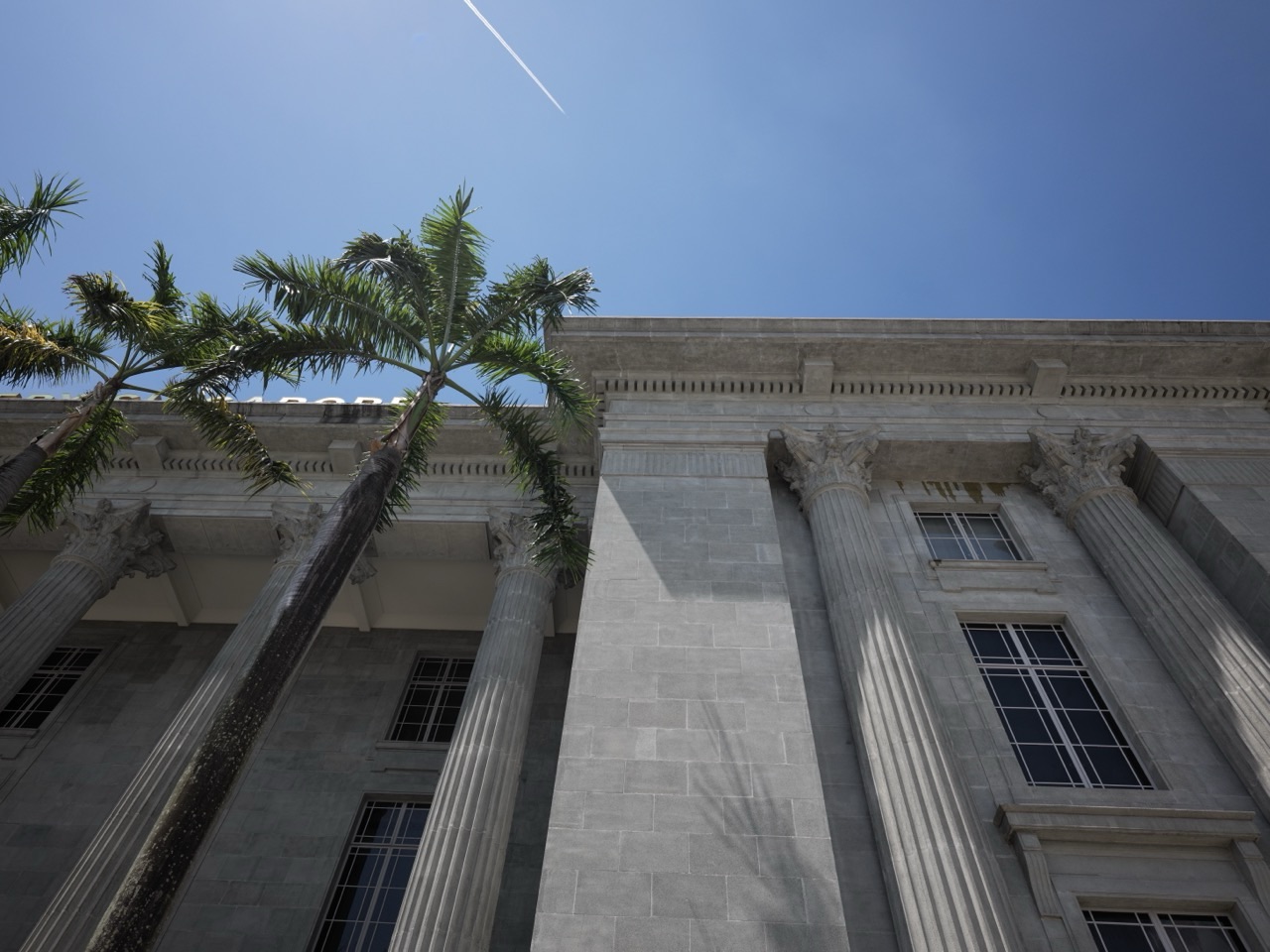
SANTAI: IN PROGRESS is a free one-day art festival at National Gallery Singapore on Saturday 21 November 2026, from 11am to 7pm. Head to the Supreme Court Terrace on Level 4M for the makers’ market, live performances and Social Circle. The anniversary event takes place in several parts of the building, so use the wing and level for each activity.
You can browse independent makers, draw a small artwork to exchange, listen to live music or plan around the 5.30pm Joget Dangkung. The separate Gallery Sketch Chapter runs from 4pm to 7pm. Its Collective session is free with registration, and the guided First Marks session costs S$35 per person.
- Saturday 21 November 2026, 11am–7pm. Festival admission is free.
- Start at the Supreme Court Terrace, Supreme Court Wing, Level 4M.
- Market and Social Circle are listed for 11am–7pm.
- Gallery Sketch Chapter runs 4pm–7pm. Collective is free with registration. First Marks costs S$35 per person.
- City Hall MRT (NS25/EW13) is the nearest station listed by the Gallery.
Plan your visit
Dates and times · Start planning · Common questions
Read the full guide by section
- Where to go first at National Gallery Singapore
- What is free and what needs registration?
- What to do at the SANTAI Market
- Try Draw & Trade at the Social Circle
- Live music and dance times
- Three ways to plan the visit
- Make the most of the Gallery’s two wings
- Take a small art project home from the festival
- How to choose between the market, music and drawing
- A closer look at the stories in the performances
- Frequently asked questions
Dates and times at a glance
| Activity | Time | Location |
|---|---|---|
| Market and Social Circle | 11am–7pm | Supreme Court Wing, Level 4M |
| Sabda Alam: Amidst Chaos, Harmony | 2.30pm–3.15pm | Supreme Court Terrace |
| Gallery Sketch Chapter | 4pm–7pm | Check the venue and registration for your tier |
| Joget Dangkung | 5.30pm–6.30pm | Supreme Court Terrace |
Where to go first at National Gallery Singapore
For the market, performance area and Social Circle, start in the Supreme Court Wing and look for Level 4M, Supreme Court Terrace. National Gallery Singapore spans two historic buildings. If your plans include an exhibition or a sketching session in the City Hall Wing, write down which wing to use for each stop. It saves a round trip when you encounter signs for several different floors.
From City Hall MRT, the Gallery points visitors to the Art Connector on North Bridge Road. Follow it towards the Coleman Street entrance. If you need a lift from the station, the Gallery’s accessibility directions say to take the lift at Exit D and make your way to Exit B for the start of the connector. Once inside, use the Gallery map or ask a staff member for the most suitable lift route to the terrace.
The sketching registration point introduces an exception to the terrace-first plan. For the free Collective tier, the Gallery lists the registration location beside the Tours & Programmes Counter at the Coleman Entrance, City Hall Wing, Level 1. If sketching is the purpose of the trip, find out what you need to complete there before heading up to the main festival. Bring any booking confirmation you receive and check the programme page again on the day.
How to meet friends inside the Gallery
Give friends one building entrance and one fallback meeting point. If everyone is coming by train, meeting at the Coleman Street entrance makes it easier to enter as a group. If some people already know the Gallery, give the terrace’s full label. “Level 4M, Supreme Court Wing” identifies a more useful location than “upstairs.”
When two people want different programmes, choose a time to meet after the scheduled part of the visit. Someone watching the entire dance can stay until the end while another person takes a break or continues browsing. Agree where to wait if the terrace feels crowded. That keeps the group together without making everyone follow the same route through a festival with several activities running at once.
What is free and what needs registration?
The Gallery lists festival admission as free. The market and Social Circle are announced for the whole 11am to 7pm window, with music and dance at scheduled times. Purchases from makers cost extra. If you want to visit an exhibition elsewhere in the building, check its own admission terms, especially when you are planning a visit for people with different residency or ticket categories.
The event’s drawing activities have different formats. Draw & Trade is part of the festival’s drop-in Social Circle. Gallery Sketch Chapter is a separately listed programme with its own registration and pricing. If a friend says “the sketching is free,” establish which activity they mean. That distinction matters most if you want to arrive with a small child, enter briefly, and leave without a scheduled commitment.
Collective, the free registered sketching option
The Collective session is a chance to draw from the Gallery building and its surroundings while other participants sketch nearby. The November edition is listed for 4pm to 7pm. Register as the Gallery directs and check where to report. The organiser can update the details or availability as the day approaches.
A good first subject is a single architectural detail you can see from a safe place to pause. Notice where a pillar meets the ceiling or how a repeated pattern changes when it goes around a corner. Draw only the nearest part if that is what you can finish. The activity suits a visitor who wants to spend time observing and decide how much detail to capture.
First Marks, the guided paid session
First Marks is the guided tier and is listed at S$35 per person, with a 15% discount for Gallery Insiders. The Gallery lists Rooftop Studios 3 and 4, City Hall Wing, Level 5. Confirm booking availability and the arrival instructions on the workshop page. The Gallery asks participants to arrive early for registration.
The guided format can be worth considering if you want time with a facilitator and prefer to work from a structured prompt. It also occupies more of your afternoon than a drop-in activity. A group with several different interests can have the sketchers join the workshop while everyone else chooses a performance or market visit, then agree to meet afterwards.
What to do at the SANTAI Market
The makers’ market brings together independent illustrators, artists, craft makers, publishers and other creative businesses. The Gallery’s examples include JOYRU, whose illustrated world features Red the horse, Another Clayist’s clay pieces and Hungry Traveller Vintage’s books and prints. The attractions are the objects and the people who can explain why they made or selected them.
Begin with a round of the market to see what is available. One table may reward a closer look at the surfaces of ceramics, while the next might make you think about how an illustration changes when it goes from a book page to a postcard. Ask a maker which part was hardest to get right or which decision mattered most in producing the final object. Those questions usually lead to a more interesting conversation than starting with a price.
Browsing with a child or a budget
Give children one simple brief before walking through. They could look for an animal drawn in two different ways or choose a colour that turns up in several stalls. A sketch or a conversation is enough to remember a stall. Ask the maker before touching fragile items or taking a close-up photo of their work.
If you are shopping, make one pass before committing your budget. It helps you compare a print, a small ceramic piece and an independently published book on their own merits. A gift is easier to choose when you can say what the recipient will enjoy about it. A short explanation of who made it and what drew you to it can make a modest purchase feel personal.
The Gallery advertises a complimentary drink subject to availability and its conditions. Treat that as an extra if you happen to find it available. If the outing falls across lunch or dinner, decide where your group will eat independently of the drink offer.
Try Draw & Trade at the Social Circle
At the Social Circle, Krafers’ Paradise invites visitors to make pocket-sized trading cards and exchange them. The Gallery says basic materials will be provided and visitors may bring their own preferred art supplies. The small format gives you a project you can start even if you only want to stay for part of the afternoon.
If a blank card feels intimidating, use an object in the building as a starting point. A leaf, a line of stairs or a fragment of the ceiling can be enough. Draw it once from life and change one thing, such as the colour or the direction of a shadow. When you exchange the card, you have something to say about how you chose the image. The swap brings a second person’s choice into the visit.
The Gallery also lists Kolektif activities such as Southeast Asian board games and colouring, plus a reading and book-swap corner. Use these as alternate stops if the making table is busy or if your group wants something quieter. An adult can browse while another family member finds a game, then everyone can come together again for the next part of the visit.
How the event connects with the art collection
SANTAI was developed in response to the Gallery’s Southeast Asian exhibition Let’s Imagine the World Together. At the festival, creative work appears in several forms. A dancer can share an inherited rhythm with a crowd. A maker can show a material choice at a stall. A visitor can add a card to an exchange. They invite different kinds of participation in the same building.
If you have the time and the appropriate admission, add the exhibition after you have chosen a theme from the festival. Ask how two objects show a relationship between people and a place. One might give you an everyday scene. Another might use a landscape or a portrait. You can get more from two carefully chosen works than from walking rapidly past a whole gallery.
Live music and dance times
SANTAI Rhythm runs on the Supreme Court Terrace. The Gallery lists DJ Hiddy and DJ Itch with GrooveTop at noon to 2pm, 3.30pm to 5pm and 6.30pm to 7pm. These blocks leave space for live performances between sets. Arrive for a scheduled performance if you want to hear the whole piece, or use a DJ block as a flexible accompaniment to browsing.
Sabda Alam: Amidst Chaos, Harmony is listed from 2.30pm to 3.15pm. The Gallery describes a performance by Alunan Kampung Gelam musicians and guest vocalists, drawing on the Southeast Asian collection and bringing songs and stories together. If you want a mid-afternoon anchor, this leaves time afterwards for the market or the 4pm sketching programme.
The announced Joget Dangkung by Orang Laut SG runs from 5.30pm to 6.30pm. The Gallery describes Joget Dangkung as a shared coastal communal dance practised across Singapore’s Southern Islands and the Riau Archipelago. Follow the performers’ cues if you want to join in. If you would rather watch, leave space for people moving and choose a place where children can see without standing in a walkway.
How to choose one performance
Choose the earlier concert if your group prefers to eat dinner elsewhere or has younger visitors who are comfortable in mid-afternoon. Choose the later dance if movement and shared participation are what bring you to the festival. You can also arrive before a set, check how busy the space feels and decide whether to stay for the whole performance.
For children who are curious about sound, listen for what changes when an instrument joins, or see if they can hear a repeated pattern. After one song, ask which sound they can still recall. The question gives them something specific to listen for without requiring them to know the names of the instruments or the history of every tune.
Three ways to plan the visit
For a short lunchtime visit, start at the terrace, make a pass through the market and try the Social Circle. Pick one activity before you go so you can find it quickly. Leave time to locate the right wing and lift. You can finish with an original card, an exchange or a conversation with one maker in under an hour of activity if queues are light.
For a music-first afternoon, arrive in time for the 2.30pm performance, then set aside a period for the market and a quieter break. If your group wants to stay for the dance, use the interval to get something to eat or explore another part of the Gallery. Make sure you know how to get back to the terrace before the 5.30pm start.
For a sketching-first afternoon, check registration, locate the relevant meeting point, then visit the market before the 4pm start if time permits. If you are deciding between sketching and the dance, compare the hours before booking. The formal sketching session and the later dance overlap, so it is worth choosing a priority in advance.
Pace the festival for a mixed-age group
Give each person one choice. A younger child might choose trading cards. An older sibling might pick ceramics or a dance performance. A grandparent might want more time to sit and listen. Put the one activity with the firmest start time in the middle of the outing, then leave the other choices flexible.
The Gallery’s accessibility guide explains the arrival route and available services. If you need step-free access to a specific terrace or studio, check with visitor services when planning. Roof, terrace and gallery locations can be in different parts of the building even when the floor numbers sound close.
Make the most of the Gallery’s two wings
It helps to think of the building as a small route between destinations. Begin at the Coleman Street entrance if you are coming from City Hall. Find the event terrace in the Supreme Court Wing, then cross into the City Hall Wing only if you are adding a sketching session or exhibition. Keep the separate floor labels in your notes. “Level 4M” and “Level 5” tell you very little unless you know which side of the Gallery you are on.
The main festival takes place around one terrace, which makes it possible to have a full visit without going everywhere. Put your belongings, any supplies and a drink in one easy-to-carry bag. Decide on a pace before you reach the main event. If a crowd is forming at the performance area, the first few minutes may be better spent finding the Social Circle and working out where you want to return.
When someone in the group needs a quieter break
Agree on a signal a child or adult can use to ask for a quieter stop. You can try the reading corner advertised by the festival if it is suitable at the time. Otherwise, ask staff where you can take a short break without blocking a passage or moving through another event. A quiet place to spend ten minutes can make it easier to stay for the part of the festival you were looking forward to.
If your group includes someone who uses a wheelchair, ask the Gallery for directions to the exact room or terrace rather than asking only whether the building is accessible. The most helpful answer will identify which lift to use, where to leave it and how to get from that point to the activity. Share the route with any friend or family member who may accompany the person later.
Take a small art project home from the festival
An easy way to remember the day is to choose one detail from the building, one from a maker’s stall and one from a performance. You might notice a repeated arch, an unusual shade of blue and the beat that opened a dance. Each person can record the details in whichever form suits them. A drawing, a few words or a photo taken where permitted can all work.
At home, spread out the details and see whether anyone noticed the same thing. One person might have been looking at the shape of an object and another at how the maker used it. Ask which observation would be easiest to explain to a friend who was unable to attend. You get a record of the visit and a short way to talk about it.
Try a two-card drawing game with children
The festival’s trading-card format can be repeated with ordinary pieces of paper. On the first card, draw something you could see at the Gallery. On the second, change its setting or purpose. A pillar could become a tree, for example, with a similar shape but a different reason for standing upright. Exchange the cards and ask the other person to identify what has changed.
An older child could use the same exercise to compare two visual decisions. Change only the colour first, then change only the scale. Which change gives the picture a different feeling? You can ask the same question of an actual artwork the next time you visit. The small format keeps the test quick enough to try twice.
How to choose between the market, music and drawing
If you like talking to people who make things, put the market first. Choose one stall with something you can describe from looking. Ask how the artist chose the material, or how the object changes when it is produced in a different size. A market purchase can be a good reminder of the answer, and the conversation is available to a visitor who is simply browsing.
If movement is what brings your family, the 5.30pm dance is the natural anchor. Check the timing before setting off and plan the market before the dance if it is important to you. The programme ends at 7pm, so there is less browsing time after the dance than a visitor might expect. Keep a flexible route out if someone has to leave before the performance ends.
If you mainly want to work with your hands, start at Draw & Trade and use the scheduled sketching session only if you want to commit to that part of the afternoon. You can make a small object and exchange it without needing a long visit. A booked workshop suits a different plan, one that puts the sketching time and location ahead of the other festival stops.
Read the evening backwards
Start with the time you have to leave. If that is 6pm and you want a full performance, the afternoon concert fits more naturally. If you can stay past 6.30pm, the dance becomes a realistic choice. Then work back to when you can enter the building and where you need to go first. It is a simple way to check whether a plan fits before you coordinate it with a whole group.
A closer look at the stories in the performances
If you go to Sabda Alam: Amidst Chaos, Harmony, the Gallery describes a group that brings vocals together with guitar and violin. You can listen for the way the instruments make space for a singer or change the feeling of a passage. The programme connects songs and stories from across Southeast Asia with questions about land and women’s experiences. If you are bringing an older child, that gives you a way to talk about why a gallery might commission or host a performance in response to its collection.
The dance later in the afternoon gives you a different encounter with an art form. The Gallery identifies the connection between Joget Dangkung and coastal communities. Watch where participants stand when a dance begins and how people make room for someone new to join. A communal dance has social decisions built into it, including who starts, how others recognise the rhythm, and how someone learns by watching.
A question to take into the exhibition
If you follow the festival with Let’s Imagine the World Together, begin with one room or theme. Look for a work with a person in it, then for a work that makes a place its main subject. Compare what each work tells you about how people live or remember. If you have only ten minutes, choose one of those tasks and give everyone time to look at the same object. The festival and the exhibition can be connected by a small observation you can explain on the way home.
Frequently asked questions
Is SANTAI at National Gallery Singapore free?
Festival admission is free. Market purchases are separate. The free Sketch Chapter Collective session requires registration, and the guided First Marks session is listed at S$35 per person.
When is SANTAI in 2026?
Saturday 21 November 2026, 11am to 7pm. Check the festival page for the starting time of the individual performance you want.
Which floor should I go to?
The Supreme Court Terrace is in the Supreme Court Wing on Level 4M. Sketching registration and the guided session use separate locations in the City Hall Wing.
Can I join in if I cannot draw?
Yes. Draw & Trade is designed as an open making activity, and the small card format gives you somewhere to start. The market, music and book corner are also options.
Do I need to bring art supplies?
The Gallery says it will provide basic materials for Draw & Trade, and you can bring preferred supplies for that activity. Check the separate workshop page if you booked Gallery Sketch Chapter.
Is the performance timetable the same as the market hours?
The market is listed for 11am to 7pm. Individual performances start within that window. The Gallery lists Sabda Alam at 2.30pm and Joget Dangkung at 5.30pm.
Official information and related guides
- National Gallery Singapore’s SANTAI programme
- Gallery Sketch Chapter registration details
- Gallery access and arrival directions
The header shows National Gallery Singapore from the eduKateSG photo collection.