
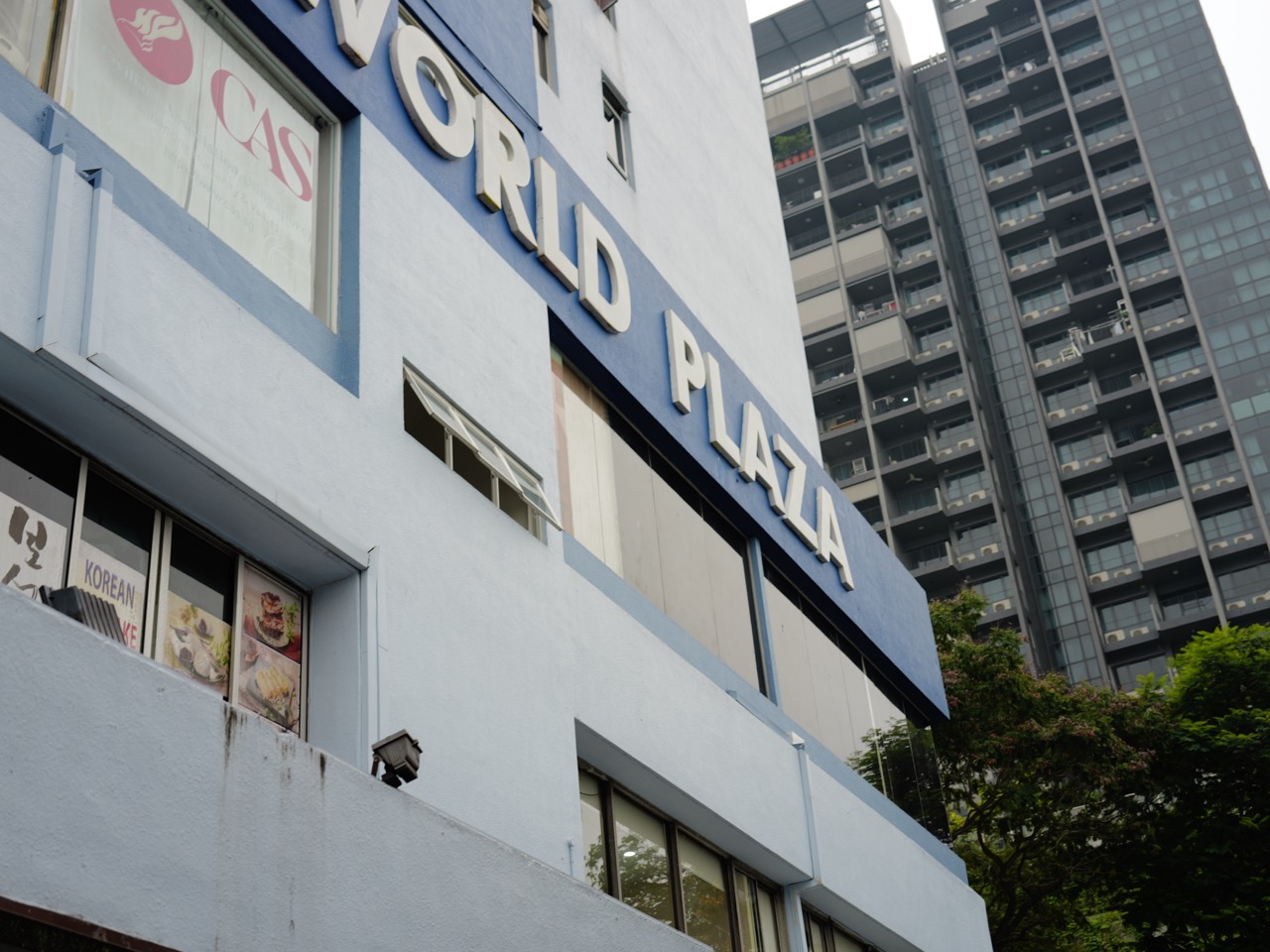
Did you know that two perfectly true statements can create a very misleading 2027 travel forecast? Beauty World already has a working MRT station. At the same time, a major integrated development, a future bus interchange and the Cross Island Line are part of longer-term plans. They are not all opening together in 2027.
For Bukit Timah residents, the right question is not simply “What is being built?” It is “What can I use now, what may affect my journey in 2027, and what has a later target?” This guide separates those timelines so families, workers and seniors can make realistic transport decisions.
Updated 27 October 2026. Project completion targets may change. This is a planning guide; check same-day LTA, bus operator and site notices before travelling during works.
In this guide
- 2027 transport outlook in one minute
- Begin with the journey you actually make
- What Beauty World has now
- The Reserve Residences, Bukit V and the 2028 distinction
- The future Beauty World bus interchange: why it matters
- What the Cross Island Line changes—and when
- King Albert Park: existing station versus future interchange
- Turf City and the future rail network
- Road traffic: what is a proposal and what is a works notice?
- An October 2026 flood-resilience update worth knowing
- Building a resilient school journey for 2027
- Seniors, accessibility and everyday independence
- Walkability and cycling are more than lines on a map
- Four 2027 travel scenarios and the right response
- What to check when a new transport announcement appears
- A suggested 2027 transport watchlist
2027 transport outlook in one minute
- Beauty World MRT is already operating. It is on the Downtown Line, so a future integrated transport development is not needed to make the existing station usable.
- The Reserve Residences and Bukit V form part of Beauty World’s future mixed-use hub. The developer currently lists an estimated Q1 2028 Temporary Occupation Permit for The Reserve Residences. That is not a statement that the whole complex will open in 2027.
- The future Beauty World bus interchange is still a future facility. Residents should rely on present bus stops, routes and official change notices until an actual opening announcement is issued.
- Cross Island Line Phase 2 is under construction. LTA began civil construction in 2025 and targets 2032 completion; King Albert Park will become an interchange with the Downtown Line.
- Turf City redevelopment influences future movement plans. URA has discussed improvements to walking and cycling connections, roads and eventual public transport, but proposed improvements are not necessarily 2027 completed works.
- The Upper Bukit Timah Canal upgrade was completed in October 2026. That is a flood-resilience milestone, not a declaration that all traffic or flood risks have ended.
If you remember only one thing, remember the time distinction: 2027 is a year for tracking transition, while several headline transport benefits are scheduled for later.
Begin with the journey you actually make
A student from Toh Yi may need a reliable journey to school. Someone working in the city wants a predictable commute. A retiree visiting a clinic cares about lift access, shade and safe crossings. A family with a stroller has different needs from someone who can walk quickly between bus stops.
These commuters all use the same neighbourhood, but an announcement that sounds exciting to one may be irrelevant or inconvenient to another. A new MRT line with a 2032 target does not shorten tomorrow morning’s school run. A new plaza may eventually improve walking routes while creating temporary detours during construction.
The best 2027 plan starts with a real origin and destination. Write down your current walk, train, bus and transfer. Then separately record any planned infrastructure that could change it. Avoid mixing a present service with an unopened future route in a single travel-time estimate.
Use the LTA Cross Island Line page for rail project status, rather than a promotional map that shows future and current lines as though they are already connected.
What Beauty World has now
Beauty World is already an established neighbourhood centre, served by Beauty World MRT on the Downtown Line and by surrounding roads, bus stops, shops and housing. It also connects families to the Bukit Timah Nature Reserve, the Rail Corridor and other nearby green spaces.
That existing infrastructure is important. In 2027, many ordinary trips will still depend on the same MRT station and on operating bus routes while the new facilities take shape. Some trips may be perfectly convenient; others require a walk across a busy road, a change of bus or a pedestrian detour.
Before selecting a route, assess the actual walking environment instead of just the distance on a map. Can a child cross safely at a controlled crossing? Is the route sheltered? Does a parent with a pram have an accessible option? Is the desired exit convenient for the bus stop in the direction needed?
See our local guide to Beauty World MRT and the future bus hub.
The Reserve Residences, Bukit V and the 2028 distinction
The developer’s official project website identifies The Reserve Residences as a mixed-use project with 732 residential units, retail, serviced residences, public spaces and connections to transport. It lists an estimated Q1 2028 TOP for the residential development and describes the accompanying Bukit V retail component.
This matters because online information about Beauty World sometimes presents an entire future precinct in the present tense. An artist’s impression can help explain a design but does not establish that a mall, linkway or interchange is open today.
For 2027, treat the developer’s completion estimate as a forward-looking target and check any separately announced opening dates for individual facilities. Even after a residential TOP, shops, public spaces and transport infrastructure may have different opening procedures.
When considering a move or a business decision, request the specific project’s up-to-date completion and access details. Do not assume that every promised feature will be available on a chosen date simply because it appears in the same site plan.
The future Beauty World bus interchange: why it matters
An integrated bus interchange can eventually make transfers easier, reduce the distance between services and offer a more legible travel hub. But those benefits depend on routes, accessibility and completed public access links, not only on a new building.
The key word for 2027 is future. The upcoming interchange is part of the precinct transformation; residents should not treat it as a confirmed operating interchange until transport authorities publish an opening announcement, service list and effective date.
When those details appear, the questions will be practical: Which services move? Do current roadside stops remain? Are boarding points sheltered and step-free? How long is the transfer from MRT platform to bus boarding? Are there changes for evening users or commuters with mobility needs?
For more background, follow the existing Beauty World bus interchange construction and travel access guide.
What the Cross Island Line changes—and when
LTA announced the start of civil construction for Cross Island Line Phase 2 on 7 July 2025. The extension will run westwards and include the King Albert Park interchange with the Downtown Line and the Clementi interchange with the East-West Line.
LTA’s published target for Phase 2 is 2032, not 2027. Its March 2026 rail-development factsheet described construction advancing, with early-stage tunnelling works ongoing.
The future benefit is network choice. A commuter may eventually gain an alternative route between the west and other parts of Singapore, and King Albert Park would offer an interchange without travelling all the way into the city. But exact personal time savings must be calculated against the final operating network once open.
For a family deciding a 2027 school or workplace journey, the 2032 target belongs in the future opportunities column, not in the current timetable column.
King Albert Park: existing station versus future interchange
King Albert Park is already a Downtown Line station. Its Cross Island Line interchange is a construction project that will change its role when the new line becomes operational.
This distinction protects readers from a common error: seeing the words “King Albert Park interchange” in a planning diagram and concluding that a new train transfer is available in 2027. It is not.
Residents near the station should monitor official LTA construction advisories, especially any notices affecting pedestrian access, worksite boundaries, noise or traffic. The relevant information is usually specific to a date and location; it is not a blanket description of the entire station’s accessibility.
For the station-level chronology, read King Albert Park MRT Cross Island Line construction through 2027.
Turf City and the future rail network
The former Turf City is being planned as a new residential neighbourhood with transport connectivity, pedestrian routes, cycling links and neighbourhood amenities. This creates a future reason to improve links across roads and between present and future train stations.
However, its long-term housing vision and CRL Phase 2’s 2032 target do not turn the entirety of Turf City into a newly connected estate in 2027. Site preparation, land development and transport construction are different programmes.
A useful way to understand the change is to draw three layers on your own map: today’s accessible network, temporary construction diversions, and longer-term proposed connections. A map that merges all three into one can be attractive but unreliable.
URA’s Turf City Master Plan is the appropriate source for the estate-wide vision.
Road traffic: what is a proposal and what is a works notice?
URA has identified the possible improvement and widening of roads including Eng Neo Avenue, Dunearn Road and Bukit Timah Road as matters being studied to support the future estate.
A study is not a notice that a named road will be widened in 2027. Before changing commute plans, wait for a road-specific LTA or project notice giving the affected section, construction stage, dates and arrangements for motorists and pedestrians.
If a construction hoarding appears, note its exact boundary. A school pick-up point on one side of a street can behave very differently from a bus stop or crossing a short distance away. People frequently underestimate how much route design matters compared with road distance.
The existing guide to Eng Neo Avenue and Dunearn Road upgrade studies covers those local proposals in more detail.
An October 2026 flood-resilience update worth knowing
On 23 October 2026, PUB announced completion of its upgrading works along the entire 2.3-kilometre Upper Bukit Timah Canal. The agency reported that the completed upgrades increased stormwater conveyance capacity by 30% for the upgraded canal.
That is important for an area with a history of intense runoff and flash flooding. It also changes the factual baseline for 2027 articles: the final 900-metre canal stretch should no longer be described as still awaiting its planned 2026 completion.
PUB explicitly cautioned that no drainage system can remove flood risk entirely. Particularly heavy rainfall can still create hazards, and the agency intends to study further long-term measures for the wider catchment.
For commuters, the practical lesson is to follow PUB’s completed-canal announcement and current weather and flood alerts, rather than assume a stronger canal makes every journey safe during an intense storm.
Building a resilient school journey for 2027
Start by testing the route that a child can manage reliably now. Consider a normal dry morning, a heavy-rain morning, a day with a road diversion and a day when a parent cannot provide a lift.
A dependable plan might have a preferred train or bus route, an agreed backup, a safe crossing and an adult contact procedure. A child should know which station exit or bus stop is the correct one, rather than navigate by an anticipated interchange that has not opened.
Parents can also reduce stress by identifying the journey’s vulnerable point. For one student it might be the last kilometre on foot. For another it may be changing buses while carrying a heavy bag. Solving the actual vulnerability is better than obsessing over a future infrastructure milestone.
Do not make students responsible for independently following real-time construction changes without suitable guidance. Adults should check notices and explain necessary route adjustments clearly.
Seniors, accessibility and everyday independence
A transport hub can eventually be an improvement for seniors only if the routes between its facilities are clear and usable. One poorly designed crossing, unexpectedly long walk or inaccessible ramp can cancel out much of the benefit of a new structure.
When planning a 2027 journey, assess whether lifts are operating, whether changes in level require stairs, whether there are resting points and whether the route is practical in wet weather. The official station or bus service information should override an older route guide when access changes.
The same principle applies to residents using wheelchairs, walking frames or prams. An approximate “five-minute walk” in marketing material is not a universal accessibility measure.
If you encounter a barrier that prevents safe access, identify the exact point and report it to the responsible operator or public agency with the date, direction of travel and nature of the obstruction.
Walkability and cycling are more than lines on a map
URA’s future neighbourhood design prioritises walking and cycling, but the quality of these modes is measured at junctions, entrances and transitions. A connected footpath that ends before a busy crossing is not genuinely continuous.
For 2027, look for operational links rather than coloured conceptual routes. Check whether pedestrians are separated from works vehicles, whether temporary paths are adequately lit, and whether cyclists must dismount around crowded entrances.
The long-term goal should be to make short everyday trips comfortable enough that fewer residents need to rely on a car. Yet it would be premature to claim that all planned cycling facilities already exist.
For nature-oriented cycling and walking, remember that the Rail Corridor has its own rules, environmental sensitivities and temporary closures; it is not simply a road substitute.
Four 2027 travel scenarios and the right response
Scenario A: A weekday trip from Beauty World to the city. Use existing Downtown Line services, and check actual service conditions. The promised future interchange is not part of this current journey.
Scenario B: A journey towards the western rail network. Use present operating rail and bus transfers. The Cross Island Line extension may improve the future network, but its 2032 target should not be silently inserted into a 2027 route.
Scenario C: A school pickup next to a worksite. Reconfirm the school’s current instructions and road access before term starts; do not assume last term’s curbside stopping arrangement is still appropriate.
Scenario D: A family nature visit after a storm. Check NParks access notices and official weather or flood alerts; choose a safe, open route rather than push through an unfamiliar diversion.
These are general illustrations, not claims about current delays on a particular service.
What to check when a new transport announcement appears
A reliable transport announcement typically tells you who issued it, what will happen, where it applies and when it takes effect.
If a social-media post says a bus service is “moving to the new interchange”, look for a matching notice from LTA or the operator. If a property advertisement promises an opening year, check the developer’s latest document and distinguish TOP from public facility opening. If a map shows a future MRT interchange, check LTA’s latest rail-project timeline.
Avoid sharing a date that came from an old image without verification. Transport schedules, construction stages and pedestrian access can all change after the original graphic is made.
Save the official URL rather than a screenshot with no publication date.
A suggested 2027 transport watchlist
- Before school terms and major routine changes: confirm existing bus stops, MRT exit access, school notices and any roadworks near your usual route.
- After a new LTA project update: check whether the announcement concerns a station contract, a work stage, testing, completion or the start of passenger service.
- When a Beauty World development update appears: separate the residential TOP estimate from retail, pedestrian-link and bus-interchange opening dates.
- During intense rainfall: consult current weather and flood advisories; the canal upgrade improves resilience but does not remove risk.
- Before a home purchase or lease renewal: validate the commute against services operating now, not only against the future transport plan.
No quarter of 2027 in this checklist guarantees a newly opened line or bus interchange.
Frequently asked questions
Is Beauty World MRT opening in 2027?
Beauty World MRT already operates on the Downtown Line. The new surrounding mixed-use development and proposed bus interchange are separate from the existing MRT service.
Will the new Beauty World bus interchange open in 2027?
Do not assume so. It is a future facility and requires an official opening announcement with the effective date and bus-service arrangements. Check LTA for the latest operational information.
When is The Reserve Residences expected to obtain TOP?
The official developer website currently states estimated Q1 2028. This is a developer estimate for the residential project and can change. It does not by itself confirm the opening of every associated public facility.
When will the Cross Island Line connect to King Albert Park?
LTA targets completion of Cross Island Line Phase 2 in 2032. The interchange is not a current 2027 passenger transfer.
Will all Bukit Timah roads be widened in 2027?
No such estate-wide 2027 completion claim is supported by the planning sources reviewed. Some road improvements are being studied; consult works notices for specific locations and dates.
Has the Upper Bukit Timah Canal upgrading finished?
Yes. PUB announced completion on 23 October 2026. The additional drainage capacity improves resilience but cannot guarantee that flooding will never occur.
Which source should I follow for day-to-day transport changes?
Use official LTA and public transport operator notices for operations; use URA for urban planning; use PUB for flood information and NParks for nature-trail access.
What is the most important thing for parents?
Build the 2027 journey around services and safe routes actually available, with a practical backup for roadworks, transport disruptions and heavy rain.
Sources and further reading
- LTA: Cross Island Line Phase 2 groundbreaking, July 2025
- LTA: March 2026 rail development factsheet
- LTA: Cross Island Line project overview
- Developer: The Reserve Residences and Q1 2028 estimated TOP
- URA: Bukit Timah Turf City and movement plans
- PUB: Upper Bukit Timah Canal upgrade completed 23 October 2026
- eduKateSG: Beauty World transport hub, 2027 versus 2028
- eduKateSG: King Albert Park works through 2027
- 2027 Turf City homes and heritage explained
- 2027 community events and family calendar
Bottom line: Bukit Timah’s transport future is substantial, but the calendar matters. Beauty World MRT works today, rail construction will continue towards 2032, and Beauty World’s new mixed-use facilities follow their own schedules. A good 2027 journey is built from today’s safe, verified connections.