
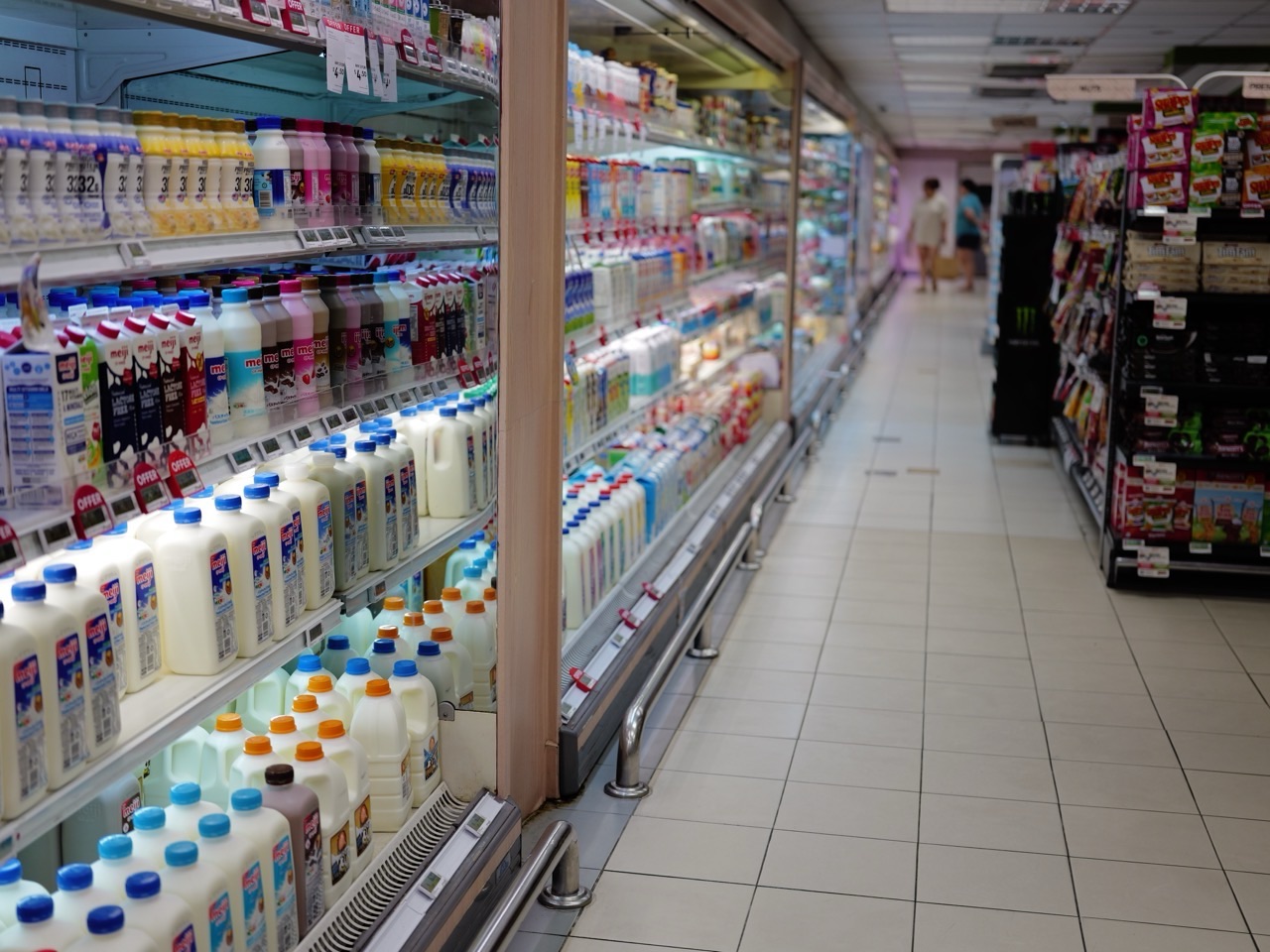
Did you know that 1 July 2027 introduces a new environmental requirement affecting future commercial refrigeration systems used by supermarkets in Singapore? The National Environment Agency (NEA) will restrict the Global Warming Potential (GWP) of refrigerants used in specified new centralised commercial refrigeration systems to 150 or below. A separate set of requirements will govern how companies recover and manage certain spent refrigerant gases.
For people in Bukit Timah, this is relevant to grocery shops, cold-storage businesses, food suppliers and residents concerned about the environmental footprint of everyday services. But the precise distinction matters: the new 2027 commercial-equipment rule is not an order for every existing Bukit Timah supermarket to close or replace its fridges in July. It also does not impose the same new vehicle air-conditioning GWP limit in 2027—the implementation for specified new passenger-car and light-goods-vehicle air-conditioning systems is 1 July 2028.
This guide explains what the law changes, who is actually regulated, what shoppers should expect, why proper handling of refrigerants matters and how the development fits alongside existing energy-efficient household appliances. Sources reviewed on 28 October 2026 from the official NEA announcement and technical guidance.
In this guide
- The confirmed July 2027 changes
- What is a refrigerant?
- What does GWP 150 mean?
- Why supermarkets use centralised refrigeration systems
- Which systems fall under the new supply restriction?
- Is every existing Bukit Timah supermarket required to replace equipment?
- Does a lower-GWP refrigerant always reduce the electricity bill?
- Refrigerant handling matters as much as equipment choice
- Who must register with NEA from July 2027?
- What happens to recovered refrigerant?
- Why refrigerated trucks are included
- Why passenger-car air-conditioning has a different date
- What about household air-conditioners and refrigerators?
- How this relates to the S$400 Climate Vouchers
- Will this change grocery prices in Bukit Timah?
- Does the rule apply at Bukit Timah’s interim hawker market?
- What should a supermarket operator do before July 2027?
- What should condominium and commercial building managers check?
- What is ‘end of service life’?
The confirmed July 2027 changes
NEA’s 28 May 2026 announcement establishes the following:
- 1 July 2027: new specified centralised commercial refrigeration systems, typically used in supermarkets, must use refrigerants with GWP not exceeding 150.
- Existing supermarket equipment: can continue operating until the end of its service life, subject to other applicable requirements. The new GWP restriction is aimed at new equipment.
- 1 July 2027: businesses conducting prescribed installation, maintenance, decommissioning and other works on covered refrigeration systems must comply with NEA registration, refrigerant recovery, licensed treatment and reporting rules.
- Transport refrigeration: requirements for handling refrigerants from equipment such as refrigerated vehicles are included in the 2027 regulatory measures.
- Vehicle dismantling: specified refrigerant recovery requirements also apply to businesses dismantling relevant deregistered vehicles or removing refrigerated-truck systems.
- New passenger-car and light-goods-vehicle air-conditioning GWP restriction: 1 July 2028, not 1 July 2027.
- Household air-conditioners and refrigerators: separate regulations addressing certain high-GWP refrigerants were already introduced in 2022.
- No announced July 2027 supermarket price increase: the equipment standard is not evidence of a mandatory increase in grocery prices or the closure of local shops.
The overarching authority is NEA’s refrigerant mitigation framework.
What is a refrigerant?
A refrigerator or air-conditioner relies on a working fluid called a refrigerant to transfer heat within a refrigeration cycle.
The system moves heat away from the chilled compartment or indoor space and releases it elsewhere, using compressors and other engineered components. The refrigerant changes physical state during the cycle and is intended to remain in a sealed system.
Different refrigerants have different properties. Some widely used older hydrofluorocarbons, or HFCs, can have strong greenhouse effects when released to the atmosphere.
That environmental risk is why regulators care not only about an appliance’s electricity consumption but also about which refrigerant is used and how the equipment is maintained or dismantled.
What does GWP 150 mean?
Global Warming Potential (GWP) compares the warming effect of a quantity of a greenhouse gas with an equivalent quantity of carbon dioxide over a specified time horizon, conventionally 100 years.
Carbon dioxide is assigned a reference GWP of 1. A refrigerant with a high GWP can therefore have a much greater warming effect than carbon dioxide if released in equivalent mass.
The new commercial refrigeration limit of 150 means the relevant new equipment’s refrigerant must meet the prescribed GWP threshold.
It does not mean that a supermarket may use no more than 150 units of electricity or that its electricity bill is capped at a particular value. GWP and energy efficiency are related to environmental performance but measure different things.
Why supermarkets use centralised refrigeration systems
A supermarket may have many chilled and frozen display cabinets, storage rooms and other equipment that work together to preserve food quality and safety.
Large stores can use centralised systems that provide refrigeration to multiple connected cabinets. Those systems differ from a standalone household refrigerator plugged into a kitchen socket.
The NEA rule covers specifically defined types of new centralised commercial refrigeration, including multipack compressor racks and semi-plug-in water-loop arrangements, rather than every tiny fridge in every business.
For a resident, the distinction matters because a headline about commercial supermarket equipment should not be applied indiscriminately to a coffee-shop drink chiller or household appliance without checking its technical category.
Which systems fall under the new supply restriction?
NEA’s regulated refrigerants guidance identifies specified commercial systems typically installed in supermarkets.
The policy concerns new regulated equipment supplied from the effective date, not every kind of cooling device in Singapore. Suppliers of covered equipment must meet relevant registration and product conditions.
An equipment seller should examine the legal definition and exact technical specifications instead of assuming an appliance is regulated merely because it is large.
Conversely, it would be risky to market a covered centralised system without checking the new limit simply because the purchaser calls it a shop refrigerator.
This is one reason commercial operators should seek advice from their qualified equipment suppliers and technical professionals well before a major installation.
Is every existing Bukit Timah supermarket required to replace equipment?
No. NEA’s announcement explicitly says businesses can continue using existing systems until the end of their service life.
This transition is intended to avoid unnecessary disruption or premature replacement of functioning equipment. Some operators already use lower-GWP systems, while others may incorporate compliant refrigerants when replacing equipment in future.
The regulation should not be described as a July 2027 deadline to remove every older cold cabinet from a neighbourhood store.
For consumers, the practical implication is that a new rule may gradually influence equipment purchasing and maintenance practices without producing a highly visible change at the grocery counter on day one.
Does a lower-GWP refrigerant always reduce the electricity bill?
Not automatically. A refrigerant’s GWP describes its contribution to warming if released, while a system’s electricity consumption depends on equipment design, operating conditions, control systems, insulation and maintenance.
Some low-GWP equipment can also be energy efficient, as NEA’s announcement notes. But a lower GWP number alone is not a guarantee that any particular store saves an exact percentage of electricity.
The best comparisons consider refrigerant climate impact, leakage risk, energy use across the equipment’s life, safety requirements and total cost.
Businesses should use supplier technical data and professional advice rather than choose equipment solely from one environmental slogan.
Refrigerant handling matters as much as equipment choice
Even a system that operates efficiently can cause environmental damage if a high-GWP refrigerant is released during maintenance or disposal.
NEA’s new measures therefore address recovery of spent refrigerants when specified regulated works are performed. The objective is to prevent unnecessary emissions and send recovered gases for appropriate treatment.
The rules are directed at companies carrying out regulated refrigeration and equipment-dismantling works, not at ordinary supermarket shoppers.
Residents should never attempt to release refrigerant, open a compressor system or dismantle an air-conditioning unit independently. Such work involves technical and safety hazards and requires appropriately qualified personnel.
Who must register with NEA from July 2027?
Under the new rules, businesses performing specified regulated greenhouse-gas works on commercial and industrial refrigeration systems, vehicles and related equipment must register with NEA as appropriate.
The requirements depend on the defined activity and equipment. Merely working in a supermarket or driving a refrigerated vehicle does not automatically make an individual employee a licensed refrigerant recovery operator.
Companies need to check their actual operations: installation, maintenance, decommissioning or dismantling can trigger different responsibilities.
The NEA refrigerant rules page provides the detailed categories and registration guidance.
What happens to recovered refrigerant?
NEA requires prescribed spent refrigerants to be recovered and sent to an appropriately licensed Toxic Industrial Waste collector for recycling, reclamation or destruction, depending on their condition and treatment process.
This is not equivalent to placing the refrigerant into a general household blue recycling bin or venting it into the air.
The regime also includes recordkeeping and periodic reporting for regulated works. These obligations help authorities track whether recovered material enters a legitimate treatment system.
For a business owner, the critical decision is to hire suitably qualified contractors and confirm that disposal documentation and responsibilities are clear.
Why refrigerated trucks are included
Singapore’s food supply depends on refrigerated transport for some ingredients and perishable products. Trucks and other delivery equipment may use refrigeration systems containing gases that require careful management when equipment is dismantled or removed.
The new 2027 measures include relevant refrigerant recovery requirements for certain refrigerated vehicle systems, alongside other categories.
That does not mean every grocery delivery truck must be replaced or that refrigerated transport becomes prohibited in 2027.
The purpose is to ensure proper handling when regulated equipment reaches a relevant work or disposal stage.
Why passenger-car air-conditioning has a different date
NEA’s new GWP not exceeding 150 limit for specified new passenger car, taxi and light-goods-vehicle air-conditioning systems is scheduled for 1 July 2028.
The extra time reflects equipment availability and the need for vehicle suppliers to adjust. The agency noted that some lower-GWP options were not yet widely available in relevant models.
In 2027, motorists should distinguish this future vehicle-equipment supply requirement from the 2027 refrigerant recovery requirements associated with certain dismantling operations.
A vehicle owner should not be told that an existing car air-conditioner becomes illegal on 1 July 2027 simply because NEA has announced a later new-vehicle standard.
What about household air-conditioners and refrigerators?
NEA implemented measures for household air-conditioners and refrigerators in 2022, well before the commercial-system changes scheduled for 2027.
A homeowner in Bukit Timah buying a replacement domestic refrigerator should follow the applicable energy-efficiency labels, refrigerant standards and installation requirements for the exact model and current year.
These are not the same as the new centralised supermarket refrigeration regulation. A domestic split-unit air-conditioner is also not automatically subject to every provision written for centralised commercial refrigeration racks.
A qualified installer should advise about equipment compatibility, safe installation and handling of old refrigerant.
How this relates to the S$400 Climate Vouchers
Eligible Singapore households can use up to S$400 in Climate Vouchers on specified efficient household products until 31 December 2027, subject to the scheme’s rules.
The Climate Voucher categories include five-tick air-conditioners, three-tick or higher refrigerators and other approved products, but eligibility is determined through the actual registered model and retailer.
That programme addresses household purchasing choices and energy or water efficiency. The new July 2027 commercial refrigeration rules target larger commercial systems and refrigerant management.
A family should not confuse the two or assume that a supermarket’s industrial cooling unit can be purchased using an ordinary household Climate Voucher.
See Bukit Timah 2027: Climate Vouchers and eligible home products.
Will this change grocery prices in Bukit Timah?
No official source cited here establishes a mandatory price increase for food at any particular Bukit Timah supermarket because of the July 2027 refrigerant policy.
Retail prices depend on many things—procurement, exchange rates, demand, rent, utilities, staffing and business decisions. It would be incorrect to state that every chilled item must become more expensive by a fixed percentage.
NEA has deliberately allowed existing equipment to remain in use until the end of its service life, reducing unnecessary replacement pressures.
A consumer interested in affordability should compare actual current prices and avoid treating an engineering compliance date as a direct forecast of grocery inflation.
Does the rule apply at Bukit Timah’s interim hawker market?
A wet market or hawker centre is not automatically the same kind of facility as a large supermarket centralised refrigeration installation.
The specific equipment and activities determine whether the regulated goods or handling rules apply. A small stall’s standalone chiller may be subject to other equipment or safety requirements but is not necessarily covered by the same 2027 centralised-system supply restriction.
Traders and centre operators should seek guidance from their suppliers or NEA where they operate significant refrigeration equipment or dismantling services.
For the local market’s current and future site arrangements, read Bukit Timah 2027: Beauty World hawker food and interim market.
What should a supermarket operator do before July 2027?
Start by taking an inventory of relevant refrigeration equipment and identifying which systems are centralised and which are standalone.
Next, consult suppliers and qualified technicians on the proposed new equipment’s refrigerant GWP, compatibility, energy performance and actual registration requirements.
If planning maintenance or decommissioning, check whether the contractor needs to register as an NEA greenhouse-gas entity and what refrigerant recovery and disposal documentation is required.
Do not rely solely on an old technical quotation issued before the 2027 regulatory change. Confirm the compliant model and permit conditions before committing to major work.
What should condominium and commercial building managers check?
A Bukit Timah condominium’s building manager might operate mechanical plant or contract air-conditioning servicing, while a nearby retail building may contain centralised cooling or tenant refrigeration.
The relevant rules depend on the exact equipment. A water-cooled building chiller already sits within an earlier regulatory framework and should not be confused with the new centralised supermarket refrigeration supply limit.
Managers can ask contractors whether refrigerant recovery and disposal arrangements comply with NEA requirements, and whether maintenance records are kept appropriately.
This is a procurement and environmental compliance issue, not a reason to prohibit residents from using their existing apartment air-conditioners.
What is ‘end of service life’?
NEA’s announcement says existing commercial refrigeration systems may be used until they reach the end of their service life.
In practical terms, operators may continue operating and maintaining lawful existing equipment while assessing when replacement becomes economically or technically appropriate, subject to all applicable standards.
The policy does not announce a single compulsory discard date for every installation. Actual service life depends on equipment condition, safety, performance and professional assessment.
A business should not postpone necessary safety repairs simply because the regulation gives existing equipment time, or replace functioning equipment prematurely because an advertisement says every older system is banned.
The correct environmental question to ask
A resident may wonder whether a greener supermarket is simply one with a solar panel or a recycling poster. Those can matter, but refrigeration also has a less visible environmental impact through energy and possible gas leakage.
A more complete discussion considers both how much electricity is used and what happens if refrigerant escapes during operation, servicing or disposal.
The new rules make refrigerant management a more explicit part of commercial environmental responsibility. They also illustrate why recycling or equipment disposal is a specialised system rather than a matter of putting every unwanted item into the nearest bin.
For parents, this creates a useful way to teach the connection between Chemistry, Physics, Geography and the choices made by real businesses.
A Secondary-school Science learning activity
Ask a student to explain why a refrigerator needs energy to keep food cold. The answer begins with the transfer of heat, not the idea that a machine somehow creates coldness.
Next, compare two environmental questions: What electricity does the system consume? and What would happen if the refrigerant leaked? These questions describe different mechanisms and should not be combined into one invented “green score”.
Finally, examine NEA’s 2027 policy and identify the precise equipment category and effective date. This develops scientific vocabulary and the habit of reading regulations accurately.
It is a strong illustration of how Science knowledge informs public decisions without assuming every household needs to become a refrigeration engineer.
A case study: two businesses planning different purchases
Imagine a supermarket planning a new centralised refrigeration rack to be supplied after 1 July 2027, and a small cafe replacing one standalone drink chiller during the same period.
The supermarket should verify the new centralised system’s GWP restriction and associated registration obligations. The cafe should check the requirements that apply to its specific equipment, rather than automatically assume the supermarket rack rule is identical.
Both businesses should work with qualified suppliers and dispose of refrigerants responsibly when relevant.
This is an illustrative comparison, not a statement about any named Bukit Timah business’s equipment or future capital spending.
A practical 2027 compliance watchlist
- Before July: identify whether planned new equipment belongs to the covered centralised commercial refrigeration category.
- Procurement: require confirmation of GWP 150 or below where the new supply restriction applies.
- Service contracts: check whether installers, maintainers and dismantlers must register with NEA as regulated greenhouse-gas entities.
- Spent refrigerants: ensure appropriate recovery, treatment and records through authorised service providers.
- Existing systems: distinguish lawful continued use from the purchase of new regulated equipment after the effective date.
- Vehicle purchases: keep the 1 July 2028 air-conditioning supply restriction separate from 2027 handling requirements.
- Household shopping: use a home-appliance label and Climate Voucher guide rather than commercial rack regulations.
- Agency updates: check the NEA technical page for detailed 2027 registration and reporting guidance.
This is an information checklist, not a replacement for an engineer’s compliance assessment.
Frequently asked questions
What changes on 1 July 2027?
Specified new centralised commercial refrigeration systems used in supermarkets must have refrigerant GWP not exceeding 150, and prescribed refrigerant recovery rules expand to additional regulated works.
Must existing Bukit Timah supermarkets remove all old fridges?
No. NEA says businesses can continue using existing systems until the end of their service life, subject to other applicable requirements.
Does the GWP limit mean a machine can only consume 150 watts?
No. GWP measures the greenhouse effect of a gas relative to carbon dioxide, not electricity consumption.
Do ordinary home refrigerators fall under the exact same new 2027 restriction?
Not automatically. Domestic appliance rules were introduced earlier, while the July 2027 new-equipment rule targets specified commercial refrigeration systems.
Will every product in a supermarket cost more from July 2027?
No such price change is established by the NEA announcement. Price impacts depend on real business and market factors.
What do businesses have to do with spent refrigerants?
Covered businesses must meet registration, recovery, licensed treatment and recordkeeping requirements for prescribed works, as applicable.
Does the rule require dangerous do-it-yourself refrigerant removal?
No. Work on refrigerant systems must be performed appropriately by qualified personnel under applicable requirements.
Is the new passenger-car air-conditioning GWP 150 supply limit effective in 2027?
No. NEA’s date for specified new passenger-car and light-goods-vehicle air-conditioning systems is 1 July 2028.
Can I use my household Climate Vouchers for commercial supermarket refrigerators?
The household Climate Voucher programme applies to eligible domestic products and participating retailers, not automatically to industrial commercial refrigeration racks.
Where can a business check the exact technical requirements?
Use NEA’s refrigerant mitigation guidance and qualified technical advice.
Official sources and related Bukit Timah reading
- NEA: 28 May 2026 announcement of July 2027 commercial refrigerant rules
- NEA: Regulatory details, affected systems and refrigerant handling
- NEA: Climate-friendly household appliances and energy-efficiency guidance
- NEA: Official Climate Vouchers scheme
- NEA: Licensed waste and refrigerant handling information
- eduKateSG: Bukit Timah Climate Vouchers, products and December 2027 expiry
- eduKateSG: Beauty World supermarket and hawker-centre changes
- eduKateSG: 2027 household refuse and bulky waste guide
- eduKateSG: 2027 Return Right and local recycling points
The takeaway: On 1 July 2027, Singapore introduces important new commercial refrigeration and refrigerant recovery rules. For Bukit Timah shoppers, that is a reason to understand the environmental systems behind food retail—not to expect an automatic store closure or price increase. Businesses should focus on equipment category, GWP threshold and qualified recovery, while motorists should distinguish the separate 1 July 2028 new-vehicle air-con restriction.