
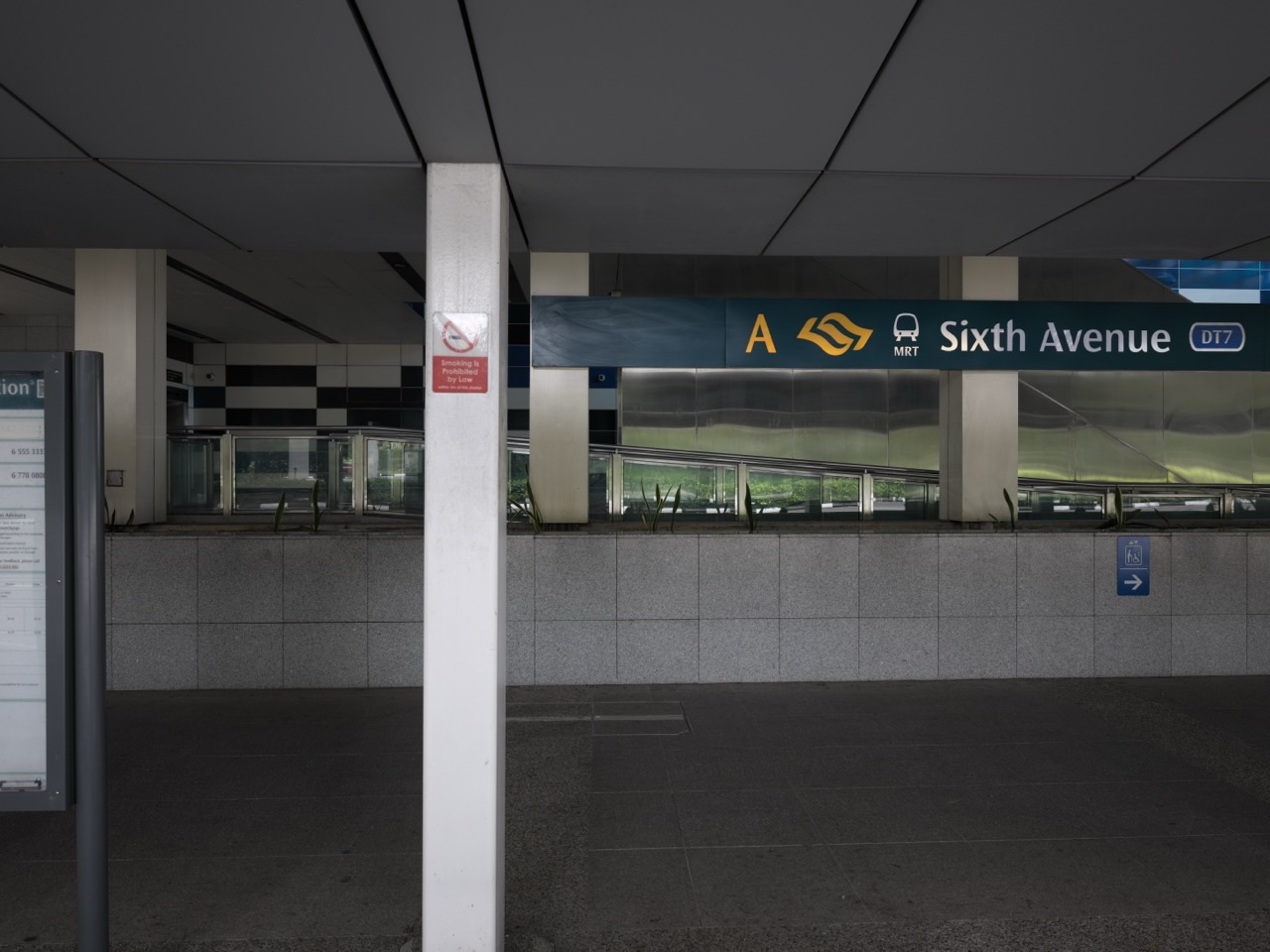
For families looking for a PSLE English tutor in Bukit Timah, eduKate Singapore offers small-group tutorials near Sixth Avenue MRT. We work with Primary 5 and Primary 6 students on composition, comprehension, grammar, vocabulary, oral communication and listening. Bring a recent school paper or piece of writing if you can. The errors in one familiar piece of work often tell us where to begin.
Standard PSLE English Language, SEAB subject code 0001, has four papers. Writing is worth 25%, Language Use and Comprehension 45%, Listening Comprehension 10% and Oral Communication 20% in the 2026 format. A useful study plan starts with the skill your child struggles to use independently and gives that skill several chances to show up in fresh work. SEAB’s Standard English Language examination format
- Start with the English subject code and your child’s examination year. Foundation English has its own paper format.
- For Writing, practise gathering the required details for Situational Writing and developing a clear central event for Continuous Writing.
- For comprehension, ask your child to show the clue and explain how it supports the answer.
- For oral and listening, build a weekly habit before adding full timed papers.
- Ask a prospective tutor what they would work on first, how they will check progress and how much practice they expect at home.
Find your next learning step
CHAPTER 1 OF 10
What Standard PSLE English assesses
Paper 1 tests how a student shapes a message for someone and how they develop a piece of continuous writing. These tasks call for different decisions. A message to a teacher might need an accurate event date, a polite request and a short explanation. A composition needs a clear focus and enough development for a reader to understand why the main event matters. Both require control of sentence structure, vocabulary, spelling and punctuation. Give each task its own practice time.
Paper 2 asks students to use English accurately in context and understand written and visual texts. In Booklet A, students encounter multiple-choice work in grammar, vocabulary, vocabulary cloze and visual text comprehension. Booklet B covers grammar cloze, editing, comprehension cloze, synthesis or transformation and open-ended comprehension. A student may do very well when choices are visible and need more work to generate an answer independently. Compare these formats when reviewing a school paper.
Paper 3 uses recorded texts and multiple-choice questions. A short recording can require a student to follow a changed plan, connect two statements or notice a condition. Paper 4 includes Reading Aloud and Stimulus-based Conversation. The passage and conversation stimulus cover separate themes. Students should be ready to change topics when they move between the two tasks. SEAB’s examination format for 2026
| Paper | Marks | Weight | Duration |
|---|---|---|---|
| 1. Writing | 50 | 25% | 1 hour 10 minutes |
| 2. Language Use and Comprehension | 90 | 45% | 1 hour 50 minutes |
| 3. Listening Comprehension | 20 | 10% | About 35 minutes |
| 4. Oral Communication | 40 | 20% | About 10 minutes in total, including 5 minutes of preparation |
Read the table across before choosing a practice routine. Paper 2 has the largest weighting and several distinct skills. A reading problem can affect cloze and open-ended comprehension, but an error in one section can also come from a skill specific to that task. Oral and listening together make up 30% of Standard English. Families who mostly see written homework can easily overlook both until the school assessment draws attention to them. Use the paper weightings to see the whole subject and your child’s own work to set the order of practice.
If your child takes Foundation English Language, open the Foundation English entry, subject code 0031. Keep the school’s latest instructions and the matching examination format with your revision notes. It is easy to save a helpful-looking PSLE worksheet without noticing which paper it was designed for. A task that demands different wording, length or examination timing can make your child’s actual progress harder to see. SEAB’s subject list
CHAPTER 2 OF 10
Paper 1 Situational Writing
Start with the reader. An email asking a teacher for permission will sound different from a note thanking a friend. Ask your child to identify who is writing, who will read it and what the reader should know or do at the end. Next, identify the information the prompt requires. The writer can then group related details and decide what belongs in the opening, body and ending.
Imagine a school eco-club wants to borrow two tables for a repair workshop. The teacher needs the date, where the tables should go, the reason for the request, the time the group will return the tables and the name of the person who will check them. A pupil writes a friendly message and includes every item except the return time. The next exercise can focus on checking which details the reader would still need to act on. Rewriting the greeting or adding more descriptive words would leave the same omission.
A useful home check takes a few minutes. Read the draft as the intended recipient. Could you act on the request? Is the location clear? Is an unusual restriction explained? Then look back at the prompt and ask your child to point to the line in their draft that handles each required detail. If they need to say a detail aloud because it is only implied, invite them to put it on the page.
After the content is in place, change a few words to fit the relationship. A question for a teacher might begin, “May our group borrow two folding tables for Friday’s workshop?” The same request to a teammate could read, “Could you help me collect the two folding tables before the workshop?” The words show who can give permission and who can help carry out the plan. Brief exercises like this give children more practice with audience than repeating one opening paragraph in every assignment.
CHAPTER 3 OF 10
Paper 1 Continuous Writing
In the Standard English format, pupils write at least 150 words on a given topic, using at least one of three supplied pictures as a basis. A useful plan identifies the central event and what changes because of it. SEAB gives the whole Writing paper 70 minutes for both tasks. During practice, let your child test a sensible division of the time and adjust it after reviewing where they paused or rushed. SEAB’s explanation of Writing paper requirements
For a topic such as “An unexpected act of kindness”, a child could use a picture of a pair of shoes to plan a story about an estate relay. A runner trips just before the first handover. The child in the next lane stops to find an adult, even though the race has started to move away from them. The injured runner later helps make a sign for the school’s next sports event. A reader can see the act of kindness and what it changed. The student can strengthen the turning point by deciding what the helper saw and what made them choose to stop.
Children sometimes spend most of their time establishing the setting and summarise the turning point in one sentence. On a first draft, mark the moment the story could have gone differently. Ask the child to read that part aloud. Can they name the choice, or does it happen between paragraphs? Rework just that moment. A sentence that shows someone watching the runners pull ahead can add more to the scene than a second page about the weather.
Other pupils pack too many events into a short composition. If a lost bag, a sudden rainstorm and a school argument all compete for space, choose the incident that most clearly fits the given topic. Draw a brief sequence showing the situation, what went wrong, what someone did and what happened afterwards. Have your child explain it without the draft. A sequence they can tell simply is often easier to write and check.
Use examples of good writing to study choices. Ask where the writer slows down, when the reader learns important information, or how dialogue changes the scene. Then offer a different topic and have your child reuse one technique. A child who learns to reveal a character’s worry through an action can use that choice in many settings. A memorised paragraph about a trembling hand may only suit some of them.
CHAPTER 4 OF 10
Paper 2 Language Use and Comprehension
Help your child classify a recurring error so the next exercise works on the right skill. An answer may lose accuracy because the child missed a date or condition, did not understand a word, followed the wrong character, could not explain a connection, or gave a longer answer that omitted a required detail. On a marked paper, choose two questions and ask the child to describe what they thought the question wanted. That gives a tutor more to work with than a count of wrong answers.
A text reads, “Nadia lifted the parcel from the doorstep, shook the water off the cardboard and immediately called the neighbour whose name was on the label.” Ask what suggests the parcel was exposed to rain or another source of water. “She shook water off the cardboard” points to the clue. Ask why she called the neighbour, and the information on the label becomes the useful evidence. Two questions can return to the same sentence and require different parts of it. Have your child check which idea their answer actually supports.
Visual texts reward careful reading. Put a date, a collection window and two eligibility rules on a homemade poster. Ask whether a pupil can still collect a kit if they missed registration. Your child needs to connect the registration rule to the person’s situation. Try another prompt that changes only one detail. For example, change “missed registration” to “registered on time but came after collection closed.” The answer might remain the same, but the reason changes.
For grammar, start with a whole sentence and read what each part is doing. In “The basket of painted stones was left beside the gate,” the subject is “basket.” The plural “stones” is nearby, which makes “were” tempting. Give a fresh sentence with a plural subject followed by a singular noun and see if your child identifies the subject before choosing the verb. Build a few examples with different arrangements. A child who can identify the real subject after a week is gaining a reusable skill.
Vocabulary practice also works best in context. Ask your child to compare “reluctant”, “unable” and “unwilling”. A pupil may be reluctant to present first because she feels nervous and nevertheless agree when a classmate offers to stand beside her. “Unable” describes a different problem. Ask your child to make two short statements where changing one word changes what the reader thinks happened. Return to the same distinction in reading or oral practice.
In synthesis and transformation, read the new sentence for meaning after changing the form. Suppose the original says, “Aisha went downstairs after she had called her uncle.” A rewrite that places the phone call after the trip downstairs changes the sequence. Invite your child to sketch two marks on a timeline before attempting a similar item. During editing, return to a different habit. Check spelling and grammar in the immediate sentence and look at nearby sentences when the error involves tense or a pronoun.
CHAPTER 5 OF 10
Paper 3 Listening Comprehension
Use a practical message to train attention to changes. Read this aloud or record it. “On Wednesday, the chess club will meet in Room 4. On Thursday, the regular session moves to the library because Room 4 is being used for a briefing. Friday’s meeting will be at the usual time in Room 4.” Ask where Thursday’s group should go and why. Follow with a question about Friday. The student has to distinguish the special change from the routine. Try a short dialogue, announcement or directions on a different day.
SEAB’s Standard English format gives candidates time to look through the questions before the first reading, and they hear each text twice. During home practice, use the first reading to work out the main message and the second to check a point of uncertainty. A child who starts worrying about one missed word can lose the rest of the message. If this happens, ask them to listen for the next complete idea and use the repeat to recover the missing piece. SEAB’s English format and listening tasks
Notice which details tend to cause confusion. If your child mixes up numbers, compare times or quantities in short instructions. If they hear details but choose the wrong main idea, stop after a short script and ask what the speaker wanted the listener to do. If they are unsure about how a speaker feels, look at words and phrasing that carry the attitude. Listening practice can be brief enough to finish while packing school bags or clearing the table.
CHAPTER 6 OF 10
Paper 4 Oral Communication
Reading Aloud is communication with a listener. Pair your child with someone who can listen to a short passage without seeing it. Can the listener tell when a list ends, when a speaker changes, and which detail matters? Pause at sense groups and give the child a chance to read a second time after they hear one specific comment. A child who runs through every comma may have plenty of confidence but need to practise giving the listener time to follow.
In Stimulus-based Conversation, the discussion starts from a photograph. The Standard English format allocates 15 marks to Reading Aloud and 25 to the conversation. Try a prompt such as, “Your school is thinking about starting a weekend bicycle-safety event. Would you take part?” A brief yes gives the examiner little to follow. An answer that explains an experience with a slippery path, then suggests a safe place to learn braking, gives a reason and a relevant example. A follow-up could ask how to include a child who does not own a bicycle. Listen for a response to the changed question.
A child who speaks readily at home may freeze when they think every sentence is being scored. During practice, try letting them finish an idea before offering language feedback. Give one useful comment, such as “You gave a clear reason. Now add what happened when you tried it.” Children can take turns asking follow-up questions in a small group. The adult can record a short baseline and repeat the exercise on a different topic two weeks later.
Avoid turning a speaking session into a script recital. Ask everyday questions about choosing a book, helping in a shared space or welcoming a new classmate. Invite your child to give a reason, an example and a response to a follow-up. A short pause to think is a usable skill. If their explanation starts going off-topic, teach them to return to the question in their own words.
CHAPTER 7 OF 10
A four-week plan parents can adjust
Run one small comparison before setting the plan
Take a passage your child has never seen. Choose a short section with a character whose actions reveal something that the narrator leaves unstated. Ask your child to answer one inference question on paper, then have them tell you how they arrived at the answer. Leave the original answer untouched. The difference between the written and spoken versions gives you a practical choice about what to teach.
If your child locates a relevant sentence and explains its meaning with ease, ask them to rewrite only the missing part of the answer. Give them another short passage a day or two later and see whether they include that part independently. If your child can point to the right sentence but cannot explain its meaning orally, spend the practice on interpreting actions, dialogue and context before tightening the written response. If the first difficulty is finding the sentence at all, pause over where their attention went. Help them identify whether the question asks for an action, a reason, a feeling or a change between two points in the passage.
Keep the two attempts in the same place, with the date and any help you gave. A simple note might read, “Found the clue alone, explained it after one question, included both parts on Wednesday’s new passage.” This gives a parent, teacher or tutor something specific to review. It also lets the child see an improvement that a total score can hide.
In the first week, gather a recent piece of writing, a comprehension passage and a quick oral sample. Mark the moment where your child needed help. Could they read the question but struggled to identify what it asked? Did the answer stay brief because they had no example or because they felt rushed? Choose one priority and put a date on a new check. If the school has already identified a specific need, use that feedback as the starting point.
In week two, break the skill into a manageable task. A child working on inference might find a clue and explain it in three unrelated short texts. A child developing composition might work only on three turning points and read them aloud to see which one communicates the decision. A child improving listening might follow short instructions with one change in the middle. Short exercises are easier to review because both parent and child remember what they were trying to improve.
In week three, change the material. A student who explained a character’s fear in a narrative can look for a speaker’s concern in an informational passage or a dialogue. A student who added reasons in conversation can answer a new question about a different situation with the same degree of detail. Take away a prompt the child no longer needs. Ask, “What did you remember to do?” Leave enough time for them to try a second example.
In week four, use a short timed section or combine two relevant tasks. Keep a sample your child completed independently. Compare it with the baseline and decide whether the change has carried over. A student whose answers now give clear evidence may need to check speed next. A student who continues to omit required details even with ample time needs to revisit the checking routine. If the four weeks include school commitments or illness, reduce the volume and retain the check.
A parent can keep three columns in a notebook: the task, the skill and the help required. “Comprehension 7/10” is useful as a score. “Found both clues independently but needed a question to explain how one clue supported the answer” is useful as a plan. Record an example of progress and an example of an error. Two pieces of evidence often give a better picture than a longer list of marks.
CHAPTER 8 OF 10
Choosing a Bukit Timah PSLE English tutor
Ask how the first few lessons will be used. A tutor might review written work, listen to an oral response and see how your child handles a fresh question. You may discover that the lowest paper score has more than one cause. A good plan explains what the lesson will prioritise and how the chosen work fits alongside school. Ask what feedback comes home and whether the child will have another chance to do a similar task independently.
In a group of three, one pupil can explain a comprehension answer, a second can identify the supporting detail and a third can ask a question about a different interpretation. A tutor can listen to the reasoning and check each child’s own written answer. For oral work, a pupil can listen to a peer explain a view and then try their own response to a new question. Small-group value depends on each pupil having sufficient turns and feedback they can apply.
Individual tuition can suit a student who needs slower support with a specific skill or time to grow comfortable speaking. School-based support and a home routine may be enough when a child has a narrow gap and responds well to consistent practice. Ask your child what was easier by the end of a lesson and which part they could do again alone. Then look at their new work. The child’s answer and the sample together can help you decide whether the arrangement fits.
If you enquire about English tutorials at eduKate Singapore near Sixth Avenue MRT, bring the most recent work that represents the concern. A draft that came back with several comments, part of a paper your child found confusing or a brief note from school can help focus the conversation. Ask about the class, timing and fit for your child’s current needs. Bukit Timah English tuition and enquiries
CHAPTER 9 OF 10
How the English Achievement Level fits into school choice
Standard English contributes one Achievement Level to the total PSLE Score. Standard AL1 starts at 90 marks, AL2 covers 85–89, AL3 covers 80–84, AL4 covers 75–79, AL5 covers 65–74, AL6 covers 45–64, AL7 covers 20–44 and AL8 is below 20. If your child takes Foundation subjects, MOE uses a separate mapping when computing the total PSLE Score for Secondary 1 posting. Foundation grades A, B and C map to Standard AL6, AL7 and AL8 respectively. MOE’s PSLE scoring guide
A child with English AL4, Mathematics AL5, Science AL4 and Mother Tongue AL5 has a total PSLE Score of 18. Use the total to read the applicable Posting Group guidance. Then, where relevant, consult the school and MOE about options to take a subject at a more demanding level. If you are reviewing a school list, consider travel, the child’s interests and the school’s programmes as well as published score ranges. A score range reflects past posting outcomes, which change with demand and available places. MOE Secondary 1 posting
At home, give the grade conversation its own time and keep the practice conversation specific. “Today we are improving how you use a clue” gives the child a task they can attempt now. Save the overall score discussion for a one-to-one moment where you can look at the whole group of subjects or prepare a school shortlist. As PSLE approaches, make space for enjoyable reading and conversation too. Both give children reasons to use language that continue after the examination.
CHAPTER 10 OF 10
Questions parents ask about PSLE English
Can a child do well with simple vocabulary?
A precise familiar word often communicates better than a difficult word the child cannot use naturally. Teach useful distinctions and common phrases. In a composition, “He apologised before explaining his mistake” can be clear enough if the action fits the story. When learning a less familiar word, use it in two settings and talk about where it would sound out of place. Check whether the child can recall it the following week. eduKateSG’s PSLE vocabulary practice
What if Paper 2 improves and the overall result stays similar?
Check the other papers and track independent work within each component. A child’s comprehension can improve while time pressure causes a decline in Writing. The overall mark may also look stable as the student moves within an Achievement Level band. Use component scores and work samples to see what changed. If the new method holds up and the child has completed the paper calmly, keep the gain while choosing the next small improvement.
When should we start timed papers?
Start by making sure your child understands the task and can try the method independently. Add short timed sections once they have a routine worth practising. Move to longer papers when they can recover from a difficult question, return later and leave time for checking. The school’s coursework and assessment calendar can guide how often you use longer practice. Compare two similar attempts before making a large change to the routine.
Where should we begin if the issue is unclear?
Read one recent marked paper with your child and ask them to explain two answers. For Writing, choose one paragraph they understood well and one where they had to stop and rethink. Try a short new piece of work with no help, then give one prompt if they get stuck. The point at which they need help tells you more than guessing from a title such as “weak English.” eduKateSG’s Primary 6 English routes