
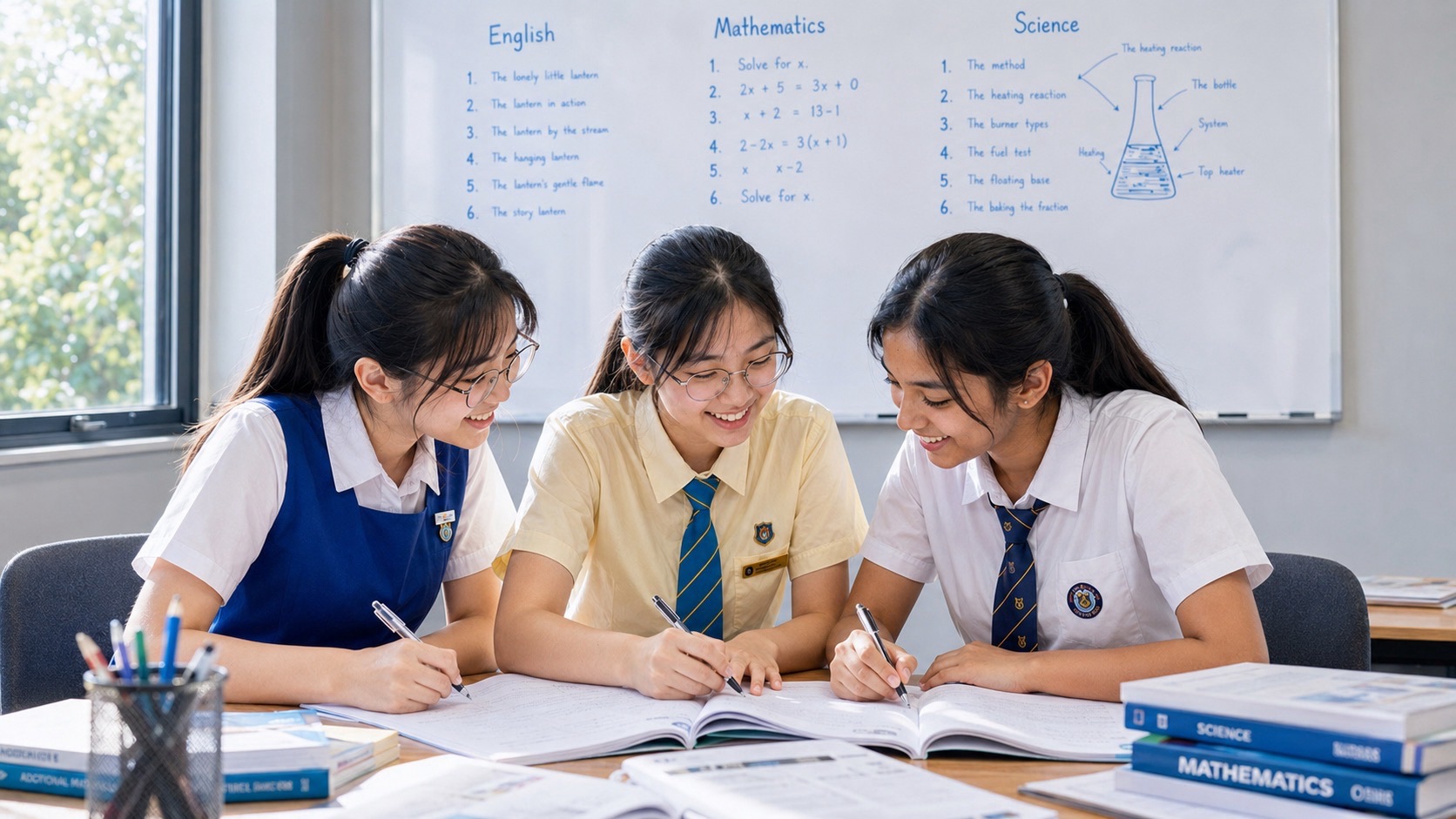
The Médiathèque Caroline is Monaco’s newest large public knowledge hub, bringing books, films, music, games, study spaces, digital resources and cultural events together inside one modern centre at Îlot Pasteur.
Did you know? The new Médiathèque Caroline was inaugurated on 10 December 2025 after more than fifteen years of planning. In 2026, it operates across more than 2,500 square metres and brings together more than 200,000 documents in a free public cultural space.
That makes the library one of Monaco’s most important non-luxury investments: knowledge is being given prime urban space.
The New Media Library Opened at Îlot Pasteur
The Médiathèque Caroline now sits at 5 promenade Honoré II inside the Îlot Pasteur development.
The new site replaces the older fragmented model in which books, video, audio, youth collections and games were spread across several locations.
Consolidation changes user experience.
One doorway now reaches several knowledge systems.
More Than 2,500 Square Metres Are Dedicated to Culture
The Mairie describes the new facility as covering more than 2,500 square metres.
In Monaco, where space is extremely scarce, that is a serious public investment.
The city could have allocated the area to many high-value commercial uses.
Instead, it created a free knowledge space.
More Than 200,000 Documents Create a Dense Information Library
The new media library brings together more than 200,000 documents in open access.
These include books, press, music, films, games and digital resources.
A collection of that scale creates more than storage.
It creates possibility.
The Library Is Free and Open to Everyone
The Mairie describes the Médiathèque Caroline as open to all and free.
That matters because knowledge infrastructure becomes more socially powerful when the price of entry is zero.
A student does not need to calculate whether one hour of study is worth the ticket.
Public access reduces friction.
The Collection Is Now Multiformat by Design
The new facility combines a traditional library, video and sound collections, a youth library and a games library.
That reflects a larger change in what libraries are.
Knowledge is no longer stored only in books.
A modern public library works across media.
The Youth Area Includes a Manga Bar
The new facility includes dedicated youth areas, manga resources and video games.
That is strategically smart.
Libraries compete with many other attention systems.
Meeting younger users through media they already care about creates another path toward reading and learning.
Games Belong in a Knowledge Institution
A games library may look like entertainment.
Games teach rules, probability, planning, cooperation and systems thinking.
Digital games also expose players to storytelling, design and computation.
Learning does not have to resemble a textbook.
The Louis Notari Study Room Preserves Continuity
The new library includes a study room named Salle Louis Notari.
The name preserves continuity with Monaco’s former municipal library identity while the physical institution moves forward.
Modernisation does not require erasing memory.
Students Gain a Dedicated Study Environment
The new facility provides study space, Wi-Fi and digital resources for secondary and higher-education students.
That gives Monaco another educational layer outside school.
Learning continues after the classroom closes.
A city becomes more capable when study space exists between home and institution.
Libraries Are Learning Infrastructure Without a Curriculum
A school tells students what to study.
A library allows them to choose.
That creates a different form of education: informal, self-directed and interest-driven.
Curiosity becomes the syllabus.
The Auditorium Adds a Public Conversation Layer
The new Médiathèque Caroline includes an auditorium supporting screenings, talks, concerts and meetings.
A library therefore stops being only a silent-storage institution.
It becomes a place where ideas are performed and discussed.
The Atrium Creates Social Space
The new building also includes an atrium designed for gathering and refreshment.
That matters because learning has a social side.
People stay longer in institutions that support conversation and comfort.
Architecture changes dwell time.
The Digital Room Builds Technology Capability
A dedicated digital area supports technology initiation and training.
That gives the media library a role in digital inclusion.
Not everyone learns software at work or school.
Public institutions can reduce the gap.
The Green and Solidarity Space Adds Civic Education
The library includes an environmental and solidarity-focused area.
That broadens its role from information retrieval toward public learning about shared social problems.
Libraries can curate civic questions as well as books.
The Monaco Collection Preserves Local Identity
A dedicated Fonds Monaco provides material on the Principality’s history and current life.
That is especially important in a globalised microstate.
The library becomes a place where local memory can remain searchable.
The Heritage Collections Live Nearby in Dedicated Storage
The Fonds Patrimonial is housed separately in specialised conservation spaces.
Rare and fragile material requires different conditions from ordinary circulating books.
Public access and long-term preservation sometimes need separate architectures.
2026 Heritage Days Opened the Hidden Storage Areas
During Monaco’s 2026 European Heritage Days, the media library offered guided tours of heritage-storage reserves at Hélios and A casa d’i soci.
Visitors also saw demonstrations of graphic-document restoration.
That made the invisible preservation work public.
Restoration Is Paper Engineering
Old books and documents deteriorate through light, moisture, acidity, handling and material failure.
Restorers stabilise them using specialised techniques.
A library preserves information by preserving the object carrying it.
Digitisation Creates a Second Survival Path
Digital copies cannot replace every physical property of an original document.
They can reduce handling and broaden access.
The physical object remains preserved while the information travels.
Libraries increasingly manage both.
Legal Deposit Makes the Library Part of Monaco’s Memory System
The Médiathèque Caroline’s official resources include legal-deposit services for books, periodicals, iconography and multimedia material.
Legal deposit is one of civilisation’s most elegant memory technologies.
Publishers create material today.
The state ensures some of it survives tomorrow.
The Collection Is Pluralist by Rule
The municipal library’s regulations describe encyclopaedic and pluralist collections serving education, information, documentation, culture and leisure.
That matters because public libraries should not behave like one person’s bookshelf.
They have to serve many kinds of reader.
The 2026 Summer Programme Uses the Building Actively
The Mairie’s 2026 summer programme lists screenings, readings, creative workshops, musical events, manga sessions and activities for children and teenagers.
The building is not waiting passively for borrowers.
Programming activates collections.
Music Naps Are a Different Kind of Library Experience
The new programme includes formats such as musical siestas.
That sounds playful.
It reflects a broader idea.
A public cultural institution can create experiences around collections rather than only lend them.
Philosophy Workshops Turn Reading into Conversation
Adult and youth philosophy workshops add another layer.
Reading creates ideas.
Discussion tests them.
Libraries become more valuable when knowledge moves from page to dialogue.
Home Delivery Extends Access
The new service profile includes home delivery for users who may have difficulty reaching the building.
That changes the library boundary.
The institution travels to the reader.
Accessibility is logistical as well as architectural.
Assistive Listening Extends Cultural Participation
The facility also provides support for people with hearing difficulties.
Inclusive design increases the number of citizens able to use public resources fully.
Accessibility turns nominal public access into real public access.
Libraries Reduce the Cost of Experimenting with Knowledge
Buying every book, film, journal or game a person wants to explore would be expensive.
Borrowing makes curiosity cheaper.
A public library therefore lowers the economic risk of learning something new.
Knowledge exploration becomes affordable.
The Library Is a Shared Subscription Paid Socially
Residents collectively support the institution through public resources.
Individuals then access a much larger collection than most households could own.
This is one of the oldest platform models in civilisation.
Shared inventory increases capability.
Digital Lending Extends the Collection Beyond the Building
The Médiathèque Caroline includes online film and digital-resource access for members.
That separates access from opening hours.
The building remains important, but some of the library travels through the internet.
Extended Monaco Makes the Digital Layer More Important
Read Crazy Rich Monaco | Extended Monaco, MonGuichet and the Digital Government Economy.
As Monaco digitises public services, citizens need digital literacy as well as connectivity.
The media library can help people operate confidently inside that new interface.
The Academy and Library Reproduce Different Skills
Read Crazy Rich Monaco | Académie Rainier III, Music Education and the Performing Arts Economy.
The Academy teaches structured artistic technique.
The media library supports self-directed cultural exploration.
One formalises learning.
The other broadens it.
The Library Is Also Social Infrastructure
A free indoor public place matters even when nobody borrows anything.
Students meet.
Families play.
Readers sit.
Seniors attend programmes.
Public culture creates low-pressure social contact.
What the Médiathèque Caroline Can Teach Singapore
Singapore’s National Library Board has built a large island-wide network of libraries, digital lending and public-learning spaces.
Monaco operates at much smaller scale but with a similar modern principle.
A library should be books plus media plus technology plus community.
Knowledge infrastructure evolves with its users.
The Education Lesson: Access Changes What Can Be Learned
A student cannot read a book they cannot find.
They cannot explore a subject they never encounter.
A rich library expands the option set.
Education improves when curiosity has somewhere to go next.
What Students Can Learn from a Modern Media Library
English
Wide reading increases vocabulary, style awareness and background knowledge.
Research
Collections teach source discovery and information comparison.
Technology
Digital rooms and online resources build media and computer literacy.
History
Heritage collections preserve evidence of Monaco’s past.
Civics
Free public libraries demonstrate collective investment in shared knowledge.
Ten Vocabulary Words for the Knowledge Economy
1. Media library
A library combining books with audio, video, games and digital resources.
2. Collection
A systematically organised group of documents or objects.
3. Legal deposit
A system requiring copies of published material to be preserved by designated institutions.
4. Archive
A body of records preserved because of their continuing value.
5. Conservation
The protection and stabilisation of cultural material.
6. Digitisation
The conversion of physical or analogue material into digital form.
7. Mediation
Activities helping audiences discover and understand collections.
8. Catalogue
An organised record describing items available in a collection.
9. Literacy
The ability to understand and use written, digital or other information systems.
10. Public domain
Knowledge or creative material available for public use under applicable rights conditions.
Frequently Asked Questions
When did the Médiathèque Caroline open?
The new facility was inaugurated on 10 December 2025 and became Monaco’s central modern media library.
How large is it?
The Mairie describes more than 2,500 square metres of cultural and learning space.
How many documents does it hold?
The new centre brings together more than 200,000 documents and resources.
Is the library free?
Yes. It is presented as free and open to everyone.
What is inside?
Books, music, films, games, youth areas, digital resources, study spaces, an auditorium, workshops and cultural programming are all part of the facility.
Does it have a study room?
Yes. The Salle Louis Notari provides dedicated study and research space.
Does it preserve Monaco heritage?
Yes. The Monaco collection and separate heritage holdings preserve local history, publications and fragile material.
Why is it economically important?
Libraries raise human capability by reducing the cost of knowledge access, digital learning and cultural participation.
Helpful Reading Across the Singapore Graph
- How Singapore Connects | NLB eBooks, Libby and Digital Library Access
- Crazy Rich Monaco | Extended Monaco, MonGuichet and the Digital Government Economy
- Crazy Rich Monaco | Schools, IB, Lycée Albert Ier and the Education Economy
- Crazy Rich Monaco | French, Monegasque, English and the Multilingual Economy
References and Current Sources
- Mairie de Monaco, Médiathèque Caroline.
- Mairie de Monaco, Inauguration of the Médiathèque Caroline, 10 December 2025.
- Médiathèque Caroline, official facility presentation.
- Mairie de Monaco, 2026 European Heritage Days programme for the Fonds patrimonial.
Crazy Rich Monaco Built a Free Room Full of Other People’s Ideas
No yacht required.
No membership club required.
Did you know? One of Monaco’s richest new buildings may be the one where the most valuable thing is permission to be curious for free.