
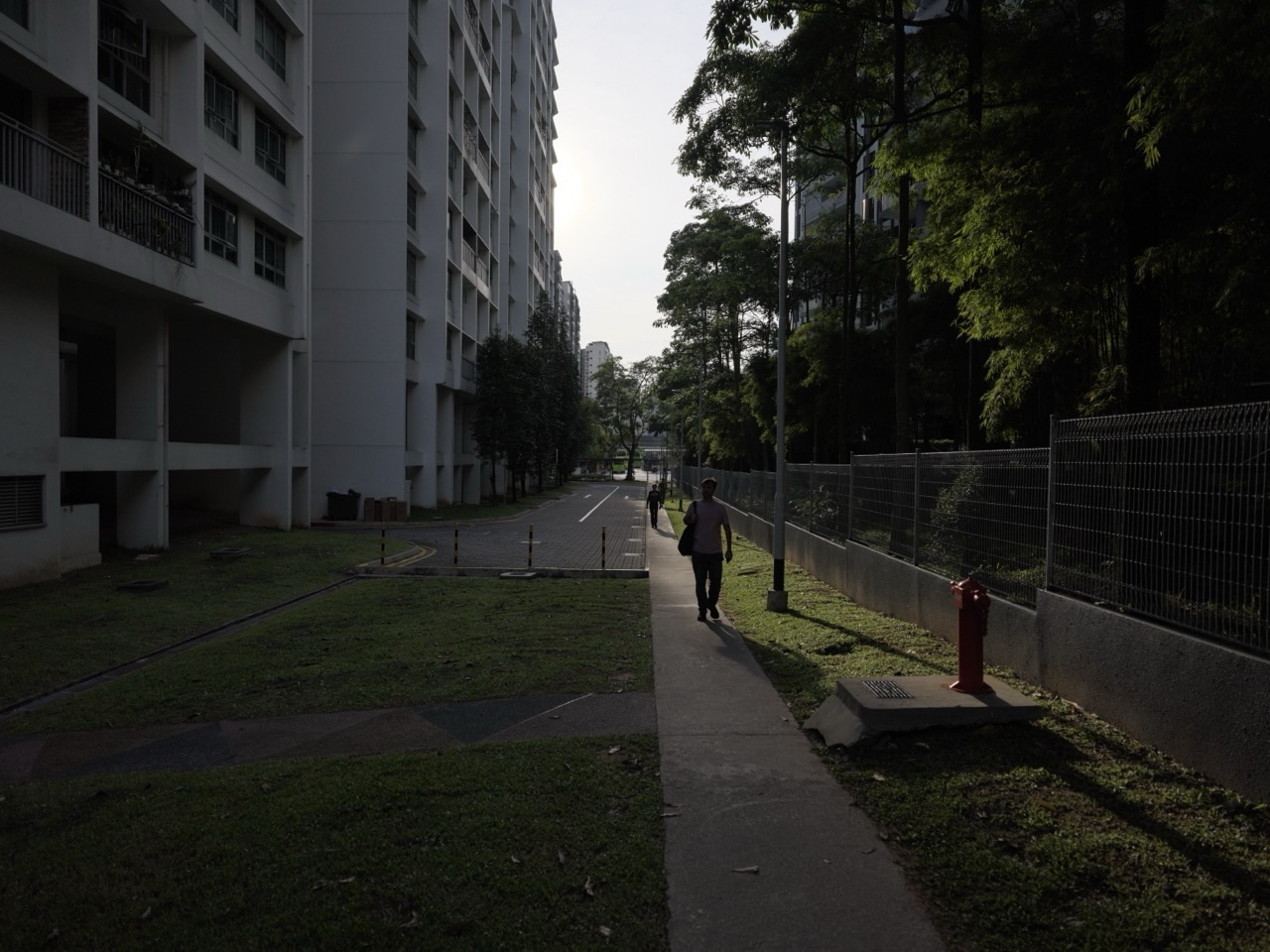
Crazy Rich Singapore | Lease Buyback Scheme, Silver Housing Bonus and the Retirement Housing Economy begins with a retirement problem hidden inside successful homeownership: a household may own a valuable HDB flat and still need more monthly retirement income.
Did you know Singapore’s Lease Buyback Scheme allows eligible seniors to sell part of their remaining HDB lease back to HDB while continuing to live in the same flat? The youngest owner must retain enough lease to live in the home until at least age 95. Eligible households can also receive an LBS cash bonus of up to S$30,000 for 3-room or smaller flats, while seniors who right-size through the Silver Housing Bonus can receive up to S$40,000 per household under the enhanced rules effective from 1 December 2025.
That makes “Lease Buyback Scheme”, “Silver Housing Bonus”, “HDB retirement”, “monetise HDB flat”, “right-size HDB retirement” and “CPF LIFE housing retirement” powerful search themes. The Crazy Rich story is not selling the family home. It is turning housing wealth into retirement income while preserving a place to live.
Crazy Rich Singapore can let a home remain a home and become part of the retirement plan at the same time.
Did You Know? Housing Wealth and Retirement Income Are Different Things
A flat can be valuable without producing cash every month.
That creates a common retirement tension:
- the household owns property;
- the household wants to stay in familiar surroundings;
- the household needs more retirement income; and
- selling the entire home may not be desirable.
Singapore’s housing monetisation schemes exist because asset value and cash flow are not the same thing.
What Is the Lease Buyback Scheme?
The Lease Buyback Scheme, or LBS, allows eligible HDB owners to sell the tail-end of their flat’s remaining lease back to HDB.
The household keeps a shorter lease and continues living in the same flat.
Part of the proceeds is used to top up the owners’ CPF Retirement Accounts under the scheme rules.
That can increase lifelong monthly payouts through CPF LIFE.
Why the Youngest Owner Must Be Covered to Age 95
HDB’s current 2026 guidance requires owners to retain enough lease so the youngest owner can remain in the flat until at least age 95.
That is a longevity safeguard.
The scheme is not designed to produce retirement cash by leaving the household with an obviously insufficient remaining housing horizon.
The monetisation boundary is constrained by continued housing security.
The Lease Is the Asset Being Split
An HDB flat has physical space and a lease term.
LBS effectively separates the remaining lease into:
- the portion the household keeps for continued occupation; and
- the tail-end portion sold back to HDB.
The household does not move.
The value realised comes from giving up future lease years beyond the retained term.
Why the Proceeds Go into CPF Retirement Accounts
LBS is designed primarily as a retirement-income scheme rather than a simple cash-out mechanism.
Part of the lease-sale proceeds is used to top up the owners’ CPF Retirement Accounts according to prevailing rules.
The aim is to convert housing wealth into a more durable income stream.
That connects directly to Crazy Rich Singapore | CPF, Retirement Savings and the Long-Term Capital Economy.
The CPF LIFE Connection
Owners who meet the conditions can use the CPF top-up to increase lifelong monthly payouts through CPF LIFE.
That is economically different from receiving the entire monetisation amount as cash immediately.
Cash is flexible.
Lifelong payout protects against longevity risk.
The scheme therefore trades some liquidity for income continuity.
The LBS Cash Bonus
Current HDB and CPF materials provide for LBS bonuses of up to:
- S$30,000 for 3-room or smaller flats;
- S$15,000 for 4-room flats; and
- S$7,500 for 5-room or larger flats.
The maximum depends on how much is topped up to the relevant CPF accounts and the flat type.
The bonus encourages households to convert housing value into retirement income rather than merely extract cash.
Why Smaller Flats Receive a Larger Bonus
Smaller-flat households generally have less housing wealth available to monetise.
A larger bonus provides stronger support where the asset base is smaller.
That is a redistributive design feature inside the housing monetisation programme.
The scheme is not purely proportional to property value.
What Is the Silver Housing Bonus?
The Silver Housing Bonus, or SHB, is different from LBS.
Instead of staying in the same flat and selling part of the lease, eligible seniors sell their current residential property and right-size to a 3-room or smaller HDB flat.
They then commit part of the net sale proceeds to increase CPF retirement savings.
The Government provides a cash bonus under the scheme.
The Enhanced S$40,000 Maximum from December 2025
From 1 December 2025, the enhanced SHB allows eligible seniors to receive up to S$40,000 per household.
The current structure provides:
- up to S$30,000 when the household commits the required net increase to CPF Retirement Account savings; and
- an additional S$10,000 for right-sizing to a 2-room or smaller flat, including a Community Care Apartment.
The additional bonus makes deeper right-sizing more attractive.
Why Right-Sizing Can Release Housing Equity
A larger or more expensive home can contain substantial value that is difficult to spend while the household continues living in it.
Selling and moving to a smaller home can release the difference as net sale proceeds.
That creates three possible gains:
- more liquid savings;
- higher CPF retirement income; and
- potentially lower future home-maintenance burden.
The trade-off is moving away from the existing home.
The S$60,000 CPF Commitment
Under the current SHB structure, an eligible household can receive the full S$30,000 base bonus by committing a net increase of S$60,000 into CPF Retirement Account savings.
If the committed amount is lower, the base bonus can be pro-rated.
This creates a matching structure:
the household converts part of housing proceeds into retirement capital, and the Government adds a bonus.
Why Community Care Apartments Fit the Retirement Strategy
Community Care Apartments are designed for seniors who want housing integrated with care and community support.
They can also qualify as a 2-room-or-smaller option for the additional SHB bonus.
That connects housing monetisation with ageing-in-place and care infrastructure rather than treating retirement purely as a financial problem.
The HDB Upgrading Connection
Some seniors will prefer to stay in the existing flat and improve it rather than move.
That connects directly to Crazy Rich Singapore | HDB Upgrading, Estate Renewal and the Ageing Housing Economy.
LBS helps monetise the home while staying.
HIP and EASE help the home continue functioning physically.
The schemes solve different retirement problems around the same asset.
Why Renting Out a Room Is Another Option
HDB also highlights room rental as another way seniors may supplement retirement income where rules allow.
That creates a different trade-off.
The household retains the full lease but shares part of the living space.
Retirement planning therefore includes several possible housing monetisation paths rather than one compulsory route.
Why There Is No Universal “Best” Housing Monetisation Scheme
A senior household may prioritise different things:
- staying in the same neighbourhood;
- maximising monthly income;
- keeping cash liquid;
- remaining close to children;
- reducing home-maintenance burden; or
- leaving a larger housing asset to heirs.
LBS and SHB therefore need to be understood as tools rather than universally superior answers.
Why Lease Buyback Affects Future Inheritance
Selling the tail-end of the lease back to HDB reduces the remaining lease interest held by the household.
That can affect the value of the estate available later.
This is not necessarily bad.
The whole purpose is to use some housing wealth during retirement.
But the intergenerational trade-off should be understood clearly.
The Trust and Estate Planning Connection
Housing monetisation sits naturally beside estate planning.
That connects to Crazy Rich Singapore | Trust Companies, Estate Planning and Intergenerational Wealth.
Retirement planning asks how wealth supports the current household.
Estate planning asks what remains for the next generation.
The same asset can serve both purposes in different proportions.
Why Housing Refunds to CPF Matter When Selling
When an HDB flat is sold, CPF principal previously used for housing and accrued interest may need to be refunded to CPF according to the rules.
For seniors aged 55 and above, refunds can first restore Retirement Account savings up to the applicable retirement sum level.
That is why the gross sale price is not the same as cash available after sale.
Retirement housing calculations need the full cash-flow sequence.
The Silver Housing Bonus Has Income and Property Conditions
HDB’s current SHB eligibility includes conditions such as:
- at least one owner being a Singapore Citizen aged 55 or above;
- gross monthly household income of S$16,000 or less;
- ownership and property-interest limits; and
- right-sizing to an eligible 3-room or smaller HDB flat.
The scheme targets seniors using housing value to strengthen retirement rather than general property trading.
Why Private Property Owners Can Sometimes Qualify for SHB
The enhanced SHB can cover some seniors selling private residential property if the property’s Annual Value falls within the current eligibility threshold and the household meets the other conditions.
That widened the scheme beyond HDB owners alone.
The policy focus is retirement adequacy through right-sizing, not only tenure history.
Why LBS and SHB Are Really Liquidity Engineering
A home is a large asset but an illiquid one.
It cannot be partially spent as easily as cash in a bank account.
Housing monetisation schemes create mechanisms for turning part of that illiquid value into retirement income.
The engineering is financial rather than structural.
The asset stays useful while part of its value becomes spendable.
The CPF Retirement Sum Connection
Both LBS and SHB interact with CPF Retirement Account top-ups.
That makes current retirement sums relevant to how much of housing proceeds may need to be set aside.
This connects again to Crazy Rich Singapore | CPF, Retirement Savings and the Long-Term Capital Economy.
Housing and retirement are separate policy systems that deliberately meet at age 55 and beyond.
Why the Home Can Be Too Valuable to Ignore
For many Singapore households, the flat is one of the largest assets accumulated over a lifetime.
Retirement planning that ignores housing can therefore ignore a major part of household wealth.
The challenge is using that wealth without undermining housing security.
LBS and SHB are different answers to that same challenge.
What Students Can Learn from Housing Monetisation
Economics
An asset can have high value but low liquidity.
Mathematics
Retained lease, sale proceeds, CPF top-ups and bonus matching create multi-stage financial calculations.
Civics
Retirement policy can combine housing, CPF and public subsidies instead of treating them as separate silos.
Finance
Longevity risk explains why lifelong income can be more valuable than receiving all retirement wealth as cash at once.
Ethics
Retirement decisions often balance current quality of life against inheritance for the next generation.
Ten Vocabulary Words for the Retirement Housing Economy
1. Lease Buyback Scheme
An HDB scheme allowing eligible seniors to sell part of the remaining flat lease back to HDB while continuing to live in the home.
2. Silver Housing Bonus
A cash bonus for eligible seniors who right-size and commit qualifying housing proceeds to CPF retirement savings.
3. Right-sizing
Moving from a larger or more valuable home to a smaller home suited to current needs.
4. Tail-end lease
The later years of a remaining lease sold back under LBS.
5. Retirement Account
The CPF account used to support retirement payouts from age 55 onward.
6. CPF LIFE
Singapore’s national longevity-insurance scheme providing lifelong retirement payouts.
7. Net sale proceeds
Sale proceeds remaining after specified housing-related deductions under the relevant scheme.
8. Housing equity
The portion of a property’s value belonging economically to the owner after relevant obligations.
9. Liquidity
How easily an asset can be converted into spendable cash without major loss of value.
10. Longevity risk
The risk of living longer than one’s financial resources can support.
Frequently Asked Questions
Can I stay in my flat under the Lease Buyback Scheme?
Yes. The scheme is specifically designed to let eligible owners continue living in the flat after selling the tail-end lease to HDB.
How much LBS bonus can I get?
Current maximums are up to S$30,000 for 3-room or smaller flats, S$15,000 for 4-room flats and S$7,500 for 5-room or larger flats, subject to scheme conditions.
How much is the enhanced Silver Housing Bonus?
Up to S$40,000 per household under the current enhanced rules, including the possible additional S$10,000 for right-sizing to a 2-room or smaller flat.
What is the main difference between LBS and SHB?
LBS lets eligible seniors stay in the same HDB flat while selling part of the remaining lease. SHB requires eligible seniors to sell and right-size to a smaller HDB flat.
Does LBS simply pay all proceeds in cash?
No. Part of the proceeds is used to top up CPF retirement savings under the scheme rules, with any balance proceeds treated according to the applicable conditions.
Helpful Reading Across the Singapore Graph
- Crazy Rich Singapore | CPF, Retirement Savings and the Long-Term Capital Economy
- Crazy Rich Singapore | HDB, BTO and the Mass Homeownership Economy
- Crazy Rich Singapore | HDB Upgrading, Estate Renewal and the Ageing Housing Economy
- Crazy Rich Singapore | Trust Companies, Estate Planning and Intergenerational Wealth
References and Current Sources
- CPF Board, What is the Lease Buyback Scheme?, current LBS overview.
- Housing & Development Board, Silver Housing Bonus, current post-December-2025 eligibility and bonus framework.
- Housing & Development Board, Housing Monetisation Options Brochure, March 2026.
- Housing & Development Board, Enhancements to Silver Housing Bonus, effective 1 December 2025.
Crazy Rich Singapore Turns the Home into a Retirement Instrument Without Making It Stop Being Home
Housing wealth is useful only if the household can live from it without losing housing security.
Singapore’s monetisation schemes try to solve that difficult conversion.
Did you know? One of Singapore’s richest retirement ideas is to treat the flat not as something you either keep or sell, but as an asset flexible enough to support the years after work while still protecting the basic human need for somewhere to live.