
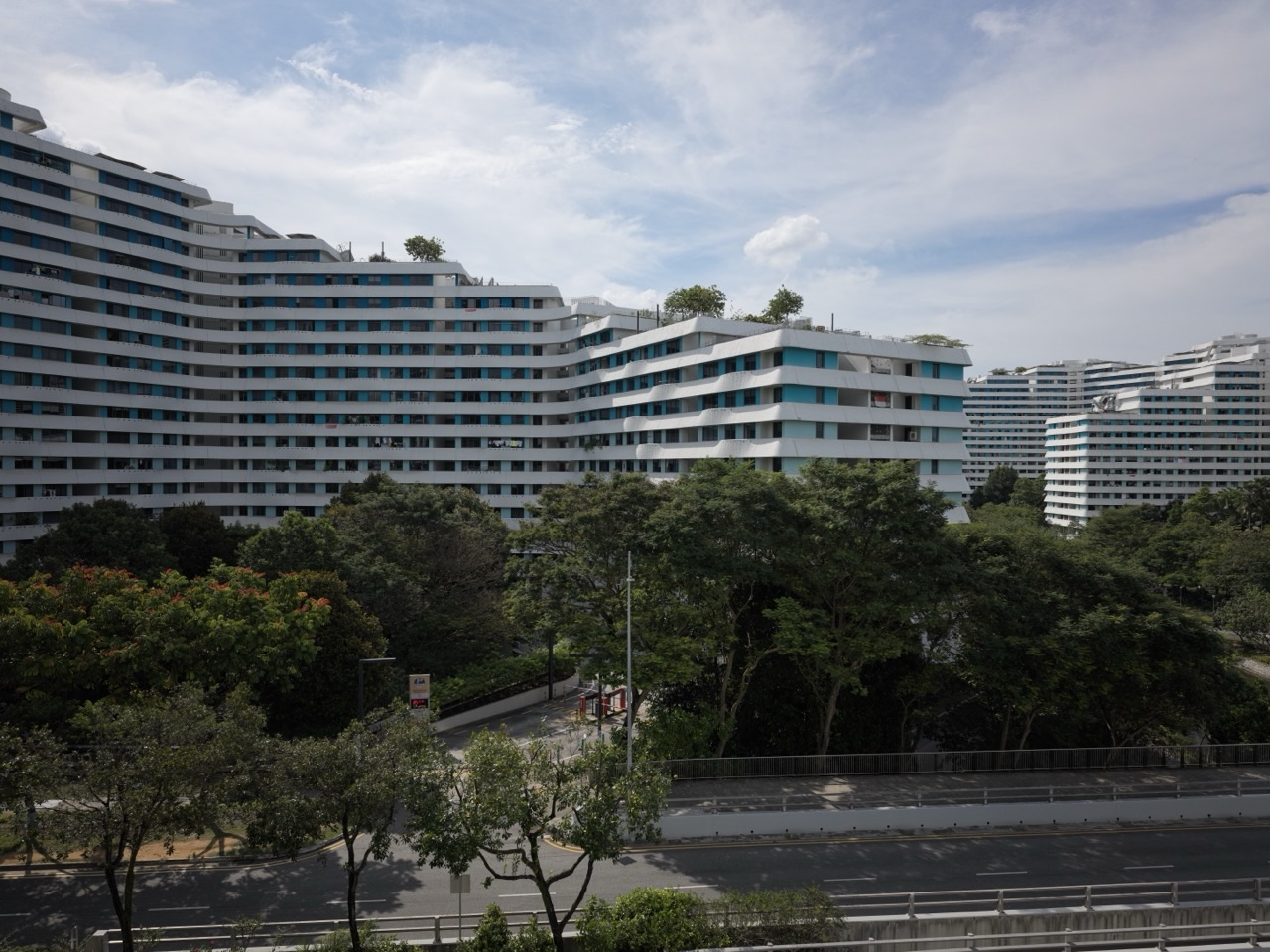
Home Soundproofing, Traffic Noise, Windows and Acoustic Renovation is a practical concern for Singapore HDB households. The immediate answer is to check the actual flat and circumstances, identify the cause or need, and avoid expensive or unsafe changes before verifying the relevant rules. This guide covers the essential decisions in connected order for people planning ahead to 2027 and 2028.
A sound solution balances safety, cost, daily comfort and the effect on shared property or neighbours. Requirements from HDB, NEA and BCA may change; confirm current conditions before any regulated work, major purchase or formal complaint. The chapters below move from basic understanding through inspection, remedies and long-term planning.
Quick information
- Identify the real problem or need.
- Check the actual flat and equipment.
- Verify current agency requirements.
- Compare safe and lawful options.
- Budget both initial and recurring costs.
- Keep records and review results.
From introduction to mastery
Chapter 1: Identify the sound
Distinguish traffic rumble, speech, footsteps, furniture impacts and mechanical hum. Each travels differently and requires a different remedy.
Start with an observation rather than an assumption. For identify the sound, check the actual room, building or service and record the conditions under which the issue occurs. A new HDB flat and an older resale unit may have different fittings and constraints. A reliable decision needs those details before choosing a product or contractor.
**Practical method:** Identify who is responsible, what can be checked safely by a resident and what requires an appropriately qualified professional. Ask for a clear explanation of the proposed solution and its limitations. If it involves structural work, electrical services, plumbing or common property, confirm applicable approval requirements before proceeding.
**Budget and consequences:** Compare upfront cost, maintenance, disruption and what happens if the proposed remedy fails. A low headline quotation may exclude testing, reinstatement or replacement parts. Keep a reasonable financial reserve and prioritise essential safety and functionality over optional cosmetic improvements.
**Household perspective:** Consider children, older residents, mobility needs, working hours and neighbour access. A technically possible change may still be inconvenient or create new risks. Discuss responsibilities with other occupants and preserve clear routes for daily use and emergencies.
**2027–2028 verification:** Check current guidance from HDB, NEA and BCA before signing or installing. Keep dated evidence, receipts and any official approvals. After the action, review whether it actually improved the original problem. Future regulations, provider prices and local services should never be assumed from an old article.
Chapter 2: Measure timing
Keep a simple diary of when the noise occurs and where it is strongest. A recording may help describe a problem but does not by itself establish a legal breach.
Start with an observation rather than an assumption. For measure timing, check the actual room, building or service and record the conditions under which the issue occurs. A new HDB flat and an older resale unit may have different fittings and constraints. A reliable decision needs those details before choosing a product or contractor.
**Practical method:** Identify who is responsible, what can be checked safely by a resident and what requires an appropriately qualified professional. Ask for a clear explanation of the proposed solution and its limitations. If it involves structural work, electrical services, plumbing or common property, confirm applicable approval requirements before proceeding.
**Budget and consequences:** Compare upfront cost, maintenance, disruption and what happens if the proposed remedy fails. A low headline quotation may exclude testing, reinstatement or replacement parts. Keep a reasonable financial reserve and prioritise essential safety and functionality over optional cosmetic improvements.
**Household perspective:** Consider children, older residents, mobility needs, working hours and neighbour access. A technically possible change may still be inconvenient or create new risks. Discuss responsibilities with other occupants and preserve clear routes for daily use and emergencies.
**2027–2028 verification:** Check current guidance from HDB, NEA and BCA before signing or installing. Keep dated evidence, receipts and any official approvals. After the action, review whether it actually improved the original problem. Future regulations, provider prices and local services should never be assumed from an old article.
Chapter 3: Airborne versus impact noise
Speech and music primarily travel through air; footsteps and dropped objects can transmit through the structure. A product designed for one pathway may do little for the other.
Start with an observation rather than an assumption. For airborne versus impact noise, check the actual room, building or service and record the conditions under which the issue occurs. A new HDB flat and an older resale unit may have different fittings and constraints. A reliable decision needs those details before choosing a product or contractor.
**Practical method:** Identify who is responsible, what can be checked safely by a resident and what requires an appropriately qualified professional. Ask for a clear explanation of the proposed solution and its limitations. If it involves structural work, electrical services, plumbing or common property, confirm applicable approval requirements before proceeding.
**Budget and consequences:** Compare upfront cost, maintenance, disruption and what happens if the proposed remedy fails. A low headline quotation may exclude testing, reinstatement or replacement parts. Keep a reasonable financial reserve and prioritise essential safety and functionality over optional cosmetic improvements.
**Household perspective:** Consider children, older residents, mobility needs, working hours and neighbour access. A technically possible change may still be inconvenient or create new risks. Discuss responsibilities with other occupants and preserve clear routes for daily use and emergencies.
**2027–2028 verification:** Check current guidance from HDB, NEA and BCA before signing or installing. Keep dated evidence, receipts and any official approvals. After the action, review whether it actually improved the original problem. Future regulations, provider prices and local services should never be assumed from an old article.
Chapter 4: Flanking transmission
Sound can pass around a treated wall through doors, gaps, windows and adjacent surfaces. Treating one panel may not address the main path.
Start with an observation rather than an assumption. For flanking transmission, check the actual room, building or service and record the conditions under which the issue occurs. A new HDB flat and an older resale unit may have different fittings and constraints. A reliable decision needs those details before choosing a product or contractor.
**Practical method:** Identify who is responsible, what can be checked safely by a resident and what requires an appropriately qualified professional. Ask for a clear explanation of the proposed solution and its limitations. If it involves structural work, electrical services, plumbing or common property, confirm applicable approval requirements before proceeding.
**Budget and consequences:** Compare upfront cost, maintenance, disruption and what happens if the proposed remedy fails. A low headline quotation may exclude testing, reinstatement or replacement parts. Keep a reasonable financial reserve and prioritise essential safety and functionality over optional cosmetic improvements.
**Household perspective:** Consider children, older residents, mobility needs, working hours and neighbour access. A technically possible change may still be inconvenient or create new risks. Discuss responsibilities with other occupants and preserve clear routes for daily use and emergencies.
**2027–2028 verification:** Check current guidance from HDB, NEA and BCA before signing or installing. Keep dated evidence, receipts and any official approvals. After the action, review whether it actually improved the original problem. Future regulations, provider prices and local services should never be assumed from an old article.
Chapter 5: Window gaps
Inspect seals and closing mechanisms before buying expensive glazing. Poorly fitted windows may admit more sound than the glass itself.
Start with an observation rather than an assumption. For window gaps, check the actual room, building or service and record the conditions under which the issue occurs. A new HDB flat and an older resale unit may have different fittings and constraints. A reliable decision needs those details before choosing a product or contractor.
**Practical method:** Identify who is responsible, what can be checked safely by a resident and what requires an appropriately qualified professional. Ask for a clear explanation of the proposed solution and its limitations. If it involves structural work, electrical services, plumbing or common property, confirm applicable approval requirements before proceeding.
**Budget and consequences:** Compare upfront cost, maintenance, disruption and what happens if the proposed remedy fails. A low headline quotation may exclude testing, reinstatement or replacement parts. Keep a reasonable financial reserve and prioritise essential safety and functionality over optional cosmetic improvements.
**Household perspective:** Consider children, older residents, mobility needs, working hours and neighbour access. A technically possible change may still be inconvenient or create new risks. Discuss responsibilities with other occupants and preserve clear routes for daily use and emergencies.
**2027–2028 verification:** Check current guidance from HDB, NEA and BCA before signing or installing. Keep dated evidence, receipts and any official approvals. After the action, review whether it actually improved the original problem. Future regulations, provider prices and local services should never be assumed from an old article.
Chapter 6: Window safety
HDB window changes must follow applicable requirements and use appropriately qualified installers where required. Never compromise window safety for acoustic performance.
Start with an observation rather than an assumption. For window safety, check the actual room, building or service and record the conditions under which the issue occurs. A new HDB flat and an older resale unit may have different fittings and constraints. A reliable decision needs those details before choosing a product or contractor.
**Practical method:** Identify who is responsible, what can be checked safely by a resident and what requires an appropriately qualified professional. Ask for a clear explanation of the proposed solution and its limitations. If it involves structural work, electrical services, plumbing or common property, confirm applicable approval requirements before proceeding.
**Budget and consequences:** Compare upfront cost, maintenance, disruption and what happens if the proposed remedy fails. A low headline quotation may exclude testing, reinstatement or replacement parts. Keep a reasonable financial reserve and prioritise essential safety and functionality over optional cosmetic improvements.
**Household perspective:** Consider children, older residents, mobility needs, working hours and neighbour access. A technically possible change may still be inconvenient or create new risks. Discuss responsibilities with other occupants and preserve clear routes for daily use and emergencies.
**2027–2028 verification:** Check current guidance from HDB, NEA and BCA before signing or installing. Keep dated evidence, receipts and any official approvals. After the action, review whether it actually improved the original problem. Future regulations, provider prices and local services should never be assumed from an old article.
Chapter 7: Secondary glazing
An additional glazing layer may improve some noise conditions when correctly designed, but available space, ventilation, approvals and cleaning access matter.
Start with an observation rather than an assumption. For secondary glazing, check the actual room, building or service and record the conditions under which the issue occurs. A new HDB flat and an older resale unit may have different fittings and constraints. A reliable decision needs those details before choosing a product or contractor.
**Practical method:** Identify who is responsible, what can be checked safely by a resident and what requires an appropriately qualified professional. Ask for a clear explanation of the proposed solution and its limitations. If it involves structural work, electrical services, plumbing or common property, confirm applicable approval requirements before proceeding.
**Budget and consequences:** Compare upfront cost, maintenance, disruption and what happens if the proposed remedy fails. A low headline quotation may exclude testing, reinstatement or replacement parts. Keep a reasonable financial reserve and prioritise essential safety and functionality over optional cosmetic improvements.
**Household perspective:** Consider children, older residents, mobility needs, working hours and neighbour access. A technically possible change may still be inconvenient or create new risks. Discuss responsibilities with other occupants and preserve clear routes for daily use and emergencies.
**2027–2028 verification:** Check current guidance from HDB, NEA and BCA before signing or installing. Keep dated evidence, receipts and any official approvals. After the action, review whether it actually improved the original problem. Future regulations, provider prices and local services should never be assumed from an old article.
Chapter 8: Door seals
A sound-leaking entrance or bedroom door may benefit from suitable seals. Preserve fire-safety requirements and ensure the door remains operable.
Start with an observation rather than an assumption. For door seals, check the actual room, building or service and record the conditions under which the issue occurs. A new HDB flat and an older resale unit may have different fittings and constraints. A reliable decision needs those details before choosing a product or contractor.
**Practical method:** Identify who is responsible, what can be checked safely by a resident and what requires an appropriately qualified professional. Ask for a clear explanation of the proposed solution and its limitations. If it involves structural work, electrical services, plumbing or common property, confirm applicable approval requirements before proceeding.
**Budget and consequences:** Compare upfront cost, maintenance, disruption and what happens if the proposed remedy fails. A low headline quotation may exclude testing, reinstatement or replacement parts. Keep a reasonable financial reserve and prioritise essential safety and functionality over optional cosmetic improvements.
**Household perspective:** Consider children, older residents, mobility needs, working hours and neighbour access. A technically possible change may still be inconvenient or create new risks. Discuss responsibilities with other occupants and preserve clear routes for daily use and emergencies.
**2027–2028 verification:** Check current guidance from HDB, NEA and BCA before signing or installing. Keep dated evidence, receipts and any official approvals. After the action, review whether it actually improved the original problem. Future regulations, provider prices and local services should never be assumed from an old article.
Chapter 9: Bedroom doors
A hollow-core door can transmit more sound than a heavier suitable door. Check clearances, hinges and ventilation before replacement.
Start with an observation rather than an assumption. For bedroom doors, check the actual room, building or service and record the conditions under which the issue occurs. A new HDB flat and an older resale unit may have different fittings and constraints. A reliable decision needs those details before choosing a product or contractor.
**Practical method:** Identify who is responsible, what can be checked safely by a resident and what requires an appropriately qualified professional. Ask for a clear explanation of the proposed solution and its limitations. If it involves structural work, electrical services, plumbing or common property, confirm applicable approval requirements before proceeding.
**Budget and consequences:** Compare upfront cost, maintenance, disruption and what happens if the proposed remedy fails. A low headline quotation may exclude testing, reinstatement or replacement parts. Keep a reasonable financial reserve and prioritise essential safety and functionality over optional cosmetic improvements.
**Household perspective:** Consider children, older residents, mobility needs, working hours and neighbour access. A technically possible change may still be inconvenient or create new risks. Discuss responsibilities with other occupants and preserve clear routes for daily use and emergencies.
**2027–2028 verification:** Check current guidance from HDB, NEA and BCA before signing or installing. Keep dated evidence, receipts and any official approvals. After the action, review whether it actually improved the original problem. Future regulations, provider prices and local services should never be assumed from an old article.
Chapter 10: Curtains
Heavy curtains can reduce reverberation and modestly change some incoming sound, but they are not equivalent to a properly engineered sound barrier.
Start with an observation rather than an assumption. For curtains, check the actual room, building or service and record the conditions under which the issue occurs. A new HDB flat and an older resale unit may have different fittings and constraints. A reliable decision needs those details before choosing a product or contractor.
**Practical method:** Identify who is responsible, what can be checked safely by a resident and what requires an appropriately qualified professional. Ask for a clear explanation of the proposed solution and its limitations. If it involves structural work, electrical services, plumbing or common property, confirm applicable approval requirements before proceeding.
**Budget and consequences:** Compare upfront cost, maintenance, disruption and what happens if the proposed remedy fails. A low headline quotation may exclude testing, reinstatement or replacement parts. Keep a reasonable financial reserve and prioritise essential safety and functionality over optional cosmetic improvements.
**Household perspective:** Consider children, older residents, mobility needs, working hours and neighbour access. A technically possible change may still be inconvenient or create new risks. Discuss responsibilities with other occupants and preserve clear routes for daily use and emergencies.
**2027–2028 verification:** Check current guidance from HDB, NEA and BCA before signing or installing. Keep dated evidence, receipts and any official approvals. After the action, review whether it actually improved the original problem. Future regulations, provider prices and local services should never be assumed from an old article.
Chapter 11: Rugs
Rugs can soften footfall within a room and reduce reflected sound. They should not create trip hazards for children or older residents.
Start with an observation rather than an assumption. For rugs, check the actual room, building or service and record the conditions under which the issue occurs. A new HDB flat and an older resale unit may have different fittings and constraints. A reliable decision needs those details before choosing a product or contractor.
**Practical method:** Identify who is responsible, what can be checked safely by a resident and what requires an appropriately qualified professional. Ask for a clear explanation of the proposed solution and its limitations. If it involves structural work, electrical services, plumbing or common property, confirm applicable approval requirements before proceeding.
**Budget and consequences:** Compare upfront cost, maintenance, disruption and what happens if the proposed remedy fails. A low headline quotation may exclude testing, reinstatement or replacement parts. Keep a reasonable financial reserve and prioritise essential safety and functionality over optional cosmetic improvements.
**Household perspective:** Consider children, older residents, mobility needs, working hours and neighbour access. A technically possible change may still be inconvenient or create new risks. Discuss responsibilities with other occupants and preserve clear routes for daily use and emergencies.
**2027–2028 verification:** Check current guidance from HDB, NEA and BCA before signing or installing. Keep dated evidence, receipts and any official approvals. After the action, review whether it actually improved the original problem. Future regulations, provider prices and local services should never be assumed from an old article.
Chapter 12: Furniture placement
Bookshelves and soft furnishings can change a room’s acoustic character. Avoid claiming that furniture alone blocks all neighbour noise.
Start with an observation rather than an assumption. For furniture placement, check the actual room, building or service and record the conditions under which the issue occurs. A new HDB flat and an older resale unit may have different fittings and constraints. A reliable decision needs those details before choosing a product or contractor.
**Practical method:** Identify who is responsible, what can be checked safely by a resident and what requires an appropriately qualified professional. Ask for a clear explanation of the proposed solution and its limitations. If it involves structural work, electrical services, plumbing or common property, confirm applicable approval requirements before proceeding.
**Budget and consequences:** Compare upfront cost, maintenance, disruption and what happens if the proposed remedy fails. A low headline quotation may exclude testing, reinstatement or replacement parts. Keep a reasonable financial reserve and prioritise essential safety and functionality over optional cosmetic improvements.
**Household perspective:** Consider children, older residents, mobility needs, working hours and neighbour access. A technically possible change may still be inconvenient or create new risks. Discuss responsibilities with other occupants and preserve clear routes for daily use and emergencies.
**2027–2028 verification:** Check current guidance from HDB, NEA and BCA before signing or installing. Keep dated evidence, receipts and any official approvals. After the action, review whether it actually improved the original problem. Future regulations, provider prices and local services should never be assumed from an old article.
Chapter 13: Reverberation
Bare floors and hard walls can make voices sound louder within a flat. Soft furnishings may improve internal comfort without altering the neighbour’s source.
Start with an observation rather than an assumption. For reverberation, check the actual room, building or service and record the conditions under which the issue occurs. A new HDB flat and an older resale unit may have different fittings and constraints. A reliable decision needs those details before choosing a product or contractor.
**Practical method:** Identify who is responsible, what can be checked safely by a resident and what requires an appropriately qualified professional. Ask for a clear explanation of the proposed solution and its limitations. If it involves structural work, electrical services, plumbing or common property, confirm applicable approval requirements before proceeding.
**Budget and consequences:** Compare upfront cost, maintenance, disruption and what happens if the proposed remedy fails. A low headline quotation may exclude testing, reinstatement or replacement parts. Keep a reasonable financial reserve and prioritise essential safety and functionality over optional cosmetic improvements.
**Household perspective:** Consider children, older residents, mobility needs, working hours and neighbour access. A technically possible change may still be inconvenient or create new risks. Discuss responsibilities with other occupants and preserve clear routes for daily use and emergencies.
**2027–2028 verification:** Check current guidance from HDB, NEA and BCA before signing or installing. Keep dated evidence, receipts and any official approvals. After the action, review whether it actually improved the original problem. Future regulations, provider prices and local services should never be assumed from an old article.
Chapter 14: Acoustic panels
Porous panels often absorb reflected sound rather than preventing transmission through a wall. Check the product’s actual tested purpose.
Start with an observation rather than an assumption. For acoustic panels, check the actual room, building or service and record the conditions under which the issue occurs. A new HDB flat and an older resale unit may have different fittings and constraints. A reliable decision needs those details before choosing a product or contractor.
**Practical method:** Identify who is responsible, what can be checked safely by a resident and what requires an appropriately qualified professional. Ask for a clear explanation of the proposed solution and its limitations. If it involves structural work, electrical services, plumbing or common property, confirm applicable approval requirements before proceeding.
**Budget and consequences:** Compare upfront cost, maintenance, disruption and what happens if the proposed remedy fails. A low headline quotation may exclude testing, reinstatement or replacement parts. Keep a reasonable financial reserve and prioritise essential safety and functionality over optional cosmetic improvements.
**Household perspective:** Consider children, older residents, mobility needs, working hours and neighbour access. A technically possible change may still be inconvenient or create new risks. Discuss responsibilities with other occupants and preserve clear routes for daily use and emergencies.
**2027–2028 verification:** Check current guidance from HDB, NEA and BCA before signing or installing. Keep dated evidence, receipts and any official approvals. After the action, review whether it actually improved the original problem. Future regulations, provider prices and local services should never be assumed from an old article.
Chapter 15: Mass-loaded barriers
Specialist barrier systems may require substantial thickness, correct sealing and suitable installation. Improper work can waste money and reduce room size.
Start with an observation rather than an assumption. For mass-loaded barriers, check the actual room, building or service and record the conditions under which the issue occurs. A new HDB flat and an older resale unit may have different fittings and constraints. A reliable decision needs those details before choosing a product or contractor.
**Practical method:** Identify who is responsible, what can be checked safely by a resident and what requires an appropriately qualified professional. Ask for a clear explanation of the proposed solution and its limitations. If it involves structural work, electrical services, plumbing or common property, confirm applicable approval requirements before proceeding.
**Budget and consequences:** Compare upfront cost, maintenance, disruption and what happens if the proposed remedy fails. A low headline quotation may exclude testing, reinstatement or replacement parts. Keep a reasonable financial reserve and prioritise essential safety and functionality over optional cosmetic improvements.
**Household perspective:** Consider children, older residents, mobility needs, working hours and neighbour access. A technically possible change may still be inconvenient or create new risks. Discuss responsibilities with other occupants and preserve clear routes for daily use and emergencies.
**2027–2028 verification:** Check current guidance from HDB, NEA and BCA before signing or installing. Keep dated evidence, receipts and any official approvals. After the action, review whether it actually improved the original problem. Future regulations, provider prices and local services should never be assumed from an old article.
Chapter 16: Ceiling treatment
A suspended acoustic ceiling can help with certain pathways but may not eliminate structural impact noise. Check HDB renovation rules and access to services.
Start with an observation rather than an assumption. For ceiling treatment, check the actual room, building or service and record the conditions under which the issue occurs. A new HDB flat and an older resale unit may have different fittings and constraints. A reliable decision needs those details before choosing a product or contractor.
**Practical method:** Identify who is responsible, what can be checked safely by a resident and what requires an appropriately qualified professional. Ask for a clear explanation of the proposed solution and its limitations. If it involves structural work, electrical services, plumbing or common property, confirm applicable approval requirements before proceeding.
**Budget and consequences:** Compare upfront cost, maintenance, disruption and what happens if the proposed remedy fails. A low headline quotation may exclude testing, reinstatement or replacement parts. Keep a reasonable financial reserve and prioritise essential safety and functionality over optional cosmetic improvements.
**Household perspective:** Consider children, older residents, mobility needs, working hours and neighbour access. A technically possible change may still be inconvenient or create new risks. Discuss responsibilities with other occupants and preserve clear routes for daily use and emergencies.
**2027–2028 verification:** Check current guidance from HDB, NEA and BCA before signing or installing. Keep dated evidence, receipts and any official approvals. After the action, review whether it actually improved the original problem. Future regulations, provider prices and local services should never be assumed from an old article.
Chapter 17: Floor underlay
Suitable underlay may reduce impact transmission in some situations. Flooring systems must still comply with permitted renovation and wet-area conditions.
Start with an observation rather than an assumption. For floor underlay, check the actual room, building or service and record the conditions under which the issue occurs. A new HDB flat and an older resale unit may have different fittings and constraints. A reliable decision needs those details before choosing a product or contractor.
**Practical method:** Identify who is responsible, what can be checked safely by a resident and what requires an appropriately qualified professional. Ask for a clear explanation of the proposed solution and its limitations. If it involves structural work, electrical services, plumbing or common property, confirm applicable approval requirements before proceeding.
**Budget and consequences:** Compare upfront cost, maintenance, disruption and what happens if the proposed remedy fails. A low headline quotation may exclude testing, reinstatement or replacement parts. Keep a reasonable financial reserve and prioritise essential safety and functionality over optional cosmetic improvements.
**Household perspective:** Consider children, older residents, mobility needs, working hours and neighbour access. A technically possible change may still be inconvenient or create new risks. Discuss responsibilities with other occupants and preserve clear routes for daily use and emergencies.
**2027–2028 verification:** Check current guidance from HDB, NEA and BCA before signing or installing. Keep dated evidence, receipts and any official approvals. After the action, review whether it actually improved the original problem. Future regulations, provider prices and local services should never be assumed from an old article.
Chapter 18: Neighbour footsteps
A downstairs household cannot always solve upstairs impact noise through ceiling decoration alone. Respectful discussion and source-side changes may be more effective.
Start with an observation rather than an assumption. For neighbour footsteps, check the actual room, building or service and record the conditions under which the issue occurs. A new HDB flat and an older resale unit may have different fittings and constraints. A reliable decision needs those details before choosing a product or contractor.
**Practical method:** Identify who is responsible, what can be checked safely by a resident and what requires an appropriately qualified professional. Ask for a clear explanation of the proposed solution and its limitations. If it involves structural work, electrical services, plumbing or common property, confirm applicable approval requirements before proceeding.
**Budget and consequences:** Compare upfront cost, maintenance, disruption and what happens if the proposed remedy fails. A low headline quotation may exclude testing, reinstatement or replacement parts. Keep a reasonable financial reserve and prioritise essential safety and functionality over optional cosmetic improvements.
**Household perspective:** Consider children, older residents, mobility needs, working hours and neighbour access. A technically possible change may still be inconvenient or create new risks. Discuss responsibilities with other occupants and preserve clear routes for daily use and emergencies.
**2027–2028 verification:** Check current guidance from HDB, NEA and BCA before signing or installing. Keep dated evidence, receipts and any official approvals. After the action, review whether it actually improved the original problem. Future regulations, provider prices and local services should never be assumed from an old article.
Chapter 19: Traffic noise
Check the actual road, floor height, window orientation and peak-hour conditions. A high floor is not a guarantee of quiet.
Start with an observation rather than an assumption. For traffic noise, check the actual room, building or service and record the conditions under which the issue occurs. A new HDB flat and an older resale unit may have different fittings and constraints. A reliable decision needs those details before choosing a product or contractor.
**Practical method:** Identify who is responsible, what can be checked safely by a resident and what requires an appropriately qualified professional. Ask for a clear explanation of the proposed solution and its limitations. If it involves structural work, electrical services, plumbing or common property, confirm applicable approval requirements before proceeding.
**Budget and consequences:** Compare upfront cost, maintenance, disruption and what happens if the proposed remedy fails. A low headline quotation may exclude testing, reinstatement or replacement parts. Keep a reasonable financial reserve and prioritise essential safety and functionality over optional cosmetic improvements.
**Household perspective:** Consider children, older residents, mobility needs, working hours and neighbour access. A technically possible change may still be inconvenient or create new risks. Discuss responsibilities with other occupants and preserve clear routes for daily use and emergencies.
**2027–2028 verification:** Check current guidance from HDB, NEA and BCA before signing or installing. Keep dated evidence, receipts and any official approvals. After the action, review whether it actually improved the original problem. Future regulations, provider prices and local services should never be assumed from an old article.
Chapter 20: Construction noise
Construction sites have separate regulatory controls and schedules. Check NEA guidance and the relevant project’s notices.
Start with an observation rather than an assumption. For construction noise, check the actual room, building or service and record the conditions under which the issue occurs. A new HDB flat and an older resale unit may have different fittings and constraints. A reliable decision needs those details before choosing a product or contractor.
**Practical method:** Identify who is responsible, what can be checked safely by a resident and what requires an appropriately qualified professional. Ask for a clear explanation of the proposed solution and its limitations. If it involves structural work, electrical services, plumbing or common property, confirm applicable approval requirements before proceeding.
**Budget and consequences:** Compare upfront cost, maintenance, disruption and what happens if the proposed remedy fails. A low headline quotation may exclude testing, reinstatement or replacement parts. Keep a reasonable financial reserve and prioritise essential safety and functionality over optional cosmetic improvements.
**Household perspective:** Consider children, older residents, mobility needs, working hours and neighbour access. A technically possible change may still be inconvenient or create new risks. Discuss responsibilities with other occupants and preserve clear routes for daily use and emergencies.
**2027–2028 verification:** Check current guidance from HDB, NEA and BCA before signing or installing. Keep dated evidence, receipts and any official approvals. After the action, review whether it actually improved the original problem. Future regulations, provider prices and local services should never be assumed from an old article.
Chapter 21: Renovation noise
HDB restricts renovation work periods and particularly noisy activities. Report factual timing and location rather than guessing whether a permit exists.
Start with an observation rather than an assumption. For renovation noise, check the actual room, building or service and record the conditions under which the issue occurs. A new HDB flat and an older resale unit may have different fittings and constraints. A reliable decision needs those details before choosing a product or contractor.
**Practical method:** Identify who is responsible, what can be checked safely by a resident and what requires an appropriately qualified professional. Ask for a clear explanation of the proposed solution and its limitations. If it involves structural work, electrical services, plumbing or common property, confirm applicable approval requirements before proceeding.
**Budget and consequences:** Compare upfront cost, maintenance, disruption and what happens if the proposed remedy fails. A low headline quotation may exclude testing, reinstatement or replacement parts. Keep a reasonable financial reserve and prioritise essential safety and functionality over optional cosmetic improvements.
**Household perspective:** Consider children, older residents, mobility needs, working hours and neighbour access. A technically possible change may still be inconvenient or create new risks. Discuss responsibilities with other occupants and preserve clear routes for daily use and emergencies.
**2027–2028 verification:** Check current guidance from HDB, NEA and BCA before signing or installing. Keep dated evidence, receipts and any official approvals. After the action, review whether it actually improved the original problem. Future regulations, provider prices and local services should never be assumed from an old article.
Chapter 22: Air-conditioner hum
Mechanical noise may come from a compressor, fan or mounting. Qualified servicing can address defects without unnecessary acoustic renovation.
Start with an observation rather than an assumption. For air-conditioner hum, check the actual room, building or service and record the conditions under which the issue occurs. A new HDB flat and an older resale unit may have different fittings and constraints. A reliable decision needs those details before choosing a product or contractor.
**Practical method:** Identify who is responsible, what can be checked safely by a resident and what requires an appropriately qualified professional. Ask for a clear explanation of the proposed solution and its limitations. If it involves structural work, electrical services, plumbing or common property, confirm applicable approval requirements before proceeding.
**Budget and consequences:** Compare upfront cost, maintenance, disruption and what happens if the proposed remedy fails. A low headline quotation may exclude testing, reinstatement or replacement parts. Keep a reasonable financial reserve and prioritise essential safety and functionality over optional cosmetic improvements.
**Household perspective:** Consider children, older residents, mobility needs, working hours and neighbour access. A technically possible change may still be inconvenient or create new risks. Discuss responsibilities with other occupants and preserve clear routes for daily use and emergencies.
**2027–2028 verification:** Check current guidance from HDB, NEA and BCA before signing or installing. Keep dated evidence, receipts and any official approvals. After the action, review whether it actually improved the original problem. Future regulations, provider prices and local services should never be assumed from an old article.
Chapter 23: Water-pipe sounds
Pipe noise may reflect water flow, loose supports or building services. Ask a competent plumber or estate manager to investigate.
Start with an observation rather than an assumption. For water-pipe sounds, check the actual room, building or service and record the conditions under which the issue occurs. A new HDB flat and an older resale unit may have different fittings and constraints. A reliable decision needs those details before choosing a product or contractor.
**Practical method:** Identify who is responsible, what can be checked safely by a resident and what requires an appropriately qualified professional. Ask for a clear explanation of the proposed solution and its limitations. If it involves structural work, electrical services, plumbing or common property, confirm applicable approval requirements before proceeding.
**Budget and consequences:** Compare upfront cost, maintenance, disruption and what happens if the proposed remedy fails. A low headline quotation may exclude testing, reinstatement or replacement parts. Keep a reasonable financial reserve and prioritise essential safety and functionality over optional cosmetic improvements.
**Household perspective:** Consider children, older residents, mobility needs, working hours and neighbour access. A technically possible change may still be inconvenient or create new risks. Discuss responsibilities with other occupants and preserve clear routes for daily use and emergencies.
**2027–2028 verification:** Check current guidance from HDB, NEA and BCA before signing or installing. Keep dated evidence, receipts and any official approvals. After the action, review whether it actually improved the original problem. Future regulations, provider prices and local services should never be assumed from an old article.
Chapter 24: Lift machinery noise
Some sounds originate from common mechanical equipment. Report the specific location and timing to the responsible estate operator.
Start with an observation rather than an assumption. For lift machinery noise, check the actual room, building or service and record the conditions under which the issue occurs. A new HDB flat and an older resale unit may have different fittings and constraints. A reliable decision needs those details before choosing a product or contractor.
**Practical method:** Identify who is responsible, what can be checked safely by a resident and what requires an appropriately qualified professional. Ask for a clear explanation of the proposed solution and its limitations. If it involves structural work, electrical services, plumbing or common property, confirm applicable approval requirements before proceeding.
**Budget and consequences:** Compare upfront cost, maintenance, disruption and what happens if the proposed remedy fails. A low headline quotation may exclude testing, reinstatement or replacement parts. Keep a reasonable financial reserve and prioritise essential safety and functionality over optional cosmetic improvements.
**Household perspective:** Consider children, older residents, mobility needs, working hours and neighbour access. A technically possible change may still be inconvenient or create new risks. Discuss responsibilities with other occupants and preserve clear routes for daily use and emergencies.
**2027–2028 verification:** Check current guidance from HDB, NEA and BCA before signing or installing. Keep dated evidence, receipts and any official approvals. After the action, review whether it actually improved the original problem. Future regulations, provider prices and local services should never be assumed from an old article.
Chapter 25: Music and television
Reducing volume, repositioning speakers and avoiding late-night bass can improve neighbour relations without major expenditure.
Start with an observation rather than an assumption. For music and television, check the actual room, building or service and record the conditions under which the issue occurs. A new HDB flat and an older resale unit may have different fittings and constraints. A reliable decision needs those details before choosing a product or contractor.
**Practical method:** Identify who is responsible, what can be checked safely by a resident and what requires an appropriately qualified professional. Ask for a clear explanation of the proposed solution and its limitations. If it involves structural work, electrical services, plumbing or common property, confirm applicable approval requirements before proceeding.
**Budget and consequences:** Compare upfront cost, maintenance, disruption and what happens if the proposed remedy fails. A low headline quotation may exclude testing, reinstatement or replacement parts. Keep a reasonable financial reserve and prioritise essential safety and functionality over optional cosmetic improvements.
**Household perspective:** Consider children, older residents, mobility needs, working hours and neighbour access. A technically possible change may still be inconvenient or create new risks. Discuss responsibilities with other occupants and preserve clear routes for daily use and emergencies.
**2027–2028 verification:** Check current guidance from HDB, NEA and BCA before signing or installing. Keep dated evidence, receipts and any official approvals. After the action, review whether it actually improved the original problem. Future regulations, provider prices and local services should never be assumed from an old article.
Chapter 26: Bass frequencies
Low-frequency sound can be difficult to block using thin decorative foam. Be cautious of exaggerated product advertising.
Start with an observation rather than an assumption. For bass frequencies, check the actual room, building or service and record the conditions under which the issue occurs. A new HDB flat and an older resale unit may have different fittings and constraints. A reliable decision needs those details before choosing a product or contractor.
**Practical method:** Identify who is responsible, what can be checked safely by a resident and what requires an appropriately qualified professional. Ask for a clear explanation of the proposed solution and its limitations. If it involves structural work, electrical services, plumbing or common property, confirm applicable approval requirements before proceeding.
**Budget and consequences:** Compare upfront cost, maintenance, disruption and what happens if the proposed remedy fails. A low headline quotation may exclude testing, reinstatement or replacement parts. Keep a reasonable financial reserve and prioritise essential safety and functionality over optional cosmetic improvements.
**Household perspective:** Consider children, older residents, mobility needs, working hours and neighbour access. A technically possible change may still be inconvenient or create new risks. Discuss responsibilities with other occupants and preserve clear routes for daily use and emergencies.
**2027–2028 verification:** Check current guidance from HDB, NEA and BCA before signing or installing. Keep dated evidence, receipts and any official approvals. After the action, review whether it actually improved the original problem. Future regulations, provider prices and local services should never be assumed from an old article.
Chapter 27: Home study spaces
Move desks away from obvious noise paths and use practical scheduling. Sound isolation is only one part of a productive study environment.
Start with an observation rather than an assumption. For home study spaces, check the actual room, building or service and record the conditions under which the issue occurs. A new HDB flat and an older resale unit may have different fittings and constraints. A reliable decision needs those details before choosing a product or contractor.
**Practical method:** Identify who is responsible, what can be checked safely by a resident and what requires an appropriately qualified professional. Ask for a clear explanation of the proposed solution and its limitations. If it involves structural work, electrical services, plumbing or common property, confirm applicable approval requirements before proceeding.
**Budget and consequences:** Compare upfront cost, maintenance, disruption and what happens if the proposed remedy fails. A low headline quotation may exclude testing, reinstatement or replacement parts. Keep a reasonable financial reserve and prioritise essential safety and functionality over optional cosmetic improvements.
**Household perspective:** Consider children, older residents, mobility needs, working hours and neighbour access. A technically possible change may still be inconvenient or create new risks. Discuss responsibilities with other occupants and preserve clear routes for daily use and emergencies.
**2027–2028 verification:** Check current guidance from HDB, NEA and BCA before signing or installing. Keep dated evidence, receipts and any official approvals. After the action, review whether it actually improved the original problem. Future regulations, provider prices and local services should never be assumed from an old article.
Chapter 28: Working from home
Headsets, meeting schedules and room layout may improve call quality at lower cost than full-room treatment.
Start with an observation rather than an assumption. For working from home, check the actual room, building or service and record the conditions under which the issue occurs. A new HDB flat and an older resale unit may have different fittings and constraints. A reliable decision needs those details before choosing a product or contractor.
**Practical method:** Identify who is responsible, what can be checked safely by a resident and what requires an appropriately qualified professional. Ask for a clear explanation of the proposed solution and its limitations. If it involves structural work, electrical services, plumbing or common property, confirm applicable approval requirements before proceeding.
**Budget and consequences:** Compare upfront cost, maintenance, disruption and what happens if the proposed remedy fails. A low headline quotation may exclude testing, reinstatement or replacement parts. Keep a reasonable financial reserve and prioritise essential safety and functionality over optional cosmetic improvements.
**Household perspective:** Consider children, older residents, mobility needs, working hours and neighbour access. A technically possible change may still be inconvenient or create new risks. Discuss responsibilities with other occupants and preserve clear routes for daily use and emergencies.
**2027–2028 verification:** Check current guidance from HDB, NEA and BCA before signing or installing. Keep dated evidence, receipts and any official approvals. After the action, review whether it actually improved the original problem. Future regulations, provider prices and local services should never be assumed from an old article.
Chapter 29: Babies and sleep
A household should balance quiet with safe ventilation and appropriate sleeping conditions. Avoid unsafe enclosure or overheating.
Start with an observation rather than an assumption. For babies and sleep, check the actual room, building or service and record the conditions under which the issue occurs. A new HDB flat and an older resale unit may have different fittings and constraints. A reliable decision needs those details before choosing a product or contractor.
**Practical method:** Identify who is responsible, what can be checked safely by a resident and what requires an appropriately qualified professional. Ask for a clear explanation of the proposed solution and its limitations. If it involves structural work, electrical services, plumbing or common property, confirm applicable approval requirements before proceeding.
**Budget and consequences:** Compare upfront cost, maintenance, disruption and what happens if the proposed remedy fails. A low headline quotation may exclude testing, reinstatement or replacement parts. Keep a reasonable financial reserve and prioritise essential safety and functionality over optional cosmetic improvements.
**Household perspective:** Consider children, older residents, mobility needs, working hours and neighbour access. A technically possible change may still be inconvenient or create new risks. Discuss responsibilities with other occupants and preserve clear routes for daily use and emergencies.
**2027–2028 verification:** Check current guidance from HDB, NEA and BCA before signing or installing. Keep dated evidence, receipts and any official approvals. After the action, review whether it actually improved the original problem. Future regulations, provider prices and local services should never be assumed from an old article.
Chapter 30: Hearing protection
Hearing protection can be appropriate for some tasks but is not a permanent substitute for addressing excessive environmental noise.
Start with an observation rather than an assumption. For hearing protection, check the actual room, building or service and record the conditions under which the issue occurs. A new HDB flat and an older resale unit may have different fittings and constraints. A reliable decision needs those details before choosing a product or contractor.
**Practical method:** Identify who is responsible, what can be checked safely by a resident and what requires an appropriately qualified professional. Ask for a clear explanation of the proposed solution and its limitations. If it involves structural work, electrical services, plumbing or common property, confirm applicable approval requirements before proceeding.
**Budget and consequences:** Compare upfront cost, maintenance, disruption and what happens if the proposed remedy fails. A low headline quotation may exclude testing, reinstatement or replacement parts. Keep a reasonable financial reserve and prioritise essential safety and functionality over optional cosmetic improvements.
**Household perspective:** Consider children, older residents, mobility needs, working hours and neighbour access. A technically possible change may still be inconvenient or create new risks. Discuss responsibilities with other occupants and preserve clear routes for daily use and emergencies.
**2027–2028 verification:** Check current guidance from HDB, NEA and BCA before signing or installing. Keep dated evidence, receipts and any official approvals. After the action, review whether it actually improved the original problem. Future regulations, provider prices and local services should never be assumed from an old article.
Chapter 31: Sound-level apps
Phone measurements can help compare patterns but may not be calibrated for formal enforcement or professional acoustic design.
Start with an observation rather than an assumption. For sound-level apps, check the actual room, building or service and record the conditions under which the issue occurs. A new HDB flat and an older resale unit may have different fittings and constraints. A reliable decision needs those details before choosing a product or contractor.
**Practical method:** Identify who is responsible, what can be checked safely by a resident and what requires an appropriately qualified professional. Ask for a clear explanation of the proposed solution and its limitations. If it involves structural work, electrical services, plumbing or common property, confirm applicable approval requirements before proceeding.
**Budget and consequences:** Compare upfront cost, maintenance, disruption and what happens if the proposed remedy fails. A low headline quotation may exclude testing, reinstatement or replacement parts. Keep a reasonable financial reserve and prioritise essential safety and functionality over optional cosmetic improvements.
**Household perspective:** Consider children, older residents, mobility needs, working hours and neighbour access. A technically possible change may still be inconvenient or create new risks. Discuss responsibilities with other occupants and preserve clear routes for daily use and emergencies.
**2027–2028 verification:** Check current guidance from HDB, NEA and BCA before signing or installing. Keep dated evidence, receipts and any official approvals. After the action, review whether it actually improved the original problem. Future regulations, provider prices and local services should never be assumed from an old article.
Chapter 32: Professional acoustic survey
For a costly recurring problem, an acoustic specialist can identify transmission paths and recommend targeted measures.
Start with an observation rather than an assumption. For professional acoustic survey, check the actual room, building or service and record the conditions under which the issue occurs. A new HDB flat and an older resale unit may have different fittings and constraints. A reliable decision needs those details before choosing a product or contractor.
**Practical method:** Identify who is responsible, what can be checked safely by a resident and what requires an appropriately qualified professional. Ask for a clear explanation of the proposed solution and its limitations. If it involves structural work, electrical services, plumbing or common property, confirm applicable approval requirements before proceeding.
**Budget and consequences:** Compare upfront cost, maintenance, disruption and what happens if the proposed remedy fails. A low headline quotation may exclude testing, reinstatement or replacement parts. Keep a reasonable financial reserve and prioritise essential safety and functionality over optional cosmetic improvements.
**Household perspective:** Consider children, older residents, mobility needs, working hours and neighbour access. A technically possible change may still be inconvenient or create new risks. Discuss responsibilities with other occupants and preserve clear routes for daily use and emergencies.
**2027–2028 verification:** Check current guidance from HDB, NEA and BCA before signing or installing. Keep dated evidence, receipts and any official approvals. After the action, review whether it actually improved the original problem. Future regulations, provider prices and local services should never be assumed from an old article.
Chapter 33: Contractor quotations
Ask what acoustic performance is promised, how it is tested and what happens if the treatment does not work.
Start with an observation rather than an assumption. For contractor quotations, check the actual room, building or service and record the conditions under which the issue occurs. A new HDB flat and an older resale unit may have different fittings and constraints. A reliable decision needs those details before choosing a product or contractor.
**Practical method:** Identify who is responsible, what can be checked safely by a resident and what requires an appropriately qualified professional. Ask for a clear explanation of the proposed solution and its limitations. If it involves structural work, electrical services, plumbing or common property, confirm applicable approval requirements before proceeding.
**Budget and consequences:** Compare upfront cost, maintenance, disruption and what happens if the proposed remedy fails. A low headline quotation may exclude testing, reinstatement or replacement parts. Keep a reasonable financial reserve and prioritise essential safety and functionality over optional cosmetic improvements.
**Household perspective:** Consider children, older residents, mobility needs, working hours and neighbour access. A technically possible change may still be inconvenient or create new risks. Discuss responsibilities with other occupants and preserve clear routes for daily use and emergencies.
**2027–2028 verification:** Check current guidance from HDB, NEA and BCA before signing or installing. Keep dated evidence, receipts and any official approvals. After the action, review whether it actually improved the original problem. Future regulations, provider prices and local services should never be assumed from an old article.
Chapter 34: Neighbour mediation
When the source is another household, start with a specific polite request and consider formal mediation if needed.
Start with an observation rather than an assumption. For neighbour mediation, check the actual room, building or service and record the conditions under which the issue occurs. A new HDB flat and an older resale unit may have different fittings and constraints. A reliable decision needs those details before choosing a product or contractor.
**Practical method:** Identify who is responsible, what can be checked safely by a resident and what requires an appropriately qualified professional. Ask for a clear explanation of the proposed solution and its limitations. If it involves structural work, electrical services, plumbing or common property, confirm applicable approval requirements before proceeding.
**Budget and consequences:** Compare upfront cost, maintenance, disruption and what happens if the proposed remedy fails. A low headline quotation may exclude testing, reinstatement or replacement parts. Keep a reasonable financial reserve and prioritise essential safety and functionality over optional cosmetic improvements.
**Household perspective:** Consider children, older residents, mobility needs, working hours and neighbour access. A technically possible change may still be inconvenient or create new risks. Discuss responsibilities with other occupants and preserve clear routes for daily use and emergencies.
**2027–2028 verification:** Check current guidance from HDB, NEA and BCA before signing or installing. Keep dated evidence, receipts and any official approvals. After the action, review whether it actually improved the original problem. Future regulations, provider prices and local services should never be assumed from an old article.
Chapter 35: Resale viewing
Visit at different times and listen in bedrooms as well as the living room. A staged viewing may not reveal the usual evening environment.
Start with an observation rather than an assumption. For resale viewing, check the actual room, building or service and record the conditions under which the issue occurs. A new HDB flat and an older resale unit may have different fittings and constraints. A reliable decision needs those details before choosing a product or contractor.
**Practical method:** Identify who is responsible, what can be checked safely by a resident and what requires an appropriately qualified professional. Ask for a clear explanation of the proposed solution and its limitations. If it involves structural work, electrical services, plumbing or common property, confirm applicable approval requirements before proceeding.
**Budget and consequences:** Compare upfront cost, maintenance, disruption and what happens if the proposed remedy fails. A low headline quotation may exclude testing, reinstatement or replacement parts. Keep a reasonable financial reserve and prioritise essential safety and functionality over optional cosmetic improvements.
**Household perspective:** Consider children, older residents, mobility needs, working hours and neighbour access. A technically possible change may still be inconvenient or create new risks. Discuss responsibilities with other occupants and preserve clear routes for daily use and emergencies.
**2027–2028 verification:** Check current guidance from HDB, NEA and BCA before signing or installing. Keep dated evidence, receipts and any official approvals. After the action, review whether it actually improved the original problem. Future regulations, provider prices and local services should never be assumed from an old article.
Chapter 36: Budget example
Compare inexpensive seals and room rearrangement with a major glazing or wall system. The best value depends on the identified path.
Start with an observation rather than an assumption. For budget example, check the actual room, building or service and record the conditions under which the issue occurs. A new HDB flat and an older resale unit may have different fittings and constraints. A reliable decision needs those details before choosing a product or contractor.
**Practical method:** Identify who is responsible, what can be checked safely by a resident and what requires an appropriately qualified professional. Ask for a clear explanation of the proposed solution and its limitations. If it involves structural work, electrical services, plumbing or common property, confirm applicable approval requirements before proceeding.
**Budget and consequences:** Compare upfront cost, maintenance, disruption and what happens if the proposed remedy fails. A low headline quotation may exclude testing, reinstatement or replacement parts. Keep a reasonable financial reserve and prioritise essential safety and functionality over optional cosmetic improvements.
**Household perspective:** Consider children, older residents, mobility needs, working hours and neighbour access. A technically possible change may still be inconvenient or create new risks. Discuss responsibilities with other occupants and preserve clear routes for daily use and emergencies.
**2027–2028 verification:** Check current guidance from HDB, NEA and BCA before signing or installing. Keep dated evidence, receipts and any official approvals. After the action, review whether it actually improved the original problem. Future regulations, provider prices and local services should never be assumed from an old article.
Chapter 37: 2027–2028 check
Verify current HDB renovation restrictions, NEA noise rules and professional installation requirements before acting.
Start with an observation rather than an assumption. For 2027–2028 check, check the actual room, building or service and record the conditions under which the issue occurs. A new HDB flat and an older resale unit may have different fittings and constraints. A reliable decision needs those details before choosing a product or contractor.
**Practical method:** Identify who is responsible, what can be checked safely by a resident and what requires an appropriately qualified professional. Ask for a clear explanation of the proposed solution and its limitations. If it involves structural work, electrical services, plumbing or common property, confirm applicable approval requirements before proceeding.
**Budget and consequences:** Compare upfront cost, maintenance, disruption and what happens if the proposed remedy fails. A low headline quotation may exclude testing, reinstatement or replacement parts. Keep a reasonable financial reserve and prioritise essential safety and functionality over optional cosmetic improvements.
**Household perspective:** Consider children, older residents, mobility needs, working hours and neighbour access. A technically possible change may still be inconvenient or create new risks. Discuss responsibilities with other occupants and preserve clear routes for daily use and emergencies.
**2027–2028 verification:** Check current guidance from HDB, NEA and BCA before signing or installing. Keep dated evidence, receipts and any official approvals. After the action, review whether it actually improved the original problem. Future regulations, provider prices and local services should never be assumed from an old article.
Official sources
HDB, NEA and BCA official information
Final decision checklist
Choose the option that addresses the verified need, respects the rules and remains maintainable within the household budget. Clear evidence and realistic expectations are more useful than a fashionable but untested shortcut.