
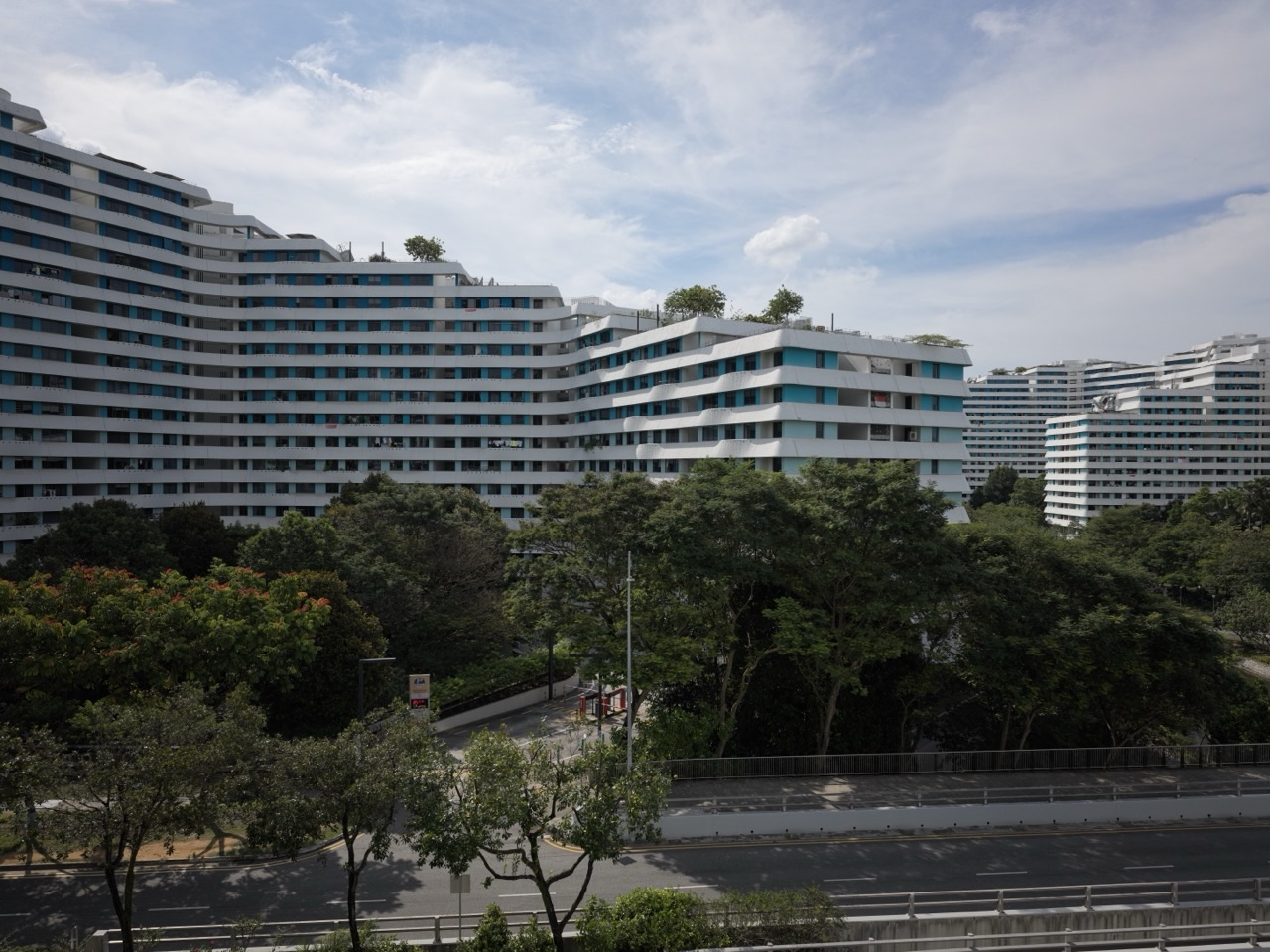
Low Water Pressure, Water Meters, Plumbing Checks and PUB Services is a practical concern for Singapore HDB households. The immediate answer is to check the actual flat and circumstances, identify the cause or need, and avoid expensive or unsafe changes before verifying the relevant rules. This guide covers the essential decisions in connected order for people planning ahead to 2027 and 2028.
A sound solution balances safety, cost, daily comfort and the effect on shared property or neighbours. Requirements from PUB, HDB and Town Councils may change; confirm current conditions before any regulated work, major purchase or formal complaint. The chapters below move from basic understanding through inspection, remedies and long-term planning.
Quick information
- Identify the real problem or need.
- Check the actual flat and equipment.
- Verify current agency requirements.
- Compare safe and lawful options.
- Budget both initial and recurring costs.
- Keep records and review results.
From introduction to mastery
Chapter 1: Recognise low flow
A weak shower can result from a clogged showerhead, partially closed valve, supply issue or plumbing defect. Begin with simple safe observations.
Start with an observation rather than an assumption. For recognise low flow, check the actual room, building or service and record the conditions under which the issue occurs. A new HDB flat and an older resale unit may have different fittings and constraints. A reliable decision needs those details before choosing a product or contractor.
**Practical method:** Identify who is responsible, what can be checked safely by a resident and what requires an appropriately qualified professional. Ask for a clear explanation of the proposed solution and its limitations. If it involves structural work, electrical services, plumbing or common property, confirm applicable approval requirements before proceeding.
**Budget and consequences:** Compare upfront cost, maintenance, disruption and what happens if the proposed remedy fails. A low headline quotation may exclude testing, reinstatement or replacement parts. Keep a reasonable financial reserve and prioritise essential safety and functionality over optional cosmetic improvements.
**Household perspective:** Consider children, older residents, mobility needs, working hours and neighbour access. A technically possible change may still be inconvenient or create new risks. Discuss responsibilities with other occupants and preserve clear routes for daily use and emergencies.
**2027–2028 verification:** Check current guidance from PUB, HDB and Town Councils before signing or installing. Keep dated evidence, receipts and any official approvals. After the action, review whether it actually improved the original problem. Future regulations, provider prices and local services should never be assumed from an old article.
Chapter 2: Pressure versus flow
Water pressure and delivered flow are related but not identical. A narrow fitting can reduce flow even when supply pressure is adequate.
Start with an observation rather than an assumption. For pressure versus flow, check the actual room, building or service and record the conditions under which the issue occurs. A new HDB flat and an older resale unit may have different fittings and constraints. A reliable decision needs those details before choosing a product or contractor.
**Practical method:** Identify who is responsible, what can be checked safely by a resident and what requires an appropriately qualified professional. Ask for a clear explanation of the proposed solution and its limitations. If it involves structural work, electrical services, plumbing or common property, confirm applicable approval requirements before proceeding.
**Budget and consequences:** Compare upfront cost, maintenance, disruption and what happens if the proposed remedy fails. A low headline quotation may exclude testing, reinstatement or replacement parts. Keep a reasonable financial reserve and prioritise essential safety and functionality over optional cosmetic improvements.
**Household perspective:** Consider children, older residents, mobility needs, working hours and neighbour access. A technically possible change may still be inconvenient or create new risks. Discuss responsibilities with other occupants and preserve clear routes for daily use and emergencies.
**2027–2028 verification:** Check current guidance from PUB, HDB and Town Councils before signing or installing. Keep dated evidence, receipts and any official approvals. After the action, review whether it actually improved the original problem. Future regulations, provider prices and local services should never be assumed from an old article.
Chapter 3: One tap or every tap
If only one outlet is weak, inspect that fixture first. If the entire flat is affected, investigate the broader supply route.
Start with an observation rather than an assumption. For one tap or every tap, check the actual room, building or service and record the conditions under which the issue occurs. A new HDB flat and an older resale unit may have different fittings and constraints. A reliable decision needs those details before choosing a product or contractor.
**Practical method:** Identify who is responsible, what can be checked safely by a resident and what requires an appropriately qualified professional. Ask for a clear explanation of the proposed solution and its limitations. If it involves structural work, electrical services, plumbing or common property, confirm applicable approval requirements before proceeding.
**Budget and consequences:** Compare upfront cost, maintenance, disruption and what happens if the proposed remedy fails. A low headline quotation may exclude testing, reinstatement or replacement parts. Keep a reasonable financial reserve and prioritise essential safety and functionality over optional cosmetic improvements.
**Household perspective:** Consider children, older residents, mobility needs, working hours and neighbour access. A technically possible change may still be inconvenient or create new risks. Discuss responsibilities with other occupants and preserve clear routes for daily use and emergencies.
**2027–2028 verification:** Check current guidance from PUB, HDB and Town Councils before signing or installing. Keep dated evidence, receipts and any official approvals. After the action, review whether it actually improved the original problem. Future regulations, provider prices and local services should never be assumed from an old article.
Chapter 4: Hot versus cold water
Compare hot and cold flow. A problem isolated to hot water may involve the heater or its associated fittings.
Start with an observation rather than an assumption. For hot versus cold water, check the actual room, building or service and record the conditions under which the issue occurs. A new HDB flat and an older resale unit may have different fittings and constraints. A reliable decision needs those details before choosing a product or contractor.
**Practical method:** Identify who is responsible, what can be checked safely by a resident and what requires an appropriately qualified professional. Ask for a clear explanation of the proposed solution and its limitations. If it involves structural work, electrical services, plumbing or common property, confirm applicable approval requirements before proceeding.
**Budget and consequences:** Compare upfront cost, maintenance, disruption and what happens if the proposed remedy fails. A low headline quotation may exclude testing, reinstatement or replacement parts. Keep a reasonable financial reserve and prioritise essential safety and functionality over optional cosmetic improvements.
**Household perspective:** Consider children, older residents, mobility needs, working hours and neighbour access. A technically possible change may still be inconvenient or create new risks. Discuss responsibilities with other occupants and preserve clear routes for daily use and emergencies.
**2027–2028 verification:** Check current guidance from PUB, HDB and Town Councils before signing or installing. Keep dated evidence, receipts and any official approvals. After the action, review whether it actually improved the original problem. Future regulations, provider prices and local services should never be assumed from an old article.
Chapter 5: Time-of-day patterns
Record whether the problem occurs only during certain hours. This may help a plumber or utility operator distinguish intermittent supply from a local obstruction.
Start with an observation rather than an assumption. For time-of-day patterns, check the actual room, building or service and record the conditions under which the issue occurs. A new HDB flat and an older resale unit may have different fittings and constraints. A reliable decision needs those details before choosing a product or contractor.
**Practical method:** Identify who is responsible, what can be checked safely by a resident and what requires an appropriately qualified professional. Ask for a clear explanation of the proposed solution and its limitations. If it involves structural work, electrical services, plumbing or common property, confirm applicable approval requirements before proceeding.
**Budget and consequences:** Compare upfront cost, maintenance, disruption and what happens if the proposed remedy fails. A low headline quotation may exclude testing, reinstatement or replacement parts. Keep a reasonable financial reserve and prioritise essential safety and functionality over optional cosmetic improvements.
**Household perspective:** Consider children, older residents, mobility needs, working hours and neighbour access. A technically possible change may still be inconvenient or create new risks. Discuss responsibilities with other occupants and preserve clear routes for daily use and emergencies.
**2027–2028 verification:** Check current guidance from PUB, HDB and Town Councils before signing or installing. Keep dated evidence, receipts and any official approvals. After the action, review whether it actually improved the original problem. Future regulations, provider prices and local services should never be assumed from an old article.
Chapter 6: Water meter
Know where the relevant meter is and how to read its units. A meter can help investigate unexpected consumption but should not be tampered with.
Start with an observation rather than an assumption. For water meter, check the actual room, building or service and record the conditions under which the issue occurs. A new HDB flat and an older resale unit may have different fittings and constraints. A reliable decision needs those details before choosing a product or contractor.
**Practical method:** Identify who is responsible, what can be checked safely by a resident and what requires an appropriately qualified professional. Ask for a clear explanation of the proposed solution and its limitations. If it involves structural work, electrical services, plumbing or common property, confirm applicable approval requirements before proceeding.
**Budget and consequences:** Compare upfront cost, maintenance, disruption and what happens if the proposed remedy fails. A low headline quotation may exclude testing, reinstatement or replacement parts. Keep a reasonable financial reserve and prioritise essential safety and functionality over optional cosmetic improvements.
**Household perspective:** Consider children, older residents, mobility needs, working hours and neighbour access. A technically possible change may still be inconvenient or create new risks. Discuss responsibilities with other occupants and preserve clear routes for daily use and emergencies.
**2027–2028 verification:** Check current guidance from PUB, HDB and Town Councils before signing or installing. Keep dated evidence, receipts and any official approvals. After the action, review whether it actually improved the original problem. Future regulations, provider prices and local services should never be assumed from an old article.
Chapter 7: Meter reading
Compare readings over a defined period while accounting for household use. A small change without visible use warrants investigation, not an immediate assumption of theft.
Start with an observation rather than an assumption. For meter reading, check the actual room, building or service and record the conditions under which the issue occurs. A new HDB flat and an older resale unit may have different fittings and constraints. A reliable decision needs those details before choosing a product or contractor.
**Practical method:** Identify who is responsible, what can be checked safely by a resident and what requires an appropriately qualified professional. Ask for a clear explanation of the proposed solution and its limitations. If it involves structural work, electrical services, plumbing or common property, confirm applicable approval requirements before proceeding.
**Budget and consequences:** Compare upfront cost, maintenance, disruption and what happens if the proposed remedy fails. A low headline quotation may exclude testing, reinstatement or replacement parts. Keep a reasonable financial reserve and prioritise essential safety and functionality over optional cosmetic improvements.
**Household perspective:** Consider children, older residents, mobility needs, working hours and neighbour access. A technically possible change may still be inconvenient or create new risks. Discuss responsibilities with other occupants and preserve clear routes for daily use and emergencies.
**2027–2028 verification:** Check current guidance from PUB, HDB and Town Councils before signing or installing. Keep dated evidence, receipts and any official approvals. After the action, review whether it actually improved the original problem. Future regulations, provider prices and local services should never be assumed from an old article.
Chapter 8: Shut-off valves
A partially closed valve can restrict supply. Do not force a seized valve or interfere with common infrastructure.
Start with an observation rather than an assumption. For shut-off valves, check the actual room, building or service and record the conditions under which the issue occurs. A new HDB flat and an older resale unit may have different fittings and constraints. A reliable decision needs those details before choosing a product or contractor.
**Practical method:** Identify who is responsible, what can be checked safely by a resident and what requires an appropriately qualified professional. Ask for a clear explanation of the proposed solution and its limitations. If it involves structural work, electrical services, plumbing or common property, confirm applicable approval requirements before proceeding.
**Budget and consequences:** Compare upfront cost, maintenance, disruption and what happens if the proposed remedy fails. A low headline quotation may exclude testing, reinstatement or replacement parts. Keep a reasonable financial reserve and prioritise essential safety and functionality over optional cosmetic improvements.
**Household perspective:** Consider children, older residents, mobility needs, working hours and neighbour access. A technically possible change may still be inconvenient or create new risks. Discuss responsibilities with other occupants and preserve clear routes for daily use and emergencies.
**2027–2028 verification:** Check current guidance from PUB, HDB and Town Councils before signing or installing. Keep dated evidence, receipts and any official approvals. After the action, review whether it actually improved the original problem. Future regulations, provider prices and local services should never be assumed from an old article.
Chapter 9: Tap aerators
Mineral deposits or debris can restrict a tap aerator. Follow the manufacturer’s safe cleaning guidance.
Start with an observation rather than an assumption. For tap aerators, check the actual room, building or service and record the conditions under which the issue occurs. A new HDB flat and an older resale unit may have different fittings and constraints. A reliable decision needs those details before choosing a product or contractor.
**Practical method:** Identify who is responsible, what can be checked safely by a resident and what requires an appropriately qualified professional. Ask for a clear explanation of the proposed solution and its limitations. If it involves structural work, electrical services, plumbing or common property, confirm applicable approval requirements before proceeding.
**Budget and consequences:** Compare upfront cost, maintenance, disruption and what happens if the proposed remedy fails. A low headline quotation may exclude testing, reinstatement or replacement parts. Keep a reasonable financial reserve and prioritise essential safety and functionality over optional cosmetic improvements.
**Household perspective:** Consider children, older residents, mobility needs, working hours and neighbour access. A technically possible change may still be inconvenient or create new risks. Discuss responsibilities with other occupants and preserve clear routes for daily use and emergencies.
**2027–2028 verification:** Check current guidance from PUB, HDB and Town Councils before signing or installing. Keep dated evidence, receipts and any official approvals. After the action, review whether it actually improved the original problem. Future regulations, provider prices and local services should never be assumed from an old article.
Chapter 10: Showerheads
Check for clogged nozzles or water-saving fittings. A higher-flow replacement may not be legal or efficient in every installation.
Start with an observation rather than an assumption. For showerheads, check the actual room, building or service and record the conditions under which the issue occurs. A new HDB flat and an older resale unit may have different fittings and constraints. A reliable decision needs those details before choosing a product or contractor.
**Practical method:** Identify who is responsible, what can be checked safely by a resident and what requires an appropriately qualified professional. Ask for a clear explanation of the proposed solution and its limitations. If it involves structural work, electrical services, plumbing or common property, confirm applicable approval requirements before proceeding.
**Budget and consequences:** Compare upfront cost, maintenance, disruption and what happens if the proposed remedy fails. A low headline quotation may exclude testing, reinstatement or replacement parts. Keep a reasonable financial reserve and prioritise essential safety and functionality over optional cosmetic improvements.
**Household perspective:** Consider children, older residents, mobility needs, working hours and neighbour access. A technically possible change may still be inconvenient or create new risks. Discuss responsibilities with other occupants and preserve clear routes for daily use and emergencies.
**2027–2028 verification:** Check current guidance from PUB, HDB and Town Councils before signing or installing. Keep dated evidence, receipts and any official approvals. After the action, review whether it actually improved the original problem. Future regulations, provider prices and local services should never be assumed from an old article.
Chapter 11: Water-efficient fittings
PUB’s water-efficiency framework helps households compare fittings. Efficient flow should still support necessary hygiene.
Start with an observation rather than an assumption. For water-efficient fittings, check the actual room, building or service and record the conditions under which the issue occurs. A new HDB flat and an older resale unit may have different fittings and constraints. A reliable decision needs those details before choosing a product or contractor.
**Practical method:** Identify who is responsible, what can be checked safely by a resident and what requires an appropriately qualified professional. Ask for a clear explanation of the proposed solution and its limitations. If it involves structural work, electrical services, plumbing or common property, confirm applicable approval requirements before proceeding.
**Budget and consequences:** Compare upfront cost, maintenance, disruption and what happens if the proposed remedy fails. A low headline quotation may exclude testing, reinstatement or replacement parts. Keep a reasonable financial reserve and prioritise essential safety and functionality over optional cosmetic improvements.
**Household perspective:** Consider children, older residents, mobility needs, working hours and neighbour access. A technically possible change may still be inconvenient or create new risks. Discuss responsibilities with other occupants and preserve clear routes for daily use and emergencies.
**2027–2028 verification:** Check current guidance from PUB, HDB and Town Councils before signing or installing. Keep dated evidence, receipts and any official approvals. After the action, review whether it actually improved the original problem. Future regulations, provider prices and local services should never be assumed from an old article.
Chapter 12: Water heaters
Heaters can impose specific flow and pressure requirements. Use qualified technicians for safety-critical work.
Start with an observation rather than an assumption. For water heaters, check the actual room, building or service and record the conditions under which the issue occurs. A new HDB flat and an older resale unit may have different fittings and constraints. A reliable decision needs those details before choosing a product or contractor.
**Practical method:** Identify who is responsible, what can be checked safely by a resident and what requires an appropriately qualified professional. Ask for a clear explanation of the proposed solution and its limitations. If it involves structural work, electrical services, plumbing or common property, confirm applicable approval requirements before proceeding.
**Budget and consequences:** Compare upfront cost, maintenance, disruption and what happens if the proposed remedy fails. A low headline quotation may exclude testing, reinstatement or replacement parts. Keep a reasonable financial reserve and prioritise essential safety and functionality over optional cosmetic improvements.
**Household perspective:** Consider children, older residents, mobility needs, working hours and neighbour access. A technically possible change may still be inconvenient or create new risks. Discuss responsibilities with other occupants and preserve clear routes for daily use and emergencies.
**2027–2028 verification:** Check current guidance from PUB, HDB and Town Councils before signing or installing. Keep dated evidence, receipts and any official approvals. After the action, review whether it actually improved the original problem. Future regulations, provider prices and local services should never be assumed from an old article.
Chapter 13: Storage heaters
Storage heaters may behave differently from instant heaters. Check the manufacturer’s specifications before changing fixtures.
Start with an observation rather than an assumption. For storage heaters, check the actual room, building or service and record the conditions under which the issue occurs. A new HDB flat and an older resale unit may have different fittings and constraints. A reliable decision needs those details before choosing a product or contractor.
**Practical method:** Identify who is responsible, what can be checked safely by a resident and what requires an appropriately qualified professional. Ask for a clear explanation of the proposed solution and its limitations. If it involves structural work, electrical services, plumbing or common property, confirm applicable approval requirements before proceeding.
**Budget and consequences:** Compare upfront cost, maintenance, disruption and what happens if the proposed remedy fails. A low headline quotation may exclude testing, reinstatement or replacement parts. Keep a reasonable financial reserve and prioritise essential safety and functionality over optional cosmetic improvements.
**Household perspective:** Consider children, older residents, mobility needs, working hours and neighbour access. A technically possible change may still be inconvenient or create new risks. Discuss responsibilities with other occupants and preserve clear routes for daily use and emergencies.
**2027–2028 verification:** Check current guidance from PUB, HDB and Town Councils before signing or installing. Keep dated evidence, receipts and any official approvals. After the action, review whether it actually improved the original problem. Future regulations, provider prices and local services should never be assumed from an old article.
Chapter 14: Instant heaters
A weak-flow complaint can involve heater activation thresholds. Do not bypass electrical or thermal safety devices.
Start with an observation rather than an assumption. For instant heaters, check the actual room, building or service and record the conditions under which the issue occurs. A new HDB flat and an older resale unit may have different fittings and constraints. A reliable decision needs those details before choosing a product or contractor.
**Practical method:** Identify who is responsible, what can be checked safely by a resident and what requires an appropriately qualified professional. Ask for a clear explanation of the proposed solution and its limitations. If it involves structural work, electrical services, plumbing or common property, confirm applicable approval requirements before proceeding.
**Budget and consequences:** Compare upfront cost, maintenance, disruption and what happens if the proposed remedy fails. A low headline quotation may exclude testing, reinstatement or replacement parts. Keep a reasonable financial reserve and prioritise essential safety and functionality over optional cosmetic improvements.
**Household perspective:** Consider children, older residents, mobility needs, working hours and neighbour access. A technically possible change may still be inconvenient or create new risks. Discuss responsibilities with other occupants and preserve clear routes for daily use and emergencies.
**2027–2028 verification:** Check current guidance from PUB, HDB and Town Councils before signing or installing. Keep dated evidence, receipts and any official approvals. After the action, review whether it actually improved the original problem. Future regulations, provider prices and local services should never be assumed from an old article.
Chapter 15: Pipe corrosion
Older pipes may accumulate deposits or develop leaks. A competent assessment is preferable to indiscriminate pipe replacement.
Start with an observation rather than an assumption. For pipe corrosion, check the actual room, building or service and record the conditions under which the issue occurs. A new HDB flat and an older resale unit may have different fittings and constraints. A reliable decision needs those details before choosing a product or contractor.
**Practical method:** Identify who is responsible, what can be checked safely by a resident and what requires an appropriately qualified professional. Ask for a clear explanation of the proposed solution and its limitations. If it involves structural work, electrical services, plumbing or common property, confirm applicable approval requirements before proceeding.
**Budget and consequences:** Compare upfront cost, maintenance, disruption and what happens if the proposed remedy fails. A low headline quotation may exclude testing, reinstatement or replacement parts. Keep a reasonable financial reserve and prioritise essential safety and functionality over optional cosmetic improvements.
**Household perspective:** Consider children, older residents, mobility needs, working hours and neighbour access. A technically possible change may still be inconvenient or create new risks. Discuss responsibilities with other occupants and preserve clear routes for daily use and emergencies.
**2027–2028 verification:** Check current guidance from PUB, HDB and Town Councils before signing or installing. Keep dated evidence, receipts and any official approvals. After the action, review whether it actually improved the original problem. Future regulations, provider prices and local services should never be assumed from an old article.
Chapter 16: Flexible hoses
Deteriorated hoses can leak or restrict flow. Replace suspect parts with suitable approved materials.
Start with an observation rather than an assumption. For flexible hoses, check the actual room, building or service and record the conditions under which the issue occurs. A new HDB flat and an older resale unit may have different fittings and constraints. A reliable decision needs those details before choosing a product or contractor.
**Practical method:** Identify who is responsible, what can be checked safely by a resident and what requires an appropriately qualified professional. Ask for a clear explanation of the proposed solution and its limitations. If it involves structural work, electrical services, plumbing or common property, confirm applicable approval requirements before proceeding.
**Budget and consequences:** Compare upfront cost, maintenance, disruption and what happens if the proposed remedy fails. A low headline quotation may exclude testing, reinstatement or replacement parts. Keep a reasonable financial reserve and prioritise essential safety and functionality over optional cosmetic improvements.
**Household perspective:** Consider children, older residents, mobility needs, working hours and neighbour access. A technically possible change may still be inconvenient or create new risks. Discuss responsibilities with other occupants and preserve clear routes for daily use and emergencies.
**2027–2028 verification:** Check current guidance from PUB, HDB and Town Councils before signing or installing. Keep dated evidence, receipts and any official approvals. After the action, review whether it actually improved the original problem. Future regulations, provider prices and local services should never be assumed from an old article.
Chapter 17: Common risers
Shared risers are not ordinary private plumbing. Ask the estate operator to identify responsibility before commissioning work.
Start with an observation rather than an assumption. For common risers, check the actual room, building or service and record the conditions under which the issue occurs. A new HDB flat and an older resale unit may have different fittings and constraints. A reliable decision needs those details before choosing a product or contractor.
**Practical method:** Identify who is responsible, what can be checked safely by a resident and what requires an appropriately qualified professional. Ask for a clear explanation of the proposed solution and its limitations. If it involves structural work, electrical services, plumbing or common property, confirm applicable approval requirements before proceeding.
**Budget and consequences:** Compare upfront cost, maintenance, disruption and what happens if the proposed remedy fails. A low headline quotation may exclude testing, reinstatement or replacement parts. Keep a reasonable financial reserve and prioritise essential safety and functionality over optional cosmetic improvements.
**Household perspective:** Consider children, older residents, mobility needs, working hours and neighbour access. A technically possible change may still be inconvenient or create new risks. Discuss responsibilities with other occupants and preserve clear routes for daily use and emergencies.
**2027–2028 verification:** Check current guidance from PUB, HDB and Town Councils before signing or installing. Keep dated evidence, receipts and any official approvals. After the action, review whether it actually improved the original problem. Future regulations, provider prices and local services should never be assumed from an old article.
Chapter 18: Upper-floor supply
Floor height and building distribution systems can affect supply arrangements. Avoid assuming every upper-floor flat has the same pressure.
Start with an observation rather than an assumption. For upper-floor supply, check the actual room, building or service and record the conditions under which the issue occurs. A new HDB flat and an older resale unit may have different fittings and constraints. A reliable decision needs those details before choosing a product or contractor.
**Practical method:** Identify who is responsible, what can be checked safely by a resident and what requires an appropriately qualified professional. Ask for a clear explanation of the proposed solution and its limitations. If it involves structural work, electrical services, plumbing or common property, confirm applicable approval requirements before proceeding.
**Budget and consequences:** Compare upfront cost, maintenance, disruption and what happens if the proposed remedy fails. A low headline quotation may exclude testing, reinstatement or replacement parts. Keep a reasonable financial reserve and prioritise essential safety and functionality over optional cosmetic improvements.
**Household perspective:** Consider children, older residents, mobility needs, working hours and neighbour access. A technically possible change may still be inconvenient or create new risks. Discuss responsibilities with other occupants and preserve clear routes for daily use and emergencies.
**2027–2028 verification:** Check current guidance from PUB, HDB and Town Councils before signing or installing. Keep dated evidence, receipts and any official approvals. After the action, review whether it actually improved the original problem. Future regulations, provider prices and local services should never be assumed from an old article.
Chapter 19: Water tanks and pumps
Some supply systems involve common pumps or storage arrangements maintained by authorised parties. Residents should not alter them.
Start with an observation rather than an assumption. For water tanks and pumps, check the actual room, building or service and record the conditions under which the issue occurs. A new HDB flat and an older resale unit may have different fittings and constraints. A reliable decision needs those details before choosing a product or contractor.
**Practical method:** Identify who is responsible, what can be checked safely by a resident and what requires an appropriately qualified professional. Ask for a clear explanation of the proposed solution and its limitations. If it involves structural work, electrical services, plumbing or common property, confirm applicable approval requirements before proceeding.
**Budget and consequences:** Compare upfront cost, maintenance, disruption and what happens if the proposed remedy fails. A low headline quotation may exclude testing, reinstatement or replacement parts. Keep a reasonable financial reserve and prioritise essential safety and functionality over optional cosmetic improvements.
**Household perspective:** Consider children, older residents, mobility needs, working hours and neighbour access. A technically possible change may still be inconvenient or create new risks. Discuss responsibilities with other occupants and preserve clear routes for daily use and emergencies.
**2027–2028 verification:** Check current guidance from PUB, HDB and Town Councils before signing or installing. Keep dated evidence, receipts and any official approvals. After the action, review whether it actually improved the original problem. Future regulations, provider prices and local services should never be assumed from an old article.
Chapter 20: Temporary supply interruptions
Planned works may affect supply. Check official notices and distinguish scheduled interruptions from a private plumbing fault.
Start with an observation rather than an assumption. For temporary supply interruptions, check the actual room, building or service and record the conditions under which the issue occurs. A new HDB flat and an older resale unit may have different fittings and constraints. A reliable decision needs those details before choosing a product or contractor.
**Practical method:** Identify who is responsible, what can be checked safely by a resident and what requires an appropriately qualified professional. Ask for a clear explanation of the proposed solution and its limitations. If it involves structural work, electrical services, plumbing or common property, confirm applicable approval requirements before proceeding.
**Budget and consequences:** Compare upfront cost, maintenance, disruption and what happens if the proposed remedy fails. A low headline quotation may exclude testing, reinstatement or replacement parts. Keep a reasonable financial reserve and prioritise essential safety and functionality over optional cosmetic improvements.
**Household perspective:** Consider children, older residents, mobility needs, working hours and neighbour access. A technically possible change may still be inconvenient or create new risks. Discuss responsibilities with other occupants and preserve clear routes for daily use and emergencies.
**2027–2028 verification:** Check current guidance from PUB, HDB and Town Councils before signing or installing. Keep dated evidence, receipts and any official approvals. After the action, review whether it actually improved the original problem. Future regulations, provider prices and local services should never be assumed from an old article.
Chapter 21: Brown water
Discoloured water can arise from several causes. Follow PUB’s current advice and avoid drinking water that appears unsafe until the issue is clarified.
Start with an observation rather than an assumption. For brown water, check the actual room, building or service and record the conditions under which the issue occurs. A new HDB flat and an older resale unit may have different fittings and constraints. A reliable decision needs those details before choosing a product or contractor.
**Practical method:** Identify who is responsible, what can be checked safely by a resident and what requires an appropriately qualified professional. Ask for a clear explanation of the proposed solution and its limitations. If it involves structural work, electrical services, plumbing or common property, confirm applicable approval requirements before proceeding.
**Budget and consequences:** Compare upfront cost, maintenance, disruption and what happens if the proposed remedy fails. A low headline quotation may exclude testing, reinstatement or replacement parts. Keep a reasonable financial reserve and prioritise essential safety and functionality over optional cosmetic improvements.
**Household perspective:** Consider children, older residents, mobility needs, working hours and neighbour access. A technically possible change may still be inconvenient or create new risks. Discuss responsibilities with other occupants and preserve clear routes for daily use and emergencies.
**2027–2028 verification:** Check current guidance from PUB, HDB and Town Councils before signing or installing. Keep dated evidence, receipts and any official approvals. After the action, review whether it actually improved the original problem. Future regulations, provider prices and local services should never be assumed from an old article.
Chapter 22: Unusual taste or smell
Report persistent unusual water characteristics through official channels. Do not diagnose contamination from social-media claims.
Start with an observation rather than an assumption. For unusual taste or smell, check the actual room, building or service and record the conditions under which the issue occurs. A new HDB flat and an older resale unit may have different fittings and constraints. A reliable decision needs those details before choosing a product or contractor.
**Practical method:** Identify who is responsible, what can be checked safely by a resident and what requires an appropriately qualified professional. Ask for a clear explanation of the proposed solution and its limitations. If it involves structural work, electrical services, plumbing or common property, confirm applicable approval requirements before proceeding.
**Budget and consequences:** Compare upfront cost, maintenance, disruption and what happens if the proposed remedy fails. A low headline quotation may exclude testing, reinstatement or replacement parts. Keep a reasonable financial reserve and prioritise essential safety and functionality over optional cosmetic improvements.
**Household perspective:** Consider children, older residents, mobility needs, working hours and neighbour access. A technically possible change may still be inconvenient or create new risks. Discuss responsibilities with other occupants and preserve clear routes for daily use and emergencies.
**2027–2028 verification:** Check current guidance from PUB, HDB and Town Councils before signing or installing. Keep dated evidence, receipts and any official approvals. After the action, review whether it actually improved the original problem. Future regulations, provider prices and local services should never be assumed from an old article.
Chapter 23: Leak checks
Inspect accessible pipe joints, toilets and cabinet bases for dampness. Repairing leaks can save water and prevent damage.
Start with an observation rather than an assumption. For leak checks, check the actual room, building or service and record the conditions under which the issue occurs. A new HDB flat and an older resale unit may have different fittings and constraints. A reliable decision needs those details before choosing a product or contractor.
**Practical method:** Identify who is responsible, what can be checked safely by a resident and what requires an appropriately qualified professional. Ask for a clear explanation of the proposed solution and its limitations. If it involves structural work, electrical services, plumbing or common property, confirm applicable approval requirements before proceeding.
**Budget and consequences:** Compare upfront cost, maintenance, disruption and what happens if the proposed remedy fails. A low headline quotation may exclude testing, reinstatement or replacement parts. Keep a reasonable financial reserve and prioritise essential safety and functionality over optional cosmetic improvements.
**Household perspective:** Consider children, older residents, mobility needs, working hours and neighbour access. A technically possible change may still be inconvenient or create new risks. Discuss responsibilities with other occupants and preserve clear routes for daily use and emergencies.
**2027–2028 verification:** Check current guidance from PUB, HDB and Town Councils before signing or installing. Keep dated evidence, receipts and any official approvals. After the action, review whether it actually improved the original problem. Future regulations, provider prices and local services should never be assumed from an old article.
Chapter 24: Concealed leaks
A rising bill without obvious use can indicate hidden leakage or changed consumption. Investigate systematically.
Start with an observation rather than an assumption. For concealed leaks, check the actual room, building or service and record the conditions under which the issue occurs. A new HDB flat and an older resale unit may have different fittings and constraints. A reliable decision needs those details before choosing a product or contractor.
**Practical method:** Identify who is responsible, what can be checked safely by a resident and what requires an appropriately qualified professional. Ask for a clear explanation of the proposed solution and its limitations. If it involves structural work, electrical services, plumbing or common property, confirm applicable approval requirements before proceeding.
**Budget and consequences:** Compare upfront cost, maintenance, disruption and what happens if the proposed remedy fails. A low headline quotation may exclude testing, reinstatement or replacement parts. Keep a reasonable financial reserve and prioritise essential safety and functionality over optional cosmetic improvements.
**Household perspective:** Consider children, older residents, mobility needs, working hours and neighbour access. A technically possible change may still be inconvenient or create new risks. Discuss responsibilities with other occupants and preserve clear routes for daily use and emergencies.
**2027–2028 verification:** Check current guidance from PUB, HDB and Town Councils before signing or installing. Keep dated evidence, receipts and any official approvals. After the action, review whether it actually improved the original problem. Future regulations, provider prices and local services should never be assumed from an old article.
Chapter 25: Ceiling seepage
Water from an upper unit can be mistaken for a supply-pressure problem. Diagnosis and responsibility are separate questions.
Start with an observation rather than an assumption. For ceiling seepage, check the actual room, building or service and record the conditions under which the issue occurs. A new HDB flat and an older resale unit may have different fittings and constraints. A reliable decision needs those details before choosing a product or contractor.
**Practical method:** Identify who is responsible, what can be checked safely by a resident and what requires an appropriately qualified professional. Ask for a clear explanation of the proposed solution and its limitations. If it involves structural work, electrical services, plumbing or common property, confirm applicable approval requirements before proceeding.
**Budget and consequences:** Compare upfront cost, maintenance, disruption and what happens if the proposed remedy fails. A low headline quotation may exclude testing, reinstatement or replacement parts. Keep a reasonable financial reserve and prioritise essential safety and functionality over optional cosmetic improvements.
**Household perspective:** Consider children, older residents, mobility needs, working hours and neighbour access. A technically possible change may still be inconvenient or create new risks. Discuss responsibilities with other occupants and preserve clear routes for daily use and emergencies.
**2027–2028 verification:** Check current guidance from PUB, HDB and Town Councils before signing or installing. Keep dated evidence, receipts and any official approvals. After the action, review whether it actually improved the original problem. Future regulations, provider prices and local services should never be assumed from an old article.
Chapter 26: Water bills
Compare actual consumption units and tariff components rather than just the dollar total. Prices can change.
Start with an observation rather than an assumption. For water bills, check the actual room, building or service and record the conditions under which the issue occurs. A new HDB flat and an older resale unit may have different fittings and constraints. A reliable decision needs those details before choosing a product or contractor.
**Practical method:** Identify who is responsible, what can be checked safely by a resident and what requires an appropriately qualified professional. Ask for a clear explanation of the proposed solution and its limitations. If it involves structural work, electrical services, plumbing or common property, confirm applicable approval requirements before proceeding.
**Budget and consequences:** Compare upfront cost, maintenance, disruption and what happens if the proposed remedy fails. A low headline quotation may exclude testing, reinstatement or replacement parts. Keep a reasonable financial reserve and prioritise essential safety and functionality over optional cosmetic improvements.
**Household perspective:** Consider children, older residents, mobility needs, working hours and neighbour access. A technically possible change may still be inconvenient or create new risks. Discuss responsibilities with other occupants and preserve clear routes for daily use and emergencies.
**2027–2028 verification:** Check current guidance from PUB, HDB and Town Councils before signing or installing. Keep dated evidence, receipts and any official approvals. After the action, review whether it actually improved the original problem. Future regulations, provider prices and local services should never be assumed from an old article.
Chapter 27: Water conservation
Shorter running times and repaired leaks can reduce waste. Do not compromise hygiene or safety to meet an arbitrary target.
Start with an observation rather than an assumption. For water conservation, check the actual room, building or service and record the conditions under which the issue occurs. A new HDB flat and an older resale unit may have different fittings and constraints. A reliable decision needs those details before choosing a product or contractor.
**Practical method:** Identify who is responsible, what can be checked safely by a resident and what requires an appropriately qualified professional. Ask for a clear explanation of the proposed solution and its limitations. If it involves structural work, electrical services, plumbing or common property, confirm applicable approval requirements before proceeding.
**Budget and consequences:** Compare upfront cost, maintenance, disruption and what happens if the proposed remedy fails. A low headline quotation may exclude testing, reinstatement or replacement parts. Keep a reasonable financial reserve and prioritise essential safety and functionality over optional cosmetic improvements.
**Household perspective:** Consider children, older residents, mobility needs, working hours and neighbour access. A technically possible change may still be inconvenient or create new risks. Discuss responsibilities with other occupants and preserve clear routes for daily use and emergencies.
**2027–2028 verification:** Check current guidance from PUB, HDB and Town Councils before signing or installing. Keep dated evidence, receipts and any official approvals. After the action, review whether it actually improved the original problem. Future regulations, provider prices and local services should never be assumed from an old article.
Chapter 28: Licensed plumbers
PUB regulates specified plumbing work. Verify a licensed water service plumber where required.
Start with an observation rather than an assumption. For licensed plumbers, check the actual room, building or service and record the conditions under which the issue occurs. A new HDB flat and an older resale unit may have different fittings and constraints. A reliable decision needs those details before choosing a product or contractor.
**Practical method:** Identify who is responsible, what can be checked safely by a resident and what requires an appropriately qualified professional. Ask for a clear explanation of the proposed solution and its limitations. If it involves structural work, electrical services, plumbing or common property, confirm applicable approval requirements before proceeding.
**Budget and consequences:** Compare upfront cost, maintenance, disruption and what happens if the proposed remedy fails. A low headline quotation may exclude testing, reinstatement or replacement parts. Keep a reasonable financial reserve and prioritise essential safety and functionality over optional cosmetic improvements.
**Household perspective:** Consider children, older residents, mobility needs, working hours and neighbour access. A technically possible change may still be inconvenient or create new risks. Discuss responsibilities with other occupants and preserve clear routes for daily use and emergencies.
**2027–2028 verification:** Check current guidance from PUB, HDB and Town Councils before signing or installing. Keep dated evidence, receipts and any official approvals. After the action, review whether it actually improved the original problem. Future regulations, provider prices and local services should never be assumed from an old article.
Chapter 29: Plumbing quotations
Ask whether the price includes diagnosis, materials, opening, testing and reinstatement.
Start with an observation rather than an assumption. For plumbing quotations, check the actual room, building or service and record the conditions under which the issue occurs. A new HDB flat and an older resale unit may have different fittings and constraints. A reliable decision needs those details before choosing a product or contractor.
**Practical method:** Identify who is responsible, what can be checked safely by a resident and what requires an appropriately qualified professional. Ask for a clear explanation of the proposed solution and its limitations. If it involves structural work, electrical services, plumbing or common property, confirm applicable approval requirements before proceeding.
**Budget and consequences:** Compare upfront cost, maintenance, disruption and what happens if the proposed remedy fails. A low headline quotation may exclude testing, reinstatement or replacement parts. Keep a reasonable financial reserve and prioritise essential safety and functionality over optional cosmetic improvements.
**Household perspective:** Consider children, older residents, mobility needs, working hours and neighbour access. A technically possible change may still be inconvenient or create new risks. Discuss responsibilities with other occupants and preserve clear routes for daily use and emergencies.
**2027–2028 verification:** Check current guidance from PUB, HDB and Town Councils before signing or installing. Keep dated evidence, receipts and any official approvals. After the action, review whether it actually improved the original problem. Future regulations, provider prices and local services should never be assumed from an old article.
Chapter 30: Tenant and landlord
A tenant should report defects promptly; maintenance responsibility depends on the lease and applicable rules.
Start with an observation rather than an assumption. For tenant and landlord, check the actual room, building or service and record the conditions under which the issue occurs. A new HDB flat and an older resale unit may have different fittings and constraints. A reliable decision needs those details before choosing a product or contractor.
**Practical method:** Identify who is responsible, what can be checked safely by a resident and what requires an appropriately qualified professional. Ask for a clear explanation of the proposed solution and its limitations. If it involves structural work, electrical services, plumbing or common property, confirm applicable approval requirements before proceeding.
**Budget and consequences:** Compare upfront cost, maintenance, disruption and what happens if the proposed remedy fails. A low headline quotation may exclude testing, reinstatement or replacement parts. Keep a reasonable financial reserve and prioritise essential safety and functionality over optional cosmetic improvements.
**Household perspective:** Consider children, older residents, mobility needs, working hours and neighbour access. A technically possible change may still be inconvenient or create new risks. Discuss responsibilities with other occupants and preserve clear routes for daily use and emergencies.
**2027–2028 verification:** Check current guidance from PUB, HDB and Town Councils before signing or installing. Keep dated evidence, receipts and any official approvals. After the action, review whether it actually improved the original problem. Future regulations, provider prices and local services should never be assumed from an old article.
Chapter 31: Town Council
Report suspected common-property faults with block and location. Do not assume a private fixture is the council’s responsibility.
Start with an observation rather than an assumption. For town council, check the actual room, building or service and record the conditions under which the issue occurs. A new HDB flat and an older resale unit may have different fittings and constraints. A reliable decision needs those details before choosing a product or contractor.
**Practical method:** Identify who is responsible, what can be checked safely by a resident and what requires an appropriately qualified professional. Ask for a clear explanation of the proposed solution and its limitations. If it involves structural work, electrical services, plumbing or common property, confirm applicable approval requirements before proceeding.
**Budget and consequences:** Compare upfront cost, maintenance, disruption and what happens if the proposed remedy fails. A low headline quotation may exclude testing, reinstatement or replacement parts. Keep a reasonable financial reserve and prioritise essential safety and functionality over optional cosmetic improvements.
**Household perspective:** Consider children, older residents, mobility needs, working hours and neighbour access. A technically possible change may still be inconvenient or create new risks. Discuss responsibilities with other occupants and preserve clear routes for daily use and emergencies.
**2027–2028 verification:** Check current guidance from PUB, HDB and Town Councils before signing or installing. Keep dated evidence, receipts and any official approvals. After the action, review whether it actually improved the original problem. Future regulations, provider prices and local services should never be assumed from an old article.
Chapter 32: PUB contact
Use PUB’s official contact and service channels for supply concerns. An immediate dangerous leak requires urgent safe action.
Start with an observation rather than an assumption. For pub contact, check the actual room, building or service and record the conditions under which the issue occurs. A new HDB flat and an older resale unit may have different fittings and constraints. A reliable decision needs those details before choosing a product or contractor.
**Practical method:** Identify who is responsible, what can be checked safely by a resident and what requires an appropriately qualified professional. Ask for a clear explanation of the proposed solution and its limitations. If it involves structural work, electrical services, plumbing or common property, confirm applicable approval requirements before proceeding.
**Budget and consequences:** Compare upfront cost, maintenance, disruption and what happens if the proposed remedy fails. A low headline quotation may exclude testing, reinstatement or replacement parts. Keep a reasonable financial reserve and prioritise essential safety and functionality over optional cosmetic improvements.
**Household perspective:** Consider children, older residents, mobility needs, working hours and neighbour access. A technically possible change may still be inconvenient or create new risks. Discuss responsibilities with other occupants and preserve clear routes for daily use and emergencies.
**2027–2028 verification:** Check current guidance from PUB, HDB and Town Councils before signing or installing. Keep dated evidence, receipts and any official approvals. After the action, review whether it actually improved the original problem. Future regulations, provider prices and local services should never be assumed from an old article.
Chapter 33: Renovation
Plan accessible valves and inspection points before building cabinetry around pipes.
Start with an observation rather than an assumption. For renovation, check the actual room, building or service and record the conditions under which the issue occurs. A new HDB flat and an older resale unit may have different fittings and constraints. A reliable decision needs those details before choosing a product or contractor.
**Practical method:** Identify who is responsible, what can be checked safely by a resident and what requires an appropriately qualified professional. Ask for a clear explanation of the proposed solution and its limitations. If it involves structural work, electrical services, plumbing or common property, confirm applicable approval requirements before proceeding.
**Budget and consequences:** Compare upfront cost, maintenance, disruption and what happens if the proposed remedy fails. A low headline quotation may exclude testing, reinstatement or replacement parts. Keep a reasonable financial reserve and prioritise essential safety and functionality over optional cosmetic improvements.
**Household perspective:** Consider children, older residents, mobility needs, working hours and neighbour access. A technically possible change may still be inconvenient or create new risks. Discuss responsibilities with other occupants and preserve clear routes for daily use and emergencies.
**2027–2028 verification:** Check current guidance from PUB, HDB and Town Councils before signing or installing. Keep dated evidence, receipts and any official approvals. After the action, review whether it actually improved the original problem. Future regulations, provider prices and local services should never be assumed from an old article.
Chapter 34: Worked example
A family notices weak flow only at the kitchen sink. It checks the aerator and local valve before requesting extensive pipe replacement.
Start with an observation rather than an assumption. For worked example, check the actual room, building or service and record the conditions under which the issue occurs. A new HDB flat and an older resale unit may have different fittings and constraints. A reliable decision needs those details before choosing a product or contractor.
**Practical method:** Identify who is responsible, what can be checked safely by a resident and what requires an appropriately qualified professional. Ask for a clear explanation of the proposed solution and its limitations. If it involves structural work, electrical services, plumbing or common property, confirm applicable approval requirements before proceeding.
**Budget and consequences:** Compare upfront cost, maintenance, disruption and what happens if the proposed remedy fails. A low headline quotation may exclude testing, reinstatement or replacement parts. Keep a reasonable financial reserve and prioritise essential safety and functionality over optional cosmetic improvements.
**Household perspective:** Consider children, older residents, mobility needs, working hours and neighbour access. A technically possible change may still be inconvenient or create new risks. Discuss responsibilities with other occupants and preserve clear routes for daily use and emergencies.
**2027–2028 verification:** Check current guidance from PUB, HDB and Town Councils before signing or installing. Keep dated evidence, receipts and any official approvals. After the action, review whether it actually improved the original problem. Future regulations, provider prices and local services should never be assumed from an old article.
Chapter 35: 2027–2028 check
Confirm current PUB requirements, tariffs and licensing rules before modifying plumbing.
Start with an observation rather than an assumption. For 2027–2028 check, check the actual room, building or service and record the conditions under which the issue occurs. A new HDB flat and an older resale unit may have different fittings and constraints. A reliable decision needs those details before choosing a product or contractor.
**Practical method:** Identify who is responsible, what can be checked safely by a resident and what requires an appropriately qualified professional. Ask for a clear explanation of the proposed solution and its limitations. If it involves structural work, electrical services, plumbing or common property, confirm applicable approval requirements before proceeding.
**Budget and consequences:** Compare upfront cost, maintenance, disruption and what happens if the proposed remedy fails. A low headline quotation may exclude testing, reinstatement or replacement parts. Keep a reasonable financial reserve and prioritise essential safety and functionality over optional cosmetic improvements.
**Household perspective:** Consider children, older residents, mobility needs, working hours and neighbour access. A technically possible change may still be inconvenient or create new risks. Discuss responsibilities with other occupants and preserve clear routes for daily use and emergencies.
**2027–2028 verification:** Check current guidance from PUB, HDB and Town Councils before signing or installing. Keep dated evidence, receipts and any official approvals. After the action, review whether it actually improved the original problem. Future regulations, provider prices and local services should never be assumed from an old article.
Official sources
PUB, HDB and Town Councils official information
Final decision checklist
Choose the option that addresses the verified need, respects the rules and remains maintainable within the household budget. Clear evidence and realistic expectations are more useful than a fashionable but untested shortcut.