
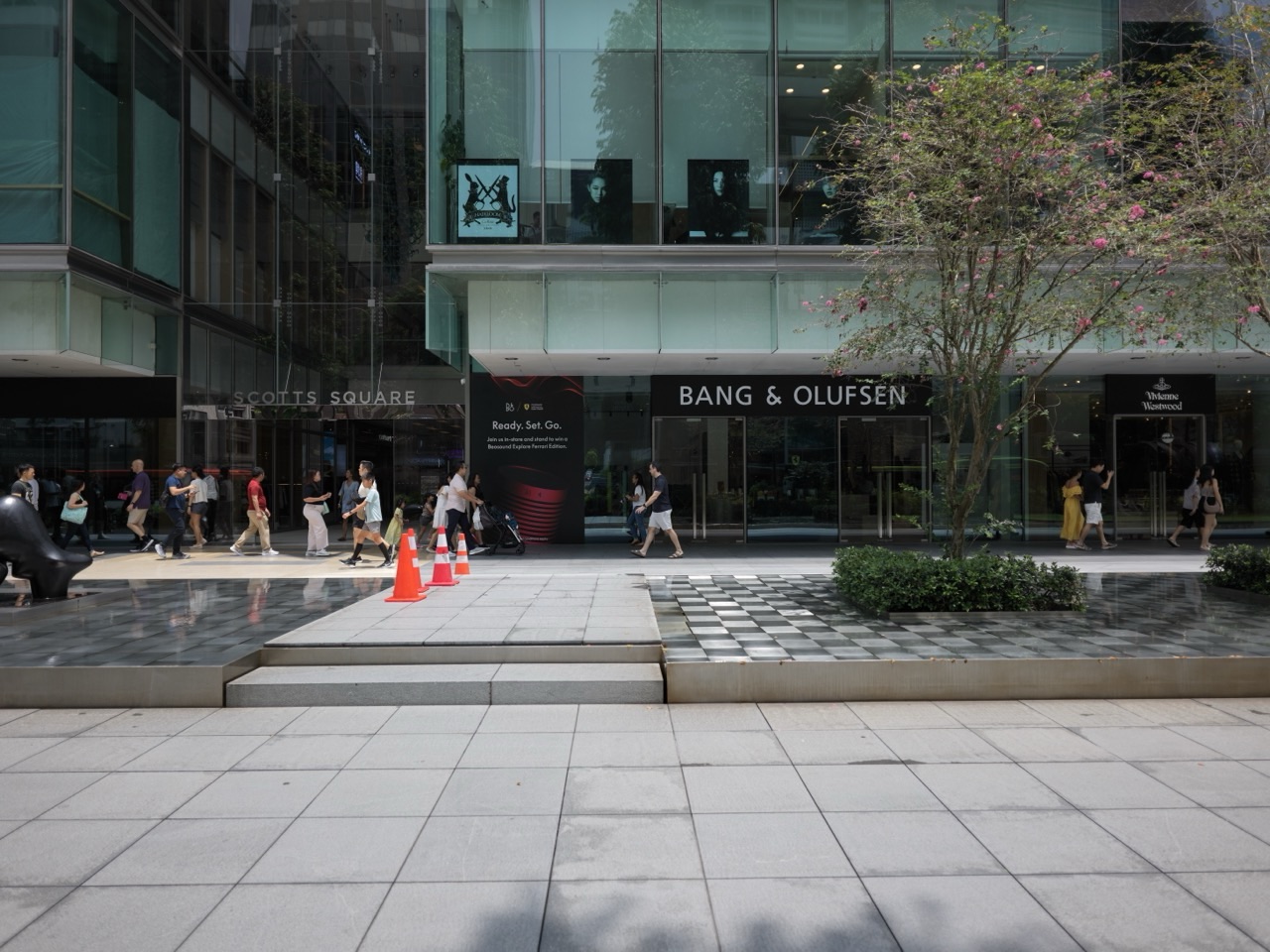
How does a shopping centre make money, and why can a busy mall still be a difficult business? Shopping mall economics begins with rent, but rent is only one layer. A shopping centre has retail leases, service charges, turnover rent in some agreements, operating costs, property taxes, utilities, security, cleaning, maintenance, marketing, fit-out cycles, capital expenditure and the constant risk that a tenant may leave before a replacement is ready. The economics works when the building earns enough from its spaces to operate, renew itself and remain useful to tenants and shoppers.
This guide explains shopping mall rent, retail leasing costs, turnover rent, service charges, occupancy, tenant sales, asset enhancement and shopping centre economics in clear language. It also explains why landlords care about foot traffic but cannot pay bills with foot traffic alone, why tenants care about sales but must watch occupancy cost, and why a centre can spend millions improving circulation even when the old building still technically functions. The visible shop is the final stage of a much larger financial machine.
Did you know that a mall is balancing at least three different economies at once? The property owner needs sustainable income from the asset. The tenant needs a viable business after rent and other costs. The shopper needs enough value, convenience and enjoyment to keep returning. If the landlord extracts too much, tenants weaken. If tenants do not perform, the mall loses rent and vibrancy. If shoppers lose interest, both sides eventually feel it. Strong mall economics is therefore a coordination problem, not simply a rent-maximisation contest.
Read Tenant Mix, Anchor Tenants and Retail Leasing for the leasing mechanics, and Foot Traffic, Customer Flow, Mall Design and Wayfinding for the spatial mechanics. This article follows the money through the same system.
The Simple Model: Space, Income, Costs, Performance, Reinvestment
A shopping centre begins with a property that has usable commercial space. That space is leased to tenants, generating rental and related income. The owner pays to operate and maintain the common building. Tenants use the space to earn sales. The owner measures whether the property remains competitive, then reinvests where needed. The cycle repeats across years.
This looks simple until time enters the picture. A unit can be vacant. A tenant can need months to fit out. An escalator can require replacement. Electricity costs can rise. A major entrance can be disrupted by construction. A new competitor can open nearby. A lease signed years ago may be below or above today’s market. The financial model must survive these changes.
That is why professional owners think in portfolios, cash flows and long horizons. One month’s rent matters, but so do tenant retention, future rent reversions, capital expenditure and the centre’s ability to remain relevant ten years later.
Gross Floor Area Is Not the Same as Rentable Space
A mall contains more than shops. It needs corridors, toilets, plant rooms, loading bays, lifts, escalators, staircases, service passages and other common or operational areas. Some parts produce rent directly. Others make the rent-producing parts usable. This is one reason a shopping centre cannot be understood by multiplying total building area by a rental rate.
Property reporting often distinguishes measures such as net lettable area from broader building area. The exact definitions used in a financial report matter. Investors and operators look at how much space can earn rent, how efficiently that space is used and what common infrastructure is required to support it.
For a student, the systems lesson is elegant: productive capacity depends on support capacity. A shop corridor does not pay rent, but without it the shops cannot function. An electrical room does not sell shoes, but the shoe store depends on power. Invisible square metres can be economically essential.
Base Rent Is the Most Familiar Income Stream
Base rent is the fixed rental amount a tenant pays according to the lease. It may be quoted in different ways, such as a monthly amount or a rate per unit area. The lease specifies what is included, when payment is due and how rent changes over time. In Singapore commercial property, terms are negotiated rather than set by a universal retail formula.
Market rent depends on location, unit size, frontage, floor, traffic, tenant demand, property quality and current economic conditions. Two units in the same mall can command different rents because one sits beside a major entrance while another is in a quieter zone. A tiny kiosk may pay a high rate per square metre yet a much smaller absolute amount than a large anchor store.
For current Singapore evidence, URA’s Commercial Retail Rental Analysis provides rental information derived from contracts submitted for stamp duty assessment. URA explains that its gross rent measure includes base rent and charges connected with the lease, such as service charges and certain other payments. Use the live database for market work rather than relying on a static article.
Turnover Rent Links Part of Rent to Sales
Some retail leases include turnover rent, where part of the landlord’s income depends on the tenant’s gross sales according to the formula in the lease. A common conceptual structure is fixed base rent plus a percentage of sales, or the higher of two calculated amounts. Real leases vary, so the contract wording is what governs.
Why use a variable component? Retail performance is partly connected to the quality of the centre. A strong mall can help tenants produce sales through traffic, curation and operations. Turnover rent lets the landlord participate in upside when tenant performance is strong. It can also create more reporting requirements and disputes if “sales” is poorly defined.
The educational value is mathematical. If rent includes a fixed amount plus a variable percentage of turnover, the tenant’s occupancy cost changes as sales change. Students can graph the relationship and see how a contract creates incentives. Business mathematics becomes a real mechanism rather than a worksheet abstraction.
Service Charges Pay for Shared Operations
The shop is private space, but the customer experiences a common building. Air-conditioning, cleaning, security, lifts, escalators, lighting, landscaping, toilets, directories, pest control and maintenance must be funded. Depending on the lease, tenants may contribute through service charges or related common-area payments.
This is why tenants compare total occupancy cost, not just headline rent. A unit that appears cheap can become expensive after service charges, utilities, marketing levies and fit-out amortisation. Another unit with a higher rent may produce much stronger sales because of superior traffic and visibility.
From the landlord’s side, common costs must be controlled without degrading the customer experience. Cutting cleaning too far may save money this month and damage the centre’s reputation for years. Good operations treats cost efficiency and service quality as a combined problem.
Occupancy Cost Is the Tenant’s Reality Check
A retailer asks a practical question: what proportion of sales will be consumed by occupying this unit? Rent and related property costs compete with wages, inventory, logistics, payment fees, marketing and other expenses. If occupancy cost becomes too high for the concept’s margins, a busy store can still lose money.
Different categories can tolerate different occupancy costs because gross margins and business models differ. Jewellery, supermarkets, restaurants, gyms and tuition centres do not share one economic structure. That is why a landlord cannot judge every tenant by sales per square metre alone.
The useful principle is fit. The right rent is not simply the highest amount a unit can command today. It is an amount and structure that the market will accept, that the tenant can sustain if the concept performs reasonably, and that supports the owner’s required returns.
Sales per Square Metre Is Powerful but Incomplete
Sales productivity measures help compare how much revenue a tenant produces from a given space. A smaller store can outperform a larger store on this basis. Landlords may use productivity trends to understand whether a tenant is using space efficiently or whether a category is changing.
But high sales productivity does not automatically mean high profit for the tenant or high value for the mall. A low-margin supermarket can generate enormous sales and frequent visits. A luxury store can have fewer transactions but large ticket sizes and strong branding. A cinema may create indirect value by filling restaurants before and after shows.
This is another reason mall economics must be read as a network. Direct numbers matter, but so do spillovers. A tenant can make its neighbours more valuable.
Gross Rental Income Is a Portfolio Number
Property owners often report gross rental income, or related rental metrics, across an asset or portfolio. The total reflects hundreds of leases with different rents, sizes, start dates and structures. Investors then look at occupancy, tenant concentration, lease expiry profiles and operating expenses to understand how durable that income may be.
A centre with one tenant contributing an enormous share of rent can be vulnerable if that tenant leaves. A diversified income base can be more resilient, but more tenants also mean more leasing and management work. Concentration and diversification each have trade-offs.
For students, think of this like a class project with several contributors. One brilliant contributor can raise the whole result but creates dependency. A balanced team may be more resilient. Property income has a similar portfolio logic, although the stakes and contracts are far more complex.
Occupancy Rate Measures Space, Not Happiness
A high occupancy rate means most rentable space is leased or occupied according to the reporting definition. That is usually a positive sign because empty space earns little or no rent and can make the centre look weak. Yet 100 per cent occupancy does not guarantee healthy tenants, strong growth or a compelling mix.
A mall can be full but stale. It can have tenants paying below-market legacy rents. It can have strong rent but weak sales that threaten future renewals. It can also choose to hold space vacant during a major redevelopment. Occupancy is useful, but it needs context.
Good analysis therefore asks several questions together: occupancy, tenant sales, traffic, rental growth, lease expiries, retention, arrears, incentives and capital plans. No single number tells the whole story.
Vacancy Has a Direct and Indirect Cost
When a unit is empty, the owner loses rent. But the indirect cost can be larger. A dark storefront weakens the corridor. Neighbouring tenants lose traffic. Hoarding reduces visual interest. The leasing team spends time finding a replacement. Fit-out may require landlord works before the next tenant can open.
This is why landlords sometimes use temporary pop-ups or event space during transitions. These uses can maintain activity and test demand. However, they may produce less stable income than a long lease. A temporary solution should not be mistaken for a permanent fix.
The financial question is therefore not only “How fast can we fill the unit?” but “What is the value of waiting for a better long-term fit compared with taking the first available rent?” This is an optimisation problem under uncertainty.
Lease Expiry Profiles Create Future Risk
Every lease has a time horizon. If many large leases expire in the same year, a mall faces concentrated renewal risk. If expiries are staggered, the landlord has more time to manage relocations, renovations and new leasing. Asset managers therefore study when income is due to reset.
A lease expiry is also an opportunity. Rent can be renegotiated. A weak concept can be replaced. Units can be combined or divided. A whole zone can be repositioned. The financial calendar becomes a design calendar.
This is why today’s tenant mix can be partly constrained by yesterday’s contracts. A landlord may know what it wants to change but have to wait until leases allow the change. Real systems evolve through time, not instant redesign.
Rent Reversion Shows What Happens at Renewal
Property reports often discuss rent reversion: the change between outgoing and incoming rent when leases are renewed or replaced, according to the owner’s methodology. Positive reversion can indicate that market rents or asset quality support higher rates. Negative reversion can reflect weaker conditions, strategic choices or changes in space and lease structure.
The number should be read carefully because calculation methods vary. A higher rent is not automatically good if it drives a strong tenant away and leaves the unit vacant for a year. A lower rent can be sensible if it secures a resilient tenant that strengthens the whole centre.
Once again, the portfolio perspective matters more than celebrating one percentage.
Fit-Out Is a Major Hidden Investment
Before a shop opens, walls, floors, lighting, signage, electrical systems, plumbing, kitchens, counters and furniture may need to be built. Retail fit-out can be expensive, and the investment is often specific to the concept. A restaurant cannot simply reuse every fashion-store fitting.
The tenant usually bears substantial fit-out costs, although landlords may provide incentives or contributions depending on the deal. Fit-out also takes time during which the unit may not yet produce normal sales. The economics of a lease therefore starts before opening day.
A short lease can be unattractive if the tenant cannot recover a large fit-out cost. A long lease gives more time to amortise the investment but reduces flexibility. Negotiation balances these realities.
Rent-Free Periods Are Not Free Space
Landlords sometimes offer rent-free fit-out periods or other incentives. These are commercial tools, not gifts detached from the economics. The owner evaluates the total value of the lease across its term. The tenant evaluates whether the concession meaningfully reduces opening risk.
A headline rent can therefore be misleading if incentives differ. Two leases at the same stated rate can have different effective economics once rent-free months, fit-out contributions or stepped rents are considered.
This is why professional comparison normalises terms. The useful question is total economic value over time, not the most impressive number in a brochure.
Marketing Is an Operating Investment
Shopping centres spend money on festive campaigns, events, loyalty programmes, decorations, social media, directories and customer-service initiatives. The purpose is to create visits, support tenant sales and strengthen the mall’s brand. Some lease structures may include tenant contributions to advertising and promotion.
Marketing is difficult to measure because a campaign can influence awareness without producing an immediate purchase. A Christmas event may support dining, retail and future visitation at once. The landlord therefore combines direct metrics such as traffic changes with longer-term measures such as tenant performance and customer engagement.
A good campaign fits the centre’s positioning. A family mall, luxury mall and outlet centre should not spend their marketing budgets in identical ways.
Car Parks Can Be Both Service and Revenue
Parking supports accessibility for drivers and can also generate income. Yet parking involves land or floor area, equipment, staffing, maintenance, lighting and traffic management. The mall must decide how parking prices balance revenue, convenience and visit duration.
A suburban mall may use parking to support grocery and family visits. A downtown mall may face different land values and alternative transport. Free or discounted parking promotions can be valuable during certain campaigns but have an opportunity cost.
This is another example of a component with two roles: parking is an operational service and an economic asset.
Advertising and Retail Media Create Another Income Layer
Screens, banners, atrium displays, digital directories and other media surfaces can be sold or used to promote tenants. As malls develop better first-party knowledge of visitor patterns, retail media can become more valuable because campaigns can be planned around specific locations and moments.
The centre must balance monetisation with visual quality. If every surface becomes an advertisement, wayfinding and atmosphere suffer. The most valuable media network is one customers can still navigate comfortably.
Economics is therefore constrained by experience. A dollar earned from clutter can destroy more value elsewhere.
Energy Is One of the Big Operating Variables
Large enclosed malls use significant energy for air-conditioning, lighting, lifts, escalators and equipment. Singapore’s climate makes cooling especially important. Energy efficiency can reduce operating cost and environmental impact at the same time, which is why building systems and sustainability investments matter financially.
An efficient chiller, smarter controls or improved lighting may require capital upfront and produce savings over years. Asset managers evaluate payback, reliability and customer comfort. The cheapest immediate option is not always the lowest-cost option over the life of the asset.
This is the logic of lifecycle economics: spend today when the future savings and resilience justify it.
Maintenance Protects Income
A leaking roof, broken escalator or unreliable air-conditioning can reduce customer comfort and tenant sales. Deferred maintenance may make one year’s budget look better while creating larger costs later. Property income depends on physical reliability.
Preventive maintenance tries to service equipment before failure. Predictive systems can use condition data to identify emerging problems. Emergency repairs remain necessary because not every failure can be predicted. The mall’s financial plan must therefore include routine, planned and unexpected maintenance.
The economic value of maintenance is easiest to see when it fails. A closed entrance can redirect traffic away from several tenants at once.
Capital Expenditure Keeps the Asset Competitive
Operating expenses keep the current building running. Capital expenditure creates or replaces longer-lived assets: major mechanical equipment, new façades, reconfigured floors, upgraded toilets, new lifts, digital systems or substantial renovations. Accounting definitions matter, but the practical distinction is between running the asset and renewing it.
A mature centre may need an asset enhancement initiative, sometimes called an AEI, to remain competitive. The owner can refresh interiors, improve circulation, add retail space, relocate anchors or change the tenant mix. These projects can disrupt income during construction but aim to improve future performance.
The decision resembles renovating a house, except the house contains hundreds of businesses and thousands of daily visitors. Timing and phasing become financial tools.
Why Owners Sometimes Spend Money to Remove Rentable Space
It can seem strange for a landlord to convert shop space into seating, a wider corridor or an atrium. Directly rentable area falls. Yet the remaining space may become more valuable if the centre is easier to navigate, less congested or more attractive. The system can gain by sacrificing a small amount of local income.
This is a useful antidote to simplistic optimisation. Maximising each square metre separately can produce a poor whole. A corridor that is too narrow may technically create more units but reduce the performance of all of them.
Strong design asks for the value of the network, not only the value of the node.
Tenant Incentives Are a Tool for Managing Risk
When market conditions are weak or a strategic tenant is important, landlords may offer incentives such as fit-out support, stepped rent or other negotiated terms. These reduce near-term income but may secure occupancy and long-term value.
The tenant takes risk too. It invests in stock, staff, fit-out and marketing before knowing exactly how the location will perform. A workable lease acknowledges that both sides need the relationship to succeed.
This is why mall economics is relational. A landlord cannot prosper for long by filling the building with tenants that cannot survive.
Tenant Retention Saves More Than Leasing Effort
Keeping a strong tenant avoids vacancy, marketing, negotiation and fit-out transition. Customers also value continuity. A familiar pharmacy, café or supermarket can become part of the local routine. Retention therefore has operational and social value.
But retention is not always correct. A tenant may no longer fit the centre, underinvest in the store or lose customer relevance. Automatic renewal can preserve yesterday’s mix at the expense of tomorrow’s demand.
The useful question is not “Can we keep this tenant?” but “Does renewing this tenant improve the next version of the centre?”
REITs Turn Mall Income into an Investment Product
Many major shopping centres are owned through real estate investment trusts, or REITs. A REIT pools income-producing real estate and distributes income to investors according to its structure and legal requirements. Mall rent therefore becomes part of a larger capital-market system.
REIT managers monitor occupancy, rental income, financing, capital expenditure and asset values. Investors compare malls with offices, logistics assets and other properties. The shopping trip on Saturday can ultimately contribute to distributions received by investors far from the mall.
This does not change the shopper’s immediate experience, but it explains why property owners care about stable, predictable cash flow and long-term asset quality.
Debt Changes the Economics Again
Commercial property is often financed partly with debt. Interest rates therefore affect owners. When borrowing costs rise, refinancing becomes more expensive and the hurdle for new investment can change. A mall with strong operating income may still face financial pressure if capital costs move sharply.
Professional owners manage debt maturity, interest exposure and liquidity alongside property operations. The building and the balance sheet are two connected systems.
For students, this explains why a successful physical asset can still be part of a financially fragile company. Operations and financing must both work.
Property Value Depends on Future Income Expectations
A shopping centre’s value is related to the income investors expect it can produce in the future and the return they require for taking the risk. Strong occupancy, durable tenants, attractive rent growth and good asset quality can support value. Weak demand, large capital needs or uncertain leases can reduce it.
This is why owners invest before a centre looks broken. Waiting until every metric collapses can make recovery more expensive. Repositioning while the asset is still healthy may protect future income.
In other words, asset management is partly preventive medicine for property.
Inflation Moves Through the Mall in Uneven Ways
Inflation can raise wages, utilities, construction costs, food inputs and merchandise prices. Tenants may try to pass some costs to consumers. Landlords may face higher operating expenses. Rent reviews may capture part of the changing price environment, depending on lease terms and market conditions.
But categories respond differently. Essential services may retain demand while discretionary retail slows. Restaurants can face high ingredient and labour costs even when traffic looks healthy. A mall’s diverse tenant mix helps spread these risks.
Again, a single average can hide important differences. Good operators look at category-level behaviour.
E-Commerce Did Not Remove the Mall; It Changed the Job
Online shopping competes with physical retail for transactions, but it also changes what physical locations are good at. Stores can become showrooms, pickup points, service centres, experience spaces or brand theatres. Food, fitness, entertainment and services cannot be fully digitised in the same way as commodity purchases.
Mall economics therefore increasingly values experiences and missions that require presence. This helps explain the growing importance of F&B, wellness, education, entertainment and community uses in many centres.
The physical mall remains valuable when it does something the browser tab cannot: combine errands, people, services and experiences in one place.
A Busy Mall Can Still Have Weak Economics
Suppose a mall is crowded every weekend but many visitors spend little, maintenance costs are high and several tenants have negotiated weak rents. The centre can look successful while producing disappointing returns. Conversely, a smaller specialist mall can have modest traffic but strong conversion, loyal customers and efficient costs.
This is why footfall must be connected to sales and income. Traffic is potential energy. Commercial performance depends on whether that potential becomes transactions and sustainable leases.
The same logic applies to websites: page views are useful, but they are not identical to learning, trust or revenue. Metrics need a purpose.
A Quiet Mall Can Still Have Strategic Value
Some centres serve a narrow community, office population or specialist market. They may never produce the crowds of a regional destination. Their economics can still work if rents, costs and tenant sales align with the smaller demand base.
The danger comes when a mall is priced and operated for a traffic level it does not have. A realistic centre can thrive quietly. An unrealistic centre can fail loudly.
Scale should fit the catchment.
Worked Example: One Unit, Two Possible Tenants
Imagine a 100-square-metre unit. Tenant A offers a higher fixed rent but has little track record and requires a short lease. Tenant B offers slightly lower rent but has a proven business, strong repeat visits and wants five years. Which is better? The answer depends on vacancy risk, incentives, expected sales, strategic fit and the value of stability.
Now add another fact: Tenant B is a bakery beside the supermarket and may increase morning traffic for surrounding stores. The portfolio effect becomes relevant. Then add a third fact: Tenant A is a unique concept that could differentiate the whole mall. The decision becomes richer again.
This exercise shows why retail leasing cannot be reduced to “highest bidder wins”. The owner is choosing a future path for the asset.
Worked Example: Asset Enhancement
Imagine a 20-year-old suburban mall with strong occupancy but tired interiors and weak upper-floor traffic. The owner considers a major renovation. During construction, some units will close and rental income may fall. New escalators, refreshed dining, improved toilets and reconfigured units will cost significant capital.
The project only makes sense if the expected future benefits justify the disruption and cost. Those benefits might include stronger rents, higher traffic, lower maintenance, better energy efficiency and a more resilient tenant mix. Management builds scenarios because nobody can know the outcome perfectly.
A good investment decision therefore compares “do nothing” with “invest”, not the project cost with zero. Doing nothing also has a future cost if the centre loses relevance.
Worked Example: Turnover Rent
Suppose a café pays an illustrative base rent of S$12,000 per month plus 5 per cent of monthly sales above S$300,000. At S$250,000 sales, only the base applies. At S$400,000, the variable component is calculated according to the lease formula. Students can compute different scenarios and graph total occupancy cost.
Then ask a deeper question: if the landlord runs an event that raises the café’s sales, who benefits? Both can. The tenant earns more revenue and the landlord may receive more turnover rent. This alignment is one reason variable structures can be attractive, although real agreements require careful definitions and reporting.
Use invented numbers for learning unless you have an actual lease. Commercial lease terms are private and highly specific.
What Can Go Wrong?
- Headline rent is pushed so high that the tenant cannot sustain the location.
- A centre stays fully occupied by accepting concepts that weaken the long-term mix.
- Maintenance is deferred to improve short-term profit, causing larger failures later.
- A renovation is launched without enough contingency for cost and delay.
- A landlord depends too heavily on one tenant or category.
- Traffic is celebrated without checking whether tenants are converting it into sales.
- Incentives make a lease look strong on paper while effective income is weak.
- Too many leases expire at once, concentrating renewal risk.
- Energy and staffing costs rise faster than rental income.
- The property becomes visually dated and loses pricing power before management responds.
These failures share one pattern: optimising a local number while ignoring the system. The highest rent, lowest maintenance budget or fullest occupancy can each become harmful when pursued without context.
Frequently Asked Questions
How does a shopping mall make money?
The main income is usually rent and related payments from tenants. Depending on the property, income can also come from parking, advertising, kiosks, events or other commercial uses. The owner then pays operating costs, financing and capital expenditure. Exact structures vary by asset.
What is turnover rent?
Turnover rent is rent linked to tenant sales according to the lease formula. It may sit alongside base rent. Because definitions and thresholds vary, the actual lease must be read to understand the obligation.
What is a service charge?
A service charge is a payment associated with shared building operations such as cleaning, security and maintenance, depending on the lease structure. Tenants should evaluate the full occupancy cost rather than comparing base rent alone.
Why do malls renovate when they are still busy?
A successful centre may renovate proactively to improve circulation, refresh the tenant mix, replace ageing systems, reduce operating costs or defend its position against competitors. Waiting for obvious decline can make recovery harder and more expensive.
Is high occupancy always good?
High occupancy is generally positive, but it does not prove that tenant sales are healthy, rents are optimal or the mix is future-ready. Occupancy should be read with sales, rent, lease expiry and capital data.
Why can anchor tenants pay different rents?
Large strategic tenants may occupy unusual amounts of space, commit for long periods, require major fit-out and generate traffic for neighbours. Their commercial terms can therefore differ from those of small shops. The landlord evaluates their contribution to the whole asset.
Where can I find current Singapore retail rent data?
Use URA’s Commercial Retail Rental Analysis. It is updated periodically and explains the basis of its rental information. Professional property decisions should also use current market advice and actual lease evidence.
A Practical Learning Activity: Build a Mini Mall Income Statement
Create a fictional five-unit mall. Give each unit an area, monthly rent and service charge. Add parking and advertising income. Then add cleaning, security, energy and maintenance costs. Calculate a simple operating surplus. This is not professional accounting; it is a learning model.
Now make one unit vacant for six months. Remove its rent but keep most building costs. What changes? Add a fit-out incentive for the replacement tenant. The exercise reveals why vacancy hurts twice: income disappears while many common costs remain.
Next, improve the mall with a S$1 million renovation. Assume it raises rents gradually over five years. Ask when the investment pays back under different scenarios. Do not chase one answer. Compare assumptions. This teaches sensitivity analysis.
Finally, change the tenant mix. Replace a high-rent shop with a lower-rent supermarket that raises traffic and improves the sales of two neighbours. Your simple model now needs indirect effects. That is exactly the point: real systems outgrow simplistic spreadsheets.
Teaching Guide: Follow One Dollar Through the System
Ask a learner to imagine spending S$20 at a café. Where does the money go? Part may pay for ingredients, wages, rent, utilities, card fees, taxes and profit. Then follow the rent payment to the landlord, which pays cleaning, security, maintenance, financing and investment. The single purchase enters a network of obligations.
For Mathematics, compare fixed and variable costs. Rent may be fixed while ingredient costs vary with sales. Introduce turnover rent as a mixed cost. Ask students to find the break-even sales level under invented assumptions and explain why a higher break-even point increases risk.
For English, ask students to defend or challenge this statement: “A landlord should not always choose the tenant willing to pay the highest rent.” Require evidence from tenant mix, vacancy risk and portfolio effects. The mall becomes a concrete case for argumentative writing.
For Geography, compare an Orchard Road mall with a suburban transport-linked mall. Discuss how tourist traffic, office populations, housing catchments and transport affect the kinds of income the property can support. Economic geography becomes visible in the lease structure.
For Economics, discuss externalities inside the mall. A cinema can increase restaurant sales. A bad queue can reduce a neighbour’s sales. A renovated atrium can raise the attractiveness of several units. The financial system contains spillovers that individual lease prices do not fully capture.
The Larger Idea: A Mall Is a Cash-Flow Machine with a Social Face
To shoppers, the mall feels like lights, food, errands and air-conditioning. To tenants, it is a location with sales potential and occupancy costs. To owners, it is a long-lived asset producing cash flows. All three views are correct, and none is complete by itself.
The best centres align them. Shoppers get a place worth visiting. Tenants get enough demand to justify staying. Owners earn enough to maintain and renew the property. When one side is repeatedly sacrificed, the system eventually weakens.
That is why shopping centre economics is more interesting than “rent goes up, landlord earns more”. Sustainable value comes from keeping the whole loop healthy.
One final way to test the system is to ask who pays when something changes. If electricity rises, the landlord may face higher common costs and tenants may face higher occupancy expenses. If a renovation improves traffic, tenants may gain sales while the owner gains future rent. If a tenant fails, the landlord loses income and neighbouring shops can lose activity. Money reveals dependencies that a floor plan alone can hide, which is why economics belongs beside design in any complete explanation of how a mall works.
Official and eduKateSG Reading Route
For current Singapore rental information, use URA’s Commercial Retail Rental Analysis. For an overview of current Singapore commercial leasing practice, professional legal and real-estate guidance should be checked at the time of any real transaction. Market reports also change quickly, so current evidence matters more than remembered figures.
Within eduKateSG, continue with Tenant Mix, Anchor Tenants and Retail Leasing, Foot Traffic, Customer Flow, Mall Design and Wayfinding, Making Singapore Rich | Real Estate, Property and the Built Environment, and How Singapore Works | Shopping Malls. Together they connect the property balance sheet to the city and customer experience.
Public links and current context in this article were checked on 5 October 2026. The durable method is to separate income from costs, direct value from network value, and today’s cash flow from tomorrow’s asset quality. A shopping centre works financially when its rent, operations and reinvestment support the same long-term promise: a place people and businesses still want to use.