
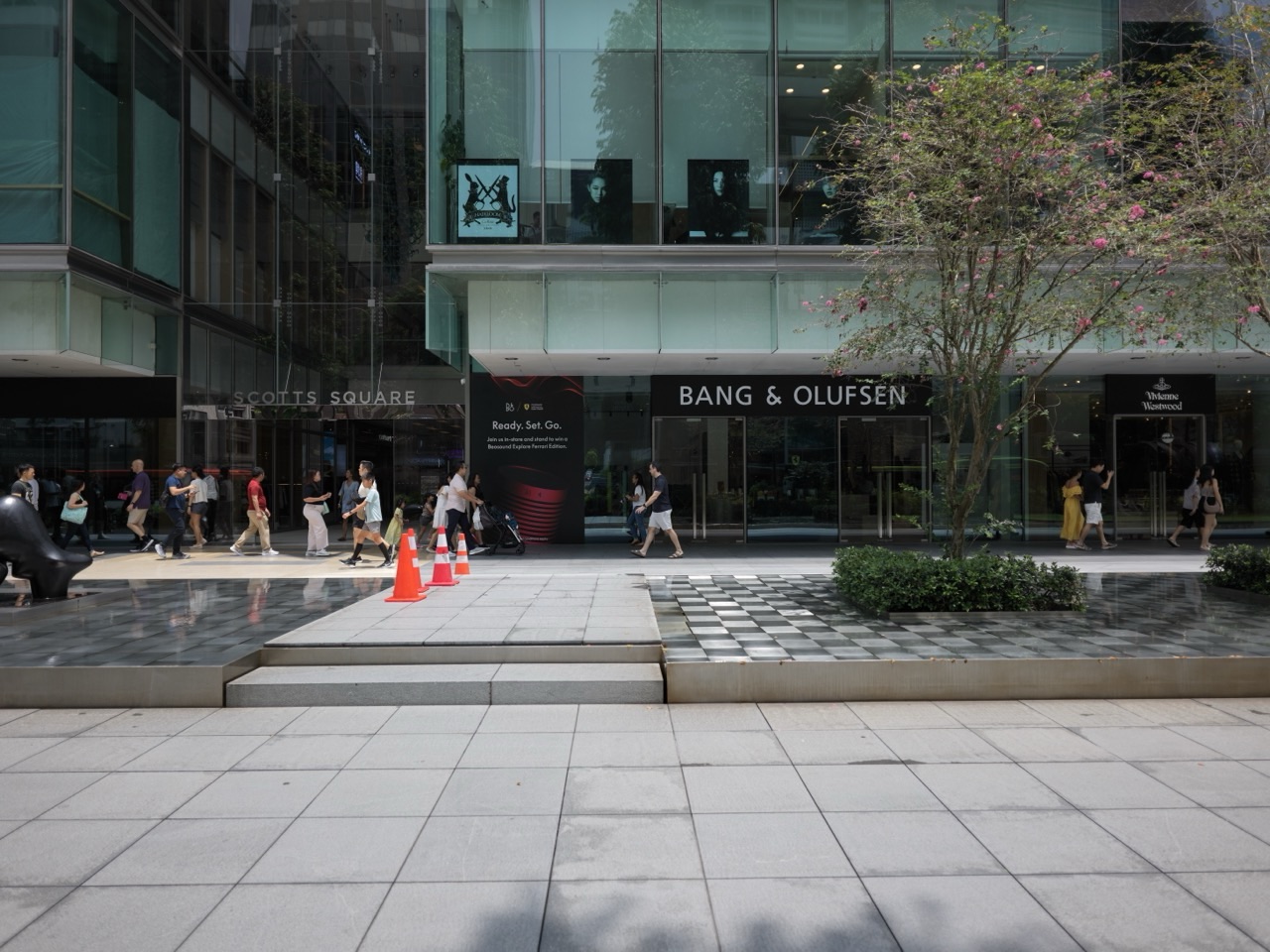
How does a shopping centre recover when shops close, tenants leave or a once-busy corridor begins to look empty? Mall vacancy is not simply a missing rent cheque. An empty unit changes the appearance of the corridor, reduces reasons to walk past neighbouring shops, interrupts the tenant mix and can make customers wonder whether the centre is declining. Retail recovery therefore combines leasing, temporary activation, rent strategy, renovation, marketing, tenant support and sometimes a deeper repositioning of the entire property.
This guide explains shopping mall vacancy, tenant turnover, store closures, retail leasing recovery, pop-up activation, anchor vacancies, rent reversion, tenant retention and mall repositioning. We will look at why a full mall can still be unhealthy, why some vacancy is part of normal leasing cycles, how a large anchor closure differs from a small-unit vacancy, why landlords sometimes wait for a better tenant instead of filling a space immediately, and how data can distinguish a local leasing problem from a structural decline in the centre.
Did you know that Singapore’s island-wide retail vacancy rate was 6.5% at the end of the second quarter of 2026, up from 6.3% in the previous quarter, according to URA’s latest quarterly statistics available at the time of writing? That number does not mean every mall has the same vacancy, and it does not tell us why individual spaces are empty. It is useful because it reminds us that vacancy is a measurable property-market condition, not simply an impression created by one shuttered shop.
For the leasing foundation, read Tenant Mix, Anchor Tenants and Retail Leasing. For the renovation response, continue with Asset Enhancement, Renovation, Repositioning and Mall Redevelopment.
What Vacancy Means
What Vacancy Means should be read as a signal rather than an automatic verdict on the entire mall. A unit can be empty because a lease expired yesterday, because a strategic renovation is coming, because the landlord is waiting for a better fit or because demand has genuinely weakened. Diagnosis begins by separating these situations.
The mechanism is time plus context. Leasing teams track when the unit became available, what tenant demand exists, how much fit-out is required, what neighbouring stores need and whether the vacancy is isolated or part of a pattern. A single dark unit and an entire dark corridor are different problems.
URA’s second-quarter 2026 statistics reported an island-wide retail vacancy rate of 6.5%, while also reporting changes in occupied stock, prices, rents and future supply. Those market numbers provide context, but an individual centre still needs its own traffic, sales and leasing evidence before management can decide what the vacancy means.
For students, imagine three empty shops with identical size. One is between tenants for six weeks, one has been vacant for two years and one is deliberately held for a coming redevelopment. They look similar from the corridor but represent completely different economic stories. This is why observation must be followed by evidence.
The result of good recovery is not merely a full occupancy number. It is a sustainable tenant mix with businesses that can trade, reasons for customers to visit and enough flexibility for the centre to evolve. Filling space quickly can be useful, but filling it intelligently is more important.
Normal Leasing Vacancy
Normal Leasing Vacancy should be read as a signal rather than an automatic verdict on the entire mall. A unit can be empty because a lease expired yesterday, because a strategic renovation is coming, because the landlord is waiting for a better fit or because demand has genuinely weakened. Diagnosis begins by separating these situations.
The mechanism is time plus context. Leasing teams track when the unit became available, what tenant demand exists, how much fit-out is required, what neighbouring stores need and whether the vacancy is isolated or part of a pattern. A single dark unit and an entire dark corridor are different problems.
URA’s second-quarter 2026 statistics reported an island-wide retail vacancy rate of 6.5%, while also reporting changes in occupied stock, prices, rents and future supply. Those market numbers provide context, but an individual centre still needs its own traffic, sales and leasing evidence before management can decide what the vacancy means.
For students, imagine three empty shops with identical size. One is between tenants for six weeks, one has been vacant for two years and one is deliberately held for a coming redevelopment. They look similar from the corridor but represent completely different economic stories. This is why observation must be followed by evidence.
The result of good recovery is not merely a full occupancy number. It is a sustainable tenant mix with businesses that can trade, reasons for customers to visit and enough flexibility for the centre to evolve. Filling space quickly can be useful, but filling it intelligently is more important.
Structural Vacancy
Structural Vacancy should be read as a signal rather than an automatic verdict on the entire mall. A unit can be empty because a lease expired yesterday, because a strategic renovation is coming, because the landlord is waiting for a better fit or because demand has genuinely weakened. Diagnosis begins by separating these situations.
The mechanism is time plus context. Leasing teams track when the unit became available, what tenant demand exists, how much fit-out is required, what neighbouring stores need and whether the vacancy is isolated or part of a pattern. A single dark unit and an entire dark corridor are different problems.
URA’s second-quarter 2026 statistics reported an island-wide retail vacancy rate of 6.5%, while also reporting changes in occupied stock, prices, rents and future supply. Those market numbers provide context, but an individual centre still needs its own traffic, sales and leasing evidence before management can decide what the vacancy means.
For students, imagine three empty shops with identical size. One is between tenants for six weeks, one has been vacant for two years and one is deliberately held for a coming redevelopment. They look similar from the corridor but represent completely different economic stories. This is why observation must be followed by evidence.
The result of good recovery is not merely a full occupancy number. It is a sustainable tenant mix with businesses that can trade, reasons for customers to visit and enough flexibility for the centre to evolve. Filling space quickly can be useful, but filling it intelligently is more important.
Tenant Turnover
Tenant Turnover should be read as a signal rather than an automatic verdict on the entire mall. A unit can be empty because a lease expired yesterday, because a strategic renovation is coming, because the landlord is waiting for a better fit or because demand has genuinely weakened. Diagnosis begins by separating these situations.
The mechanism is time plus context. Leasing teams track when the unit became available, what tenant demand exists, how much fit-out is required, what neighbouring stores need and whether the vacancy is isolated or part of a pattern. A single dark unit and an entire dark corridor are different problems.
URA’s second-quarter 2026 statistics reported an island-wide retail vacancy rate of 6.5%, while also reporting changes in occupied stock, prices, rents and future supply. Those market numbers provide context, but an individual centre still needs its own traffic, sales and leasing evidence before management can decide what the vacancy means.
For students, imagine three empty shops with identical size. One is between tenants for six weeks, one has been vacant for two years and one is deliberately held for a coming redevelopment. They look similar from the corridor but represent completely different economic stories. This is why observation must be followed by evidence.
The result of good recovery is not merely a full occupancy number. It is a sustainable tenant mix with businesses that can trade, reasons for customers to visit and enough flexibility for the centre to evolve. Filling space quickly can be useful, but filling it intelligently is more important.
Lease Expiry
Lease Expiry should be read as a signal rather than an automatic verdict on the entire mall. A unit can be empty because a lease expired yesterday, because a strategic renovation is coming, because the landlord is waiting for a better fit or because demand has genuinely weakened. Diagnosis begins by separating these situations.
The mechanism is time plus context. Leasing teams track when the unit became available, what tenant demand exists, how much fit-out is required, what neighbouring stores need and whether the vacancy is isolated or part of a pattern. A single dark unit and an entire dark corridor are different problems.
URA’s second-quarter 2026 statistics reported an island-wide retail vacancy rate of 6.5%, while also reporting changes in occupied stock, prices, rents and future supply. Those market numbers provide context, but an individual centre still needs its own traffic, sales and leasing evidence before management can decide what the vacancy means.
For students, imagine three empty shops with identical size. One is between tenants for six weeks, one has been vacant for two years and one is deliberately held for a coming redevelopment. They look similar from the corridor but represent completely different economic stories. This is why observation must be followed by evidence.
The result of good recovery is not merely a full occupancy number. It is a sustainable tenant mix with businesses that can trade, reasons for customers to visit and enough flexibility for the centre to evolve. Filling space quickly can be useful, but filling it intelligently is more important.
Non-Renewal
Non-Renewal should be read as a signal rather than an automatic verdict on the entire mall. A unit can be empty because a lease expired yesterday, because a strategic renovation is coming, because the landlord is waiting for a better fit or because demand has genuinely weakened. Diagnosis begins by separating these situations.
The mechanism is time plus context. Leasing teams track when the unit became available, what tenant demand exists, how much fit-out is required, what neighbouring stores need and whether the vacancy is isolated or part of a pattern. A single dark unit and an entire dark corridor are different problems.
URA’s second-quarter 2026 statistics reported an island-wide retail vacancy rate of 6.5%, while also reporting changes in occupied stock, prices, rents and future supply. Those market numbers provide context, but an individual centre still needs its own traffic, sales and leasing evidence before management can decide what the vacancy means.
For students, imagine three empty shops with identical size. One is between tenants for six weeks, one has been vacant for two years and one is deliberately held for a coming redevelopment. They look similar from the corridor but represent completely different economic stories. This is why observation must be followed by evidence.
The result of good recovery is not merely a full occupancy number. It is a sustainable tenant mix with businesses that can trade, reasons for customers to visit and enough flexibility for the centre to evolve. Filling space quickly can be useful, but filling it intelligently is more important.
Tenant Failure
Tenant Failure should be read as a signal rather than an automatic verdict on the entire mall. A unit can be empty because a lease expired yesterday, because a strategic renovation is coming, because the landlord is waiting for a better fit or because demand has genuinely weakened. Diagnosis begins by separating these situations.
The mechanism is time plus context. Leasing teams track when the unit became available, what tenant demand exists, how much fit-out is required, what neighbouring stores need and whether the vacancy is isolated or part of a pattern. A single dark unit and an entire dark corridor are different problems.
URA’s second-quarter 2026 statistics reported an island-wide retail vacancy rate of 6.5%, while also reporting changes in occupied stock, prices, rents and future supply. Those market numbers provide context, but an individual centre still needs its own traffic, sales and leasing evidence before management can decide what the vacancy means.
For students, imagine three empty shops with identical size. One is between tenants for six weeks, one has been vacant for two years and one is deliberately held for a coming redevelopment. They look similar from the corridor but represent completely different economic stories. This is why observation must be followed by evidence.
The result of good recovery is not merely a full occupancy number. It is a sustainable tenant mix with businesses that can trade, reasons for customers to visit and enough flexibility for the centre to evolve. Filling space quickly can be useful, but filling it intelligently is more important.
Strategic Exit
Strategic Exit should be read as a signal rather than an automatic verdict on the entire mall. A unit can be empty because a lease expired yesterday, because a strategic renovation is coming, because the landlord is waiting for a better fit or because demand has genuinely weakened. Diagnosis begins by separating these situations.
The mechanism is time plus context. Leasing teams track when the unit became available, what tenant demand exists, how much fit-out is required, what neighbouring stores need and whether the vacancy is isolated or part of a pattern. A single dark unit and an entire dark corridor are different problems.
URA’s second-quarter 2026 statistics reported an island-wide retail vacancy rate of 6.5%, while also reporting changes in occupied stock, prices, rents and future supply. Those market numbers provide context, but an individual centre still needs its own traffic, sales and leasing evidence before management can decide what the vacancy means.
For students, imagine three empty shops with identical size. One is between tenants for six weeks, one has been vacant for two years and one is deliberately held for a coming redevelopment. They look similar from the corridor but represent completely different economic stories. This is why observation must be followed by evidence.
The result of good recovery is not merely a full occupancy number. It is a sustainable tenant mix with businesses that can trade, reasons for customers to visit and enough flexibility for the centre to evolve. Filling space quickly can be useful, but filling it intelligently is more important.
Anchor Closure
Anchor Closure should be read as a signal rather than an automatic verdict on the entire mall. A unit can be empty because a lease expired yesterday, because a strategic renovation is coming, because the landlord is waiting for a better fit or because demand has genuinely weakened. Diagnosis begins by separating these situations.
The mechanism is time plus context. Leasing teams track when the unit became available, what tenant demand exists, how much fit-out is required, what neighbouring stores need and whether the vacancy is isolated or part of a pattern. A single dark unit and an entire dark corridor are different problems.
URA’s second-quarter 2026 statistics reported an island-wide retail vacancy rate of 6.5%, while also reporting changes in occupied stock, prices, rents and future supply. Those market numbers provide context, but an individual centre still needs its own traffic, sales and leasing evidence before management can decide what the vacancy means.
For students, imagine three empty shops with identical size. One is between tenants for six weeks, one has been vacant for two years and one is deliberately held for a coming redevelopment. They look similar from the corridor but represent completely different economic stories. This is why observation must be followed by evidence.
The result of good recovery is not merely a full occupancy number. It is a sustainable tenant mix with businesses that can trade, reasons for customers to visit and enough flexibility for the centre to evolve. Filling space quickly can be useful, but filling it intelligently is more important.
Small-Unit Vacancy
Small-Unit Vacancy should be read as a signal rather than an automatic verdict on the entire mall. A unit can be empty because a lease expired yesterday, because a strategic renovation is coming, because the landlord is waiting for a better fit or because demand has genuinely weakened. Diagnosis begins by separating these situations.
The mechanism is time plus context. Leasing teams track when the unit became available, what tenant demand exists, how much fit-out is required, what neighbouring stores need and whether the vacancy is isolated or part of a pattern. A single dark unit and an entire dark corridor are different problems.
URA’s second-quarter 2026 statistics reported an island-wide retail vacancy rate of 6.5%, while also reporting changes in occupied stock, prices, rents and future supply. Those market numbers provide context, but an individual centre still needs its own traffic, sales and leasing evidence before management can decide what the vacancy means.
For students, imagine three empty shops with identical size. One is between tenants for six weeks, one has been vacant for two years and one is deliberately held for a coming redevelopment. They look similar from the corridor but represent completely different economic stories. This is why observation must be followed by evidence.
The result of good recovery is not merely a full occupancy number. It is a sustainable tenant mix with businesses that can trade, reasons for customers to visit and enough flexibility for the centre to evolve. Filling space quickly can be useful, but filling it intelligently is more important.
Vacancy Clusters
Vacancy Clusters should be read as a signal rather than an automatic verdict on the entire mall. A unit can be empty because a lease expired yesterday, because a strategic renovation is coming, because the landlord is waiting for a better fit or because demand has genuinely weakened. Diagnosis begins by separating these situations.
The mechanism is time plus context. Leasing teams track when the unit became available, what tenant demand exists, how much fit-out is required, what neighbouring stores need and whether the vacancy is isolated or part of a pattern. A single dark unit and an entire dark corridor are different problems.
URA’s second-quarter 2026 statistics reported an island-wide retail vacancy rate of 6.5%, while also reporting changes in occupied stock, prices, rents and future supply. Those market numbers provide context, but an individual centre still needs its own traffic, sales and leasing evidence before management can decide what the vacancy means.
For students, imagine three empty shops with identical size. One is between tenants for six weeks, one has been vacant for two years and one is deliberately held for a coming redevelopment. They look similar from the corridor but represent completely different economic stories. This is why observation must be followed by evidence.
The result of good recovery is not merely a full occupancy number. It is a sustainable tenant mix with businesses that can trade, reasons for customers to visit and enough flexibility for the centre to evolve. Filling space quickly can be useful, but filling it intelligently is more important.
Dark Shopfronts
Dark Shopfronts should be read as a signal rather than an automatic verdict on the entire mall. A unit can be empty because a lease expired yesterday, because a strategic renovation is coming, because the landlord is waiting for a better fit or because demand has genuinely weakened. Diagnosis begins by separating these situations.
The mechanism is time plus context. Leasing teams track when the unit became available, what tenant demand exists, how much fit-out is required, what neighbouring stores need and whether the vacancy is isolated or part of a pattern. A single dark unit and an entire dark corridor are different problems.
URA’s second-quarter 2026 statistics reported an island-wide retail vacancy rate of 6.5%, while also reporting changes in occupied stock, prices, rents and future supply. Those market numbers provide context, but an individual centre still needs its own traffic, sales and leasing evidence before management can decide what the vacancy means.
For students, imagine three empty shops with identical size. One is between tenants for six weeks, one has been vacant for two years and one is deliberately held for a coming redevelopment. They look similar from the corridor but represent completely different economic stories. This is why observation must be followed by evidence.
The result of good recovery is not merely a full occupancy number. It is a sustainable tenant mix with businesses that can trade, reasons for customers to visit and enough flexibility for the centre to evolve. Filling space quickly can be useful, but filling it intelligently is more important.
Hoardings
Hoardings should be read as a signal rather than an automatic verdict on the entire mall. A unit can be empty because a lease expired yesterday, because a strategic renovation is coming, because the landlord is waiting for a better fit or because demand has genuinely weakened. Diagnosis begins by separating these situations.
The mechanism is time plus context. Leasing teams track when the unit became available, what tenant demand exists, how much fit-out is required, what neighbouring stores need and whether the vacancy is isolated or part of a pattern. A single dark unit and an entire dark corridor are different problems.
URA’s second-quarter 2026 statistics reported an island-wide retail vacancy rate of 6.5%, while also reporting changes in occupied stock, prices, rents and future supply. Those market numbers provide context, but an individual centre still needs its own traffic, sales and leasing evidence before management can decide what the vacancy means.
For students, imagine three empty shops with identical size. One is between tenants for six weeks, one has been vacant for two years and one is deliberately held for a coming redevelopment. They look similar from the corridor but represent completely different economic stories. This is why observation must be followed by evidence.
The result of good recovery is not merely a full occupancy number. It is a sustainable tenant mix with businesses that can trade, reasons for customers to visit and enough flexibility for the centre to evolve. Filling space quickly can be useful, but filling it intelligently is more important.
Temporary Activation
Temporary Activation should be read as a signal rather than an automatic verdict on the entire mall. A unit can be empty because a lease expired yesterday, because a strategic renovation is coming, because the landlord is waiting for a better fit or because demand has genuinely weakened. Diagnosis begins by separating these situations.
The mechanism is time plus context. Leasing teams track when the unit became available, what tenant demand exists, how much fit-out is required, what neighbouring stores need and whether the vacancy is isolated or part of a pattern. A single dark unit and an entire dark corridor are different problems.
URA’s second-quarter 2026 statistics reported an island-wide retail vacancy rate of 6.5%, while also reporting changes in occupied stock, prices, rents and future supply. Those market numbers provide context, but an individual centre still needs its own traffic, sales and leasing evidence before management can decide what the vacancy means.
For students, imagine three empty shops with identical size. One is between tenants for six weeks, one has been vacant for two years and one is deliberately held for a coming redevelopment. They look similar from the corridor but represent completely different economic stories. This is why observation must be followed by evidence.
The result of good recovery is not merely a full occupancy number. It is a sustainable tenant mix with businesses that can trade, reasons for customers to visit and enough flexibility for the centre to evolve. Filling space quickly can be useful, but filling it intelligently is more important.
Pop-Up Stores
Pop-Up Stores should be read as a signal rather than an automatic verdict on the entire mall. A unit can be empty because a lease expired yesterday, because a strategic renovation is coming, because the landlord is waiting for a better fit or because demand has genuinely weakened. Diagnosis begins by separating these situations.
The mechanism is time plus context. Leasing teams track when the unit became available, what tenant demand exists, how much fit-out is required, what neighbouring stores need and whether the vacancy is isolated or part of a pattern. A single dark unit and an entire dark corridor are different problems.
URA’s second-quarter 2026 statistics reported an island-wide retail vacancy rate of 6.5%, while also reporting changes in occupied stock, prices, rents and future supply. Those market numbers provide context, but an individual centre still needs its own traffic, sales and leasing evidence before management can decide what the vacancy means.
For students, imagine three empty shops with identical size. One is between tenants for six weeks, one has been vacant for two years and one is deliberately held for a coming redevelopment. They look similar from the corridor but represent completely different economic stories. This is why observation must be followed by evidence.
The result of good recovery is not merely a full occupancy number. It is a sustainable tenant mix with businesses that can trade, reasons for customers to visit and enough flexibility for the centre to evolve. Filling space quickly can be useful, but filling it intelligently is more important.
Short-Term Leasing
Short-Term Leasing should be read as a signal rather than an automatic verdict on the entire mall. A unit can be empty because a lease expired yesterday, because a strategic renovation is coming, because the landlord is waiting for a better fit or because demand has genuinely weakened. Diagnosis begins by separating these situations.
The mechanism is time plus context. Leasing teams track when the unit became available, what tenant demand exists, how much fit-out is required, what neighbouring stores need and whether the vacancy is isolated or part of a pattern. A single dark unit and an entire dark corridor are different problems.
URA’s second-quarter 2026 statistics reported an island-wide retail vacancy rate of 6.5%, while also reporting changes in occupied stock, prices, rents and future supply. Those market numbers provide context, but an individual centre still needs its own traffic, sales and leasing evidence before management can decide what the vacancy means.
For students, imagine three empty shops with identical size. One is between tenants for six weeks, one has been vacant for two years and one is deliberately held for a coming redevelopment. They look similar from the corridor but represent completely different economic stories. This is why observation must be followed by evidence.
The result of good recovery is not merely a full occupancy number. It is a sustainable tenant mix with businesses that can trade, reasons for customers to visit and enough flexibility for the centre to evolve. Filling space quickly can be useful, but filling it intelligently is more important.
Events in Empty Space
Events in Empty Space should be read as a signal rather than an automatic verdict on the entire mall. A unit can be empty because a lease expired yesterday, because a strategic renovation is coming, because the landlord is waiting for a better fit or because demand has genuinely weakened. Diagnosis begins by separating these situations.
The mechanism is time plus context. Leasing teams track when the unit became available, what tenant demand exists, how much fit-out is required, what neighbouring stores need and whether the vacancy is isolated or part of a pattern. A single dark unit and an entire dark corridor are different problems.
URA’s second-quarter 2026 statistics reported an island-wide retail vacancy rate of 6.5%, while also reporting changes in occupied stock, prices, rents and future supply. Those market numbers provide context, but an individual centre still needs its own traffic, sales and leasing evidence before management can decide what the vacancy means.
For students, imagine three empty shops with identical size. One is between tenants for six weeks, one has been vacant for two years and one is deliberately held for a coming redevelopment. They look similar from the corridor but represent completely different economic stories. This is why observation must be followed by evidence.
The result of good recovery is not merely a full occupancy number. It is a sustainable tenant mix with businesses that can trade, reasons for customers to visit and enough flexibility for the centre to evolve. Filling space quickly can be useful, but filling it intelligently is more important.
Community Uses
Community Uses should be read as a signal rather than an automatic verdict on the entire mall. A unit can be empty because a lease expired yesterday, because a strategic renovation is coming, because the landlord is waiting for a better fit or because demand has genuinely weakened. Diagnosis begins by separating these situations.
The mechanism is time plus context. Leasing teams track when the unit became available, what tenant demand exists, how much fit-out is required, what neighbouring stores need and whether the vacancy is isolated or part of a pattern. A single dark unit and an entire dark corridor are different problems.
URA’s second-quarter 2026 statistics reported an island-wide retail vacancy rate of 6.5%, while also reporting changes in occupied stock, prices, rents and future supply. Those market numbers provide context, but an individual centre still needs its own traffic, sales and leasing evidence before management can decide what the vacancy means.
For students, imagine three empty shops with identical size. One is between tenants for six weeks, one has been vacant for two years and one is deliberately held for a coming redevelopment. They look similar from the corridor but represent completely different economic stories. This is why observation must be followed by evidence.
The result of good recovery is not merely a full occupancy number. It is a sustainable tenant mix with businesses that can trade, reasons for customers to visit and enough flexibility for the centre to evolve. Filling space quickly can be useful, but filling it intelligently is more important.
Art Installations
Art Installations should be read as a signal rather than an automatic verdict on the entire mall. A unit can be empty because a lease expired yesterday, because a strategic renovation is coming, because the landlord is waiting for a better fit or because demand has genuinely weakened. Diagnosis begins by separating these situations.
The mechanism is time plus context. Leasing teams track when the unit became available, what tenant demand exists, how much fit-out is required, what neighbouring stores need and whether the vacancy is isolated or part of a pattern. A single dark unit and an entire dark corridor are different problems.
URA’s second-quarter 2026 statistics reported an island-wide retail vacancy rate of 6.5%, while also reporting changes in occupied stock, prices, rents and future supply. Those market numbers provide context, but an individual centre still needs its own traffic, sales and leasing evidence before management can decide what the vacancy means.
For students, imagine three empty shops with identical size. One is between tenants for six weeks, one has been vacant for two years and one is deliberately held for a coming redevelopment. They look similar from the corridor but represent completely different economic stories. This is why observation must be followed by evidence.
The result of good recovery is not merely a full occupancy number. It is a sustainable tenant mix with businesses that can trade, reasons for customers to visit and enough flexibility for the centre to evolve. Filling space quickly can be useful, but filling it intelligently is more important.
Marketing Empty Zones
Marketing Empty Zones should be read as a signal rather than an automatic verdict on the entire mall. A unit can be empty because a lease expired yesterday, because a strategic renovation is coming, because the landlord is waiting for a better fit or because demand has genuinely weakened. Diagnosis begins by separating these situations.
The mechanism is time plus context. Leasing teams track when the unit became available, what tenant demand exists, how much fit-out is required, what neighbouring stores need and whether the vacancy is isolated or part of a pattern. A single dark unit and an entire dark corridor are different problems.
URA’s second-quarter 2026 statistics reported an island-wide retail vacancy rate of 6.5%, while also reporting changes in occupied stock, prices, rents and future supply. Those market numbers provide context, but an individual centre still needs its own traffic, sales and leasing evidence before management can decide what the vacancy means.
For students, imagine three empty shops with identical size. One is between tenants for six weeks, one has been vacant for two years and one is deliberately held for a coming redevelopment. They look similar from the corridor but represent completely different economic stories. This is why observation must be followed by evidence.
The result of good recovery is not merely a full occupancy number. It is a sustainable tenant mix with businesses that can trade, reasons for customers to visit and enough flexibility for the centre to evolve. Filling space quickly can be useful, but filling it intelligently is more important.
Rent Strategy
Rent Strategy should be read as a signal rather than an automatic verdict on the entire mall. A unit can be empty because a lease expired yesterday, because a strategic renovation is coming, because the landlord is waiting for a better fit or because demand has genuinely weakened. Diagnosis begins by separating these situations.
The mechanism is time plus context. Leasing teams track when the unit became available, what tenant demand exists, how much fit-out is required, what neighbouring stores need and whether the vacancy is isolated or part of a pattern. A single dark unit and an entire dark corridor are different problems.
URA’s second-quarter 2026 statistics reported an island-wide retail vacancy rate of 6.5%, while also reporting changes in occupied stock, prices, rents and future supply. Those market numbers provide context, but an individual centre still needs its own traffic, sales and leasing evidence before management can decide what the vacancy means.
For students, imagine three empty shops with identical size. One is between tenants for six weeks, one has been vacant for two years and one is deliberately held for a coming redevelopment. They look similar from the corridor but represent completely different economic stories. This is why observation must be followed by evidence.
The result of good recovery is not merely a full occupancy number. It is a sustainable tenant mix with businesses that can trade, reasons for customers to visit and enough flexibility for the centre to evolve. Filling space quickly can be useful, but filling it intelligently is more important.
Asking Rent
Asking Rent should be read as a signal rather than an automatic verdict on the entire mall. A unit can be empty because a lease expired yesterday, because a strategic renovation is coming, because the landlord is waiting for a better fit or because demand has genuinely weakened. Diagnosis begins by separating these situations.
The mechanism is time plus context. Leasing teams track when the unit became available, what tenant demand exists, how much fit-out is required, what neighbouring stores need and whether the vacancy is isolated or part of a pattern. A single dark unit and an entire dark corridor are different problems.
URA’s second-quarter 2026 statistics reported an island-wide retail vacancy rate of 6.5%, while also reporting changes in occupied stock, prices, rents and future supply. Those market numbers provide context, but an individual centre still needs its own traffic, sales and leasing evidence before management can decide what the vacancy means.
For students, imagine three empty shops with identical size. One is between tenants for six weeks, one has been vacant for two years and one is deliberately held for a coming redevelopment. They look similar from the corridor but represent completely different economic stories. This is why observation must be followed by evidence.
The result of good recovery is not merely a full occupancy number. It is a sustainable tenant mix with businesses that can trade, reasons for customers to visit and enough flexibility for the centre to evolve. Filling space quickly can be useful, but filling it intelligently is more important.
Effective Rent
Effective Rent should be read as a signal rather than an automatic verdict on the entire mall. A unit can be empty because a lease expired yesterday, because a strategic renovation is coming, because the landlord is waiting for a better fit or because demand has genuinely weakened. Diagnosis begins by separating these situations.
The mechanism is time plus context. Leasing teams track when the unit became available, what tenant demand exists, how much fit-out is required, what neighbouring stores need and whether the vacancy is isolated or part of a pattern. A single dark unit and an entire dark corridor are different problems.
URA’s second-quarter 2026 statistics reported an island-wide retail vacancy rate of 6.5%, while also reporting changes in occupied stock, prices, rents and future supply. Those market numbers provide context, but an individual centre still needs its own traffic, sales and leasing evidence before management can decide what the vacancy means.
For students, imagine three empty shops with identical size. One is between tenants for six weeks, one has been vacant for two years and one is deliberately held for a coming redevelopment. They look similar from the corridor but represent completely different economic stories. This is why observation must be followed by evidence.
The result of good recovery is not merely a full occupancy number. It is a sustainable tenant mix with businesses that can trade, reasons for customers to visit and enough flexibility for the centre to evolve. Filling space quickly can be useful, but filling it intelligently is more important.
Incentives
Incentives should be read as a signal rather than an automatic verdict on the entire mall. A unit can be empty because a lease expired yesterday, because a strategic renovation is coming, because the landlord is waiting for a better fit or because demand has genuinely weakened. Diagnosis begins by separating these situations.
The mechanism is time plus context. Leasing teams track when the unit became available, what tenant demand exists, how much fit-out is required, what neighbouring stores need and whether the vacancy is isolated or part of a pattern. A single dark unit and an entire dark corridor are different problems.
URA’s second-quarter 2026 statistics reported an island-wide retail vacancy rate of 6.5%, while also reporting changes in occupied stock, prices, rents and future supply. Those market numbers provide context, but an individual centre still needs its own traffic, sales and leasing evidence before management can decide what the vacancy means.
For students, imagine three empty shops with identical size. One is between tenants for six weeks, one has been vacant for two years and one is deliberately held for a coming redevelopment. They look similar from the corridor but represent completely different economic stories. This is why observation must be followed by evidence.
The result of good recovery is not merely a full occupancy number. It is a sustainable tenant mix with businesses that can trade, reasons for customers to visit and enough flexibility for the centre to evolve. Filling space quickly can be useful, but filling it intelligently is more important.
Rent-Free Periods
Rent-Free Periods should be read as a signal rather than an automatic verdict on the entire mall. A unit can be empty because a lease expired yesterday, because a strategic renovation is coming, because the landlord is waiting for a better fit or because demand has genuinely weakened. Diagnosis begins by separating these situations.
The mechanism is time plus context. Leasing teams track when the unit became available, what tenant demand exists, how much fit-out is required, what neighbouring stores need and whether the vacancy is isolated or part of a pattern. A single dark unit and an entire dark corridor are different problems.
URA’s second-quarter 2026 statistics reported an island-wide retail vacancy rate of 6.5%, while also reporting changes in occupied stock, prices, rents and future supply. Those market numbers provide context, but an individual centre still needs its own traffic, sales and leasing evidence before management can decide what the vacancy means.
For students, imagine three empty shops with identical size. One is between tenants for six weeks, one has been vacant for two years and one is deliberately held for a coming redevelopment. They look similar from the corridor but represent completely different economic stories. This is why observation must be followed by evidence.
The result of good recovery is not merely a full occupancy number. It is a sustainable tenant mix with businesses that can trade, reasons for customers to visit and enough flexibility for the centre to evolve. Filling space quickly can be useful, but filling it intelligently is more important.
Fit-Out Contributions
Fit-Out Contributions should be read as a signal rather than an automatic verdict on the entire mall. A unit can be empty because a lease expired yesterday, because a strategic renovation is coming, because the landlord is waiting for a better fit or because demand has genuinely weakened. Diagnosis begins by separating these situations.
The mechanism is time plus context. Leasing teams track when the unit became available, what tenant demand exists, how much fit-out is required, what neighbouring stores need and whether the vacancy is isolated or part of a pattern. A single dark unit and an entire dark corridor are different problems.
URA’s second-quarter 2026 statistics reported an island-wide retail vacancy rate of 6.5%, while also reporting changes in occupied stock, prices, rents and future supply. Those market numbers provide context, but an individual centre still needs its own traffic, sales and leasing evidence before management can decide what the vacancy means.
For students, imagine three empty shops with identical size. One is between tenants for six weeks, one has been vacant for two years and one is deliberately held for a coming redevelopment. They look similar from the corridor but represent completely different economic stories. This is why observation must be followed by evidence.
The result of good recovery is not merely a full occupancy number. It is a sustainable tenant mix with businesses that can trade, reasons for customers to visit and enough flexibility for the centre to evolve. Filling space quickly can be useful, but filling it intelligently is more important.
Turnover Rent
Turnover Rent should be read as a signal rather than an automatic verdict on the entire mall. A unit can be empty because a lease expired yesterday, because a strategic renovation is coming, because the landlord is waiting for a better fit or because demand has genuinely weakened. Diagnosis begins by separating these situations.
The mechanism is time plus context. Leasing teams track when the unit became available, what tenant demand exists, how much fit-out is required, what neighbouring stores need and whether the vacancy is isolated or part of a pattern. A single dark unit and an entire dark corridor are different problems.
URA’s second-quarter 2026 statistics reported an island-wide retail vacancy rate of 6.5%, while also reporting changes in occupied stock, prices, rents and future supply. Those market numbers provide context, but an individual centre still needs its own traffic, sales and leasing evidence before management can decide what the vacancy means.
For students, imagine three empty shops with identical size. One is between tenants for six weeks, one has been vacant for two years and one is deliberately held for a coming redevelopment. They look similar from the corridor but represent completely different economic stories. This is why observation must be followed by evidence.
The result of good recovery is not merely a full occupancy number. It is a sustainable tenant mix with businesses that can trade, reasons for customers to visit and enough flexibility for the centre to evolve. Filling space quickly can be useful, but filling it intelligently is more important.
Rent Reversion
Rent Reversion should be read as a signal rather than an automatic verdict on the entire mall. A unit can be empty because a lease expired yesterday, because a strategic renovation is coming, because the landlord is waiting for a better fit or because demand has genuinely weakened. Diagnosis begins by separating these situations.
The mechanism is time plus context. Leasing teams track when the unit became available, what tenant demand exists, how much fit-out is required, what neighbouring stores need and whether the vacancy is isolated or part of a pattern. A single dark unit and an entire dark corridor are different problems.
URA’s second-quarter 2026 statistics reported an island-wide retail vacancy rate of 6.5%, while also reporting changes in occupied stock, prices, rents and future supply. Those market numbers provide context, but an individual centre still needs its own traffic, sales and leasing evidence before management can decide what the vacancy means.
For students, imagine three empty shops with identical size. One is between tenants for six weeks, one has been vacant for two years and one is deliberately held for a coming redevelopment. They look similar from the corridor but represent completely different economic stories. This is why observation must be followed by evidence.
The result of good recovery is not merely a full occupancy number. It is a sustainable tenant mix with businesses that can trade, reasons for customers to visit and enough flexibility for the centre to evolve. Filling space quickly can be useful, but filling it intelligently is more important.
Tenant Retention
Tenant Retention should be read as a signal rather than an automatic verdict on the entire mall. A unit can be empty because a lease expired yesterday, because a strategic renovation is coming, because the landlord is waiting for a better fit or because demand has genuinely weakened. Diagnosis begins by separating these situations.
The mechanism is time plus context. Leasing teams track when the unit became available, what tenant demand exists, how much fit-out is required, what neighbouring stores need and whether the vacancy is isolated or part of a pattern. A single dark unit and an entire dark corridor are different problems.
URA’s second-quarter 2026 statistics reported an island-wide retail vacancy rate of 6.5%, while also reporting changes in occupied stock, prices, rents and future supply. Those market numbers provide context, but an individual centre still needs its own traffic, sales and leasing evidence before management can decide what the vacancy means.
For students, imagine three empty shops with identical size. One is between tenants for six weeks, one has been vacant for two years and one is deliberately held for a coming redevelopment. They look similar from the corridor but represent completely different economic stories. This is why observation must be followed by evidence.
The result of good recovery is not merely a full occupancy number. It is a sustainable tenant mix with businesses that can trade, reasons for customers to visit and enough flexibility for the centre to evolve. Filling space quickly can be useful, but filling it intelligently is more important.
Strong Tenant Renewal
Strong Tenant Renewal should be read as a signal rather than an automatic verdict on the entire mall. A unit can be empty because a lease expired yesterday, because a strategic renovation is coming, because the landlord is waiting for a better fit or because demand has genuinely weakened. Diagnosis begins by separating these situations.
The mechanism is time plus context. Leasing teams track when the unit became available, what tenant demand exists, how much fit-out is required, what neighbouring stores need and whether the vacancy is isolated or part of a pattern. A single dark unit and an entire dark corridor are different problems.
URA’s second-quarter 2026 statistics reported an island-wide retail vacancy rate of 6.5%, while also reporting changes in occupied stock, prices, rents and future supply. Those market numbers provide context, but an individual centre still needs its own traffic, sales and leasing evidence before management can decide what the vacancy means.
For students, imagine three empty shops with identical size. One is between tenants for six weeks, one has been vacant for two years and one is deliberately held for a coming redevelopment. They look similar from the corridor but represent completely different economic stories. This is why observation must be followed by evidence.
The result of good recovery is not merely a full occupancy number. It is a sustainable tenant mix with businesses that can trade, reasons for customers to visit and enough flexibility for the centre to evolve. Filling space quickly can be useful, but filling it intelligently is more important.
Weak Tenant Replacement
Weak Tenant Replacement should be read as a signal rather than an automatic verdict on the entire mall. A unit can be empty because a lease expired yesterday, because a strategic renovation is coming, because the landlord is waiting for a better fit or because demand has genuinely weakened. Diagnosis begins by separating these situations.
The mechanism is time plus context. Leasing teams track when the unit became available, what tenant demand exists, how much fit-out is required, what neighbouring stores need and whether the vacancy is isolated or part of a pattern. A single dark unit and an entire dark corridor are different problems.
URA’s second-quarter 2026 statistics reported an island-wide retail vacancy rate of 6.5%, while also reporting changes in occupied stock, prices, rents and future supply. Those market numbers provide context, but an individual centre still needs its own traffic, sales and leasing evidence before management can decide what the vacancy means.
For students, imagine three empty shops with identical size. One is between tenants for six weeks, one has been vacant for two years and one is deliberately held for a coming redevelopment. They look similar from the corridor but represent completely different economic stories. This is why observation must be followed by evidence.
The result of good recovery is not merely a full occupancy number. It is a sustainable tenant mix with businesses that can trade, reasons for customers to visit and enough flexibility for the centre to evolve. Filling space quickly can be useful, but filling it intelligently is more important.
Category Gaps
Category Gaps should be read as a signal rather than an automatic verdict on the entire mall. A unit can be empty because a lease expired yesterday, because a strategic renovation is coming, because the landlord is waiting for a better fit or because demand has genuinely weakened. Diagnosis begins by separating these situations.
The mechanism is time plus context. Leasing teams track when the unit became available, what tenant demand exists, how much fit-out is required, what neighbouring stores need and whether the vacancy is isolated or part of a pattern. A single dark unit and an entire dark corridor are different problems.
URA’s second-quarter 2026 statistics reported an island-wide retail vacancy rate of 6.5%, while also reporting changes in occupied stock, prices, rents and future supply. Those market numbers provide context, but an individual centre still needs its own traffic, sales and leasing evidence before management can decide what the vacancy means.
For students, imagine three empty shops with identical size. One is between tenants for six weeks, one has been vacant for two years and one is deliberately held for a coming redevelopment. They look similar from the corridor but represent completely different economic stories. This is why observation must be followed by evidence.
The result of good recovery is not merely a full occupancy number. It is a sustainable tenant mix with businesses that can trade, reasons for customers to visit and enough flexibility for the centre to evolve. Filling space quickly can be useful, but filling it intelligently is more important.
Catchment Change
Catchment Change should be read as a signal rather than an automatic verdict on the entire mall. A unit can be empty because a lease expired yesterday, because a strategic renovation is coming, because the landlord is waiting for a better fit or because demand has genuinely weakened. Diagnosis begins by separating these situations.
The mechanism is time plus context. Leasing teams track when the unit became available, what tenant demand exists, how much fit-out is required, what neighbouring stores need and whether the vacancy is isolated or part of a pattern. A single dark unit and an entire dark corridor are different problems.
URA’s second-quarter 2026 statistics reported an island-wide retail vacancy rate of 6.5%, while also reporting changes in occupied stock, prices, rents and future supply. Those market numbers provide context, but an individual centre still needs its own traffic, sales and leasing evidence before management can decide what the vacancy means.
For students, imagine three empty shops with identical size. One is between tenants for six weeks, one has been vacant for two years and one is deliberately held for a coming redevelopment. They look similar from the corridor but represent completely different economic stories. This is why observation must be followed by evidence.
The result of good recovery is not merely a full occupancy number. It is a sustainable tenant mix with businesses that can trade, reasons for customers to visit and enough flexibility for the centre to evolve. Filling space quickly can be useful, but filling it intelligently is more important.
New Competitors
New Competitors should be read as a signal rather than an automatic verdict on the entire mall. A unit can be empty because a lease expired yesterday, because a strategic renovation is coming, because the landlord is waiting for a better fit or because demand has genuinely weakened. Diagnosis begins by separating these situations.
The mechanism is time plus context. Leasing teams track when the unit became available, what tenant demand exists, how much fit-out is required, what neighbouring stores need and whether the vacancy is isolated or part of a pattern. A single dark unit and an entire dark corridor are different problems.
URA’s second-quarter 2026 statistics reported an island-wide retail vacancy rate of 6.5%, while also reporting changes in occupied stock, prices, rents and future supply. Those market numbers provide context, but an individual centre still needs its own traffic, sales and leasing evidence before management can decide what the vacancy means.
For students, imagine three empty shops with identical size. One is between tenants for six weeks, one has been vacant for two years and one is deliberately held for a coming redevelopment. They look similar from the corridor but represent completely different economic stories. This is why observation must be followed by evidence.
The result of good recovery is not merely a full occupancy number. It is a sustainable tenant mix with businesses that can trade, reasons for customers to visit and enough flexibility for the centre to evolve. Filling space quickly can be useful, but filling it intelligently is more important.
E-Commerce Pressure
E-Commerce Pressure should be read as a signal rather than an automatic verdict on the entire mall. A unit can be empty because a lease expired yesterday, because a strategic renovation is coming, because the landlord is waiting for a better fit or because demand has genuinely weakened. Diagnosis begins by separating these situations.
The mechanism is time plus context. Leasing teams track when the unit became available, what tenant demand exists, how much fit-out is required, what neighbouring stores need and whether the vacancy is isolated or part of a pattern. A single dark unit and an entire dark corridor are different problems.
URA’s second-quarter 2026 statistics reported an island-wide retail vacancy rate of 6.5%, while also reporting changes in occupied stock, prices, rents and future supply. Those market numbers provide context, but an individual centre still needs its own traffic, sales and leasing evidence before management can decide what the vacancy means.
For students, imagine three empty shops with identical size. One is between tenants for six weeks, one has been vacant for two years and one is deliberately held for a coming redevelopment. They look similar from the corridor but represent completely different economic stories. This is why observation must be followed by evidence.
The result of good recovery is not merely a full occupancy number. It is a sustainable tenant mix with businesses that can trade, reasons for customers to visit and enough flexibility for the centre to evolve. Filling space quickly can be useful, but filling it intelligently is more important.
Changing Office Traffic
Changing Office Traffic should be read as a signal rather than an automatic verdict on the entire mall. A unit can be empty because a lease expired yesterday, because a strategic renovation is coming, because the landlord is waiting for a better fit or because demand has genuinely weakened. Diagnosis begins by separating these situations.
The mechanism is time plus context. Leasing teams track when the unit became available, what tenant demand exists, how much fit-out is required, what neighbouring stores need and whether the vacancy is isolated or part of a pattern. A single dark unit and an entire dark corridor are different problems.
URA’s second-quarter 2026 statistics reported an island-wide retail vacancy rate of 6.5%, while also reporting changes in occupied stock, prices, rents and future supply. Those market numbers provide context, but an individual centre still needs its own traffic, sales and leasing evidence before management can decide what the vacancy means.
For students, imagine three empty shops with identical size. One is between tenants for six weeks, one has been vacant for two years and one is deliberately held for a coming redevelopment. They look similar from the corridor but represent completely different economic stories. This is why observation must be followed by evidence.
The result of good recovery is not merely a full occupancy number. It is a sustainable tenant mix with businesses that can trade, reasons for customers to visit and enough flexibility for the centre to evolve. Filling space quickly can be useful, but filling it intelligently is more important.
Changing Housing Catchment
Changing Housing Catchment should be read as a signal rather than an automatic verdict on the entire mall. A unit can be empty because a lease expired yesterday, because a strategic renovation is coming, because the landlord is waiting for a better fit or because demand has genuinely weakened. Diagnosis begins by separating these situations.
The mechanism is time plus context. Leasing teams track when the unit became available, what tenant demand exists, how much fit-out is required, what neighbouring stores need and whether the vacancy is isolated or part of a pattern. A single dark unit and an entire dark corridor are different problems.
URA’s second-quarter 2026 statistics reported an island-wide retail vacancy rate of 6.5%, while also reporting changes in occupied stock, prices, rents and future supply. Those market numbers provide context, but an individual centre still needs its own traffic, sales and leasing evidence before management can decide what the vacancy means.
For students, imagine three empty shops with identical size. One is between tenants for six weeks, one has been vacant for two years and one is deliberately held for a coming redevelopment. They look similar from the corridor but represent completely different economic stories. This is why observation must be followed by evidence.
The result of good recovery is not merely a full occupancy number. It is a sustainable tenant mix with businesses that can trade, reasons for customers to visit and enough flexibility for the centre to evolve. Filling space quickly can be useful, but filling it intelligently is more important.
Footfall Diagnosis
Footfall Diagnosis should be read as a signal rather than an automatic verdict on the entire mall. A unit can be empty because a lease expired yesterday, because a strategic renovation is coming, because the landlord is waiting for a better fit or because demand has genuinely weakened. Diagnosis begins by separating these situations.
The mechanism is time plus context. Leasing teams track when the unit became available, what tenant demand exists, how much fit-out is required, what neighbouring stores need and whether the vacancy is isolated or part of a pattern. A single dark unit and an entire dark corridor are different problems.
URA’s second-quarter 2026 statistics reported an island-wide retail vacancy rate of 6.5%, while also reporting changes in occupied stock, prices, rents and future supply. Those market numbers provide context, but an individual centre still needs its own traffic, sales and leasing evidence before management can decide what the vacancy means.
For students, imagine three empty shops with identical size. One is between tenants for six weeks, one has been vacant for two years and one is deliberately held for a coming redevelopment. They look similar from the corridor but represent completely different economic stories. This is why observation must be followed by evidence.
The result of good recovery is not merely a full occupancy number. It is a sustainable tenant mix with businesses that can trade, reasons for customers to visit and enough flexibility for the centre to evolve. Filling space quickly can be useful, but filling it intelligently is more important.
Sales Diagnosis
Sales Diagnosis should be read as a signal rather than an automatic verdict on the entire mall. A unit can be empty because a lease expired yesterday, because a strategic renovation is coming, because the landlord is waiting for a better fit or because demand has genuinely weakened. Diagnosis begins by separating these situations.
The mechanism is time plus context. Leasing teams track when the unit became available, what tenant demand exists, how much fit-out is required, what neighbouring stores need and whether the vacancy is isolated or part of a pattern. A single dark unit and an entire dark corridor are different problems.
URA’s second-quarter 2026 statistics reported an island-wide retail vacancy rate of 6.5%, while also reporting changes in occupied stock, prices, rents and future supply. Those market numbers provide context, but an individual centre still needs its own traffic, sales and leasing evidence before management can decide what the vacancy means.
For students, imagine three empty shops with identical size. One is between tenants for six weeks, one has been vacant for two years and one is deliberately held for a coming redevelopment. They look similar from the corridor but represent completely different economic stories. This is why observation must be followed by evidence.
The result of good recovery is not merely a full occupancy number. It is a sustainable tenant mix with businesses that can trade, reasons for customers to visit and enough flexibility for the centre to evolve. Filling space quickly can be useful, but filling it intelligently is more important.
Conversion
Conversion should be read as a signal rather than an automatic verdict on the entire mall. A unit can be empty because a lease expired yesterday, because a strategic renovation is coming, because the landlord is waiting for a better fit or because demand has genuinely weakened. Diagnosis begins by separating these situations.
The mechanism is time plus context. Leasing teams track when the unit became available, what tenant demand exists, how much fit-out is required, what neighbouring stores need and whether the vacancy is isolated or part of a pattern. A single dark unit and an entire dark corridor are different problems.
URA’s second-quarter 2026 statistics reported an island-wide retail vacancy rate of 6.5%, while also reporting changes in occupied stock, prices, rents and future supply. Those market numbers provide context, but an individual centre still needs its own traffic, sales and leasing evidence before management can decide what the vacancy means.
For students, imagine three empty shops with identical size. One is between tenants for six weeks, one has been vacant for two years and one is deliberately held for a coming redevelopment. They look similar from the corridor but represent completely different economic stories. This is why observation must be followed by evidence.
The result of good recovery is not merely a full occupancy number. It is a sustainable tenant mix with businesses that can trade, reasons for customers to visit and enough flexibility for the centre to evolve. Filling space quickly can be useful, but filling it intelligently is more important.
Dwell Time
Dwell Time should be read as a signal rather than an automatic verdict on the entire mall. A unit can be empty because a lease expired yesterday, because a strategic renovation is coming, because the landlord is waiting for a better fit or because demand has genuinely weakened. Diagnosis begins by separating these situations.
The mechanism is time plus context. Leasing teams track when the unit became available, what tenant demand exists, how much fit-out is required, what neighbouring stores need and whether the vacancy is isolated or part of a pattern. A single dark unit and an entire dark corridor are different problems.
URA’s second-quarter 2026 statistics reported an island-wide retail vacancy rate of 6.5%, while also reporting changes in occupied stock, prices, rents and future supply. Those market numbers provide context, but an individual centre still needs its own traffic, sales and leasing evidence before management can decide what the vacancy means.
For students, imagine three empty shops with identical size. One is between tenants for six weeks, one has been vacant for two years and one is deliberately held for a coming redevelopment. They look similar from the corridor but represent completely different economic stories. This is why observation must be followed by evidence.
The result of good recovery is not merely a full occupancy number. It is a sustainable tenant mix with businesses that can trade, reasons for customers to visit and enough flexibility for the centre to evolve. Filling space quickly can be useful, but filling it intelligently is more important.
Upper-Floor Weakness
Upper-Floor Weakness should be read as a signal rather than an automatic verdict on the entire mall. A unit can be empty because a lease expired yesterday, because a strategic renovation is coming, because the landlord is waiting for a better fit or because demand has genuinely weakened. Diagnosis begins by separating these situations.
The mechanism is time plus context. Leasing teams track when the unit became available, what tenant demand exists, how much fit-out is required, what neighbouring stores need and whether the vacancy is isolated or part of a pattern. A single dark unit and an entire dark corridor are different problems.
URA’s second-quarter 2026 statistics reported an island-wide retail vacancy rate of 6.5%, while also reporting changes in occupied stock, prices, rents and future supply. Those market numbers provide context, but an individual centre still needs its own traffic, sales and leasing evidence before management can decide what the vacancy means.
For students, imagine three empty shops with identical size. One is between tenants for six weeks, one has been vacant for two years and one is deliberately held for a coming redevelopment. They look similar from the corridor but represent completely different economic stories. This is why observation must be followed by evidence.
The result of good recovery is not merely a full occupancy number. It is a sustainable tenant mix with businesses that can trade, reasons for customers to visit and enough flexibility for the centre to evolve. Filling space quickly can be useful, but filling it intelligently is more important.
Dead-End Corridors
Dead-End Corridors should be read as a signal rather than an automatic verdict on the entire mall. A unit can be empty because a lease expired yesterday, because a strategic renovation is coming, because the landlord is waiting for a better fit or because demand has genuinely weakened. Diagnosis begins by separating these situations.
The mechanism is time plus context. Leasing teams track when the unit became available, what tenant demand exists, how much fit-out is required, what neighbouring stores need and whether the vacancy is isolated or part of a pattern. A single dark unit and an entire dark corridor are different problems.
URA’s second-quarter 2026 statistics reported an island-wide retail vacancy rate of 6.5%, while also reporting changes in occupied stock, prices, rents and future supply. Those market numbers provide context, but an individual centre still needs its own traffic, sales and leasing evidence before management can decide what the vacancy means.
For students, imagine three empty shops with identical size. One is between tenants for six weeks, one has been vacant for two years and one is deliberately held for a coming redevelopment. They look similar from the corridor but represent completely different economic stories. This is why observation must be followed by evidence.
The result of good recovery is not merely a full occupancy number. It is a sustainable tenant mix with businesses that can trade, reasons for customers to visit and enough flexibility for the centre to evolve. Filling space quickly can be useful, but filling it intelligently is more important.
Wayfinding Problems
Wayfinding Problems should be read as a signal rather than an automatic verdict on the entire mall. A unit can be empty because a lease expired yesterday, because a strategic renovation is coming, because the landlord is waiting for a better fit or because demand has genuinely weakened. Diagnosis begins by separating these situations.
The mechanism is time plus context. Leasing teams track when the unit became available, what tenant demand exists, how much fit-out is required, what neighbouring stores need and whether the vacancy is isolated or part of a pattern. A single dark unit and an entire dark corridor are different problems.
URA’s second-quarter 2026 statistics reported an island-wide retail vacancy rate of 6.5%, while also reporting changes in occupied stock, prices, rents and future supply. Those market numbers provide context, but an individual centre still needs its own traffic, sales and leasing evidence before management can decide what the vacancy means.
For students, imagine three empty shops with identical size. One is between tenants for six weeks, one has been vacant for two years and one is deliberately held for a coming redevelopment. They look similar from the corridor but represent completely different economic stories. This is why observation must be followed by evidence.
The result of good recovery is not merely a full occupancy number. It is a sustainable tenant mix with businesses that can trade, reasons for customers to visit and enough flexibility for the centre to evolve. Filling space quickly can be useful, but filling it intelligently is more important.
Escalator Problems
Escalator Problems should be read as a signal rather than an automatic verdict on the entire mall. A unit can be empty because a lease expired yesterday, because a strategic renovation is coming, because the landlord is waiting for a better fit or because demand has genuinely weakened. Diagnosis begins by separating these situations.
The mechanism is time plus context. Leasing teams track when the unit became available, what tenant demand exists, how much fit-out is required, what neighbouring stores need and whether the vacancy is isolated or part of a pattern. A single dark unit and an entire dark corridor are different problems.
URA’s second-quarter 2026 statistics reported an island-wide retail vacancy rate of 6.5%, while also reporting changes in occupied stock, prices, rents and future supply. Those market numbers provide context, but an individual centre still needs its own traffic, sales and leasing evidence before management can decide what the vacancy means.
For students, imagine three empty shops with identical size. One is between tenants for six weeks, one has been vacant for two years and one is deliberately held for a coming redevelopment. They look similar from the corridor but represent completely different economic stories. This is why observation must be followed by evidence.
The result of good recovery is not merely a full occupancy number. It is a sustainable tenant mix with businesses that can trade, reasons for customers to visit and enough flexibility for the centre to evolve. Filling space quickly can be useful, but filling it intelligently is more important.
Parking Problems
Parking Problems should be read as a signal rather than an automatic verdict on the entire mall. A unit can be empty because a lease expired yesterday, because a strategic renovation is coming, because the landlord is waiting for a better fit or because demand has genuinely weakened. Diagnosis begins by separating these situations.
The mechanism is time plus context. Leasing teams track when the unit became available, what tenant demand exists, how much fit-out is required, what neighbouring stores need and whether the vacancy is isolated or part of a pattern. A single dark unit and an entire dark corridor are different problems.
URA’s second-quarter 2026 statistics reported an island-wide retail vacancy rate of 6.5%, while also reporting changes in occupied stock, prices, rents and future supply. Those market numbers provide context, but an individual centre still needs its own traffic, sales and leasing evidence before management can decide what the vacancy means.
For students, imagine three empty shops with identical size. One is between tenants for six weeks, one has been vacant for two years and one is deliberately held for a coming redevelopment. They look similar from the corridor but represent completely different economic stories. This is why observation must be followed by evidence.
The result of good recovery is not merely a full occupancy number. It is a sustainable tenant mix with businesses that can trade, reasons for customers to visit and enough flexibility for the centre to evolve. Filling space quickly can be useful, but filling it intelligently is more important.
Reputation Effects
Reputation Effects should be read as a signal rather than an automatic verdict on the entire mall. A unit can be empty because a lease expired yesterday, because a strategic renovation is coming, because the landlord is waiting for a better fit or because demand has genuinely weakened. Diagnosis begins by separating these situations.
The mechanism is time plus context. Leasing teams track when the unit became available, what tenant demand exists, how much fit-out is required, what neighbouring stores need and whether the vacancy is isolated or part of a pattern. A single dark unit and an entire dark corridor are different problems.
URA’s second-quarter 2026 statistics reported an island-wide retail vacancy rate of 6.5%, while also reporting changes in occupied stock, prices, rents and future supply. Those market numbers provide context, but an individual centre still needs its own traffic, sales and leasing evidence before management can decide what the vacancy means.
For students, imagine three empty shops with identical size. One is between tenants for six weeks, one has been vacant for two years and one is deliberately held for a coming redevelopment. They look similar from the corridor but represent completely different economic stories. This is why observation must be followed by evidence.
The result of good recovery is not merely a full occupancy number. It is a sustainable tenant mix with businesses that can trade, reasons for customers to visit and enough flexibility for the centre to evolve. Filling space quickly can be useful, but filling it intelligently is more important.
Social Proof
Social Proof should be read as a signal rather than an automatic verdict on the entire mall. A unit can be empty because a lease expired yesterday, because a strategic renovation is coming, because the landlord is waiting for a better fit or because demand has genuinely weakened. Diagnosis begins by separating these situations.
The mechanism is time plus context. Leasing teams track when the unit became available, what tenant demand exists, how much fit-out is required, what neighbouring stores need and whether the vacancy is isolated or part of a pattern. A single dark unit and an entire dark corridor are different problems.
URA’s second-quarter 2026 statistics reported an island-wide retail vacancy rate of 6.5%, while also reporting changes in occupied stock, prices, rents and future supply. Those market numbers provide context, but an individual centre still needs its own traffic, sales and leasing evidence before management can decide what the vacancy means.
For students, imagine three empty shops with identical size. One is between tenants for six weeks, one has been vacant for two years and one is deliberately held for a coming redevelopment. They look similar from the corridor but represent completely different economic stories. This is why observation must be followed by evidence.
The result of good recovery is not merely a full occupancy number. It is a sustainable tenant mix with businesses that can trade, reasons for customers to visit and enough flexibility for the centre to evolve. Filling space quickly can be useful, but filling it intelligently is more important.
Customer Perception
Customer Perception should be read as a signal rather than an automatic verdict on the entire mall. A unit can be empty because a lease expired yesterday, because a strategic renovation is coming, because the landlord is waiting for a better fit or because demand has genuinely weakened. Diagnosis begins by separating these situations.
The mechanism is time plus context. Leasing teams track when the unit became available, what tenant demand exists, how much fit-out is required, what neighbouring stores need and whether the vacancy is isolated or part of a pattern. A single dark unit and an entire dark corridor are different problems.
URA’s second-quarter 2026 statistics reported an island-wide retail vacancy rate of 6.5%, while also reporting changes in occupied stock, prices, rents and future supply. Those market numbers provide context, but an individual centre still needs its own traffic, sales and leasing evidence before management can decide what the vacancy means.
For students, imagine three empty shops with identical size. One is between tenants for six weeks, one has been vacant for two years and one is deliberately held for a coming redevelopment. They look similar from the corridor but represent completely different economic stories. This is why observation must be followed by evidence.
The result of good recovery is not merely a full occupancy number. It is a sustainable tenant mix with businesses that can trade, reasons for customers to visit and enough flexibility for the centre to evolve. Filling space quickly can be useful, but filling it intelligently is more important.
Leasing Pipeline
Leasing Pipeline should be read as a signal rather than an automatic verdict on the entire mall. A unit can be empty because a lease expired yesterday, because a strategic renovation is coming, because the landlord is waiting for a better fit or because demand has genuinely weakened. Diagnosis begins by separating these situations.
The mechanism is time plus context. Leasing teams track when the unit became available, what tenant demand exists, how much fit-out is required, what neighbouring stores need and whether the vacancy is isolated or part of a pattern. A single dark unit and an entire dark corridor are different problems.
URA’s second-quarter 2026 statistics reported an island-wide retail vacancy rate of 6.5%, while also reporting changes in occupied stock, prices, rents and future supply. Those market numbers provide context, but an individual centre still needs its own traffic, sales and leasing evidence before management can decide what the vacancy means.
For students, imagine three empty shops with identical size. One is between tenants for six weeks, one has been vacant for two years and one is deliberately held for a coming redevelopment. They look similar from the corridor but represent completely different economic stories. This is why observation must be followed by evidence.
The result of good recovery is not merely a full occupancy number. It is a sustainable tenant mix with businesses that can trade, reasons for customers to visit and enough flexibility for the centre to evolve. Filling space quickly can be useful, but filling it intelligently is more important.
Lead Time
Lead Time should be read as a signal rather than an automatic verdict on the entire mall. A unit can be empty because a lease expired yesterday, because a strategic renovation is coming, because the landlord is waiting for a better fit or because demand has genuinely weakened. Diagnosis begins by separating these situations.
The mechanism is time plus context. Leasing teams track when the unit became available, what tenant demand exists, how much fit-out is required, what neighbouring stores need and whether the vacancy is isolated or part of a pattern. A single dark unit and an entire dark corridor are different problems.
URA’s second-quarter 2026 statistics reported an island-wide retail vacancy rate of 6.5%, while also reporting changes in occupied stock, prices, rents and future supply. Those market numbers provide context, but an individual centre still needs its own traffic, sales and leasing evidence before management can decide what the vacancy means.
For students, imagine three empty shops with identical size. One is between tenants for six weeks, one has been vacant for two years and one is deliberately held for a coming redevelopment. They look similar from the corridor but represent completely different economic stories. This is why observation must be followed by evidence.
The result of good recovery is not merely a full occupancy number. It is a sustainable tenant mix with businesses that can trade, reasons for customers to visit and enough flexibility for the centre to evolve. Filling space quickly can be useful, but filling it intelligently is more important.
Fit-Out Time
Fit-Out Time should be read as a signal rather than an automatic verdict on the entire mall. A unit can be empty because a lease expired yesterday, because a strategic renovation is coming, because the landlord is waiting for a better fit or because demand has genuinely weakened. Diagnosis begins by separating these situations.
The mechanism is time plus context. Leasing teams track when the unit became available, what tenant demand exists, how much fit-out is required, what neighbouring stores need and whether the vacancy is isolated or part of a pattern. A single dark unit and an entire dark corridor are different problems.
URA’s second-quarter 2026 statistics reported an island-wide retail vacancy rate of 6.5%, while also reporting changes in occupied stock, prices, rents and future supply. Those market numbers provide context, but an individual centre still needs its own traffic, sales and leasing evidence before management can decide what the vacancy means.
For students, imagine three empty shops with identical size. One is between tenants for six weeks, one has been vacant for two years and one is deliberately held for a coming redevelopment. They look similar from the corridor but represent completely different economic stories. This is why observation must be followed by evidence.
The result of good recovery is not merely a full occupancy number. It is a sustainable tenant mix with businesses that can trade, reasons for customers to visit and enough flexibility for the centre to evolve. Filling space quickly can be useful, but filling it intelligently is more important.
Opening Lag
Opening Lag should be read as a signal rather than an automatic verdict on the entire mall. A unit can be empty because a lease expired yesterday, because a strategic renovation is coming, because the landlord is waiting for a better fit or because demand has genuinely weakened. Diagnosis begins by separating these situations.
The mechanism is time plus context. Leasing teams track when the unit became available, what tenant demand exists, how much fit-out is required, what neighbouring stores need and whether the vacancy is isolated or part of a pattern. A single dark unit and an entire dark corridor are different problems.
URA’s second-quarter 2026 statistics reported an island-wide retail vacancy rate of 6.5%, while also reporting changes in occupied stock, prices, rents and future supply. Those market numbers provide context, but an individual centre still needs its own traffic, sales and leasing evidence before management can decide what the vacancy means.
For students, imagine three empty shops with identical size. One is between tenants for six weeks, one has been vacant for two years and one is deliberately held for a coming redevelopment. They look similar from the corridor but represent completely different economic stories. This is why observation must be followed by evidence.
The result of good recovery is not merely a full occupancy number. It is a sustainable tenant mix with businesses that can trade, reasons for customers to visit and enough flexibility for the centre to evolve. Filling space quickly can be useful, but filling it intelligently is more important.
Temporary versus Permanent Fixes
Temporary versus Permanent Fixes should be read as a signal rather than an automatic verdict on the entire mall. A unit can be empty because a lease expired yesterday, because a strategic renovation is coming, because the landlord is waiting for a better fit or because demand has genuinely weakened. Diagnosis begins by separating these situations.
The mechanism is time plus context. Leasing teams track when the unit became available, what tenant demand exists, how much fit-out is required, what neighbouring stores need and whether the vacancy is isolated or part of a pattern. A single dark unit and an entire dark corridor are different problems.
URA’s second-quarter 2026 statistics reported an island-wide retail vacancy rate of 6.5%, while also reporting changes in occupied stock, prices, rents and future supply. Those market numbers provide context, but an individual centre still needs its own traffic, sales and leasing evidence before management can decide what the vacancy means.
For students, imagine three empty shops with identical size. One is between tenants for six weeks, one has been vacant for two years and one is deliberately held for a coming redevelopment. They look similar from the corridor but represent completely different economic stories. This is why observation must be followed by evidence.
The result of good recovery is not merely a full occupancy number. It is a sustainable tenant mix with businesses that can trade, reasons for customers to visit and enough flexibility for the centre to evolve. Filling space quickly can be useful, but filling it intelligently is more important.
Asset Enhancement
Asset Enhancement should be read as a signal rather than an automatic verdict on the entire mall. A unit can be empty because a lease expired yesterday, because a strategic renovation is coming, because the landlord is waiting for a better fit or because demand has genuinely weakened. Diagnosis begins by separating these situations.
The mechanism is time plus context. Leasing teams track when the unit became available, what tenant demand exists, how much fit-out is required, what neighbouring stores need and whether the vacancy is isolated or part of a pattern. A single dark unit and an entire dark corridor are different problems.
URA’s second-quarter 2026 statistics reported an island-wide retail vacancy rate of 6.5%, while also reporting changes in occupied stock, prices, rents and future supply. Those market numbers provide context, but an individual centre still needs its own traffic, sales and leasing evidence before management can decide what the vacancy means.
For students, imagine three empty shops with identical size. One is between tenants for six weeks, one has been vacant for two years and one is deliberately held for a coming redevelopment. They look similar from the corridor but represent completely different economic stories. This is why observation must be followed by evidence.
The result of good recovery is not merely a full occupancy number. It is a sustainable tenant mix with businesses that can trade, reasons for customers to visit and enough flexibility for the centre to evolve. Filling space quickly can be useful, but filling it intelligently is more important.
Subdivision
Subdivision should be read as a signal rather than an automatic verdict on the entire mall. A unit can be empty because a lease expired yesterday, because a strategic renovation is coming, because the landlord is waiting for a better fit or because demand has genuinely weakened. Diagnosis begins by separating these situations.
The mechanism is time plus context. Leasing teams track when the unit became available, what tenant demand exists, how much fit-out is required, what neighbouring stores need and whether the vacancy is isolated or part of a pattern. A single dark unit and an entire dark corridor are different problems.
URA’s second-quarter 2026 statistics reported an island-wide retail vacancy rate of 6.5%, while also reporting changes in occupied stock, prices, rents and future supply. Those market numbers provide context, but an individual centre still needs its own traffic, sales and leasing evidence before management can decide what the vacancy means.
For students, imagine three empty shops with identical size. One is between tenants for six weeks, one has been vacant for two years and one is deliberately held for a coming redevelopment. They look similar from the corridor but represent completely different economic stories. This is why observation must be followed by evidence.
The result of good recovery is not merely a full occupancy number. It is a sustainable tenant mix with businesses that can trade, reasons for customers to visit and enough flexibility for the centre to evolve. Filling space quickly can be useful, but filling it intelligently is more important.
Amalgamation
Amalgamation should be read as a signal rather than an automatic verdict on the entire mall. A unit can be empty because a lease expired yesterday, because a strategic renovation is coming, because the landlord is waiting for a better fit or because demand has genuinely weakened. Diagnosis begins by separating these situations.
The mechanism is time plus context. Leasing teams track when the unit became available, what tenant demand exists, how much fit-out is required, what neighbouring stores need and whether the vacancy is isolated or part of a pattern. A single dark unit and an entire dark corridor are different problems.
URA’s second-quarter 2026 statistics reported an island-wide retail vacancy rate of 6.5%, while also reporting changes in occupied stock, prices, rents and future supply. Those market numbers provide context, but an individual centre still needs its own traffic, sales and leasing evidence before management can decide what the vacancy means.
For students, imagine three empty shops with identical size. One is between tenants for six weeks, one has been vacant for two years and one is deliberately held for a coming redevelopment. They look similar from the corridor but represent completely different economic stories. This is why observation must be followed by evidence.
The result of good recovery is not merely a full occupancy number. It is a sustainable tenant mix with businesses that can trade, reasons for customers to visit and enough flexibility for the centre to evolve. Filling space quickly can be useful, but filling it intelligently is more important.
Mixed-Use Conversion
Mixed-Use Conversion should be read as a signal rather than an automatic verdict on the entire mall. A unit can be empty because a lease expired yesterday, because a strategic renovation is coming, because the landlord is waiting for a better fit or because demand has genuinely weakened. Diagnosis begins by separating these situations.
The mechanism is time plus context. Leasing teams track when the unit became available, what tenant demand exists, how much fit-out is required, what neighbouring stores need and whether the vacancy is isolated or part of a pattern. A single dark unit and an entire dark corridor are different problems.
URA’s second-quarter 2026 statistics reported an island-wide retail vacancy rate of 6.5%, while also reporting changes in occupied stock, prices, rents and future supply. Those market numbers provide context, but an individual centre still needs its own traffic, sales and leasing evidence before management can decide what the vacancy means.
For students, imagine three empty shops with identical size. One is between tenants for six weeks, one has been vacant for two years and one is deliberately held for a coming redevelopment. They look similar from the corridor but represent completely different economic stories. This is why observation must be followed by evidence.
The result of good recovery is not merely a full occupancy number. It is a sustainable tenant mix with businesses that can trade, reasons for customers to visit and enough flexibility for the centre to evolve. Filling space quickly can be useful, but filling it intelligently is more important.
Worked Example: One Empty Shop
Worked Example: One Empty Shop should be read as a signal rather than an automatic verdict on the entire mall. A unit can be empty because a lease expired yesterday, because a strategic renovation is coming, because the landlord is waiting for a better fit or because demand has genuinely weakened. Diagnosis begins by separating these situations.
The mechanism is time plus context. Leasing teams track when the unit became available, what tenant demand exists, how much fit-out is required, what neighbouring stores need and whether the vacancy is isolated or part of a pattern. A single dark unit and an entire dark corridor are different problems.
URA’s second-quarter 2026 statistics reported an island-wide retail vacancy rate of 6.5%, while also reporting changes in occupied stock, prices, rents and future supply. Those market numbers provide context, but an individual centre still needs its own traffic, sales and leasing evidence before management can decide what the vacancy means.
For students, imagine three empty shops with identical size. One is between tenants for six weeks, one has been vacant for two years and one is deliberately held for a coming redevelopment. They look similar from the corridor but represent completely different economic stories. This is why observation must be followed by evidence.
The result of good recovery is not merely a full occupancy number. It is a sustainable tenant mix with businesses that can trade, reasons for customers to visit and enough flexibility for the centre to evolve. Filling space quickly can be useful, but filling it intelligently is more important.
Worked Example: Empty Anchor
Worked Example: Empty Anchor should be read as a signal rather than an automatic verdict on the entire mall. A unit can be empty because a lease expired yesterday, because a strategic renovation is coming, because the landlord is waiting for a better fit or because demand has genuinely weakened. Diagnosis begins by separating these situations.
The mechanism is time plus context. Leasing teams track when the unit became available, what tenant demand exists, how much fit-out is required, what neighbouring stores need and whether the vacancy is isolated or part of a pattern. A single dark unit and an entire dark corridor are different problems.
URA’s second-quarter 2026 statistics reported an island-wide retail vacancy rate of 6.5%, while also reporting changes in occupied stock, prices, rents and future supply. Those market numbers provide context, but an individual centre still needs its own traffic, sales and leasing evidence before management can decide what the vacancy means.
For students, imagine three empty shops with identical size. One is between tenants for six weeks, one has been vacant for two years and one is deliberately held for a coming redevelopment. They look similar from the corridor but represent completely different economic stories. This is why observation must be followed by evidence.
The result of good recovery is not merely a full occupancy number. It is a sustainable tenant mix with businesses that can trade, reasons for customers to visit and enough flexibility for the centre to evolve. Filling space quickly can be useful, but filling it intelligently is more important.
Worked Example: Weak Floor
Worked Example: Weak Floor should be read as a signal rather than an automatic verdict on the entire mall. A unit can be empty because a lease expired yesterday, because a strategic renovation is coming, because the landlord is waiting for a better fit or because demand has genuinely weakened. Diagnosis begins by separating these situations.
The mechanism is time plus context. Leasing teams track when the unit became available, what tenant demand exists, how much fit-out is required, what neighbouring stores need and whether the vacancy is isolated or part of a pattern. A single dark unit and an entire dark corridor are different problems.
URA’s second-quarter 2026 statistics reported an island-wide retail vacancy rate of 6.5%, while also reporting changes in occupied stock, prices, rents and future supply. Those market numbers provide context, but an individual centre still needs its own traffic, sales and leasing evidence before management can decide what the vacancy means.
For students, imagine three empty shops with identical size. One is between tenants for six weeks, one has been vacant for two years and one is deliberately held for a coming redevelopment. They look similar from the corridor but represent completely different economic stories. This is why observation must be followed by evidence.
The result of good recovery is not merely a full occupancy number. It is a sustainable tenant mix with businesses that can trade, reasons for customers to visit and enough flexibility for the centre to evolve. Filling space quickly can be useful, but filling it intelligently is more important.
Worked Example: Recovery Plan
Worked Example: Recovery Plan should be read as a signal rather than an automatic verdict on the entire mall. A unit can be empty because a lease expired yesterday, because a strategic renovation is coming, because the landlord is waiting for a better fit or because demand has genuinely weakened. Diagnosis begins by separating these situations.
The mechanism is time plus context. Leasing teams track when the unit became available, what tenant demand exists, how much fit-out is required, what neighbouring stores need and whether the vacancy is isolated or part of a pattern. A single dark unit and an entire dark corridor are different problems.
URA’s second-quarter 2026 statistics reported an island-wide retail vacancy rate of 6.5%, while also reporting changes in occupied stock, prices, rents and future supply. Those market numbers provide context, but an individual centre still needs its own traffic, sales and leasing evidence before management can decide what the vacancy means.
For students, imagine three empty shops with identical size. One is between tenants for six weeks, one has been vacant for two years and one is deliberately held for a coming redevelopment. They look similar from the corridor but represent completely different economic stories. This is why observation must be followed by evidence.
The result of good recovery is not merely a full occupancy number. It is a sustainable tenant mix with businesses that can trade, reasons for customers to visit and enough flexibility for the centre to evolve. Filling space quickly can be useful, but filling it intelligently is more important.
The Larger Idea: Vacancy Is a Signal
The Larger Idea: Vacancy Is a Signal should be read as a signal rather than an automatic verdict on the entire mall. A unit can be empty because a lease expired yesterday, because a strategic renovation is coming, because the landlord is waiting for a better fit or because demand has genuinely weakened. Diagnosis begins by separating these situations.
The mechanism is time plus context. Leasing teams track when the unit became available, what tenant demand exists, how much fit-out is required, what neighbouring stores need and whether the vacancy is isolated or part of a pattern. A single dark unit and an entire dark corridor are different problems.
URA’s second-quarter 2026 statistics reported an island-wide retail vacancy rate of 6.5%, while also reporting changes in occupied stock, prices, rents and future supply. Those market numbers provide context, but an individual centre still needs its own traffic, sales and leasing evidence before management can decide what the vacancy means.
For students, imagine three empty shops with identical size. One is between tenants for six weeks, one has been vacant for two years and one is deliberately held for a coming redevelopment. They look similar from the corridor but represent completely different economic stories. This is why observation must be followed by evidence.
The result of good recovery is not merely a full occupancy number. It is a sustainable tenant mix with businesses that can trade, reasons for customers to visit and enough flexibility for the centre to evolve. Filling space quickly can be useful, but filling it intelligently is more important.
A Practical Learning Activity: Diagnose an Empty Corridor
Imagine a mall corridor with eight units: three are vacant, two have low traffic, one restaurant is popular and two service tenants are stable. List at least five possible causes before proposing any solution. Consider visibility, rent, tenant mix, circulation, catchment and upcoming redevelopment.
Now create three recovery plans. Plan A uses short-term pop-ups. Plan B changes permanent tenant categories. Plan C changes the physical route or escalator relationship. For each plan, state what evidence would make you choose it.
Finally decide what success means after twelve months. Occupancy alone is not enough. Add tenant sales, foot traffic, repeat visits or another relevant measure. This teaches the difference between treating the visible symptom and repairing the underlying system.
Official and eduKateSG Reading Route
For current Singapore retail market context, see URA’s 2nd Quarter 2026 real estate statistics, which reported retail price, rental, pipeline supply and vacancy information. Use URA’s live property-market services for updated figures after this article’s check date.
Within eduKateSG, continue with Mall Economics, Pop-Ups and Experiential Retail, and Asset Enhancement and Redevelopment.
Market context in this article was checked on 5 October 2026. The durable method is to ask why the space is empty, how long the condition is likely to last, what the vacancy does to the surrounding network and which intervention matches the actual cause. Vacancy is information. Strong mall management learns how to read it.