
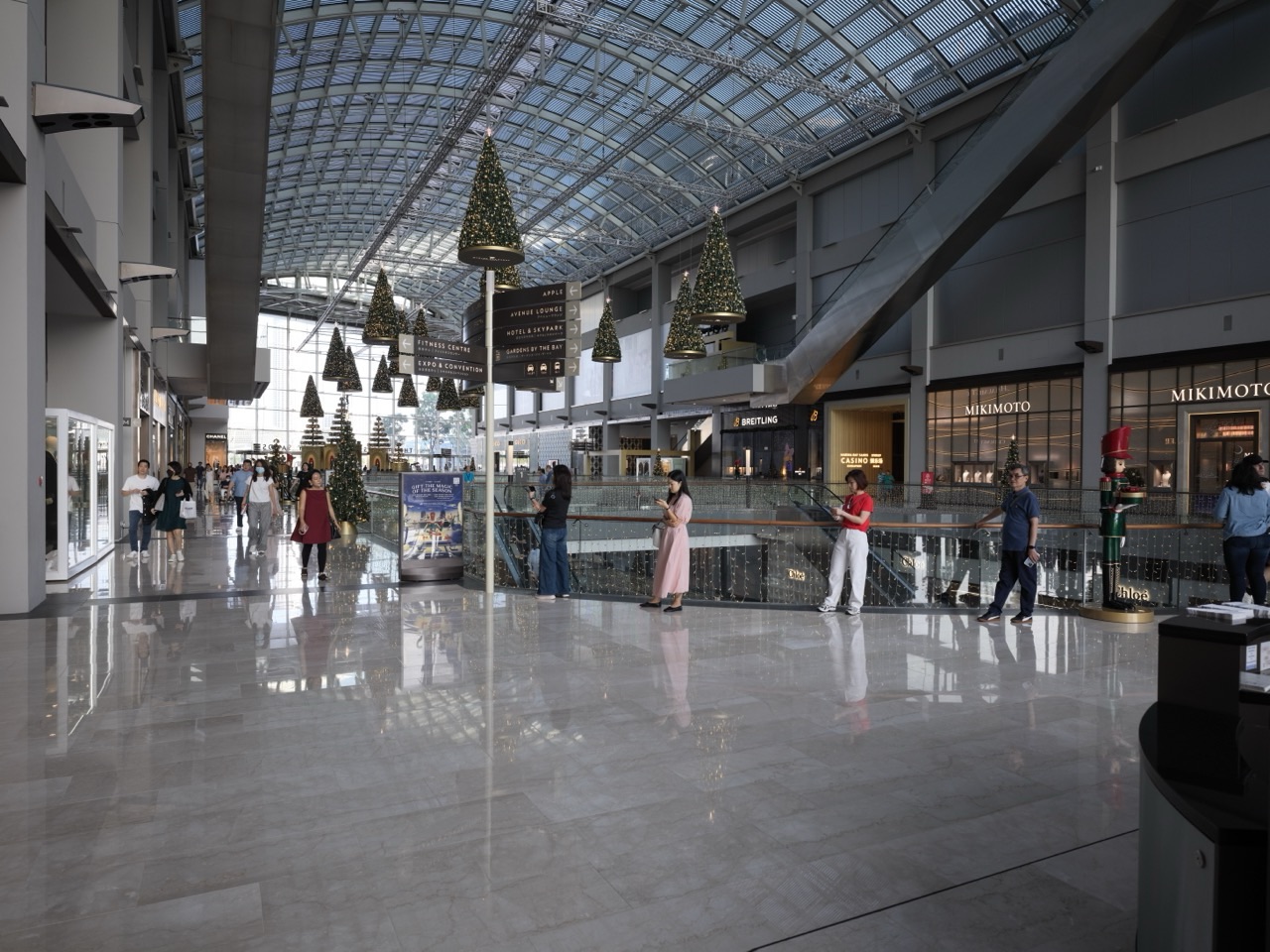
How does a shopping centre prepare for the fact that no two months behave exactly the same? Retail seasonality works through festive shopping, school holidays, tourism cycles, major events, sales periods, weather, paydays, product launches and changing family routines. A mall that looks comfortably staffed on an ordinary Tuesday can face very different traffic, inventory, parking, cleaning and customer-service demands during Christmas, Chinese New Year or a major city event.
This guide explains mall seasonality, festive shopping, peak retail periods, holiday sales, school-holiday traffic, tourist peaks, promotional calendars, staffing, inventory, crowd management and seasonal merchandising. We will look at why retailers order stock months ahead, why decorations affect operations, how restaurants prepare for demand waves, why parking exits can become the final bottleneck and how a mall learns from one festive season before planning the next.
Did you know that seasonality changes almost every mall system at once? Marketing becomes louder, inventory rises, deliveries intensify, temporary staff arrive, decorations occupy space, food demand changes, waste increases and customers stay later. The building may be physically identical, yet the operating profile can be completely different. Seasonality is therefore a whole-system forecast, not merely a marketing calendar.
For campaigns, read Marketing, Events and Loyalty. For resilience during peaks, continue with Emergency Planning, Business Continuity and Resilience.
Retail Seasonality
Retail Seasonality demonstrates that retail demand is not evenly distributed through the year. Customers change what they buy, when they visit, how long they stay and which transport modes they use. The mall needs to anticipate these changes before the crowd appears.
The mechanism is forecasting plus flexible capacity. Tenants order stock, managers adjust rosters, marketing schedules campaigns, operations prepare cleaning and security resources, and logistics teams manage heavier deliveries. Forecasts will never be perfect, so the plan also needs room to adjust when reality differs.
Consider a festive weekend. More gifts mean more bags and longer browsing. Restaurants receive family groups. Parking stays occupied longer. Decorations alter sightlines. Temporary events create queues. Waste and cleaning demand rise. One seasonal change has propagated through the whole building.
For students, build a normal-day column and a festive-day column. Compare traffic, stock, staffing, opening hours, food demand and waste. This simple exercise shows why capacity planning depends on time as much as on physical size.
The result is a mall that can become busier without becoming disorderly. Peak periods are valuable precisely because demand is concentrated; good planning captures that value while protecting the ordinary customer experience.
Chinese New Year
Chinese New Year demonstrates that retail demand is not evenly distributed through the year. Customers change what they buy, when they visit, how long they stay and which transport modes they use. The mall needs to anticipate these changes before the crowd appears.
The mechanism is forecasting plus flexible capacity. Tenants order stock, managers adjust rosters, marketing schedules campaigns, operations prepare cleaning and security resources, and logistics teams manage heavier deliveries. Forecasts will never be perfect, so the plan also needs room to adjust when reality differs.
Consider a festive weekend. More gifts mean more bags and longer browsing. Restaurants receive family groups. Parking stays occupied longer. Decorations alter sightlines. Temporary events create queues. Waste and cleaning demand rise. One seasonal change has propagated through the whole building.
For students, build a normal-day column and a festive-day column. Compare traffic, stock, staffing, opening hours, food demand and waste. This simple exercise shows why capacity planning depends on time as much as on physical size.
The result is a mall that can become busier without becoming disorderly. Peak periods are valuable precisely because demand is concentrated; good planning captures that value while protecting the ordinary customer experience.
Hari Raya
Hari Raya demonstrates that retail demand is not evenly distributed through the year. Customers change what they buy, when they visit, how long they stay and which transport modes they use. The mall needs to anticipate these changes before the crowd appears.
The mechanism is forecasting plus flexible capacity. Tenants order stock, managers adjust rosters, marketing schedules campaigns, operations prepare cleaning and security resources, and logistics teams manage heavier deliveries. Forecasts will never be perfect, so the plan also needs room to adjust when reality differs.
Consider a festive weekend. More gifts mean more bags and longer browsing. Restaurants receive family groups. Parking stays occupied longer. Decorations alter sightlines. Temporary events create queues. Waste and cleaning demand rise. One seasonal change has propagated through the whole building.
For students, build a normal-day column and a festive-day column. Compare traffic, stock, staffing, opening hours, food demand and waste. This simple exercise shows why capacity planning depends on time as much as on physical size.
The result is a mall that can become busier without becoming disorderly. Peak periods are valuable precisely because demand is concentrated; good planning captures that value while protecting the ordinary customer experience.
Deepavali
Deepavali demonstrates that retail demand is not evenly distributed through the year. Customers change what they buy, when they visit, how long they stay and which transport modes they use. The mall needs to anticipate these changes before the crowd appears.
The mechanism is forecasting plus flexible capacity. Tenants order stock, managers adjust rosters, marketing schedules campaigns, operations prepare cleaning and security resources, and logistics teams manage heavier deliveries. Forecasts will never be perfect, so the plan also needs room to adjust when reality differs.
Consider a festive weekend. More gifts mean more bags and longer browsing. Restaurants receive family groups. Parking stays occupied longer. Decorations alter sightlines. Temporary events create queues. Waste and cleaning demand rise. One seasonal change has propagated through the whole building.
For students, build a normal-day column and a festive-day column. Compare traffic, stock, staffing, opening hours, food demand and waste. This simple exercise shows why capacity planning depends on time as much as on physical size.
The result is a mall that can become busier without becoming disorderly. Peak periods are valuable precisely because demand is concentrated; good planning captures that value while protecting the ordinary customer experience.
Christmas
Christmas demonstrates that retail demand is not evenly distributed through the year. Customers change what they buy, when they visit, how long they stay and which transport modes they use. The mall needs to anticipate these changes before the crowd appears.
The mechanism is forecasting plus flexible capacity. Tenants order stock, managers adjust rosters, marketing schedules campaigns, operations prepare cleaning and security resources, and logistics teams manage heavier deliveries. Forecasts will never be perfect, so the plan also needs room to adjust when reality differs.
Consider a festive weekend. More gifts mean more bags and longer browsing. Restaurants receive family groups. Parking stays occupied longer. Decorations alter sightlines. Temporary events create queues. Waste and cleaning demand rise. One seasonal change has propagated through the whole building.
For students, build a normal-day column and a festive-day column. Compare traffic, stock, staffing, opening hours, food demand and waste. This simple exercise shows why capacity planning depends on time as much as on physical size.
The result is a mall that can become busier without becoming disorderly. Peak periods are valuable precisely because demand is concentrated; good planning captures that value while protecting the ordinary customer experience.
School Holidays
School Holidays demonstrates that retail demand is not evenly distributed through the year. Customers change what they buy, when they visit, how long they stay and which transport modes they use. The mall needs to anticipate these changes before the crowd appears.
The mechanism is forecasting plus flexible capacity. Tenants order stock, managers adjust rosters, marketing schedules campaigns, operations prepare cleaning and security resources, and logistics teams manage heavier deliveries. Forecasts will never be perfect, so the plan also needs room to adjust when reality differs.
Consider a festive weekend. More gifts mean more bags and longer browsing. Restaurants receive family groups. Parking stays occupied longer. Decorations alter sightlines. Temporary events create queues. Waste and cleaning demand rise. One seasonal change has propagated through the whole building.
For students, build a normal-day column and a festive-day column. Compare traffic, stock, staffing, opening hours, food demand and waste. This simple exercise shows why capacity planning depends on time as much as on physical size.
The result is a mall that can become busier without becoming disorderly. Peak periods are valuable precisely because demand is concentrated; good planning captures that value while protecting the ordinary customer experience.
Great Singapore Sale Context
Great Singapore Sale Context demonstrates that retail demand is not evenly distributed through the year. Customers change what they buy, when they visit, how long they stay and which transport modes they use. The mall needs to anticipate these changes before the crowd appears.
The mechanism is forecasting plus flexible capacity. Tenants order stock, managers adjust rosters, marketing schedules campaigns, operations prepare cleaning and security resources, and logistics teams manage heavier deliveries. Forecasts will never be perfect, so the plan also needs room to adjust when reality differs.
Consider a festive weekend. More gifts mean more bags and longer browsing. Restaurants receive family groups. Parking stays occupied longer. Decorations alter sightlines. Temporary events create queues. Waste and cleaning demand rise. One seasonal change has propagated through the whole building.
For students, build a normal-day column and a festive-day column. Compare traffic, stock, staffing, opening hours, food demand and waste. This simple exercise shows why capacity planning depends on time as much as on physical size.
The result is a mall that can become busier without becoming disorderly. Peak periods are valuable precisely because demand is concentrated; good planning captures that value while protecting the ordinary customer experience.
Formula 1 Period
Formula 1 Period demonstrates that retail demand is not evenly distributed through the year. Customers change what they buy, when they visit, how long they stay and which transport modes they use. The mall needs to anticipate these changes before the crowd appears.
The mechanism is forecasting plus flexible capacity. Tenants order stock, managers adjust rosters, marketing schedules campaigns, operations prepare cleaning and security resources, and logistics teams manage heavier deliveries. Forecasts will never be perfect, so the plan also needs room to adjust when reality differs.
Consider a festive weekend. More gifts mean more bags and longer browsing. Restaurants receive family groups. Parking stays occupied longer. Decorations alter sightlines. Temporary events create queues. Waste and cleaning demand rise. One seasonal change has propagated through the whole building.
For students, build a normal-day column and a festive-day column. Compare traffic, stock, staffing, opening hours, food demand and waste. This simple exercise shows why capacity planning depends on time as much as on physical size.
The result is a mall that can become busier without becoming disorderly. Peak periods are valuable precisely because demand is concentrated; good planning captures that value while protecting the ordinary customer experience.
Tourist Peaks
Tourist Peaks demonstrates that retail demand is not evenly distributed through the year. Customers change what they buy, when they visit, how long they stay and which transport modes they use. The mall needs to anticipate these changes before the crowd appears.
The mechanism is forecasting plus flexible capacity. Tenants order stock, managers adjust rosters, marketing schedules campaigns, operations prepare cleaning and security resources, and logistics teams manage heavier deliveries. Forecasts will never be perfect, so the plan also needs room to adjust when reality differs.
Consider a festive weekend. More gifts mean more bags and longer browsing. Restaurants receive family groups. Parking stays occupied longer. Decorations alter sightlines. Temporary events create queues. Waste and cleaning demand rise. One seasonal change has propagated through the whole building.
For students, build a normal-day column and a festive-day column. Compare traffic, stock, staffing, opening hours, food demand and waste. This simple exercise shows why capacity planning depends on time as much as on physical size.
The result is a mall that can become busier without becoming disorderly. Peak periods are valuable precisely because demand is concentrated; good planning captures that value while protecting the ordinary customer experience.
Year-End Travel
Year-End Travel demonstrates that retail demand is not evenly distributed through the year. Customers change what they buy, when they visit, how long they stay and which transport modes they use. The mall needs to anticipate these changes before the crowd appears.
The mechanism is forecasting plus flexible capacity. Tenants order stock, managers adjust rosters, marketing schedules campaigns, operations prepare cleaning and security resources, and logistics teams manage heavier deliveries. Forecasts will never be perfect, so the plan also needs room to adjust when reality differs.
Consider a festive weekend. More gifts mean more bags and longer browsing. Restaurants receive family groups. Parking stays occupied longer. Decorations alter sightlines. Temporary events create queues. Waste and cleaning demand rise. One seasonal change has propagated through the whole building.
For students, build a normal-day column and a festive-day column. Compare traffic, stock, staffing, opening hours, food demand and waste. This simple exercise shows why capacity planning depends on time as much as on physical size.
The result is a mall that can become busier without becoming disorderly. Peak periods are valuable precisely because demand is concentrated; good planning captures that value while protecting the ordinary customer experience.
Payday Effects
Payday Effects demonstrates that retail demand is not evenly distributed through the year. Customers change what they buy, when they visit, how long they stay and which transport modes they use. The mall needs to anticipate these changes before the crowd appears.
The mechanism is forecasting plus flexible capacity. Tenants order stock, managers adjust rosters, marketing schedules campaigns, operations prepare cleaning and security resources, and logistics teams manage heavier deliveries. Forecasts will never be perfect, so the plan also needs room to adjust when reality differs.
Consider a festive weekend. More gifts mean more bags and longer browsing. Restaurants receive family groups. Parking stays occupied longer. Decorations alter sightlines. Temporary events create queues. Waste and cleaning demand rise. One seasonal change has propagated through the whole building.
For students, build a normal-day column and a festive-day column. Compare traffic, stock, staffing, opening hours, food demand and waste. This simple exercise shows why capacity planning depends on time as much as on physical size.
The result is a mall that can become busier without becoming disorderly. Peak periods are valuable precisely because demand is concentrated; good planning captures that value while protecting the ordinary customer experience.
Weekend Peaks
Weekend Peaks demonstrates that retail demand is not evenly distributed through the year. Customers change what they buy, when they visit, how long they stay and which transport modes they use. The mall needs to anticipate these changes before the crowd appears.
The mechanism is forecasting plus flexible capacity. Tenants order stock, managers adjust rosters, marketing schedules campaigns, operations prepare cleaning and security resources, and logistics teams manage heavier deliveries. Forecasts will never be perfect, so the plan also needs room to adjust when reality differs.
Consider a festive weekend. More gifts mean more bags and longer browsing. Restaurants receive family groups. Parking stays occupied longer. Decorations alter sightlines. Temporary events create queues. Waste and cleaning demand rise. One seasonal change has propagated through the whole building.
For students, build a normal-day column and a festive-day column. Compare traffic, stock, staffing, opening hours, food demand and waste. This simple exercise shows why capacity planning depends on time as much as on physical size.
The result is a mall that can become busier without becoming disorderly. Peak periods are valuable precisely because demand is concentrated; good planning captures that value while protecting the ordinary customer experience.
Public Holidays
Public Holidays demonstrates that retail demand is not evenly distributed through the year. Customers change what they buy, when they visit, how long they stay and which transport modes they use. The mall needs to anticipate these changes before the crowd appears.
The mechanism is forecasting plus flexible capacity. Tenants order stock, managers adjust rosters, marketing schedules campaigns, operations prepare cleaning and security resources, and logistics teams manage heavier deliveries. Forecasts will never be perfect, so the plan also needs room to adjust when reality differs.
Consider a festive weekend. More gifts mean more bags and longer browsing. Restaurants receive family groups. Parking stays occupied longer. Decorations alter sightlines. Temporary events create queues. Waste and cleaning demand rise. One seasonal change has propagated through the whole building.
For students, build a normal-day column and a festive-day column. Compare traffic, stock, staffing, opening hours, food demand and waste. This simple exercise shows why capacity planning depends on time as much as on physical size.
The result is a mall that can become busier without becoming disorderly. Peak periods are valuable precisely because demand is concentrated; good planning captures that value while protecting the ordinary customer experience.
Festive Decorations
Festive Decorations demonstrates that retail demand is not evenly distributed through the year. Customers change what they buy, when they visit, how long they stay and which transport modes they use. The mall needs to anticipate these changes before the crowd appears.
The mechanism is forecasting plus flexible capacity. Tenants order stock, managers adjust rosters, marketing schedules campaigns, operations prepare cleaning and security resources, and logistics teams manage heavier deliveries. Forecasts will never be perfect, so the plan also needs room to adjust when reality differs.
Consider a festive weekend. More gifts mean more bags and longer browsing. Restaurants receive family groups. Parking stays occupied longer. Decorations alter sightlines. Temporary events create queues. Waste and cleaning demand rise. One seasonal change has propagated through the whole building.
For students, build a normal-day column and a festive-day column. Compare traffic, stock, staffing, opening hours, food demand and waste. This simple exercise shows why capacity planning depends on time as much as on physical size.
The result is a mall that can become busier without becoming disorderly. Peak periods are valuable precisely because demand is concentrated; good planning captures that value while protecting the ordinary customer experience.
Gift Shopping
Gift Shopping demonstrates that retail demand is not evenly distributed through the year. Customers change what they buy, when they visit, how long they stay and which transport modes they use. The mall needs to anticipate these changes before the crowd appears.
The mechanism is forecasting plus flexible capacity. Tenants order stock, managers adjust rosters, marketing schedules campaigns, operations prepare cleaning and security resources, and logistics teams manage heavier deliveries. Forecasts will never be perfect, so the plan also needs room to adjust when reality differs.
Consider a festive weekend. More gifts mean more bags and longer browsing. Restaurants receive family groups. Parking stays occupied longer. Decorations alter sightlines. Temporary events create queues. Waste and cleaning demand rise. One seasonal change has propagated through the whole building.
For students, build a normal-day column and a festive-day column. Compare traffic, stock, staffing, opening hours, food demand and waste. This simple exercise shows why capacity planning depends on time as much as on physical size.
The result is a mall that can become busier without becoming disorderly. Peak periods are valuable precisely because demand is concentrated; good planning captures that value while protecting the ordinary customer experience.
Festive Food
Festive Food demonstrates that retail demand is not evenly distributed through the year. Customers change what they buy, when they visit, how long they stay and which transport modes they use. The mall needs to anticipate these changes before the crowd appears.
The mechanism is forecasting plus flexible capacity. Tenants order stock, managers adjust rosters, marketing schedules campaigns, operations prepare cleaning and security resources, and logistics teams manage heavier deliveries. Forecasts will never be perfect, so the plan also needs room to adjust when reality differs.
Consider a festive weekend. More gifts mean more bags and longer browsing. Restaurants receive family groups. Parking stays occupied longer. Decorations alter sightlines. Temporary events create queues. Waste and cleaning demand rise. One seasonal change has propagated through the whole building.
For students, build a normal-day column and a festive-day column. Compare traffic, stock, staffing, opening hours, food demand and waste. This simple exercise shows why capacity planning depends on time as much as on physical size.
The result is a mall that can become busier without becoming disorderly. Peak periods are valuable precisely because demand is concentrated; good planning captures that value while protecting the ordinary customer experience.
Limited Editions
Limited Editions demonstrates that retail demand is not evenly distributed through the year. Customers change what they buy, when they visit, how long they stay and which transport modes they use. The mall needs to anticipate these changes before the crowd appears.
The mechanism is forecasting plus flexible capacity. Tenants order stock, managers adjust rosters, marketing schedules campaigns, operations prepare cleaning and security resources, and logistics teams manage heavier deliveries. Forecasts will never be perfect, so the plan also needs room to adjust when reality differs.
Consider a festive weekend. More gifts mean more bags and longer browsing. Restaurants receive family groups. Parking stays occupied longer. Decorations alter sightlines. Temporary events create queues. Waste and cleaning demand rise. One seasonal change has propagated through the whole building.
For students, build a normal-day column and a festive-day column. Compare traffic, stock, staffing, opening hours, food demand and waste. This simple exercise shows why capacity planning depends on time as much as on physical size.
The result is a mall that can become busier without becoming disorderly. Peak periods are valuable precisely because demand is concentrated; good planning captures that value while protecting the ordinary customer experience.
Seasonal Pop-Ups
Seasonal Pop-Ups demonstrates that retail demand is not evenly distributed through the year. Customers change what they buy, when they visit, how long they stay and which transport modes they use. The mall needs to anticipate these changes before the crowd appears.
The mechanism is forecasting plus flexible capacity. Tenants order stock, managers adjust rosters, marketing schedules campaigns, operations prepare cleaning and security resources, and logistics teams manage heavier deliveries. Forecasts will never be perfect, so the plan also needs room to adjust when reality differs.
Consider a festive weekend. More gifts mean more bags and longer browsing. Restaurants receive family groups. Parking stays occupied longer. Decorations alter sightlines. Temporary events create queues. Waste and cleaning demand rise. One seasonal change has propagated through the whole building.
For students, build a normal-day column and a festive-day column. Compare traffic, stock, staffing, opening hours, food demand and waste. This simple exercise shows why capacity planning depends on time as much as on physical size.
The result is a mall that can become busier without becoming disorderly. Peak periods are valuable precisely because demand is concentrated; good planning captures that value while protecting the ordinary customer experience.
Holiday Markets
Holiday Markets demonstrates that retail demand is not evenly distributed through the year. Customers change what they buy, when they visit, how long they stay and which transport modes they use. The mall needs to anticipate these changes before the crowd appears.
The mechanism is forecasting plus flexible capacity. Tenants order stock, managers adjust rosters, marketing schedules campaigns, operations prepare cleaning and security resources, and logistics teams manage heavier deliveries. Forecasts will never be perfect, so the plan also needs room to adjust when reality differs.
Consider a festive weekend. More gifts mean more bags and longer browsing. Restaurants receive family groups. Parking stays occupied longer. Decorations alter sightlines. Temporary events create queues. Waste and cleaning demand rise. One seasonal change has propagated through the whole building.
For students, build a normal-day column and a festive-day column. Compare traffic, stock, staffing, opening hours, food demand and waste. This simple exercise shows why capacity planning depends on time as much as on physical size.
The result is a mall that can become busier without becoming disorderly. Peak periods are valuable precisely because demand is concentrated; good planning captures that value while protecting the ordinary customer experience.
Extended Hours
Extended Hours demonstrates that retail demand is not evenly distributed through the year. Customers change what they buy, when they visit, how long they stay and which transport modes they use. The mall needs to anticipate these changes before the crowd appears.
The mechanism is forecasting plus flexible capacity. Tenants order stock, managers adjust rosters, marketing schedules campaigns, operations prepare cleaning and security resources, and logistics teams manage heavier deliveries. Forecasts will never be perfect, so the plan also needs room to adjust when reality differs.
Consider a festive weekend. More gifts mean more bags and longer browsing. Restaurants receive family groups. Parking stays occupied longer. Decorations alter sightlines. Temporary events create queues. Waste and cleaning demand rise. One seasonal change has propagated through the whole building.
For students, build a normal-day column and a festive-day column. Compare traffic, stock, staffing, opening hours, food demand and waste. This simple exercise shows why capacity planning depends on time as much as on physical size.
The result is a mall that can become busier without becoming disorderly. Peak periods are valuable precisely because demand is concentrated; good planning captures that value while protecting the ordinary customer experience.
Inventory Planning
Inventory Planning demonstrates that retail demand is not evenly distributed through the year. Customers change what they buy, when they visit, how long they stay and which transport modes they use. The mall needs to anticipate these changes before the crowd appears.
The mechanism is forecasting plus flexible capacity. Tenants order stock, managers adjust rosters, marketing schedules campaigns, operations prepare cleaning and security resources, and logistics teams manage heavier deliveries. Forecasts will never be perfect, so the plan also needs room to adjust when reality differs.
Consider a festive weekend. More gifts mean more bags and longer browsing. Restaurants receive family groups. Parking stays occupied longer. Decorations alter sightlines. Temporary events create queues. Waste and cleaning demand rise. One seasonal change has propagated through the whole building.
For students, build a normal-day column and a festive-day column. Compare traffic, stock, staffing, opening hours, food demand and waste. This simple exercise shows why capacity planning depends on time as much as on physical size.
The result is a mall that can become busier without becoming disorderly. Peak periods are valuable precisely because demand is concentrated; good planning captures that value while protecting the ordinary customer experience.
Forward Ordering
Forward Ordering demonstrates that retail demand is not evenly distributed through the year. Customers change what they buy, when they visit, how long they stay and which transport modes they use. The mall needs to anticipate these changes before the crowd appears.
The mechanism is forecasting plus flexible capacity. Tenants order stock, managers adjust rosters, marketing schedules campaigns, operations prepare cleaning and security resources, and logistics teams manage heavier deliveries. Forecasts will never be perfect, so the plan also needs room to adjust when reality differs.
Consider a festive weekend. More gifts mean more bags and longer browsing. Restaurants receive family groups. Parking stays occupied longer. Decorations alter sightlines. Temporary events create queues. Waste and cleaning demand rise. One seasonal change has propagated through the whole building.
For students, build a normal-day column and a festive-day column. Compare traffic, stock, staffing, opening hours, food demand and waste. This simple exercise shows why capacity planning depends on time as much as on physical size.
The result is a mall that can become busier without becoming disorderly. Peak periods are valuable precisely because demand is concentrated; good planning captures that value while protecting the ordinary customer experience.
Safety Stock
Safety Stock demonstrates that retail demand is not evenly distributed through the year. Customers change what they buy, when they visit, how long they stay and which transport modes they use. The mall needs to anticipate these changes before the crowd appears.
The mechanism is forecasting plus flexible capacity. Tenants order stock, managers adjust rosters, marketing schedules campaigns, operations prepare cleaning and security resources, and logistics teams manage heavier deliveries. Forecasts will never be perfect, so the plan also needs room to adjust when reality differs.
Consider a festive weekend. More gifts mean more bags and longer browsing. Restaurants receive family groups. Parking stays occupied longer. Decorations alter sightlines. Temporary events create queues. Waste and cleaning demand rise. One seasonal change has propagated through the whole building.
For students, build a normal-day column and a festive-day column. Compare traffic, stock, staffing, opening hours, food demand and waste. This simple exercise shows why capacity planning depends on time as much as on physical size.
The result is a mall that can become busier without becoming disorderly. Peak periods are valuable precisely because demand is concentrated; good planning captures that value while protecting the ordinary customer experience.
Gift Packaging
Gift Packaging demonstrates that retail demand is not evenly distributed through the year. Customers change what they buy, when they visit, how long they stay and which transport modes they use. The mall needs to anticipate these changes before the crowd appears.
The mechanism is forecasting plus flexible capacity. Tenants order stock, managers adjust rosters, marketing schedules campaigns, operations prepare cleaning and security resources, and logistics teams manage heavier deliveries. Forecasts will never be perfect, so the plan also needs room to adjust when reality differs.
Consider a festive weekend. More gifts mean more bags and longer browsing. Restaurants receive family groups. Parking stays occupied longer. Decorations alter sightlines. Temporary events create queues. Waste and cleaning demand rise. One seasonal change has propagated through the whole building.
For students, build a normal-day column and a festive-day column. Compare traffic, stock, staffing, opening hours, food demand and waste. This simple exercise shows why capacity planning depends on time as much as on physical size.
The result is a mall that can become busier without becoming disorderly. Peak periods are valuable precisely because demand is concentrated; good planning captures that value while protecting the ordinary customer experience.
Deliveries
Deliveries demonstrates that retail demand is not evenly distributed through the year. Customers change what they buy, when they visit, how long they stay and which transport modes they use. The mall needs to anticipate these changes before the crowd appears.
The mechanism is forecasting plus flexible capacity. Tenants order stock, managers adjust rosters, marketing schedules campaigns, operations prepare cleaning and security resources, and logistics teams manage heavier deliveries. Forecasts will never be perfect, so the plan also needs room to adjust when reality differs.
Consider a festive weekend. More gifts mean more bags and longer browsing. Restaurants receive family groups. Parking stays occupied longer. Decorations alter sightlines. Temporary events create queues. Waste and cleaning demand rise. One seasonal change has propagated through the whole building.
For students, build a normal-day column and a festive-day column. Compare traffic, stock, staffing, opening hours, food demand and waste. This simple exercise shows why capacity planning depends on time as much as on physical size.
The result is a mall that can become busier without becoming disorderly. Peak periods are valuable precisely because demand is concentrated; good planning captures that value while protecting the ordinary customer experience.
Loading Bays
Loading Bays demonstrates that retail demand is not evenly distributed through the year. Customers change what they buy, when they visit, how long they stay and which transport modes they use. The mall needs to anticipate these changes before the crowd appears.
The mechanism is forecasting plus flexible capacity. Tenants order stock, managers adjust rosters, marketing schedules campaigns, operations prepare cleaning and security resources, and logistics teams manage heavier deliveries. Forecasts will never be perfect, so the plan also needs room to adjust when reality differs.
Consider a festive weekend. More gifts mean more bags and longer browsing. Restaurants receive family groups. Parking stays occupied longer. Decorations alter sightlines. Temporary events create queues. Waste and cleaning demand rise. One seasonal change has propagated through the whole building.
For students, build a normal-day column and a festive-day column. Compare traffic, stock, staffing, opening hours, food demand and waste. This simple exercise shows why capacity planning depends on time as much as on physical size.
The result is a mall that can become busier without becoming disorderly. Peak periods are valuable precisely because demand is concentrated; good planning captures that value while protecting the ordinary customer experience.
Temporary Storage
Temporary Storage demonstrates that retail demand is not evenly distributed through the year. Customers change what they buy, when they visit, how long they stay and which transport modes they use. The mall needs to anticipate these changes before the crowd appears.
The mechanism is forecasting plus flexible capacity. Tenants order stock, managers adjust rosters, marketing schedules campaigns, operations prepare cleaning and security resources, and logistics teams manage heavier deliveries. Forecasts will never be perfect, so the plan also needs room to adjust when reality differs.
Consider a festive weekend. More gifts mean more bags and longer browsing. Restaurants receive family groups. Parking stays occupied longer. Decorations alter sightlines. Temporary events create queues. Waste and cleaning demand rise. One seasonal change has propagated through the whole building.
For students, build a normal-day column and a festive-day column. Compare traffic, stock, staffing, opening hours, food demand and waste. This simple exercise shows why capacity planning depends on time as much as on physical size.
The result is a mall that can become busier without becoming disorderly. Peak periods are valuable precisely because demand is concentrated; good planning captures that value while protecting the ordinary customer experience.
Temporary Staff
Temporary Staff demonstrates that retail demand is not evenly distributed through the year. Customers change what they buy, when they visit, how long they stay and which transport modes they use. The mall needs to anticipate these changes before the crowd appears.
The mechanism is forecasting plus flexible capacity. Tenants order stock, managers adjust rosters, marketing schedules campaigns, operations prepare cleaning and security resources, and logistics teams manage heavier deliveries. Forecasts will never be perfect, so the plan also needs room to adjust when reality differs.
Consider a festive weekend. More gifts mean more bags and longer browsing. Restaurants receive family groups. Parking stays occupied longer. Decorations alter sightlines. Temporary events create queues. Waste and cleaning demand rise. One seasonal change has propagated through the whole building.
For students, build a normal-day column and a festive-day column. Compare traffic, stock, staffing, opening hours, food demand and waste. This simple exercise shows why capacity planning depends on time as much as on physical size.
The result is a mall that can become busier without becoming disorderly. Peak periods are valuable precisely because demand is concentrated; good planning captures that value while protecting the ordinary customer experience.
Rosters
Rosters demonstrates that retail demand is not evenly distributed through the year. Customers change what they buy, when they visit, how long they stay and which transport modes they use. The mall needs to anticipate these changes before the crowd appears.
The mechanism is forecasting plus flexible capacity. Tenants order stock, managers adjust rosters, marketing schedules campaigns, operations prepare cleaning and security resources, and logistics teams manage heavier deliveries. Forecasts will never be perfect, so the plan also needs room to adjust when reality differs.
Consider a festive weekend. More gifts mean more bags and longer browsing. Restaurants receive family groups. Parking stays occupied longer. Decorations alter sightlines. Temporary events create queues. Waste and cleaning demand rise. One seasonal change has propagated through the whole building.
For students, build a normal-day column and a festive-day column. Compare traffic, stock, staffing, opening hours, food demand and waste. This simple exercise shows why capacity planning depends on time as much as on physical size.
The result is a mall that can become busier without becoming disorderly. Peak periods are valuable precisely because demand is concentrated; good planning captures that value while protecting the ordinary customer experience.
Staff Training
Staff Training demonstrates that retail demand is not evenly distributed through the year. Customers change what they buy, when they visit, how long they stay and which transport modes they use. The mall needs to anticipate these changes before the crowd appears.
The mechanism is forecasting plus flexible capacity. Tenants order stock, managers adjust rosters, marketing schedules campaigns, operations prepare cleaning and security resources, and logistics teams manage heavier deliveries. Forecasts will never be perfect, so the plan also needs room to adjust when reality differs.
Consider a festive weekend. More gifts mean more bags and longer browsing. Restaurants receive family groups. Parking stays occupied longer. Decorations alter sightlines. Temporary events create queues. Waste and cleaning demand rise. One seasonal change has propagated through the whole building.
For students, build a normal-day column and a festive-day column. Compare traffic, stock, staffing, opening hours, food demand and waste. This simple exercise shows why capacity planning depends on time as much as on physical size.
The result is a mall that can become busier without becoming disorderly. Peak periods are valuable precisely because demand is concentrated; good planning captures that value while protecting the ordinary customer experience.
Security Staffing
Security Staffing demonstrates that retail demand is not evenly distributed through the year. Customers change what they buy, when they visit, how long they stay and which transport modes they use. The mall needs to anticipate these changes before the crowd appears.
The mechanism is forecasting plus flexible capacity. Tenants order stock, managers adjust rosters, marketing schedules campaigns, operations prepare cleaning and security resources, and logistics teams manage heavier deliveries. Forecasts will never be perfect, so the plan also needs room to adjust when reality differs.
Consider a festive weekend. More gifts mean more bags and longer browsing. Restaurants receive family groups. Parking stays occupied longer. Decorations alter sightlines. Temporary events create queues. Waste and cleaning demand rise. One seasonal change has propagated through the whole building.
For students, build a normal-day column and a festive-day column. Compare traffic, stock, staffing, opening hours, food demand and waste. This simple exercise shows why capacity planning depends on time as much as on physical size.
The result is a mall that can become busier without becoming disorderly. Peak periods are valuable precisely because demand is concentrated; good planning captures that value while protecting the ordinary customer experience.
Cleaning Staffing
Cleaning Staffing demonstrates that retail demand is not evenly distributed through the year. Customers change what they buy, when they visit, how long they stay and which transport modes they use. The mall needs to anticipate these changes before the crowd appears.
The mechanism is forecasting plus flexible capacity. Tenants order stock, managers adjust rosters, marketing schedules campaigns, operations prepare cleaning and security resources, and logistics teams manage heavier deliveries. Forecasts will never be perfect, so the plan also needs room to adjust when reality differs.
Consider a festive weekend. More gifts mean more bags and longer browsing. Restaurants receive family groups. Parking stays occupied longer. Decorations alter sightlines. Temporary events create queues. Waste and cleaning demand rise. One seasonal change has propagated through the whole building.
For students, build a normal-day column and a festive-day column. Compare traffic, stock, staffing, opening hours, food demand and waste. This simple exercise shows why capacity planning depends on time as much as on physical size.
The result is a mall that can become busier without becoming disorderly. Peak periods are valuable precisely because demand is concentrated; good planning captures that value while protecting the ordinary customer experience.
Customer Service Staffing
Customer Service Staffing demonstrates that retail demand is not evenly distributed through the year. Customers change what they buy, when they visit, how long they stay and which transport modes they use. The mall needs to anticipate these changes before the crowd appears.
The mechanism is forecasting plus flexible capacity. Tenants order stock, managers adjust rosters, marketing schedules campaigns, operations prepare cleaning and security resources, and logistics teams manage heavier deliveries. Forecasts will never be perfect, so the plan also needs room to adjust when reality differs.
Consider a festive weekend. More gifts mean more bags and longer browsing. Restaurants receive family groups. Parking stays occupied longer. Decorations alter sightlines. Temporary events create queues. Waste and cleaning demand rise. One seasonal change has propagated through the whole building.
For students, build a normal-day column and a festive-day column. Compare traffic, stock, staffing, opening hours, food demand and waste. This simple exercise shows why capacity planning depends on time as much as on physical size.
The result is a mall that can become busier without becoming disorderly. Peak periods are valuable precisely because demand is concentrated; good planning captures that value while protecting the ordinary customer experience.
Parking Peaks
Parking Peaks demonstrates that retail demand is not evenly distributed through the year. Customers change what they buy, when they visit, how long they stay and which transport modes they use. The mall needs to anticipate these changes before the crowd appears.
The mechanism is forecasting plus flexible capacity. Tenants order stock, managers adjust rosters, marketing schedules campaigns, operations prepare cleaning and security resources, and logistics teams manage heavier deliveries. Forecasts will never be perfect, so the plan also needs room to adjust when reality differs.
Consider a festive weekend. More gifts mean more bags and longer browsing. Restaurants receive family groups. Parking stays occupied longer. Decorations alter sightlines. Temporary events create queues. Waste and cleaning demand rise. One seasonal change has propagated through the whole building.
For students, build a normal-day column and a festive-day column. Compare traffic, stock, staffing, opening hours, food demand and waste. This simple exercise shows why capacity planning depends on time as much as on physical size.
The result is a mall that can become busier without becoming disorderly. Peak periods are valuable precisely because demand is concentrated; good planning captures that value while protecting the ordinary customer experience.
MRT Peaks
MRT Peaks demonstrates that retail demand is not evenly distributed through the year. Customers change what they buy, when they visit, how long they stay and which transport modes they use. The mall needs to anticipate these changes before the crowd appears.
The mechanism is forecasting plus flexible capacity. Tenants order stock, managers adjust rosters, marketing schedules campaigns, operations prepare cleaning and security resources, and logistics teams manage heavier deliveries. Forecasts will never be perfect, so the plan also needs room to adjust when reality differs.
Consider a festive weekend. More gifts mean more bags and longer browsing. Restaurants receive family groups. Parking stays occupied longer. Decorations alter sightlines. Temporary events create queues. Waste and cleaning demand rise. One seasonal change has propagated through the whole building.
For students, build a normal-day column and a festive-day column. Compare traffic, stock, staffing, opening hours, food demand and waste. This simple exercise shows why capacity planning depends on time as much as on physical size.
The result is a mall that can become busier without becoming disorderly. Peak periods are valuable precisely because demand is concentrated; good planning captures that value while protecting the ordinary customer experience.
Ride-Hail Peaks
Ride-Hail Peaks demonstrates that retail demand is not evenly distributed through the year. Customers change what they buy, when they visit, how long they stay and which transport modes they use. The mall needs to anticipate these changes before the crowd appears.
The mechanism is forecasting plus flexible capacity. Tenants order stock, managers adjust rosters, marketing schedules campaigns, operations prepare cleaning and security resources, and logistics teams manage heavier deliveries. Forecasts will never be perfect, so the plan also needs room to adjust when reality differs.
Consider a festive weekend. More gifts mean more bags and longer browsing. Restaurants receive family groups. Parking stays occupied longer. Decorations alter sightlines. Temporary events create queues. Waste and cleaning demand rise. One seasonal change has propagated through the whole building.
For students, build a normal-day column and a festive-day column. Compare traffic, stock, staffing, opening hours, food demand and waste. This simple exercise shows why capacity planning depends on time as much as on physical size.
The result is a mall that can become busier without becoming disorderly. Peak periods are valuable precisely because demand is concentrated; good planning captures that value while protecting the ordinary customer experience.
Restaurant Reservations
Restaurant Reservations demonstrates that retail demand is not evenly distributed through the year. Customers change what they buy, when they visit, how long they stay and which transport modes they use. The mall needs to anticipate these changes before the crowd appears.
The mechanism is forecasting plus flexible capacity. Tenants order stock, managers adjust rosters, marketing schedules campaigns, operations prepare cleaning and security resources, and logistics teams manage heavier deliveries. Forecasts will never be perfect, so the plan also needs room to adjust when reality differs.
Consider a festive weekend. More gifts mean more bags and longer browsing. Restaurants receive family groups. Parking stays occupied longer. Decorations alter sightlines. Temporary events create queues. Waste and cleaning demand rise. One seasonal change has propagated through the whole building.
For students, build a normal-day column and a festive-day column. Compare traffic, stock, staffing, opening hours, food demand and waste. This simple exercise shows why capacity planning depends on time as much as on physical size.
The result is a mall that can become busier without becoming disorderly. Peak periods are valuable precisely because demand is concentrated; good planning captures that value while protecting the ordinary customer experience.
Food-Court Peaks
Food-Court Peaks demonstrates that retail demand is not evenly distributed through the year. Customers change what they buy, when they visit, how long they stay and which transport modes they use. The mall needs to anticipate these changes before the crowd appears.
The mechanism is forecasting plus flexible capacity. Tenants order stock, managers adjust rosters, marketing schedules campaigns, operations prepare cleaning and security resources, and logistics teams manage heavier deliveries. Forecasts will never be perfect, so the plan also needs room to adjust when reality differs.
Consider a festive weekend. More gifts mean more bags and longer browsing. Restaurants receive family groups. Parking stays occupied longer. Decorations alter sightlines. Temporary events create queues. Waste and cleaning demand rise. One seasonal change has propagated through the whole building.
For students, build a normal-day column and a festive-day column. Compare traffic, stock, staffing, opening hours, food demand and waste. This simple exercise shows why capacity planning depends on time as much as on physical size.
The result is a mall that can become busier without becoming disorderly. Peak periods are valuable precisely because demand is concentrated; good planning captures that value while protecting the ordinary customer experience.
Queue Management
Queue Management demonstrates that retail demand is not evenly distributed through the year. Customers change what they buy, when they visit, how long they stay and which transport modes they use. The mall needs to anticipate these changes before the crowd appears.
The mechanism is forecasting plus flexible capacity. Tenants order stock, managers adjust rosters, marketing schedules campaigns, operations prepare cleaning and security resources, and logistics teams manage heavier deliveries. Forecasts will never be perfect, so the plan also needs room to adjust when reality differs.
Consider a festive weekend. More gifts mean more bags and longer browsing. Restaurants receive family groups. Parking stays occupied longer. Decorations alter sightlines. Temporary events create queues. Waste and cleaning demand rise. One seasonal change has propagated through the whole building.
For students, build a normal-day column and a festive-day column. Compare traffic, stock, staffing, opening hours, food demand and waste. This simple exercise shows why capacity planning depends on time as much as on physical size.
The result is a mall that can become busier without becoming disorderly. Peak periods are valuable precisely because demand is concentrated; good planning captures that value while protecting the ordinary customer experience.
Reward Campaigns
Reward Campaigns demonstrates that retail demand is not evenly distributed through the year. Customers change what they buy, when they visit, how long they stay and which transport modes they use. The mall needs to anticipate these changes before the crowd appears.
The mechanism is forecasting plus flexible capacity. Tenants order stock, managers adjust rosters, marketing schedules campaigns, operations prepare cleaning and security resources, and logistics teams manage heavier deliveries. Forecasts will never be perfect, so the plan also needs room to adjust when reality differs.
Consider a festive weekend. More gifts mean more bags and longer browsing. Restaurants receive family groups. Parking stays occupied longer. Decorations alter sightlines. Temporary events create queues. Waste and cleaning demand rise. One seasonal change has propagated through the whole building.
For students, build a normal-day column and a festive-day column. Compare traffic, stock, staffing, opening hours, food demand and waste. This simple exercise shows why capacity planning depends on time as much as on physical size.
The result is a mall that can become busier without becoming disorderly. Peak periods are valuable precisely because demand is concentrated; good planning captures that value while protecting the ordinary customer experience.
Spend Thresholds
Spend Thresholds demonstrates that retail demand is not evenly distributed through the year. Customers change what they buy, when they visit, how long they stay and which transport modes they use. The mall needs to anticipate these changes before the crowd appears.
The mechanism is forecasting plus flexible capacity. Tenants order stock, managers adjust rosters, marketing schedules campaigns, operations prepare cleaning and security resources, and logistics teams manage heavier deliveries. Forecasts will never be perfect, so the plan also needs room to adjust when reality differs.
Consider a festive weekend. More gifts mean more bags and longer browsing. Restaurants receive family groups. Parking stays occupied longer. Decorations alter sightlines. Temporary events create queues. Waste and cleaning demand rise. One seasonal change has propagated through the whole building.
For students, build a normal-day column and a festive-day column. Compare traffic, stock, staffing, opening hours, food demand and waste. This simple exercise shows why capacity planning depends on time as much as on physical size.
The result is a mall that can become busier without becoming disorderly. Peak periods are valuable precisely because demand is concentrated; good planning captures that value while protecting the ordinary customer experience.
Gift-with-Purchase
Gift-with-Purchase demonstrates that retail demand is not evenly distributed through the year. Customers change what they buy, when they visit, how long they stay and which transport modes they use. The mall needs to anticipate these changes before the crowd appears.
The mechanism is forecasting plus flexible capacity. Tenants order stock, managers adjust rosters, marketing schedules campaigns, operations prepare cleaning and security resources, and logistics teams manage heavier deliveries. Forecasts will never be perfect, so the plan also needs room to adjust when reality differs.
Consider a festive weekend. More gifts mean more bags and longer browsing. Restaurants receive family groups. Parking stays occupied longer. Decorations alter sightlines. Temporary events create queues. Waste and cleaning demand rise. One seasonal change has propagated through the whole building.
For students, build a normal-day column and a festive-day column. Compare traffic, stock, staffing, opening hours, food demand and waste. This simple exercise shows why capacity planning depends on time as much as on physical size.
The result is a mall that can become busier without becoming disorderly. Peak periods are valuable precisely because demand is concentrated; good planning captures that value while protecting the ordinary customer experience.
Voucher Expiry
Voucher Expiry demonstrates that retail demand is not evenly distributed through the year. Customers change what they buy, when they visit, how long they stay and which transport modes they use. The mall needs to anticipate these changes before the crowd appears.
The mechanism is forecasting plus flexible capacity. Tenants order stock, managers adjust rosters, marketing schedules campaigns, operations prepare cleaning and security resources, and logistics teams manage heavier deliveries. Forecasts will never be perfect, so the plan also needs room to adjust when reality differs.
Consider a festive weekend. More gifts mean more bags and longer browsing. Restaurants receive family groups. Parking stays occupied longer. Decorations alter sightlines. Temporary events create queues. Waste and cleaning demand rise. One seasonal change has propagated through the whole building.
For students, build a normal-day column and a festive-day column. Compare traffic, stock, staffing, opening hours, food demand and waste. This simple exercise shows why capacity planning depends on time as much as on physical size.
The result is a mall that can become busier without becoming disorderly. Peak periods are valuable precisely because demand is concentrated; good planning captures that value while protecting the ordinary customer experience.
Loyalty Points
Loyalty Points demonstrates that retail demand is not evenly distributed through the year. Customers change what they buy, when they visit, how long they stay and which transport modes they use. The mall needs to anticipate these changes before the crowd appears.
The mechanism is forecasting plus flexible capacity. Tenants order stock, managers adjust rosters, marketing schedules campaigns, operations prepare cleaning and security resources, and logistics teams manage heavier deliveries. Forecasts will never be perfect, so the plan also needs room to adjust when reality differs.
Consider a festive weekend. More gifts mean more bags and longer browsing. Restaurants receive family groups. Parking stays occupied longer. Decorations alter sightlines. Temporary events create queues. Waste and cleaning demand rise. One seasonal change has propagated through the whole building.
For students, build a normal-day column and a festive-day column. Compare traffic, stock, staffing, opening hours, food demand and waste. This simple exercise shows why capacity planning depends on time as much as on physical size.
The result is a mall that can become busier without becoming disorderly. Peak periods are valuable precisely because demand is concentrated; good planning captures that value while protecting the ordinary customer experience.
Retail Media
Retail Media demonstrates that retail demand is not evenly distributed through the year. Customers change what they buy, when they visit, how long they stay and which transport modes they use. The mall needs to anticipate these changes before the crowd appears.
The mechanism is forecasting plus flexible capacity. Tenants order stock, managers adjust rosters, marketing schedules campaigns, operations prepare cleaning and security resources, and logistics teams manage heavier deliveries. Forecasts will never be perfect, so the plan also needs room to adjust when reality differs.
Consider a festive weekend. More gifts mean more bags and longer browsing. Restaurants receive family groups. Parking stays occupied longer. Decorations alter sightlines. Temporary events create queues. Waste and cleaning demand rise. One seasonal change has propagated through the whole building.
For students, build a normal-day column and a festive-day column. Compare traffic, stock, staffing, opening hours, food demand and waste. This simple exercise shows why capacity planning depends on time as much as on physical size.
The result is a mall that can become busier without becoming disorderly. Peak periods are valuable precisely because demand is concentrated; good planning captures that value while protecting the ordinary customer experience.
Social Campaigns
Social Campaigns demonstrates that retail demand is not evenly distributed through the year. Customers change what they buy, when they visit, how long they stay and which transport modes they use. The mall needs to anticipate these changes before the crowd appears.
The mechanism is forecasting plus flexible capacity. Tenants order stock, managers adjust rosters, marketing schedules campaigns, operations prepare cleaning and security resources, and logistics teams manage heavier deliveries. Forecasts will never be perfect, so the plan also needs room to adjust when reality differs.
Consider a festive weekend. More gifts mean more bags and longer browsing. Restaurants receive family groups. Parking stays occupied longer. Decorations alter sightlines. Temporary events create queues. Waste and cleaning demand rise. One seasonal change has propagated through the whole building.
For students, build a normal-day column and a festive-day column. Compare traffic, stock, staffing, opening hours, food demand and waste. This simple exercise shows why capacity planning depends on time as much as on physical size.
The result is a mall that can become busier without becoming disorderly. Peak periods are valuable precisely because demand is concentrated; good planning captures that value while protecting the ordinary customer experience.
Tourist Privileges
Tourist Privileges demonstrates that retail demand is not evenly distributed through the year. Customers change what they buy, when they visit, how long they stay and which transport modes they use. The mall needs to anticipate these changes before the crowd appears.
The mechanism is forecasting plus flexible capacity. Tenants order stock, managers adjust rosters, marketing schedules campaigns, operations prepare cleaning and security resources, and logistics teams manage heavier deliveries. Forecasts will never be perfect, so the plan also needs room to adjust when reality differs.
Consider a festive weekend. More gifts mean more bags and longer browsing. Restaurants receive family groups. Parking stays occupied longer. Decorations alter sightlines. Temporary events create queues. Waste and cleaning demand rise. One seasonal change has propagated through the whole building.
For students, build a normal-day column and a festive-day column. Compare traffic, stock, staffing, opening hours, food demand and waste. This simple exercise shows why capacity planning depends on time as much as on physical size.
The result is a mall that can become busier without becoming disorderly. Peak periods are valuable precisely because demand is concentrated; good planning captures that value while protecting the ordinary customer experience.
Event Calendars
Event Calendars demonstrates that retail demand is not evenly distributed through the year. Customers change what they buy, when they visit, how long they stay and which transport modes they use. The mall needs to anticipate these changes before the crowd appears.
The mechanism is forecasting plus flexible capacity. Tenants order stock, managers adjust rosters, marketing schedules campaigns, operations prepare cleaning and security resources, and logistics teams manage heavier deliveries. Forecasts will never be perfect, so the plan also needs room to adjust when reality differs.
Consider a festive weekend. More gifts mean more bags and longer browsing. Restaurants receive family groups. Parking stays occupied longer. Decorations alter sightlines. Temporary events create queues. Waste and cleaning demand rise. One seasonal change has propagated through the whole building.
For students, build a normal-day column and a festive-day column. Compare traffic, stock, staffing, opening hours, food demand and waste. This simple exercise shows why capacity planning depends on time as much as on physical size.
The result is a mall that can become busier without becoming disorderly. Peak periods are valuable precisely because demand is concentrated; good planning captures that value while protecting the ordinary customer experience.
Campaign Collisions
Campaign Collisions demonstrates that retail demand is not evenly distributed through the year. Customers change what they buy, when they visit, how long they stay and which transport modes they use. The mall needs to anticipate these changes before the crowd appears.
The mechanism is forecasting plus flexible capacity. Tenants order stock, managers adjust rosters, marketing schedules campaigns, operations prepare cleaning and security resources, and logistics teams manage heavier deliveries. Forecasts will never be perfect, so the plan also needs room to adjust when reality differs.
Consider a festive weekend. More gifts mean more bags and longer browsing. Restaurants receive family groups. Parking stays occupied longer. Decorations alter sightlines. Temporary events create queues. Waste and cleaning demand rise. One seasonal change has propagated through the whole building.
For students, build a normal-day column and a festive-day column. Compare traffic, stock, staffing, opening hours, food demand and waste. This simple exercise shows why capacity planning depends on time as much as on physical size.
The result is a mall that can become busier without becoming disorderly. Peak periods are valuable precisely because demand is concentrated; good planning captures that value while protecting the ordinary customer experience.
Weather
Weather demonstrates that retail demand is not evenly distributed through the year. Customers change what they buy, when they visit, how long they stay and which transport modes they use. The mall needs to anticipate these changes before the crowd appears.
The mechanism is forecasting plus flexible capacity. Tenants order stock, managers adjust rosters, marketing schedules campaigns, operations prepare cleaning and security resources, and logistics teams manage heavier deliveries. Forecasts will never be perfect, so the plan also needs room to adjust when reality differs.
Consider a festive weekend. More gifts mean more bags and longer browsing. Restaurants receive family groups. Parking stays occupied longer. Decorations alter sightlines. Temporary events create queues. Waste and cleaning demand rise. One seasonal change has propagated through the whole building.
For students, build a normal-day column and a festive-day column. Compare traffic, stock, staffing, opening hours, food demand and waste. This simple exercise shows why capacity planning depends on time as much as on physical size.
The result is a mall that can become busier without becoming disorderly. Peak periods are valuable precisely because demand is concentrated; good planning captures that value while protecting the ordinary customer experience.
Heavy Rain
Heavy Rain demonstrates that retail demand is not evenly distributed through the year. Customers change what they buy, when they visit, how long they stay and which transport modes they use. The mall needs to anticipate these changes before the crowd appears.
The mechanism is forecasting plus flexible capacity. Tenants order stock, managers adjust rosters, marketing schedules campaigns, operations prepare cleaning and security resources, and logistics teams manage heavier deliveries. Forecasts will never be perfect, so the plan also needs room to adjust when reality differs.
Consider a festive weekend. More gifts mean more bags and longer browsing. Restaurants receive family groups. Parking stays occupied longer. Decorations alter sightlines. Temporary events create queues. Waste and cleaning demand rise. One seasonal change has propagated through the whole building.
For students, build a normal-day column and a festive-day column. Compare traffic, stock, staffing, opening hours, food demand and waste. This simple exercise shows why capacity planning depends on time as much as on physical size.
The result is a mall that can become busier without becoming disorderly. Peak periods are valuable precisely because demand is concentrated; good planning captures that value while protecting the ordinary customer experience.
Heat
Heat demonstrates that retail demand is not evenly distributed through the year. Customers change what they buy, when they visit, how long they stay and which transport modes they use. The mall needs to anticipate these changes before the crowd appears.
The mechanism is forecasting plus flexible capacity. Tenants order stock, managers adjust rosters, marketing schedules campaigns, operations prepare cleaning and security resources, and logistics teams manage heavier deliveries. Forecasts will never be perfect, so the plan also needs room to adjust when reality differs.
Consider a festive weekend. More gifts mean more bags and longer browsing. Restaurants receive family groups. Parking stays occupied longer. Decorations alter sightlines. Temporary events create queues. Waste and cleaning demand rise. One seasonal change has propagated through the whole building.
For students, build a normal-day column and a festive-day column. Compare traffic, stock, staffing, opening hours, food demand and waste. This simple exercise shows why capacity planning depends on time as much as on physical size.
The result is a mall that can become busier without becoming disorderly. Peak periods are valuable precisely because demand is concentrated; good planning captures that value while protecting the ordinary customer experience.
Waste Peaks
Waste Peaks demonstrates that retail demand is not evenly distributed through the year. Customers change what they buy, when they visit, how long they stay and which transport modes they use. The mall needs to anticipate these changes before the crowd appears.
The mechanism is forecasting plus flexible capacity. Tenants order stock, managers adjust rosters, marketing schedules campaigns, operations prepare cleaning and security resources, and logistics teams manage heavier deliveries. Forecasts will never be perfect, so the plan also needs room to adjust when reality differs.
Consider a festive weekend. More gifts mean more bags and longer browsing. Restaurants receive family groups. Parking stays occupied longer. Decorations alter sightlines. Temporary events create queues. Waste and cleaning demand rise. One seasonal change has propagated through the whole building.
For students, build a normal-day column and a festive-day column. Compare traffic, stock, staffing, opening hours, food demand and waste. This simple exercise shows why capacity planning depends on time as much as on physical size.
The result is a mall that can become busier without becoming disorderly. Peak periods are valuable precisely because demand is concentrated; good planning captures that value while protecting the ordinary customer experience.
Food Waste
Food Waste demonstrates that retail demand is not evenly distributed through the year. Customers change what they buy, when they visit, how long they stay and which transport modes they use. The mall needs to anticipate these changes before the crowd appears.
The mechanism is forecasting plus flexible capacity. Tenants order stock, managers adjust rosters, marketing schedules campaigns, operations prepare cleaning and security resources, and logistics teams manage heavier deliveries. Forecasts will never be perfect, so the plan also needs room to adjust when reality differs.
Consider a festive weekend. More gifts mean more bags and longer browsing. Restaurants receive family groups. Parking stays occupied longer. Decorations alter sightlines. Temporary events create queues. Waste and cleaning demand rise. One seasonal change has propagated through the whole building.
For students, build a normal-day column and a festive-day column. Compare traffic, stock, staffing, opening hours, food demand and waste. This simple exercise shows why capacity planning depends on time as much as on physical size.
The result is a mall that can become busier without becoming disorderly. Peak periods are valuable precisely because demand is concentrated; good planning captures that value while protecting the ordinary customer experience.
Recycling
Recycling demonstrates that retail demand is not evenly distributed through the year. Customers change what they buy, when they visit, how long they stay and which transport modes they use. The mall needs to anticipate these changes before the crowd appears.
The mechanism is forecasting plus flexible capacity. Tenants order stock, managers adjust rosters, marketing schedules campaigns, operations prepare cleaning and security resources, and logistics teams manage heavier deliveries. Forecasts will never be perfect, so the plan also needs room to adjust when reality differs.
Consider a festive weekend. More gifts mean more bags and longer browsing. Restaurants receive family groups. Parking stays occupied longer. Decorations alter sightlines. Temporary events create queues. Waste and cleaning demand rise. One seasonal change has propagated through the whole building.
For students, build a normal-day column and a festive-day column. Compare traffic, stock, staffing, opening hours, food demand and waste. This simple exercise shows why capacity planning depends on time as much as on physical size.
The result is a mall that can become busier without becoming disorderly. Peak periods are valuable precisely because demand is concentrated; good planning captures that value while protecting the ordinary customer experience.
Toilet Demand
Toilet Demand demonstrates that retail demand is not evenly distributed through the year. Customers change what they buy, when they visit, how long they stay and which transport modes they use. The mall needs to anticipate these changes before the crowd appears.
The mechanism is forecasting plus flexible capacity. Tenants order stock, managers adjust rosters, marketing schedules campaigns, operations prepare cleaning and security resources, and logistics teams manage heavier deliveries. Forecasts will never be perfect, so the plan also needs room to adjust when reality differs.
Consider a festive weekend. More gifts mean more bags and longer browsing. Restaurants receive family groups. Parking stays occupied longer. Decorations alter sightlines. Temporary events create queues. Waste and cleaning demand rise. One seasonal change has propagated through the whole building.
For students, build a normal-day column and a festive-day column. Compare traffic, stock, staffing, opening hours, food demand and waste. This simple exercise shows why capacity planning depends on time as much as on physical size.
The result is a mall that can become busier without becoming disorderly. Peak periods are valuable precisely because demand is concentrated; good planning captures that value while protecting the ordinary customer experience.
Family Facilities
Family Facilities demonstrates that retail demand is not evenly distributed through the year. Customers change what they buy, when they visit, how long they stay and which transport modes they use. The mall needs to anticipate these changes before the crowd appears.
The mechanism is forecasting plus flexible capacity. Tenants order stock, managers adjust rosters, marketing schedules campaigns, operations prepare cleaning and security resources, and logistics teams manage heavier deliveries. Forecasts will never be perfect, so the plan also needs room to adjust when reality differs.
Consider a festive weekend. More gifts mean more bags and longer browsing. Restaurants receive family groups. Parking stays occupied longer. Decorations alter sightlines. Temporary events create queues. Waste and cleaning demand rise. One seasonal change has propagated through the whole building.
For students, build a normal-day column and a festive-day column. Compare traffic, stock, staffing, opening hours, food demand and waste. This simple exercise shows why capacity planning depends on time as much as on physical size.
The result is a mall that can become busier without becoming disorderly. Peak periods are valuable precisely because demand is concentrated; good planning captures that value while protecting the ordinary customer experience.
Late-Night Departures
Late-Night Departures demonstrates that retail demand is not evenly distributed through the year. Customers change what they buy, when they visit, how long they stay and which transport modes they use. The mall needs to anticipate these changes before the crowd appears.
The mechanism is forecasting plus flexible capacity. Tenants order stock, managers adjust rosters, marketing schedules campaigns, operations prepare cleaning and security resources, and logistics teams manage heavier deliveries. Forecasts will never be perfect, so the plan also needs room to adjust when reality differs.
Consider a festive weekend. More gifts mean more bags and longer browsing. Restaurants receive family groups. Parking stays occupied longer. Decorations alter sightlines. Temporary events create queues. Waste and cleaning demand rise. One seasonal change has propagated through the whole building.
For students, build a normal-day column and a festive-day column. Compare traffic, stock, staffing, opening hours, food demand and waste. This simple exercise shows why capacity planning depends on time as much as on physical size.
The result is a mall that can become busier without becoming disorderly. Peak periods are valuable precisely because demand is concentrated; good planning captures that value while protecting the ordinary customer experience.
Post-Holiday Returns
Post-Holiday Returns demonstrates that retail demand is not evenly distributed through the year. Customers change what they buy, when they visit, how long they stay and which transport modes they use. The mall needs to anticipate these changes before the crowd appears.
The mechanism is forecasting plus flexible capacity. Tenants order stock, managers adjust rosters, marketing schedules campaigns, operations prepare cleaning and security resources, and logistics teams manage heavier deliveries. Forecasts will never be perfect, so the plan also needs room to adjust when reality differs.
Consider a festive weekend. More gifts mean more bags and longer browsing. Restaurants receive family groups. Parking stays occupied longer. Decorations alter sightlines. Temporary events create queues. Waste and cleaning demand rise. One seasonal change has propagated through the whole building.
For students, build a normal-day column and a festive-day column. Compare traffic, stock, staffing, opening hours, food demand and waste. This simple exercise shows why capacity planning depends on time as much as on physical size.
The result is a mall that can become busier without becoming disorderly. Peak periods are valuable precisely because demand is concentrated; good planning captures that value while protecting the ordinary customer experience.
January Returns
January Returns demonstrates that retail demand is not evenly distributed through the year. Customers change what they buy, when they visit, how long they stay and which transport modes they use. The mall needs to anticipate these changes before the crowd appears.
The mechanism is forecasting plus flexible capacity. Tenants order stock, managers adjust rosters, marketing schedules campaigns, operations prepare cleaning and security resources, and logistics teams manage heavier deliveries. Forecasts will never be perfect, so the plan also needs room to adjust when reality differs.
Consider a festive weekend. More gifts mean more bags and longer browsing. Restaurants receive family groups. Parking stays occupied longer. Decorations alter sightlines. Temporary events create queues. Waste and cleaning demand rise. One seasonal change has propagated through the whole building.
For students, build a normal-day column and a festive-day column. Compare traffic, stock, staffing, opening hours, food demand and waste. This simple exercise shows why capacity planning depends on time as much as on physical size.
The result is a mall that can become busier without becoming disorderly. Peak periods are valuable precisely because demand is concentrated; good planning captures that value while protecting the ordinary customer experience.
Stock Clearance
Stock Clearance demonstrates that retail demand is not evenly distributed through the year. Customers change what they buy, when they visit, how long they stay and which transport modes they use. The mall needs to anticipate these changes before the crowd appears.
The mechanism is forecasting plus flexible capacity. Tenants order stock, managers adjust rosters, marketing schedules campaigns, operations prepare cleaning and security resources, and logistics teams manage heavier deliveries. Forecasts will never be perfect, so the plan also needs room to adjust when reality differs.
Consider a festive weekend. More gifts mean more bags and longer browsing. Restaurants receive family groups. Parking stays occupied longer. Decorations alter sightlines. Temporary events create queues. Waste and cleaning demand rise. One seasonal change has propagated through the whole building.
For students, build a normal-day column and a festive-day column. Compare traffic, stock, staffing, opening hours, food demand and waste. This simple exercise shows why capacity planning depends on time as much as on physical size.
The result is a mall that can become busier without becoming disorderly. Peak periods are valuable precisely because demand is concentrated; good planning captures that value while protecting the ordinary customer experience.
Markdowns
Markdowns demonstrates that retail demand is not evenly distributed through the year. Customers change what they buy, when they visit, how long they stay and which transport modes they use. The mall needs to anticipate these changes before the crowd appears.
The mechanism is forecasting plus flexible capacity. Tenants order stock, managers adjust rosters, marketing schedules campaigns, operations prepare cleaning and security resources, and logistics teams manage heavier deliveries. Forecasts will never be perfect, so the plan also needs room to adjust when reality differs.
Consider a festive weekend. More gifts mean more bags and longer browsing. Restaurants receive family groups. Parking stays occupied longer. Decorations alter sightlines. Temporary events create queues. Waste and cleaning demand rise. One seasonal change has propagated through the whole building.
For students, build a normal-day column and a festive-day column. Compare traffic, stock, staffing, opening hours, food demand and waste. This simple exercise shows why capacity planning depends on time as much as on physical size.
The result is a mall that can become busier without becoming disorderly. Peak periods are valuable precisely because demand is concentrated; good planning captures that value while protecting the ordinary customer experience.
Post-Season Analysis
Post-Season Analysis demonstrates that retail demand is not evenly distributed through the year. Customers change what they buy, when they visit, how long they stay and which transport modes they use. The mall needs to anticipate these changes before the crowd appears.
The mechanism is forecasting plus flexible capacity. Tenants order stock, managers adjust rosters, marketing schedules campaigns, operations prepare cleaning and security resources, and logistics teams manage heavier deliveries. Forecasts will never be perfect, so the plan also needs room to adjust when reality differs.
Consider a festive weekend. More gifts mean more bags and longer browsing. Restaurants receive family groups. Parking stays occupied longer. Decorations alter sightlines. Temporary events create queues. Waste and cleaning demand rise. One seasonal change has propagated through the whole building.
For students, build a normal-day column and a festive-day column. Compare traffic, stock, staffing, opening hours, food demand and waste. This simple exercise shows why capacity planning depends on time as much as on physical size.
The result is a mall that can become busier without becoming disorderly. Peak periods are valuable precisely because demand is concentrated; good planning captures that value while protecting the ordinary customer experience.
Worked Example: Christmas Weekend
Worked Example: Christmas Weekend demonstrates that retail demand is not evenly distributed through the year. Customers change what they buy, when they visit, how long they stay and which transport modes they use. The mall needs to anticipate these changes before the crowd appears.
The mechanism is forecasting plus flexible capacity. Tenants order stock, managers adjust rosters, marketing schedules campaigns, operations prepare cleaning and security resources, and logistics teams manage heavier deliveries. Forecasts will never be perfect, so the plan also needs room to adjust when reality differs.
Consider a festive weekend. More gifts mean more bags and longer browsing. Restaurants receive family groups. Parking stays occupied longer. Decorations alter sightlines. Temporary events create queues. Waste and cleaning demand rise. One seasonal change has propagated through the whole building.
For students, build a normal-day column and a festive-day column. Compare traffic, stock, staffing, opening hours, food demand and waste. This simple exercise shows why capacity planning depends on time as much as on physical size.
The result is a mall that can become busier without becoming disorderly. Peak periods are valuable precisely because demand is concentrated; good planning captures that value while protecting the ordinary customer experience.
Worked Example: Chinese New Year Grocery Peak
Worked Example: Chinese New Year Grocery Peak demonstrates that retail demand is not evenly distributed through the year. Customers change what they buy, when they visit, how long they stay and which transport modes they use. The mall needs to anticipate these changes before the crowd appears.
The mechanism is forecasting plus flexible capacity. Tenants order stock, managers adjust rosters, marketing schedules campaigns, operations prepare cleaning and security resources, and logistics teams manage heavier deliveries. Forecasts will never be perfect, so the plan also needs room to adjust when reality differs.
Consider a festive weekend. More gifts mean more bags and longer browsing. Restaurants receive family groups. Parking stays occupied longer. Decorations alter sightlines. Temporary events create queues. Waste and cleaning demand rise. One seasonal change has propagated through the whole building.
For students, build a normal-day column and a festive-day column. Compare traffic, stock, staffing, opening hours, food demand and waste. This simple exercise shows why capacity planning depends on time as much as on physical size.
The result is a mall that can become busier without becoming disorderly. Peak periods are valuable precisely because demand is concentrated; good planning captures that value while protecting the ordinary customer experience.
Worked Example: F1 Weekend
Worked Example: F1 Weekend demonstrates that retail demand is not evenly distributed through the year. Customers change what they buy, when they visit, how long they stay and which transport modes they use. The mall needs to anticipate these changes before the crowd appears.
The mechanism is forecasting plus flexible capacity. Tenants order stock, managers adjust rosters, marketing schedules campaigns, operations prepare cleaning and security resources, and logistics teams manage heavier deliveries. Forecasts will never be perfect, so the plan also needs room to adjust when reality differs.
Consider a festive weekend. More gifts mean more bags and longer browsing. Restaurants receive family groups. Parking stays occupied longer. Decorations alter sightlines. Temporary events create queues. Waste and cleaning demand rise. One seasonal change has propagated through the whole building.
For students, build a normal-day column and a festive-day column. Compare traffic, stock, staffing, opening hours, food demand and waste. This simple exercise shows why capacity planning depends on time as much as on physical size.
The result is a mall that can become busier without becoming disorderly. Peak periods are valuable precisely because demand is concentrated; good planning captures that value while protecting the ordinary customer experience.
Worked Example: School Holidays
Worked Example: School Holidays demonstrates that retail demand is not evenly distributed through the year. Customers change what they buy, when they visit, how long they stay and which transport modes they use. The mall needs to anticipate these changes before the crowd appears.
The mechanism is forecasting plus flexible capacity. Tenants order stock, managers adjust rosters, marketing schedules campaigns, operations prepare cleaning and security resources, and logistics teams manage heavier deliveries. Forecasts will never be perfect, so the plan also needs room to adjust when reality differs.
Consider a festive weekend. More gifts mean more bags and longer browsing. Restaurants receive family groups. Parking stays occupied longer. Decorations alter sightlines. Temporary events create queues. Waste and cleaning demand rise. One seasonal change has propagated through the whole building.
For students, build a normal-day column and a festive-day column. Compare traffic, stock, staffing, opening hours, food demand and waste. This simple exercise shows why capacity planning depends on time as much as on physical size.
The result is a mall that can become busier without becoming disorderly. Peak periods are valuable precisely because demand is concentrated; good planning captures that value while protecting the ordinary customer experience.
The Larger Idea: Time Changes the Mall
The Larger Idea: Time Changes the Mall demonstrates that retail demand is not evenly distributed through the year. Customers change what they buy, when they visit, how long they stay and which transport modes they use. The mall needs to anticipate these changes before the crowd appears.
The mechanism is forecasting plus flexible capacity. Tenants order stock, managers adjust rosters, marketing schedules campaigns, operations prepare cleaning and security resources, and logistics teams manage heavier deliveries. Forecasts will never be perfect, so the plan also needs room to adjust when reality differs.
Consider a festive weekend. More gifts mean more bags and longer browsing. Restaurants receive family groups. Parking stays occupied longer. Decorations alter sightlines. Temporary events create queues. Waste and cleaning demand rise. One seasonal change has propagated through the whole building.
For students, build a normal-day column and a festive-day column. Compare traffic, stock, staffing, opening hours, food demand and waste. This simple exercise shows why capacity planning depends on time as much as on physical size.
The result is a mall that can become busier without becoming disorderly. Peak periods are valuable precisely because demand is concentrated; good planning captures that value while protecting the ordinary customer experience.
A Practical Learning Activity: Build a Festive Operations Calendar
Choose one festive period and begin eight weeks before the peak. Schedule stock ordering, decoration installation, campaign launch, staff training, delivery changes and event dates. Then add the peak weekend and the post-season returns period.
Now identify three resources that can become bottlenecks: parking, customer-service counters, loading bays, toilets, restaurant seating or another shared resource. Add one flexible response for each.
Finally compare forecast with an invented actual result. If traffic was lower but restaurant sales were higher, what did you learn? Seasonal planning improves when each cycle feeds evidence into the next one.
Official and eduKateSG Reading Route
Retail promotions and seasonal events change quickly, so current campaign terms and official event information should be checked at the time of use. Real crowd, fire-safety and operating arrangements must follow applicable current requirements and property-specific plans.
Within eduKateSG, continue with Retail Supply Chains, Retail Jobs and Staffing, and Retail Data and Performance.
The durable method is to recognise that time changes demand, prepare the shared systems before the peak and measure what actually happened afterwards. A shopping centre handles seasonality well when the festive atmosphere feels spontaneous even though the preparation was anything but.