
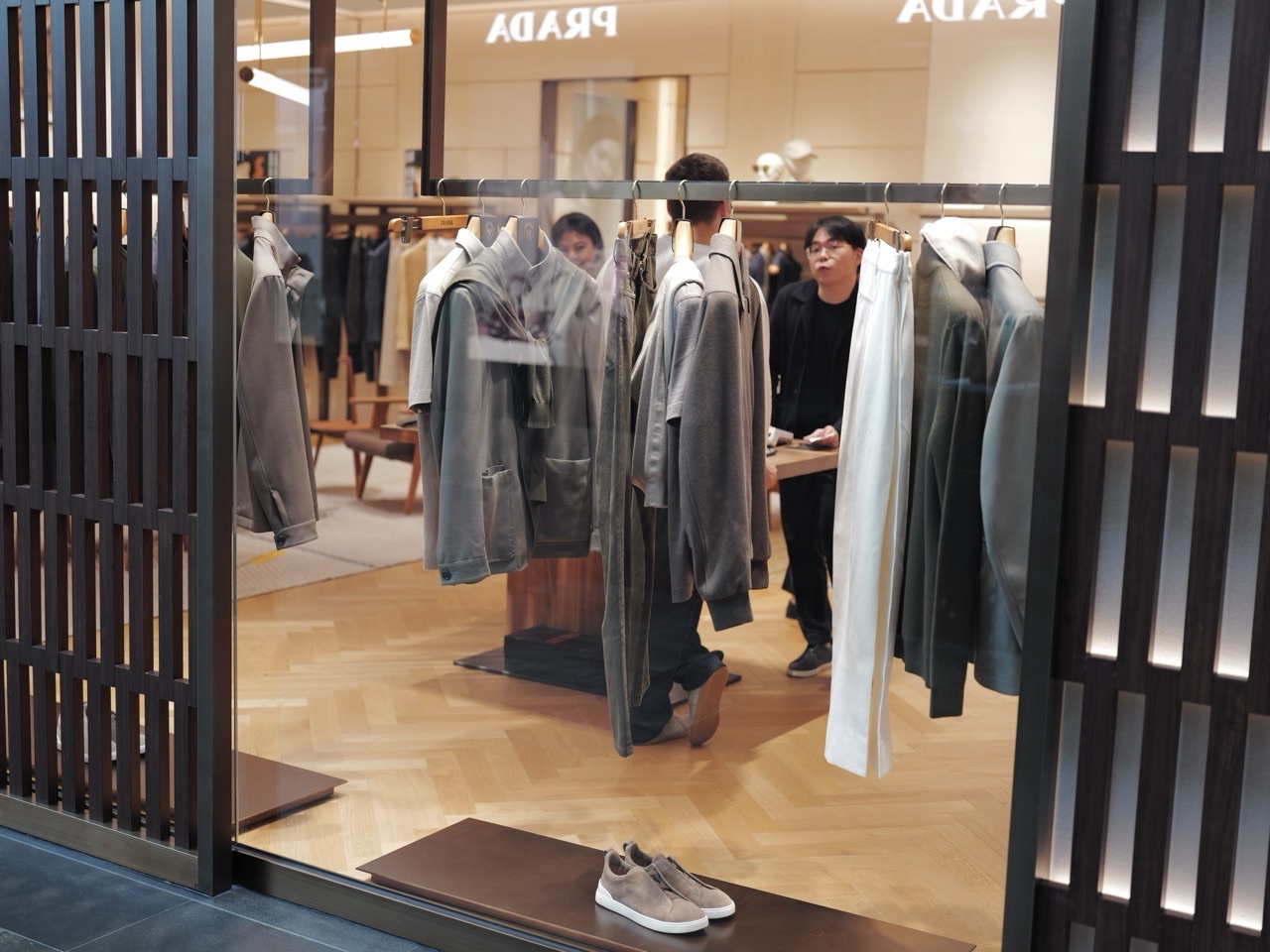
Who actually makes a shopping centre work every day? Behind every open shop, clean corridor, working escalator, event, delivery and customer question is a network of people: retail assistants, store managers, cleaners, security officers, customer-service staff, technicians, engineers, leasing managers, marketers, property managers, delivery drivers, contractors and many more.
This guide explains retail jobs, mall staffing, customer service, staff training, facilities teams, security, cleaning, leasing, marketing, operations and the human organisation behind a shopping centre. We will look at why role clarity matters, how shift work supports long operating hours, why frontline staff are an information network, how training turns procedures into habits and why service quality depends on handoffs between teams rather than one heroic employee.
Did you know that a shopping centre can be open to customers for twelve hours while its working day is much longer? Deliveries can begin before opening. Cleaners prepare public areas. Technicians perform planned work. Restaurants receive ingredients. After customers leave, maintenance, cleaning and stock movement continue. The mall’s labour system wraps around the public day.
For the building operations layer, read Mall Management, Security, Cleaning and Building Operations. For the customer-facing layer, continue with Customer Service, Accessibility and Inclusive Design.
Retail Assistants
Retail Assistants reveals the human operating layer behind the shopping centre. The mall is an organisation before it is an experience. Buildings and software can organise work, but people still interpret situations, help customers, replenish stock, maintain standards and coordinate exceptions that do not fit a perfect script.
The mechanism is role clarity plus training. Staff need to know what they own, when to escalate, what information they may use and how their work connects to another team. A mall is full of handoffs: tenant to landlord, cleaner to facilities, customer service to security, shop floor to stock room and manager to contractor.
Imagine a busy Saturday when a queue forms, a shopper asks for an accessible route and a tenant reports a maintenance issue at the same time. No single employee solves the entire mall. The system works when each person recognises the issue, takes the correct next step and hands information to the right colleague.
For students, this is a useful way to study organisations. Draw the jobs needed for one ordinary shopping trip and connect them with arrows. The visible salesperson is supported by delivery drivers, cleaners, technicians, managers, security, marketers, leasing staff and many others the shopper may never meet.
The result is service quality created collectively. Training, communication and respectful handoffs turn individual jobs into one public experience. A well-run centre feels effortless because hundreds of people understand enough of the larger system to make their own part dependable.
Store Managers
Store Managers reveals the human operating layer behind the shopping centre. The mall is an organisation before it is an experience. Buildings and software can organise work, but people still interpret situations, help customers, replenish stock, maintain standards and coordinate exceptions that do not fit a perfect script.
The mechanism is role clarity plus training. Staff need to know what they own, when to escalate, what information they may use and how their work connects to another team. A mall is full of handoffs: tenant to landlord, cleaner to facilities, customer service to security, shop floor to stock room and manager to contractor.
Imagine a busy Saturday when a queue forms, a shopper asks for an accessible route and a tenant reports a maintenance issue at the same time. No single employee solves the entire mall. The system works when each person recognises the issue, takes the correct next step and hands information to the right colleague.
For students, this is a useful way to study organisations. Draw the jobs needed for one ordinary shopping trip and connect them with arrows. The visible salesperson is supported by delivery drivers, cleaners, technicians, managers, security, marketers, leasing staff and many others the shopper may never meet.
The result is service quality created collectively. Training, communication and respectful handoffs turn individual jobs into one public experience. A well-run centre feels effortless because hundreds of people understand enough of the larger system to make their own part dependable.
Visual Merchandisers
Visual Merchandisers reveals the human operating layer behind the shopping centre. The mall is an organisation before it is an experience. Buildings and software can organise work, but people still interpret situations, help customers, replenish stock, maintain standards and coordinate exceptions that do not fit a perfect script.
The mechanism is role clarity plus training. Staff need to know what they own, when to escalate, what information they may use and how their work connects to another team. A mall is full of handoffs: tenant to landlord, cleaner to facilities, customer service to security, shop floor to stock room and manager to contractor.
Imagine a busy Saturday when a queue forms, a shopper asks for an accessible route and a tenant reports a maintenance issue at the same time. No single employee solves the entire mall. The system works when each person recognises the issue, takes the correct next step and hands information to the right colleague.
For students, this is a useful way to study organisations. Draw the jobs needed for one ordinary shopping trip and connect them with arrows. The visible salesperson is supported by delivery drivers, cleaners, technicians, managers, security, marketers, leasing staff and many others the shopper may never meet.
The result is service quality created collectively. Training, communication and respectful handoffs turn individual jobs into one public experience. A well-run centre feels effortless because hundreds of people understand enough of the larger system to make their own part dependable.
Cashiers
Cashiers reveals the human operating layer behind the shopping centre. The mall is an organisation before it is an experience. Buildings and software can organise work, but people still interpret situations, help customers, replenish stock, maintain standards and coordinate exceptions that do not fit a perfect script.
The mechanism is role clarity plus training. Staff need to know what they own, when to escalate, what information they may use and how their work connects to another team. A mall is full of handoffs: tenant to landlord, cleaner to facilities, customer service to security, shop floor to stock room and manager to contractor.
Imagine a busy Saturday when a queue forms, a shopper asks for an accessible route and a tenant reports a maintenance issue at the same time. No single employee solves the entire mall. The system works when each person recognises the issue, takes the correct next step and hands information to the right colleague.
For students, this is a useful way to study organisations. Draw the jobs needed for one ordinary shopping trip and connect them with arrows. The visible salesperson is supported by delivery drivers, cleaners, technicians, managers, security, marketers, leasing staff and many others the shopper may never meet.
The result is service quality created collectively. Training, communication and respectful handoffs turn individual jobs into one public experience. A well-run centre feels effortless because hundreds of people understand enough of the larger system to make their own part dependable.
Customer Service Officers
Customer Service Officers reveals the human operating layer behind the shopping centre. The mall is an organisation before it is an experience. Buildings and software can organise work, but people still interpret situations, help customers, replenish stock, maintain standards and coordinate exceptions that do not fit a perfect script.
The mechanism is role clarity plus training. Staff need to know what they own, when to escalate, what information they may use and how their work connects to another team. A mall is full of handoffs: tenant to landlord, cleaner to facilities, customer service to security, shop floor to stock room and manager to contractor.
Imagine a busy Saturday when a queue forms, a shopper asks for an accessible route and a tenant reports a maintenance issue at the same time. No single employee solves the entire mall. The system works when each person recognises the issue, takes the correct next step and hands information to the right colleague.
For students, this is a useful way to study organisations. Draw the jobs needed for one ordinary shopping trip and connect them with arrows. The visible salesperson is supported by delivery drivers, cleaners, technicians, managers, security, marketers, leasing staff and many others the shopper may never meet.
The result is service quality created collectively. Training, communication and respectful handoffs turn individual jobs into one public experience. A well-run centre feels effortless because hundreds of people understand enough of the larger system to make their own part dependable.
Concierge Staff
Concierge Staff reveals the human operating layer behind the shopping centre. The mall is an organisation before it is an experience. Buildings and software can organise work, but people still interpret situations, help customers, replenish stock, maintain standards and coordinate exceptions that do not fit a perfect script.
The mechanism is role clarity plus training. Staff need to know what they own, when to escalate, what information they may use and how their work connects to another team. A mall is full of handoffs: tenant to landlord, cleaner to facilities, customer service to security, shop floor to stock room and manager to contractor.
Imagine a busy Saturday when a queue forms, a shopper asks for an accessible route and a tenant reports a maintenance issue at the same time. No single employee solves the entire mall. The system works when each person recognises the issue, takes the correct next step and hands information to the right colleague.
For students, this is a useful way to study organisations. Draw the jobs needed for one ordinary shopping trip and connect them with arrows. The visible salesperson is supported by delivery drivers, cleaners, technicians, managers, security, marketers, leasing staff and many others the shopper may never meet.
The result is service quality created collectively. Training, communication and respectful handoffs turn individual jobs into one public experience. A well-run centre feels effortless because hundreds of people understand enough of the larger system to make their own part dependable.
Security Officers
Security Officers reveals the human operating layer behind the shopping centre. The mall is an organisation before it is an experience. Buildings and software can organise work, but people still interpret situations, help customers, replenish stock, maintain standards and coordinate exceptions that do not fit a perfect script.
The mechanism is role clarity plus training. Staff need to know what they own, when to escalate, what information they may use and how their work connects to another team. A mall is full of handoffs: tenant to landlord, cleaner to facilities, customer service to security, shop floor to stock room and manager to contractor.
Imagine a busy Saturday when a queue forms, a shopper asks for an accessible route and a tenant reports a maintenance issue at the same time. No single employee solves the entire mall. The system works when each person recognises the issue, takes the correct next step and hands information to the right colleague.
For students, this is a useful way to study organisations. Draw the jobs needed for one ordinary shopping trip and connect them with arrows. The visible salesperson is supported by delivery drivers, cleaners, technicians, managers, security, marketers, leasing staff and many others the shopper may never meet.
The result is service quality created collectively. Training, communication and respectful handoffs turn individual jobs into one public experience. A well-run centre feels effortless because hundreds of people understand enough of the larger system to make their own part dependable.
Cleaners
Cleaners reveals the human operating layer behind the shopping centre. The mall is an organisation before it is an experience. Buildings and software can organise work, but people still interpret situations, help customers, replenish stock, maintain standards and coordinate exceptions that do not fit a perfect script.
The mechanism is role clarity plus training. Staff need to know what they own, when to escalate, what information they may use and how their work connects to another team. A mall is full of handoffs: tenant to landlord, cleaner to facilities, customer service to security, shop floor to stock room and manager to contractor.
Imagine a busy Saturday when a queue forms, a shopper asks for an accessible route and a tenant reports a maintenance issue at the same time. No single employee solves the entire mall. The system works when each person recognises the issue, takes the correct next step and hands information to the right colleague.
For students, this is a useful way to study organisations. Draw the jobs needed for one ordinary shopping trip and connect them with arrows. The visible salesperson is supported by delivery drivers, cleaners, technicians, managers, security, marketers, leasing staff and many others the shopper may never meet.
The result is service quality created collectively. Training, communication and respectful handoffs turn individual jobs into one public experience. A well-run centre feels effortless because hundreds of people understand enough of the larger system to make their own part dependable.
Facilities Technicians
Facilities Technicians reveals the human operating layer behind the shopping centre. The mall is an organisation before it is an experience. Buildings and software can organise work, but people still interpret situations, help customers, replenish stock, maintain standards and coordinate exceptions that do not fit a perfect script.
The mechanism is role clarity plus training. Staff need to know what they own, when to escalate, what information they may use and how their work connects to another team. A mall is full of handoffs: tenant to landlord, cleaner to facilities, customer service to security, shop floor to stock room and manager to contractor.
Imagine a busy Saturday when a queue forms, a shopper asks for an accessible route and a tenant reports a maintenance issue at the same time. No single employee solves the entire mall. The system works when each person recognises the issue, takes the correct next step and hands information to the right colleague.
For students, this is a useful way to study organisations. Draw the jobs needed for one ordinary shopping trip and connect them with arrows. The visible salesperson is supported by delivery drivers, cleaners, technicians, managers, security, marketers, leasing staff and many others the shopper may never meet.
The result is service quality created collectively. Training, communication and respectful handoffs turn individual jobs into one public experience. A well-run centre feels effortless because hundreds of people understand enough of the larger system to make their own part dependable.
Engineers
Engineers reveals the human operating layer behind the shopping centre. The mall is an organisation before it is an experience. Buildings and software can organise work, but people still interpret situations, help customers, replenish stock, maintain standards and coordinate exceptions that do not fit a perfect script.
The mechanism is role clarity plus training. Staff need to know what they own, when to escalate, what information they may use and how their work connects to another team. A mall is full of handoffs: tenant to landlord, cleaner to facilities, customer service to security, shop floor to stock room and manager to contractor.
Imagine a busy Saturday when a queue forms, a shopper asks for an accessible route and a tenant reports a maintenance issue at the same time. No single employee solves the entire mall. The system works when each person recognises the issue, takes the correct next step and hands information to the right colleague.
For students, this is a useful way to study organisations. Draw the jobs needed for one ordinary shopping trip and connect them with arrows. The visible salesperson is supported by delivery drivers, cleaners, technicians, managers, security, marketers, leasing staff and many others the shopper may never meet.
The result is service quality created collectively. Training, communication and respectful handoffs turn individual jobs into one public experience. A well-run centre feels effortless because hundreds of people understand enough of the larger system to make their own part dependable.
Property Managers
Property Managers reveals the human operating layer behind the shopping centre. The mall is an organisation before it is an experience. Buildings and software can organise work, but people still interpret situations, help customers, replenish stock, maintain standards and coordinate exceptions that do not fit a perfect script.
The mechanism is role clarity plus training. Staff need to know what they own, when to escalate, what information they may use and how their work connects to another team. A mall is full of handoffs: tenant to landlord, cleaner to facilities, customer service to security, shop floor to stock room and manager to contractor.
Imagine a busy Saturday when a queue forms, a shopper asks for an accessible route and a tenant reports a maintenance issue at the same time. No single employee solves the entire mall. The system works when each person recognises the issue, takes the correct next step and hands information to the right colleague.
For students, this is a useful way to study organisations. Draw the jobs needed for one ordinary shopping trip and connect them with arrows. The visible salesperson is supported by delivery drivers, cleaners, technicians, managers, security, marketers, leasing staff and many others the shopper may never meet.
The result is service quality created collectively. Training, communication and respectful handoffs turn individual jobs into one public experience. A well-run centre feels effortless because hundreds of people understand enough of the larger system to make their own part dependable.
Asset Managers
Asset Managers reveals the human operating layer behind the shopping centre. The mall is an organisation before it is an experience. Buildings and software can organise work, but people still interpret situations, help customers, replenish stock, maintain standards and coordinate exceptions that do not fit a perfect script.
The mechanism is role clarity plus training. Staff need to know what they own, when to escalate, what information they may use and how their work connects to another team. A mall is full of handoffs: tenant to landlord, cleaner to facilities, customer service to security, shop floor to stock room and manager to contractor.
Imagine a busy Saturday when a queue forms, a shopper asks for an accessible route and a tenant reports a maintenance issue at the same time. No single employee solves the entire mall. The system works when each person recognises the issue, takes the correct next step and hands information to the right colleague.
For students, this is a useful way to study organisations. Draw the jobs needed for one ordinary shopping trip and connect them with arrows. The visible salesperson is supported by delivery drivers, cleaners, technicians, managers, security, marketers, leasing staff and many others the shopper may never meet.
The result is service quality created collectively. Training, communication and respectful handoffs turn individual jobs into one public experience. A well-run centre feels effortless because hundreds of people understand enough of the larger system to make their own part dependable.
Leasing Managers
Leasing Managers reveals the human operating layer behind the shopping centre. The mall is an organisation before it is an experience. Buildings and software can organise work, but people still interpret situations, help customers, replenish stock, maintain standards and coordinate exceptions that do not fit a perfect script.
The mechanism is role clarity plus training. Staff need to know what they own, when to escalate, what information they may use and how their work connects to another team. A mall is full of handoffs: tenant to landlord, cleaner to facilities, customer service to security, shop floor to stock room and manager to contractor.
Imagine a busy Saturday when a queue forms, a shopper asks for an accessible route and a tenant reports a maintenance issue at the same time. No single employee solves the entire mall. The system works when each person recognises the issue, takes the correct next step and hands information to the right colleague.
For students, this is a useful way to study organisations. Draw the jobs needed for one ordinary shopping trip and connect them with arrows. The visible salesperson is supported by delivery drivers, cleaners, technicians, managers, security, marketers, leasing staff and many others the shopper may never meet.
The result is service quality created collectively. Training, communication and respectful handoffs turn individual jobs into one public experience. A well-run centre feels effortless because hundreds of people understand enough of the larger system to make their own part dependable.
Marketing Teams
Marketing Teams reveals the human operating layer behind the shopping centre. The mall is an organisation before it is an experience. Buildings and software can organise work, but people still interpret situations, help customers, replenish stock, maintain standards and coordinate exceptions that do not fit a perfect script.
The mechanism is role clarity plus training. Staff need to know what they own, when to escalate, what information they may use and how their work connects to another team. A mall is full of handoffs: tenant to landlord, cleaner to facilities, customer service to security, shop floor to stock room and manager to contractor.
Imagine a busy Saturday when a queue forms, a shopper asks for an accessible route and a tenant reports a maintenance issue at the same time. No single employee solves the entire mall. The system works when each person recognises the issue, takes the correct next step and hands information to the right colleague.
For students, this is a useful way to study organisations. Draw the jobs needed for one ordinary shopping trip and connect them with arrows. The visible salesperson is supported by delivery drivers, cleaners, technicians, managers, security, marketers, leasing staff and many others the shopper may never meet.
The result is service quality created collectively. Training, communication and respectful handoffs turn individual jobs into one public experience. A well-run centre feels effortless because hundreds of people understand enough of the larger system to make their own part dependable.
Event Teams
Event Teams reveals the human operating layer behind the shopping centre. The mall is an organisation before it is an experience. Buildings and software can organise work, but people still interpret situations, help customers, replenish stock, maintain standards and coordinate exceptions that do not fit a perfect script.
The mechanism is role clarity plus training. Staff need to know what they own, when to escalate, what information they may use and how their work connects to another team. A mall is full of handoffs: tenant to landlord, cleaner to facilities, customer service to security, shop floor to stock room and manager to contractor.
Imagine a busy Saturday when a queue forms, a shopper asks for an accessible route and a tenant reports a maintenance issue at the same time. No single employee solves the entire mall. The system works when each person recognises the issue, takes the correct next step and hands information to the right colleague.
For students, this is a useful way to study organisations. Draw the jobs needed for one ordinary shopping trip and connect them with arrows. The visible salesperson is supported by delivery drivers, cleaners, technicians, managers, security, marketers, leasing staff and many others the shopper may never meet.
The result is service quality created collectively. Training, communication and respectful handoffs turn individual jobs into one public experience. A well-run centre feels effortless because hundreds of people understand enough of the larger system to make their own part dependable.
Finance Teams
Finance Teams reveals the human operating layer behind the shopping centre. The mall is an organisation before it is an experience. Buildings and software can organise work, but people still interpret situations, help customers, replenish stock, maintain standards and coordinate exceptions that do not fit a perfect script.
The mechanism is role clarity plus training. Staff need to know what they own, when to escalate, what information they may use and how their work connects to another team. A mall is full of handoffs: tenant to landlord, cleaner to facilities, customer service to security, shop floor to stock room and manager to contractor.
Imagine a busy Saturday when a queue forms, a shopper asks for an accessible route and a tenant reports a maintenance issue at the same time. No single employee solves the entire mall. The system works when each person recognises the issue, takes the correct next step and hands information to the right colleague.
For students, this is a useful way to study organisations. Draw the jobs needed for one ordinary shopping trip and connect them with arrows. The visible salesperson is supported by delivery drivers, cleaners, technicians, managers, security, marketers, leasing staff and many others the shopper may never meet.
The result is service quality created collectively. Training, communication and respectful handoffs turn individual jobs into one public experience. A well-run centre feels effortless because hundreds of people understand enough of the larger system to make their own part dependable.
Data Analysts
Data Analysts reveals the human operating layer behind the shopping centre. The mall is an organisation before it is an experience. Buildings and software can organise work, but people still interpret situations, help customers, replenish stock, maintain standards and coordinate exceptions that do not fit a perfect script.
The mechanism is role clarity plus training. Staff need to know what they own, when to escalate, what information they may use and how their work connects to another team. A mall is full of handoffs: tenant to landlord, cleaner to facilities, customer service to security, shop floor to stock room and manager to contractor.
Imagine a busy Saturday when a queue forms, a shopper asks for an accessible route and a tenant reports a maintenance issue at the same time. No single employee solves the entire mall. The system works when each person recognises the issue, takes the correct next step and hands information to the right colleague.
For students, this is a useful way to study organisations. Draw the jobs needed for one ordinary shopping trip and connect them with arrows. The visible salesperson is supported by delivery drivers, cleaners, technicians, managers, security, marketers, leasing staff and many others the shopper may never meet.
The result is service quality created collectively. Training, communication and respectful handoffs turn individual jobs into one public experience. A well-run centre feels effortless because hundreds of people understand enough of the larger system to make their own part dependable.
IT Support
IT Support reveals the human operating layer behind the shopping centre. The mall is an organisation before it is an experience. Buildings and software can organise work, but people still interpret situations, help customers, replenish stock, maintain standards and coordinate exceptions that do not fit a perfect script.
The mechanism is role clarity plus training. Staff need to know what they own, when to escalate, what information they may use and how their work connects to another team. A mall is full of handoffs: tenant to landlord, cleaner to facilities, customer service to security, shop floor to stock room and manager to contractor.
Imagine a busy Saturday when a queue forms, a shopper asks for an accessible route and a tenant reports a maintenance issue at the same time. No single employee solves the entire mall. The system works when each person recognises the issue, takes the correct next step and hands information to the right colleague.
For students, this is a useful way to study organisations. Draw the jobs needed for one ordinary shopping trip and connect them with arrows. The visible salesperson is supported by delivery drivers, cleaners, technicians, managers, security, marketers, leasing staff and many others the shopper may never meet.
The result is service quality created collectively. Training, communication and respectful handoffs turn individual jobs into one public experience. A well-run centre feels effortless because hundreds of people understand enough of the larger system to make their own part dependable.
Parking Staff
Parking Staff reveals the human operating layer behind the shopping centre. The mall is an organisation before it is an experience. Buildings and software can organise work, but people still interpret situations, help customers, replenish stock, maintain standards and coordinate exceptions that do not fit a perfect script.
The mechanism is role clarity plus training. Staff need to know what they own, when to escalate, what information they may use and how their work connects to another team. A mall is full of handoffs: tenant to landlord, cleaner to facilities, customer service to security, shop floor to stock room and manager to contractor.
Imagine a busy Saturday when a queue forms, a shopper asks for an accessible route and a tenant reports a maintenance issue at the same time. No single employee solves the entire mall. The system works when each person recognises the issue, takes the correct next step and hands information to the right colleague.
For students, this is a useful way to study organisations. Draw the jobs needed for one ordinary shopping trip and connect them with arrows. The visible salesperson is supported by delivery drivers, cleaners, technicians, managers, security, marketers, leasing staff and many others the shopper may never meet.
The result is service quality created collectively. Training, communication and respectful handoffs turn individual jobs into one public experience. A well-run centre feels effortless because hundreds of people understand enough of the larger system to make their own part dependable.
Delivery Drivers
Delivery Drivers reveals the human operating layer behind the shopping centre. The mall is an organisation before it is an experience. Buildings and software can organise work, but people still interpret situations, help customers, replenish stock, maintain standards and coordinate exceptions that do not fit a perfect script.
The mechanism is role clarity plus training. Staff need to know what they own, when to escalate, what information they may use and how their work connects to another team. A mall is full of handoffs: tenant to landlord, cleaner to facilities, customer service to security, shop floor to stock room and manager to contractor.
Imagine a busy Saturday when a queue forms, a shopper asks for an accessible route and a tenant reports a maintenance issue at the same time. No single employee solves the entire mall. The system works when each person recognises the issue, takes the correct next step and hands information to the right colleague.
For students, this is a useful way to study organisations. Draw the jobs needed for one ordinary shopping trip and connect them with arrows. The visible salesperson is supported by delivery drivers, cleaners, technicians, managers, security, marketers, leasing staff and many others the shopper may never meet.
The result is service quality created collectively. Training, communication and respectful handoffs turn individual jobs into one public experience. A well-run centre feels effortless because hundreds of people understand enough of the larger system to make their own part dependable.
Loading-Bay Staff
Loading-Bay Staff reveals the human operating layer behind the shopping centre. The mall is an organisation before it is an experience. Buildings and software can organise work, but people still interpret situations, help customers, replenish stock, maintain standards and coordinate exceptions that do not fit a perfect script.
The mechanism is role clarity plus training. Staff need to know what they own, when to escalate, what information they may use and how their work connects to another team. A mall is full of handoffs: tenant to landlord, cleaner to facilities, customer service to security, shop floor to stock room and manager to contractor.
Imagine a busy Saturday when a queue forms, a shopper asks for an accessible route and a tenant reports a maintenance issue at the same time. No single employee solves the entire mall. The system works when each person recognises the issue, takes the correct next step and hands information to the right colleague.
For students, this is a useful way to study organisations. Draw the jobs needed for one ordinary shopping trip and connect them with arrows. The visible salesperson is supported by delivery drivers, cleaners, technicians, managers, security, marketers, leasing staff and many others the shopper may never meet.
The result is service quality created collectively. Training, communication and respectful handoffs turn individual jobs into one public experience. A well-run centre feels effortless because hundreds of people understand enough of the larger system to make their own part dependable.
Contractors
Contractors reveals the human operating layer behind the shopping centre. The mall is an organisation before it is an experience. Buildings and software can organise work, but people still interpret situations, help customers, replenish stock, maintain standards and coordinate exceptions that do not fit a perfect script.
The mechanism is role clarity plus training. Staff need to know what they own, when to escalate, what information they may use and how their work connects to another team. A mall is full of handoffs: tenant to landlord, cleaner to facilities, customer service to security, shop floor to stock room and manager to contractor.
Imagine a busy Saturday when a queue forms, a shopper asks for an accessible route and a tenant reports a maintenance issue at the same time. No single employee solves the entire mall. The system works when each person recognises the issue, takes the correct next step and hands information to the right colleague.
For students, this is a useful way to study organisations. Draw the jobs needed for one ordinary shopping trip and connect them with arrows. The visible salesperson is supported by delivery drivers, cleaners, technicians, managers, security, marketers, leasing staff and many others the shopper may never meet.
The result is service quality created collectively. Training, communication and respectful handoffs turn individual jobs into one public experience. A well-run centre feels effortless because hundreds of people understand enough of the larger system to make their own part dependable.
Fit-Out Contractors
Fit-Out Contractors reveals the human operating layer behind the shopping centre. The mall is an organisation before it is an experience. Buildings and software can organise work, but people still interpret situations, help customers, replenish stock, maintain standards and coordinate exceptions that do not fit a perfect script.
The mechanism is role clarity plus training. Staff need to know what they own, when to escalate, what information they may use and how their work connects to another team. A mall is full of handoffs: tenant to landlord, cleaner to facilities, customer service to security, shop floor to stock room and manager to contractor.
Imagine a busy Saturday when a queue forms, a shopper asks for an accessible route and a tenant reports a maintenance issue at the same time. No single employee solves the entire mall. The system works when each person recognises the issue, takes the correct next step and hands information to the right colleague.
For students, this is a useful way to study organisations. Draw the jobs needed for one ordinary shopping trip and connect them with arrows. The visible salesperson is supported by delivery drivers, cleaners, technicians, managers, security, marketers, leasing staff and many others the shopper may never meet.
The result is service quality created collectively. Training, communication and respectful handoffs turn individual jobs into one public experience. A well-run centre feels effortless because hundreds of people understand enough of the larger system to make their own part dependable.
Food-Court Staff
Food-Court Staff reveals the human operating layer behind the shopping centre. The mall is an organisation before it is an experience. Buildings and software can organise work, but people still interpret situations, help customers, replenish stock, maintain standards and coordinate exceptions that do not fit a perfect script.
The mechanism is role clarity plus training. Staff need to know what they own, when to escalate, what information they may use and how their work connects to another team. A mall is full of handoffs: tenant to landlord, cleaner to facilities, customer service to security, shop floor to stock room and manager to contractor.
Imagine a busy Saturday when a queue forms, a shopper asks for an accessible route and a tenant reports a maintenance issue at the same time. No single employee solves the entire mall. The system works when each person recognises the issue, takes the correct next step and hands information to the right colleague.
For students, this is a useful way to study organisations. Draw the jobs needed for one ordinary shopping trip and connect them with arrows. The visible salesperson is supported by delivery drivers, cleaners, technicians, managers, security, marketers, leasing staff and many others the shopper may never meet.
The result is service quality created collectively. Training, communication and respectful handoffs turn individual jobs into one public experience. A well-run centre feels effortless because hundreds of people understand enough of the larger system to make their own part dependable.
Restaurant Teams
Restaurant Teams reveals the human operating layer behind the shopping centre. The mall is an organisation before it is an experience. Buildings and software can organise work, but people still interpret situations, help customers, replenish stock, maintain standards and coordinate exceptions that do not fit a perfect script.
The mechanism is role clarity plus training. Staff need to know what they own, when to escalate, what information they may use and how their work connects to another team. A mall is full of handoffs: tenant to landlord, cleaner to facilities, customer service to security, shop floor to stock room and manager to contractor.
Imagine a busy Saturday when a queue forms, a shopper asks for an accessible route and a tenant reports a maintenance issue at the same time. No single employee solves the entire mall. The system works when each person recognises the issue, takes the correct next step and hands information to the right colleague.
For students, this is a useful way to study organisations. Draw the jobs needed for one ordinary shopping trip and connect them with arrows. The visible salesperson is supported by delivery drivers, cleaners, technicians, managers, security, marketers, leasing staff and many others the shopper may never meet.
The result is service quality created collectively. Training, communication and respectful handoffs turn individual jobs into one public experience. A well-run centre feels effortless because hundreds of people understand enough of the larger system to make their own part dependable.
Cinema Staff
Cinema Staff reveals the human operating layer behind the shopping centre. The mall is an organisation before it is an experience. Buildings and software can organise work, but people still interpret situations, help customers, replenish stock, maintain standards and coordinate exceptions that do not fit a perfect script.
The mechanism is role clarity plus training. Staff need to know what they own, when to escalate, what information they may use and how their work connects to another team. A mall is full of handoffs: tenant to landlord, cleaner to facilities, customer service to security, shop floor to stock room and manager to contractor.
Imagine a busy Saturday when a queue forms, a shopper asks for an accessible route and a tenant reports a maintenance issue at the same time. No single employee solves the entire mall. The system works when each person recognises the issue, takes the correct next step and hands information to the right colleague.
For students, this is a useful way to study organisations. Draw the jobs needed for one ordinary shopping trip and connect them with arrows. The visible salesperson is supported by delivery drivers, cleaners, technicians, managers, security, marketers, leasing staff and many others the shopper may never meet.
The result is service quality created collectively. Training, communication and respectful handoffs turn individual jobs into one public experience. A well-run centre feels effortless because hundreds of people understand enough of the larger system to make their own part dependable.
Supermarket Teams
Supermarket Teams reveals the human operating layer behind the shopping centre. The mall is an organisation before it is an experience. Buildings and software can organise work, but people still interpret situations, help customers, replenish stock, maintain standards and coordinate exceptions that do not fit a perfect script.
The mechanism is role clarity plus training. Staff need to know what they own, when to escalate, what information they may use and how their work connects to another team. A mall is full of handoffs: tenant to landlord, cleaner to facilities, customer service to security, shop floor to stock room and manager to contractor.
Imagine a busy Saturday when a queue forms, a shopper asks for an accessible route and a tenant reports a maintenance issue at the same time. No single employee solves the entire mall. The system works when each person recognises the issue, takes the correct next step and hands information to the right colleague.
For students, this is a useful way to study organisations. Draw the jobs needed for one ordinary shopping trip and connect them with arrows. The visible salesperson is supported by delivery drivers, cleaners, technicians, managers, security, marketers, leasing staff and many others the shopper may never meet.
The result is service quality created collectively. Training, communication and respectful handoffs turn individual jobs into one public experience. A well-run centre feels effortless because hundreds of people understand enough of the larger system to make their own part dependable.
Shift Work
Shift Work reveals the human operating layer behind the shopping centre. The mall is an organisation before it is an experience. Buildings and software can organise work, but people still interpret situations, help customers, replenish stock, maintain standards and coordinate exceptions that do not fit a perfect script.
The mechanism is role clarity plus training. Staff need to know what they own, when to escalate, what information they may use and how their work connects to another team. A mall is full of handoffs: tenant to landlord, cleaner to facilities, customer service to security, shop floor to stock room and manager to contractor.
Imagine a busy Saturday when a queue forms, a shopper asks for an accessible route and a tenant reports a maintenance issue at the same time. No single employee solves the entire mall. The system works when each person recognises the issue, takes the correct next step and hands information to the right colleague.
For students, this is a useful way to study organisations. Draw the jobs needed for one ordinary shopping trip and connect them with arrows. The visible salesperson is supported by delivery drivers, cleaners, technicians, managers, security, marketers, leasing staff and many others the shopper may never meet.
The result is service quality created collectively. Training, communication and respectful handoffs turn individual jobs into one public experience. A well-run centre feels effortless because hundreds of people understand enough of the larger system to make their own part dependable.
Opening Shifts
Opening Shifts reveals the human operating layer behind the shopping centre. The mall is an organisation before it is an experience. Buildings and software can organise work, but people still interpret situations, help customers, replenish stock, maintain standards and coordinate exceptions that do not fit a perfect script.
The mechanism is role clarity plus training. Staff need to know what they own, when to escalate, what information they may use and how their work connects to another team. A mall is full of handoffs: tenant to landlord, cleaner to facilities, customer service to security, shop floor to stock room and manager to contractor.
Imagine a busy Saturday when a queue forms, a shopper asks for an accessible route and a tenant reports a maintenance issue at the same time. No single employee solves the entire mall. The system works when each person recognises the issue, takes the correct next step and hands information to the right colleague.
For students, this is a useful way to study organisations. Draw the jobs needed for one ordinary shopping trip and connect them with arrows. The visible salesperson is supported by delivery drivers, cleaners, technicians, managers, security, marketers, leasing staff and many others the shopper may never meet.
The result is service quality created collectively. Training, communication and respectful handoffs turn individual jobs into one public experience. A well-run centre feels effortless because hundreds of people understand enough of the larger system to make their own part dependable.
Closing Shifts
Closing Shifts reveals the human operating layer behind the shopping centre. The mall is an organisation before it is an experience. Buildings and software can organise work, but people still interpret situations, help customers, replenish stock, maintain standards and coordinate exceptions that do not fit a perfect script.
The mechanism is role clarity plus training. Staff need to know what they own, when to escalate, what information they may use and how their work connects to another team. A mall is full of handoffs: tenant to landlord, cleaner to facilities, customer service to security, shop floor to stock room and manager to contractor.
Imagine a busy Saturday when a queue forms, a shopper asks for an accessible route and a tenant reports a maintenance issue at the same time. No single employee solves the entire mall. The system works when each person recognises the issue, takes the correct next step and hands information to the right colleague.
For students, this is a useful way to study organisations. Draw the jobs needed for one ordinary shopping trip and connect them with arrows. The visible salesperson is supported by delivery drivers, cleaners, technicians, managers, security, marketers, leasing staff and many others the shopper may never meet.
The result is service quality created collectively. Training, communication and respectful handoffs turn individual jobs into one public experience. A well-run centre feels effortless because hundreds of people understand enough of the larger system to make their own part dependable.
Weekend Staffing
Weekend Staffing reveals the human operating layer behind the shopping centre. The mall is an organisation before it is an experience. Buildings and software can organise work, but people still interpret situations, help customers, replenish stock, maintain standards and coordinate exceptions that do not fit a perfect script.
The mechanism is role clarity plus training. Staff need to know what they own, when to escalate, what information they may use and how their work connects to another team. A mall is full of handoffs: tenant to landlord, cleaner to facilities, customer service to security, shop floor to stock room and manager to contractor.
Imagine a busy Saturday when a queue forms, a shopper asks for an accessible route and a tenant reports a maintenance issue at the same time. No single employee solves the entire mall. The system works when each person recognises the issue, takes the correct next step and hands information to the right colleague.
For students, this is a useful way to study organisations. Draw the jobs needed for one ordinary shopping trip and connect them with arrows. The visible salesperson is supported by delivery drivers, cleaners, technicians, managers, security, marketers, leasing staff and many others the shopper may never meet.
The result is service quality created collectively. Training, communication and respectful handoffs turn individual jobs into one public experience. A well-run centre feels effortless because hundreds of people understand enough of the larger system to make their own part dependable.
Festive Staffing
Festive Staffing reveals the human operating layer behind the shopping centre. The mall is an organisation before it is an experience. Buildings and software can organise work, but people still interpret situations, help customers, replenish stock, maintain standards and coordinate exceptions that do not fit a perfect script.
The mechanism is role clarity plus training. Staff need to know what they own, when to escalate, what information they may use and how their work connects to another team. A mall is full of handoffs: tenant to landlord, cleaner to facilities, customer service to security, shop floor to stock room and manager to contractor.
Imagine a busy Saturday when a queue forms, a shopper asks for an accessible route and a tenant reports a maintenance issue at the same time. No single employee solves the entire mall. The system works when each person recognises the issue, takes the correct next step and hands information to the right colleague.
For students, this is a useful way to study organisations. Draw the jobs needed for one ordinary shopping trip and connect them with arrows. The visible salesperson is supported by delivery drivers, cleaners, technicians, managers, security, marketers, leasing staff and many others the shopper may never meet.
The result is service quality created collectively. Training, communication and respectful handoffs turn individual jobs into one public experience. A well-run centre feels effortless because hundreds of people understand enough of the larger system to make their own part dependable.
Peak-Hour Staffing
Peak-Hour Staffing reveals the human operating layer behind the shopping centre. The mall is an organisation before it is an experience. Buildings and software can organise work, but people still interpret situations, help customers, replenish stock, maintain standards and coordinate exceptions that do not fit a perfect script.
The mechanism is role clarity plus training. Staff need to know what they own, when to escalate, what information they may use and how their work connects to another team. A mall is full of handoffs: tenant to landlord, cleaner to facilities, customer service to security, shop floor to stock room and manager to contractor.
Imagine a busy Saturday when a queue forms, a shopper asks for an accessible route and a tenant reports a maintenance issue at the same time. No single employee solves the entire mall. The system works when each person recognises the issue, takes the correct next step and hands information to the right colleague.
For students, this is a useful way to study organisations. Draw the jobs needed for one ordinary shopping trip and connect them with arrows. The visible salesperson is supported by delivery drivers, cleaners, technicians, managers, security, marketers, leasing staff and many others the shopper may never meet.
The result is service quality created collectively. Training, communication and respectful handoffs turn individual jobs into one public experience. A well-run centre feels effortless because hundreds of people understand enough of the larger system to make their own part dependable.
Rosters
Rosters reveals the human operating layer behind the shopping centre. The mall is an organisation before it is an experience. Buildings and software can organise work, but people still interpret situations, help customers, replenish stock, maintain standards and coordinate exceptions that do not fit a perfect script.
The mechanism is role clarity plus training. Staff need to know what they own, when to escalate, what information they may use and how their work connects to another team. A mall is full of handoffs: tenant to landlord, cleaner to facilities, customer service to security, shop floor to stock room and manager to contractor.
Imagine a busy Saturday when a queue forms, a shopper asks for an accessible route and a tenant reports a maintenance issue at the same time. No single employee solves the entire mall. The system works when each person recognises the issue, takes the correct next step and hands information to the right colleague.
For students, this is a useful way to study organisations. Draw the jobs needed for one ordinary shopping trip and connect them with arrows. The visible salesperson is supported by delivery drivers, cleaners, technicians, managers, security, marketers, leasing staff and many others the shopper may never meet.
The result is service quality created collectively. Training, communication and respectful handoffs turn individual jobs into one public experience. A well-run centre feels effortless because hundreds of people understand enough of the larger system to make their own part dependable.
Breaks
Breaks reveals the human operating layer behind the shopping centre. The mall is an organisation before it is an experience. Buildings and software can organise work, but people still interpret situations, help customers, replenish stock, maintain standards and coordinate exceptions that do not fit a perfect script.
The mechanism is role clarity plus training. Staff need to know what they own, when to escalate, what information they may use and how their work connects to another team. A mall is full of handoffs: tenant to landlord, cleaner to facilities, customer service to security, shop floor to stock room and manager to contractor.
Imagine a busy Saturday when a queue forms, a shopper asks for an accessible route and a tenant reports a maintenance issue at the same time. No single employee solves the entire mall. The system works when each person recognises the issue, takes the correct next step and hands information to the right colleague.
For students, this is a useful way to study organisations. Draw the jobs needed for one ordinary shopping trip and connect them with arrows. The visible salesperson is supported by delivery drivers, cleaners, technicians, managers, security, marketers, leasing staff and many others the shopper may never meet.
The result is service quality created collectively. Training, communication and respectful handoffs turn individual jobs into one public experience. A well-run centre feels effortless because hundreds of people understand enough of the larger system to make their own part dependable.
Handover
Handover reveals the human operating layer behind the shopping centre. The mall is an organisation before it is an experience. Buildings and software can organise work, but people still interpret situations, help customers, replenish stock, maintain standards and coordinate exceptions that do not fit a perfect script.
The mechanism is role clarity plus training. Staff need to know what they own, when to escalate, what information they may use and how their work connects to another team. A mall is full of handoffs: tenant to landlord, cleaner to facilities, customer service to security, shop floor to stock room and manager to contractor.
Imagine a busy Saturday when a queue forms, a shopper asks for an accessible route and a tenant reports a maintenance issue at the same time. No single employee solves the entire mall. The system works when each person recognises the issue, takes the correct next step and hands information to the right colleague.
For students, this is a useful way to study organisations. Draw the jobs needed for one ordinary shopping trip and connect them with arrows. The visible salesperson is supported by delivery drivers, cleaners, technicians, managers, security, marketers, leasing staff and many others the shopper may never meet.
The result is service quality created collectively. Training, communication and respectful handoffs turn individual jobs into one public experience. A well-run centre feels effortless because hundreds of people understand enough of the larger system to make their own part dependable.
Training
Training reveals the human operating layer behind the shopping centre. The mall is an organisation before it is an experience. Buildings and software can organise work, but people still interpret situations, help customers, replenish stock, maintain standards and coordinate exceptions that do not fit a perfect script.
The mechanism is role clarity plus training. Staff need to know what they own, when to escalate, what information they may use and how their work connects to another team. A mall is full of handoffs: tenant to landlord, cleaner to facilities, customer service to security, shop floor to stock room and manager to contractor.
Imagine a busy Saturday when a queue forms, a shopper asks for an accessible route and a tenant reports a maintenance issue at the same time. No single employee solves the entire mall. The system works when each person recognises the issue, takes the correct next step and hands information to the right colleague.
For students, this is a useful way to study organisations. Draw the jobs needed for one ordinary shopping trip and connect them with arrows. The visible salesperson is supported by delivery drivers, cleaners, technicians, managers, security, marketers, leasing staff and many others the shopper may never meet.
The result is service quality created collectively. Training, communication and respectful handoffs turn individual jobs into one public experience. A well-run centre feels effortless because hundreds of people understand enough of the larger system to make their own part dependable.
Onboarding
Onboarding reveals the human operating layer behind the shopping centre. The mall is an organisation before it is an experience. Buildings and software can organise work, but people still interpret situations, help customers, replenish stock, maintain standards and coordinate exceptions that do not fit a perfect script.
The mechanism is role clarity plus training. Staff need to know what they own, when to escalate, what information they may use and how their work connects to another team. A mall is full of handoffs: tenant to landlord, cleaner to facilities, customer service to security, shop floor to stock room and manager to contractor.
Imagine a busy Saturday when a queue forms, a shopper asks for an accessible route and a tenant reports a maintenance issue at the same time. No single employee solves the entire mall. The system works when each person recognises the issue, takes the correct next step and hands information to the right colleague.
For students, this is a useful way to study organisations. Draw the jobs needed for one ordinary shopping trip and connect them with arrows. The visible salesperson is supported by delivery drivers, cleaners, technicians, managers, security, marketers, leasing staff and many others the shopper may never meet.
The result is service quality created collectively. Training, communication and respectful handoffs turn individual jobs into one public experience. A well-run centre feels effortless because hundreds of people understand enough of the larger system to make their own part dependable.
Standard Operating Procedures
Standard Operating Procedures reveals the human operating layer behind the shopping centre. The mall is an organisation before it is an experience. Buildings and software can organise work, but people still interpret situations, help customers, replenish stock, maintain standards and coordinate exceptions that do not fit a perfect script.
The mechanism is role clarity plus training. Staff need to know what they own, when to escalate, what information they may use and how their work connects to another team. A mall is full of handoffs: tenant to landlord, cleaner to facilities, customer service to security, shop floor to stock room and manager to contractor.
Imagine a busy Saturday when a queue forms, a shopper asks for an accessible route and a tenant reports a maintenance issue at the same time. No single employee solves the entire mall. The system works when each person recognises the issue, takes the correct next step and hands information to the right colleague.
For students, this is a useful way to study organisations. Draw the jobs needed for one ordinary shopping trip and connect them with arrows. The visible salesperson is supported by delivery drivers, cleaners, technicians, managers, security, marketers, leasing staff and many others the shopper may never meet.
The result is service quality created collectively. Training, communication and respectful handoffs turn individual jobs into one public experience. A well-run centre feels effortless because hundreds of people understand enough of the larger system to make their own part dependable.
Service Standards
Service Standards reveals the human operating layer behind the shopping centre. The mall is an organisation before it is an experience. Buildings and software can organise work, but people still interpret situations, help customers, replenish stock, maintain standards and coordinate exceptions that do not fit a perfect script.
The mechanism is role clarity plus training. Staff need to know what they own, when to escalate, what information they may use and how their work connects to another team. A mall is full of handoffs: tenant to landlord, cleaner to facilities, customer service to security, shop floor to stock room and manager to contractor.
Imagine a busy Saturday when a queue forms, a shopper asks for an accessible route and a tenant reports a maintenance issue at the same time. No single employee solves the entire mall. The system works when each person recognises the issue, takes the correct next step and hands information to the right colleague.
For students, this is a useful way to study organisations. Draw the jobs needed for one ordinary shopping trip and connect them with arrows. The visible salesperson is supported by delivery drivers, cleaners, technicians, managers, security, marketers, leasing staff and many others the shopper may never meet.
The result is service quality created collectively. Training, communication and respectful handoffs turn individual jobs into one public experience. A well-run centre feels effortless because hundreds of people understand enough of the larger system to make their own part dependable.
Product Knowledge
Product Knowledge reveals the human operating layer behind the shopping centre. The mall is an organisation before it is an experience. Buildings and software can organise work, but people still interpret situations, help customers, replenish stock, maintain standards and coordinate exceptions that do not fit a perfect script.
The mechanism is role clarity plus training. Staff need to know what they own, when to escalate, what information they may use and how their work connects to another team. A mall is full of handoffs: tenant to landlord, cleaner to facilities, customer service to security, shop floor to stock room and manager to contractor.
Imagine a busy Saturday when a queue forms, a shopper asks for an accessible route and a tenant reports a maintenance issue at the same time. No single employee solves the entire mall. The system works when each person recognises the issue, takes the correct next step and hands information to the right colleague.
For students, this is a useful way to study organisations. Draw the jobs needed for one ordinary shopping trip and connect them with arrows. The visible salesperson is supported by delivery drivers, cleaners, technicians, managers, security, marketers, leasing staff and many others the shopper may never meet.
The result is service quality created collectively. Training, communication and respectful handoffs turn individual jobs into one public experience. A well-run centre feels effortless because hundreds of people understand enough of the larger system to make their own part dependable.
Wayfinding Knowledge
Wayfinding Knowledge reveals the human operating layer behind the shopping centre. The mall is an organisation before it is an experience. Buildings and software can organise work, but people still interpret situations, help customers, replenish stock, maintain standards and coordinate exceptions that do not fit a perfect script.
The mechanism is role clarity plus training. Staff need to know what they own, when to escalate, what information they may use and how their work connects to another team. A mall is full of handoffs: tenant to landlord, cleaner to facilities, customer service to security, shop floor to stock room and manager to contractor.
Imagine a busy Saturday when a queue forms, a shopper asks for an accessible route and a tenant reports a maintenance issue at the same time. No single employee solves the entire mall. The system works when each person recognises the issue, takes the correct next step and hands information to the right colleague.
For students, this is a useful way to study organisations. Draw the jobs needed for one ordinary shopping trip and connect them with arrows. The visible salesperson is supported by delivery drivers, cleaners, technicians, managers, security, marketers, leasing staff and many others the shopper may never meet.
The result is service quality created collectively. Training, communication and respectful handoffs turn individual jobs into one public experience. A well-run centre feels effortless because hundreds of people understand enough of the larger system to make their own part dependable.
Accessibility Awareness
Accessibility Awareness reveals the human operating layer behind the shopping centre. The mall is an organisation before it is an experience. Buildings and software can organise work, but people still interpret situations, help customers, replenish stock, maintain standards and coordinate exceptions that do not fit a perfect script.
The mechanism is role clarity plus training. Staff need to know what they own, when to escalate, what information they may use and how their work connects to another team. A mall is full of handoffs: tenant to landlord, cleaner to facilities, customer service to security, shop floor to stock room and manager to contractor.
Imagine a busy Saturday when a queue forms, a shopper asks for an accessible route and a tenant reports a maintenance issue at the same time. No single employee solves the entire mall. The system works when each person recognises the issue, takes the correct next step and hands information to the right colleague.
For students, this is a useful way to study organisations. Draw the jobs needed for one ordinary shopping trip and connect them with arrows. The visible salesperson is supported by delivery drivers, cleaners, technicians, managers, security, marketers, leasing staff and many others the shopper may never meet.
The result is service quality created collectively. Training, communication and respectful handoffs turn individual jobs into one public experience. A well-run centre feels effortless because hundreds of people understand enough of the larger system to make their own part dependable.
Incident Escalation
Incident Escalation reveals the human operating layer behind the shopping centre. The mall is an organisation before it is an experience. Buildings and software can organise work, but people still interpret situations, help customers, replenish stock, maintain standards and coordinate exceptions that do not fit a perfect script.
The mechanism is role clarity plus training. Staff need to know what they own, when to escalate, what information they may use and how their work connects to another team. A mall is full of handoffs: tenant to landlord, cleaner to facilities, customer service to security, shop floor to stock room and manager to contractor.
Imagine a busy Saturday when a queue forms, a shopper asks for an accessible route and a tenant reports a maintenance issue at the same time. No single employee solves the entire mall. The system works when each person recognises the issue, takes the correct next step and hands information to the right colleague.
For students, this is a useful way to study organisations. Draw the jobs needed for one ordinary shopping trip and connect them with arrows. The visible salesperson is supported by delivery drivers, cleaners, technicians, managers, security, marketers, leasing staff and many others the shopper may never meet.
The result is service quality created collectively. Training, communication and respectful handoffs turn individual jobs into one public experience. A well-run centre feels effortless because hundreds of people understand enough of the larger system to make their own part dependable.
Customer Complaints
Customer Complaints reveals the human operating layer behind the shopping centre. The mall is an organisation before it is an experience. Buildings and software can organise work, but people still interpret situations, help customers, replenish stock, maintain standards and coordinate exceptions that do not fit a perfect script.
The mechanism is role clarity plus training. Staff need to know what they own, when to escalate, what information they may use and how their work connects to another team. A mall is full of handoffs: tenant to landlord, cleaner to facilities, customer service to security, shop floor to stock room and manager to contractor.
Imagine a busy Saturday when a queue forms, a shopper asks for an accessible route and a tenant reports a maintenance issue at the same time. No single employee solves the entire mall. The system works when each person recognises the issue, takes the correct next step and hands information to the right colleague.
For students, this is a useful way to study organisations. Draw the jobs needed for one ordinary shopping trip and connect them with arrows. The visible salesperson is supported by delivery drivers, cleaners, technicians, managers, security, marketers, leasing staff and many others the shopper may never meet.
The result is service quality created collectively. Training, communication and respectful handoffs turn individual jobs into one public experience. A well-run centre feels effortless because hundreds of people understand enough of the larger system to make their own part dependable.
Lost Property
Lost Property reveals the human operating layer behind the shopping centre. The mall is an organisation before it is an experience. Buildings and software can organise work, but people still interpret situations, help customers, replenish stock, maintain standards and coordinate exceptions that do not fit a perfect script.
The mechanism is role clarity plus training. Staff need to know what they own, when to escalate, what information they may use and how their work connects to another team. A mall is full of handoffs: tenant to landlord, cleaner to facilities, customer service to security, shop floor to stock room and manager to contractor.
Imagine a busy Saturday when a queue forms, a shopper asks for an accessible route and a tenant reports a maintenance issue at the same time. No single employee solves the entire mall. The system works when each person recognises the issue, takes the correct next step and hands information to the right colleague.
For students, this is a useful way to study organisations. Draw the jobs needed for one ordinary shopping trip and connect them with arrows. The visible salesperson is supported by delivery drivers, cleaners, technicians, managers, security, marketers, leasing staff and many others the shopper may never meet.
The result is service quality created collectively. Training, communication and respectful handoffs turn individual jobs into one public experience. A well-run centre feels effortless because hundreds of people understand enough of the larger system to make their own part dependable.
Separated Children
Separated Children reveals the human operating layer behind the shopping centre. The mall is an organisation before it is an experience. Buildings and software can organise work, but people still interpret situations, help customers, replenish stock, maintain standards and coordinate exceptions that do not fit a perfect script.
The mechanism is role clarity plus training. Staff need to know what they own, when to escalate, what information they may use and how their work connects to another team. A mall is full of handoffs: tenant to landlord, cleaner to facilities, customer service to security, shop floor to stock room and manager to contractor.
Imagine a busy Saturday when a queue forms, a shopper asks for an accessible route and a tenant reports a maintenance issue at the same time. No single employee solves the entire mall. The system works when each person recognises the issue, takes the correct next step and hands information to the right colleague.
For students, this is a useful way to study organisations. Draw the jobs needed for one ordinary shopping trip and connect them with arrows. The visible salesperson is supported by delivery drivers, cleaners, technicians, managers, security, marketers, leasing staff and many others the shopper may never meet.
The result is service quality created collectively. Training, communication and respectful handoffs turn individual jobs into one public experience. A well-run centre feels effortless because hundreds of people understand enough of the larger system to make their own part dependable.
Privacy
Privacy reveals the human operating layer behind the shopping centre. The mall is an organisation before it is an experience. Buildings and software can organise work, but people still interpret situations, help customers, replenish stock, maintain standards and coordinate exceptions that do not fit a perfect script.
The mechanism is role clarity plus training. Staff need to know what they own, when to escalate, what information they may use and how their work connects to another team. A mall is full of handoffs: tenant to landlord, cleaner to facilities, customer service to security, shop floor to stock room and manager to contractor.
Imagine a busy Saturday when a queue forms, a shopper asks for an accessible route and a tenant reports a maintenance issue at the same time. No single employee solves the entire mall. The system works when each person recognises the issue, takes the correct next step and hands information to the right colleague.
For students, this is a useful way to study organisations. Draw the jobs needed for one ordinary shopping trip and connect them with arrows. The visible salesperson is supported by delivery drivers, cleaners, technicians, managers, security, marketers, leasing staff and many others the shopper may never meet.
The result is service quality created collectively. Training, communication and respectful handoffs turn individual jobs into one public experience. A well-run centre feels effortless because hundreds of people understand enough of the larger system to make their own part dependable.
Data Handling
Data Handling reveals the human operating layer behind the shopping centre. The mall is an organisation before it is an experience. Buildings and software can organise work, but people still interpret situations, help customers, replenish stock, maintain standards and coordinate exceptions that do not fit a perfect script.
The mechanism is role clarity plus training. Staff need to know what they own, when to escalate, what information they may use and how their work connects to another team. A mall is full of handoffs: tenant to landlord, cleaner to facilities, customer service to security, shop floor to stock room and manager to contractor.
Imagine a busy Saturday when a queue forms, a shopper asks for an accessible route and a tenant reports a maintenance issue at the same time. No single employee solves the entire mall. The system works when each person recognises the issue, takes the correct next step and hands information to the right colleague.
For students, this is a useful way to study organisations. Draw the jobs needed for one ordinary shopping trip and connect them with arrows. The visible salesperson is supported by delivery drivers, cleaners, technicians, managers, security, marketers, leasing staff and many others the shopper may never meet.
The result is service quality created collectively. Training, communication and respectful handoffs turn individual jobs into one public experience. A well-run centre feels effortless because hundreds of people understand enough of the larger system to make their own part dependable.
Payment Problems
Payment Problems reveals the human operating layer behind the shopping centre. The mall is an organisation before it is an experience. Buildings and software can organise work, but people still interpret situations, help customers, replenish stock, maintain standards and coordinate exceptions that do not fit a perfect script.
The mechanism is role clarity plus training. Staff need to know what they own, when to escalate, what information they may use and how their work connects to another team. A mall is full of handoffs: tenant to landlord, cleaner to facilities, customer service to security, shop floor to stock room and manager to contractor.
Imagine a busy Saturday when a queue forms, a shopper asks for an accessible route and a tenant reports a maintenance issue at the same time. No single employee solves the entire mall. The system works when each person recognises the issue, takes the correct next step and hands information to the right colleague.
For students, this is a useful way to study organisations. Draw the jobs needed for one ordinary shopping trip and connect them with arrows. The visible salesperson is supported by delivery drivers, cleaners, technicians, managers, security, marketers, leasing staff and many others the shopper may never meet.
The result is service quality created collectively. Training, communication and respectful handoffs turn individual jobs into one public experience. A well-run centre feels effortless because hundreds of people understand enough of the larger system to make their own part dependable.
Queue Management
Queue Management reveals the human operating layer behind the shopping centre. The mall is an organisation before it is an experience. Buildings and software can organise work, but people still interpret situations, help customers, replenish stock, maintain standards and coordinate exceptions that do not fit a perfect script.
The mechanism is role clarity plus training. Staff need to know what they own, when to escalate, what information they may use and how their work connects to another team. A mall is full of handoffs: tenant to landlord, cleaner to facilities, customer service to security, shop floor to stock room and manager to contractor.
Imagine a busy Saturday when a queue forms, a shopper asks for an accessible route and a tenant reports a maintenance issue at the same time. No single employee solves the entire mall. The system works when each person recognises the issue, takes the correct next step and hands information to the right colleague.
For students, this is a useful way to study organisations. Draw the jobs needed for one ordinary shopping trip and connect them with arrows. The visible salesperson is supported by delivery drivers, cleaners, technicians, managers, security, marketers, leasing staff and many others the shopper may never meet.
The result is service quality created collectively. Training, communication and respectful handoffs turn individual jobs into one public experience. A well-run centre feels effortless because hundreds of people understand enough of the larger system to make their own part dependable.
Conflict De-Escalation
Conflict De-Escalation reveals the human operating layer behind the shopping centre. The mall is an organisation before it is an experience. Buildings and software can organise work, but people still interpret situations, help customers, replenish stock, maintain standards and coordinate exceptions that do not fit a perfect script.
The mechanism is role clarity plus training. Staff need to know what they own, when to escalate, what information they may use and how their work connects to another team. A mall is full of handoffs: tenant to landlord, cleaner to facilities, customer service to security, shop floor to stock room and manager to contractor.
Imagine a busy Saturday when a queue forms, a shopper asks for an accessible route and a tenant reports a maintenance issue at the same time. No single employee solves the entire mall. The system works when each person recognises the issue, takes the correct next step and hands information to the right colleague.
For students, this is a useful way to study organisations. Draw the jobs needed for one ordinary shopping trip and connect them with arrows. The visible salesperson is supported by delivery drivers, cleaners, technicians, managers, security, marketers, leasing staff and many others the shopper may never meet.
The result is service quality created collectively. Training, communication and respectful handoffs turn individual jobs into one public experience. A well-run centre feels effortless because hundreds of people understand enough of the larger system to make their own part dependable.
Team Communication
Team Communication reveals the human operating layer behind the shopping centre. The mall is an organisation before it is an experience. Buildings and software can organise work, but people still interpret situations, help customers, replenish stock, maintain standards and coordinate exceptions that do not fit a perfect script.
The mechanism is role clarity plus training. Staff need to know what they own, when to escalate, what information they may use and how their work connects to another team. A mall is full of handoffs: tenant to landlord, cleaner to facilities, customer service to security, shop floor to stock room and manager to contractor.
Imagine a busy Saturday when a queue forms, a shopper asks for an accessible route and a tenant reports a maintenance issue at the same time. No single employee solves the entire mall. The system works when each person recognises the issue, takes the correct next step and hands information to the right colleague.
For students, this is a useful way to study organisations. Draw the jobs needed for one ordinary shopping trip and connect them with arrows. The visible salesperson is supported by delivery drivers, cleaners, technicians, managers, security, marketers, leasing staff and many others the shopper may never meet.
The result is service quality created collectively. Training, communication and respectful handoffs turn individual jobs into one public experience. A well-run centre feels effortless because hundreds of people understand enough of the larger system to make their own part dependable.
Tenant-Landlord Communication
Tenant-Landlord Communication reveals the human operating layer behind the shopping centre. The mall is an organisation before it is an experience. Buildings and software can organise work, but people still interpret situations, help customers, replenish stock, maintain standards and coordinate exceptions that do not fit a perfect script.
The mechanism is role clarity plus training. Staff need to know what they own, when to escalate, what information they may use and how their work connects to another team. A mall is full of handoffs: tenant to landlord, cleaner to facilities, customer service to security, shop floor to stock room and manager to contractor.
Imagine a busy Saturday when a queue forms, a shopper asks for an accessible route and a tenant reports a maintenance issue at the same time. No single employee solves the entire mall. The system works when each person recognises the issue, takes the correct next step and hands information to the right colleague.
For students, this is a useful way to study organisations. Draw the jobs needed for one ordinary shopping trip and connect them with arrows. The visible salesperson is supported by delivery drivers, cleaners, technicians, managers, security, marketers, leasing staff and many others the shopper may never meet.
The result is service quality created collectively. Training, communication and respectful handoffs turn individual jobs into one public experience. A well-run centre feels effortless because hundreds of people understand enough of the larger system to make their own part dependable.
Contractor Management
Contractor Management reveals the human operating layer behind the shopping centre. The mall is an organisation before it is an experience. Buildings and software can organise work, but people still interpret situations, help customers, replenish stock, maintain standards and coordinate exceptions that do not fit a perfect script.
The mechanism is role clarity plus training. Staff need to know what they own, when to escalate, what information they may use and how their work connects to another team. A mall is full of handoffs: tenant to landlord, cleaner to facilities, customer service to security, shop floor to stock room and manager to contractor.
Imagine a busy Saturday when a queue forms, a shopper asks for an accessible route and a tenant reports a maintenance issue at the same time. No single employee solves the entire mall. The system works when each person recognises the issue, takes the correct next step and hands information to the right colleague.
For students, this is a useful way to study organisations. Draw the jobs needed for one ordinary shopping trip and connect them with arrows. The visible salesperson is supported by delivery drivers, cleaners, technicians, managers, security, marketers, leasing staff and many others the shopper may never meet.
The result is service quality created collectively. Training, communication and respectful handoffs turn individual jobs into one public experience. A well-run centre feels effortless because hundreds of people understand enough of the larger system to make their own part dependable.
Work Orders
Work Orders reveals the human operating layer behind the shopping centre. The mall is an organisation before it is an experience. Buildings and software can organise work, but people still interpret situations, help customers, replenish stock, maintain standards and coordinate exceptions that do not fit a perfect script.
The mechanism is role clarity plus training. Staff need to know what they own, when to escalate, what information they may use and how their work connects to another team. A mall is full of handoffs: tenant to landlord, cleaner to facilities, customer service to security, shop floor to stock room and manager to contractor.
Imagine a busy Saturday when a queue forms, a shopper asks for an accessible route and a tenant reports a maintenance issue at the same time. No single employee solves the entire mall. The system works when each person recognises the issue, takes the correct next step and hands information to the right colleague.
For students, this is a useful way to study organisations. Draw the jobs needed for one ordinary shopping trip and connect them with arrows. The visible salesperson is supported by delivery drivers, cleaners, technicians, managers, security, marketers, leasing staff and many others the shopper may never meet.
The result is service quality created collectively. Training, communication and respectful handoffs turn individual jobs into one public experience. A well-run centre feels effortless because hundreds of people understand enough of the larger system to make their own part dependable.
Maintenance Tickets
Maintenance Tickets reveals the human operating layer behind the shopping centre. The mall is an organisation before it is an experience. Buildings and software can organise work, but people still interpret situations, help customers, replenish stock, maintain standards and coordinate exceptions that do not fit a perfect script.
The mechanism is role clarity plus training. Staff need to know what they own, when to escalate, what information they may use and how their work connects to another team. A mall is full of handoffs: tenant to landlord, cleaner to facilities, customer service to security, shop floor to stock room and manager to contractor.
Imagine a busy Saturday when a queue forms, a shopper asks for an accessible route and a tenant reports a maintenance issue at the same time. No single employee solves the entire mall. The system works when each person recognises the issue, takes the correct next step and hands information to the right colleague.
For students, this is a useful way to study organisations. Draw the jobs needed for one ordinary shopping trip and connect them with arrows. The visible salesperson is supported by delivery drivers, cleaners, technicians, managers, security, marketers, leasing staff and many others the shopper may never meet.
The result is service quality created collectively. Training, communication and respectful handoffs turn individual jobs into one public experience. A well-run centre feels effortless because hundreds of people understand enough of the larger system to make their own part dependable.
Performance Measurement
Performance Measurement reveals the human operating layer behind the shopping centre. The mall is an organisation before it is an experience. Buildings and software can organise work, but people still interpret situations, help customers, replenish stock, maintain standards and coordinate exceptions that do not fit a perfect script.
The mechanism is role clarity plus training. Staff need to know what they own, when to escalate, what information they may use and how their work connects to another team. A mall is full of handoffs: tenant to landlord, cleaner to facilities, customer service to security, shop floor to stock room and manager to contractor.
Imagine a busy Saturday when a queue forms, a shopper asks for an accessible route and a tenant reports a maintenance issue at the same time. No single employee solves the entire mall. The system works when each person recognises the issue, takes the correct next step and hands information to the right colleague.
For students, this is a useful way to study organisations. Draw the jobs needed for one ordinary shopping trip and connect them with arrows. The visible salesperson is supported by delivery drivers, cleaners, technicians, managers, security, marketers, leasing staff and many others the shopper may never meet.
The result is service quality created collectively. Training, communication and respectful handoffs turn individual jobs into one public experience. A well-run centre feels effortless because hundreds of people understand enough of the larger system to make their own part dependable.
Mystery Shopping
Mystery Shopping reveals the human operating layer behind the shopping centre. The mall is an organisation before it is an experience. Buildings and software can organise work, but people still interpret situations, help customers, replenish stock, maintain standards and coordinate exceptions that do not fit a perfect script.
The mechanism is role clarity plus training. Staff need to know what they own, when to escalate, what information they may use and how their work connects to another team. A mall is full of handoffs: tenant to landlord, cleaner to facilities, customer service to security, shop floor to stock room and manager to contractor.
Imagine a busy Saturday when a queue forms, a shopper asks for an accessible route and a tenant reports a maintenance issue at the same time. No single employee solves the entire mall. The system works when each person recognises the issue, takes the correct next step and hands information to the right colleague.
For students, this is a useful way to study organisations. Draw the jobs needed for one ordinary shopping trip and connect them with arrows. The visible salesperson is supported by delivery drivers, cleaners, technicians, managers, security, marketers, leasing staff and many others the shopper may never meet.
The result is service quality created collectively. Training, communication and respectful handoffs turn individual jobs into one public experience. A well-run centre feels effortless because hundreds of people understand enough of the larger system to make their own part dependable.
Customer Feedback
Customer Feedback reveals the human operating layer behind the shopping centre. The mall is an organisation before it is an experience. Buildings and software can organise work, but people still interpret situations, help customers, replenish stock, maintain standards and coordinate exceptions that do not fit a perfect script.
The mechanism is role clarity plus training. Staff need to know what they own, when to escalate, what information they may use and how their work connects to another team. A mall is full of handoffs: tenant to landlord, cleaner to facilities, customer service to security, shop floor to stock room and manager to contractor.
Imagine a busy Saturday when a queue forms, a shopper asks for an accessible route and a tenant reports a maintenance issue at the same time. No single employee solves the entire mall. The system works when each person recognises the issue, takes the correct next step and hands information to the right colleague.
For students, this is a useful way to study organisations. Draw the jobs needed for one ordinary shopping trip and connect them with arrows. The visible salesperson is supported by delivery drivers, cleaners, technicians, managers, security, marketers, leasing staff and many others the shopper may never meet.
The result is service quality created collectively. Training, communication and respectful handoffs turn individual jobs into one public experience. A well-run centre feels effortless because hundreds of people understand enough of the larger system to make their own part dependable.
Staff Feedback
Staff Feedback reveals the human operating layer behind the shopping centre. The mall is an organisation before it is an experience. Buildings and software can organise work, but people still interpret situations, help customers, replenish stock, maintain standards and coordinate exceptions that do not fit a perfect script.
The mechanism is role clarity plus training. Staff need to know what they own, when to escalate, what information they may use and how their work connects to another team. A mall is full of handoffs: tenant to landlord, cleaner to facilities, customer service to security, shop floor to stock room and manager to contractor.
Imagine a busy Saturday when a queue forms, a shopper asks for an accessible route and a tenant reports a maintenance issue at the same time. No single employee solves the entire mall. The system works when each person recognises the issue, takes the correct next step and hands information to the right colleague.
For students, this is a useful way to study organisations. Draw the jobs needed for one ordinary shopping trip and connect them with arrows. The visible salesperson is supported by delivery drivers, cleaners, technicians, managers, security, marketers, leasing staff and many others the shopper may never meet.
The result is service quality created collectively. Training, communication and respectful handoffs turn individual jobs into one public experience. A well-run centre feels effortless because hundreds of people understand enough of the larger system to make their own part dependable.
Career Pathways
Career Pathways reveals the human operating layer behind the shopping centre. The mall is an organisation before it is an experience. Buildings and software can organise work, but people still interpret situations, help customers, replenish stock, maintain standards and coordinate exceptions that do not fit a perfect script.
The mechanism is role clarity plus training. Staff need to know what they own, when to escalate, what information they may use and how their work connects to another team. A mall is full of handoffs: tenant to landlord, cleaner to facilities, customer service to security, shop floor to stock room and manager to contractor.
Imagine a busy Saturday when a queue forms, a shopper asks for an accessible route and a tenant reports a maintenance issue at the same time. No single employee solves the entire mall. The system works when each person recognises the issue, takes the correct next step and hands information to the right colleague.
For students, this is a useful way to study organisations. Draw the jobs needed for one ordinary shopping trip and connect them with arrows. The visible salesperson is supported by delivery drivers, cleaners, technicians, managers, security, marketers, leasing staff and many others the shopper may never meet.
The result is service quality created collectively. Training, communication and respectful handoffs turn individual jobs into one public experience. A well-run centre feels effortless because hundreds of people understand enough of the larger system to make their own part dependable.
Skills Development
Skills Development reveals the human operating layer behind the shopping centre. The mall is an organisation before it is an experience. Buildings and software can organise work, but people still interpret situations, help customers, replenish stock, maintain standards and coordinate exceptions that do not fit a perfect script.
The mechanism is role clarity plus training. Staff need to know what they own, when to escalate, what information they may use and how their work connects to another team. A mall is full of handoffs: tenant to landlord, cleaner to facilities, customer service to security, shop floor to stock room and manager to contractor.
Imagine a busy Saturday when a queue forms, a shopper asks for an accessible route and a tenant reports a maintenance issue at the same time. No single employee solves the entire mall. The system works when each person recognises the issue, takes the correct next step and hands information to the right colleague.
For students, this is a useful way to study organisations. Draw the jobs needed for one ordinary shopping trip and connect them with arrows. The visible salesperson is supported by delivery drivers, cleaners, technicians, managers, security, marketers, leasing staff and many others the shopper may never meet.
The result is service quality created collectively. Training, communication and respectful handoffs turn individual jobs into one public experience. A well-run centre feels effortless because hundreds of people understand enough of the larger system to make their own part dependable.
Automation
Automation reveals the human operating layer behind the shopping centre. The mall is an organisation before it is an experience. Buildings and software can organise work, but people still interpret situations, help customers, replenish stock, maintain standards and coordinate exceptions that do not fit a perfect script.
The mechanism is role clarity plus training. Staff need to know what they own, when to escalate, what information they may use and how their work connects to another team. A mall is full of handoffs: tenant to landlord, cleaner to facilities, customer service to security, shop floor to stock room and manager to contractor.
Imagine a busy Saturday when a queue forms, a shopper asks for an accessible route and a tenant reports a maintenance issue at the same time. No single employee solves the entire mall. The system works when each person recognises the issue, takes the correct next step and hands information to the right colleague.
For students, this is a useful way to study organisations. Draw the jobs needed for one ordinary shopping trip and connect them with arrows. The visible salesperson is supported by delivery drivers, cleaners, technicians, managers, security, marketers, leasing staff and many others the shopper may never meet.
The result is service quality created collectively. Training, communication and respectful handoffs turn individual jobs into one public experience. A well-run centre feels effortless because hundreds of people understand enough of the larger system to make their own part dependable.
Self-Checkout
Self-Checkout reveals the human operating layer behind the shopping centre. The mall is an organisation before it is an experience. Buildings and software can organise work, but people still interpret situations, help customers, replenish stock, maintain standards and coordinate exceptions that do not fit a perfect script.
The mechanism is role clarity plus training. Staff need to know what they own, when to escalate, what information they may use and how their work connects to another team. A mall is full of handoffs: tenant to landlord, cleaner to facilities, customer service to security, shop floor to stock room and manager to contractor.
Imagine a busy Saturday when a queue forms, a shopper asks for an accessible route and a tenant reports a maintenance issue at the same time. No single employee solves the entire mall. The system works when each person recognises the issue, takes the correct next step and hands information to the right colleague.
For students, this is a useful way to study organisations. Draw the jobs needed for one ordinary shopping trip and connect them with arrows. The visible salesperson is supported by delivery drivers, cleaners, technicians, managers, security, marketers, leasing staff and many others the shopper may never meet.
The result is service quality created collectively. Training, communication and respectful handoffs turn individual jobs into one public experience. A well-run centre feels effortless because hundreds of people understand enough of the larger system to make their own part dependable.
AI and Retail Work
AI and Retail Work reveals the human operating layer behind the shopping centre. The mall is an organisation before it is an experience. Buildings and software can organise work, but people still interpret situations, help customers, replenish stock, maintain standards and coordinate exceptions that do not fit a perfect script.
The mechanism is role clarity plus training. Staff need to know what they own, when to escalate, what information they may use and how their work connects to another team. A mall is full of handoffs: tenant to landlord, cleaner to facilities, customer service to security, shop floor to stock room and manager to contractor.
Imagine a busy Saturday when a queue forms, a shopper asks for an accessible route and a tenant reports a maintenance issue at the same time. No single employee solves the entire mall. The system works when each person recognises the issue, takes the correct next step and hands information to the right colleague.
For students, this is a useful way to study organisations. Draw the jobs needed for one ordinary shopping trip and connect them with arrows. The visible salesperson is supported by delivery drivers, cleaners, technicians, managers, security, marketers, leasing staff and many others the shopper may never meet.
The result is service quality created collectively. Training, communication and respectful handoffs turn individual jobs into one public experience. A well-run centre feels effortless because hundreds of people understand enough of the larger system to make their own part dependable.
Human Service
Human Service reveals the human operating layer behind the shopping centre. The mall is an organisation before it is an experience. Buildings and software can organise work, but people still interpret situations, help customers, replenish stock, maintain standards and coordinate exceptions that do not fit a perfect script.
The mechanism is role clarity plus training. Staff need to know what they own, when to escalate, what information they may use and how their work connects to another team. A mall is full of handoffs: tenant to landlord, cleaner to facilities, customer service to security, shop floor to stock room and manager to contractor.
Imagine a busy Saturday when a queue forms, a shopper asks for an accessible route and a tenant reports a maintenance issue at the same time. No single employee solves the entire mall. The system works when each person recognises the issue, takes the correct next step and hands information to the right colleague.
For students, this is a useful way to study organisations. Draw the jobs needed for one ordinary shopping trip and connect them with arrows. The visible salesperson is supported by delivery drivers, cleaners, technicians, managers, security, marketers, leasing staff and many others the shopper may never meet.
The result is service quality created collectively. Training, communication and respectful handoffs turn individual jobs into one public experience. A well-run centre feels effortless because hundreds of people understand enough of the larger system to make their own part dependable.
Worked Example: Saturday Peak
Worked Example: Saturday Peak reveals the human operating layer behind the shopping centre. The mall is an organisation before it is an experience. Buildings and software can organise work, but people still interpret situations, help customers, replenish stock, maintain standards and coordinate exceptions that do not fit a perfect script.
The mechanism is role clarity plus training. Staff need to know what they own, when to escalate, what information they may use and how their work connects to another team. A mall is full of handoffs: tenant to landlord, cleaner to facilities, customer service to security, shop floor to stock room and manager to contractor.
Imagine a busy Saturday when a queue forms, a shopper asks for an accessible route and a tenant reports a maintenance issue at the same time. No single employee solves the entire mall. The system works when each person recognises the issue, takes the correct next step and hands information to the right colleague.
For students, this is a useful way to study organisations. Draw the jobs needed for one ordinary shopping trip and connect them with arrows. The visible salesperson is supported by delivery drivers, cleaners, technicians, managers, security, marketers, leasing staff and many others the shopper may never meet.
The result is service quality created collectively. Training, communication and respectful handoffs turn individual jobs into one public experience. A well-run centre feels effortless because hundreds of people understand enough of the larger system to make their own part dependable.
Worked Example: Opening Shift
Worked Example: Opening Shift reveals the human operating layer behind the shopping centre. The mall is an organisation before it is an experience. Buildings and software can organise work, but people still interpret situations, help customers, replenish stock, maintain standards and coordinate exceptions that do not fit a perfect script.
The mechanism is role clarity plus training. Staff need to know what they own, when to escalate, what information they may use and how their work connects to another team. A mall is full of handoffs: tenant to landlord, cleaner to facilities, customer service to security, shop floor to stock room and manager to contractor.
Imagine a busy Saturday when a queue forms, a shopper asks for an accessible route and a tenant reports a maintenance issue at the same time. No single employee solves the entire mall. The system works when each person recognises the issue, takes the correct next step and hands information to the right colleague.
For students, this is a useful way to study organisations. Draw the jobs needed for one ordinary shopping trip and connect them with arrows. The visible salesperson is supported by delivery drivers, cleaners, technicians, managers, security, marketers, leasing staff and many others the shopper may never meet.
The result is service quality created collectively. Training, communication and respectful handoffs turn individual jobs into one public experience. A well-run centre feels effortless because hundreds of people understand enough of the larger system to make their own part dependable.
Worked Example: Customer Complaint
Worked Example: Customer Complaint reveals the human operating layer behind the shopping centre. The mall is an organisation before it is an experience. Buildings and software can organise work, but people still interpret situations, help customers, replenish stock, maintain standards and coordinate exceptions that do not fit a perfect script.
The mechanism is role clarity plus training. Staff need to know what they own, when to escalate, what information they may use and how their work connects to another team. A mall is full of handoffs: tenant to landlord, cleaner to facilities, customer service to security, shop floor to stock room and manager to contractor.
Imagine a busy Saturday when a queue forms, a shopper asks for an accessible route and a tenant reports a maintenance issue at the same time. No single employee solves the entire mall. The system works when each person recognises the issue, takes the correct next step and hands information to the right colleague.
For students, this is a useful way to study organisations. Draw the jobs needed for one ordinary shopping trip and connect them with arrows. The visible salesperson is supported by delivery drivers, cleaners, technicians, managers, security, marketers, leasing staff and many others the shopper may never meet.
The result is service quality created collectively. Training, communication and respectful handoffs turn individual jobs into one public experience. A well-run centre feels effortless because hundreds of people understand enough of the larger system to make their own part dependable.
Worked Example: Maintenance Handoff
Worked Example: Maintenance Handoff reveals the human operating layer behind the shopping centre. The mall is an organisation before it is an experience. Buildings and software can organise work, but people still interpret situations, help customers, replenish stock, maintain standards and coordinate exceptions that do not fit a perfect script.
The mechanism is role clarity plus training. Staff need to know what they own, when to escalate, what information they may use and how their work connects to another team. A mall is full of handoffs: tenant to landlord, cleaner to facilities, customer service to security, shop floor to stock room and manager to contractor.
Imagine a busy Saturday when a queue forms, a shopper asks for an accessible route and a tenant reports a maintenance issue at the same time. No single employee solves the entire mall. The system works when each person recognises the issue, takes the correct next step and hands information to the right colleague.
For students, this is a useful way to study organisations. Draw the jobs needed for one ordinary shopping trip and connect them with arrows. The visible salesperson is supported by delivery drivers, cleaners, technicians, managers, security, marketers, leasing staff and many others the shopper may never meet.
The result is service quality created collectively. Training, communication and respectful handoffs turn individual jobs into one public experience. A well-run centre feels effortless because hundreds of people understand enough of the larger system to make their own part dependable.
The Larger Idea: The Mall Is People Coordinating
The Larger Idea: The Mall Is People Coordinating reveals the human operating layer behind the shopping centre. The mall is an organisation before it is an experience. Buildings and software can organise work, but people still interpret situations, help customers, replenish stock, maintain standards and coordinate exceptions that do not fit a perfect script.
The mechanism is role clarity plus training. Staff need to know what they own, when to escalate, what information they may use and how their work connects to another team. A mall is full of handoffs: tenant to landlord, cleaner to facilities, customer service to security, shop floor to stock room and manager to contractor.
Imagine a busy Saturday when a queue forms, a shopper asks for an accessible route and a tenant reports a maintenance issue at the same time. No single employee solves the entire mall. The system works when each person recognises the issue, takes the correct next step and hands information to the right colleague.
For students, this is a useful way to study organisations. Draw the jobs needed for one ordinary shopping trip and connect them with arrows. The visible salesperson is supported by delivery drivers, cleaners, technicians, managers, security, marketers, leasing staff and many others the shopper may never meet.
The result is service quality created collectively. Training, communication and respectful handoffs turn individual jobs into one public experience. A well-run centre feels effortless because hundreds of people understand enough of the larger system to make their own part dependable.
A Practical Learning Activity
Choose one mall visit and list every worker whose contribution makes it possible, including people you do not directly see. Group them into retail, operations, logistics, customer service and management.
Now create one harmless problem: a directory screen fails. Trace the handoff from the shopper who notices it to customer service, facilities or IT and finally back to a working service. Identify where information could be lost.
Finally redesign the handoff using one clear record: location, observed problem, impact, owner and status. The exercise shows how organisations become reliable through communication rather than memory alone.
Official and eduKateSG Reading Route
Real employment, workplace-safety and professional requirements depend on the role and activity involved. Employers should use current Singapore regulations, sector guidance and qualified professional requirements rather than a general educational article.
Within eduKateSG, continue with Retail Supply Chains, Emergency Planning and Resilience, and Retail Data and Performance.
The durable method is to make responsibility clear, train for ordinary and unusual situations, preserve good handoffs and learn from frontline information. A shopping centre works because people coordinate before the customer ever needs to notice the coordination.