
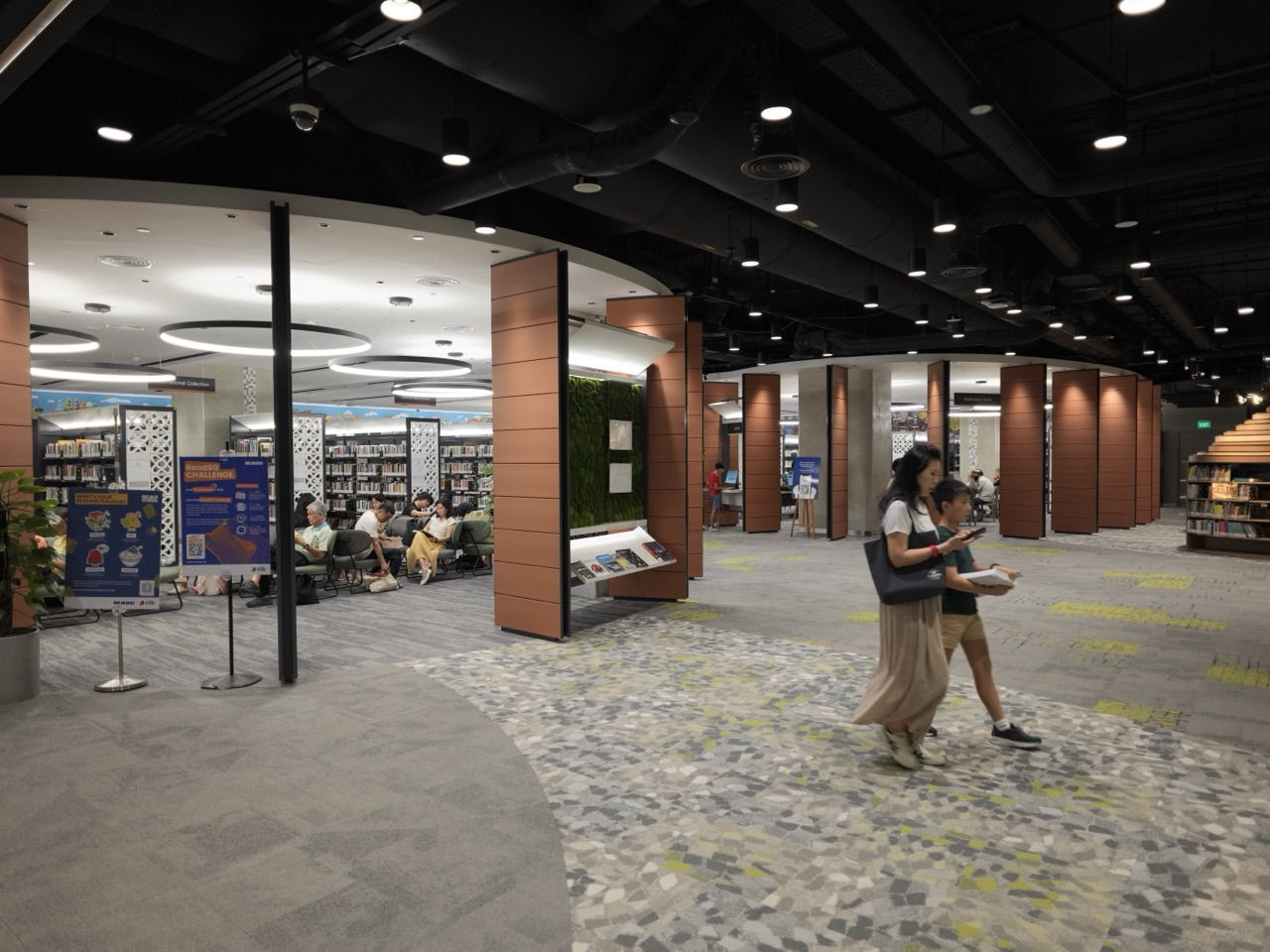
Find your next learning step
Read from the beginning, or choose the question closest to your situation. Each route leads into the full guide.
Ask and discover · Chapters 1–4
Learn through visits · Chapters 5–8
Connect generations · Chapters 9–12
Check and participate · Chapters 13–16
Learning beyond school works when curiosity meets a useful resource, an activity and a chance to explain what changed. A library can help someone find and compare information. A museum can make an object or historical source available for close inspection. A community group can provide conversation, practice and shared purpose. The learning depends on what people do with those opportunities.
This is part of international education because families carry questions across borders and keep learning between institutions. A child arriving in a new country may discover its stories through books and objects. An adult may practise a language or investigate a career interest. An older learner may contribute experience while learning a new method or topic.
This guide connects public resources with learning from kindergarten through retirement. It explains how to plan a manageable visit, choose sources, build an intergenerational activity and recognise real progress without turning every enjoyable outing into a test. Activities are original illustrations; opening hours, membership, accessibility and programme availability must be checked with the relevant venue.
Start with How Education Works. For formal later-life programmes and residential settings, use the companion learning after 60 guide. This article focuses on learning woven into ordinary community life, whether or not a qualification is involved.
Your learning decisions at a glance
| Learning purpose | Useful activity | Evidence of progress |
|---|---|---|
| Explore a question | Find and compare suitable resources | A clearer explanation |
| Inspect an object | Separate observation from interpretation | A supported inference |
| Learn together | Share roles in a small project | A contribution each person can explain |
| Continue independently | Find a source or try a changed task | Less help needed for the relevant step |
Full chapter index
Ask and discover
Learn through visits
Connect generations
Check and participate
Reflect and continue
A useful visit does not need a long worksheet. Choose one question the learner genuinely wants to investigate. Why do some birds have different beaks? How did people travel through this town before the current roads? What makes one version of a story different from another? A question gives attention somewhere to begin.
Keep the scope manageable. “Learn everything about history” is too broad for an afternoon. “Compare two objects used for carrying water” creates a task someone can actually complete. The smaller question can open into a larger conversation when the learner becomes interested.
Invite the learner to help choose. A child may notice something adults overlooked, while an adult newcomer may have a practical question that makes local resources meaningful. The plan should support that curiosity rather than replace it with an adult’s preferred lecture.
After the visit, ask what evidence helped and what remains uncertain. The answer may be a drawing, a short explanation or a better question. Learning has occurred when the person can see or explain something differently. A completed worksheet is only one possible record, and often not the most useful one.
CHAPTER 2 OF 20 · Ask and discover
2. Understand what public libraries can contribute
The IFLA–UNESCO Public Library Manifesto 2022 presents the public library as a resource for education, culture and information. This international statement provides a broad purpose. Actual services, access arrangements and local resources depend on the library system.
Inspect what your local service offers. There may be books, reference help, digital resources, language materials, study spaces or programmes. Ask which services require membership, booking or particular eligibility. A building being open to visitors does not necessarily mean every resource is available on the same terms.
A library’s educational value includes help finding the right material. Tell a librarian the question, approximate reading level, language and purpose. “We want an accessible introduction to rivers for a curious eight-year-old” is easier to answer than “Where are the good books?” A clear enquiry makes professional guidance more useful.
Return to the resource with a task. Compare two explanations, find the source of a claim or practise reading something interesting. The library supplies access and expertise; the learner supplies attention and activity. Together, they can turn a shelf of possibilities into a specific next step.
Browsing can reveal unexpected interests, while searching helps answer a defined question. Teach both. Begin by describing the information needed, then choose useful keywords. If the first search fails, try related terms or ask for help. A different word can reveal material that was invisible under the first label.
Use a library catalogue to connect a topic with a particular item and location. Ask how call numbers, collections and availability work in that system. The learner should understand the route from a search result to an accessible resource, rather than assume that finding a title means the item can be borrowed immediately.
Try a small challenge: find one introductory source, one more detailed source and a question neither fully answers. Discuss why each source belongs at that level. This helps a learner choose material for a purpose instead of treating the first result as automatically the best.
For young children, finding a familiar book section and returning an item appropriately can be a meaningful beginning. For adults, locating a reliable official resource may be the relevant skill. Independence grows through learning the actual process needed in the setting, with help reduced when the learner can manage the steps.
An object invites close observation before explanation. Ask what can be seen: material, shape, markings, wear, construction or a feature that appears unusual. Then distinguish observation from interpretation. “The handle is worn” describes a visible feature; “many people used it daily” is an interpretation that needs supporting context.
Read the label and compare it with the object. What information does the label provide about date, place, use or collection history? What remains uncertain? A museum label can guide understanding, but it may be a short introduction rather than a complete account of every scholarly question.
Avoid touching unless the venue explicitly permits it. Use the approved learning materials or handling activities where offered. The task is to investigate within the museum’s arrangements, not to reproduce a home experiment with collection objects.
Choose two objects and compare one feature. How do their forms relate to their described purposes? Which difference can be explained from the evidence, and which needs further research? The learner practises observation, questioning and interpretation together. A slow look at two objects can produce more learning than rushing past an entire gallery.
For a young child, choose a short activity with something concrete to notice. Look for shapes in buildings, compare the sizes of leaves in an approved display or enjoy a picture book together. The adult can name a feature and invite the child to find another example.
Keep the language accessible and the pace flexible. Ask one useful question, listen to the answer and allow time to look. If the child becomes interested in a different object, connect the new interest with the purpose where possible. The visit can still teach observation and conversation even if it does not follow the original route.
Plan the practical needs: getting there, a place to pause and the venue’s current access arrangements. An exhausted child may show little of what they understand. A manageable experience makes returning more likely, and repeated comfortable visits can provide more opportunities than one ambitious afternoon.
Afterwards, ask the child to choose something to tell another person. They might draw an object or retell part of a story. Do not demand a polished explanation. The aim is a small bridge between the experience and language, memory or curiosity that can continue at home.
CHAPTER 6 OF 20 · Learn through visits
6. Build primary-school literacy around real questions
Choose a source that the child can access with appropriate support. Read a short section together and identify the main idea. Ask which detail answers the original question. If an unfamiliar word blocks understanding, teach it through a clear example before continuing.
A library visit about bridges might connect a picture book, an explanatory diagram and a local photograph. Ask what each source helps the reader understand. A story may communicate a character’s experience, while a diagram explains structure. Sources can be useful in different ways without making identical claims.
Let the child explain using their own words, a model or a labelled drawing. Then revisit the source to check accuracy. This creates a simple learning sequence: ask, find, explain and check. The finished product can be small because the reasoning matters more than its size.
For multilingual families, discuss ideas in a familiar language while building the school-language vocabulary needed for the topic. The multilingual reading guide explains this connection in more detail. A community visit can give language a meaningful purpose beyond completing another exercise.
CHAPTER 7 OF 20 · Learn through visits
7. Help teenagers investigate instead of collect facts
Teenagers can use public resources to compare explanations, test a claim or explore a possible field of study. Begin with a question that requires judgement. For example, how do two sources describe the causes of a local change, and what evidence does each use?
Ask the learner to identify authorship, date, purpose and the type of material. A personal account, official record and later interpretation offer different perspectives. None should be reduced to a simple good-source or bad-source label without considering what question it can help answer.
Keep notes that separate quotation, summary and the learner’s own interpretation. Record where each piece came from. This makes later writing more accurate and reduces the temptation to paste material into a report without understanding or attribution.
End with a short argument and an acknowledged uncertainty. A thoughtful explanation of what the evidence supports is more useful than a large collection of disconnected facts. This is preparation for later academic work and ordinary adult judgement: knowing how to investigate matters when the answer is not supplied on the next page.
CHAPTER 8 OF 20 · Learn through visits
8. Use community resources when moving countries
A library or museum can help a newcomer understand local stories, geography, language and public life. Begin with a question connected to the move. How did this neighbourhood develop? Which languages appear in its history? Where can someone find reliable information about a service?
Ask staff about resources suitable for the learner’s language and reading level. Check membership and digital access arrangements directly. A visitor’s access may differ from a resident member’s, and services vary across systems. Establishing the practical route makes a return visit easier.
Compare familiar and unfamiliar experiences without turning them into a competition between countries. A child might notice differences in school buildings, transport or food traditions. Ask what evidence explains the difference and what cannot be inferred from one example. Curiosity works better than a ranking built from a brief visit.
Use the experience to support belonging. A learner can bring a question or observation to school, join an appropriate activity or share a story from home. The school-transition guide covers the formal move; community resources can enrich the ordinary learning around it.
CHAPTER 9 OF 20 · Connect generations
9. Plan intergenerational learning around shared contribution
Intergenerational learning works best when participants have something meaningful to contribute and something to learn. Avoid assuming that older adults always provide history while younger people always provide technology. Interests and expertise vary. Ask each person what they know, what they enjoy and where they would welcome help.
Choose a shared task, such as comparing an old map with a current one or reading different versions of a familiar tale. Assign roles flexibly. One participant might locate a source, another ask questions and another organise the explanation. Rotate roles so nobody is permanently treated as the expert or the assistant.
Make communication and access comfortable. Check text size, sound, language, seating and pace where relevant. These are ordinary design choices that can help everyone participate. Ask the group rather than infer a need from someone’s age.
Finish with a product the participants value: a short explanation, a small display or simply a conversation with clearer understanding. The purpose is shared learning and participation. A large public project is unnecessary unless the group wants it and can manage the permissions, time and responsibilities involved.
Imagine a family asks how its town’s transport has changed. They choose an old map, a current map and a museum or library source that explains part of the history. The adults and children agree to investigate one route rather than the entire transport system.
First, they identify features visible on each map. Then they list changes and ask which sources explain them. A grandparent contributes a memory, which the group records as a personal account rather than treating it as proof of every date or event. They look for corroborating information where needed.
Next, they create a short timeline with source notes. If a date remains uncertain, they label the uncertainty. A child draws the route while another participant checks a place name. Each contribution serves the shared question, and the group can explain what the material does and does not establish.
Finally, they discuss a new question: how might a change in transport affect the journey to school or work? This extends the investigation without pretending the family has completed a professional historical study. The project has connected observation, reading, memory and explanation in a form the participants can understand and revisit.
CHAPTER 11 OF 20 · Connect generations
11. Support adult learning with a practical purpose
Adults often learn more comfortably when a resource connects with a real task. Someone exploring a career change might read an introduction to the field and practise a relevant basic skill. Another might investigate a local issue, join a language discussion or learn how to use a catalogue for independent research.
Define what progress would look like. It could be finding an official source, explaining a concept, completing a small fictional practice task or participating more confidently in a discussion. A purpose makes it easier to choose among many courses and resources without assuming every interest needs a formal qualification.
Inspect the support available. A self-directed reader may need little structure, while another learner benefits from a tutor or group. Ask the venue which activities are offered and what they involve. Do not infer educational content from an event title alone.
Use the Education for Adults starter’s guide for a broader restart plan. Community resources can provide an accessible first step, but formal entry, credit and professional recognition remain separate questions. Choose the route that matches the purpose rather than asking one kind of learning to perform every possible job.
CHAPTER 12 OF 20 · Connect generations
12. Create a small reading or discussion group
Begin with a shared purpose and a manageable commitment. The group might discuss one short story, examine a museum object online or compare two explanations of a topic. Choose material members can access and establish how long each meeting will last.
Use a simple discussion structure. Ask what the material says, which evidence supports an interpretation and where participants disagree. Invite reasons rather than requiring consensus. A useful group can leave with a sharper question and a clearer understanding of the disagreement.
Share facilitation so one confident speaker does not supply every answer. Allow preparation, different ways to contribute and time to think. If a member needs language or access support, discuss what would help. Participation should be designed rather than assumed.
Keep boundaries appropriate. A general learning group should not present itself as qualified to decide individual medical, legal or financial questions. Use suitable official or professional routes when a question requires them. The group’s strength is shared investigation and conversation within its purpose, supported by honest descriptions of its expertise.
Digital collections make many resources easier to reach, but a search result still needs interpretation. Identify the organisation responsible, the type of material, its date and the evidence it provides. A page can look polished while being unsuitable for the question you are trying to answer.
Compare important claims with appropriate sources. If the question concerns a current public service, use the responsible organisation’s current information. If it concerns an historical object, inspect the collection record and relevant scholarship. The best source depends on the claim, not simply on how high the result appears.
Keep the original context. A cropped image or short quotation may omit information that changes its meaning. Follow the link, read the surrounding explanation and record where the material came from. When uncertain, describe the uncertainty rather than smoothing it away in a confident summary.
AI-generated explanations can suggest questions, but verify factual claims and references. Use fictional material for practice where appropriate and protect private information. The online learning guide explains how digital tools can support active learning when the user retains responsibility for checking and understanding.
CHAPTER 14 OF 20 · Check and participate
14. Keep a learning record that serves the learner
A small record can help connect visits and conversations over time. Save the question, a source, a brief explanation and the next question. For a child, this might be a drawing with a sentence. For an adult, it might be a short note or a permitted example of applied learning.
Record assistance honestly. If another person read the text aloud or helped interpret a diagram, note that support. The record can then show increasing independence later. A polished product created mainly by an adult tells less about a child’s learning than a modest explanation the child can genuinely discuss.
Avoid photographing or publishing other people without appropriate permission. Follow venue rules for collection images and use. A private learning note and a public exhibition have different responsibilities. Ask before turning a family or group activity into a shared online resource.
Review selectively. Which question can the learner now answer more clearly? Which source-finding step can they complete alone? What new interest has emerged? The record should make learning easier to continue, not become another administrative burden that consumes the time originally intended for curiosity.
CHAPTER 15 OF 20 · Check and participate
15. Design access before assuming participation
Check the venue’s current accessibility information and ask about specific needs. Consider language, reading format, hearing, vision, mobility, sensory conditions and practical travel. Different people encounter different barriers, and the useful arrangement should be discussed rather than inferred from a broad label.
For a digital resource, test whether the learner can navigate it with the tools they use. For an in-person activity, ask about seating, routes, timing and assistance. A statement that a service is available does not establish that this particular learner can access every part of it.
Plan an alternative when needed. A shorter visit, a different resource or a quieter activity may preserve the educational purpose. Adapt the route without assuming that participation must look identical for everyone. Keep the learner involved in choosing what would help.
The learning support across borders guide provides a related method for identifying tasks, barriers and useful support. Community learning follows the same practical question: can the person reach the activity, participate meaningfully and continue with an appropriate level of independence?
CHAPTER 16 OF 20 · Check and participate
16. Compare formal learning with community participation
Community learning can develop knowledge and capability without awarding credit. A library discussion, museum project or reading group may be valuable because it supports understanding, communication and belonging. Describe that value directly rather than implying that an informal activity is a recognised qualification.
If a learner needs an award for admission or employment, ask the receiving organisation what evidence it accepts. Community activity may support preparation or provide examples, but formal recognition depends on the relevant process. A meaningful experience and an accepted credential answer different questions.
For older learners, compare purpose and practical arrangements. A university course, peer group and local library activity can all provide learning while differing in commitment, assessment and social structure. The learning after 60 guide explores those distinctions in more detail.
Let the purpose determine the route. Someone seeking intellectual company may value a regular discussion more than a self-paced certificate. Another may need structured teaching before independent exploration feels rewarding. Learning throughout life can move between these forms as interests and circumstances change.
CHAPTER 17 OF 20 · Reflect and continue
17. Investigate a disagreement between sources
Imagine a museum label gives one date for a local event while a family member remembers another. Begin by checking what each date refers to. One may describe the start of construction and the other the opening of a building. Apparent disagreement sometimes comes from answering different questions. Write the claims separately before deciding which source is mistaken.
Next, inspect the evidence available. Read the full label, locate its collection or reference information and ask staff where further context can be found. Treat the family memory as a personal account with its own perspective. A memory can suggest a useful question without settling a precise historical date. Equally, a short label may omit distinctions that a fuller source explains.
If the difference remains unresolved, record it as a question. A learner does not need to force an answer to complete the visit. Explaining why the evidence is insufficient can be an achievement in its own right. The activity has taught careful reading, respect for perspective and a method for checking claims. Those habits can travel into schoolwork, public discussion and everyday decisions long after the particular date is forgotten.
CHAPTER 18 OF 20 · Reflect and continue
18. Review a community activity without grading everyone
After a reading group, family project or museum visit, choose one small reflection. Ask what participants noticed that they would previously have missed. Someone might now distinguish observation from interpretation, find a book independently or explain a new word. Different participants can learn different things within the same activity, so an identical test is rarely the best way to understand its value.
Ask what helped participation and what made it difficult. The text may have been too dense, the discussion too fast or the journey tiring. Another participant may have wanted more time to examine an object. Use those observations to adjust the next activity. A good review improves the learning arrangement rather than turning an enjoyable shared experience into a judgement about each person’s performance.
Choose the next question together and leave room for discovery. The group might revisit the same source with a sharper question or choose something new because an unexpected interest emerged. Record only what will help you continue. A sustainable community learning route needs enough structure to support curiosity and enough flexibility to remain inviting. That balance makes it possible to return, contribute and grow at different stages of life.
CHAPTER 19 OF 20 · Reflect and continue
19. Answer common questions about learning beyond school
Must a visit connect with the school syllabus?
No. Curiosity, culture, language and shared understanding are worthwhile purposes. A syllabus connection can help, but it need not control every visit. Choose a manageable question and let the learner explain what they discovered in a form appropriate to their age and interest.
Are library services free everywhere?
Services, membership and eligibility vary by system. Check the relevant library’s current information. Do not assume that access to a building, borrowing, digital materials and programmes all follow identical arrangements. A quick enquiry can make the practical route much clearer.
Does an older learner need a certificate?
Only if it serves their purpose. Some people want a formal award; others want understanding, contribution or company. Compare the learning and participation offered, then verify any recognition that matters. The absence of a certificate does not make a thoughtful learning experience meaningless.
How do we know an enjoyable activity taught anything?
Ask what the learner can now notice, explain, find or do. Try a small changed example or revisit the question later. Keep the check proportionate. Enjoyment and learning can support each other without turning every outing into a graded examination.
CHAPTER 20 OF 20 · Reflect and continue
20. Build a community learning route you can repeat
Choose one question, one resource and one modest follow-up. Ask a librarian for suitable material, compare two objects or join a discussion that matches your interest. Leave enough time to think and talk. A repeatable routine can create more learning than a complicated plan attempted once.
Connect the experience to the learner’s next question. A child might borrow a related book, a teenager might investigate a source and an adult might choose a taught course after discovering a gap. The route can grow because the purpose becomes clearer, not because every activity must become larger.
Compare national arrangements through How Singapore Education Works and the international collection. For a public-service example, explore how Finland’s public libraries work. Local rules differ, while the learning questions remain useful across settings.
Education continues wherever people can ask a worthwhile question, reach appropriate evidence and make sense of it together. Libraries, museums and community groups can make that possible at many ages. Start with a question small enough to investigate and interesting enough to bring you back.
For the wider connection between family, community, work and formal study, continue with How Education Works: The Ecosystem. It offers the broader view of learning across life; this guide supplies small activities that make one part of that view practical.
Sources and scope
The IFLA–UNESCO Public Library Manifesto 2022 provides the international public-library context. The visit plans, family transport project, discussion structures and learning-record prompts here are original educational examples. Confirm current venue access, membership, booking, accessibility, photography, reuse and programme arrangements directly. Informal learning does not automatically carry academic credit or professional recognition.
International education hub · Singapore education sibling collection
Continue through the international education series
Grades, feedback and assessment