
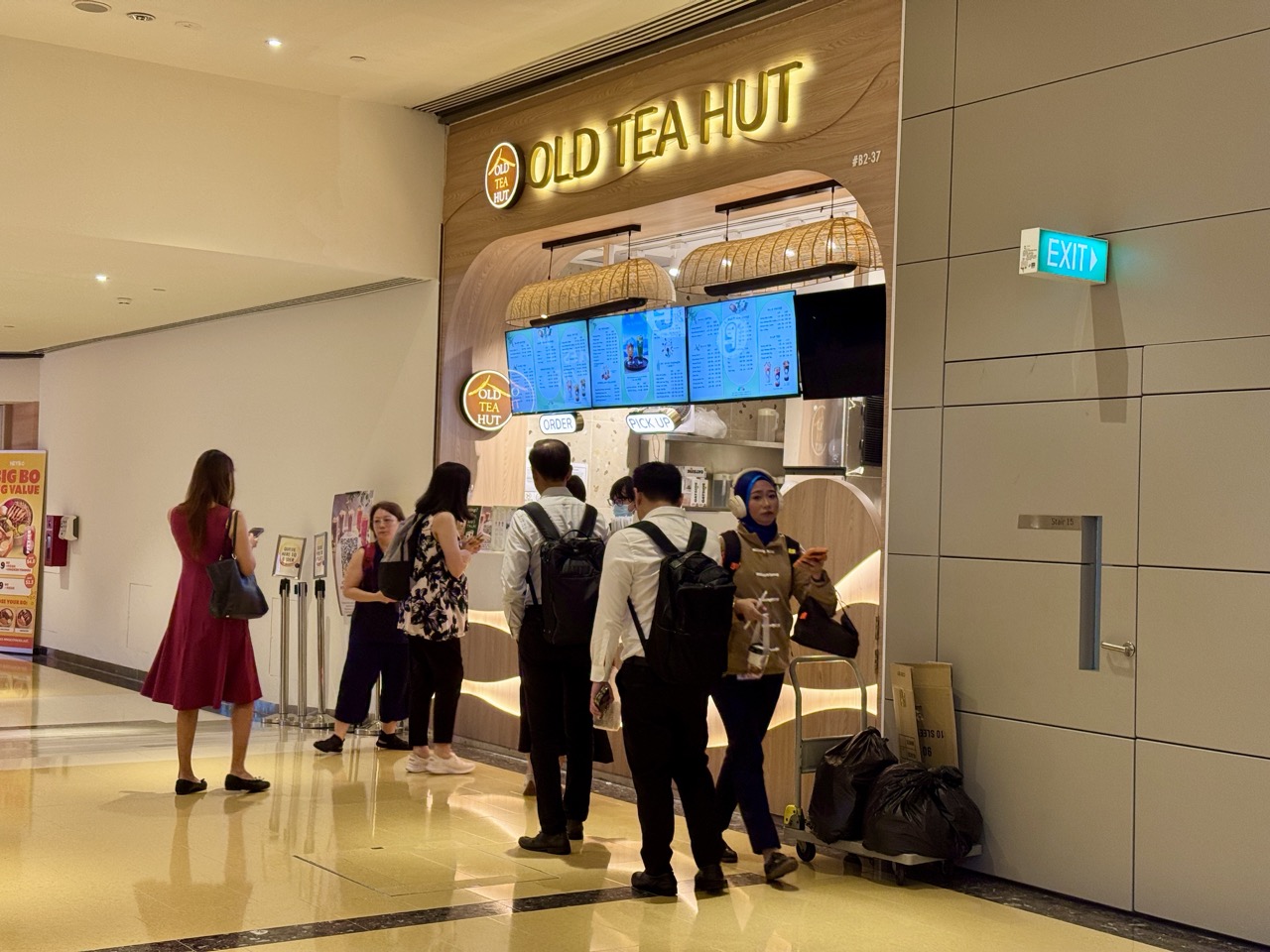
Did you know? A service centre can call ticket numbers quickly and still leave visitors feeling trapped in an endless queue. A person may take a ticket, wait thirty minutes, reach a counter, discover that a required document is missing and start again. The board records that a number was served. The person did not complete the purpose of the visit.
Queue management breaks when organisations treat the visible line as the whole service instead of a journey that begins before arrival and ends after the user receives a useful outcome. Ticket numbers, appointment systems and virtual queues can reduce disorder. They can also hide repeated handoffs, inaccessible instructions, missed calls and capacity shortages when the process is poorly designed.
One-minute answer: A good queue connects demand, capacity, clear eligibility information, fair priority rules, accessible communication and successful completion. Measure how long people wait, how often they are redirected, what happens after their number is called and who cannot use the system at all. The objective is not merely a shorter-looking queue. It is a reliable and understandable route to the service people came for.
Why a queue is more than people standing in a line
A queue is a way of deciding who is served next when demand temporarily exceeds the capacity to serve people immediately. It can be physical, digital or a combination.
A hawker stall has a visible line. A customer-support centre may hold requests in a virtual queue. A clinic might combine appointments, walk-ins and clinical priority processes. A government service centre may triage visitors before directing them to different teams.
Each system makes choices about order, waiting, information and fairness. Those choices affect how people experience the service.
The difference between a queue and a service journey
Imagine a resident who comes to complete a straightforward administrative task. The visitor collects a ticket, waits for a counter, receives a form, joins another line and is then sent to a different office.
If the organisation records only the initial counter interaction, it may report a short service time. The resident has experienced a much longer journey.
Good service design asks where the interaction begins, where it truly ends and which steps create avoidable effort. A fast ticket call is not proof of a completed transaction.
A fictional service centre with excellent numbers
A neighbourhood office reports that it serves most ticket holders within twenty minutes. Staff are pleased. Yet visitors repeatedly return because they were missing documents, given unclear instructions or sent to the wrong counter.
The office’s headline metric is not necessarily false. It is incomplete. The first queue may operate efficiently while the larger journey repeatedly fails.
The repair begins by measuring the total user task, not just the interval between taking a ticket and hearing a number.
Why queue length can mislead
A line with four people may move slowly if each task takes a long time. A line with twenty people may move quickly if service is simple and enough counters are open.
The number waiting matters, but so do arrival patterns, service duration, the number of available staff and the type of task. Observing one photograph of a queue does not explain those relationships.
An organisation should understand actual demand and capacity before declaring that the only answer is a bigger waiting area.
Arrival rate and service capacity
Consider a fictional service desk receiving thirty new requests per hour while it can complete only twenty requests per hour. If those rates continue, the unfinished workload grows by approximately ten requests each hour.
This is not a precise waiting-time prediction. Real arrivals and service times vary, and some people leave or use different channels. The example shows the structural problem: a persistent gap between incoming work and the capacity to finish it.
Faster ticket printing does not solve this. The process needs sufficient appropriate capacity, a realistic way to shape demand or an improved service design that reduces necessary work.
Peak hours change everything
A service may handle average demand comfortably but struggle during lunch breaks, school dismissal, festive periods or deadlines. A single average across the entire day can hide those peaks.
Observe when people arrive, which requests take longer and whether staffing arrangements match predictable demand. Do not assume a busy Monday represents every day or that a quiet afternoon proves the system has excess capacity.
The solution may involve better appointment distribution, clear pre-arrival information or flexible staffing where feasible. It should be tested rather than guessed.
The hidden cost of arriving unprepared
A visitor may wait a long time only to discover that proof of identity, a required document or a completed form is missing. Staff then explain the problem and ask the person to return.
Some eligibility and documentation checks are necessary. The failure occurs when the information could have been communicated clearly before the visitor travelled.
A good queue starts with useful pre-arrival guidance: what the service can do, who can use it, what to bring and how to get help if those conditions are difficult to meet.
The difference between ‘called’ and ‘completed’
A queue management system may count a visitor as served when a number is announced or a counter interaction ends. That may be appropriate for some operational reporting, but it does not establish task completion.
A resident may need another department, a second appointment or a return visit. A user-centred measure recognises that this work belongs to the broader journey.
The UK Government Service Manual advises evaluating services through completion rates, user research and end-to-end tasks, not relying only on digital analytics. That principle is useful for physical queues as well.
Why a number on a screen can create false confidence
Electronic queue displays offer orderly communication. But a screen showing ‘Now serving 105’ tells little to a visitor holding 148 if some ticket categories have different sequences or counters.
The user may not know whether the wait is a few minutes or much longer. They may also fear missing a call during a restroom break.
Explain ticket categories and the process clearly. If a reliable estimate is unavailable, do not invent a precise promise. Honest uncertainty is better than an inaccurate countdown.
Queue rules should be understandable
First-come, first-served is intuitive for many routine tasks. Some services, however, use appointments, priority categories or different queues for different types of work.
A visitor who sees a later ticket called first may assume unfairness, even when a valid priority or category rule applies.
The operator should explain the rules in plain language without exposing anyone’s private circumstances. Transparency about procedure helps build trust even when waiting remains necessary.
Fairness is not always identical order
For an ordinary collection counter, chronological order can be appropriate. In healthcare, clinical urgency can matter more than arrival time. Some services also provide legally required or policy-based accommodations for users with particular needs.
The correct order depends on the purpose and governing rules. It would be wrong to impose a universal ‘oldest ticket first’ rule on every situation.
Fairness requires criteria that are legitimate, proportionate, consistently applied and communicated without humiliating people receiving support.
Healthcare queues need clinical judgment
A clinic waiting room may include people with different levels of urgency. An emergency department may use professional triage processes rather than ordinary chronological order.
A public queue-management article cannot determine who should be treated first or advise anyone to ignore symptoms while waiting for their ticket. Immediate medical concerns require the appropriate healthcare staff or emergency assistance.
The transferable systems lesson is about communicating processes while preserving professional decisions. Do not treat the presence of different priority categories as proof of disorder.
The digital-only exclusion problem
A virtual queue may require a smartphone, data connection, application account or ability to receive notifications. That can be convenient for many people but difficult for others.
An older adult may have a basic phone. A person may have limited vision or dexterity. A visitor may lack a local number or confidence using the app.
Inclusive service design asks who cannot use the preferred channel and how they can receive an appropriate alternative. Digital convenience should not silently remove access to a necessary service.
A Singapore example of multiple service channels
Singapore’s Public Service Division explains that ServiceSG offers support through physical centres alongside digital and telephone channels. ServiceSG Centres help residents, including those less confident with digital services, navigate government transactions.
The specific services, walk-in arrangements and operating hours vary and should be checked through official channels. The broader lesson is that one channel does not meet every person’s circumstances.
A well-designed queue considers the assisted pathway, not merely the online booking experience of someone who is already digitally confident.
The visitor who cannot hear the call
Some queue systems rely on a loudspeaker announcement. A visitor with hearing loss may miss their number, while a noisy venue can make calls difficult for anybody.
Visual displays, appropriate staff assistance and accessible procedures can reduce that barrier. A single screen may not be sufficient if it is hard to see or located far from accessible seating.
The question is whether people can reliably know when and where to go, not whether the venue installed a modern ticket machine.
The visitor who cannot see the board
A screen with tiny characters, poor contrast or an awkward viewing angle may be difficult for users with low vision. A printed ticket may also be hard to read.
Inclusive design combines appropriate visual communication with usable alternatives. Staff should know how to assist without broadcasting sensitive personal details.
Accessibility is part of the operating system. It cannot be solved by telling visitors to watch more carefully.
Why accessible seating belongs in queue design
Standing for a long period can be difficult for older visitors, people with disabilities, pregnant people or anyone recovering from illness or injury.
A waiting area should consider suitable seating, clear movement paths, visibility of announcements and safe access to counters.
The UK Government Service Manual emphasises that inclusive services must account for the actual needs and circumstances of users. Physical comfort and the ability to remain in the queue are meaningful access concerns.
The problem of leaving temporarily
A person may need to use a restroom, care for a child or step outside briefly. If the queue system requires constant physical presence without clear rules, people may be unsure whether they can leave.
Appropriate policies can explain how missed calls, re-entry and temporary absence are handled. Different services may legitimately choose different arrangements.
The key is not a universal right to pause any queue. It is clear expectations and proportionate handling of genuine access needs within the service’s rules.
Virtual queue notifications can fail
A message may arrive late, be muted, go to an old phone number or depend on an internet connection that the user temporarily loses.
If the system treats an undelivered message as proof that the visitor ignored an appointment, it may unfairly classify a technology problem as user behaviour.
Operators should test notification reliability, offer clear instructions and provide appropriate fallback routes. Do not assume digital delivery is equivalent to human receipt.
The appointment that is only a ticket reservation
A person books a 10 am slot and expects service close to 10 am. The organisation treats 10 am as the time to join a separate waiting list.
Both sides may be acting according to their own understanding, but the promise is ambiguous.
Explain whether the appointment is a reserved consultation, an arrival window or an entry to a queue. State realistic expectations and update visitors when delays arise.
No-shows and overbooking
Some appointment systems allow extra bookings because they expect certain people not to attend. This can improve utilisation in some settings but creates risks when more people arrive than anticipated.
An organisation needs evidence for any overbooking policy and appropriate handling when capacity is exceeded. Do not treat people who arrived as agreed as the cause of the operator’s planning error.
Users deserve clear communication when delays arise, particularly if they arranged childcare, work leave or travel for the appointment.
The hidden second queue
A visitor completes registration quickly, then waits for an interview. Afterward, they must wait again for approval, payment or collection. Each stage may separately claim strong performance.
From the visitor’s perspective, the service has multiple waiting periods. The total effort includes walking between counters, understanding instructions and repeating information.
Map all stages, including those outside a single department. The improvement may involve reducing handoffs rather than accelerating one already fast counter.
How handoffs multiply errors
Every transfer between teams can create uncertainty about who owns the case, what information has been checked and what the next action requires.
If the user has to repeat the same story at every desk, the organisation may be shifting its coordination work onto the visitor.
Appropriate internal records and clear responsibilities can reduce repeated explanations while respecting data privacy. The visitor should not have to become the courier between disconnected systems.
A fictional school canteen queue
During recess, one stall has a long line while nearby stalls are less busy. Students at the back may have little time left to eat before class.
The length of the queue is not the only factor. Ordering, food preparation, payment, collection and returning to class are separate stages.
A school can examine peak demand, communication, appropriate pre-order options or stall workflow without assuming that every child has a smartphone or identical preferences. The objective is a practical eating opportunity, not just a faster sales transaction.
A fictional library registration queue
A library hosts a popular community workshop. The registration desk checks names, collects consent information where required and directs visitors to activity rooms.
If eligibility details are incomplete, the same questions are asked repeatedly. A short queue becomes an anxious waiting experience because people do not know whether their place is secure.
Clear advance instructions, an appropriately staffed welcome point and visible wayfinding can simplify the journey. Where personal information is involved, keep records private and use an approved process.
A fictional public service appointment
An older resident visits a service centre to clarify an application. The online instructions were difficult to understand, so the resident arrives in person. Staff direct the person to a digital form, then back to the service queue after a problem appears.
The process has not become inclusive merely because someone provided access to a device. The resident needs an appropriate assisted route to complete the real task.
Singapore’s ServiceSG approach illustrates the value of support across service channels. Individual centres and agencies have their own applicable processes, which should be followed.
A fictional shopping return counter
Customers wait to return purchases. The cashier must handle simple receipt checks, complicated disputes and cases requiring manager approval. One very difficult case blocks the whole line.
A service operator might review whether distinct tasks need different handling arrangements, whether staff can escalate complex issues and whether requirements can be explained before arrival.
But segmentation should not become an excuse to reject difficult customers or hide unresolved complaints in a secondary queue. A better workflow needs accountable closure.
Why one exceptionally long case affects everyone
Service times vary. Even if most interactions are short, one complicated case can delay the people behind it, particularly when there is only one counter.
Additional capacity, suitable triage and clear escalation pathways may reduce these effects. The best option depends on costs, privacy, service rules and the nature of cases.
A queue design should consider variation, not merely an average service duration calculated from uncomplicated cases.
The cost of constantly switching staff
A manager may respond to a long queue by moving workers between counters throughout the day. That can sometimes help. But repeated switching may introduce training gaps or interrupt work that is already underway.
Capacity should reflect the types of tasks employees are authorised and competent to perform. Not every staff member can immediately replace a specialist.
The aim is to increase useful completed service, not merely create the appearance of more open desks.
The customer who abandons the queue
Some people leave before their turn because the wait is too long, the procedure is confusing or another responsibility calls them away.
If an organisation counts only people who were served, it can miss everyone who gave up. A high satisfaction rating among the remaining customers may conceal barriers faced by those who left.
Measure abandonment appropriately and ask why it happens. In necessary public services, the people who disappear from the dataset may be among those needing help most.
Wait-time averages can hide severe delays
Suppose a fictional counter serves eight people after five minutes of waiting and two people after forty-five minutes. The average is thirteen minutes.
That summary is mathematically correct for the example, but it does not describe the experience of the two longest-waiting visitors. The distribution matters.
Report relevant percentiles or ranges alongside averages where appropriate, while protecting privacy and explaining what each measure includes.
A practical numerical example
Imagine ten people arrive during a defined period. Six wait five minutes, two wait fifteen minutes and two wait forty-five minutes.
The total waiting time is six times five plus two times fifteen plus two times forty-five, or 150 minutes. Dividing by ten gives a mean wait of fifteen minutes.
Yet two visitors waited three times the mean. This is why a single number cannot explain how consistently the service works. Use fictional examples like this to teach interpretation, not to predict a particular centre’s actual wait.
The danger of promising an exact estimate
A virtual queue may show ‘Your turn in seven minutes’ even when several complicated cases are ahead. If the estimate changes repeatedly, users may lose confidence.
A service should define how estimates are produced, update them appropriately and communicate uncertainty. A range or a message about current demand may sometimes be more honest than a precise countdown.
Never fabricate a wait-time promise for the sake of a polished interface. If no live information is available, say so.
Fairness requires a clear complaint route
A visitor who believes they were skipped needs a way to ask what happened. Staff should be able to explain the relevant queue rule without exposing private details about someone else.
An understandable process for querying an error can reduce conflict. It may also reveal flaws such as duplicate ticket numbers, missed notifications or an incorrect priority assignment.
The complaint should be reviewed as evidence about the system, not automatically treated as unreasonable impatience.
Queue design should respect dignity
Waiting can be stressful when the service involves money, health, employment or family responsibilities. A person may not want to reveal a private problem in a crowded waiting area.
Reception and triage should collect only the information needed and avoid unnecessary public disclosure. Sensitive conversations should follow appropriate confidentiality arrangements.
Dignity is not a luxury feature added after the queue becomes efficient. It shapes whether the service is usable for people with genuine concerns.
Language and clarity matter
A queue system may use terms such as ‘walk-in triage’, ‘pre-registered eligibility’, ‘counter category B’ or ‘deferred processing’. Those phrases may be familiar to staff and confusing to visitors.
Plain-language signs should explain where to begin, what the ticket represents, how calls work and where to seek assistance. Translation or suitable language support may be needed for some audiences.
A sign is successful when a new visitor can use it, not when it repeats the organisation’s internal vocabulary.
The difference between speed and throughput
Speed can refer to how quickly an individual interaction finishes. Throughput is the number of tasks completed in a period. These measures are related but not identical.
An attempt to shorten every conversation may increase repeated visits if staff skip necessary explanations. The desk could serve more tickets today while creating more unresolved demand tomorrow.
Evaluate whether the right work was completed. The fastest process is not automatically the most efficient when corrections and returns are included.
Self-service kiosks change the queue, not necessarily the work
A kiosk can move some registration tasks away from a staffed desk. That may reduce demand at one point, but people who cannot use the kiosk may need assistance elsewhere.
A badly designed interface can create a new queue at the support counter, particularly if users enter incorrect information or encounter technical errors.
Test the whole process with real users, including people with access needs, rather than declaring success because the staffed line looks shorter.
What happens when the ticket machine fails?
A paper dispenser runs out, a display disconnects or an appointment system becomes unavailable. The venue still has people who need the service.
An appropriate continuity plan describes how staff will maintain a fair, understandable process during the disruption. It should address record keeping and reconciling the queue after service is restored.
A fallback does not need to replicate every digital feature. It needs to preserve the most important functions without exposing personal information or allowing arbitrary decisions.
How to avoid priority-category confusion
Services may legitimately prioritise certain users or urgent cases. But priority categories should be grounded in applicable rules, not improvised by whoever is standing at reception.
Staff need training on how to apply criteria consistently and explain general procedures. Where sensitive needs are involved, explanations should preserve privacy.
A fair system can communicate that different categories exist without publicly disclosing why an individual visitor received particular consideration.
Why clearer forms can shorten queues more safely than pressure
Suppose staff regularly spend ten minutes explaining one confusing field in an application. A better form, advance guidance or simple example may reduce that repeated work.
This tackles a cause of waiting rather than demanding that staff hurry through meaningful help. It may also reduce errors and return visits.
Good queue management often begins upstream: improving the service so fewer people arrive confused or need avoidable correction.
A five-stage queue audit
- Map: Identify where the user starts, each waiting point and what counts as a completed service.
- Measure: Observe arrivals, task types, processing capacity, waiting distribution, abandonment and repeat visits.
- Include: Check how people with different access needs learn the process and obtain assistance.
- Improve: Remove unnecessary steps, clarify information and adjust capacity or workflow where feasible.
- Verify: Test again with actual users to see whether end-to-end outcomes improved.
A queue audit should be proportionate to the service and respectful of privacy. Its goal is useful decisions, not an enormous dashboard.
A one-day observation exercise
An operator can observe representative time windows, record how many people arrive and note where the process becomes blocked. Staff can classify broad task categories without publicly recording sensitive personal stories.
Ask how often customers reach the wrong counter or leave without completing the task. Compare the busiest interval with a quieter period.
A single day cannot prove long-term performance. It can reveal hypotheses to investigate through additional observation and user feedback.
Three measures that deserve separate columns
Waiting time: How long before the user reaches the relevant service stage?
Completion: Did the user achieve the defined task, or was another visit or stage required?
Inclusion: Could people with different needs access and understand the process through suitable channels?
An organisation should not collapse these into one score. It may perform well on speed but poorly on completion or accessibility.
What a useful dashboard does not show by itself
A dashboard can display the number of tickets issued, average waits and counters active. These figures can support management.
But it may not show why a visitor came twice, whether a language barrier made instructions unclear or whether someone with limited mobility could safely remain in the waiting area.
Combine operational data with appropriate research and feedback. The UK Government Service Manual makes this distinction when discussing performance measures and end-to-end user journeys.
A two-week improvement example
During the first week, a fictional service team notices that many visitors join the wrong queue and must start again. Staff review signs and speak with users. They discover that two service categories sound nearly identical.
The second week introduces simpler category names, a clear reception prompt and staff training on how to assist. The team then measures whether misdirection declines.
The example does not claim that signage fixes every queue. It illustrates how evidence about the actual problem can lead to a focused and testable change.
What parents can teach children about queues
Queueing offers lessons in fairness, patience, capacity and social responsibility. A child can observe that a long line may move quickly, and that legitimate priority rules can explain why someone is served earlier.
Use familiar situations such as a school canteen or library. Ask whether instructions were clear and why service times might differ.
Children should also learn to respect the needs and privacy of others. A visitor receiving assistance is not automatically ‘cutting the queue’.
What students can learn through Mathematics
A queue can illustrate averages, rates and the difference between individual experience and aggregate results. Using a fictional set of waiting times, students can calculate the mean and compare it with the longest wait.
They can discuss why demand arriving faster than service capacity creates a growing backlog and how changes in one stage can affect the next.
The mathematics becomes useful when it explains real operations without pretending that a simple classroom calculation predicts every complex service.
What schools can learn from queue design
School canteens, transport handoffs, book collection and event registration all involve flows of people and resources. Small changes in instructions and organisation may improve the experience.
But a school must preserve safeguarding, supervision, accessibility and other required procedures. Cutting essential checks solely to make queues look faster can be counterproductive.
Observe actual student journeys and involve appropriate staff and students in evaluating feasible improvements.
Common misconceptions
A fast-moving ticket number means the service is finished. No. The user may have another step or return visit.
First come, first served is always the fairest method. No. Different services may have legitimate priority or urgency criteria.
Virtual queues are automatically accessible. No. People without suitable devices, connectivity or skills may need alternatives.
A short average proves everyone waited briefly. No. The distribution can include much longer individual waits.
More counters always solve the problem. No. Unclear requirements, repeat visits and specialist tasks may remain bottlenecks.
People who leave the queue do not matter to performance. They may reveal some of the most important service failures.
A polished wait-time countdown is necessarily accurate. No. Estimates depend on appropriate live data and assumptions.
The real purpose of queue management
A well-designed queue lets people understand how to begin, know what is expected, wait with appropriate dignity and receive the service they came for—or a clear, legitimate explanation of the next necessary action.
It considers who cannot use the normal channel, what happens during disruptions and whether a completed ticket means a completed task.
A ticket number is only the beginning of the service. Queue management succeeds when waiting leads to a useful, fair and accessible outcome.
The difference between a fair queue and a fair outcome
Two visitors may wait the same amount of time but face different consequences. One is collecting a routine document; another has taken unpaid leave to complete an urgent, time-sensitive application. Equal minutes are not necessarily equal practical burden.
An organisation cannot promise to eliminate every difference, but it can design legitimate priority rules, clear information and appropriate assistance. It should also assess how many visitors must return because of problems the service itself created. Fairness includes procedural consistency and an honest effort to reduce avoidable burdens.
An example of queue time versus total journey time
Imagine a fictional resident spends ten minutes getting a ticket, twenty minutes waiting and fifteen minutes at a counter. The counter explains that the resident must visit another unit, where a further thirty-minute wait occurs. The visible ticket-system wait is twenty minutes. The on-site journey, ignoring the journey to the building, is seventy-five minutes.
The example shows why measurement boundaries matter. Reporting only the first queue might be operationally valid for that desk, but it would understate the resident’s entire experience. An improvement programme should preserve both measures and explain their meaning.
How accessible assistance can be scheduled
Some users need help with forms, interpretation of instructions or physical movement through the venue. A service can plan appropriate support rather than assume that everyone will navigate a kiosk independently. Staff may need clear responsibility for directing people to legitimate assisted channels.
That assistance should protect personal information and preserve the service’s authorisation requirements. Help should not mean staff casually asking for passwords or processing a transaction without the person’s proper consent. The right support gives the person a usable route while respecting security and dignity.
Why a queue needs an exception process
Real life produces events that the standard procedure did not anticipate: an accessibility issue, a failed ticket printer, a visitor whose appointment record is missing or an unexpected service closure. Without an approved exception process, staff may improvise inconsistent responses.
A simple escalation route can clarify who may authorise a change, how the decision is explained and which records need updating. An exception is not permission to abandon fairness. It is a way to handle unusual circumstances consistently and transparently.
End-of-day closure is part of queue management
Some visitors arrive near the end of operating hours and are uncertain whether a ticket guarantees service that day. Different services have different last-ticket rules, staffing limits and legal obligations. A good operator communicates those limits before someone travels or begins waiting.
If all pending requests cannot be completed, staff should follow the official continuation or rebooking process. Do not promise that someone will be served after closing unless that commitment is authorised. Clear last-entry rules prevent unnecessary travel and avoidable frustration.
A better way to test improvements
After changing the queue, measure both the intended benefit and possible unintended effects. Did a digital pre-check reduce wrong-counter visits? Did it increase requests for assisted help? Did a new priority system reduce urgent waits while creating confusion for routine users?
Use several relevant observations rather than only a single average. Combine timing data, completion outcomes and feedback from visitors who had difficulty. A change is successful when the whole service becomes more usable, not merely when one counter’s statistics improve.
Sources and practical guidance
UK Government Service Manual — Making Your Service More Inclusive discusses barriers involving channels, time, accessibility and communications. UK Government Service Manual — Measuring Service Success explains the distinction between transactions and end-to-end journeys. UK Government Service Manual — Measuring Completion Rate describes a clearly defined transaction endpoint. Singapore Public Service Division — ServiceSG documents Singapore’s multi-channel public-service approach, including support for people who need assistance with digital transactions. These are reference approaches, not claims that every queue follows the same policies.
Related eduKateSG reading
Explore How Customer Service Breaks, How Digital Accessibility Fails, How Public Data Portals Fail and the How Things Fail series.