
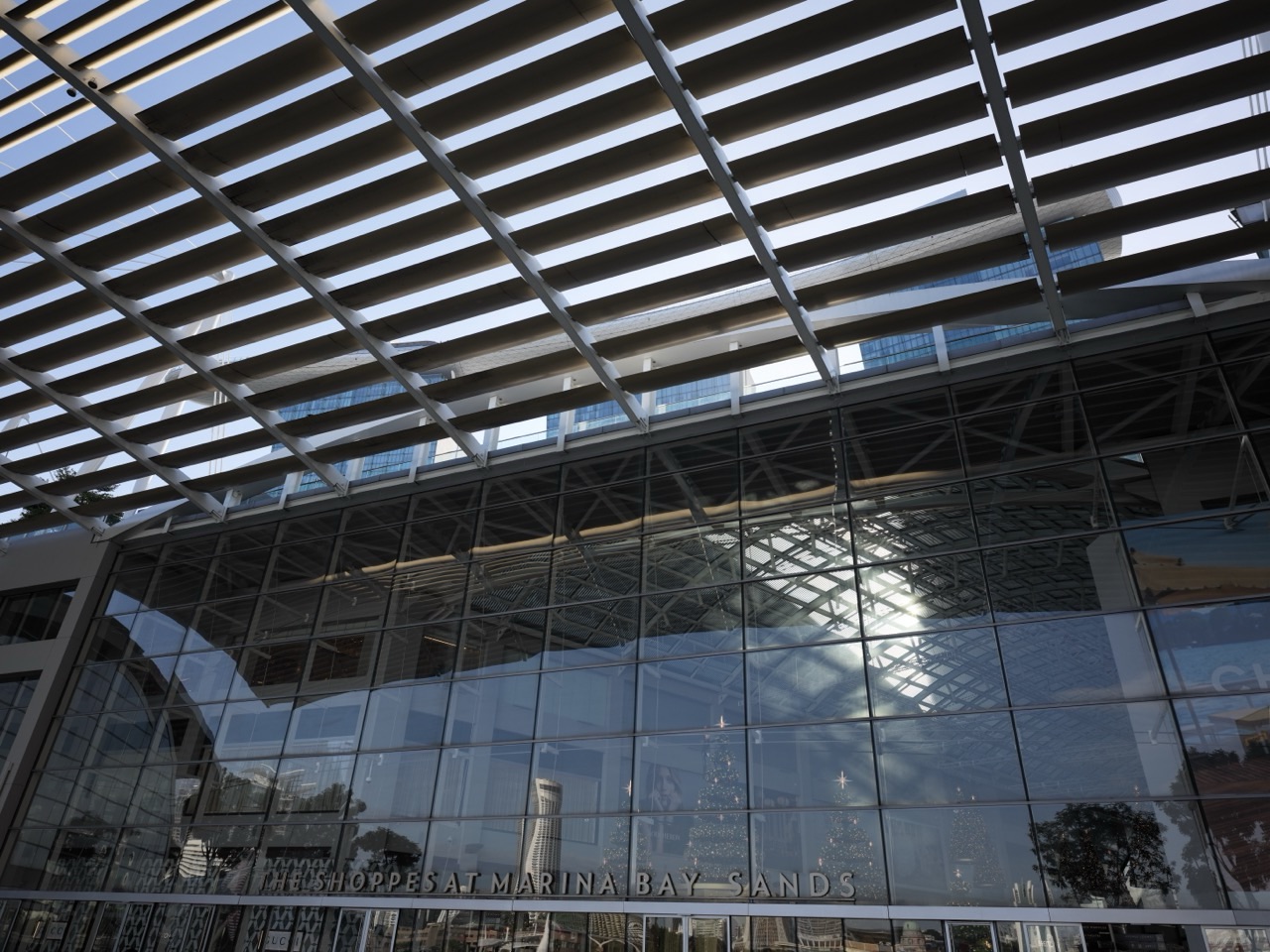
How Singapore connects is not only about constructing buildings.
A city full of towers also needs a system that checks whether those buildings remain safe decades after the cranes leave.
Did you know that a building can look perfectly normal from the street while corrosion, cracking, loose facade elements or hidden structural deterioration are developing over time?
That is why Singapore does not treat building safety as a one-time approval at completion.
The owner maintains.
BCA issues inspection notices.
Professional engineers inspect structure.
Competent Persons and facade inspectors inspect building exteriors.
Defects are documented.
Repairs are carried out.
The building re-enters the cycle years later.
This article follows Singapore’s existing-building safety connection layer: Periodic Structural Inspection, Periodic Facade Inspection, Professional Engineers, Competent Persons, Facade Inspectors, visual inspections, hands-on checks, drones, rectification works and the way an ageing building stays safe after construction is complete.
The construction layer is explored in How Singapore Connects | Construction Sites, Materials and Urban Growth. Building approvals are explored in How Singapore Connects | CORENET X, Building Plans and Construction Approvals. Here we ask the lifecycle question: who checks the building after twenty, thirty or fifty years of weather, loads and use?
Did You Know? BCA Treats Building Safety as a Lifecycle Responsibility
BCA’s current Periodic Building Inspections framework covers structural safety, facade safety, windows, air-conditioning units and other existing-building risks.
The construction permit proves the building was designed and built to standards at one point in time.
Periodic inspection asks whether it remains safe now.
Buildings Age Even When They Stand Still
Concrete carbonates.
Steel corrodes.
Sealants harden.
Cladding fixings weather.
Water enters cracks.
Loads change.
Maintenance quality varies.
A building is physically static but materially dynamic.
The Structural System Carries the Building
Columns.
Beams.
Slabs.
Walls.
Foundations.
Roof structures.
The structure is the load path holding the building up.
The Facade Protects and Contains the Building
Cladding.
Tiles.
Windows.
Sunshades.
Architectural panels.
Exterior features.
A facade failure may not collapse the whole building and can still seriously injure people below.
That Is Why Structure and Facade Have Different Inspection Regimes
Periodic Structural Inspection asks: is the main structure still sound?
Periodic Facade Inspection asks: are exterior elements still safely attached and maintained?
Did You Know? Residential Buildings Under PSI Are Inspected Every 10 Years
BCA’s current Periodic Structural Inspection page says residential buildings are generally inspected once every 10 years, subject to statutory exceptions.
The lower inspection frequency reflects the building-use category.
Non-Residential Buildings Are Inspected Every 5 Years
BCA currently requires non-residential buildings under the PSI regime to be structurally inspected every five years.
Commercial, industrial and institutional buildings can have different loading, use intensity and occupancy patterns.
The Inspection Clock Is Risk-Based
Residential only: ten-year interval.
Other buildings: five-year interval.
The regulation uses building use as one proxy for inspection frequency.
Some Buildings Are Exempt
BCA’s PSI framework excludes certain low-rise landed homes used solely as residences and temporary buildings.
The regime focuses on buildings where periodic professional inspection creates the greatest public-safety value.
A BCA Notice Starts the Formal PSI Process
BCA serves the owner a Periodic Structural Inspection notice.
The owner appoints a Structural Engineer.
The engineer inspects.
A report is submitted.
Required repairs follow.
The Owner Cannot Simply Inspect the Building Personally
Structural assessment requires professional engineering judgement.
The appointed Structural Engineer brings training, legal responsibility and technical competence.
Did You Know? Owners Must Appoint a Structural Engineer Within the Stipulated Time
BCA’s current PSI guidance lists appointment of a Structural Engineer as a building-owner responsibility after receiving a PSI notice.
The Engineer Needs Access
Plant room locked.
False ceiling conceals beam.
Roof hatch inaccessible.
A structural inspection can fail operationally if the owner does not provide access.
As-Built Plans Help the Engineer Understand the Load Path
Where are the columns?
Which walls are structural?
Where were alterations made?
Old drawings become evidence of how the building was intended to work.
Building History Matters
Addition and alteration works.
Previous defects.
Leaks.
Heavy machinery added.
Prior inspection reports.
The engineer reads the building as a timeline, not a snapshot.
Deterioration Is Easier to Interpret with History
Crack existed ten years ago and is unchanged.
Different from a crack that appeared this year and doubled in width.
The First PSI Layer Is Visual
The engineer looks for signs such as:
- cracks;
- spalling concrete;
- corrosion staining;
- deformation;
- water ingress;
- settlement symptoms;
- damaged structural members; and
- unauthorised or unusual loading conditions.
Visible clues can reveal hidden structural processes.
Concrete Spalling Is a Symptom, Not Just a Cosmetic Defect
Steel reinforcement corrodes.
Rust expands.
Concrete cover cracks and breaks away.
The falling piece is a public hazard and the exposed steel can reduce durability.
Cracks Need Interpretation
Hairline shrinkage crack.
Structural movement crack.
Settlement crack.
Water-induced deterioration.
Not every crack has the same meaning.
The Engineer Decides Whether Further Investigation Is Needed
Visual inspection may be enough for a sound building.
A suspicious condition can trigger detailed testing or investigation.
Detailed Investigation Can Go Beyond What the Eye Sees
Concrete testing.
Corrosion assessment.
Material sampling.
Monitoring.
Instrumented measurements.
The inspection escalates when evidence requires it.
The Goal Is Not to Prove the Building Is Perfect
The goal is to identify whether defects affect structural safety and what rectification is needed.
BCA Requires Rectification of Defects
BCA’s current PSI guidance places responsibility on owners to carry out recommended rectification within the required timeframe.
Inspection Without Repair Would Be Surveillance Without Control
Find corrosion.
Write report.
Do nothing.
The building would remain unsafe.
The regime only works because defects feed into repairs.
The Next Inspection Closes the Maintenance Loop
Inspect.
Repair.
Operate.
Inspect again.
Building safety is a recurring control loop.
Did You Know? Periodic Facade Inspection Has Been Effective Since 2022
BCA’s current Periodic Facade Inspection page says the PFI regime has been in effect since January 2022.
It was introduced specifically to improve early detection of facade deterioration in Singapore’s ageing high-rise building stock.
PFI Applies to Older, Taller Buildings
The current regime covers buildings more than 20 years old and more than 13 metres high, subject to defined exceptions.
Did You Know? Facade Inspection Happens Every 7 Years
BCA requires relevant older buildings to undergo PFI every seven years after the regime applies.
The 20-Year Threshold Reflects Material Ageing
Sealants, fixings, finishes and facade systems can deteriorate over decades.
The regime focuses attention after enough time has passed for ageing risk to become meaningful.
The 13-Metre Threshold Reflects Consequence
A loose facade element falling from a four- or five-storey height presents greater public risk than the same defect at low level.
Landed Homes and Temporary Buildings Are Exempt from PFI
The current PFI framework excludes detached, semi-detached, terraced or linked houses used solely as residences, temporary buildings, and buildings at or below the prescribed height threshold.
The Facade Owner Appoints a Competent Person
The Competent Person is the professional responsible for the facade inspection and assessment.
Did You Know? A PFI Competent Person Is a Qualified Professional with Facade-Inspection Training
BCA’s framework identifies the CP as a Professional Engineer or Registered Architect with the required facade-inspection certification.
The CP Can Be Assisted by an Accredited Facade Inspector
Facade Inspectors can carry out inspection tasks under the regime according to their prescribed qualifications and accreditation.
The CP Remains Accountable for the Inspection
Assistance does not erase professional responsibility.
PFI Uses a Full Visual Inspection
Each elevation of the facade is assessed visually.
The inspector looks for:
- loose tiles;
- cracked cladding;
- corroded fixings;
- failed sealants;
- damaged sunshades;
- concrete spalling;
- window-related deterioration; and
- other exterior defects.
The entire facade has to be read as a risk surface.
Representative Hands-On Inspection Adds Physical Verification
Some locations are inspected more closely and physically.
Tapping, touching or opening representative areas can reveal defects that a distant visual check may miss.
The Two Layers Complement Each Other
Visual coverage gives breadth.
Hands-on inspection gives depth.
Did You Know? Drones Can Be Used to Improve Facade Inspection
BCA’s facade-inspection framework encourages technology such as drones, borescopes and scanning equipment where appropriate to improve inspection efficiency.
Drones Reduce the Need to Put People at Height for Every View
Roof edge.
Gondola.
Scaffold.
Drone.
Technology can capture close imagery before a human needs physical access.
But a Drone Does Not Replace Professional Judgement
Image shows crack.
Professional decides what the crack means.
Technology extends observation.
Borescopes Can Look into Hidden Cavities
A small camera can inspect spaces behind facade elements where direct sight is difficult.
Scanning Can Add Measurement
Some inspection technologies can detect geometry or surface changes beyond ordinary visual observation.
The Facade Is a High-Rise Maintenance System
It keeps rain out.
Controls heat and daylight.
Creates the building’s appearance.
It also needs to remain physically attached.
Singapore Weather Is Hard on Facades
Heat.
Humidity.
Driving rain.
UV exposure.
Salt-laden coastal air.
Tropical weather accelerates some material-degradation mechanisms.
Thermal Movement Happens Every Day
Sun heats facade.
Material expands.
Night cools.
Material contracts.
Repeated cycles stress joints and fixings.
Water Finds Weak Details
Cracked sealant.
Failed flashing.
Open joint.
Water enters.
Corrosion and hidden deterioration can follow.
Facade Inspection Connects to Window Safety
BCA’s periodic-building-safety framework separately emphasises regular window checks because hinges, rivets and fasteners can deteriorate.
A falling window is a facade safety event.
Facade Inspection Connects to Air-Conditioning Units
Outdoor air-conditioning units and their brackets sit on building exteriors.
Supporting systems can corrode and need maintenance.
The Exterior Is a Collection of Independent Risk Objects
Window.
AC ledge.
Cladding panel.
Sunshade.
Tile.
Balustrade.
Each can fail separately.
PFI Makes the Whole Exterior One Inspection Domain
Rather than waiting for something to fall, the building owner periodically examines the risk before failure.
Periodic Inspection Connects to HDB Town Councils
HDB estates contain ageing high-rise blocks.
Town Councils and responsible building parties coordinate maintenance, repair and inspection across common property.
That Connects to Estate Conservancy
The operating layer in How Singapore Connects | HDB Estate Cleaning, Conservancy and Common Property provides the everyday maintenance context around periodic professional inspections.
Periodic Inspection Connects to Condominiums
The MCST is responsible for common property and building maintenance in strata developments.
Professional inspections become part of long-term sinking-fund and repair planning.
A Defect Can Become a Budget Problem
Loose facade tile is small.
If the same defect exists across 10,000 square metres, the rectification project can be substantial.
Early Detection Can Be Cheaper
Seal a joint now.
Avoid water entry.
Prevent corrosion.
Avoid large replacement later.
The Inspection Regime Creates a Maintenance Signal Before Catastrophe
A building should not need a falling panel or structural incident before owners discover deterioration.
That Is the Logic of Preventive Maintenance
Inspect before failure.
Repair before emergency.
Periodic Inspection Connects to CORENET X Indirectly
CORENET X in How Singapore Connects | CORENET X, Building Plans and Construction Approvals coordinates the regulatory design of new buildings.
PSI and PFI protect those buildings later in life.
Design Information Can Help Future Inspection
As-built drawings.
BIM models.
Material specifications.
Maintenance manuals.
The better the record left by construction, the easier later investigation can be.
That Connects to Digital Twins
Long-lived digital building information from How Singapore Connects | Digital Twins, Virtual Singapore and Urban Planning can support asset management and inspection planning.
Inspection Technology Can Become Historical Data
Drone imagery this cycle.
Drone imagery seven years later.
Compare change.
The inspection record can reveal deterioration trends.
The Building Becomes a Monitored Asset
Construction creates the asset.
Inspection creates the health record.
Repair changes the condition.
The next inspection updates the record.
Safety Is a Shared Responsibility
BCA regulates.
Owner appoints professionals.
Engineer or CP inspects.
Contractor repairs.
Occupants report visible defects.
No single party can carry the whole lifecycle.
Residents Can Be Early Sensors
New crack.
Falling tile.
Rust stain.
Unusual vibration.
The person living in the building may notice change before the next formal inspection cycle.
Periodic Inspection Does Not Mean Ignore Defects Between Cycles
BCA’s guidance is clear that owners remain responsible for maintaining buildings in safe condition at all times.
Five, seven or ten years is not permission to wait if a problem appears now.
The Formal Cycle Is the Minimum Governance Layer
Daily maintenance and immediate defect response continue between statutory inspections.
A Small Example: Residential PSI
Condominium receives BCA PSI notice.
MCST appoints Structural Engineer.
Engineer reviews plans and building history.
Inspects structural members.
Finds local concrete spalling and corrosion.
Report recommends repair.
MCST appoints contractor.
Rectification is completed.
The building returns to safe operation.
A Small Example: Facade Inspection
Twenty-five-year-old high-rise enters PFI cycle.
Owner appoints Competent Person.
Drone captures full visual coverage.
Facade Inspector performs representative hands-on checks.
Loose cladding fixings are identified.
CP recommends rectification.
Repairs are completed before anything falls.
Preventive inspection has converted hidden deterioration into planned maintenance.
A Small Example: Resident Report Between Cycles
Resident notices concrete fragment at ground level.
Building management cordons area.
Professional inspects affected facade.
Emergency or targeted repair is arranged.
The owner does not wait for the next seven-year PFI notice.
Formal periodic inspection and continuous maintenance have worked together.
What Can Break the Building-Safety Connection?
- owner ignores BCA notice;
- professional appointment delayed;
- areas inaccessible;
- as-built records missing;
- visible defects dismissed as cosmetic;
- inspection report submitted but repairs delayed;
- facade technology used without professional interpretation;
- resident reports not escalated;
- owner assumes statutory inspection replaces routine maintenance; and
- repair work fixes appearance without fixing the underlying cause.
Building safety works when inspection leads to action.
How to Read Existing-Building Safety Like a Systems Thinker
1. Identify the building type
Residential or non-residential?
2. Identify the inspection regime
PSI, PFI or both?
3. Identify the age and height
Does PFI apply?
4. Appoint the professional
Structural Engineer or facade Competent Person?
5. Inspect the right layers
Visual, hands-on and detailed investigation where needed?
6. Rectify
Have defects actually been repaired?
7. Preserve the history
Will the next inspector know what changed?
The eduKate Singapore Graph: A Building Is Never Finished
Completion ends construction.
It does not end ageing.
Periodic inspection is how Singapore keeps old buildings connected to current safety.
Frequently Asked Questions
What is PSI?
BCA’s Periodic Structural Inspection regime for checking the structural safety of existing buildings.
How often are residential buildings inspected structurally?
Generally every 10 years under the current PSI framework, subject to exemptions.
How often are non-residential buildings inspected structurally?
Generally every 5 years.
Who conducts PSI?
A Structural Engineer appointed by the building owner after BCA issues the inspection notice.
What is PFI?
Periodic Facade Inspection, the regime for detecting and rectifying deterioration of building facades and exterior features.
Which buildings need PFI?
Generally buildings more than 20 years old and over 13 metres high, subject to the current exceptions.
How often is PFI carried out?
Every 7 years under the current regime.
Who conducts PFI?
A Competent Person, who may be assisted by an accredited Facade Inspector.
Can drones be used?
Yes. BCA identifies drones, borescopes and scanning equipment as technologies that can support facade inspection.
Where can I check official information?
BCA | Periodic Building Inspections.
Helpful Reading and Singapore Graph Connections
- BCA | Periodic Structural Inspection
- BCA | Periodic Facade Inspection
- BCA | Periodic Building Inspections
- How Singapore Connects | CORENET X, Building Plans and Construction Approvals
- How Singapore Connects | HDB Estate Cleaning, Conservancy and Common Property
How Singapore Connects: Safety Continues After Construction
Did you know that the building handover is only the beginning of the longest phase?
Use.
Weather.
Age.
Inspect.
Repair.
Repeat.
Singapore keeps buildings safe by treating maintenance as part of the building lifecycle, not an afterthought.