
HOW SINGAPORE EDUCATION WORKS · Senior Learning Circles and Shared Practice
Find your next learning step
Choose the question closest to your situation, or read the full guide in order.
Full chapter index · Practice and checking · Sources and next reading · How Singapore Education Works
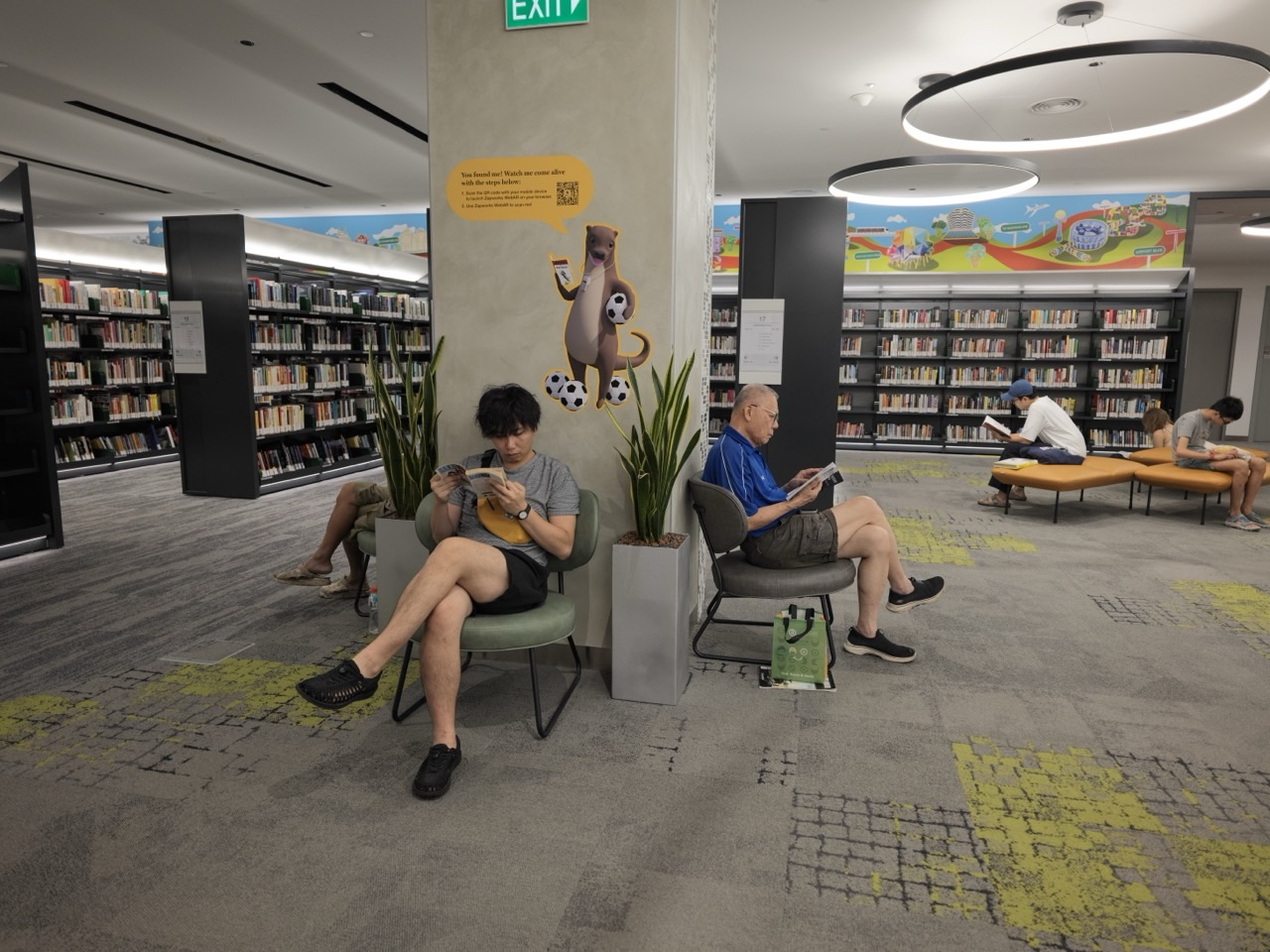
A few neighbours meet to learn something they have chosen themselves. One knows a useful method, another asks the question everyone was quietly wondering about, and somebody remembers to arrange the next session.
That can be the beginning of a learning circle. Here, the term means a small group organised around shared learning. It is not the name of a single nationwide entitlement, a clinical service or a residential-care package.
The choices at a glance
| Route | Purpose | Useful first check |
|---|---|---|
| Informal learning circle | Practise and discuss a shared interest | Participants' purpose and agreed format |
| Formal course | Follow structured teaching or assessment | Provider requirements and recognised outcomes |
| Career learning | Develop relevant capability | Actual training and qualification conditions |
| Residence or care setting | Participate in an agreed activity | Operator approval and separate support arrangements |
Full chapter index
Understand the purpose and format
Plan comfortable participation
Check claims and support practice
Connect generations without confusing care routes
Try a meeting sequence and review it
CHAPTER 1 OF 10 · Understand the purpose and format
1. Start with the learner's own purpose
Ask what participants actually want to learn. Perhaps they want to discuss a book, practise a language, understand a public information leaflet or develop a creative skill.
Do not assume that everyone of a similar age has the same interests, confidence or support needs. Previous work, family responsibilities and personal experience can contribute a great deal.
A useful opening question is: “What would you like to be able to explain or do after we meet?” Keep the answer small enough to guide a real session.
CHAPTER 2 OF 10 · Understand the purpose and format
2. Separate a learning group from a formal programme
An informal circle can provide shared practice and conversation. A structured course may have a syllabus, trainer, registration conditions or assessment. A care service has a different purpose again.
Before joining anything advertised, ask the actual organiser about the venue, language, access, fees, schedule and support. Do not assume that a learning activity includes transport, personal care or individual tuition.
For formal qualifications or career retraining, check the responsible institution's requirements. A friendly group does not automatically provide recognised credit or certification.
CHAPTER 3 OF 10 · Plan comfortable participation
3. Make participation comfortable and adult
Agree how the group will take turns, ask questions and disagree respectfully. Ask about preferred materials and practical access needs rather than making assumptions.
The Agency for Integrated Care's geragogy resource explains the importance of adapting teaching to senior learners. It identifies guidelines developed by C3A and the Singapore University of Social Sciences.
For an informal group, a sensible application is to ask participants what helps them follow and contribute. The suggestions here are not a claim of compliance with a national training standard.
CHAPTER 4 OF 10 · Plan comfortable participation
4. Give each meeting a manageable task
A broad topic such as “learn about the world” can wander pleasantly without producing much shared understanding. Choose a concrete question instead.
For a fictional reading circle, the question might be: “What is the main claim in this short article, and which example supports it?” Everyone reads an appropriate, accessible text, then compares an explanation.
A facilitator can summarise the task and keep time without becoming the only voice. Rotate contributions where people are comfortable, while allowing anyone to decline.
CHAPTER 5 OF 10 · Check claims and support practice
5. Use experience, but check factual claims
Personal experience gives a discussion texture. It does not always establish how a current system works or what happens everywhere.
A participant might describe how a workplace operated years ago. Mark it as that person's experience at that time. For a claim about today's rules, consult the responsible current source.
This keeps a group both warm and intellectually useful. You can value someone's story without asking it to carry evidence it does not contain.
CHAPTER 6 OF 10 · Check claims and support practice
6. Practise without taking over
When demonstrating a skill, show a manageable step, try it together, then invite the learner to attempt it with less help. Ask before intervening.
Later, return to the task and see which part can be explained or completed independently. If something is uncertain, revisit that step rather than repeating the whole session at greater speed.
For a different example, ask whether the same idea still applies. These are suggested learning checks, not tests of health, memory capacity or fitness to live independently.
CHAPTER 7 OF 10 · Connect generations without confusing care routes
7. Connect with other generations and places
A group can compare a local text with an appropriate example from elsewhere, or invite someone to share a skill. Establish the context and avoid treating one person's experience as representative of an entire country or generation.
Online material can widen the conversation, but check who produced it, when and for what purpose. Translation may help access while leaving some meaning uncertain.
Students or younger volunteers can participate by agreement. Respect, preparation and useful roles matter more than staging a cheerful photograph of “the young teaching the old”.
CHAPTER 8 OF 10 · Connect generations without confusing care routes
8. Keep learning separate from residency and care promises
A learning circle might meet in a community venue or, with permission, within a residence. That location does not mean the activity grants accommodation or forms part of an assessed care plan.
Ask the relevant operator separately about participation, supervision and access. Do not assume that attendance at an educational session establishes eligibility for housing, nursing or other support.
The broader guide to older-adult learning, careers and senior living explains why those routes should be distinguished. Education can be part of daily life without being a substitute for care.
CHAPTER 9 OF 10 · Try a meeting sequence and review it
9. Try a small three-meeting plan
This is a suggested plan, not an official programme. At the first meeting, choose a short suitable text and practise explaining its main point together.
At the second, invite each willing participant to explain the point again without reading out a prepared answer. Check against the source, then help with the first unclear connection.
At the third, use a fresh text on a related topic. Ask what can be transferred and what needs new explanation. End by asking participants whether the pace, materials and purpose suited them. Change the next session using that feedback.
CHAPTER 10 OF 10 · Try a meeting sequence and review it
10. Questions organisers and learners ask
Does every group need a formal trainer?
That depends on the activity and the organiser's requirements. Informal discussion differs from specialist instruction, regulated activity and assessed training.
Is a learning circle a memory treatment?
No such claim is made here. The activities are educational suggestions, not clinical assessment or treatment.
What if people have different starting points?
Choose a shared core task, offer optional extensions and allow different forms of contribution. If the group cannot provide the support someone needs, discuss an appropriate alternative with them rather than making promises.
Sources and next reading
AIC's geragogy resource provides the Singapore context for adapting teaching to senior learners. The circle format and three-meeting plan above are practical suggestions, not an advertised intake or certified training design.
Continue with intergenerational learning, adult digital learning and supported practice, or the Singapore education hub.
Continue this learning series
Kindergarten Music and Movement · Map Literacy and Understanding Places · University Electives, Breadth and Depth