
The National System That Makes Sure a Small Island Can Keep Eating
Singapore cannot assume dinner.
That is the first thing to understand.
A large country may grow much of its own food. It may have farms, rivers, livestock, grain belts, fishing grounds, rural hinterlands and agricultural depth. Singapore does not have that comfort. Singapore is a small island city-state with limited land, limited farmland, limited water, high land costs, high labour costs and many competing national needs.
Housing needs land.
Airports need land.
Ports need land.
Reservoirs need land.
Military training needs land.
Schools need land.
Roads need land.
MRT lines need land.
Hospitals need land.
Parks need land.
Factories need land.
Offices need land.
Food production must compete with all of this.
That is why food security in Singapore cannot be treated as a simple farming question. It is a civilisation question.
How does a small, dense, globally connected island keep food on the table when it imports most of what it eats?
That question sits underneath the supermarket shelf, the hawker centre meal, the school canteen, the restaurant kitchen, the wet market, the family dinner table, the baby formula tin, the rice bag, the egg tray and the packet of vegetables.
Food security is not only about food.
It is about trust.
When Singaporeans walk into a supermarket and see shelves stocked, when parents can buy dinner after work, when hawker stalls can cook tomorrow’s meals, when schools can feed students, when hospitals can serve patients, and when households do not panic over basic staples, the food security system is doing its job.
The system works best when it feels invisible.
But invisible does not mean simple.
Singapore Imports Most of Its Food
Singapore imports more than 90 per cent of its food. That single fact explains why food security here must be taken seriously. The Singapore Food Agency states that Singapore sourced food from over 180 countries and regions in 2025, up from about 140 around two decades earlier, as part of sustained efforts to diversify and strengthen food supply networks.
That means Singapore eats through the world.
Rice may come from one region.
Vegetables from another.
Eggs from several approved sources.
Chicken from multiple countries.
Seafood from regional and international suppliers.
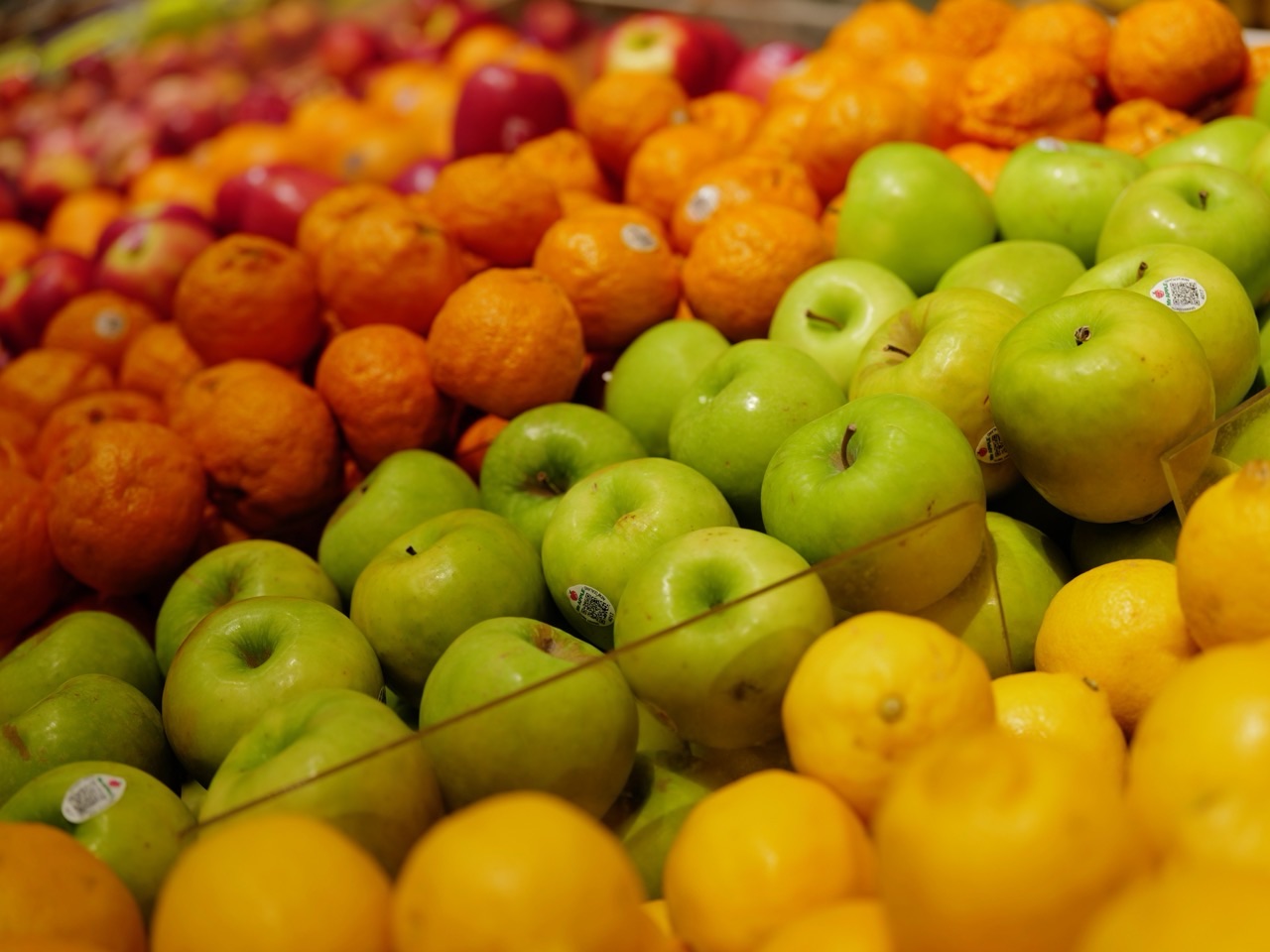
Fruit from across continents.
Milk powder from global dairy systems.
Frozen food through cold-chain networks.
Canned goods through shipping routes.
Cooking oil through commodity markets.
Every meal is connected to geography.
A Singaporean dinner table may look local, but the supply chain behind it is international.
This is the first tension.
Singapore wants daily food to feel normal, affordable and familiar. But the system that produces that normality is exposed to climate change, diseases, war, shipping disruption, currency movements, export bans, crop failures, energy costs, labour issues and geopolitical pressure.
A small island cannot control all of that.
So Singapore builds options.
Food Security Is Not Self-Sufficiency Alone
For many years, people discussed Singapore’s “30 by 30” goal: the ambition to produce 30 per cent of nutritional needs locally by 2030. But the newer strategy is more targeted. Singapore announced Singapore Food Story 2 in November 2025, built around four pillars: Diversify Imports, Global Partnerships, Stockpile and Grow Local.
This shift matters.
Food resilience is not the same as trying to grow everything locally. Singapore cannot become a farming country in the traditional sense. Land and costs do not allow it. Reuters reported in November 2025 that Singapore had moved away from the earlier 2030 self-sufficiency target, with the minister citing land constraints, labour costs and energy costs, while moving toward a more targeted local production strategy supported by stockpiles, import diversification and supplier partnerships.
That is not failure.
It is strategic correction.
A country must understand what kind of resilience it can realistically build.
For Singapore, food security cannot rest on one pillar. It needs many pillars because different crises behave differently.
A disease outbreak may affect one protein source.
A war may disrupt one region.
A climate event may affect vegetables.
A port disruption may affect shipping.
An export ban may affect staples.
A price spike may affect household budgets.
A prolonged crisis may require stockpiles.
A short disruption may require quick substitution.
One answer cannot solve all these problems.
Singapore Food Story 2 recognises that.
The Four Pillars of Singapore Food Story 2
The four pillars are important because they show how Singapore thinks.
First: Diversify Imports.
Do not depend too heavily on one country, one farm, one supplier, one route or one product category. If one source fails, the industry must be able to switch.
Second: Global Partnerships.
Food is not only bought in markets. It is secured through relationships, agreements, trust, diplomacy and long-term supplier networks. Singapore needs strong relationships with countries and producers that can continue supplying food during uncertainty.
Third: Stockpile.
Some essential food items must be kept in reserve so the country can withstand unforeseen and prolonged disruptions. MSE states that stockpiling essential food items helps Singapore withstand disruptions to food imports, with SFA working closely with industry to build this capability.
Fourth: Grow Local.
Local production cannot replace all imports, but it can provide a buffer. Under Singapore Food Story 2, Singapore aims by 2035 to have local farms supply 20 per cent of local fibre consumption, meaning fresh leafy and fruited vegetables, beansprouts and mushrooms, and 30 per cent of local protein consumption, meaning eggs and seafood.
That is a more precise strategy.
Singapore is not saying, “grow everything.”
It is saying, “grow strategically, diversify broadly, stockpile wisely, and build partnerships deeply.”
That is how a small island survives.
Diversification Is the First Defence
Diversification sounds boring.
It is not.
Diversification is one of Singapore’s strongest food security tools.
If Singapore buys too much of one food item from one country, it becomes vulnerable. A disease outbreak, flood, drought, export restriction, political dispute, port closure or logistics failure can suddenly affect supply.
But if Singapore has multiple approved sources, the system gains flexibility.
One country has a disruption? Shift to another.
One farm cannot supply? Use another farm.
One route becomes unstable? Use another route.
One product becomes expensive? Offer substitutes.
One region has disease risk? Continue from unaffected accredited areas.
This is why SFA’s work to approve new food sources matters. In 2025, SFA approved new sources for shell eggs, processed eggs, poultry, pork and beef from several countries, including Lithuania, Brazil, Paraguay, Greece and the Republic of Korea, depending on product type.
This is not a small technical detail.
It is national resilience work.
A new approved source is like a new bridge.
You may not need it every day. But when one bridge fails, the alternative matters.
Global Partnerships Are Food Diplomacy
Food security is not just agriculture.
It is diplomacy.
Singapore is a small buyer compared with major countries. During global disruption, countries may prioritise their own populations. Export restrictions can happen. Supply chains can become political. Food can become part of national bargaining.
This is why global partnerships matter.
MSE describes global partnerships as essential because agri-food trade is increasingly interconnected, and Singapore will continue strengthening government-to-government relations with like-minded countries to safeguard food flows.
That tells us the deeper logic.
Food security is not only handled by supermarkets and importers. It is also handled by ministries, agencies, agreements, relationships and trust.
A food supply network is not just a commercial network.
It is a diplomatic network.
Singapore must be the kind of country suppliers trust, partners remember, and governments can work with quickly during disruption.
This is the quiet power behind the grocery shelf.
Stockpiling Is Insurance
Stockpiling is not panic buying.
It is national insurance.
A household may keep extra rice, noodles, canned food or frozen items at home. A country does the same at a larger scale, but with far more discipline. Stockpiling requires storage, rotation, quality control, cost management, logistics, industry partnership and clear decisions about what matters most.
You cannot stockpile everything.
Fresh strawberries are not the same as rice.
Luxury snacks are not the same as staples.
A favourite brand is not the same as basic food access.
One family’s preference is not the same as national need.
This is why Singapore must be strategic.
In a 2026 speech, MSE said food resilience means reliable access to basic needs during disruptions, with food still on tables and shelves, and meals remaining as familiar as possible. It also noted that it will not always be possible to have everyone’s favourite food and brand available in every disruption, and that staples such as rice, proteins and vegetables must be prioritised.
That is a mature definition.
Food security does not mean every exact product is always available.
It means the country can continue feeding people through stress.
Growing Local Is a Buffer, Not a Fantasy
Local production matters.
But it must be understood correctly.
Singapore cannot use local farming to become fully food-independent. The land constraint is too serious. The cost structure is difficult. High-tech farming can be expensive. Energy use can be high. Labour is limited. Financing can be challenging. Consumer demand may not always support premium local produce.
But local production still matters because it gives Singapore a buffer.
If imports are disrupted, local farms can provide some assured supply. If global prices spike, local production can help cushion certain categories. If supply chains become unstable, local farms give the country more control over part of its food base.
That is why the 2035 targets under Singapore Food Story 2 focus on fibre and protein rather than a broad slogan. The target is to build capability and capacity in specific categories where local production can meaningfully strengthen resilience.
This is the Singapore way.
Do not romanticise farming.
Engineer it where it makes sense.
Local Farms Are Part of National Resilience
A local farm in Singapore is not only a business.
It can also be a resilience asset.
A vegetable farm, egg farm, fish farm or controlled-environment agriculture system may look small compared with global imports, but in a crisis, local production gives Singapore options.
This does not mean local produce must always be the cheapest. It may cost more because land, energy and manpower are expensive here. But price is not the only measure of value. Resilience has value too.
A country buys insurance even when it hopes not to use it.
Local production is part of that insurance.
SFA reported that, as of 2025, the local agri-food sector contributed about eight per cent of local fibre consumption and 25 per cent of local protein consumption. It also reported productivity gains from 2024 to 2025 in vegetable and seafood farms, while egg production saw a slight decline due to localised short-term operational challenges.
This is the real picture.
Progress is uneven.
But the system is being built.
Food Safety Is Part of Food Security
Food security is not only about having enough food.
It must be safe food.
Unsafe food is not security. It is risk.
Singapore’s food system therefore combines supply resilience with food safety. MSE states that SFA uses a science-based risk assessment and management approach, sets standards aligned with international standards, and operates an integrated farm-to-fork system including licensing, inspection, sampling, testing and enforcement.
This is important because diversification alone could create risk if food safety standards are weak.
When Singapore approves new sources, especially for higher-risk items such as meat, livestock and eggs, accreditation at source is required to ensure imports meet Singapore’s food safety and animal health requirements.
So the question is not just:
Can we get food?
It is also:
Can we trust the food?
That trust is what allows the supermarket shelf, hawker stall and restaurant kitchen to function normally.
The Port and Airport Are Food Security Machines
Food security does not begin at the farm only.
It also depends on movement.
The port brings in heavy volume.
The airport brings in speed-sensitive goods.
Roads and trucks move food to warehouses.
Cold chains preserve freshness.
Warehouses hold inventory.
Supermarkets display it.
Hawker centres cook it.
Households consume it.
This means the port and Changi are part of food security.
The port article was not separate from the supermarket article. The airport article was not separate from fresh supply. Transport, logistics and food are connected.
A disruption to shipping can affect shelves.
A disruption to air cargo can affect perishables.
A cold-chain failure can affect safety.
A warehouse issue can affect distribution.
A disease outbreak abroad can affect approved sources.
A border delay can affect fresh produce.
This is why food security is a systems problem.
Food is not only grown.
Food is moved.
The Supermarket Is the Public Face of Food Security
The supermarket is where people check whether the food system is working.
They may not read SFA reports. They may not follow import source diversification. They may not understand stockpiling policy. But they will notice empty shelves, missing eggs, higher prices, poor freshness or reduced choices.
The supermarket is the food security dashboard for the ordinary citizen.
If shelves remain stocked, households feel calm.
If staples disappear, anxiety spreads.
This is why communication and retail behaviour matter during disruptions. Panic buying can damage the system even when national supply is sufficient. If everyone buys excessively at once, shelves empty faster than they can be restocked. The image of emptiness then creates more fear.
Food security is therefore not only supply.
It is also psychology.
The shelf must be managed.
The public must trust the system.
Consumers must behave with discipline.
Hawker Centres Depend on Food Security
Hawker centres are part of Singapore’s food culture.
But hawker centres depend on food security every morning.
Chicken rice depends on chicken supply.
Fishball noodles depend on fish products.
Nasi lemak depends on rice, eggs, coconut, chilli and anchovies.
Prata depends on flour and oil.
Cai png depends on vegetables, meat, tofu, eggs and sauces.
Kopi depends on coffee, sugar and condensed milk.
Char kway teow depends on noodles, eggs, cockles, oil and heat.
Soup stalls depend on bones, vegetables and seasoning.
The hawker centre looks local.
Its ingredients are global.
That is the hidden truth.
Singapore hawker culture survives only if food supply chains remain reliable enough for stalls to keep cooking at prices ordinary people can still accept.
Food security therefore protects culture too.
It protects not only calories, but familiar meals.
Food Security Is Also Cost-of-Living Security
Food prices matter because everyone eats.
A rise in property prices affects homeowners and buyers. A rise in car prices affects people who drive or want to drive. A rise in luxury goods affects those who consume them.
But food price pressure reaches every household.
Rich or poor, young or old, student or worker, every person must eat.
This makes food security closely tied to cost-of-living stability.
If imports are disrupted, prices may rise. If fuel costs rise, transport costs may affect food. If disease hits poultry, eggs or meat may rise. If vegetables are affected by weather, households feel it. If hawkers face higher ingredient costs, meal prices change.
The food system therefore has a social function.
It must not only bring food in.
It must keep basic meals within reach.
This is why food security cannot be separated from household resilience.
Substitution Is a National Habit
Singaporeans must learn substitution.
That is part of living in an import-dependent country.
If one brand is unavailable, choose another.
If one country’s eggs are disrupted, accept eggs from another approved source.
If one vegetable becomes expensive, cook another.
If fresh fish is limited, use frozen fish.
If a familiar product is missing, switch temporarily.
If hawker prices rise, adjust expectations while understanding cost pressures.
MSE states that consumers contribute to food resilience by being flexible and adaptable with food options and switching to alternatives when needed.
This is not just consumer advice.
It is national behaviour design.
A resilient country is not one where everyone insists on the exact same item no matter what. A resilient country is one where households can adapt without panic.
Food security is a partnership between government, industry and citizens.
The Consumer Is Part of the System
Singapore often talks about whole-of-society effort.
Food security is one of the clearest examples.
Government sets policy, accredits sources, builds partnerships, supports farms, manages safety and coordinates stockpiles.
Industry sources food, imports, stores, distributes, retails, cooks and manages supply chains.
Consumers choose, adapt, avoid panic buying, support local produce when possible and reduce waste.
All three matter.
If government plans well but consumers panic, shelves can be stressed.
If consumers are calm but industry fails to diversify, supply becomes fragile.
If industry imports widely but food safety is weak, trust breaks.
If local farms produce but consumers refuse to buy local produce, the buffer weakens.
Food security is a shared machine.
Every part must move.
Food Waste Weakens Food Security
Food waste is the shadow side of abundance.
A full buffet, a stocked supermarket, an over-ordered family meal, unsold produce, expired pantry items and unfinished hawker food all represent wasted supply.
In a country that imports most of its food, waste is especially serious. Every wasted item has used shipping, refrigeration, labour, fuel, storage, packaging, water, land elsewhere and money.
Food security is not only about getting more food.
It is also about respecting the food already here.
A resilient society should ask:
Can we buy only what we need?
Can we store food properly?
Can supermarkets reduce waste?
Can households plan meals better?
Can food businesses manage portions?
Can excess food be redirected safely where possible?
Can children learn not to waste?
Food waste is not only a moral issue.
It is a resilience issue.
Climate Change Makes Food Security Harder
Climate change is not abstract for food.
It affects crop yields, rainfall patterns, droughts, floods, heat stress, pests, diseases, fisheries and farming conditions. Singapore may not grow most of its food, but it still feels climate impacts through imports.
A flood in one region can affect vegetables.
A drought elsewhere can affect grain.
Disease risks can affect livestock.
Ocean conditions can affect seafood.
Extreme weather can affect transport and storage.
MSE has identified climate change, disease outbreaks and geopolitical developments as external shocks that can disrupt Singapore’s food supply.
This means food security must become more adaptive.
Yesterday’s supplier may not be reliable forever. Yesterday’s climate pattern may not hold. Yesterday’s price may not return. Yesterday’s route may not remain safe.
Singapore must keep scanning, adjusting and diversifying.
Disease Outbreaks Can Change the Menu
Animal disease is a major food security risk.
Avian influenza, swine disease, fish disease and other outbreaks can disrupt supply. For food items such as poultry, eggs, pork and seafood, disease risks can affect imports quickly.
This is why accreditation and regionalisation matter.
A blunt response may shut down supply from an entire country. A more precise response can allow imports to continue from unaffected areas if systems and agreements support that. In a 2026 speech, MSE noted that regionalisation agreements can allow Singapore to continue importing from disease-free areas within affected countries, using Brazil’s avian influenza outbreak as an example of maintaining poultry imports from accredited farms in unaffected regions.
This is technical, but important.
Precision protects supply.
Instead of panic shutdowns, Singapore wants targeted risk management.
That is food security with intelligence.
Food Security Has to Be Boring Most of the Time
The best food security system is boring.
Nothing dramatic happens.
The shelves are stocked.
The prices move but do not explode.
The hawkers cook.
The school canteen serves food.
The wet market opens.
The supermarket delivery arrives.
The cold chain holds.
The imports clear.
The food is safe.
The public does not panic.
Boring is success.
But boring requires preparation.
It requires officers accrediting sources before crisis. It requires importers building supplier relationships. It requires stockpiles before disruption. It requires farms becoming more productive before imports fail. It requires food safety systems before outbreaks. It requires consumers learning flexibility before shelves are tested.
This is the deep Singapore method.
Prepare while life is normal.
So that when life becomes abnormal, the system bends but does not break.
Food Security Is a Trust System
When people trust the food system, they behave differently.
They do not panic buy as easily.
They accept alternative sources more calmly.
They understand temporary substitution.
They trust recalls when food safety issues arise.
They support local produce when it makes sense.
They continue normal routines.
Trust is therefore part of resilience.
But trust must be earned.
It is earned through transparency, safety, reliability, communication, visible stock, responsive policy and a long record of performance.
A country cannot tell people to trust a system that repeatedly fails.
Singapore’s task is to keep the food system credible before the crisis arrives.
Food Security Connects to Defence
Food security is also part of national defence.
Defence is not only soldiers, ships, aircraft and national service. A country must also be able to withstand disruption to essentials. If people cannot eat, public morale weakens. If food prices spike sharply, social pressure rises. If shelves empty, fear spreads.
A secure country must protect food access.
This does not mean Singapore must grow everything locally.
It means Singapore must ensure that even during crisis, the population has enough safe food, enough staples, enough alternatives and enough confidence in the system.
Food security is civil defence through daily life.
The rice bag is not military equipment.
But in a crisis, rice matters.
Food Security Connects to Education
Food security also connects to education.
Children learn national resilience through ordinary habits. They learn not to waste food. They learn where food comes from. They learn why Singapore imports. They learn why local produce matters. They learn why substitution matters. They learn that the country’s normal life depends on invisible systems.
For eduKateSG, this is powerful.
A student who understands food security understands geography, economics, science, logistics, climate, policy and social behaviour at once.
Food security is a multidisciplinary lesson.
Science explains farming, disease, nutrition and food safety.
Geography explains sources, climate and supply routes.
Economics explains prices, scarcity and substitution.
Social studies explains resilience, policy and citizenship.
Mathematics explains quantities, percentages and stockpiles.
English explains how to communicate risks calmly.
Food security is not only national policy.
It is a classroom of how Singapore works.
The Home Is the Final Food Security Node
The food system does not end at the supermarket.
It ends at home.
A household stores rice, noodles, frozen food, canned goods, eggs, sauces, vegetables, snacks and drinks. A family decides what to cook, what to buy, what to waste, what to substitute and what to keep for emergencies.
The home is the final node in the national food system.
A disciplined household helps resilience.
Not by hoarding.
But by planning.
Keeping reasonable essentials.
Avoiding waste.
Understanding expiry dates.
Storing food safely.
Cooking flexibly.
Teaching children food habits.
Not panic buying during disruption.
A national food strategy becomes stronger when households behave sensibly.
The Trade-Offs Are Real
Food security is full of trade-offs.
Imports give variety, but create exposure.
Local production gives control, but costs more and uses scarce land.
Stockpiles give security, but require storage and money.
Diversification gives options, but may not always be cheapest.
Global partnerships strengthen supply, but cannot remove all geopolitical risk.
Food safety protects health, but requires regulation and compliance.
Consumer flexibility supports resilience, but people still want familiar food.
Local farms need support, but must also be commercially sustainable.
There is no perfect answer.
Singapore works by building a balanced system rather than relying on one miracle solution.
That is the maturity of Singapore Food Story 2.
It accepts that food security is not one target.
It is a portfolio of resilience.
The Ouroboros of Food Security
Food security fits the Singapore Ouroboros perfectly.
Singapore lacks farmland.
Because Singapore lacks farmland, it must import most of its food.
Because it imports most food, it becomes vulnerable to external shocks.
Because it is vulnerable, it diversifies sources.
Because diversification is not enough, it builds global partnerships.
Because disruptions can still happen, it stockpiles essentials.
Because total dependence is risky, it grows selected food locally.
Because food safety must be protected, it builds farm-to-fork regulation.
Because households must remain calm, it teaches flexibility and normalcy.
Because the system becomes resilient, Singapore can live despite its food vulnerability.
The weakness feeds the strength.
A country that cannot feed itself fully from its own land becomes excellent at sourcing, regulating, storing, moving, substituting and planning food.
That is the Singapore method.
Food Security as Civilisation at Work
Food security teaches us how Singapore works.
First, there is a constraint: Singapore imports more than 90 per cent of its food and is exposed to external shocks.
Second, there is a system: diversify imports, build global partnerships, stockpile essentials, grow selected food locally, maintain food safety, support logistics and guide consumer behaviour.
Third, the system shapes behaviour: importers seek new sources, farms improve productivity, supermarkets offer alternatives, hawkers adjust ingredients, households switch products, and consumers learn flexibility.
Fourth, the national result appears: a small island can keep food on tables even when the world becomes unstable.
That is the deeper story.
Food security is not just about agriculture.
It is about civilisation under constraint.
Closing Thought
To understand Singapore, look at a simple meal.
A bowl of rice.
An egg.
Some vegetables.
Chicken.
Fish.
Soy sauce.
Fruit after dinner.
Kopi in the morning.
A hawker meal after school.
A supermarket basket after work.
Then ask: where did all this come from?
Behind that meal are farms in other countries, ships, planes, cold chains, importers, SFA inspections, food safety rules, warehouses, stockpiles, local farms, supermarkets, wet markets, hawker centres, global partnerships, consumer choices and household habits.
That is Singapore.
A small island that cannot take food for granted.
A country that turns vulnerability into planning.
A nation that knows dinner is not automatic, so it builds systems to keep dinner possible.
Food security is the quiet promise behind every meal:
The world may be uncertain.
But Singapore must still eat.