
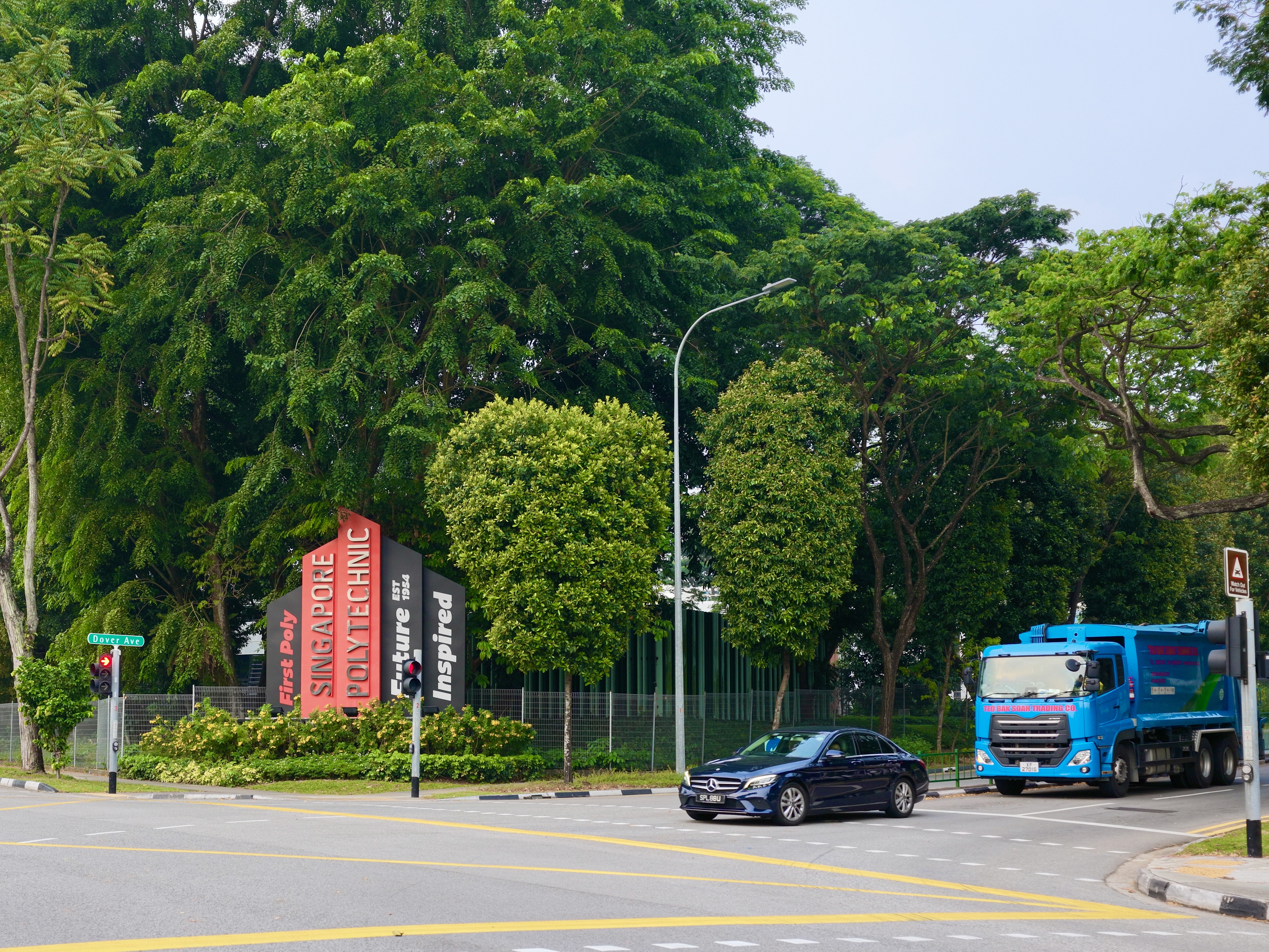
Is Singapore Polytechnic a good polytechnic? SP can be a strong fit when a particular diploma matches the work you want to learn, and its Common Engineering Programme offers a specific reason to investigate it if you like engineering but have not settled on a branch. SP’s official page lists pathways into seven engineering diplomas, including mechanical engineering, mechatronics and robotics, and electrical and electronic engineering.
For families comparing Singapore Polytechnic courses, common engineering programmes or polytechnic versus JC, the useful question is what the student will actually study. SP is a polytechnic, rather than a university: its full-time diploma route is a different qualification and learning stage from a university degree. A later university application has its own requirements.
2028 admissions cohort check: For students sitting the first SEC examinations in 2027, MOE is introducing the Post-Secondary Admissions Exercise (PSE) in 2028. A polytechnic programme’s actual minimum entry requirements, course choices and availability still matter; Polytechnic EAE continues as a separate early admissions route. Read the SEC–PSE boundary and the PFP and DPP transition guide before applying historical JAE figures to a new cohort.
After the diploma: Polytechnic graduates may apply for degree programmes where they meet the university and course-specific requirements; a diploma itself is not an admission guarantee. Read Can a Polytechnic Diploma Holder Apply to NUS, NTU and SMU? and How to Choose a University Course in Singapore. Check the latest diploma accreditation, prerequisites, exemptions and admission arrangements with the universities.
Did you know? SP’s Common Engineering Programme connects exploration with actual technical foundations, including electronics and programming in the examples on its official course page. This makes it worth shortlisting for a curious student who wants to try engineering learning before narrowing a direction. It still requires course eligibility, sustained effort and careful checking of the progression arrangements for the intended intake.
Find your next question
Why shortlist it? · Check the learning · Plan your next step
SP’s published Common Engineering Programme describes seven diploma destinations, covering fields from aerospace to computer engineering. The value for an undecided engineering applicant is an organised opportunity to explore related disciplines. The available destination list, allocation process and intake conditions should be checked on the current course page. Read SP’s official Common Engineering Programme.
Consider a student who enjoys both machines and coding. A general enthusiasm for technology does not yet reveal whether mechanical design, electronics, robotics or computing will sustain their interest. Studying foundations and comparing the actual work can make that interest more precise.
This is our interpretation of why the programme could be a good fit, rather than a claim that it is the best route for every engineering applicant. A student already committed to a particular diploma should compare direct entry to that course as well.
“SP is good” is too broad to make a decision on its own. Two students attending the same polytechnic can follow very different curricula. Compare the modules, projects, assessment arrangements, practical requirements and progression options of the courses on your shortlist.
Look for the work behind the course title. If you are attracted to robotics, are you also willing to learn the mathematics, electronics, programming and documentation involved? If you are considering a different SP discipline, read that diploma’s own course page rather than transferring the engineering example to it.
A good fit connects interest with willingness to do the less glamorous foundations. You can be excited by the end product and still make a careful plan for the skills needed to create it.
An applied route can give a student a visible reason to learn a concept. The calculation becomes part of a design decision; the explanation becomes part of a report. That relationship can be motivating, but practical learning does not remove academic demands.
Try a small, safe exploration before deciding. Explain how an everyday mechanism works, sketch a simple design or follow an introductory coding exercise. Notice which parts hold your attention and which require patience. This is an illustrative fit exercise, not an SP assignment.
Ask the course team how students are assessed and how independent and group work are combined. Clear information about the actual course is more useful than assuming all polytechnic programmes teach or assess in the same way.
A diploma may form part of a longer education plan, but university admission is a separate decision. Check whether the receiving university accepts the particular diploma for the degree you want, together with its current academic and subject requirements.
Do not treat a possible progression route as a promised offer or automatic credit exemption. Equally, do not dismiss a diploma simply because you may later want a degree. Assess whether the present course gives you an education you would value while you work towards the next stage.
Write two plans: one for successful learning in the diploma itself, and another for investigating later study. This keeps the immediate choice meaningful even while your longer-term interests develop.
Use SP’s admissions guide to identify the exercise applying to your qualification. Different applicants may use different routes. Check course-specific eligibility and the current application dates rather than borrowing another student’s process.
Then consider fees, equipment, travel and the time required for projects and revision. Ask about financial support using the official information for your circumstances. Avoid making affordability decisions from an old fee screenshot or an assumed internship allowance.
SP is worth a closer look when its actual diploma or common programme fits your interests, readiness and practical life. Continue with the paired Why Go Singapore Polytechnic guide for a broader exploration.
Institution-specific facts checked against the official pages below on 9 October 2026. The fit judgments are eduKate’s editorial interpretation of those facts, not an official ranking, endorsement or promise of an individual outcome. Programme participation, application rules and progression conditions should be checked again for the intended intake.
SP Common Engineering Programme
Compare JC, polytechnic and ITE sibling guides in the Parents & Pathways Hub