
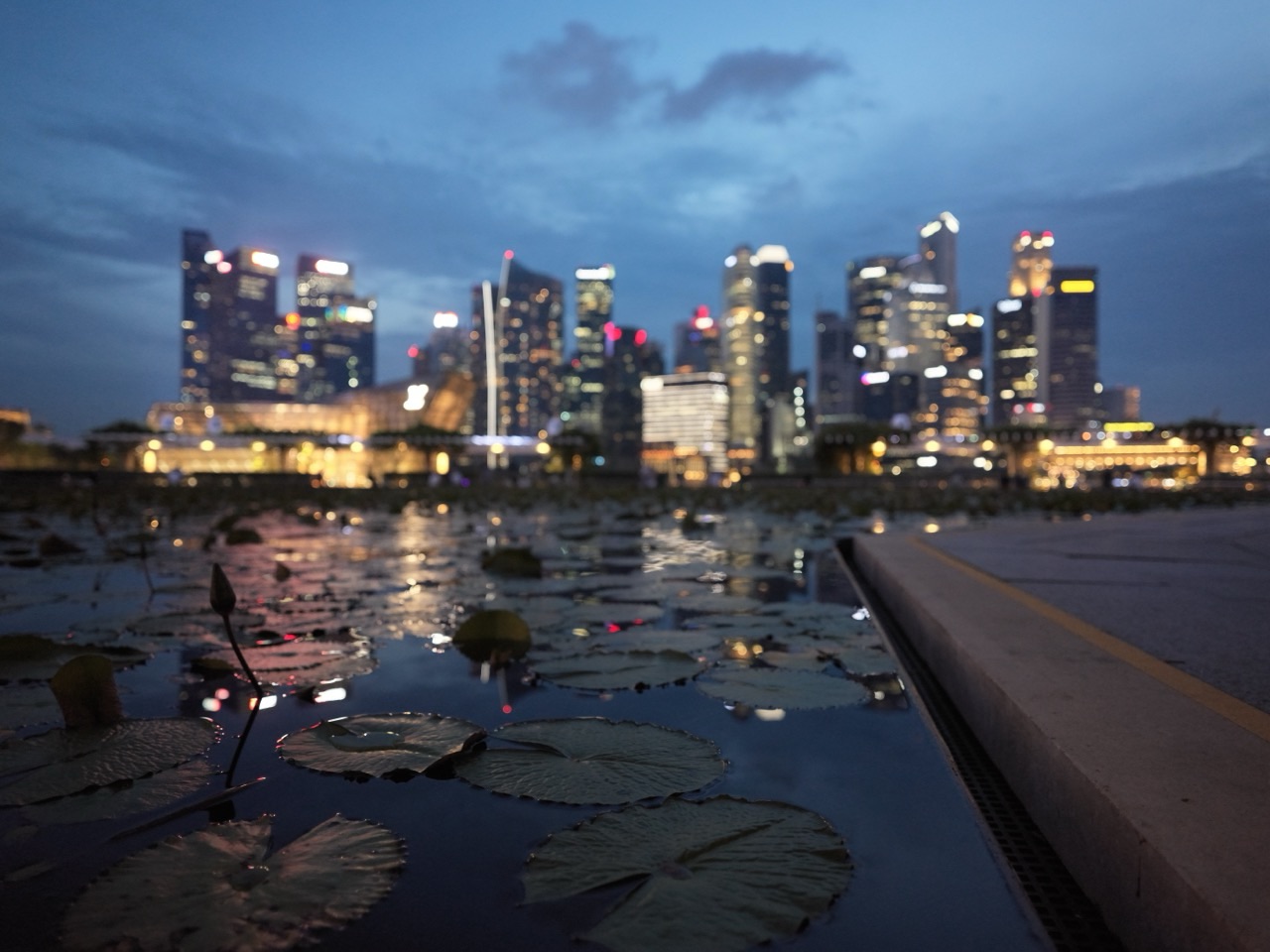
Singapore cannot manufacture more natural coastline.
It can engineer more usable land.
Land reclamation has been part of the country’s development for generations, but the next phase is becoming more sophisticated: larger environmental studies, polder systems, coastal defence and projects that combine land creation with climate adaptation.
Did you know that the proposed Long Island project off the East Coast could reclaim about 800 hectares of land while also creating a coastal-protection system, new reservoir and around 20 km of new waterfront parks?
This article targets land reclamation Singapore, Long Island Singapore, polder Singapore, Pulau Tekong reclamation and marine engineering Singapore.
Official information was checked on 5 October 2026. Worked examples are fictional.
Did You Know? Long Island Could Create About 800 Hectares
URA’s current Long Island planning material describes a project of around 800 hectares off the East Coast, potentially formed as a series of islands.
Official reference: URA — Long Island.
The project is designed to meet several national needs at once: coastal protection, water resilience, future land and recreation.
Long Island Could Add Around 20 km of Waterfront Parks
URA says Long Island could create around 20 km of new waterfront parks, forming part of a larger continuous 120 km accessible southern waterfront stretch.
Official reference: URA — Long Island.
The reclamation concept therefore treats new land as public-space infrastructure as well as developable area.
Why Reclaim Land?
Singapore uses land for housing, industry, reservoirs, airports, ports, defence, nature and transport.
A fixed island forces difficult trade-offs.
Reclamation increases the physical option set.
The new land is economically valuable because it preserves future choices.
Reclamation Is a Marine Construction Process
Traditional reclamation fills shallow coastal waters with sand or suitable fill material until land emerges above sea level.
Marine engineers need bunds, ground improvement, dredging, settlement control and coastal structures.
The land appears only after a long sequence of underwater engineering.
Worked Example: Area Is Not the Same as Usable Capacity
Imagine reclaiming 100 hectares.
Some area may be needed for roads, drainage, utilities, parks and coastal setbacks.
The full 100 hectares is therefore not equivalent to 100 hectares of saleable building plots.
Reclamation economics must count infrastructure inside the new land.
Long Island Preparatory Works Start From End-2026
URA announced in June 2026 that preparatory works for Long Island will commence from the end of 2026.
The first phase west of Bedok Jetty covers about 570 hectares, stretches roughly 7 km east to west and reaches up to about 1 km offshore.
A second preparatory phase east of Bedok Jetty covers about 155 hectares.
Official reference: URA — Long Island Preparatory Works.
Preparatory Works Are Not the Final Reclamation
URA’s 2026 announcement covers seabed obstruction removal, temporary sand bunds and sand infilling needed to prepare for possible future reclamation.
Detailed final Long Island plans remain under study and engagement.
This distinction matters.
Early engineering work should not be described as completed future land.
Environmental Studies Shape the Engineering
HDB, as reclamation agent, is implementing mitigation measures based on environmental studies for the preparatory works.
Silt screens, floating barriers and phased works are among measures intended to reduce environmental and community impact.
Official reference: HDB — Planning with the Environment in Mind.
Modern reclamation is increasingly environmental engineering as well as civil engineering.
A Polder Creates Land Differently
A polder is a low-lying area enclosed by dikes or embankments and kept dry through controlled drainage and pumping.
Instead of filling the entire site up to a high platform level, engineers create a protected enclosure and manage water inside it.
The technique can reduce the amount of fill material needed.
Pulau Tekong Demonstrated Poldering in Singapore
At National Day Rally 2026, the Prime Minister said the polder around Tekong Kecil had been completed, connecting Tekong Kecil and Tekong Besar.
Official reference: Prime Minister’s Office — National Day Rally 2026.
This gives Singapore direct operational experience with large-scale polder engineering.
Polders Trade Fill Volume for Ongoing Water Management
Using less fill can reduce material demand.
But a polder needs drainage, pumps and reliable protection for the life of the land.
The asset therefore has lower upfront material requirements and higher continuing operational dependency.
Engineering shifts rather than disappears.
Worked Example: Lower Land Creates Pumping Demand
Imagine reclaimed land sits below surrounding high-water levels during some conditions.
Rainfall inside cannot always drain away by gravity.
Pumps then become part of the permanent infrastructure.
The land remains usable because an active water-management system keeps it dry.
Reclamation Connects to Coastal Protection
Long Island is designed as a coastal-protection strategy as well as a land-creation project.
See Making Singapore Rich | Coastal Protection, Flood Resilience and Sea-Level Rise.
Future reclamation can create new coastlines that double as climate defences.
Reclamation Can Create New Reservoir Space
URA’s Long Island concept includes a new reservoir formed between the future islands and the existing East Coast.
That could strengthen water resilience while also contributing to flood management.
The same marine engineering project can create land and freshwater-storage options.
Marine Soil Needs Ground Improvement
Soft seabed soils can continue settling for years under new fill.
Engineers may use preloading, drains, deep soil mixing or other methods to accelerate or control settlement.
The land has to become stable enough for roads and buildings.
Reclamation is geotechnical engineering on an enormous scale.
Worked Example: Settlement Matters More Than Initial Height
Imagine newly reclaimed ground is built 5 metres above a datum but settles 1 metre over time.
Its long-term platform is effectively 4 metres unless settlement is anticipated and managed.
Design therefore considers future soil behaviour, not just construction-day elevation.
Reclamation Materials Are a Supply Chain
Large projects can require enormous volumes of sand, stone and other fill materials.
Singapore has progressively explored alternative techniques and materials because regional sand supply carries environmental and geopolitical constraints.
Material efficiency therefore becomes strategic.
Poldering Can Reduce Fill Demand
Because polders do not necessarily require raising every part of the enclosed area to the same high level as conventional reclamation, they can reduce fill requirements.
The trade-off is the need for dikes, pumps and water management.
The best technique depends on site conditions and lifecycle cost.
Future Civilian Land on Tekong Creates Strategic Optionality
The Prime Minister said in August 2026 that after meeting the SAF’s needs, around 500 hectares on Pulau Tekong would remain available for future civilian uses.
Official reference: PMO — National Day Rally 2026.
Singapore does not need to decide that use immediately.
The economic value is partly the option itself.
Reclamation Creates an Engineering-Services Industry
Projects need hydrographic survey, geotechnical investigation, dredging, marine construction, coastal modelling, environmental monitoring and project management.
Singapore’s long reclamation history creates expertise that can be exported to other coastal cities.
The land project becomes a capability project.
The Risk: Environmental Damage
Reclamation can affect reefs, sediment movement, water quality and marine habitats.
Environmental studies and monitoring aim to identify and reduce those impacts.
The economic value of new land should not assume ecological cost is zero.
Good reclamation design includes nature in the accounting.
The Risk: Climate Design Can Become Obsolete
Land reclaimed today will exist for generations.
Sea-level assumptions can change during that lifetime.
Platform levels, coastal barriers and drainage systems therefore need allowance for future conditions.
Long-lived land creation must use long-lived climate assumptions.
The Risk: Pumps Create Operational Dependency
Polder land can depend on pumps and drainage systems continuing to work.
Power failures, maintenance gaps or extreme rainfall can therefore become flood risks.
Redundancy and emergency operating plans matter.
The new land is an active engineered system.
The Risk: Land Creation Can Encourage Overbuilding
Creating more land does not remove the need for disciplined planning.
Infrastructure, ecology, transport and community needs still have to be coordinated.
See Making Singapore Rich | Urban Planning, Master Plan 2025 and Land-Use Economics.
More land creates options; planning determines their quality.
Education Builds Marine Engineering Capability
The sector needs geotechnical engineers, coastal engineers, surveyors, environmental scientists and construction specialists.
Students can learn area, volume, settlement and water balance through reclamation examples.
See Making Singapore Rich | Education, Skills and Human Capital.
A Guided Classroom Investigation
Give students two fictional options for creating 100 hectares of land.
Option A uses conventional fill to raise the site above high water.
Option B uses a polder with lower fill volume but permanent pumps.
Ask which data are needed before choosing.
The exercise teaches lifecycle trade-offs.
Independent Practice: Land Now or Option Later?
A fictional project can build the new district immediately or preserve the reclaimed land for future needs.
Which creates more value?
Students should consider uncertainty, opportunity cost and future scarcity.
The learning goal is option value.
What Progress Should Look Like
A stronger reclamation economy should create more material-efficient land creation, environmentally disciplined construction, reliable polder operations and projects such as Long Island that combine climate protection with future land value.
A stronger learner should distinguish preparatory works from completed reclamation, land area from usable development capacity and lower fill volume from lower lifecycle complexity.
Frequently Asked Questions
How large could Long Island be?
URA currently describes a concept of about 800 hectares off the East Coast.
When do preparatory works begin?
URA says preparatory works are scheduled to begin from end-2026.
What is a polder?
It is low-lying land enclosed by protective dikes or embankments and kept dry through controlled drainage and pumping.
Has Singapore completed a polder?
Yes. At National Day Rally 2026, the Prime Minister said the polder around Tekong Kecil had been completed.
How does reclamation make Singapore richer?
It creates scarce land, protects future options and builds high-value marine, coastal and geotechnical engineering capability.
Helpful Reading and Singapore Graph Connections
- URA — Long Island
- URA — Long Island Preparatory Works
- HDB — Environmental Planning for Long Island
- PMO — National Day Rally 2026
- Making Singapore Rich | Coastal Protection, Flood Resilience and Sea-Level Rise
Making Singapore Rich: Engineer More Future Without Pretending Land Is Free
Did you know that reclamation creates more than land?
It creates time.
Future housing can wait.
Future infrastructure can wait.
Future needs do not have to be known perfectly today.
Singapore becomes richer when marine engineering converts the sea into carefully protected option space.
The island begins with geography.
Reclamation expands the geography civilisation can work with.