
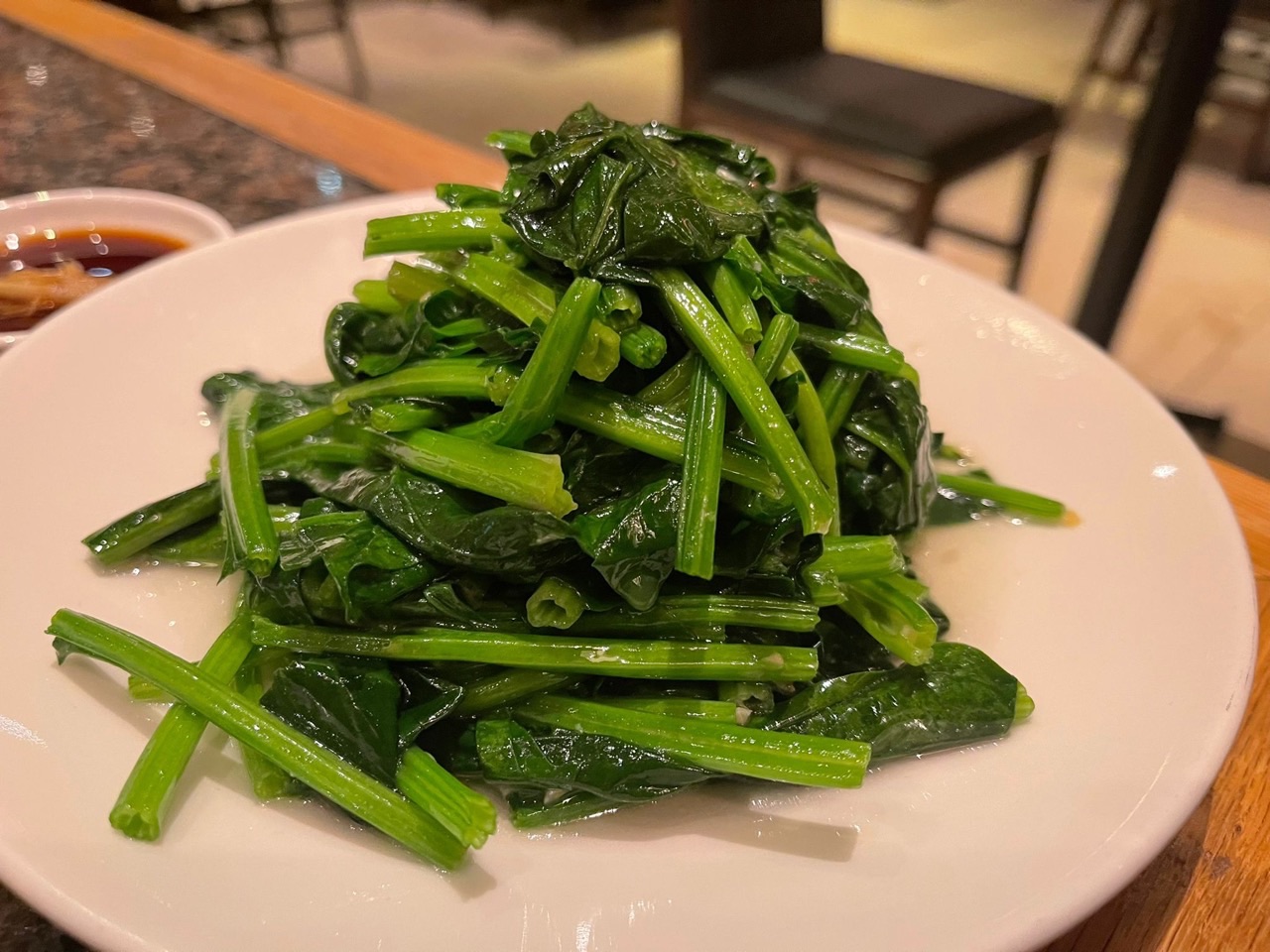
A Primary 5 pupil visits the school canteen and buys a bowl of noodles. The stall displays a healthier-meal label, but the vegetables have been replaced by an extra processed topping because a supplier delivery was late. The pupil chooses a sweet drink rather than the available water, and the school later celebrates the menu programme using only the number of meals sold. The vendors have offered food, but the claim of healthier eating requires more careful verification.
Singapore’s Healthy Meals in Schools Programme (HMSP), run by the Health Promotion Board in collaboration with the Ministry of Education, supports healthier choices in school canteens. Its approach includes lowering excessive fat, sugar and sodium where appropriate and offering more wholegrains, vegetables, fruits and balanced set meals. It also involves schools, vendors, pupils and families. What a stall serves, what a child purchases and what the child actually consumes are three distinct questions.
Quick answer: confirm the current HMSP criteria for the school’s setting; brief and support vendors on real recipes and ingredients; make healthier meals genuinely available, affordable and understandable; provide drinking-water access; manage substitutions, allergens and vendor hygiene through the relevant procedures; observe menu and service compliance; use age-appropriate nutrition education without body shaming; correct missed standards; and describe results honestly rather than claim measured student consumption without such data.
This independent eduKateSG Ministry of Education V2.0 reference builds on HPB’s current Healthy Meals in Schools guidance and two dated Ministry of Health parliamentary responses. In January 2026, MOH described HPB’s regular vendor compliance assessments and common areas for improvement. In May 2026, MOH confirmed that HPB does not collect school plate-waste or actual-consumption rates under HMSP, and instead tracks broader eating habits through Grow Well SG. These distinctions are important for schools reporting genuine outcomes.
The healthier-school-meals assurance chain
- Current HPB school and vendor nutrition guidance
- Actual ingredient, recipe and service checks with appropriate compliance ownership
- Accessible, reasonably priced meal and water choices with dietary safeguards
- Accurate measures distinguishing availability, purchase and consumption
- Age-appropriate nutrition learning, family participation and verified corrective action
1. Distinguish healthier food offered from food eaten
A vendor may serve a balanced option, while students choose something else or leave part of the food uneaten. Menu availability is an input, purchases are behaviour and consumption is another outcome.
The school should describe exactly which layer is being observed. A photo of a healthier menu cannot establish that every pupil ate a suitable meal.
2. Use current programme criteria, not old posters alone
HPB publishes Healthy Meals in Schools information for participating schools, vendors and families. Details of ingredient and beverage requirements can be revised.
An operational owner should obtain current authoritative instructions for the actual school setting before declaring compliance. A general website diagram should not replace the applicable vendor guidance.
3. Treat all food groups with appropriate balance
HPB’s My Healthy Plate guidance describes a practical balance of wholegrains, protein, vegetables and fruit, adapted to appropriate meal examples.
A school can teach the concept using familiar Singapore food without prescribing a single dish to every child. Medical dietary needs and personal situations may require professional individual advice.
4. Make wholegrain choices part of ordinary meals
Vendors can use suitable brown rice, wholemeal bread or other approved wholegrain products where relevant. The point is a meaningful option that pupils actually understand and can select.
A decorative brown grain sprinkled over white rice should not be assumed compliant without reference to the actual programme guidance and ingredient requirements.
5. Provide vegetables in ways pupils can use
Healthier meals often include vegetables that complement the main dish. The actual prepared portion, freshness and student acceptance matter.
Schools can discuss what children enjoy without pressuring them to eat something unsuitable. An ingredient’s presence on a menu is not proof it was served in the announced portion.
6. Keep fruit availability realistic
A fruit component may accompany a set meal or be available separately according to the school’s programme design.
A vendor should avoid promising a fruit item that routinely runs out before the main recess period. Availability should match the actual service window and approved criteria.
7. Encourage water as an ordinary drink
HPB’s resources consistently identify water as a preferred beverage choice. School facilities and pupils’ routines can support that choice.
Make safe drinking water practically accessible and maintain water points under the school’s responsibility. A student cannot follow a water-first message if the relevant cooler is unavailable.
8. Explain sugary drinks without moral panic
Drinks vary in ingredients and sugar content. Age-appropriate lessons can explain why regular water consumption is useful and how to recognise suitable alternatives.
Avoid public comparisons of children’s drink choices or unsupported claims that one sweet drink causes a specific illness. Teach informed habits respectfully.
9. Align snacks with the overall programme
Healthy snacks may include fruit, appropriate wholegrain foods or other choices consistent with current guidance and dietary needs.
A snack stand can complement, not replace, a balanced meal. Labels such as ‘natural’ or ‘organic’ do not by themselves prove nutritional suitability.
10. Treat food preparation method as part of quality
Cooking method, sauces, condiments, oil and ingredient choices can affect the meal even when the main food is familiar.
A vendor changing from one supplier’s noodle or sauce to another should check the relevant programme requirements. An identical dish name does not establish identical ingredients.
11. Distinguish nutrition compliance from food hygiene
HMSP addresses healthier choices; food hygiene and food safety also involve other regulatory and institutional standards. Both are important but not interchangeable.
A vendor may meet nutrient guidelines while handling food poorly, or maintain good hygiene while failing a particular nutrition standard. Audit each responsibility through the competent process.
12. Design accessible menu descriptions
Students benefit from straightforward explanations of ingredients, portions and price. Younger pupils need readable signs and staff who can answer reasonable questions.
Do not require children to decode technical nutrition claims at a crowded counter. The school can use illustrations and brief clear labels without making unsupported promises.
13. Support affordability without assuming one budget
Children may have different allowances or meal subsidies. A healthier set meal should be genuinely accessible under the institution’s current arrangements.
The solution is not to pressure a low-income child to buy the more expensive dish. School leaders should consider legitimate vendor pricing and financial-assistance support.
14. Distinguish meals served from meal subsidies
A subsidy programme affects access and payment, while HMSP addresses the nature of choices served. Each has its own accountable processes.
A subsidy card or credit does not by itself guarantee the child selected a balanced meal. It also should not reveal the family’s financial circumstances to other pupils.
15. Respect dietary restrictions and allergies
Healthier-menu claims do not establish that a meal is suitable for a pupil with a food allergy, religious restriction or other individual dietary need.
Use the school’s relevant healthcare, ingredient and food-vendor processes. Never promise an allergy-free meal solely because it meets nutrition guidance.
16. Plan for ingredient substitutions
When a vendor’s usual ingredients are unavailable, the replacement can affect nutritional criteria, allergy information, flavour and price.
Have a responsible route for verifying substitutions, updating menu descriptions and correcting unsupported claims before service rather than waiting for a complaint.
17. Make vendor onboarding a practical teaching moment
Canteen vendors may need help understanding approved product choices, recipes, preparation and relevant programme records.
HPB provides toolkits and recipe support. A school should share current useful guidance rather than simply instruct a vendor to ‘be healthier’ without defining the applicable requirement.
18. Assign a school owner for vendor liaison
The programme needs a recognised staff or operations point of contact to manage questions, observations and corrective actions involving canteen stalls.
Student leaders can provide feedback but should not decide regulatory compliance, impose penalties or investigate commercial supplier records without authorisation.
19. Reconcile actual menu availability across recesses
One menu can look complete before school but have limited availability when later cohorts reach the canteen. Observe relevant meal windows where appropriate.
A poster near an empty counter cannot show a fair choice. Schools should consider queueing, service time and pupils with later recess periods.
20. Worked case: offered meals versus purchases
In a fictional canteen, 120 healthier set meals are prepared, 90 are sold and 30 remain unsold. The purchase share of prepared sets is 90 ÷ 120 × 100 = 75%.
That percentage describes sales from available stock, not the proportion of all pupils who chose healthier meals and certainly not the amount actually consumed.
21. Worked case: menu substitution
A fictional vendor originally offers a set consisting of wholegrain noodles, vegetables and an approved protein portion. A supplier issue leads to serving a different noodle without checking its specification.
The responsible school and vendor should review the updated ingredients against current HMSP guidance before labelling the revised meal compliant. The lesson is controlled substitution, not condemning the dish by appearance.
22. Worked ratio case: snack counts
A fictitious stall sells 36 fruit portions and 24 other permitted snacks during a sample period. Fruit accounts for 36 ÷ (36 + 24) × 100 = 60% of these sixty sales.
The calculation excludes meals, drinks and unsold items. It cannot be described as ‘60% of the school eats fruit’ without supporting pupil-level consumption data.
23. Treat official audit figures with precise dates
MOH’s January 2026 answer states that, on average during 2020–2024, more than half of school canteen stalls fully met HMSP guidelines.
That is not a claim that a named stall is compliant in 2026 or that the percentage is a national pupil-health outcome. Preserve the actual dates and denominator.
24. Recognise common compliance weaknesses
MOH identified use of non-Healthier Choice Symbol sauces, meat-based products or noodles among common areas of non-compliance in its reporting.
Vendor improvement can focus on real ingredient specifications and product alternatives. Do not invent a universal penalty from the parliamentary answer.
25. Explain HPB’s compliance-support approach
MOH describes HPB sharing assessment findings with schools and canteen vendors and providing recommendations and toolkits.
A school should document the actual required correction and suitable owner, then review whether the revised practice works. Repeating a slogan does not close a concrete vendor gap.
26. Avoid invented plate-waste outcome statistics
MOH’s May 2026 reply explicitly states HPB does not collect actual food consumption or plate-waste rates under HMSP.
A school’s own properly designed and approved study might ask different questions, but it cannot attribute a national HPB plate-waste metric that does not exist.
27. Keep student nutrition lessons separate from individual diagnosis
Classroom activities can explain balanced meals, sugars and labels, while weight-management or chronic conditions require competent health professionals.
Teachers should not diagnose a child from their lunch or use food-choice charts to shame particular pupils. Healthy habit education belongs alongside respect.
28. Avoid stigmatising food preferences
Children may have sensory needs, cultural food practices and family constraints. Support gradual informed choices without humiliation or rigid moral labels.
The school can offer educational tasting or menu conversations where appropriate and safe, while preserving reasonable alternatives and legitimate restrictions.
29. Make lunch time sufficient to use the service
A healthy menu is not useful if queues consume the available eating time or pupils cannot reach the stall because of crowded circulation.
Observe service processes and legitimate operational constraints. A school’s response may involve layout, timing or staffing rather than more posters.
30. Treat staff and vendor relationships fairly
Canteen vendors work under commercial and contractual constraints. Schools need to communicate requirements clearly and allow appropriate support for changes.
A compliance concern should be addressed through documented factual review rather than public shaming or unsupported accusations about a stallholder.
31. Coordinate healthier meals with Grow Well SG
HPB’s wider Grow Well SG framework connects nutrition with sleep, activity, screen-use habits and family engagement.
A canteen programme is one useful component. Do not claim it alone caused a particular change in childhood obesity or academic grades.
32. Engage families with practical information
Families may ask what choices exist and how children can plan a balanced school day. Provide understandable, age-appropriate suggestions from current HPB resources.
Do not assume every household has equal time or money to prepare elaborate food. Encourage feasible choices and relevant school support.
33. Teach nutrition labels as evidence
Students can practise comparing listed serving sizes and relevant nutrition values under an approved classroom exercise.
A comparison is meaningful only when units and portions are comparable. Do not teach pupils to choose products based entirely on one marketing badge without reading the underlying information.
34. Respect students’ autonomy as they grow
Older pupils can increasingly compare alternatives and understand trade-offs, while younger children may benefit from simple visual guidance and family conversations.
A responsible programme develops judgement instead of trying to monitor every mouthful or policing children’s lunches publicly.
35. Protect food-purchase privacy
Payment records or meal subsidy status may reveal aspects of family life. Schools should retain and use only information authorised for legitimate service purposes.
Aggregated vendor sales might support operational planning without constructing identified dossiers of individual pupils’ food choices.
36. Monitor accessible drinking facilities
A school’s water points require appropriate hygiene, maintenance and practical availability, not merely a prominent hydration poster.
Report actual defects to the facilities owner and verify repair. The lesson about water becomes credible when the school itself maintains suitable access.
37. Use honest programme measures
A school can document whether menus are offered, ingredient substitutions checked, vendor recommendations completed and students can explain healthier choices.
Those indicators describe inputs, compliance and learning. They do not establish that every pupil ate the entire intended meal or enjoyed a measured health improvement.
38. Audit one meal from plan to service
Select a current menu item and trace actual ingredients, relevant HMSP guidance, vendor preparation, posted description, service availability, price and any legitimate exception.
If the served product differs from the approved recipe, investigate the handoff rather than merely count the number of posters or healthier labels.
39. Review complaints without public blame
A parent may report a portion, price, hygiene or dietary concern. Schools should route each to the relevant accountable vendor, staff or competent authority.
The correct response depends on the concern. A nutrition substitution and a suspected food-safety hazard should not follow one undifferentiated informal process.
40. Preserve long-term healthy food literacy
The lasting educational aim is a student who can recognise sensible balanced choices, explain a reasoned decision and respect different legitimate dietary needs.
Ministry of Education V2.0 connects the school canteen’s actual offering, reliable vendor operations, HPB guidance and everyday student understanding without pretending a purchase is a proven health outcome.
Canteen programme checkpoint
| Stage | Evidence to examine | Responsible role |
|---|---|---|
| Menu approval | Does this dish match current programme criteria? | Vendor and authorised school liaison |
| Service | Is the described meal actually available and correctly prepared? | Canteen operations staff |
| Access | Can different pupils make safe, affordable choices? | School and relevant financial or healthcare staff |
| Compliance | Have any HPB findings been acted on? | Competent programme and vendor owner |
| Learning | Can pupils explain a new food choice without stigma? | Teacher and learner |
Parent FAQ
What is the Healthy Meals in Schools Programme?
HPB and MOE’s school-based initiative encourages healthier food and drink availability through schools, canteen vendors and nutrition education.
Does it mean every canteen meal must look identical?
No. Appropriate food choices can vary while complying with the current applicable guidelines.
Does a healthier menu prove students actually consumed healthier food?
No. Menu availability, purchases and actual consumption are different measures.
Does HPB collect school plate-waste data under HMSP?
MOH stated in May 2026 that HPB does not collect actual consumption or plate-waste rates under this programme.
What were common vendor compliance issues reported in 2026?
A January MOH reply discussed non-HCS sauces, some meat-based products and noodles as areas of non-compliance in 2020–2024 assessments.
Are meals labelled healthy automatically safe for a child with an allergy?
No. Individual ingredient and cross-contact safety requires separate qualified arrangements.
How should families raise a concern about a school meal?
Use the school’s relevant vendor or food-safety communication route, giving factual information without publicly accusing a child or stallholder.
What should students learn from the programme?
To recognise balanced choices and constraints, ask sensible questions and form sustainable eating habits without stigma.
The institutional standard
A school is not promoting healthier eating simply because a poster shows vegetables. The ingredients, cooking, service conditions, price and drink choices must support genuine access. Where compliance problems occur, vendors and schools need practical corrective action.
Ministry of Education V2.0 brings nutrition education, vendor accountability, honest outcome measurement and student dignity together. The long-term aim is informed, sustainable habits without false claims about meals purchased or consumed.
Sources and connected reading
MOE V2.0 — Main Reference Library
Reference 181 — School Food Allergies and Ingredient Information
Reference 168 — Food and Consumer Education Practical
Reference 183 — School Waste and Honest Measurement
HealthHub / HPB — Eating Healthily at the School Canteen
HealthHub — Healthy and Delicious Meals in Canteens
HPB — Current Secondary School Health Promoting Programmes
MOH — January 2026 Statement on Vendor Compliance
MOH — May 2026 Statement on Outcomes and Consumption Data
HPB My Healthy Plate — Food Groups and Water
HealthHub Grow Well SG — Family Healthy Eating Guidance
Editorial scope: independent school nutrition and canteen-assurance reference, not medical nutrition therapy, current meal pricing or a food-safety certification. Individual diet, allergy plans, official programme compliance and vendor regulations follow competent HPB, school, healthcare and food authorities. Worked meal and sales figures are fictional.