
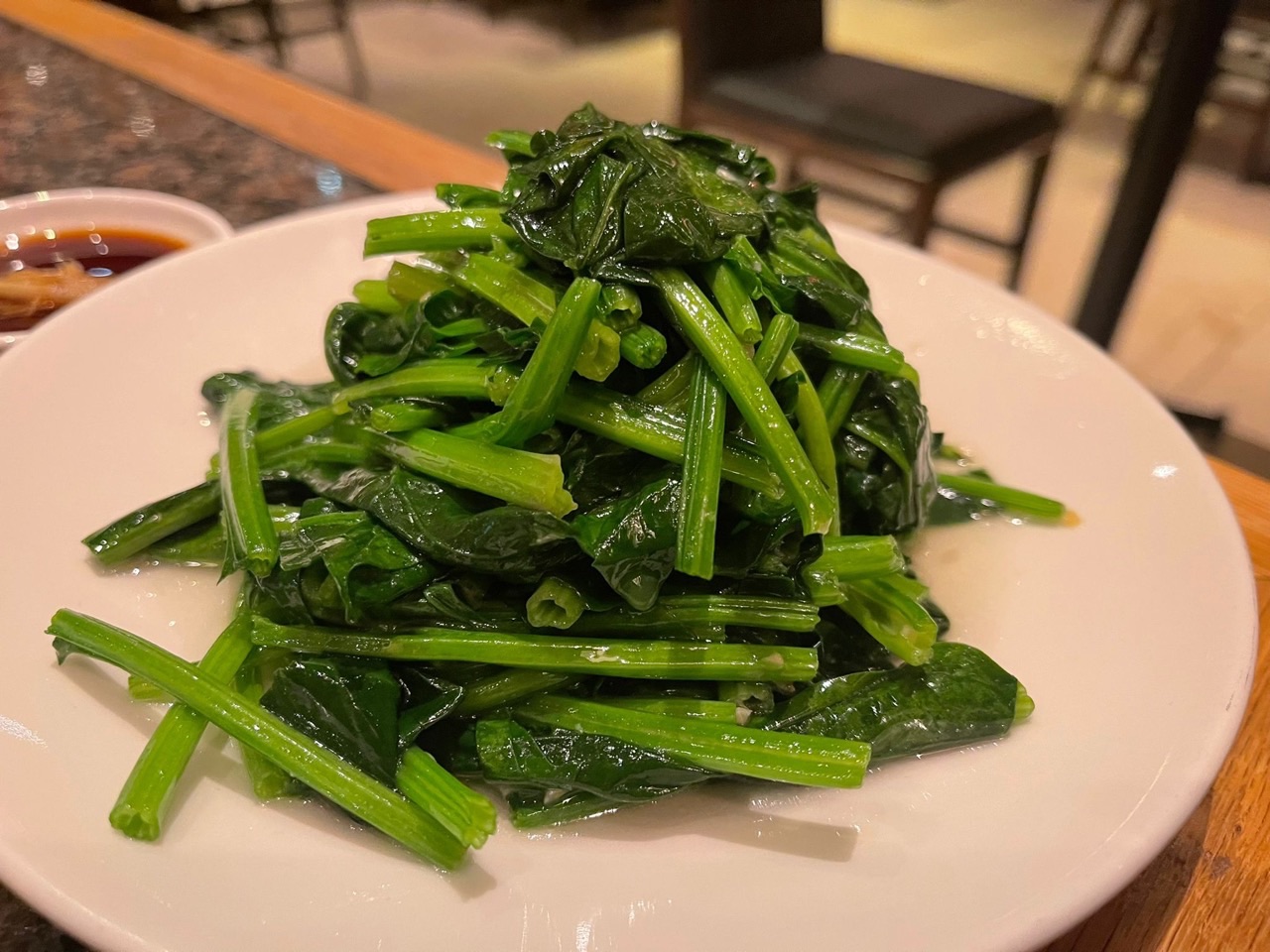
School canteens in Singapore help students eat during the school day, practise everyday independence and develop healthy food habits. Schools work with food vendors and public agencies to provide meals that meet relevant nutrition and food-safety requirements. The Health Promotion Board’s Healthy Meals in Schools Programme (HMSP) encourages healthier choices such as wholegrains, vegetables, protein and fruit, alongside limits on excessive sugar, sodium and fat. Students still need enough time, money and confidence to buy and eat the food.
School canteen questions
- Singapore school canteens in one minute
- Who runs the food stalls in school canteens?
- What is the Healthy Meals in Schools Programme?
- What does a balanced school lunch look like?
- Why do wholegrains, vegetables and water matter?
- How should a child prepare for Primary 1 recess?
- How much pocket money should a student bring?
- What if a child loses their pocket money?
- How do cashless payments work in school canteens?
- Why does recess time matter as much as food quality?
- What happens when a student has a food allergy?
- How does food safety regulation work?
- What if the canteen has too few affordable choices?
- How does the MOE Financial Assistance Scheme help with meals?
- How do canteens connect with Character and Citizenship Education?
- How should families prepare children to use the canteen?
- Three realistic school canteen situations
For parents asking how school canteens work in Singapore, the practical questions are simple: What should my child do during recess? How much pocket money is enough? Are meals healthy and safe? What if the child has a food allergy or cannot afford lunch? How do cash and cashless payments work? The answer depends on the school, vendors, the student’s age and the applicable support arrangements. A canteen is a learning and care environment, not merely a row of food stalls.
This guide is the food-and-recess junction in How Singapore Education Works, the education-system sibling to How Singapore Works. It connects the school day with food safety, nutrition, transport, student care and financial assistance without replacing the detailed guides that own those narrower questions.
Singapore school canteens in one minute
In a mainstream school, recess gives pupils time to eat, rest, use the toilet and socialise before continuing lessons. Canteen vendors prepare and sell food under school arrangements. Schools coordinate the practical environment: available stalls, queues, seating, hygiene, supervision and arrangements for students who need help.
The canteen also teaches independence. A Primary 1 pupil needs to recognise the right queue, make a selection, manage money, carry food and return to class. Older students may compare prices and nutritional choices or make their own decisions about when to eat on a CCA day.
The food service side involves several bodies. The Health Promotion Board sets nutritional guidance under HMSP. Food businesses operate under applicable Singapore Food Agency licensing and food-safety rules. MOE schools supervise their operating arrangements and select stallholders under school requirements.
A successful canteen meets multiple needs: safe, accessible and reasonably priced food; nutrition appropriate to students; a workable eating period; and clear help when a child has a special dietary or financial need.
Who runs the food stalls in school canteens?
A school canteen is not ordinarily managed in the same way as a commercial mall food court. School-selected vendors operate individual stalls, while the school coordinates selection and operating expectations under applicable requirements.
MOE’s school canteen stallholder selection information says applicants must demonstrate suitable menus, quality food, service and prices determined in consultation with the school. They must provide meals meeting HPB Healthy Meals in Schools standards and maintain hygiene. Food-stall licensing is also relevant.
A school may have several stalls with different menus and operating constraints. Vendors are not guaranteed to be open at every moment. Absences, supply issues and changes of operators can affect the available choices. Parents should avoid assuming the menu photographed at one school in an earlier year is still available now.
Price and quality are not entirely independent. A meal must be affordable enough for students but also feasible for vendors to prepare safely and consistently. Schools need to consider this balance when selecting operators and reviewing complaints.
When a child reports that a stall is regularly closed or that a favourite dish has disappeared, investigate the actual situation rather than conclude from one day that the school’s entire canteen system has failed.
What is the Healthy Meals in Schools Programme?
The Healthy Meals in Schools Programme, or HMSP, is a Health Promotion Board initiative that supports healthier food and beverage choices in schools in collaboration with MOE, canteen vendors, teachers and students.
Its guidance covers reducing fat, sugar and sodium; serving appropriate amounts of wholegrains, vegetables and protein; making fruit available; encouraging water as the preferred drink; and discouraging unnecessary highly processed foods. The 2026 HPB HMSP page explains the programme and its expectations.
HMSP does not mean every meal must look identical or that children are forbidden to enjoy food. It establishes healthier standards within menus and choices. A familiar Singapore dish can be prepared with wholegrains, lean ingredients and vegetables while remaining recognisable and enjoyable.
The programme also involves education. Students should understand why water matters, how different foods support growing bodies and how to make sensible choices rather than merely memorise a “good food/bad food” list.
Vendors need practical guidance too. HPB provides advice, resources and assessment support to participating schools. A nutrition rule works only when a cook can apply it consistently in a busy canteen serving many children in a short period.
What does a balanced school lunch look like?
A balanced meal can include wholegrains or another suitable staple, protein and vegetables, with fruit available during the day. The exact serving size must be appropriate to the child’s age and needs. A single visual formula should not be imposed rigidly on every student without considering health and dietary circumstances.
For example, chicken rice might be served with a suitable portion of rice, lean chicken and vegetables. A noodle dish can include vegetables and protein with an appropriate wholegrain component. The aim is a practical meal that supplies energy and nutrients without excessive sugar, saturated fat or salt.
A parent should not assume a meal is balanced simply because it contains one piece of green vegetable. Food variety and portion balance matter across time. Likewise, a child who occasionally eats a less nutritious snack has not “failed” health education. The broader pattern is more important than moralising individual bites.
Children also need adequate time to eat. Even an excellent nutritious meal is of limited benefit when a pupil spends most of recess waiting in a queue and hurries through a few mouthfuls. School canteen planning must consider queues and actual eating time.
For specialist food service requirements, use HPB’s HMSP guidance rather than an old unverified poster circulated in a group chat.
Why do wholegrains, vegetables and water matter?
Wholegrains, vegetables, fruit and other nutritious foods can support healthy eating habits as children grow. HPB’s guidelines encourage balanced food groups and healthier ingredients across school meals. The emphasis is on a sustainable food environment rather than relying solely on children to make perfect choices.
Plain water is recommended as the preferred beverage. A school that makes water readily available helps students form a practical habit. Sugar-sweetened beverages are subject to the programme’s guidance; the canteen is not intended to function like an unrestricted soft-drink outlet.
Children need to learn that nutrition is not simply about avoiding one ingredient. Different foods contribute energy and nutrients, and families have cultural, practical and dietary differences. A useful health lesson explains choices without shaming children about body size or what their family can afford.
An everyday experiment can help older pupils read nutrition labels, compare serving sizes and interpret sugar or sodium information. They should check units carefully. A bottle containing three servings is not equivalent to a single-serving product merely because both labels use numbers per serving.
For teaching across food, physical activity and wellbeing, HPB’s health-promoting programmes for primary schools provide official context.
How should a child prepare for Primary 1 recess?
Recess is one of the most intimidating new routines for some Primary 1 children. The child must leave the classroom, find food, pay correctly, decide where to sit and return at the right time. Adults may assume these tasks are obvious because they perform them without thinking.
Prepare through practice. Take the child to a nearby food outlet and allow them to order a simple meal with adult supervision. Help them recognise prices and count change. Practise carrying a tray or container carefully and asking politely when something is unclear.
The goal is not speed. It is independence with the ability to seek help. A child who knows how to say “I gave you five dollars; may I check my change?” is using Mathematics and communication in a real setting.
At the school orientation, ask about canteen routines, meal assistance for newcomers, staff supervision and what to do if the pupil is confused or loses money. Some schools have buddy systems or special arrangements for younger pupils.
If the child comes home hungry during the first week, investigate. It might be an unfamiliar queue, anxiety about buying food, too little time or a choice they did not enjoy. Do not automatically prescribe more pocket money without understanding the event.
How much pocket money should a student bring?
There is no universal amount suitable for every school and child. The correct budget depends on the school’s actual meal prices, whether the child eats breakfast, how many breaks occur, CCA commitments and any personal dietary needs.
Ask for the current canteen price range, then choose an amount that covers a reasonable meal and an appropriate drink, with a small contingency if needed. The family can review after a week rather than treat the first estimate as permanent.
For example, if a particular school meal costs $2.40 and fruit costs $0.60, the food total is $3.00. A student who brings $4.00 has $1.00 left for a different permitted expense or savings. These figures are illustrative arithmetic, not claims about current prices at any named school.
Children can learn budgeting through simple records. How much did the meal cost? Was there change? Did the child eat enough? Buying the cheapest possible meal is not a success if it leaves the pupil hungry all afternoon.
Parents should avoid comparing pocket money as a measure of family status. What matters is adequate food, a manageable routine and an understanding of spending. Families facing difficulty may need financial assistance rather than repeated household pressure.
What if a child loses their pocket money?
A lost coin or card is an ordinary childhood problem that can become serious if the child has no way to obtain lunch. The student should know whom to tell. Schools may have practical arrangements for temporary help or contacting a parent, but families should ask the school about the actual procedure rather than assume a universal emergency fund.
Teach the child to explain the situation calmly: “I cannot find my money and I have not eaten.” A form teacher, school office or other trusted adult can direct them to appropriate assistance.
An adult should distinguish an occasional loss from repeated difficulties. Perhaps money is stored in an unsafe pocket, the child is confused about change or someone is taking it. The proper response differs. Repeated missing money may require a safeguarding conversation.
Parents can make carrying money easier with a labelled wallet or approved student payment method while recognising that nothing is completely loss-proof. A system should have a recovery plan rather than rely on the child never making a mistake.
If the problem is lack of money rather than losing it, ask about the school’s financial support arrangements confidentially. Do not make a child explain family financial hardship publicly in a canteen queue.
How do cashless payments work in school canteens?
Some schools support cashless payments through designated student accounts, cards or other systems. Their adoption, supported payment methods, top-up processes and fallback arrangements vary. Parents should consult the school’s current instructions.
A cashless arrangement can make purchasing easier for a child and may help some families monitor spending. It can also create new failure points. A card can be lost, a device can fail, a payment system may be unavailable or a parent may forget to top up the balance.
These failures need a clear fallback. What should a child do if the balance appears incorrect? Is cash still accepted at the stall? Can school staff help during an outage? Who handles disputed transactions? A technical payment problem should not mean the pupil silently misses a meal.
Children should also learn not to share credentials or access codes. If another student uses the payment instrument, parents should follow the school’s official reporting process rather than exchange account details in a public chat.
For a stage-specific parent view, read PG1, PG2 and PG3 School Canteens, Pocket Money and Cashless Payments.
Why does recess time matter as much as food quality?
An effective canteen has to feed students in the time available. A school might offer nutritious meals but have queues so long that younger pupils spend most of recess waiting. That creates a practical problem in eating time, attention and student comfort.
A useful way to examine the system is to separate queue time, service time and eating time. The first two are needed to get a meal, while the third is when the child actually eats. If queues become shorter but eating time also falls, a claimed efficiency improvement may not have helped pupils.
Schools can use staggered breaks, clear queue arrangements, adequate seating and supervision, subject to their actual facilities. A simple improvement may involve making menu choices visible before a child reaches the counter.
Parents can ask their child how recess works without assuming every complaint is a food quality issue. “I never finish lunch” might mean the child talks for most of the break, has difficulty opening a lunch box, waits in a long queue or struggles to manage the money.
The detailed School Canteen Queues, Recess Eating Time and Cashless Payment Fallbacks examines these operational questions. This guide explains how they fit the education system.
What happens when a student has a food allergy?
A child with a diagnosed food allergy may need a coordinated plan involving parents, school staff, canteen operators and healthcare advice. The plan should identify relevant allergens, the child’s medical requirements, preventive arrangements and what to do if exposure occurs. It must not rely on guessing from the appearance of a dish.
Parents should provide appropriate medical information to the school through the prescribed confidential channel. They may need to discuss ingredients, possible cross-contact and whether particular food options are suitable. Children should be taught age-appropriate ways to ask about food and seek immediate help.
A stall offering a dish without an obvious allergen does not guarantee the absence of cross-contact during preparation. For example, a dish that looks free of nuts may have shared equipment or ingredients that require more investigation. Do not ask a child to take a medical risk merely because an adult says a meal “looks safe”.
Where a child has severe allergies, the school’s arrangements should reflect the medical plan, including access to appropriate emergency response and trained adults. Seek clinical advice for individual health needs.
For operational details, see School Food Allergies, Dietary Accommodations and Canteen Emergency Readiness.
How does food safety regulation work?
Food businesses are subject to Singapore Food Agency requirements, including licensing, food handling and safety obligations where applicable. School canteen stallholders also need to comply with relevant school selection conditions and HPB nutritional guidelines.
A safe food system requires more than a certificate displayed once. Vendors must store food appropriately, prevent contamination, maintain hygiene, prepare food safely and respond responsibly to complaints or suspected illness. School staff also need a clear route for escalating concerns.
Children should learn ordinary food safety habits: wash hands, avoid sharing food when allergies are involved, keep eating surfaces tidy and seek adult help if food seems spoiled or causes concern. These actions complement professional food handling rather than replace it.
If several pupils become unwell after a particular food event, the school should follow its incident and reporting arrangements and involve relevant public-health authorities as appropriate. Parents should report factual observations and seek medical advice where necessary rather than spread an unverified accusation about a named stall.
A food stall’s licence and a school’s nutrition programme answer different questions. Licensing concerns legal operation and food safety. HMSP concerns healthier food options. A vendor may have responsibilities under both.
Use SFA and HPB HMSP for official requirements.
What if the canteen has too few affordable choices?
Families can raise the concern through the school, explaining which meals are available, their prices and whether a child can buy enough food within the given recess period. A useful complaint identifies a specific problem rather than saying that every stall is “too expensive”.
Schools face several constraints: space, vendor viability, nutrition standards, food costs and student preferences. The response may require examining menus, consulting vendors and understanding what students actually purchase.
A student’s perception of value also matters. A large portion of poorly balanced food is not automatically a better choice than an appropriately portioned meal. Equally, nutrition advice cannot ignore affordability. Families need both safety and the means to eat adequately.
Students may be able to contribute ideas through school feedback channels, including suggestions on variety, queue arrangements or communication about menus. A thoughtful student proposal should include evidence, not only a personal preference.
Where a family cannot afford basic school meals, the urgent issue is financial support. A longer-term menu review cannot substitute for ensuring that the child has food now.
How does the MOE Financial Assistance Scheme help with meals?
Eligible Singapore Citizen students in MOE-funded schools may receive meal support under the applicable MOE Financial Assistance Scheme arrangements. The exact benefit depends on school level and current rules; families should consult the school’s office or official MOE finance resources.
An important distinction is between a cheaper price and a financial assistance benefit. Schools and vendors may provide affordable menu options for students generally, while FAS support assists qualifying families under a formal scheme. A student does not automatically receive the same assistance as another pupil merely because they attend the same school.
Parents should ask how approved meal support is accessed. Does the child use a card, an account or another arrangement? What happens if the system fails? Are there limits to which items may be covered? The school’s current procedures determine the practical answer.
Support should be handled discreetly. A child should not be expected to reveal household income to classmates when paying for lunch. Families can discuss difficulties with appropriate school staff without turning the canteen counter into a public assessment of need.
For full eligibility and related expenses, use How Does Student Financial Assistance Work? and the MOE Student Finance System.
How do canteens connect with Character and Citizenship Education?
Recess contains social learning. Pupils queue, share tables, make choices, speak politely to vendors and notice when another student is alone or needs assistance. They also learn to manage money and take responsibility for a shared space.
A Primary 2 child may practise waiting for their turn, recognising change and returning a tray. A Secondary 1 pupil might help a newcomer understand the canteen layout. A student leader might collect feedback on overcrowding and present a practical suggestion respectfully.
These are everyday examples of citizenship at a small scale. Children learn that common spaces work better when people respect rules and consider others, including cleaning and food-service staff. The lesson is real precisely because it involves ordinary actions.
A school should avoid treating canteen conduct only as a series of punishable offences. Clear routines, helpful adults and student participation can prevent problems before they become disciplinary matters.
For the broader framework, read How Do CCAs and Holistic Education Work? and How Does School Discipline Work?.
How should families prepare children to use the canteen?
Start with the daily routine. Can the child describe what happens after lessons end? Do they know where to queue, where to sit and how to return to class? Can they tell an adult if they have not eaten? These questions are especially important for Primary 1 and children changing schools.
Then practise a simple money task. Give the child a fictional $5 budget and a sample menu. If a meal costs $2.80 and fruit costs $0.70, the total is $3.50 and change is $1.50. Ask the child to explain what each number represents rather than recite the subtraction.
Discuss food choices without shame. A child may dislike a vegetable they have never tried. Encourage curiosity and appropriate portions; do not make the first school week a confrontation over diet. Families with dietary or medical needs should coordinate them through the school rather than relying on general advice.
Finally create a backup plan. What should happen if the stall is closed, payment fails or a student is unwell? A young child benefits from knowing one trusted adult and one clear sentence for asking for help.
The goal is a child who can participate in recess safely and confidently, leaving attention available for the next lesson.
Three realistic school canteen situations
Example one: a Primary 1 pupil who always returns hungry. The parent asks about the recess routine. The child explains that they are unsure which queue to join. The school helps the pupil practise the process. The solution is orientation, not necessarily a larger allowance.
Example two: a Secondary 2 student whose meal costs have increased. The family checks actual prices and the student’s needs on CCA days. They prepare a reasonable weekly budget and contact the school about support if essential meals are not affordable. They avoid assuming the child is wasting money without evidence.
Example three: a child with a serious food allergy. The parent provides medical guidance through the school’s official route, checks the canteen’s ability to accommodate the child and establishes an appropriate emergency response plan with staff. The pupil is taught when to seek help and not to guess whether food is safe.
These examples are illustrative, not claims about any real school or child. They show how different causes call for different responses.
Frequently asked questions about Singapore school canteens
Do Singapore schools have canteens?
Mainstream schools commonly have canteens or school food-service arrangements for students. The exact facilities and vendor options vary.
Are canteen meals required to be healthy?
School canteen vendors must meet relevant nutritional standards and school requirements. HPB’s Healthy Meals in Schools Programme provides the principal healthier-food framework.
Does every school canteen sell the same meals?
No. Actual stalls, menus, prices and operating hours vary by school and vendor.
Is wholegrain food part of the HPB programme?
Yes. HMSP encourages wholegrains, vegetables, protein and fruit as part of healthier meal provision.
Are sugary drinks allowed without limits?
No. HMSP has beverage guidance encouraging plain water and limiting sugar-heavy options.
How much pocket money does a Primary 1 pupil need?
It depends on the school’s real prices and the child’s needs. Ask for current menu prices and build a suitable budget.
Does every school accept cashless payment?
Do not assume so. Check the school’s available payment methods and fallback arrangements.
What if my child forgets their money?
The pupil should ask a trusted school adult for help. Learn the school’s emergency process before the problem occurs.
Can parents get financial help for school meals?
Eligible students may receive meal support through MOE FAS or other applicable arrangements. The official criteria determine eligibility.
Are all canteen meals suitable for children with allergies?
No. Dietary safety requires checking ingredients, cross-contact risks and the child’s medical plan with the school and vendors.
Is student recess only for eating?
No. Recess also supports rest, social participation and growing independence within a supervised school setting.
Who should I contact about a serious food safety concern?
Contact the school promptly and use relevant SFA or healthcare channels when appropriate. Seek urgent medical help for severe reactions or illness.
How school meals fit the larger Singapore system
A child’s education depends on more than lessons. Food, transport, school timetables, financial support, public-health guidance and reliable everyday routines determine whether pupils can participate. A well-run canteen makes these systems work together for a simple outcome: a child has enough safe food and time to eat.
The larger How Singapore Works civilisation archive explains why coordinated public services matter. This article shows one small place where that coordination is visible every day.
For the connected routes, visit School Calendar and Recess Planning, Student Care and After-School Arrangements and Student Financial Assistance.
Official references and information currency
Prepared for October 2026. The main references are HPB’s Healthy Meals in Schools Programme, MOE school canteen stallholder criteria, Singapore Food Agency and MOE Student Finance. Specific meals, prices, school assistance processes and operating conditions change; confirm them with the current school and official authority.