
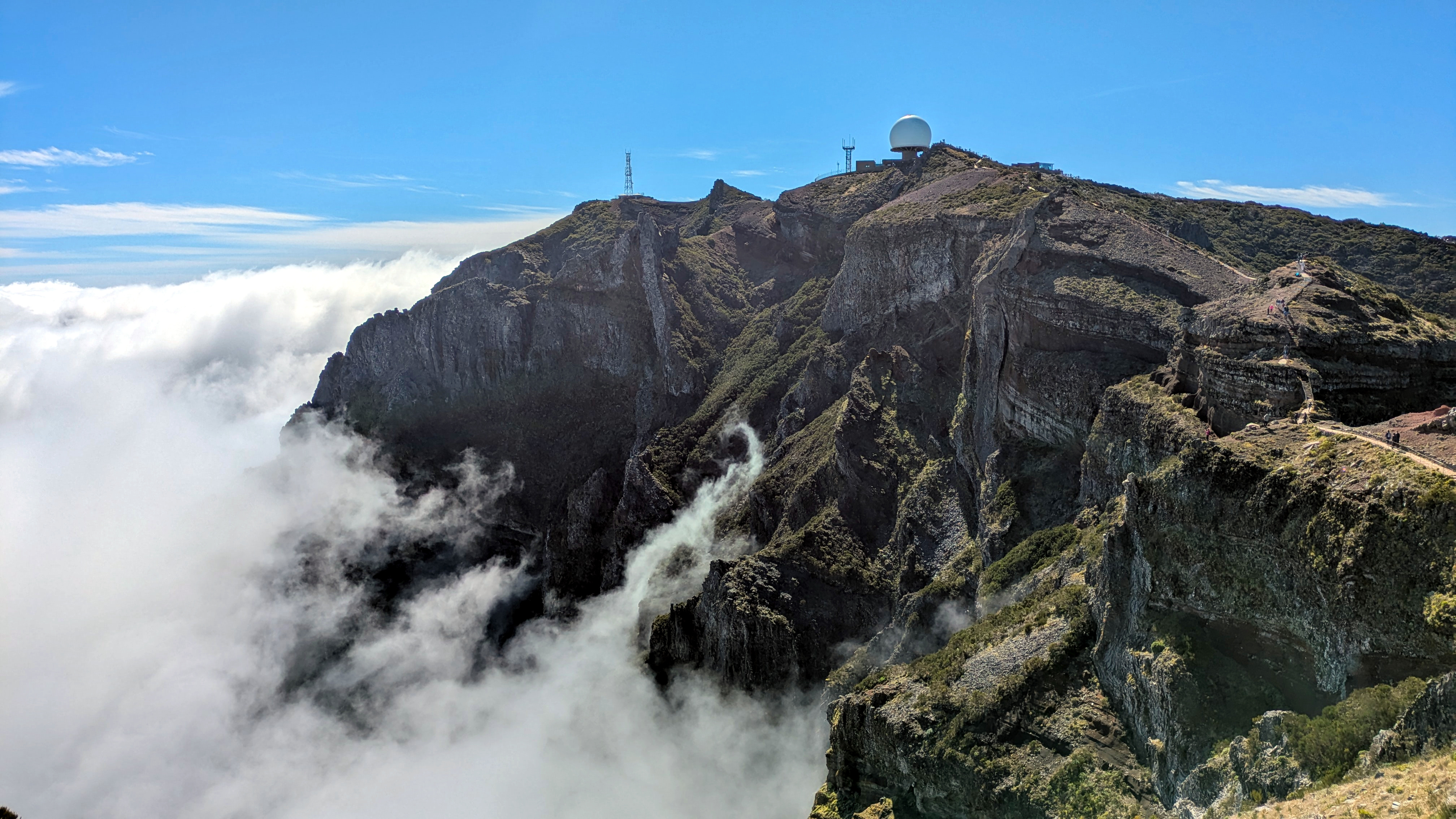
Quick answer: Portugal’s character and nation-building vocabulary can be taught through the natural World Heritage Laurisilva of Madeira, UNESCO-recognised Fado and the craftsmanship of glazed azulejo tiles. This guide gives children twenty meaningful English terms, accurate country examples, common mistakes, worked corrections and a pathway from understanding to responsible action.
Age and level: international learners approximately 8–12; adapt the same ideas to younger children through speaking, maps and safe paper models. What children will do: define twenty words, choose them in new contexts, check the evidence for one claim, treat people and cultural practices respectfully, and keep a modest shared responsibility.

Jump to: country overview · 20-word table · four deeper explanations · word cards · worked correction · practice and answers · FAQs.
Why Portugal is a useful country for vocabulary, character and nation-building lessons
Imagine a child looking at three photographs from Portugal. The first shows green forest on Madeira, the second a singer with musicians, and the third painted ceramic tiles on the wall of a historic building. A quick response might be: 'Nature, music and art.' That is a start, but each scene tells a deeper story about careful observation, the transmission of knowledge, specialist work and responsibility for places people share.
Portugal is a sovereign European country on the Iberian Peninsula with Lisbon as its capital. The Atlantic Ocean borders its mainland, and the country includes the Azores and Madeira archipelagos. The Portuguese Constitution describes the Azores and Madeira as autonomous regions with self-government institutions. Their island settings and regional powers do not make them separate sovereign states. That difference is worth teaching before asking a child to describe the country's geography.
Article 11 of the Portuguese Constitution names Portuguese as the official language. Another important detail is that a 1999 law recognises and promotes the linguistic rights of the Mirandese-speaking community. A child should therefore distinguish official language, regional language rights and the preferred language of a particular person. The laws document institutional categories; they do not tell us which languages every Portuguese household speaks.
UNESCO's Laurisilva of Madeira natural World Heritage property, inscribed in 1999, protects an exceptional surviving laurel-forest ecosystem. Fado, urban popular song of Portugal, was inscribed in 2011 on UNESCO's Representative List of the Intangible Cultural Heritage of Humanity. The Museu Nacional do Azulejo in Lisbon, meanwhile, documents the history, materials and techniques of ceramic tiles in Portugal. These are three different kinds of source and subject. A forest, a living performance tradition and a collection of material objects should not all be labelled as the same UNESCO designation.
The purpose of these twenty words is not to teach children to praise a country on command. It is to help them identify a place accurately, explain why specialised knowledge matters, ask for evidence, understand what a claim cannot prove, and behave thoughtfully toward people and shared resources. Those habits are useful in any school or community.
At a glance: what children should learn
- Geography: distinguish Portugal, Lisbon, autonomous regions and the named location of Madeira’s natural World Heritage forest.
- Language and belonging: explain official Portuguese and the legal recognition of Mirandese rights without assigning a home language to a stranger.
- Science: distinguish canopy from forest, endemic from endangered, and an attractive image from ecological evidence.
- Cultural knowledge: name Fado and azulejo crafts accurately without treating all kinds of heritage as one UNESCO list.
- Character: show inclusion, accurate source attribution, correction and sustained stewardship through a child-safe project.
Top 20 Portugal children vocabulary words: quick-reference table
The table is designed for fast reading. First learn the term and one meaning; then go to its detailed card to understand when it fits, what common error it invites and how to transfer it beyond Portugal. Working through four groups of five usually gives clearer evidence of understanding than copying all twenty definitions at once.
| No. and word | Meaning | Portugal example |
|---|---|---|
| 1. Portugal | The sovereign European country on the Iberian Peninsula that includes the Azores and Madeira archipelagos. | A learner distinguishes mainland Portugal, Madeira and the Azores while using one accurate national name. |
| 2. Lisbon | The capital city of Portugal, on the country's mainland. | The Museu Nacional do Azulejo is housed in Lisbon, whereas UNESCO's Laurisilva forest property is on Madeira. |
| 3. Portuguese | The official language of Portugal; the word can also describe people or things connected with the country, depending on context. | Article 11 of Portugal's Constitution identifies Portuguese as the official language. |
| 4. Mirandese | A regional language associated with the Miranda do Douro area, whose linguistic rights receive specific legal recognition in Portugal. | Portugal's law 7/1999 recognises rights to preserve and promote the Mirandese language and to support its learning. |
| 5. Autonomous region | A part of a state with specified self-government powers under its constitutional system. | Article 6 of Portugal's Constitution names Madeira and the Azores as autonomous regions. |
| 6. Madeira | A Portuguese Atlantic archipelago and autonomous region; also the name of its principal island. | UNESCO's Laurisilva of Madeira property lies on Madeira island, part of the Portuguese autonomous region. |
| 7. Laurisilva | A type of humid evergreen laurel forest characteristic of certain Atlantic island environments. | UNESCO inscribed the Laurisilva of Madeira as natural World Heritage in 1999 for its exceptional forest ecology. |
| 8. Canopy | The upper layer formed by tree crowns in a forest or other wooded habitat. | A Madeira forest diagram can show a canopy above understory plants and ground-dwelling organisms. |
| 9. Endemic | Naturally occurring only within a particular defined geographic area. | UNESCO describes endemic organisms associated with Madeira's laurisilva, including the Madeira laurel pigeon. |
| 10. Biodiversity | The variety of life, including diversity within species, among species and among ecosystems. | The UNESCO laurisilva listing discusses varied habitats, endemic plants and organisms that depend on this forest. |
| 11. Conservation | The informed protection and management of living systems or valued cultural resources. | UNESCO's Madeira property management needs ongoing attention to ecological conditions and visitor impacts. |
| 12. Fado | An urban Portuguese performance genre combining sung poetry and music, widely associated with Lisbon. | UNESCO inscribed Fado on the Intangible Cultural Heritage Representative List in 2011. |
| 13. Fadista | A singer who performs Fado. | A Fado performance can include a fadista accompanied by the Portuguese guitarra and acoustic guitar. |
| 14. Oral transmission | The passing of knowledge or practice through speaking, listening, demonstration and shared experience. | UNESCO describes Fado learning through older practitioners, families and local performance spaces. |
| 15. Azulejo | A Portuguese word for a ceramic tile, often glazed and decorated, used in architectural or artistic settings. | The Museu Nacional do Azulejo documents tiles and related artistic production from Portugal's history. |
| 16. Glaze | A glass-like coating applied to ceramics and typically matured by firing. | An azulejo's glazed surface is distinct from the ceramic body beneath it. |
| 17. Restoration | Work intended to repair or recover valued features of a damaged or altered object or place. | Conservators may study old photographs and materials before proposing work on a historic tile panel. |
| 18. Evidence | Observation, records or other information that can support or challenge a particular claim. | A constitutional text supports a language-rule statement; UNESCO supports a forest or Fado-inscription statement; a museum catalogue supports a tile attribution. |
| 19. Inclusion | Removing unnecessary barriers so people with different needs can participate meaningfully. | A class designs an accessible exhibition about Portuguese forest, music and tiles using readable signs and alternative ways to learn. |
| 20. Stewardship | Sustained responsible care for a resource, place or knowledge entrusted to a person or group. | Pupils maintain accurate captions on a Portugal learning board for several weeks instead of forgetting them after presentation day. |
Four deeper connections: geography, ecology, heritage and respectful participation
1. A forest is an ecological relationship, not simply a green view
The Laurisilva of Madeira is part of a laurel-forest vegetation type that once occurred over a much wider area. UNESCO recognises this Madeira property as the largest surviving area of its kind and highlights its endemic plants and animals, complex ecological relationships, and contribution to the island's water balance. A photograph of trees does not establish species abundance, the forest's exact limits, or whether a particular trail is safe on a particular day.
A forest has layers. The canopy is the upper cover formed by crowns of trees. Below it, other plants, fungi and animals depend on varied light, moisture and shelter conditions. Students can draw a layered forest, identify where water might move, and ask which observations a biologist would need before claiming the ecosystem is recovering or declining. The words canopy, biodiversity and evidence help distinguish a description from an unsupported judgment.
UNESCO also discusses levadas, historic water channels in Madeira's steep terrain, and the forest's hydrological role. A levada is not another name for every stream or irrigation channel. Children can draw a schematic route for water and explain that the actual engineering, access rules and visitor safety require qualified local sources. A paper model cannot authorise exploring narrow channels or cliffside paths.
An accessible civic transfer is a school-garden survey: before deciding what to change, identify the people using the garden and the organisms living there. What could be monitored safely over time? Who will maintain it? Which claims need a specialist? Conservation means active care based on context and continuing work, not merely declaring that plants are beautiful.
2. One country can have an official language and other protected speech communities
Portuguese is the official language under Article 11 of the Constitution. Madeira and the Azores are autonomous regions under Article 6. A separate 1999 law recognises the right to preserve and promote Mirandese as linguistic and cultural heritage, including a right concerning children's learning of the language. These are verified but distinct legal facts: official language, regional autonomy and community linguistic rights each name something different.
A careless caption might read, 'Everyone in Portugal has always spoken only Portuguese.' That cannot follow from the official-language provision and ignores linguistic diversity. A more accurate caption is, 'Portuguese is Portugal's official language, and Portuguese law also recognises the linguistic rights of the Mirandese community.' This says nothing invented about the first language or personal identity of an unfamiliar person.
Give students a fictional library event. The first notice is posted in a language that some visitors cannot read. One child proposes an accurate translation, another clearer icons, and a third a person who can answer questions. They must check the translation with someone competent before publishing. They should not infer needs from clothing or accents, or promise that a translation is correct because a computer produced fluent-looking text.
The character connection is inclusion: an organiser has not finished the job merely by announcing that everybody is welcome. They must consider whether visitors can actually understand, reach and use the information. A calm correction after feedback demonstrates more responsibility than a perfect-sounding slogan.
3. Fado makes cultural transmission and attentive listening concrete
UNESCO describes Fado as an urban Portuguese musical and poetic genre widely practised in Lisbon. It draws on varied musical traditions, and performance often involves a solo singer accompanied by a Portuguese guitarra and another acoustic guitar. Its practitioners include professionals and amateurs, and transmission can occur through families and associations. UNESCO's 2011 inscription recognises this living practice.
A fadista is a Fado singer. A child who hears one performance should describe what is audible—the singer, accompaniment, rhythm or changes of expression—before claiming the song conveys the same emotion to every listener. Sadness is commonly associated with Fado, but reducing the whole genre to one emotion or assuming every Portuguese person performs it would be misleading.
The difference between observing and interpreting is especially useful here. 'A solo voice begins before the guitars return' is an observation if the recording supports it. 'Every person listening feels the same thing' is an unsupported claim about private experiences. Learners can describe the musical features in an authorised recording without copying lyrics, pretending to perform culturally significant material expertly, or sharing another person's recording without permission.
Oral transmission involves learning through listening, explanation, memory, rehearsal and shared practice. It does not guarantee a tradition remains frozen. A learner can transfer this concept to a grandparent teaching a family recipe, a coach teaching a game, or an older pupil explaining a science technique. The correct next question is how learners check that a skill has been understood and whom they credit for teaching it.
4. Azulejo tiles combine craft, evidence and the care of living buildings
The Museu Nacional do Azulejo documents glazed tile production and use in Portugal from the fifteenth century through contemporary work. Its collection and education materials include materials and manufacturing techniques as well as historical panels. A tile is a physical object, while craftsmanship describes the skilled work involved in making it. Neither is the same kind of heritage item as UNESCO's inscription of Fado.
An azulejo is a glazed ceramic tile. It may carry an image, pattern, colour or decorative purpose. The glaze forms a glass-like surface on fired ceramic, while the underlying body is a different part of the object. An individual tile may be part of a larger wall panel. A child's photograph might show the front design but cannot reveal the method, artist, date, firing conditions or conservation history without supporting records.
Restoration and replacement also require care. If a heritage wall has missing or damaged tiles, making a new tile that looks similar is not proof that every detail of the original is known. Researchers may need archival photographs, provenance, physical study and qualified conservation advice. A label should distinguish an original element from a restored or replaced element whenever that information is available.
Children can design an original paper pattern without copying a historic panel. They can credit the museum for teaching the art form while explaining that their paper design is a classroom illustration, not an authentic Portuguese glazed ceramic. The useful civic connection is honesty about what we have made and what someone else knows how to do. Good stewardship includes asking permission before touching a historic object and reporting damage rather than concealing it.
Twenty word-by-word learning cards with examples and transfer challenges
1. Portugal
Clear meaning: The sovereign European country on the Iberian Peninsula that includes the Azores and Madeira archipelagos.. Ask the learner to explain the word again without reading it and to decide whether it names a place, language, natural process, musical role, crafted object, piece of evidence or ethical responsibility. The category matters because a word’s sound alone cannot reveal the right situation in which to use it.
Worked Portugal example: A learner distinguishes mainland Portugal, Madeira and the Azores while using one accurate national name.. Explain which part of that sentence can be checked by a map, statute, UNESCO listing, museum record or direct observation. State what the example cannot prove about a stranger’s life or another part of Portugal. A good word gives the reader a necessary distinction, not simply a longer sentence.
Common mistake to avoid: Portugal is not another name for Lisbon, every part of Iberia, or one Atlantic island. A country label does not specify everyone's cultural background.. Try constructing a deliberately misleading headline that commits this error, then rewrite it with the correct subject or scope. Do not replace an unsupported ‘every’ with another unsupported claim. The corrected version must still make clear what is documented and what needs investigation.
Independent challenge: Mark mainland Portugal and its Atlantic archipelagos on a map. Ask what the map can show about political geography and what it cannot reveal about an individual person's speech or beliefs.. Next, try using Portugal in a different school, home or international example where its meaning genuinely applies. If it only works when copying the original country sentence, use a diagram or compare it with a more general word before moving on.
Why this word helps build character: Using the correct scope prevents a popular place from standing in for an entire country's lives. When writing a report about an island, name that island instead of leaving readers to assume every mainland location is the same.. Explain the practical difference between wanting to be accurate and actually checking the claim. Name a question you would ask, a person you would listen to, or one action you could safely perform. A learner has stronger vocabulary control when they can support or revise their own choice.
2. Lisbon
Clear meaning: The capital city of Portugal, on the country's mainland.. Ask the learner to explain the word again without reading it and to decide whether it names a place, language, natural process, musical role, crafted object, piece of evidence or ethical responsibility. The category matters because a word’s sound alone cannot reveal the right situation in which to use it.
Worked Portugal example: The Museu Nacional do Azulejo is housed in Lisbon, whereas UNESCO's Laurisilva forest property is on Madeira.. Explain which part of that sentence can be checked by a map, statute, UNESCO listing, museum record or direct observation. State what the example cannot prove about a stranger’s life or another part of Portugal. A good word gives the reader a necessary distinction, not simply a longer sentence.
Common mistake to avoid: A capital is not the whole country. Calling a forest on Madeira a Lisbon forest would put a real site in the wrong place.. Try constructing a deliberately misleading headline that commits this error, then rewrite it with the correct subject or scope. Do not replace an unsupported ‘every’ with another unsupported claim. The corrected version must still make clear what is documented and what needs investigation.
Independent challenge: Prepare a two-pin educational map of Lisbon and Madeira. Explain why a capital, a museum and an island need three different geographical labels.. Next, try using Lisbon in a different school, home or international example where its meaning genuinely applies. If it only works when copying the original country sentence, use a diagram or compare it with a more general word before moving on.
Why this word helps build character: Clear maps and captions save readers from confusion. In a school exhibition, a child showing good character corrects a location error even when the attractive image would otherwise make the poster look complete.. Explain the practical difference between wanting to be accurate and actually checking the claim. Name a question you would ask, a person you would listen to, or one action you could safely perform. A learner has stronger vocabulary control when they can support or revise their own choice.
3. Portuguese
Clear meaning: The official language of Portugal; the word can also describe people or things connected with the country, depending on context.. Ask the learner to explain the word again without reading it and to decide whether it names a place, language, natural process, musical role, crafted object, piece of evidence or ethical responsibility. The category matters because a word’s sound alone cannot reveal the right situation in which to use it.
Worked Portugal example: Article 11 of Portugal's Constitution identifies Portuguese as the official language.. Explain which part of that sentence can be checked by a map, statute, UNESCO listing, museum record or direct observation. State what the example cannot prove about a stranger’s life or another part of Portugal. A good word gives the reader a necessary distinction, not simply a longer sentence.
Common mistake to avoid: An official-language statement does not say that every child in Portugal acquired Portuguese first or never uses another language.. Try constructing a deliberately misleading headline that commits this error, then rewrite it with the correct subject or scope. Do not replace an unsupported ‘every’ with another unsupported claim. The corrected version must still make clear what is documented and what needs investigation.
Independent challenge: Write two sentences: 'Portuguese is the official language' and 'A visitor may ask for help in another language.' Explain why both can be true without contradiction.. Next, try using Portuguese in a different school, home or international example where its meaning genuinely applies. If it only works when copying the original country sentence, use a diagram or compare it with a more general word before moving on.
Why this word helps build character: Institutional facts and personal speech experiences must be distinguished. Asking what help a person wants is more inclusive than guessing their ability or preferences from nationality.. Explain the practical difference between wanting to be accurate and actually checking the claim. Name a question you would ask, a person you would listen to, or one action you could safely perform. A learner has stronger vocabulary control when they can support or revise their own choice.
4. Mirandese
Clear meaning: A regional language associated with the Miranda do Douro area, whose linguistic rights receive specific legal recognition in Portugal.. Ask the learner to explain the word again without reading it and to decide whether it names a place, language, natural process, musical role, crafted object, piece of evidence or ethical responsibility. The category matters because a word’s sound alone cannot reveal the right situation in which to use it.
Worked Portugal example: Portugal's law 7/1999 recognises rights to preserve and promote the Mirandese language and to support its learning.. Explain which part of that sentence can be checked by a map, statute, UNESCO listing, museum record or direct observation. State what the example cannot prove about a stranger’s life or another part of Portugal. A good word gives the reader a necessary distinction, not simply a longer sentence.
Common mistake to avoid: Legal recognition of Mirandese rights is not the same claim as replacing Portuguese as the country's official language, or proving every resident in Miranda do Douro speaks it.. Try constructing a deliberately misleading headline that commits this error, then rewrite it with the correct subject or scope. Do not replace an unsupported ‘every’ with another unsupported claim. The corrected version must still make clear what is documented and what needs investigation.
Independent challenge: Find the law's language-rights summary. Create a museum caption that identifies the community without assigning a language to a stranger. Invite a knowledgeable speaker to verify any proposed translation.. Next, try using Mirandese in a different school, home or international example where its meaning genuinely applies. If it only works when copying the original country sentence, use a diagram or compare it with a more general word before moving on.
Why this word helps build character: Recognising another community's language helps children see that belonging does not require identical private lives. Accurate attribution matters especially when a visitor is unfamiliar with a smaller language community.. Explain the practical difference between wanting to be accurate and actually checking the claim. Name a question you would ask, a person you would listen to, or one action you could safely perform. A learner has stronger vocabulary control when they can support or revise their own choice.
5. Autonomous region
Clear meaning: A part of a state with specified self-government powers under its constitutional system.. Ask the learner to explain the word again without reading it and to decide whether it names a place, language, natural process, musical role, crafted object, piece of evidence or ethical responsibility. The category matters because a word’s sound alone cannot reveal the right situation in which to use it.
Worked Portugal example: Article 6 of Portugal's Constitution names Madeira and the Azores as autonomous regions.. Explain which part of that sentence can be checked by a map, statute, UNESCO listing, museum record or direct observation. State what the example cannot prove about a stranger’s life or another part of Portugal. A good word gives the reader a necessary distinction, not simply a longer sentence.
Common mistake to avoid: An autonomous region is not automatically a separate sovereign country. Neither term says that the region has the same powers as every municipality.. Try constructing a deliberately misleading headline that commits this error, then rewrite it with the correct subject or scope. Do not replace an unsupported ‘every’ with another unsupported claim. The corrected version must still make clear what is documented and what needs investigation.
Independent challenge: Draw three labelled boxes: country, autonomous region and city. Put Portugal, Madeira and Lisbon in suitable positions and explain what each label describes, without pretending the boxes are a complete legal diagram.. Next, try using Autonomous region in a different school, home or international example where its meaning genuinely applies. If it only works when copying the original country sentence, use a diagram or compare it with a more general word before moving on.
Why this word helps build character: Institutional precision gives children vocabulary for how shared rules and local needs coexist. They learn to consult an actual constitution rather than deduce legal powers from geographic distance.. Explain the practical difference between wanting to be accurate and actually checking the claim. Name a question you would ask, a person you would listen to, or one action you could safely perform. A learner has stronger vocabulary control when they can support or revise their own choice.
6. Madeira
Clear meaning: A Portuguese Atlantic archipelago and autonomous region; also the name of its principal island.. Ask the learner to explain the word again without reading it and to decide whether it names a place, language, natural process, musical role, crafted object, piece of evidence or ethical responsibility. The category matters because a word’s sound alone cannot reveal the right situation in which to use it.
Worked Portugal example: UNESCO's Laurisilva of Madeira property lies on Madeira island, part of the Portuguese autonomous region.. Explain which part of that sentence can be checked by a map, statute, UNESCO listing, museum record or direct observation. State what the example cannot prove about a stranger’s life or another part of Portugal. A good word gives the reader a necessary distinction, not simply a longer sentence.
Common mistake to avoid: The main island, the whole archipelago and all of Portugal are related but not identical geographic scopes.. Try constructing a deliberately misleading headline that commits this error, then rewrite it with the correct subject or scope. Do not replace an unsupported ‘every’ with another unsupported claim. The corrected version must still make clear what is documented and what needs investigation.
Independent challenge: Use a map to distinguish Madeira from the Azores and mainland Portugal. Write a sentence about the UNESCO forest that does not imply every Madeiran landscape is forest.. Next, try using Madeira in a different school, home or international example where its meaning genuinely applies. If it only works when copying the original country sentence, use a diagram or compare it with a more general word before moving on.
Why this word helps build character: One region may include coastal towns, mountains and protected forest. Recognising variety within a place prevents a single photograph from becoming an unfair universal description.. Explain the practical difference between wanting to be accurate and actually checking the claim. Name a question you would ask, a person you would listen to, or one action you could safely perform. A learner has stronger vocabulary control when they can support or revise their own choice.
7. Laurisilva
Clear meaning: A type of humid evergreen laurel forest characteristic of certain Atlantic island environments.. Ask the learner to explain the word again without reading it and to decide whether it names a place, language, natural process, musical role, crafted object, piece of evidence or ethical responsibility. The category matters because a word’s sound alone cannot reveal the right situation in which to use it.
Worked Portugal example: UNESCO inscribed the Laurisilva of Madeira as natural World Heritage in 1999 for its exceptional forest ecology.. Explain which part of that sentence can be checked by a map, statute, UNESCO listing, museum record or direct observation. State what the example cannot prove about a stranger’s life or another part of Portugal. A good word gives the reader a necessary distinction, not simply a longer sentence.
Common mistake to avoid: The name is not interchangeable with every forest in Portugal, every tourist path on Madeira or a generic tropical rainforest.. Try constructing a deliberately misleading headline that commits this error, then rewrite it with the correct subject or scope. Do not replace an unsupported ‘every’ with another unsupported claim. The corrected version must still make clear what is documented and what needs investigation.
Independent challenge: Make two labels: 'a laurisilva forest' and 'a forest somewhere in Portugal.' Explain why the first needs ecological and geographic evidence rather than a green photograph alone.. Next, try using Laurisilva in a different school, home or international example where its meaning genuinely applies. If it only works when copying the original country sentence, use a diagram or compare it with a more general word before moving on.
Why this word helps build character: A scientific habitat name points to species, climate and ecological processes. Children strengthen their explanations by requesting the kind of evidence that matches such a specific term.. Explain the practical difference between wanting to be accurate and actually checking the claim. Name a question you would ask, a person you would listen to, or one action you could safely perform. A learner has stronger vocabulary control when they can support or revise their own choice.
8. Canopy
Clear meaning: The upper layer formed by tree crowns in a forest or other wooded habitat.. Ask the learner to explain the word again without reading it and to decide whether it names a place, language, natural process, musical role, crafted object, piece of evidence or ethical responsibility. The category matters because a word’s sound alone cannot reveal the right situation in which to use it.
Worked Portugal example: A Madeira forest diagram can show a canopy above understory plants and ground-dwelling organisms.. Explain which part of that sentence can be checked by a map, statute, UNESCO listing, museum record or direct observation. State what the example cannot prove about a stranger’s life or another part of Portugal. A good word gives the reader a necessary distinction, not simply a longer sentence.
Common mistake to avoid: Canopy does not mean the entire forest, nor does a green top view reveal all the organisms living underneath.. Try constructing a deliberately misleading headline that commits this error, then rewrite it with the correct subject or scope. Do not replace an unsupported ‘every’ with another unsupported claim. The corrected version must still make clear what is documented and what needs investigation.
Independent challenge: Draw a cross-section with canopy, understory and forest floor. Add a question about light or moisture that would need observation rather than guessing.. Next, try using Canopy in a different school, home or international example where its meaning genuinely applies. If it only works when copying the original country sentence, use a diagram or compare it with a more general word before moving on.
Why this word helps build character: The word encourages pupils to understand relationships between layers. The character habit is noticing less-visible needs instead of focusing only on the most impressive part of a picture.. Explain the practical difference between wanting to be accurate and actually checking the claim. Name a question you would ask, a person you would listen to, or one action you could safely perform. A learner has stronger vocabulary control when they can support or revise their own choice.
9. Endemic
Clear meaning: Naturally occurring only within a particular defined geographic area.. Ask the learner to explain the word again without reading it and to decide whether it names a place, language, natural process, musical role, crafted object, piece of evidence or ethical responsibility. The category matters because a word’s sound alone cannot reveal the right situation in which to use it.
Worked Portugal example: UNESCO describes endemic organisms associated with Madeira's laurisilva, including the Madeira laurel pigeon.. Explain which part of that sentence can be checked by a map, statute, UNESCO listing, museum record or direct observation. State what the example cannot prove about a stranger’s life or another part of Portugal. A good word gives the reader a necessary distinction, not simply a longer sentence.
Common mistake to avoid: Endemic does not automatically mean endangered, numerically rare or present in every part of the named region.. Try constructing a deliberately misleading headline that commits this error, then rewrite it with the correct subject or scope. Do not replace an unsupported ‘every’ with another unsupported claim. The corrected version must still make clear what is documented and what needs investigation.
Independent challenge: Compare 'naturally found only in this region' with 'its population is decreasing.' Mark which describes geographic range and which concerns conservation condition.. Next, try using Endemic in a different school, home or international example where its meaning genuinely applies. If it only works when copying the original country sentence, use a diagram or compare it with a more general word before moving on.
Why this word helps build character: This scientific boundary stops a child from using one interesting fact to assert more than researchers know. A careful writer may need a second source to discuss population status.. Explain the practical difference between wanting to be accurate and actually checking the claim. Name a question you would ask, a person you would listen to, or one action you could safely perform. A learner has stronger vocabulary control when they can support or revise their own choice.
10. Biodiversity
Clear meaning: The variety of life, including diversity within species, among species and among ecosystems.. Ask the learner to explain the word again without reading it and to decide whether it names a place, language, natural process, musical role, crafted object, piece of evidence or ethical responsibility. The category matters because a word’s sound alone cannot reveal the right situation in which to use it.
Worked Portugal example: The UNESCO laurisilva listing discusses varied habitats, endemic plants and organisms that depend on this forest.. Explain which part of that sentence can be checked by a map, statute, UNESCO listing, museum record or direct observation. State what the example cannot prove about a stranger’s life or another part of Portugal. A good word gives the reader a necessary distinction, not simply a longer sentence.
Common mistake to avoid: Biodiversity is not measured by counting only the most colourful species photographed by tourists.. Try constructing a deliberately misleading headline that commits this error, then rewrite it with the correct subject or scope. Do not replace an unsupported ‘every’ with another unsupported claim. The corrected version must still make clear what is documented and what needs investigation.
Independent challenge: Plan a fictional forest survey that considers plants, invertebrates, birds and different habitats. State why a short classroom list cannot become a full scientific inventory.. Next, try using Biodiversity in a different school, home or international example where its meaning genuinely applies. If it only works when copying the original country sentence, use a diagram or compare it with a more general word before moving on.
Why this word helps build character: A diverse ecosystem includes life that is small, hidden or easily overlooked. In community decisions, the same habit of attention helps learners ask whose needs have not been represented.. Explain the practical difference between wanting to be accurate and actually checking the claim. Name a question you would ask, a person you would listen to, or one action you could safely perform. A learner has stronger vocabulary control when they can support or revise their own choice.
11. Conservation
Clear meaning: The informed protection and management of living systems or valued cultural resources.. Ask the learner to explain the word again without reading it and to decide whether it names a place, language, natural process, musical role, crafted object, piece of evidence or ethical responsibility. The category matters because a word’s sound alone cannot reveal the right situation in which to use it.
Worked Portugal example: UNESCO's Madeira property management needs ongoing attention to ecological conditions and visitor impacts.. Explain which part of that sentence can be checked by a map, statute, UNESCO listing, museum record or direct observation. State what the example cannot prove about a stranger’s life or another part of Portugal. A good word gives the reader a necessary distinction, not simply a longer sentence.
Common mistake to avoid: World Heritage recognition does not guarantee that every threat has disappeared. Admiring a forest is not identical to actively managing it.. Try constructing a deliberately misleading headline that commits this error, then rewrite it with the correct subject or scope. Do not replace an unsupported ‘every’ with another unsupported claim. The corrected version must still make clear what is documented and what needs investigation.
Independent challenge: Make an objective-action-evidence chart for a school garden. Keep the aim of protecting plants separate from whether the result was observed over several weeks.. Next, try using Conservation in a different school, home or international example where its meaning genuinely applies. If it only works when copying the original country sentence, use a diagram or compare it with a more general word before moving on.
Why this word helps build character: Conservation relies on knowledge and continuation. Children can demonstrate this value by following a safe approved plan and reporting the real result rather than making a triumphant claim.. Explain the practical difference between wanting to be accurate and actually checking the claim. Name a question you would ask, a person you would listen to, or one action you could safely perform. A learner has stronger vocabulary control when they can support or revise their own choice.
12. Fado
Clear meaning: An urban Portuguese performance genre combining sung poetry and music, widely associated with Lisbon.. Ask the learner to explain the word again without reading it and to decide whether it names a place, language, natural process, musical role, crafted object, piece of evidence or ethical responsibility. The category matters because a word’s sound alone cannot reveal the right situation in which to use it.
Worked Portugal example: UNESCO inscribed Fado on the Intangible Cultural Heritage Representative List in 2011.. Explain which part of that sentence can be checked by a map, statute, UNESCO listing, museum record or direct observation. State what the example cannot prove about a stranger’s life or another part of Portugal. A good word gives the reader a necessary distinction, not simply a longer sentence.
Common mistake to avoid: Fado is not a title covering every song in Portuguese, proof that all Portuguese people sing, or a natural World Heritage property.. Try constructing a deliberately misleading headline that commits this error, then rewrite it with the correct subject or scope. Do not replace an unsupported ‘every’ with another unsupported claim. The corrected version must still make clear what is documented and what needs investigation.
Independent challenge: Read UNESCO's short description and write a caption identifying voice and instrumental accompaniment without quoting copyrighted lyrics or assuming every listener feels the same emotion.. Next, try using Fado in a different school, home or international example where its meaning genuinely applies. If it only works when copying the original country sentence, use a diagram or compare it with a more general word before moving on.
Why this word helps build character: A musical tradition is sustained by practitioners. Naming the genre properly is one part of respecting their skill; recognising that people engage with it differently is another.. Explain the practical difference between wanting to be accurate and actually checking the claim. Name a question you would ask, a person you would listen to, or one action you could safely perform. A learner has stronger vocabulary control when they can support or revise their own choice.
13. Fadista
Clear meaning: A singer who performs Fado.. Ask the learner to explain the word again without reading it and to decide whether it names a place, language, natural process, musical role, crafted object, piece of evidence or ethical responsibility. The category matters because a word’s sound alone cannot reveal the right situation in which to use it.
Worked Portugal example: A Fado performance can include a fadista accompanied by the Portuguese guitarra and acoustic guitar.. Explain which part of that sentence can be checked by a map, statute, UNESCO listing, museum record or direct observation. State what the example cannot prove about a stranger’s life or another part of Portugal. A good word gives the reader a necessary distinction, not simply a longer sentence.
Common mistake to avoid: A fadista is not simply any Portuguese singer, and a musician accompanying Fado need not be the singer.. Try constructing a deliberately misleading headline that commits this error, then rewrite it with the correct subject or scope. Do not replace an unsupported ‘every’ with another unsupported claim. The corrected version must still make clear what is documented and what needs investigation.
Independent challenge: Draw a simple stage plan with singer and instrumentalists. Explain the role of each and avoid pretending you know a real performer's biography without a source.. Next, try using Fadista in a different school, home or international example where its meaning genuinely applies. If it only works when copying the original country sentence, use a diagram or compare it with a more general word before moving on.
Why this word helps build character: Accurate role labels credit different contributions to a performance. In group work, children can likewise recognise the designer, reader and source-checker instead of treating a finished product as one anonymous person's work.. Explain the practical difference between wanting to be accurate and actually checking the claim. Name a question you would ask, a person you would listen to, or one action you could safely perform. A learner has stronger vocabulary control when they can support or revise their own choice.
14. Oral transmission
Clear meaning: The passing of knowledge or practice through speaking, listening, demonstration and shared experience.. Ask the learner to explain the word again without reading it and to decide whether it names a place, language, natural process, musical role, crafted object, piece of evidence or ethical responsibility. The category matters because a word’s sound alone cannot reveal the right situation in which to use it.
Worked Portugal example: UNESCO describes Fado learning through older practitioners, families and local performance spaces.. Explain which part of that sentence can be checked by a map, statute, UNESCO listing, museum record or direct observation. State what the example cannot prove about a stranger’s life or another part of Portugal. A good word gives the reader a necessary distinction, not simply a longer sentence.
Common mistake to avoid: Passing knowledge orally does not imply every performance is unchanged, or that one brief video teaches a complex tradition fully.. Try constructing a deliberately misleading headline that commits this error, then rewrite it with the correct subject or scope. Do not replace an unsupported ‘every’ with another unsupported claim. The corrected version must still make clear what is documented and what needs investigation.
Independent challenge: Ask how an experienced learner teaches a skill: demonstration, repetition, feedback or correction. Design a consent-based interview question for a willing teacher.. Next, try using Oral transmission in a different school, home or international example where its meaning genuinely applies. If it only works when copying the original country sentence, use a diagram or compare it with a more general word before moving on.
Why this word helps build character: Knowledge transmission involves relationships and trust. Children should credit people who teach them and respect a teacher's right to decline recording or sharing personal experiences.. Explain the practical difference between wanting to be accurate and actually checking the claim. Name a question you would ask, a person you would listen to, or one action you could safely perform. A learner has stronger vocabulary control when they can support or revise their own choice.
15. Azulejo
Clear meaning: A Portuguese word for a ceramic tile, often glazed and decorated, used in architectural or artistic settings.. Ask the learner to explain the word again without reading it and to decide whether it names a place, language, natural process, musical role, crafted object, piece of evidence or ethical responsibility. The category matters because a word’s sound alone cannot reveal the right situation in which to use it.
Worked Portugal example: The Museu Nacional do Azulejo documents tiles and related artistic production from Portugal's history.. Explain which part of that sentence can be checked by a map, statute, UNESCO listing, museum record or direct observation. State what the example cannot prove about a stranger’s life or another part of Portugal. A good word gives the reader a necessary distinction, not simply a longer sentence.
Common mistake to avoid: An azulejo is not the whole building, nor is each tile automatically an object that UNESCO has independently inscribed as intangible heritage.. Try constructing a deliberately misleading headline that commits this error, then rewrite it with the correct subject or scope. Do not replace an unsupported ‘every’ with another unsupported claim. The corrected version must still make clear what is documented and what needs investigation.
Independent challenge: Describe one fictional patterned wall panel. Name tile, panel and wall as different units and state what an image cannot establish about a maker or date.. Next, try using Azulejo in a different school, home or international example where its meaning genuinely applies. If it only works when copying the original country sentence, use a diagram or compare it with a more general word before moving on.
Why this word helps build character: Careful descriptions respect material objects and their makers. If a child cannot confirm the artist, 'maker unknown' is better than inventing a prestigious attribution.. Explain the practical difference between wanting to be accurate and actually checking the claim. Name a question you would ask, a person you would listen to, or one action you could safely perform. A learner has stronger vocabulary control when they can support or revise their own choice.
16. Glaze
Clear meaning: A glass-like coating applied to ceramics and typically matured by firing.. Ask the learner to explain the word again without reading it and to decide whether it names a place, language, natural process, musical role, crafted object, piece of evidence or ethical responsibility. The category matters because a word’s sound alone cannot reveal the right situation in which to use it.
Worked Portugal example: An azulejo's glazed surface is distinct from the ceramic body beneath it.. Explain which part of that sentence can be checked by a map, statute, UNESCO listing, museum record or direct observation. State what the example cannot prove about a stranger’s life or another part of Portugal. A good word gives the reader a necessary distinction, not simply a longer sentence.
Common mistake to avoid: Glaze is not the same as an ordinary coat of wall paint, and the way a historic tile was manufactured cannot be inferred fully from colour alone.. Try constructing a deliberately misleading headline that commits this error, then rewrite it with the correct subject or scope. Do not replace an unsupported ‘every’ with another unsupported claim. The corrected version must still make clear what is documented and what needs investigation.
Independent challenge: Draw a tile cross-section and label the underlying ceramic and top glaze. Keep the illustration schematic; do not attempt kiln firing without trained adults.. Next, try using Glaze in a different school, home or international example where its meaning genuinely applies. If it only works when copying the original country sentence, use a diagram or compare it with a more general word before moving on.
Why this word helps build character: Using process vocabulary reveals the difference between an appearance and the work behind it. It can foster appreciation of technical knowledge while supporting safe boundaries around specialised equipment.. Explain the practical difference between wanting to be accurate and actually checking the claim. Name a question you would ask, a person you would listen to, or one action you could safely perform. A learner has stronger vocabulary control when they can support or revise their own choice.
17. Restoration
Clear meaning: Work intended to repair or recover valued features of a damaged or altered object or place.. Ask the learner to explain the word again without reading it and to decide whether it names a place, language, natural process, musical role, crafted object, piece of evidence or ethical responsibility. The category matters because a word’s sound alone cannot reveal the right situation in which to use it.
Worked Portugal example: Conservators may study old photographs and materials before proposing work on a historic tile panel.. Explain which part of that sentence can be checked by a map, statute, UNESCO listing, museum record or direct observation. State what the example cannot prove about a stranger’s life or another part of Portugal. A good word gives the reader a necessary distinction, not simply a longer sentence.
Common mistake to avoid: Restoration is not merely covering a damaged area with a new object that looks similar. Nor can a child claim every part is original after an undocumented repair.. Try constructing a deliberately misleading headline that commits this error, then rewrite it with the correct subject or scope. Do not replace an unsupported ‘every’ with another unsupported claim. The corrected version must still make clear what is documented and what needs investigation.
Independent challenge: Compare three fictional labels: original tile, documented replacement and date unknown. Explain why all three should be identified honestly in a museum display.. Next, try using Restoration in a different school, home or international example where its meaning genuinely applies. If it only works when copying the original country sentence, use a diagram or compare it with a more general word before moving on.
Why this word helps build character: Preserving the truth about change is part of heritage care. Students learn that reporting damage or a mistake is better than hiding it behind a confident but inaccurate caption.. Explain the practical difference between wanting to be accurate and actually checking the claim. Name a question you would ask, a person you would listen to, or one action you could safely perform. A learner has stronger vocabulary control when they can support or revise their own choice.
18. Evidence
Clear meaning: Observation, records or other information that can support or challenge a particular claim.. Ask the learner to explain the word again without reading it and to decide whether it names a place, language, natural process, musical role, crafted object, piece of evidence or ethical responsibility. The category matters because a word’s sound alone cannot reveal the right situation in which to use it.
Worked Portugal example: A constitutional text supports a language-rule statement; UNESCO supports a forest or Fado-inscription statement; a museum catalogue supports a tile attribution.. Explain which part of that sentence can be checked by a map, statute, UNESCO listing, museum record or direct observation. State what the example cannot prove about a stranger’s life or another part of Portugal. A good word gives the reader a necessary distinction, not simply a longer sentence.
Common mistake to avoid: No single authority automatically answers every question: a forest listing cannot determine a tile's maker or an individual's preferred language.. Try constructing a deliberately misleading headline that commits this error, then rewrite it with the correct subject or scope. Do not replace an unsupported ‘every’ with another unsupported claim. The corrected version must still make clear what is documented and what needs investigation.
Independent challenge: Match four sample claims to four source types. Then write one question each source leaves unresolved and explain how the original sentence should be limited.. Next, try using Evidence in a different school, home or international example where its meaning genuinely applies. If it only works when copying the original country sentence, use a diagram or compare it with a more general word before moving on.
Why this word helps build character: Honesty includes showing what is known and what is not. Children learn to use sources as tools of careful explanation, not as decoration placed after an unsupportable conclusion.. Explain the practical difference between wanting to be accurate and actually checking the claim. Name a question you would ask, a person you would listen to, or one action you could safely perform. A learner has stronger vocabulary control when they can support or revise their own choice.
19. Inclusion
Clear meaning: Removing unnecessary barriers so people with different needs can participate meaningfully.. Ask the learner to explain the word again without reading it and to decide whether it names a place, language, natural process, musical role, crafted object, piece of evidence or ethical responsibility. The category matters because a word’s sound alone cannot reveal the right situation in which to use it.
Worked Portugal example: A class designs an accessible exhibition about Portuguese forest, music and tiles using readable signs and alternative ways to learn.. Explain which part of that sentence can be checked by a map, statute, UNESCO listing, museum record or direct observation. State what the example cannot prove about a stranger’s life or another part of Portugal. A good word gives the reader a necessary distinction, not simply a longer sentence.
Common mistake to avoid: An invitation that everyone may attend is not enough if a visitor cannot understand the labels or navigate the space.. Try constructing a deliberately misleading headline that commits this error, then rewrite it with the correct subject or scope. Do not replace an unsupported ‘every’ with another unsupported claim. The corrected version must still make clear what is documented and what needs investigation.
Independent challenge: List two visitors with distinct needs and two ways to make a fictional classroom exhibit more usable. Ask their preferences rather than assuming them.. Next, try using Inclusion in a different school, home or international example where its meaning genuinely applies. If it only works when copying the original country sentence, use a diagram or compare it with a more general word before moving on.
Why this word helps build character: The heart of inclusion is listening and practical follow-through. It is more meaningful to fix a blocked route or unclear explanation than to add a banner declaring 'Everyone belongs' without checking access.. Explain the practical difference between wanting to be accurate and actually checking the claim. Name a question you would ask, a person you would listen to, or one action you could safely perform. A learner has stronger vocabulary control when they can support or revise their own choice.
20. Stewardship
Clear meaning: Sustained responsible care for a resource, place or knowledge entrusted to a person or group.. Ask the learner to explain the word again without reading it and to decide whether it names a place, language, natural process, musical role, crafted object, piece of evidence or ethical responsibility. The category matters because a word’s sound alone cannot reveal the right situation in which to use it.
Worked Portugal example: Pupils maintain accurate captions on a Portugal learning board for several weeks instead of forgetting them after presentation day.. Explain which part of that sentence can be checked by a map, statute, UNESCO listing, museum record or direct observation. State what the example cannot prove about a stranger’s life or another part of Portugal. A good word gives the reader a necessary distinction, not simply a longer sentence.
Common mistake to avoid: One clean-up, one pledge or one attractive photograph is not proof of lasting stewardship.. Try constructing a deliberately misleading headline that commits this error, then rewrite it with the correct subject or scope. Do not replace an unsupported ‘every’ with another unsupported claim. The corrected version must still make clear what is documented and what needs investigation.
Independent challenge: Give the class display a named owner, a weekly check and a correction log. State how a replacement helper will continue when the first student is absent.. Next, try using Stewardship in a different school, home or international example where its meaning genuinely applies. If it only works when copying the original country sentence, use a diagram or compare it with a more general word before moving on.
Why this word helps build character: Stewardship turns values into behaviours that can be observed. The child's small task mirrors, without pretending to replace, the continuing work required by real forests, living musical traditions and historic objects.. Explain the practical difference between wanting to be accurate and actually checking the claim. Name a question you would ask, a person you would listen to, or one action you could safely perform. A learner has stronger vocabulary control when they can support or revise their own choice.
Worked case: three attractive Portugal captions that need correction
A class prepares a Portugal exhibition with three labels. The forest label says, 'The laurisilva covers every island and mountain in Portugal.' The music label says, 'Every Portuguese person is a Fado singer.' The tile label says, 'Azulejo tiles are on the same UNESCO Intangible Heritage List as Fado.' All three sound confident; all three confuse a specific form of heritage with a country-wide generalisation or a different designation.
The teacher asks three pupils to become source-checkers. The first uses UNESCO's Laurisilva of Madeira page and revises the forest caption: 'Madeira contains a UNESCO-listed natural laurel-forest property with exceptional biodiversity.' This does not claim that every part of Madeira or Portugal is covered by that vegetation.
The second reads UNESCO's 2011 Fado inscription and revises the music caption: 'Fado is an urban Portuguese musical and poetic tradition sustained by communities of performers and learners.' A child can appreciate the practice without saying that all Portuguese people perform it, or that one emotion describes every song.
The third consults the Museu Nacional do Azulejo and revises the craft caption: 'Portuguese azulejos are ceramic tiles whose history and making techniques are documented by the national tile museum.' This identifies the right kind of source without inventing a UNESCO listing for tile production.
Then a classmate notices that the photograph of Madeira on the board shows a rocky summit rather than the laurel forest itself. The group corrects the caption instead of pretending the scenic mountain is the natural World Heritage property's exact photographed habitat. Finally, they add a review date and ask a younger learner whether the four captions are understandable.
What was the real success? The exhibition did not solve forest conservation or preserve Fado. It removed three false inferences, showed a source for each distinct fact and left information more usable for other children. The group demonstrated responsibility by making and documenting corrections rather than defending the first draft.
Try the correction without the model answer
Choose one new unsupported sentence: ‘All Portuguese forests are laurisilva’, ‘Every person in Lisbon sings Fado’, or ‘This historic tile has never been restored.’ Underline the factual part, circle the claim that exceeds the source, and explain where a reliable document or knowledgeable person might help. Give the improved sentence to a partner who does not know the country and ask whether its place, time and cultural terms are understandable.
First-principles teaching: diagnose, rebuild, fence and retrieve
1. Diagnose which learning operation is unstable
Give the child three distinct checks. Can they explain an unfamiliar term without hints? Can they distinguish it from a nearby word—such as forest and laurisilva, Portuguese and Mirandese, or Fado and fadista? Can they apply it to a new sentence that has nothing to do with Portugal? Some children can copy definitions yet confuse the categories; others know the country fact but use a sweeping phrase such as 'everyone'. Diagnose the earliest failure before assigning more vocabulary.
2. Rebuild meaning from a concrete, bounded example
Start with a labelled map for autonomous region, a forest cross-section for canopy, a stage diagram for fadista or an unglazed-and-glazed cross-section for azulejo. The illustration must teach one relationship at a time. Ask the learner to explain what the picture actually shows, then identify what would require independent evidence. Avoid claiming that a schematic drawing proves a real forest is healthy or that a classroom paper tile was made in a kiln.
3. Fence each word with a non-example
A definition tells learners what a word means; a boundary tells them when it becomes misleading. 'Endemic' is about natural geographic range, not automatically extinction risk. 'Autonomous region' is not a synonym for separate statehood. 'Restoration' is not the same thing as undocumented replacement. Give the child one tempting wrong sentence for each difficult term and ask them to repair it without discarding the real information.
4. Ask the learner to think aloud before revising
Let children explain why they selected a word, which fact they are using and whose perspective could be missing. If a partner challenges a sentence, the writer should inspect the claim instead of defending their own status. A useful response might be, 'I have an image of a forest, but I do not have evidence of how many endemic species live in that exact photograph.' The admission of uncertainty is a precise answer rather than a weakness.
5. Retrieve and interleave after a delay
After five terms, close the page. Ask for two definitions at random, one example without Portugal, and one correction of a false statement. Repeat the following day using a different order. After several days, combine ecological, craft, musical and civic words so the child must choose by meaning rather than by which heading appeared immediately before. If they confuse two words repeatedly, revisit their concrete definitions instead of adding twenty more.
6. Use the learning in a commitment children can keep
The final test is a small, safe activity: verify an exhibit caption, make a readable notice, protect a classroom drawing from damage, or maintain a simple garden record. Record what was promised, who agreed to do it, what actually happened and how mistakes were corrected. Do not send children into steep Madeira levada paths, ask them to handle protected organisms or give them unsupervised ceramic firing equipment. An adult-supervised analogue is enough to demonstrate the reasoning.
Four-week vocabulary lesson plan: from recognition to independent judgement
Week 1 — The country, its languages and its regions
Locate Portugal, Lisbon, Madeira and the Azores. Read a child-friendly paraphrase of constitutional Articles 6 and 11, then compare Mirandese's legal recognition with Portuguese's official-language status. Work with Portugal, Lisbon, Portuguese, Mirandese and autonomous region. Finish with three map labels and two deliberately misleading language statements the learner must correct.
End the session with a three-question check while the table is hidden: What does one term mean? Can you use a different term in a new situation? Which part of an apparently confident statement would you correct, and why? Record the particular confusion if the child cannot yet explain their answer.
Week 2 — The Laurisilva as living ecology
Use Madeira, laurisilva, canopy, endemic, biodiversity and conservation. Study the UNESCO Laurisilva introduction together, sketch a forest in layers and list organisms whose presence would need field evidence. Sort statements into observations, scientific explanations and unsupported conclusions. A safe classroom plant log can demonstrate monitoring without claiming to assess the UNESCO property.
End the session with a three-question check while the table is hidden: What does one term mean? Can you use a different term in a new situation? Which part of an apparently confident statement would you correct, and why? Record the particular confusion if the child cannot yet explain their answer.
Week 3 — Fado and the people who transmit it
Introduce fado, fadista and oral transmission with an age-appropriate officially documented description or licensed recording. Learners label singer and accompaniment, describe an audible pattern without assuming a performer's private feelings, and draft respectful questions about how a musical skill is taught. Avoid copying protected lyrics or presenting a short imitation as mastery of the cultural tradition.
End the session with a three-question check while the table is hidden: What does one term mean? Can you use a different term in a new situation? Which part of an apparently confident statement would you correct, and why? Record the particular confusion if the child cannot yet explain their answer.
Week 4 — Azulejos, proof and responsibility
Study azulejo, glaze, restoration, evidence, inclusion and stewardship using the national tile museum's account. Children make a paper design, label its actual technique honestly, and build an accessible exhibition with one source-based paragraph, one corrected claim and a written plan for keeping the display accurate for another month.
End the session with a three-question check while the table is hidden: What does one term mean? Can you use a different term in a new situation? Which part of an apparently confident statement would you correct, and why? Record the particular confusion if the child cannot yet explain their answer.
Adapt the learning to three age and language pathways
Younger or emerging English readers: start with concrete words
For children roughly ages 6–8 or beginners in English, begin with Portugal, Lisbon, forest, tile and care before introducing laurisilva or autonomous region. Use pointing, speaking, picture matching and short stories. One accurate sentence may be enough. Ask whether the child can distinguish a country from a capital and an object from its material. Use calm examples that do not demand legal analysis or a performance of a cultural tradition.
A useful early task is to draw one island, one tree and one tile. Children should say which is a place, which is a living organism and which is a manufactured object. Then invite them to ask permission before using someone else’s material and to return the shared pencils. This pairs clear classification with small observable care.
Core readers aged about 8–12: compare, explain and correct
Use five terms per session. Read one paragraph from a reliable Portugal source, give a short spoken explanation, compare two near-miss terms and write one independent sentence. Invite a classmate to ask where the claim came from. Teach the writer to accept a correction as an improvement rather than as criticism of their identity. Keep a small error log distinguishing meaning errors from geographic, language-law and evidence errors.
A core reader should leave with the ability to identify at least three types of source: a constitutional provision, a UNESCO heritage entry and an object or museum catalogue. Those sources serve different purposes. If a learner can identify the right source for a new question but cannot yet answer it, they have still made a meaningful gain in research literacy.
Confident older learners: write an evidence-led comparison
Ask older learners to write 180–220 words comparing Laurisilva conservation and Fado transmission. Require the name and location of the natural World Heritage property, the intangible Fado listing and the people or processes involved in preserving each. Students should use at least four words from the table, cite the respective sources in the article, and add a limitation describing what the sources cannot establish.
An extension could compare a third form of preservation: azulejo restoration. Learners should consider the difference between maintaining a living forest, passing on a song and documenting an altered tile panel. Reward clarity and the ability to name those differences, not unnecessarily elaborate prose. No student should claim every heritage challenge has one identical solution.
Practice exercises with answer guidance
Exercise A — Pick the right source
Consider these claims: 'Portuguese is the official language', 'Fado was inscribed in 2011', 'This tile panel was created by a particular maker', and 'Madeira's forest contains endemic organisms.' Which source would you check? Use the Constitution for the language rule, UNESCO's Fado listing for the musical inscription, a credible tile catalogue for the maker, and the UNESCO natural-property description for the forest's ecological significance. Note what each source cannot establish about a specific person's life.
Exercise B — Three easily confused pairs
Write one sentence each that makes the distinction clear: laurisilva versus canopy; fado versus fadista; azulejo versus glaze. A good answer should identify a forest type versus a layer of vegetation, a musical genre versus a singer, and a ceramic object versus its coating. Merely writing that the pairs are 'different' is not enough. Explain their relationship in a complete sentence.
Exercise C — Find the overstatement
Mark the unsupported words in these sentences: 'Every Portuguese child speaks only Portuguese', 'All forests on Madeira are laurisilva', and 'Every restored tile is exactly the original.' Rewrite each statement with a justified scope and, where useful, a question for an authoritative source. A source-supported correction is worth more than a dramatic slogan about an entire country.
Exercise D — Observe before interpreting
Imagine an authorised 20-second Fado recording: the singer holds a long note while two instruments continue playing. Write an observation about what could be heard. Then write one interpretation that would need additional evidence or the performer's own account. Do not claim that every listener experiences an identical feeling. Transfer the same reasoning to a tile: a blue pattern is visible, but the maker's meaning may not be recorded.
Exercise E — Plan an inclusive display
Your school has a Portugal learning wall. A visitor needs larger text; another wants a simpler explanation; a third asks whether the photograph really shows the UNESCO forest. Write three changes you would make and name the information or permission needed for each. The answer should describe genuine changes, not merely add the word 'inclusion' to the title.
Exercise F — Put stewardship into a calendar
Choose one classroom resource such as a reading shelf or a plant display. State a safe weekly check, the person responsible, what evidence they will record, and how the group will report a damaged item or mistaken label. Schedule a second review after one week and a third after several weeks. An intention is not yet an observed result.
Short independent assessment: show that the words can travel
- Without looking, explain the difference between Portugal and Lisbon, and between Madeira and an autonomous region.
- State one legal fact about Portuguese or Mirandese, then name what the law cannot prove about a family.
- Distinguish endemic from endangered with two completely new animal examples.
- Name one observable feature of a Fado performance and one interpretation you must not make without evidence.
- Distinguish azulejo from glaze and restoration from replacement.
- Describe how you would make a classroom display more inclusive for two different users.
- Give a safe task demonstrating stewardship, including who will do it and how the result will be checked.
- Write a 120-word explanation using three terms, one source and one clear statement of uncertainty.
Marking guide: for each answer, look for the correct central meaning, a fitting new context, a justified limit, readable sentences and respectful attribution. A fluent but unverified sentence about every Portuguese person should be revised. A simpler answer that identifies what the source does and does not show is more valuable than exaggerated certainty.
Frequently asked questions
Is Portuguese the only language anyone speaks in Portugal?
No. Portuguese is the country's official language under its Constitution, but the 1999 Mirandese law also recognises and supports regional linguistic rights. The first language or language preference of a particular resident is a separate personal fact.
Are the Azores and Madeira independent countries?
No. The Portuguese Constitution identifies them as autonomous regions with self-government institutions within Portugal. The word autonomous describes defined internal powers, not separate national sovereignty.
Is the laurisilva the name of every forest in Portugal?
No. It is a particular laurel-forest vegetation type, and the UNESCO World Heritage property is a defined area on Madeira. A green photograph is not enough to establish that every visible tree belongs to that ecosystem.
Does endemic mean endangered?
No. Endemic describes a species' restricted natural geographic range. A statement about extinction risk requires separate evidence about population, habitat and threats.
Is a cliffside levada a safe field-trip route for any child?
No general safety conclusion follows from the word levada. The UNESCO description notes steep terrain and visitor-management concerns. For this lesson, a paper diagram and approved reading materials are sufficient; real visits require current local guidance and appropriate adults.
Is Fado the same as every song from Portugal?
No. Fado is a named urban musical and poetic tradition recognised by UNESCO in 2011. People across Portugal sing and listen to many genres, and participation is not compulsory.
Is a fadista necessarily playing the Portuguese guitar?
A fadista is the singer. Guitarists may accompany the performance, and a musician's particular role should be identified from the source or recording rather than assumed.
Are azulejos on UNESCO's intangible list because Fado is?
That conclusion is invalid. The national tile museum documents Portuguese azulejo history, while UNESCO's 2011 intangible listing concerns Fado. A good heritage sentence names the correct institution and programme for the specific subject.
Should children fire their own tile to complete the project?
No. Kilns and ceramic processes require trained supervision and appropriate facilities. A safe paper tile, labelled honestly as paper, can teach pattern, layout and attribution without imitating hazardous equipment use.
What would show progress beyond memorising words?
The child can explain an unfamiliar term, distinguish it from a tempting substitute, correct a claim without stereotyping people, credit an appropriate source and fulfil a small agreed responsibility that others can check.
Connected Portugal vocabulary and country-learning articles
These eduKateSG articles extend the learning by purpose: the country-systems guide introduces institutions, the education article follows learning routes and the specialist vocabulary guides explore musical, ceramic, cork and pavement techniques in greater depth. Read them to answer the child’s next specific question rather than assuming every Portugal article describes the same subject.
- How Portugal Works | Government, Municipalities, Tourism and Renewable Energy
- Education | Portugal
- Top 100 Fado Singing Vocabulary Words | Portugal
- Top 100 Azulejo Conservation Vocabulary Words | Portugal
- Top 100 Cork Vocabulary Words | Portugal
- Top 100 Calçada Pavement Vocabulary Words | Portugal
- Top 100 Ceramics Vocabulary Words | Portugal
- eduKateSG Vocabulary Library
- How Countries Work | A–Z Guide to 195 Countries
- World Travel Vocabulary | Country Index
Country series navigation
- Poland Children Vocabulary | Words for Character and Nation Building
- Qatar — next planned country (article not yet published)
Primary references and what each one verifies
The Portuguese Constitution verifies official-language and regional-autonomy provisions. The Mirandese law addresses linguistic rights. UNESCO supplies the defined Laurisilva natural property and the Fado intangible heritage inscription. The national tile museum documents the tile art and its techniques. A source about one category should not be reused as if it documented all the others. Check official updates for any future legal or operational claim.
- Constitution of the Portuguese Republic, Articles 6 and 11 — autonomy and official language
- Portuguese law 7/1999 — linguistic rights of the Mirandese community
- UNESCO World Heritage — Laurisilva of Madeira, inscribed 1999
- UNESCO Intangible Cultural Heritage — Fado, urban popular song of Portugal, inscribed 2011
- Portugal's Museu Nacional do Azulejo — collection, materials and history of tiles
Final reflection: what strong Portugal vocabulary learning looks like
A child has made progress when they can locate the places correctly, separate public language facts from personal speech, identify a named forest type without overclaiming its geographic range, credit Fado practitioners and azulejo makers, and correct an attractive but inaccurate caption. Vocabulary becomes part of character when those words guide honest reasoning, considerate listening and reliable action.
Ask each learner to complete three sentences: ‘I used to think…’; ‘The source showed me…’; and ‘Next time I will check…’. Keep the sentences and revisit them after a week with a different country or a shared school resource. Retaining the habit of questioning, not just the twenty terms in their original order, is the most useful result.