
How does Portugal work? Portugal is a republic with a president, parliamentary government, 308 municipalities and two autonomous Atlantic regions, Madeira and the Azores. The euro and EU membership connect its economy to European trade, while tourism, manufacturing, agriculture, renewable energy and public services support everyday life.
To understand Portugal’s government, municipalities, tourism economy, renewable electricity and housing pressures, start with a daily journey. A hotel needs workers and water. A factory needs reliable power and transport. A family needs an affordable home, safe streets and access to schools and healthcare. Those connections explain the country more clearly than a list of scenic places.
This is part of the How Countries Work library, a world-facing sibling to How Singapore Works. Specialised cultural, travel and economic subjects are linked to their existing articles rather than copied here.
Portugal at a glance
| Question | Short answer |
| Government | Republic, elected president, Assembleia da República and prime minister |
| Local divisions | 308 municipalities; parishes are another local layer |
| Autonomous regions | Madeira and the Azores |
| Currency and trade | Euro, EU single market and Atlantic connections |
| Economic mix | Tourism, manufacturing, agriculture, services and trade |
| Pressures | Housing affordability, ageing, wildfires, drought and energy transition |
Find your question
- How does Portugal work in one minute?
- Who governs Portugal, and what does the president do?
- What is the Assembleia da República?
- What are Portuguese municipalities and freguesias?
- How do the Azores and Madeira govern themselves?
- How does Portugal fit into the European Union?
- Why does Portugal use the euro?
- How do Lisbon, Porto and other Portuguese places connect?
- What drives Portugal’s economy beyond tourism?
- How does tourism help Portugal and create trade-offs?
- Why is housing affordability a major issue?
- How does Portugal’s renewable electricity system work?
- How do drought, wildfire and heat affect Portugal?
- Why do farms, vineyards and cork forests matter?
- How do ports, fisheries and Atlantic trade work?
- How do schools and professional training support the economy?
- How do public healthcare and family services reach people?
- How do municipal waste, water and public spaces work?
- How do Fado and other cultural traditions connect generations?
- A worked example: how does a cork product reach an overseas customer?
- A second example: how does a Madeira visitor’s journey support an island?
- How can readers verify a claim about Portugal?
How does Portugal work in one minute?
Portugal is a European parliamentary democracy with a directly elected president, a government led by a prime minister, a national parliament and elected local authorities. It includes continental Portugal and two autonomous island regions, the Azores and Madeira. Its economy connects tourism, manufacturing, agriculture, ports, services, renewable electricity and trade with the European Union and the wider Atlantic world.
For everyday life, a city council, water utility, school, hospital, railway, energy company and local business may all matter more immediately than a national headline. The country’s geography creates very different conditions in Lisbon, Porto, the Alentejo, the Algarve, Madeira and the Azores. A useful explanation therefore follows how responsibilities, infrastructure and money reach a real household.
Consider a visitor booking a small hotel in Madeira. A flight connects the island to the mainland or another country. The hotel depends on staff, electricity, drinking water, food deliveries, public roads and waste management. Tourism brings revenue, but a community must still balance the industry with affordable housing, environmental protection and reliable services for residents.
Who governs Portugal, and what does the president do?
Portugal is a republic with a directly elected president, a single-chamber parliament called the Assembleia da República, a government led by the prime minister, and courts. The president is head of state; the government conducts national policy and public administration. The constitution defines relationships among these institutions rather than giving the president all executive functions.
The Portuguese Parliament’s English-language overview explains its role in legislation, representation and accountability. The Constitution identifies the government as responsible for general policy and the country’s administration. Elections and officeholders change, so focus first on what each institution does before reading the latest political news.
A law cannot on its own make a bus arrive or a water treatment plant run. Ministries, public bodies, local authorities, contractors and trained employees turn laws and funding into services. When asking why a national programme has or has not succeeded, identify which stage is responsible for the actual outcome.
What is the Assembleia da República?
The Assembleia da República is Portugal’s national parliament. It is a unicameral legislature elected to represent citizens. It makes laws, scrutinises the government and has constitutional responsibilities concerning budgets and political accountability. The government’s relationship with parliament is central to how major public decisions are made and tested.
Imagine a proposal to help households insulate buildings. The executive might develop a policy and identify public funding. Parliament may have a role in legislation and budget decisions. Agencies create implementation rules; local bodies and qualified contractors arrange projects; households apply and receive a useful renovation if all the stages work.
The parliament’s official website should be used for live legislative information rather than relying on a general country article for specific bills or voting results. A citizen wanting to understand a rule should distinguish a government announcement from an approved law and from an operational programme.
What are Portuguese municipalities and freguesias?
Portugal’s municipalities, or municípios/concelhos, are important local government units. Parishes, called freguesias, provide another local administrative layer. Municipal authorities perform responsibilities within the law that can involve urban planning, community facilities, roads, waste systems and other local services. The proper office varies with the issue.
The Portuguese public-transparency portal lists 278 municipalities in continental Portugal, 11 in Madeira and 19 in the Azores—308 in total. The figures show why the local map is more useful than the single word “Portugal” when a family needs a permit or a neighbourhood service.
Imagine reporting a blocked drain. First determine whether it is a municipal drainage facility, part of a building’s private plumbing, or infrastructure belonging to another utility. A local authority may be the right starting point, but the best response depends on identifying ownership, immediate risk and who can legally undertake the repair.
How do the Azores and Madeira govern themselves?
The Azores and Madeira are autonomous regions of Portugal with elected regional legislative assemblies and regional governments. Their autonomy reflects distinctive geography, historical development, economic circumstances and local public responsibilities. They remain part of Portugal, but they are not simply ordinary districts with the same institutional arrangements as every mainland locality.
Article 225 and related provisions of the Portuguese Constitution set out regional autonomy, while Article 231 identifies regional legislative assemblies and governments. National law and EU arrangements interact with regional decisions; the exact area of responsibility must be checked for each policy.
Island geography creates specific concerns. Airline and ferry schedules matter for connections, while freight costs, energy systems, agriculture, healthcare referrals and visitor flows can differ from mainland conditions. A sustainable island policy should consider both the needs of residents and the commercial potential of tourism, not treat one as automatically more important.
How does Portugal fit into the European Union?
Portugal joined the European Economic Community in 1986 and is now an EU member. It participates in the EU single market, follows applicable EU law and uses the euro. Trade, travel, infrastructure, education cooperation and regulation are affected by its European relationships. Membership creates shared frameworks, but does not remove the responsibilities of Portuguese public institutions.
A small Portuguese exporter can sell into EU markets while complying with product, safety, tax and commercial requirements. Some costs are reduced when common standards make trade more predictable. The firm must still find customers, maintain product quality, organise deliveries and employ skilled people.
EU support can contribute to public and private investment, but a funded project must be designed, approved, built and maintained. The useful test is not whether an EU logo appears on a sign. It is whether the new facility provides lasting benefit, whether the rules are followed and whether the people who need it can use it.
Why does Portugal use the euro?
Portugal is part of the euro area, so the euro is the standard currency for households and businesses. It also participates in European monetary arrangements and financial institutions. Using a common currency makes some cross-border pricing and payments simpler, especially with euro-area trading partners, but it does not make all salaries or prices equal across Europe.
Imagine a family visiting Spain by road. The same currency can simplify paying for accommodation or food, yet costs still vary between locations and businesses. The ability to cross a border conveniently also depends on travel rules and transport, not just money.
At home, purchasing power depends on wages, pensions, housing costs, food, energy and the price of services. A euro-based economy can grow while a young renter struggles to afford a home. That difference between national monetary arrangements and household wellbeing is central to understanding Portugal.
How do Lisbon, Porto and other Portuguese places connect?
Lisbon is the capital and an important centre for government, services, tourism and international connections. Porto and its wider metropolitan region support business, industry, education and culture. Coimbra, Braga, Aveiro, Évora, Faro, Setúbal and other towns have different regional roles. Mainland corridors connect those places to inland communities and nearby European markets.
Metro, suburban rail, intercity trains, buses, roads, airports and ports perform different tasks. A city centre can be walkable while a suburb depends on a longer commuter journey. A rural town might need reliable road and bus connections to reach a specialist hospital or university.
Urban planning must anticipate land use, housing demand and mobility together. Creating an attractive tourist district while ordinary workers travel long distances to find affordable accommodation can make services harder to sustain. The best connected city is one in which residents and visitors can complete safe and reasonably affordable journeys.
What drives Portugal’s economy beyond tourism?
Portugal’s economy combines services, manufacturing, agriculture, technology, professional work, logistics, tourism and many other activities. Industrial areas produce textiles, clothing, footwear, vehicle components, equipment, ceramics and other products. Different regions specialise in different trades, and global customers influence both opportunity and risk.
An exporter of manufactured goods needs quality materials, trained workers, energy, working capital, packaging and freight. If one supplier fails, the production schedule may be affected. If a port is delayed, an overseas customer may reconsider a delivery agreement. Economic success lies in reliable production as well as the appeal of the finished product.
The OECD Economic Survey of Portugal 2026 describes strong recent performance alongside challenges involving housing, ageing, skills and productivity. Our How Portugal Got So Rich examines the longer development story; this guide explains the day-to-day operating connections.
How does tourism help Portugal and create trade-offs?
Tourism creates income for hotels, cafés, restaurants, guides, transport operators, museums, shops and many suppliers. Visitors often discover Lisbon, Porto, the Algarve, the Douro, Madeira and the Azores, but they encounter only the visible part of the service system. Reliable water, transport, maintenance, trained workers and safe neighbourhoods make these experiences possible.
Tourism also concentrates demand at particular times and places. Housing used for visitors can compete with homes needed by residents, depending on local rules and market conditions. Seasonal jobs may provide income but be less predictable than year-round work. Increased traffic, noise, water use and waste can strain communities.
A good policy test weighs benefits and costs. Who is employed, how much local value is retained, how do housing prices change, and can local infrastructure handle peak demand? Tourism succeeds sustainably when the destination remains a good place to live, not simply somewhere people enjoy visiting for a few days.
Why is housing affordability a major issue?
Portugal has faced significant pressure on housing affordability in parts of the country. High rents and purchase prices can make it difficult for younger workers or families to settle near jobs. Supply depends on construction, planning rules, available land, finance, renovation of existing buildings and the time needed to obtain approval.
The OECD’s 2026 executive summary highlights obstacles in planning and construction and the need to make better use of existing housing. The issue is not solved by a single national average. Lisbon and remote inland communities can face very different markets.
Imagine a newly qualified nurse offered a hospital job but unable to find affordable housing within a reasonable commute. The health service may have an authorised position yet struggle to recruit. Housing, wages, transport and healthcare capacity are therefore linked. Treating the problem as only a property-market debate misses the wider public-service effect.
How does Portugal’s renewable electricity system work?
Portugal has expanded renewable electricity from technologies including wind, hydropower and solar. Electricity still requires a grid, balancing, maintenance and sufficient supply when demand changes. Wind and sunlight vary, reservoirs are affected by water conditions, and the electricity network has physical limits that must be managed.
A solar plant can generate substantial power during bright hours, but a family needs electricity after sunset too. A wind farm may produce strongly during a windy night while demand peaks at a different time. Grid flexibility, storage, demand management, interconnections and other generation sources help manage the difference.
The OECD’s 2026 analysis of decarbonisation describes progress and the need for grid and storage investment. The useful question is not whether a country can display renewable generation on a good weather day, but whether it can deliver reliable and increasingly cleaner power throughout the year.
How do drought, wildfire and heat affect Portugal?
Portugal faces drought, heatwaves, wildfire risks and changing rainfall patterns, with variations among mainland and island regions. These events affect public health, agriculture, forests, tourism, transport and infrastructure. A wet winter or mild summer does not remove the need for long-term preparation.
Wildfire resilience includes land management, early warning, firefighting capacity, building safety, access roads and community readiness. Drought planning involves water storage, leakage reduction, appropriate irrigation and honest choices about demand. No single technology prevents every emergency.
The OECD 2026 climate chapter identifies wildfire, drought, heat and rising sea levels as important pressures. The real test of preparedness is whether people and essential services can stay safe and recover promptly rather than merely whether an impressive strategy has been announced.
Why do farms, vineyards and cork forests matter?
Portuguese agriculture is varied: vineyards, olives, cereals, fruit, livestock and other products suit different conditions. Farms need water, soil management, labour, machinery, suitable markets and finance. Rural livelihoods support food production and can maintain cultural practices, but agriculture also faces environmental and demographic pressures.
Cork production is one distinctive example. A cork oak tree is part of a living ecosystem and the raw material for a value chain involving skilled harvesting, sorting, processing, transport and finished products. Good outcomes require careful forest management as well as factories and customers. A famous cork product is the end of a much longer land-based system.
Explore the Portugal cork vocabulary guide for technical language. The wider question is how land can remain productive and ecologically healthy while creating fair economic value for families and businesses.
How do ports, fisheries and Atlantic trade work?
Portugal’s Atlantic coastline gives it access to maritime trade and fisheries. Ports such as Sines and Leixões connect shipping to road and rail distribution, warehousing and customers. Maritime industries include logistics, maintenance and other specialised services. A sea connection becomes valuable when goods can move reliably beyond the quay.
Fishing households and seafood businesses depend on safe vessels, regulations, weather, handling facilities, refrigeration, transport and consumers. A high restaurant price does not mean every worker along the supply chain receives a high income. Quality and sustainability matter because the resource being sold depends on living ecosystems.
Ports also illustrate the need for coordination. A shipment may be unloaded quickly but delayed by customs documentation, a warehouse shortage or an inland transport problem. Like the road network in Singapore, the useful service is the whole journey, not the most impressive part of the infrastructure.
How do schools and professional training support the economy?
Portugal’s education system has stages of compulsory schooling, secondary pathways and further educational or professional options. Families comparing schools should confirm the current school level, curriculum, qualification recognition and admission rules. Teaching quality depends on stable foundations, trained staff and suitable resources as well as formal requirements.
Modern sectors need different kinds of skills. A renewable-energy technician works with equipment and safety procedures; a nurse needs professional training; an exporter needs communication and numerical accuracy; a hotel needs hospitality skills and reliable management. Lifelong learning matters as industries and technology change.
The 2026 OECD survey highlights vocational learning, older workers and shortages in some skills. The system-level point is that education is not separate from economic productivity and social inclusion. School and training routes must connect to opportunities people can actually reach.
How do public healthcare and family services reach people?
Portugal has a national health service, Serviço Nacional de Saúde, commonly abbreviated SNS, alongside other healthcare provision. For many people, local primary care, hospitals, referrals, medicines and emergency services form the practical pathway. Access rules, availability and costs can depend on circumstances and current policy.
A hospital is useful only when it has staff, equipment, supplies and accessible routes. An older resident in a rural area may need transport to specialist care. An urban worker may have a nearby facility but face waiting times. Simply counting hospitals or doctors nationally does not describe either experience fully.
Population ageing increases demand for health and care services and affects family responsibilities. A resilient system needs preventive care, workforce planning, digital and paper records where appropriate, safe referral pathways and communication that patients can understand. Public health is connected to housing, transport and everyday income.
How do municipal waste, water and public spaces work?
An ordinary Portuguese town depends on drinking-water networks, sewage treatment, waste services, safe public spaces, local roads and the maintenance of buildings. Different utilities or public bodies may perform these tasks. A water treatment plant needs its own supply chain of energy, trained staff, equipment and monitoring.
Imagine a public square beside shops and homes. Residents expect lighting, cleaning, safe walking and drainage after heavy rain. Business owners need accessible deliveries. Visitors may want outdoor seating. The municipal authority must consider these competing uses and coordinate with utilities whose pipes and cables lie beneath the surface.
Good local administration balances investment with maintenance. Building a park is visible, while checking drains, replacing pumps or repairing damaged paving may receive less attention. Yet reliable maintenance often determines whether a place remains usable long after the opening day.
How do Fado and other cultural traditions connect generations?
Culture helps people interpret place, identity and community. Portuguese traditions include Fado, regional music, craft, foodways and forms of song such as Cante Alentejano. Each has its own historical and social context. They are not interchangeable entertainment labels.
Music and craft also require practical systems. Performers learn from teachers and peers, venues employ staff, makers need materials, and audiences support the continuation of traditions. Public cultural institutions, local businesses and families can all help transfer knowledge from one generation to another.
Readers can explore the Fado singing vocabulary and Cante Alentejano learning guide. This country article keeps their specialist detail with those guides while showing that cultural continuity is part of how society works.
A worked example: how does a cork product reach an overseas customer?
Imagine an international customer ordering cork products from a Portuguese manufacturer. The process begins with cork oak landscapes, skilled harvesting methods and careful assessment of the material. Sorting and processing prepare cork for particular uses. Trained workers and machines produce goods that must satisfy quality and commercial specifications.
The finished products need packaging, storage, freight and payment arrangements. A logistics company moves them to an appropriate port or land route. The buyer checks the shipment, and records make transactions traceable. Environmental practices and honest product claims can influence whether customers remain confident.
Suppose a factory has enough raw material but its power supply is interrupted. Production may slow and delivery dates can change. Suppose a wildfire damages the landscape from which cork is sustainably harvested. The consequences may affect future supply for years rather than days. These connections link forest management, climate resilience, manufacturing and trade.
This is an illustrative supply chain. Its teaching value lies in demonstrating that Portugal’s distinct natural and cultural resources create value through organised skills and systems, not simply because a famous product originates there.
A second example: how does a Madeira visitor’s journey support an island?
Imagine a visitor arriving in Madeira for a walking holiday. The flight relies on aviation services and weather information. The journey to accommodation depends on roads and local transport. The guesthouse needs cleaners, food suppliers, electricity, water, internet and employees who can find suitable places to live.
Now consider the environmental setting. Trails require responsible maintenance, information and safety practices. Rainfall, erosion and the island’s steep terrain influence risk. A popular viewpoint can attract spending while also increasing pressure on access roads and fragile landscapes. Good visitor management balances enjoyment with conservation.
Suppose a road closes after hazardous weather. The visitor may miss a planned activity, while local workers and suppliers face delayed travel. A reliable system communicates safety information, provides appropriate alternatives and repairs the route. The same systems are needed by residents long after tourists return home.
The example shows why Madeira’s regional autonomy, transport and public investment matter. A visitor sees scenery; a functioning island depends on regional decisions, national and European connections and the people maintaining everyday services.
How can readers verify a claim about Portugal?
For constitutional responsibilities, consult the Portuguese Constitution and the Assembly’s English pages. For municipal counts, use the official transparency portal. These sources establish structures rather than making promises about how every service performs.
For the 2026 economy, housing and climate discussion, consult the dated OECD Economic Survey. Verify current school, healthcare, energy pricing and planning decisions through the responsible provider or agency, because eligibility and operational rules change.
Finally ask which Portugal is being described. A Lisbon apartment market is not the same as a village in the Alentejo or a household in the Azores. Country literacy improves when it acknowledges geographic and social differences while making the shared legal and economic system understandable.
Frequently asked questions about Portugal
Is Portugal a republic or monarchy?
Portugal is a republic with a directly elected president, parliament, government and courts.
Who is in charge: the president or prime minister?
The president is head of state, while the prime minister leads the government that conducts general policy and administration.
How many municipalities does Portugal have?
The official public portal lists 308 municipalities: 278 mainland, 11 Madeira and 19 Azores.
Are Madeira and the Azores independent countries?
No. They are autonomous regions of Portugal, with elected regional assemblies and regional governments.
Is Portugal in the EU and euro area?
Yes. Portugal is an EU member and uses the euro.
What does Portugal export and produce?
Industry, services, agriculture and trade include machinery, textiles, footwear, cork, food products and other outputs.
How does renewable electricity work in Portugal?
Wind, solar, hydropower and other energy resources connect through an electricity grid that requires balancing and investment.
Why is housing expensive in some parts of Portugal?
Local demand and constrained supply interact with finance, planning, construction and other factors. Pressure differs by location.
What climate risks affect Portugal?
Drought, wildfire, heat, flooding and coastal risks vary by region and require long-term adaptation.
How does Portugal compare with Singapore?
Both need reliable services, trade and transport; Portugal has a much larger territory and separate autonomous Atlantic island regions.
Explore the country series: Return to How Countries Work | A–Z Guide to 195 Countries and Everyday Life, or jump to the P country entries for related country overviews and education guides.
Continue through the connected Portugal and country guides
Use the related guides for deeper learning about specific skills, places and economic stories.
- How Portugal Got So Rich
- Portugal cork vocabulary
- Portugal Fado singing vocabulary
- Cante Alentejano vocabulary
- Portuguese nautical cartography vocabulary
- Things to learn when visiting Portugal
- How Philippines Works
- How Poland Works
- How Romania Works
- How Singapore Works
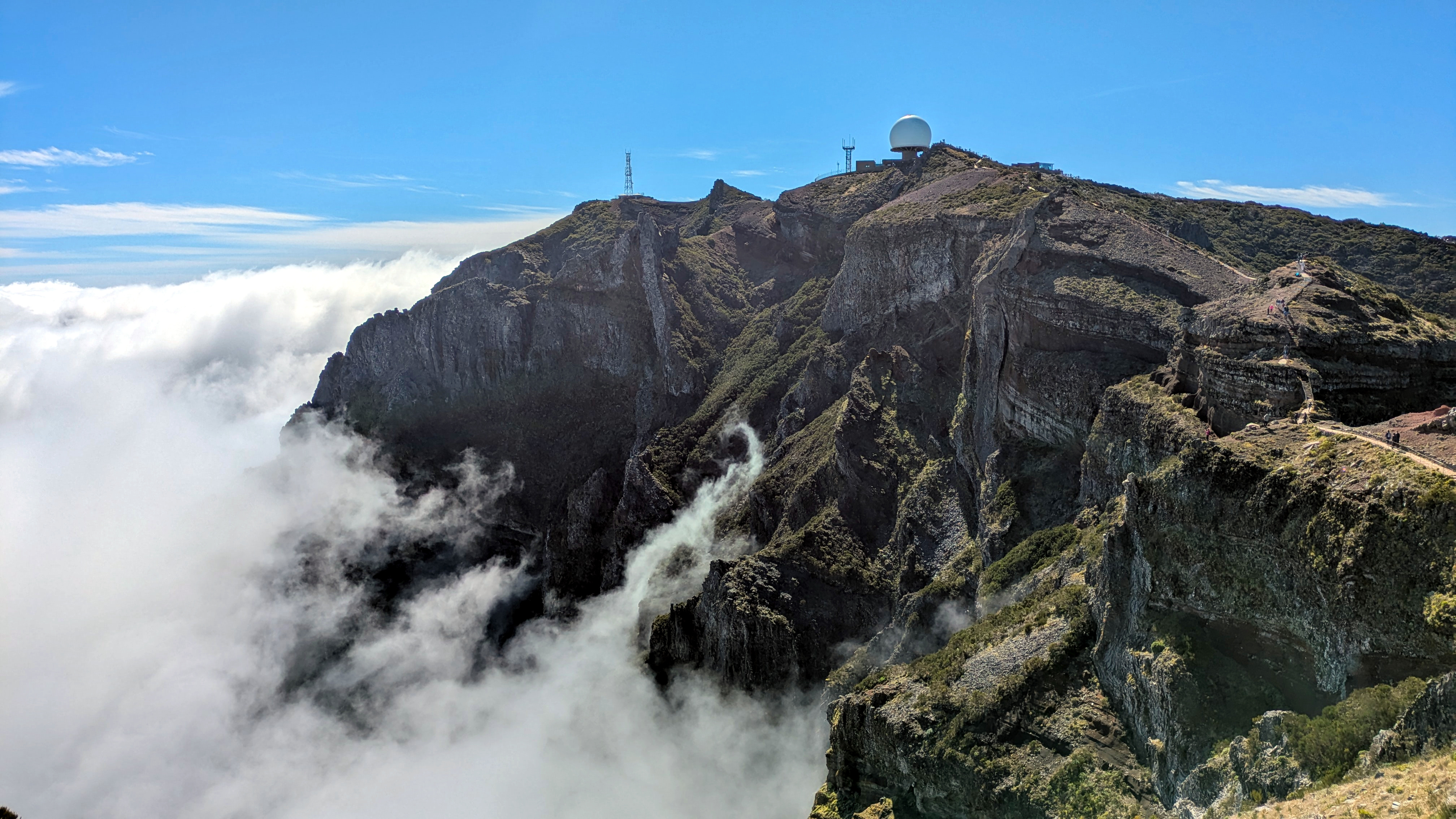
Editorial note, October 2026: Featured photo depicts Pico do Areeiro, Madeira, one of Portugal’s autonomous regions—not all of Portugal. Examples of a cork shipment and visitor journey are illustrative. Municipal figures are from the government transparency portal; economic and climate commentary draws on the OECD’s 2026 survey. Verify current local service rules with the relevant authority.