
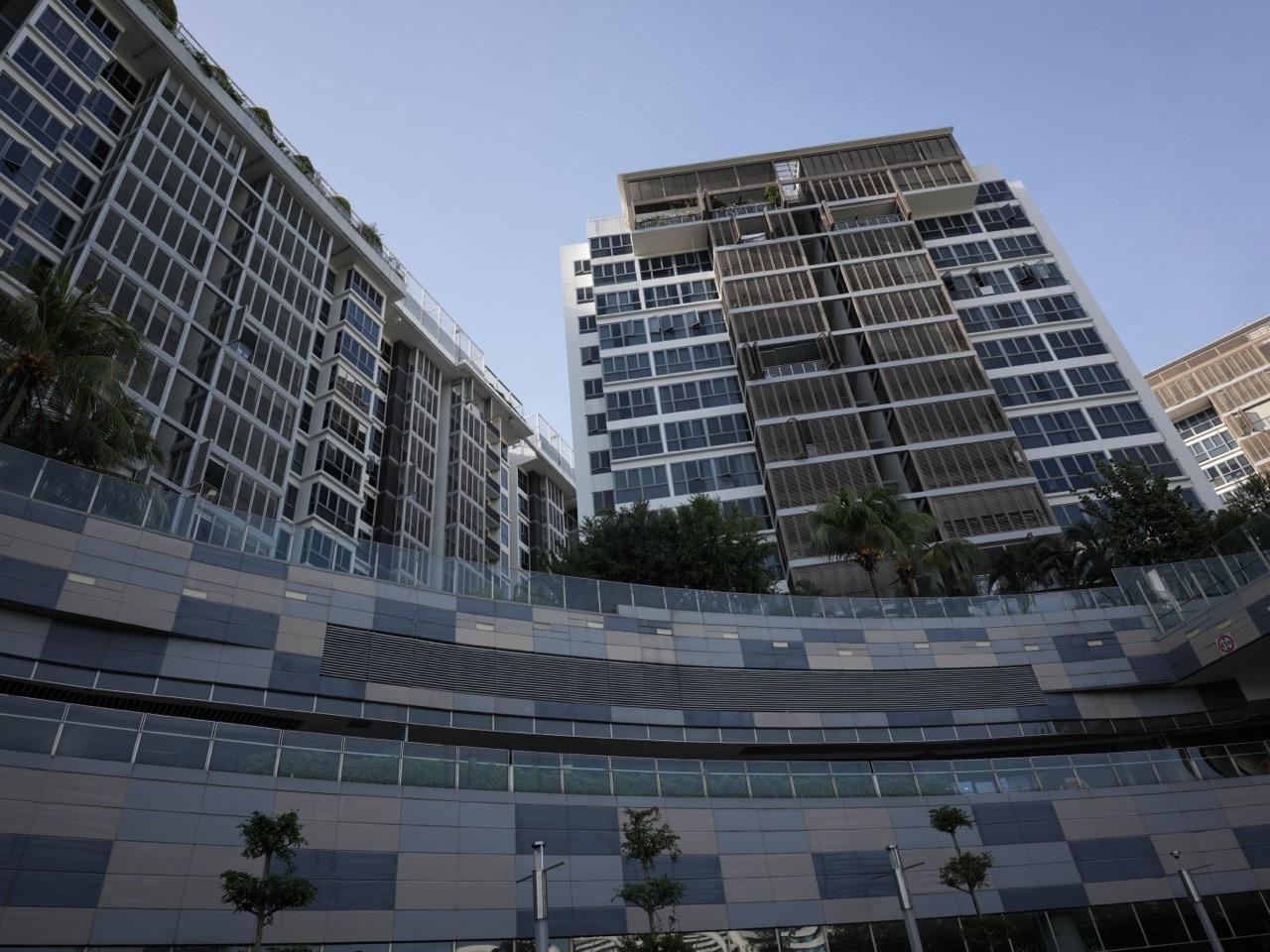
If a condo dispute concerns duties, by-laws or another matter covered by the Building (Strata Management) Act, the Strata Titles Boards (STB) may be able to make an order. Start with the STB pre-filing assessment and identify the order you want. For ordinary applications under the Act, STB lists a $500 application fee and publishes separate forms for individuals and management corporations.
Gather a dated chronology and the records that support the requested order. Once the case is accepted, STB directs applicants to serve the application and supporting documents on the respondent within five working days and return the Memorandum of Service. Follow the instructions issued for your case. Mediation comes before a hearing in the usual process.
- Identify the parties, the statutory issue and the order sought.
- Use the pre-filing tool, current forms and filing instructions.
- Serve the accepted application as directed and keep proof.
- Prepare a practical outcome for mediation and comply with later directions.
Find the section you need
Chapters 1–3
Start with the dispute and the requested order
Write down who is involved and what you need them to do. The Strata Titles Boards hear specified strata disputes under the Building (Strata Management) Act. Its published examples include certain inter-floor leakage disputes and applications about by-laws, contributions, meetings or supply of documents. Each order has its own statutory requirements. Use the pre-filing assessment as guidance and read the provision relevant to your case.
A dispute with an upstairs owner about access for investigating a leak may raise different questions from a dispute with the management corporation about a common area. Identify which duty or action is at issue. Ask for independent legal advice if the responsible party, legal basis or available order is unclear. The tribunal’s staff can explain procedure, but STB says it does not provide legal advice on your case.
Separate a strata dispute from other issues
A tenancy deposit dispute, a contract claim against a contractor and a collective sale can follow different processes. Even if the facts involve the same condo, the forum depends on the issue and remedy. This guide covers ordinary applications under the strata management legislation. STB publishes a separate process and fee information for collective sales under the Land Titles (Strata) Act.
Ask whether a practical step remains before filing. For instance, you might need to request a joint inspection, get the current by-law or ask management to explain its decision in writing. If there is a relevant deadline, obtain advice rather than assuming discussions extend it. Keep evidence of efforts to resolve the problem and any response.
Use a practical example to identify the order
Consider a unit owner who discovers water marks below an upstairs bathroom. The owner informs the managing agent, photographs the affected ceiling and asks for a joint inspection. If access is disputed, record the dates of the requests and responses. Ask what order would address the problem. It might concern access, an obligation to investigate or another step under the relevant provision. The applicant should check the actual statute and obtain advice if the issue is unclear.
In a different case, an owner asks to inspect records about a proposed contribution. The relevant questions are which documents were requested, when the request was made, what the management corporation said and what legal duty is claimed. Separate a request for documents from a request to change the amount of a contribution. The evidence and order sought may be different.
Use STB’s examples as a way to find the relevant section, then read the actual legal requirements. Avoid assuming that the tribunal can grant every remedy a party wants. If a dispute involves several parties or there is a separate court or contractual issue, get advice on which questions belong in the application. A clear application can identify a specific problem without trying to resolve every disagreement between the parties at once.
Write a one-sentence statement before assembling the documents. It should name the issue and the action sought. If that is difficult, identify what is missing. The missing fact might be the current by-law, the lot number, the person who made a decision or the document establishing who has authority to act.
Back to contents · Next chapter
Use dates and verifiable events
List when the issue first occurred, when it was reported and what inspections or responses followed. Keep the chronology in order from earliest to latest. Identify the documents that support each event. Describe any dispute about the facts plainly. For example, record that a stain appeared on a date and that the source was not yet established. A photo of the stain can establish an observation without showing where the water came from.
For leakage, STB’s filing instructions discuss dated, labelled colour photographs and relevant floor plans. An inspection report, correspondence about access and the repair proposal may also help explain the issue. Keep the original files. Mark where the plan and the photograph correspond, while avoiding unnecessary information about other residents.
Connect each document to what you want ordered
A long conversation history can obscure the useful part. Identify the lines showing the date of a request, the response and any subsequent action. Keep enough context to make the exchange understandable. If you need a decision about a by-law, use the current version and obtain the resolution or other relevant papers if they are material. For a contribution dispute, separate the notice, calculation, payment record and objection.
Write a short statement of the result you seek. If the problem is lack of access for inspection, say what access or arrangement you believe is needed and why. If the dispute is about documents, identify the specific records and prior request. The supporting evidence should lead to the requested order rather than simply recording frustration.
Make the documents usable for both sides
Start the evidence index with the latest version of each key document. If a by-law changed, label the earlier and current versions and explain which one applied to the events. If a managing agent sent several statements about a contribution, keep the notice, corrections and payment history in date order. Show how a reader can verify the facts without asking them to infer which statement you used.
In a leakage case, identify the affected premises on the relevant plan and use clear dates for photos. If you have an expert report, check that it is complete and distinguishes observations from conclusions. Explain which document establishes access, the result of an inspection or an attempted repair. Retain originals or source files as appropriate for any further directions.
If a document includes sensitive information unrelated to the dispute, ask what can be redacted without affecting the evidence or failing to comply with the tribunal’s directions. Follow the current procedural instructions. Make sure each required recipient receives the correct material. Keep the version you served and the version filed so you can confirm they match if there is a question.
Before filing, try reading the summary from the perspective of somebody who has never visited the condo. It should be possible to identify the lot or common area, the disputed event, the person responsible for the requested action and the evidence supporting it.
Back to contents · Previous chapter · Next chapter
Use the current form and instructions
STB’s applicant guidance says individuals filing in a personal capacity use Form 8 and management corporations filing through their representatives use Form 9. Check who must sign. The personal application instructions say all owners of the property should sign. If the registered ownership or authority is unclear, check what the tribunal requires before lodging the form.
STB’s published page explains email submission, minimum text size, paginated documents and the hard-copy requirements. It currently describes four sets of the application and evidence, with instructions on submission and payment. Follow the latest official page and any case-specific directions. Ask about accessible formats or other practical needs early.
Verify fee and acceptance
STB lists a $500 fee for ordinary applications under the relevant legislation, including processing and two mediation sessions. Its fee page explains charges for later attendances where applicable. Use the payment instructions issued for the case and retain confirmation. Check current fee information before assuming any particular amount beyond the initial filing fee.
Distinguish an email sent from a case that has been accepted. If the tribunal requests a correction, note the change and send the corrected version as instructed. Retain a final copy so the respondent receives the same set that belongs to the accepted application. The acceptance letter is important because it triggers the next steps in STB’s published process.
Build a filing packet you can check page by page
Start with the current form and keep a working copy until the details are settled. Add an index for supporting documents and number the pages in sequence as STB instructs. Use a short title and date for each item, such as the managing agent’s inspection response or the latest levy notice. Cross-reference the page numbers from the chronology. Confirm that photographs remain legible when printed and that floor plans show the relevant area where needed.
Ask another person to check that the respondent, property and proposed order are consistent throughout. If two people own the lot, verify the signing instructions before filing. A missing signature or outdated form can take time to correct. If you are applying for a management corporation, check what proves authority to act and who will attend.
Keep copies of the email, attachments, payment confirmation and acceptance letter. Mark which version was filed and, once accepted, which version must be served. If you need to replace a document, ask STB how to do so. Do not substitute a new set during service without checking the directions.
After receiving the letter, make a service plan for each respondent. Note the applicable dates, method and evidence to retain. Read the instructions for the Memorandum of Service before sending the documents so you know what proof to collect. If an address is uncertain, raise that promptly with the relevant adviser or tribunal contact. These steps matter even where the parties have already been corresponding about the same dispute.
| Stage | What to prepare | What to check |
|---|---|---|
| Before filing | Chronology, parties and desired order | Jurisdiction and suitable provisions |
| Filing | Correct form and indexed evidence | Signatures, fee and document instructions |
| Acceptance and service | Complete packet for respondent | Five working days and Memorandum of Service |
| Mediation | Options for resolving the dispute | Attendance and authority to settle |
| If unresolved | Materials required by the Board | Directions, hearing dates and fees |
Back to contents · Previous chapter · Next chapter
Use the directions issued with acceptance
STB says applicants should serve the accepted application and supporting documents on the respondent within five working days after receiving the case acceptance letter. Read the letter for the method, address and any instructions. Use the respondent named in the proceedings. If there is more than one respondent, ask how service must be completed for each. Seek prompt advice if service is difficult or you cannot meet the stated timeline.
STB also instructs applicants to notify it of service by returning the completed Memorandum of Service issued with the acceptance letter. Keep the date, method and proof of delivery. An earlier email about the dispute is a different communication from formal service of the application. Follow the specific procedure rather than relying on the recipient’s prior knowledge.
If you receive an application, read it promptly
Check the respondent guidance and any deadline given in the documents. Identify the orders sought and the evidence cited. Gather your records and reply through the required process. If you need advice or have a practical issue with attendance, act early. Keep any contact with the other party respectful and consistent with the formal directions.
A managing agent may assist with records and scheduling, while the management corporation may need to decide who has authority to act. An individual owner should likewise verify representation requirements. Make a file with the papers actually served, the date received, correspondence and notices of upcoming sessions.
Back to contents · Previous chapter · Next chapter
Bring a proposal that can be carried out
STB’s general procedure involves mediation and can progress to a hearing if unresolved. At mediation, focus on a workable outcome. In a leak dispute, the practical points might be access, the timing of an inspection and how the findings will be shared. If the dispute concerns a document, identify the record and a practical way to supply it. Check whether the person attending has the authority the Board requires to reach a settlement.
Prepare a one-page summary of the events, the issue and possible solutions. Bring the required copies and check STB’s guidance if you want to rely on material not already filed. If an interpreter is needed, follow the applicable notice and information requirements. Do not wait for the session to raise a foreseeable difficulty.
Understand confidentiality and the record
STB describes its mediation as confidential and explains how what is said in mediation is treated if the matter later proceeds. Read that guidance before sharing any note or relying on a mediation statement in a later filing. Keep ordinary evidence of the dispute separate from material created specifically for mediation.
If a resolution is reached, verify the terms and the steps for closing or recording the case. Set dates and identify who will carry out any agreed action. If only some issues are resolved, clarify what remains and follow the Board’s directions for the rest.
Separate settlement options from hearing evidence
A settlement proposal should be detailed enough to carry out. For example, it can identify the location to be inspected, who will arrange access, how the parties will agree on a date and when the inspection findings will be shared. If a repair is discussed, ask who will appoint the contractor, what the repair covers and how completion will be confirmed. The parties may need time to check whether an agreement is practical.
Think about more than one workable sequence. In a leakage dispute, the source may still be uncertain. A joint inspection may therefore be a first step, with further work considered once a report is available. In a dispute about records, a workable solution may identify specific papers and a time for inspection or supply. Use the facts and any authority limits before agreeing.
STB’s confidentiality guidance matters if the case continues. Keep the evidence that existed before mediation separate from notes made for that discussion, and follow the directions on what can be used. If there is no settlement, check the Board’s next notice rather than assuming that another mediation date or hearing will be set in a particular way. Record the steps and deadlines it gives.
If settlement occurs outside the session, follow STB’s instructions for notifying it or withdrawing the case. Make sure the relevant parties understand what has been agreed and whether the application is still open. Keep the formal confirmation and any deadlines for performing the agreement. Closing the case and completing the agreed work may occur on different dates.
Back to contents · Previous chapter · Next chapter
Prepare for the hearing process
If mediation does not resolve the matter, STB says the Board can give directions for a hearing. Read each direction and put dates in a calendar. Prepare evidence in the form required, including any witness or report material the Board directs. Ask about fees, representation and filing procedures early. The next step should come from the formal notice, rather than from what happened in another dispute.
A chronology can still help at this stage, but the Board’s directions may require different documents or sequencing. Compare the relevant legal provision with the order you are asking for and seek advice if the issue is complex. If parties settle before the hearing, follow STB’s current instructions for notifying it or withdrawing the application.
Read the order and confirm what follows
If an order is made, identify who must do what and by when. Keep the issued document and note any further steps required. If the order is unclear to you or you are considering a challenge, obtain timely legal advice on the available routes and deadlines. Avoid assuming there is a further opportunity simply because a party disagrees with the outcome.
Close the file only after checking the actual decision and practical follow-up. Keep the application, proof of service, formal notices, order or settlement and any evidence of completion. That makes the record usable if the same repair or access arrangement needs to be checked later.
Keep a hearing calendar separate from the repair calendar
An ongoing dispute can involve inspections, contractor visits and tribunal directions at the same time. Put the formal deadlines and notices in one calendar and planned practical work in another. If an inspection is delayed, check whether it affects the evidence or requires you to ask the Board for directions. Do not assume that private agreement about access changes a tribunal deadline.
The party handling the case should review what has been resolved and what still needs an order. In a contribution dispute, the management corporation might correct one item while the parties still disagree on another. In a leakage matter, access might be agreed but responsibility for repair might remain open. Keep the current issues visible and follow directions about any amendments or settlement.
After the order or settlement, note any review, payment or work dates in the relevant calendar. If there is uncertainty about what happens when a deadline is missed, obtain advice promptly. Retain the formal papers and practical completion evidence together so you can establish both what was required and what happened.
Back to contents · Previous chapter · Next chapter
How much does a BSMA application cost?
STB lists $500 for an ordinary application, including two mediation sessions. Check its current schedule for other fees.
Which form should I use?
STB’s applicant guidance lists Form 8 for personal applications and Form 9 for applications on behalf of a management corporation.
When do I serve the application?
STB says to serve it with the supporting documents within five working days of receipt of the acceptance letter. Follow its specific directions and return the service memorandum.
Can a water leak be an STB matter?
STB identifies certain inter-floor leakage disputes under the Act. Check the facts, parties and available orders before filing.
What if mediation does not resolve it?
The Board can give directions for a hearing. Follow the notices and get advice if the procedure or remedy is unclear.
Back to contents · Previous chapter · Official sources and next reading