
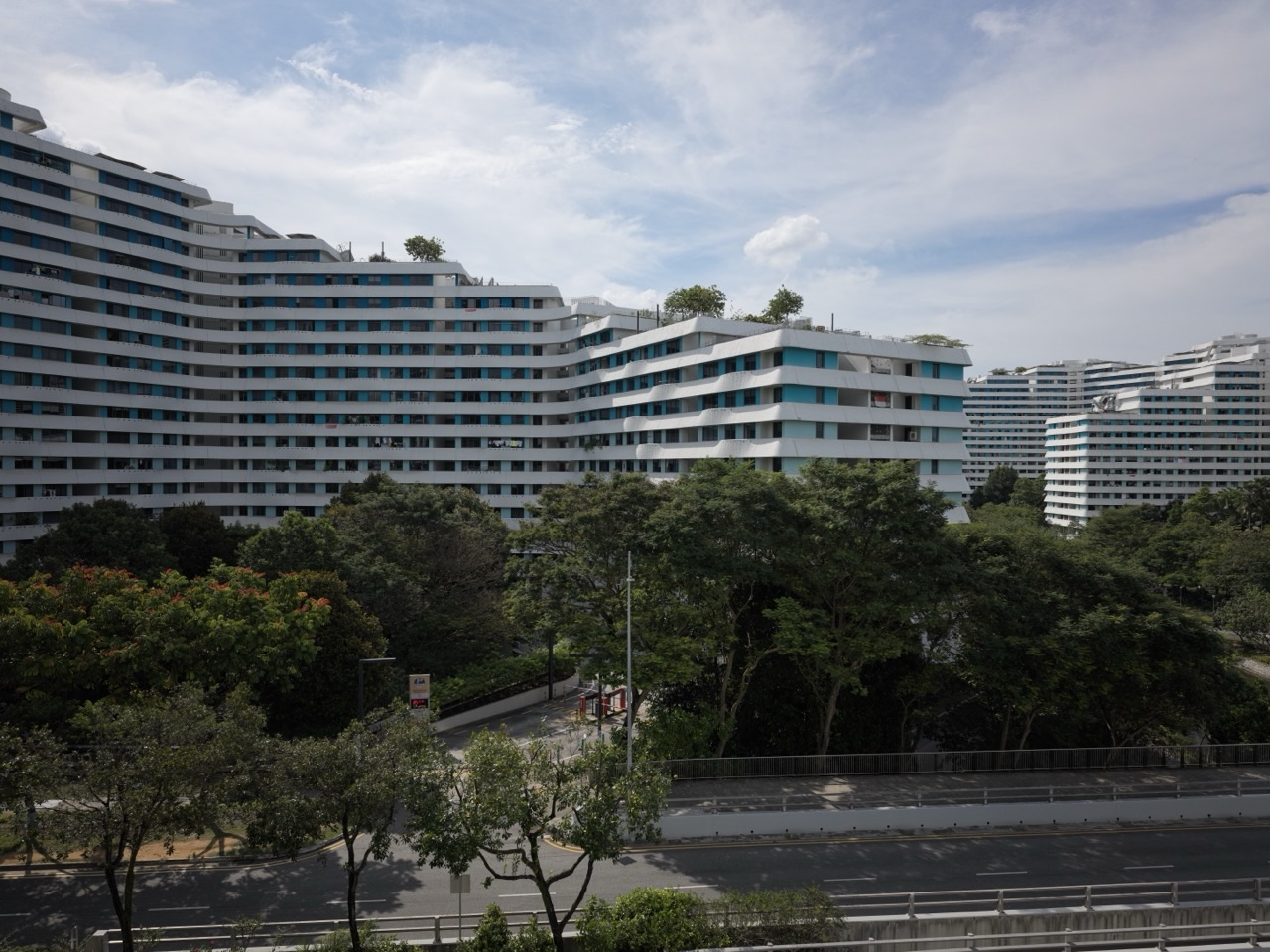
Singapore condominium owners should know two different mandatory building-safety regimes: Periodic Structural Inspection (PSI) and Periodic Facade Inspection (PFI). Under BCA’s current guidance, residential buildings covered by PSI undergo structural inspection every ten years, while non-residential buildings follow a five-year cycle. Under PFI, qualifying buildings more than 20 years old and over 13 metres high must undergo facade inspection every seven years. Detached, semi-detached, terraced and linked houses used exclusively as residences are generally exempt from these regimes. The building owner is responsible for arranging inspections when BCA serves the relevant notice; for strata developments, the MCST acts as the building owner.
PSI is conducted by a qualified Structural Engineer to examine structural integrity. PFI uses a qualified Competent Person, such as an eligible Professional Engineer or Registered Architect with approved facade inspection certification, potentially assisted by a facade inspector. They are not interchangeable, and a developer’s earlier construction quality award does not replace periodic safety inspection. Both regimes can lead to rectification work, which the MCST must budget and arrange safely. BCA’s PFI regime has operated since 1 January 2022.
- identify the development’s building age, height and legal classification
- ask the MCST when it last received a BCA PSI or PFI notice
- obtain the current inspection status and any summary of material defects
- distinguish structural frame, facade, windows and private fittings
- verify the Structural Engineer or Competent Person’s qualifications
- ask how access, drones or close-range checks will be arranged
- review repair recommendations and deadlines
- check whether sinking funds can support likely works
- keep residents away from reported unsafe areas
- and do not assume exemption from one regime means no maintenance duty.
Contents: two inspection regimes, professional roles and budgets
- 1. Why periodic inspections matter even in a desirable condo
- 2. BCA regulates two distinct inspection programmes
- 3. The basic PSI frequency for residential buildings
- 4. The separate five-year non-residential PSI cycle
- 5. PSI exemptions need correct property classification
- 6. PFI applies above a height and age threshold
- 7. PFI is about public safety as well as appearance
- 8. Landed house exemptions do not remove safety duties
- 9. Who the building owner is in a strata estate
- 10. A Structural Engineer leads PSI
- 11. The Competent Person is central to PFI
- 12. Facade Inspectors work under supervision
- 13. Drones can support visual inspections
- 14. Representative hands-on checks may still be required
- 15. A falling feature needs immediate action
- 16. Cracks require proper interpretation
- 17. Spalling concrete and corrosion can be significant
- 18. Facade tiles and cladding have different fixing methods
- 19. Window safety intersects but is not identical
- 20. The formal BCA notice sets the process in motion
- 21. Professional appointment should be transparent
- 22. Inspection and rectification are separate expenses
- 23. BCA can require timely rectification
- 24. Sinking funds and special levies
- 25. A mature estate needs a maintenance calendar
- 26. Buying an older condo: ask specific questions
- 27. PFI does not guarantee the whole unit is defect-free
- 28. A mixed-use building can need coordinated inspections
- 29. Planning works should not ignore inspection findings
- 30. When owners believe the MCST is inactive
- 31. Explain the process to residents plainly
- 32. A five-stage MCST safety workflow
- 33. Final condo owner questions
- 54 practical inspection situations
- Frequently asked questions
- BCA primary sources
1. Why periodic inspections matter even in a desirable condo
An expensive apartment can be located in a building where concrete, fixings, cladding, drainage and steel elements have been exposed to years of weather and use. Price does not establish the current physical condition of its structure or exterior.
Periodic inspections help identify deterioration before it harms occupants or the public. They do not guarantee an entirely defect-free building or replace routine observation between inspections.
Ask about the building’s safety record and maintenance response. A mature estate with diligent repairs can be preferable to a younger building with persistent neglected defects.
2. BCA regulates two distinct inspection programmes
Periodic Structural Inspection, or PSI, focuses on the structural stability and integrity of a building. Periodic Facade Inspection, or PFI, focuses on deterioration or hazards affecting the exterior facade and related exterior components.
The first is conducted through an appointed Structural Engineer; the second through a qualified Competent Person with the required facade assessment competence.
Do not assume a facade inspection is sufficient to assess foundation movement or that a structural report necessarily examined every window fitting and cladding panel.
3. The basic PSI frequency for residential buildings
BCA’s 2026 PSI page states a ten-year inspection frequency for residential buildings to which the regime applies, compared with five years for non-residential buildings.
The statutory process uses BCA’s notices and appropriate appointment of a Structural Engineer. A building’s current inspection schedule depends on its classification and relevant notices, not simply an owner adding ten years to an arbitrary sales-launch date.
Ask the MCST for the latest PSI date and the next notice status. Do not present an informal estimated deadline as an official BCA order.
4. The separate five-year non-residential PSI cycle
A mixed-use development may contain commercial and residential components. BCA identifies a shorter five-year PSI frequency for non-residential buildings under the relevant category.
That does not mean every apartment over a shopping mall automatically follows only the five-year rule or only the ten-year rule. The actual building classification and BCA instructions matter.
Ask the managing body how the relevant parts are assessed and which entity is responsible for arranging and funding the inspections.
5. PSI exemptions need correct property classification
BCA lists detached, semi-detached, terraced and linked houses used exclusively for residence, plus temporary buildings, among the PSI exclusions. A private multi-storey strata development should not assume it shares those exclusions merely because some units look like landed homes.
An older cluster-house project can have a different legal structure from an individually titled terrace house. The exact building and its regulatory classification should be established first.
If in doubt, ask BCA or the appointed professional for case-specific guidance rather than copying an exemption from a neighbour’s property.
6. PFI applies above a height and age threshold
BCA’s 2021 announcement states facade inspection is required every seven years for buildings more than 13 metres tall once they are more than 20 years old, subject to specified exemptions.
The regime came into effect on 1 January 2022. The height and age thresholds are cumulative requirements; a small building that meets only one is not necessarily in the same regulatory category.
Check the building’s official height and age rather than estimating from floor count or the year a property advertisement first appeared.
7. PFI is about public safety as well as appearance
Facades can contain tiles, cladding, sunshades, attachments, exterior boards and other features. Deterioration may create a falling-object risk for people at ground level even when the interior apartment appears unaffected.
BCA developed PFI to detect damage and arrange rectification before a facade incident occurs. A fresh coat of paint does not certify concealed metal fixings or the attachment of a heavy facade panel.
Residents should promptly report loose elements or falling debris and avoid unsafe areas until qualified people assess them.
8. Landed house exemptions do not remove safety duties
BCA says ordinary detached, semi-detached, terraced and linked houses used solely as residences are generally excluded from the periodic inspection regimes. It does not mean their owners may ignore structural cracks or unsafe roof components.
Owners remain responsible for maintaining property safely under other applicable laws and duties. Unsafe work may still require professional engineering, permits and protection of neighbours.
Do not interpret regulatory exemption as structural certification. Good home maintenance continues regardless of compulsory inspection frequency.
9. Who the building owner is in a strata estate
BCA’s PSI page expressly states that the Management Corporation is responsible as building owner for a strata-titled development. That includes appointment and timely submission of appropriate professional inspection reports.
Individual owners contribute through the development’s statutory financial and management arrangements but do not normally hire an engineer separately to complete the estate-wide mandatory inspection in the MCST’s name.
Ask the council for its plan and documented status. A private resident can raise concerns even where the statutory appointment duty falls on the MCST.
10. A Structural Engineer leads PSI
The appointed engineer assesses the building’s structural condition, identifies areas needing repair and submits an inspection report to BCA within the specified period.
Structural examination can involve inspection of columns, beams, slabs, load paths and areas showing movement, cracking, corrosion or other deterioration, as appropriate for the building and professional method.
Do not ask an ordinary paint contractor to declare a crack structural or nonstructural solely from a photograph. A qualified Structural Engineer can interpret the evidence.
11. The Competent Person is central to PFI
BCA requires a qualified Competent Person for facade inspection. The CP can be an eligible Professional Engineer or Registered Architect with required competence and can appoint trained Facade Inspectors under direct supervision.
The CP controls methodology, risk assessment, equipment and reporting. A worker taking facade photographs without professional oversight is not automatically a compliant PFI service.
Verify appointments and responsibilities before relying on a contractor’s generic marketing claim that they can certify any building.
12. Facade Inspectors work under supervision
BCA says the Facade Inspector performs visual or close-range checks under the direction and control of the Competent Person, documents observations and reports unsafe findings.
This division supports systematic evidence gathering while preserving professional accountability. A facade inspector’s assistance does not relieve the CP of responsibility for the assessment.
Ask how the CP will review the findings and what happens if an unsafe condition is found during the inspection.
13. Drones can support visual inspections
BCA permits the use of properly accredited unmanned aircraft systems for appropriate PFI visual inspection, with notification and professional oversight requirements.
A drone may help reach difficult exterior elevations but does not substitute for close-range or hands-on checks where the prescribed method requires them. Professional judgement still matters.
Residents should receive appropriate safety and privacy information about drone activity. A visual survey is not permission to capture unrelated private interiors.
14. Representative hands-on checks may still be required
BCA’s PFI framework includes visual and representative close-range or hands-on evaluation of facade elements. The qualified professional selects safe methods for different elevations and components.
Some inspections may require access arrangements, rope work or elevated equipment controlled by qualified teams. Occupants should follow safety zones and management notices.
Do not stand beneath workers or remove protective barriers just to access a preferred entrance. Public safety is the reason for the inspection.
15. A falling feature needs immediate action
If tiles, cladding or an exterior element have already fallen, keep people clear of the area and alert building management and emergency services where the situation is dangerous.
BCA’s PFI guidance requires the Competent Person to notify the Commissioner of Building Control immediately upon identifying unsafe facade defects and to coordinate risk mitigation.
Do not wait for the next seven-year inspection date to address an active hazard. Periodic inspection is the baseline, not a delay permission.
16. Cracks require proper interpretation
Not every hairline plaster crack is structural, and not every serious crack is visually dramatic. Location, width, pattern, movement and the supporting element all matter.
A structural engineer may use observations and additional investigation to distinguish cosmetic defects from deterioration requiring remedial work.
Owners should record photographs and dates without making absolute diagnoses. Report new or worsening cracks promptly to management.
17. Spalling concrete and corrosion can be significant
Concrete cover can deteriorate and reinforcement may corrode, particularly where water penetration persists. Some conditions are superficial; others can affect safety and repair scope.
Ask the professional to identify the actual defect and repair design. A quick plaster patch may hide deterioration without addressing corrosion or moisture.
Budget for correct rectification rather than simply keeping the lobby visually attractive. Structural safety is more important than fresh paint.
18. Facade tiles and cladding have different fixing methods
An older facade may use tiles, rendering, metal cladding or composite panels. Their anchoring, adhesive and deterioration mechanisms differ, so inspection approaches also differ.
A professional should evaluate the particular system and recommend appropriate remedial work, including safe access and testing where needed.
Do not copy a repair recipe for one building onto another solely because both exteriors look similar from the road.
19. Window safety intersects but is not identical
Residents may be responsible for maintaining certain private window components, while exterior facade and frames can involve common-property or building-wide issues.
HDB has a separate window-safety regime for flats and private strata developments have different responsibilities. The PFI regime does not relieve owners from attending to a loose or damaged private window now.
Ask the MCST and a qualified installer which component is affected. Do not treat a facade report as a warranty on every window hinge.
20. The formal BCA notice sets the process in motion
BCA serves PSI or PFI notices to the responsible building owner. The MCST must appoint the relevant professional within the stipulated timeframe and ensure required reports are submitted.
A reminder in a residents’ WhatsApp group is not the statutory notice. Ask the council or managing agent to show the official timeline and appointment details.
If the estate has missed a deadline, seek appropriate BCA and professional guidance rather than assuming silence means no inspection is required.
21. Professional appointment should be transparent
A good MCST procurement process should compare relevant qualifications, scope, methodology, safety measures, reporting and fees. The cheapest proposal is not necessarily suitable for a complex building.
Ask how access, testing, resident notification and findings will be managed. For PFI, check the CP’s specific competence and any accredited drone provider.
Keep the formal contract and appointment records. They help the council demonstrate it commissioned a legitimate assessment.
22. Inspection and rectification are separate expenses
Paying for a PSI or PFI report does not necessarily include repair work. A defective facade could require scaffolding, engineering design, materials and follow-up inspection.
Review the scope and budget separately for inspection, urgent temporary safety measures and permanent repairs. Distinguish known defects from contingency.
A small annual reserve for professional checks will not automatically fund a major facade replacement. Long-term financial planning matters.
23. BCA can require timely rectification
BCA’s official guidance says building owners must implement recommended rectifications within the given timeframe. An inspection report is not permission to defer unsafe repair indefinitely.
The specific work scope and deadlines follow the professional findings and applicable regulatory directions. A report with no immediate defect is not a guarantee against future maintenance needs.
Ask the MCST for an action register showing responsible contractors, completion dates and verification.
24. Sinking funds and special levies
MCST contributions typically include management and sinking funds. A large capital repair can require expenditure from appropriate accounts or additional lawful owner contributions where reserves are insufficient.
Owners should ask for the financial impact and governance process, including scope, quotations and how urgent safety work will proceed. An unpopular levy does not remove the need to address a hazard.
Keep cash reserves for potential common-property assessments when buying an older condominium. The price paid for the apartment is not the lifetime cost.
25. A mature estate needs a maintenance calendar
PSI at a ten-year residential frequency and PFI at seven-year intervals for qualifying buildings are separate clocks. Ordinary lift servicing, pool maintenance and roof checks follow their own needs and rules.
Build an asset register with last inspection dates, upcoming notices, significant defects, contractor warranties and expected replacement timing.
A well-managed building should not first discover its major safety obligations when a piece of cladding falls into the driveway.
26. Buying an older condo: ask specific questions
During due diligence, ask the agent or MCST for known PSI and PFI status, outstanding remedial works, recent facade incidents and any approved special levy. Some information may require the seller’s authorised access.
Do not accept ‘BCA inspected the building years ago’ as a complete answer. Find out which inspection, the report date and whether recommended work was completed.
A buyer may decide that a well-funded repair programme is acceptable or that the cost risk exceeds the budget. Evidence enables that choice.
27. PFI does not guarantee the whole unit is defect-free
A compliant facade inspection focuses on defined exterior elements and safety, not every private apartment’s plumbing, wiring or waterproofing.
Inspect the actual home separately, particularly older bathrooms, air-conditioning systems and water seepage. The MCST’s inspection can be a valuable asset-level signal without replacing individual due diligence.
Use complementary records rather than expecting one certificate to answer all property-condition questions.
28. A mixed-use building can need coordinated inspections
An integrated building may have retail, office and residential components with different operating cycles and legal management structures. Building classification and common services can affect inspection arrangements.
Where there are subsidiary management corporations, clarify which entity is the responsible owner for the building components and how costs are allocated.
Do not assume a shopping mall owner bears every facade repair or that apartment owners fund all structural work. The title, statute and BCA notice matter.
29. Planning works should not ignore inspection findings
A proposed renovation adding external equipment or modifying building structures should consider existing defects and any BCA inspection or rectification directions.
A developer or owner cannot simply conceal a facade defect behind new cladding without proper technical resolution and regulatory compliance.
Ask the Qualified Person to coordinate the work with existing inspection records, contractor warranties and BCA notices.
30. When owners believe the MCST is inactive
Start with a written request for the actual inspection status and any material safety findings. Ask for a specific meeting discussion where necessary, supported by the relevant documents.
If there is an immediate hazard, alert management and the responsible authority promptly rather than waiting for the annual general meeting.
Do not circulate speculative claims that a building is about to collapse. Accurate reporting and qualified assessment protect residents better than panic.
31. Explain the process to residents plainly
Notice should tell people why engineers are inspecting, which areas need access, whether parking or passages are closed, and whom to contact about concerns.
Residents deserve enough information to cooperate safely without unnecessary alarm. Technical reports can be summarised into clear priorities and expected dates.
Good communication does not mean hiding material defects. It means giving factual explanations and a visible rectification plan.
32. A five-stage MCST safety workflow
First check applicability and BCA notices. Second appoint qualified professionals. Third provide plans and safe access. Fourth review the report and implement necessary rectifications. Fifth retain submission and repair evidence.
Repeat the calendar according to the building’s category and additional ordinary maintenance needs. Put recurring tasks under accountable council oversight rather than one volunteer’s memory.
The goal is a reliable long-term safety system that protects occupants, visitors and public space while using funds responsibly.
33. Final condo owner questions
Know whether your development is covered by PSI and PFI, when inspections occurred and whether defects remain unresolved. Review the MCST’s response and budget where it affects safety.
Recognise that detached houses and ordinary high-rise condominiums may follow different regulatory regimes. Do not claim exemption based on appearance alone.
A safe building is not one with no maintenance cost; it is one where qualified people identify hazards, owners act promptly and records remain available for future decisions.
54 inspection and repair situations for condo owners
These examples help clarify responsibilities but cannot replace a Structural Engineer’s or Competent Person’s assessment of an individual building.
1. A residential condo is due for PSI
BCA’s standard residential frequency is every ten years for covered buildings. The MCST should appoint a Structural Engineer when notified and complete required reporting.
2. A shopping mall is in the same development
Non-residential building classification can involve a five-year PSI frequency. Check BCA notice and the actual management allocation rather than assume one interval automatically covers everything.
3. A 25-year-old, 18-metre-high condominium needs a facade check
It satisfies the general PFI height and age thresholds. The building owner should follow BCA’s official notice and seven-year inspection regime, subject to specific exemptions.
4. A 12-metre residential building is over thirty years old
The PFI height criterion is more than 13 metres, so age alone may not place it in the mandatory PFI category. Other maintenance duties remain.
5. A 16-metre condo was completed only ten years ago
The mandatory PFI age threshold is over twenty years. Maintain its facade regardless of whether a regular PFI notice is yet required.
6. An ordinary standalone terrace house is over 40 years old
BCA excludes specified owner-occupied landed residential house forms from PSI and PFI, but unsafe structures still require proper maintenance and professional attention.
7. A cluster house looks like landed property
Check the actual building classification and BCA applicability. A strata development should not assume every individual-title landed exemption automatically applies.
8. The council says the developer’s old quality award suffices
A construction quality award does not replace statutory periodic structural or facade inspections for older buildings.
9. The MCST hires a handyman to certify the building
PSI needs a qualified Structural Engineer. PFI needs the appropriate Competent Person; ordinary general maintenance experience is not a legal substitute.
10. A council hires a facade inspector without CP oversight
PFI’s Facade Inspector operates under the Competent Person’s direct supervision and control. Clarify the appointment and reporting structure.
11. The building wants to use drones for PFI
BCA permits properly accredited providers and prescribed professional oversight for visual inspection. Drones do not automatically replace every close-range check.
12. Residents worry the drone will film through windows
Management should provide reasonable safety and privacy information. Professional facade images should focus on inspection rather than unrelated private interiors.
13. A tile falls near the entrance
Keep people away and alert management and appropriate emergency authorities. Do not wait for a scheduled inspection.
14. A facade inspector identifies an unsafe feature
The CP must notify the Commissioner promptly under BCA’s guidance and coordinate protective measures with the owner.
15. An apartment has a long hairline wall crack
Photograph and report it; ask for appropriate structural assessment if material. Do not diagnose every plaster crack as catastrophic.
16. A concrete beam has exposed rusting reinforcement
Seek urgent qualified assessment and protect affected areas. Cosmetic patching should not replace necessary repair design.
17. A facade was repainted last year
Fresh paint does not prove structural fixings, cladding or underlying materials are safe. Follow mandatory inspection and maintenance requirements.
18. The MCST has no copy of the previous PSI report
Request the official record and confirm submission with the relevant managing agent or BCA process. Missing records weaken long-term oversight.
19. The developer has handed over the building recently
Ask for all plans, warranties and prior technical records during MCST transition. The first AGM is a useful stage to establish a maintenance register.
20. A building receives a formal PSI notice
Appoint the qualified engineer within the stipulated period and ensure report submission. Do not substitute a later annual general meeting date for the actual notice deadline.
21. The engineer needs access to common rooms
Management should coordinate safe lawful access. Refusing access can delay a required safety inspection.
22. A resident denies access to a private area needed for inspection
Seek correct legal and communication procedures rather than forced entry. The inspecting professional can advise why access is necessary.
23. The PFI report identifies loose panels
Obtain a repair plan and deadlines, implement protective measures and verify completion. Inspection is only the first stage.
24. The council has no money for urgent facade repairs
Review lawful funding and urgent risk controls. Budget shortage does not erase duties to prevent danger to residents and the public.
25. A special levy is proposed after facade inspection
Ask for scope, independent professional recommendations, quotations and fund status. Understand the legal approval process before voting.
26. A seller says ‘BCA checked everything’
Ask which inspection and date. PSI, PFI and private-unit defect checks cover different components.
27. A top-floor apartment has ceiling leakage
Investigate roof, plumbing and strata responsibility separately. A facade inspection does not automatically diagnose every private ceiling leak.
28. An owner wants to add a heavy sunshade
Check whether it affects facade systems or common property and obtain relevant professional and MCST approval. A new element can create future safety risk.
29. An MCST plans facade tile replacement
Use suitable qualified professionals and safe work methods. A generic exterior painting contractor is not sufficient for all structural or facade repairs.
30. A high-rise estate uses multiple contractors
Assign reporting, access, rectification and verification clearly so no critical safety element is left between scopes.
31. The management quote excludes close-range checks
Ask the PFI Competent Person to explain the prescribed inspection method and its compliance rather than accepting a purely photographic visual check automatically.
32. A falling item damages a parked car
Protect the area and document the incident. Insurance and liability depend on actual facts and policy terms, distinct from the immediate safety response.
33. The condo has a large sinking fund
A substantial balance can support necessary work, but owners should still review actual commitments and future replacement needs before assuming everything is funded.
34. The condo has low maintenance fees
Low fees are not proof of good building condition. Ask about deferred repair, inspection budgets and planned capital work.
35. A newly elected council inherits an old facade notice
Review the statutory deadline and existing professional engagement immediately; a council election does not restart the regulatory clock.
36. An investor buys an ageing development
Check PFI and PSI status, known special levies and maintenance plans before pricing potential rental income or capital gain.
37. A 30-year-old facade has never been inspected under PFI
Ask about BCA notices, classification and formal compliance. Do not independently declare the estate exempt because no report was advertised.
38. A crack appears only inside one unit
Notify the owner and MCST as appropriate and seek qualified assessment. A private location can still reflect a structural component.
39. A cladding contractor proposes a quick adhesive fix
Ask for the CP’s approved repair scope and appropriate competent workmanship. Cosmetic fixes may not address unsafe anchorage.
40. The council wants to wait another seven years to repair a defect
A statutory inspection interval is not permission to defer known hazards. Follow professional and BCA rectification directions now.
41. BCA’s PFI threshold is described as ’13 metres or more’
BCA’s official general threshold is over 13 metres. Verify the legal measurement and applicable exemptions rather than casually rounding the rule.
42. A building is classified as a mixed-use project
Discuss with the managing entity which parts follow relevant PSI and PFI notices. Shared building systems may need coordinated treatment.
43. An owner wants private balcony repairs
Check strata boundaries and any relevant building-wide facade concerns. Private and common elements can have separate duties.
44. A PFI visual inspection uses a drone
Accredited UAS providers may support the CP, but the CP remains responsible and must supervise and review findings.
45. A public walkway runs below cladding
Take falling-object risks seriously and follow professional protective measures. Public exposure can increase urgency.
46. A visitor reports falling debris
Keep the area clear, notify management and request professional investigation. Do not dismiss the report merely because no resident was hurt.
47. A building carries old stone cladding
Different facade systems may need specialised investigation. The competent inspector should choose appropriate methods, not copy a glass-building checklist.
48. An estate plans a facade overhaul during occupancy
Coordinate safe routes, notices, fire access and resident privacy. The work should be professionally managed and properly authorised.
49. A private homeowner asks whether all inspections are free
The building owner generally commissions the professionals and funds necessary work. MCST budgets should account for these obligations.
50. The developer’s DLP expired years ago
Periodic structural and facade duties continue independently of developer warranty periods. A mature building must be maintained throughout its life.
51. The property is fully insured
Insurance does not replace periodic inspections, prevention or maintenance. Check actual policy obligations and exclusions.
52. The council needs a simple dashboard
Track PSI and PFI applicability, notice dates, professional appointments, reports, unsafe defects, rectification deadlines and spending.
53. A condo buyer asks one decisive safety question
Request actual inspection and rectification status, rather than accepting a general statement that the estate is old but well maintained.
54. A resident sees loose facade material now
Raise an immediate safety report, avoid the danger zone and let qualified professionals assess the component without waiting for the next periodic inspection.
Frequently asked questions
What is BCA PSI?
Periodic Structural Inspection assessing structural integrity by a qualified Structural Engineer.
How often is PSI required for residential buildings?
BCA’s standard frequency is once every ten years for covered residential buildings.
How often for non-residential buildings?
BCA states a five-year PSI frequency, subject to relevant classification and exemptions.
What is PFI?
Periodic Facade Inspection of qualifying older, taller building exteriors by a Competent Person.
Which buildings generally need PFI?
Buildings more than twenty years old and higher than 13 metres, with specified exceptions, every seven years.
Are ordinary landed houses exempt?
Specified detached, semi-detached, terrace and linked houses used exclusively as residences are exempt from these mandatory regimes, not from general safety maintenance.
Who arranges inspection in a strata development?
BCA says the MCST acts as building owner and is responsible for the statutory appointment and remedial work.
Can a facade inspector sign off alone?
The qualified Competent Person directs and controls PFI; a Facade Inspector assists under supervision.
May drones be used?
Yes, subject to BCA’s accredited service provider and professional oversight requirements for relevant visual inspections.
Does the inspection guarantee no future defects?
No. It identifies conditions at inspection and does not replace continuing maintenance and immediate reporting.
Who pays for recommended repairs?
The responsible building owner or MCST arranges lawful funding and works under its actual obligations.
What should an owner ask the MCST?
The latest PSI/PFI dates, outstanding recommendations, planned rectifications, budgets and any statutory notices.
Official safety and inspection references
BCA’s current PSI and PFI guidance determines the regulatory requirements, including exemptions and statutory notices. Owners should obtain current professional and BCA advice for real building risks.
- BCA Periodic Structural Inspection (2026)
- BCA Periodic Facade Inspection (2026)
- BCA PFI Introduction and Height Criteria
- Building Control Act
- Building Control Periodic Inspection Regulations
- BCA Strata Management Guidance
- Professional Engineers Board
Related Singapore property guides
- First Condo AGM and MCST Governance
- Condo MCST Fees, Sinking Funds and Repairs
- Condo Water Seepage and Common Repairs
- Green Mark Certification and Building Maintenance
Editorial review 7 November 2026. General building-maintenance information, not a structural or facade inspection certificate. Immutable Clementi reference preserved.