
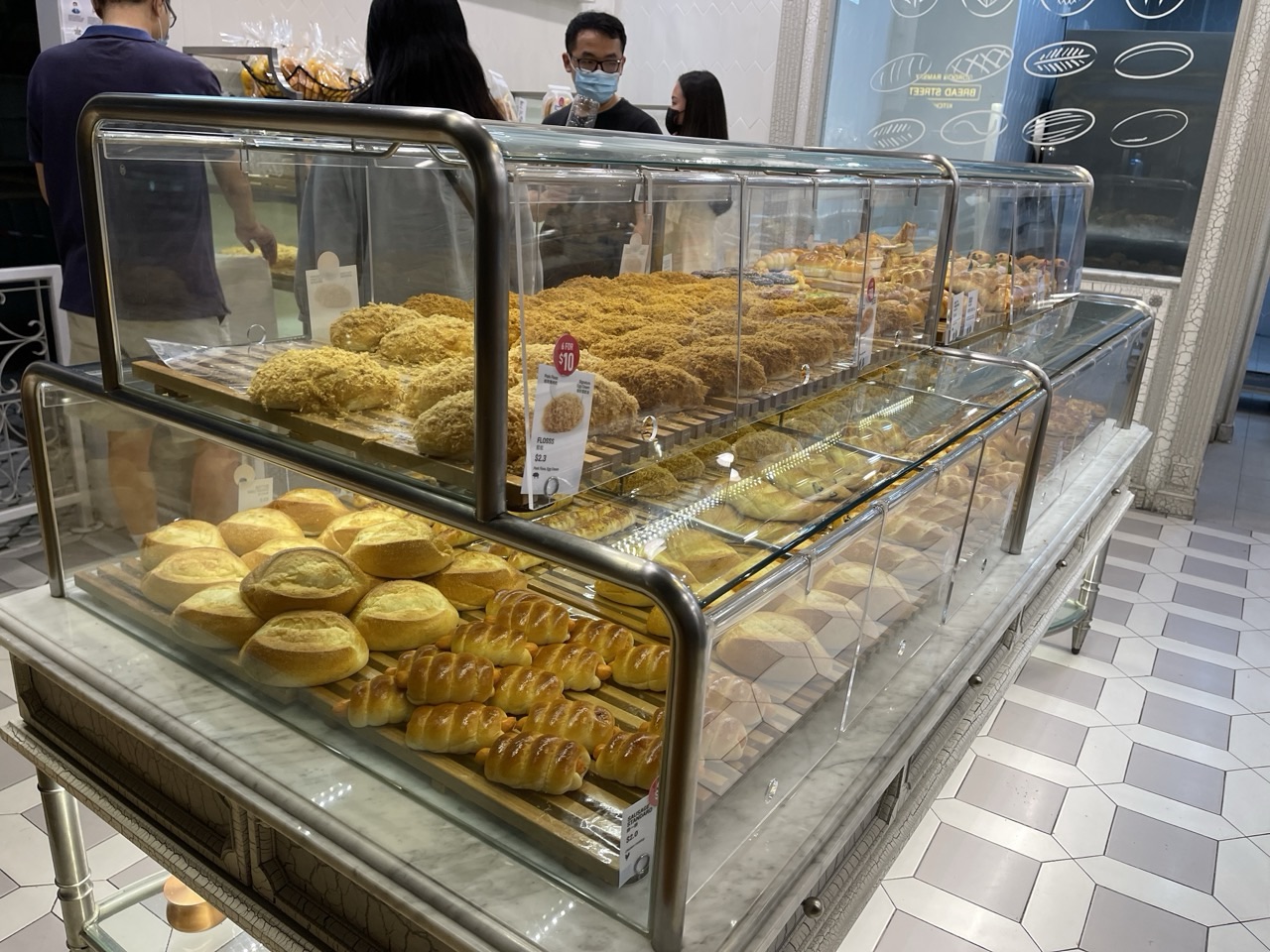
What makes a baker excellent? It is not only a perfectly photographed loaf. It is a skilled person who understands ingredients, dough behaviour, ovens, food safety, customer expectations and the discipline required to repeat a successful result. This guide explains the job from its first measurement to the final sale.
We use a fictional bakery and a simple worked recipe to show how professional judgement grows. The central idea comes from the eduKate Gold Standard master hub: dependable management and consistent execution matter more than extravagant claims. The job of baker is distinct from the food business as a regulated service; this piece focuses on craft, competence and daily decisions.
Singapore food-safety regulations and training arrangements are linked where relevant. Actual recipes, premises and risk profiles must be assessed by the responsible people under current local requirements. Illustrative formula figures are not an endorsed commercial production recipe.
Why people enjoy baking, and what the profession really requires
At home a person may bake one loaf and adjust as they go. At work the baker may need dozens of products ready by breakfast, all prepared in an environment where other people depend on trustworthy ingredient information and hygienic handling. The profession adds production planning, training, product costing, waste control and safe decisions to the pleasures of flavour and texture.
Jump to a chapter
1. Bakers manage living processes, not identical buttons
The baker’s day begins before a loaf reaches a shelf. Flour varies, ambient conditions change, a dough develops as it rests, equipment heats unevenly and customers expect a familiar product every visit. The craft is to recognise which differences matter and control them without removing everything that makes food appealing. A gold-standard baker can produce something delicious once, then explain how to make it safely and dependably tomorrow.
Consider a fictional neighbourhood bakery where a popular sourdough loaf is sometimes dense and sometimes open-textured. One assistant blames the flour; another extends fermentation; a manager changes the oven schedule. Without a shared record, every adjustment creates another unknown. The baker who establishes a recipe, records actual dough conditions, observes fermentation and compares outcomes turns guesswork into a repeatable craft.
Back to all chapters · Read the next chapter
2. Start with an ingredient specification rather than a favourite brand
‘Flour’ is not a sufficient technical instruction for every product. Protein characteristics, milling consistency, absorption and intended use can change dough handling. Butter, chocolate, dairy, fillings, yeast and salt bring their own quality and storage needs. The baker should specify essential functional properties and approved substitutes, while the purchasing team tracks supplier identity, batches and unexpected substitutions.
A recipe should distinguish what is fixed from what may be adjusted after observation. For instance, a change in flour may require a controlled trial before production rather than a casual same-weight replacement across hundreds of loaves. Receiving staff must know when to quarantine damaged or suspect stock and how to escalate an ingredient discrepancy. Consistency begins with a known input, not with a complaint after baking.
Back to all chapters · Read the next chapter
3. Use baker’s percentages to make recipes scalable
Baker’s percentages express ingredient weights relative to total flour weight, treated as 100%. Suppose a simple illustrative bread formula uses 1,000 g flour, 700 g water, 20 g salt and 10 g yeast. Its hydration is 70% and salt is 2%, while the total listed ingredients weigh 1,730 g. That ratio helps the baker scale the formula without changing its intended balance. This is arithmetic for consistency, not proof that the formula suits every flour, technique or product.
Scaling also affects mixing capacity, dough temperature and tray space. A tenfold batch should not be launched merely because the spreadsheet multiplies every line by ten. Check whether equipment can handle the load and whether fermentation, cooling and production flow remain workable. eduKate’s baker’s percentages explanation develops the underlying calculation. The professional skill is knowing when mathematically correct scaling is still operationally unsound.
| Ingredient | Illustrative weight | Baker’s percentage |
|---|---|---|
| Flour | 1,000 g | 100% |
| Water | 700 g | 70% |
| Salt | 20 g | 2% |
| Yeast | 10 g | 1% |
| Total | 1,730 g | 173% |
Back to all chapters · Read the next chapter
4. Control dough temperature through the process
Dough develops differently in a hot kitchen and a cool kitchen, even with the same recipe. Mixing friction, water temperature, ingredient storage and room conditions all contribute. A production record should capture the variables the team can actually measure and control, such as mixing time, dough temperature and the time and appearance at key stages. Staff need to learn what observations mean rather than reading a single clock as the full truth.
Suppose morning bread proofs faster on a humid day while the oven queue is backed up. The right response is not to hope every loaf behaves like yesterday. A baker reviews dough condition, available chilling or staging methods appropriate to the product, and the capacity of the ovens. Variations should be documented when they affect consistency or safety. A good production plan creates room for controlled responses rather than forcing unsafe shortcuts.
Back to all chapters · Read the next chapter
5. Judge fermentation by evidence and product intent
Fermentation changes gas production, dough structure, acidity and flavour. Different breads deliberately aim for different results; an enriched bun and a crusty sourdough should not be judged by one identical target. An experienced baker combines time, temperature, dough feel, volume and process history. They teach others what an underdeveloped or overfermented dough looks and feels like in that specific formula.
The team should record observable results in language colleagues can share: dough spreads on release, shaping resistance weakens, crust colour changes or the finished crumb closes up. Photographs can support a log, but they do not replace sensory judgement. Improvement comes from comparing conditions, adjusting one major variable at a time and evaluating the baked result rather than celebrating mysterious ‘secret techniques’.
Back to all chapters · Read the next chapter
6. Make shaping and portioning consistent without flattening craftsmanship
Portion weight affects price, bake time, appearance and customer trust. Shaping affects tension, gas distribution and how a loaf opens in the oven. A gold-standard baker establishes tolerances and demonstrates the process, then explains which handmade variations are acceptable. Workers should know whether a poorly shaped dough needs repair, a different product use, or disposal under safe process rules.
An apprentice may initially create buns of uneven size. The answer is guided practice with a scale and feedback on hand position, not scolding after an entire tray is baked. Record recurring difficulty and adjust training. On special products, preserve deliberate artistic variation while keeping ingredients, allergen information, claimed weights and safe production under control. Craft does not mean escaping accountability for the finished item.
Back to all chapters · Read the next chapter
7. Bake for the centre of the product, not the colour of the photograph
Oven set temperature is only one variable. Tray loading, product mass, door opening, rack position and oven calibration can change the result. A dark crust does not automatically establish the condition of a filled product, and a pale exterior is not always evidence of underbaking. Use product-appropriate checks and validated food-safety procedures. Avoid treating one temperature or baking time as universally correct for all products.
Where one side of the oven runs hotter, map the pattern rather than blaming the person on that shift. Compare representative test bakes, equipment records and product quality. Make changes to loading or rotation procedures with clear instructions, then monitor whether variability improves. Strong baking practice combines sensory quality with safety and process verification.
Back to all chapters · Read the next chapter
8. Cooling is a production stage, not a waiting room
Fresh products leaving an oven may continue changing as they cool. Packaging too early can trap unwanted moisture and change texture; cooling improperly may create safety problems for higher-risk foods. The baker needs a staged method that fits the product, its filling, the premises and applicable food-safety requirements. Record cooling and storage controls where they are critical rather than improvising around shelf space.
A fictional bakery makes ordinary bread and cream-filled pastries. They must not be treated as identical storage tasks. The filled item may involve refrigeration and different shelf-life assessment based on ingredients and process. Use supplier instructions, established food-safety controls and appropriate validation. The rule is not that everything has one magic number; it is that each product has a defensible handling procedure.
Back to all chapters · Read the next chapter
9. Protect food hygiene before speed pressure arrives
In Singapore, the Singapore Food Agency states that food handlers at SFA-licensed food establishments must attain WSQ Food Safety Course Level 1 certification. The establishment must also meet the licensing and operational requirements applicable to its activity. A baker who handles food is part of this system; certification does not remove the need for correct everyday practice.
Cleaning schedules, personal hygiene, safe storage, pest prevention, equipment maintenance and separation of unsuitable materials must survive busy morning rushes. Assign responsibility for each check and train relief staff to follow the same procedures. A tidy shopfront with a neglected preparation area is not food safety. Likewise, a clean room cannot rescue an unknown ingredient that should never have entered production.
Back to all chapters · Read the next chapter
10. Manage allergens as a traceable ingredient issue
Wheat, milk, eggs, sesame, nuts and other potential allergens can be present in bakery products or introduced through shared preparation. Recipe records should identify intentionally used ingredients, and allergen controls should address receiving, storage, equipment, utensils, scheduling, cleaning and communication. Do not promise a product is free from an allergen solely because it was omitted from the written recipe.
SFA publishes food allergy and intolerance guidance, including cross-contact prevention. A customer asking about a severe allergy deserves a careful, truthful answer. If the bakery cannot confidently establish suitability, staff should not improvise reassurance. Escalate to someone with verified product and process information and explain the limits of what can be guaranteed.
Back to all chapters · Read the next chapter
11. Distinguish loose goods from prepacked labelling obligations
A loaf chosen from an open display and a sealed item prepared for sale may fall into different labelling situations. Singapore’s SFA food-labelling guidance explains requirements for prepacked food and notes that businesses with non-prepacked items should still be ready to provide relevant information such as allergens upon request. Specific rules depend on the product and how it is sold.
Sales staff must have access to updated recipes and approved answers. A seasonal pastry reformulated with almond flour should not inherit an old description that fails to reflect its contents. When recipes change, update the retail signs, ordering systems and staff briefings together. The final handover is to the person buying and eating the food, not merely to the person taking it off the baking rack.
Back to all chapters · Read the next chapter
12. Treat fillings and ready-to-eat products as different risk profiles
Bread, chilled cakes, custard fillings and savoury pastries differ in their ingredients and safe handling needs. A bakery cannot safely infer that a procedure validated for dry bread applies to a moist cream filling. Product development should include a food-safety assessment, ingredient controls, preparation flow, storage conditions, shelf-life decision and display or delivery plan before a product is offered for sale.
For example, a new custard tart may sell out quickly in testing, but the business still must be able to preserve appropriate conditions during transport and display. That can be harder than producing the pastry itself. A responsible baker involves the relevant food-safety lead and checks applicable SFA guidance rather than declaring a shelf life from flavour or appearance alone.
Back to all chapters · Read the next chapter
13. Plan bakery production around when customers arrive
Demand often arrives in waves: breakfast commuters, lunch visitors, after-school families or weekend crowds. Different products have different fermentation and preparation lead times, oven demands and holding constraints. A baker builds a production schedule that pairs likely sales with safe freshness windows and staff capacity. That schedule should include contingencies for an oven fault or a late delivery.
Consider two products competing for one oven at 7 a.m. If switching to a larger batch causes half the pastry to sit past its intended sale window, apparent efficiency can increase waste. Measure sell-through by time and product rather than only total sales at day’s end. The gold standard is useful output at the right time, not the maximum possible tray count.
Back to all chapters · Read the next chapter
14. Understand material waste without compromising safety
Trim losses, uneven portions, overbaking, damaged packaging and unsold goods each have a different cause. Record them separately. It is misleading to report ‘waste’ as one percentage and assume every reduction is positive. A safe discard because of a suspected ingredient problem is not the same as avoidable overproduction. Risk-based safety decisions must not be penalised by simplistic cost targets.
Instead, assess the recurring sources of avoidable loss: inconsistent scaling, faulty equipment, production forecasting and damaged stock on receipt. Calculate realistic ingredient and labour costs alongside sale price, but recognise that a premium product may have justified additional preparation. Do not secretly rework suspect food into another item to make the wastage dashboard look better.
Back to all chapters · Read the next chapter
15. Train the apprentice to observe, explain and improve
Baking is learned through repetition with feedback. An apprentice first needs hygiene, safe tool use, weighing accuracy, recipe literacy and basic understanding of mixing and fermentation. Then they can begin diagnosing variable results and planning production across equipment and time. Senior bakers should demonstrate why a dough feels ready or why an oven batch fails, not guard every decision as a mysterious personal secret.
Give the trainee one measurable problem: a tray of rolls varies in size. Ask them to record portion weights, shaping steps and baked appearance, then repeat under the same conditions. Review the result together. The goal is not to produce a worker who obeys a clock unquestioningly, but one who can spot a meaningful exception and respond within authorised food-safety procedures.
Back to all chapters · Read the next chapter
16. Communicate product truthfully at the counter
The front counter is where craft becomes a promise. Staff should know which goods are fresh, which contain important ingredients, what storage instructions apply and how to handle a complaint. Describe texture and flavour plainly rather than inventing benefits. If a customer discovers a different filling than advertised, treat that as a product and communication failure, not merely a reputational inconvenience.
A helpful service recovery process records the product, sale details, concern, relevant lot or production run where available, immediate safety issue, and appropriate response. Escalate suspected contamination or illness concerns through the business’s food-safety procedures. A respectful refund or replacement can matter, but the main objective is to prevent an underlying production or information defect recurring.
Back to all chapters · Read the next chapter
17. Verify business responsibilities without confusing them with personal skill
The role of baker and the legal role of bakery operator are connected but not identical. The SFA food retail licence requirements include bakeries within food shops and describe operational conditions. The business has responsibilities for a lawful premises, safe supply and trained food handlers; an individual employee should understand which duties are assigned to them and which decisions require a manager or food-safety specialist.
A well-run bakery does not ask a junior worker to guarantee a shelf-life policy they cannot verify. It gives them a usable escalation route. Conversely, a licence displayed on a wall should not substitute for actual hygiene checks. The management system has to connect legal requirements with the tasks performed during a hectic shift.
Back to all chapters · Read the next chapter
18. Measure quality in ways the baker can act on
Customer praise is useful, but a bakery needs a few hard questions behind the compliments. What proportion of batches are within the intended weight range? Which products show repeated dough variation? Where do temperature or timing deviations occur? How often do allergen questions reach a staff member without reliable information? What products generate the most avoidable unsold stock at close?
Inspect patterns rather than rewarding only perfect-looking trays. A baker might discover that a production rush corresponds with rising scaling errors. Instead of adding a poster saying ‘be careful’, adjust the order of work, staffing or check points. Excellent bakers combine taste, workmanship, safety and improvement. The customer sees a loaf; the craftsperson sees a trustworthy process.
Back to all chapters · Read the next chapter
19. Keep delight in the craft while making it dependable
The best bakery is not a sterile factory in which every bread must be visually identical. Different products and styles deliberately express variation. But deliberate craft is not the same as unrecorded process drift. A baker can preserve original flavours and hand skills while maintaining stable ingredient control, consistent communication and safe handling.
Return to the fictional sourdough that sometimes turns dense. A reliable baker does not promise perfect holes in every loaf. They can describe likely causes, compare recorded conditions and run a careful adjustment. Their gold standard is food that deserves to be eaten, made by a team that knows why it works and what to do when it does not.
A bakery morning: four decisions that change the result
Picture a busy morning in the fictional bakery. At the start of production, a new flour delivery arrives. Rather than quietly switching all recipes, the lead baker verifies that it matches the approved specification. The team records any difference and, if necessary, runs a controlled trial. This is less dramatic than a last-minute rescue and far cheaper than discovering forty failed loaves after baking.
Next, yesterday’s dough timings no longer align with today’s room conditions. An assistant records the actual fermentation observations and alerts the person responsible for scheduling the oven. The team revises its sequence through an authorised method. The point is not an exact universal timer; it is that the baker has a way to observe a living process and make a controlled choice.
Then a customer asks whether a new pastry contains sesame or nuts. A sales assistant does not guess. They refer to the current recipe and the bakery’s cross-contact information. Where suitability cannot be established, the answer remains cautious and accurate. Customer trust is built by protecting the person rather than making an easy sale.
Finally, sales data shows that one large batch repeatedly remains unsold at closing. The baker works with the manager to test a smaller production run at a better time, while continuing to follow food-safety controls. The intervention is recorded and compared with later days. The reward is food that reaches customers while it is desirable, fewer avoidable losses and a schedule the team can actually sustain.
A practical quality checklist for bakery teams
- Every product has a controlled recipe or specification, with allergen information and a named owner.
- Food handlers hold training appropriate to current requirements and can use safe operating procedures.
- Ingredient substitutions trigger a decision rather than an unrecorded change.
- Staff know which product conditions require a hold, escalation or disposal.
- Mixing, fermentation, baking, cooling and storage practices are defined for the relevant product.
- Display, packaging and customer information match the current product.
- Repeated rejects and avoidable waste lead to a tested process correction, not blame alone.
Frequently asked questions about bakers
What does a baker do all day?
Professional bakers weigh and prepare ingredients, develop doughs and batters, operate baking equipment, check product quality, maintain hygiene, coordinate schedules and often train colleagues.
Do bakers need to understand mathematics?
Yes. Ratios, baker’s percentages, scaling, time management, yield, stock counts and pricing help a baker avoid inconsistent batches. Numbers support rather than replace sensory skills.
What is the difference between a baker and a pastry chef?
Job roles overlap. Bakers often specialise in breads and baked goods, while pastry chefs may specialise in desserts, fillings and presentation. Actual responsibilities depend on the workplace and training.
Can a baker make a gluten-free product in a shared bakery?
A recipe without gluten-containing ingredients does not automatically prove absence of cross-contact. Suitability and claims require assessment of ingredients, equipment, handling and relevant standards.
Why is bread sometimes different even if the recipe is unchanged?
Flour properties, dough temperature, mixing, fermentation, proofing and oven conditions all affect results. Logging conditions helps identify which variable should be investigated.
Is food hygiene training only for managers?
No. Singapore’s SFA requires the applicable WSQ Food Safety Course Level 1 certification for food handlers in SFA-licensed establishments. Businesses must also fulfil their own requirements.
How can a beginner become a better baker?
Start with safe food handling, accurate weighing and one well-documented recipe. Learn why each stage matters, compare repeated results, and practise under skilled supervision.
What should a customer do with an allergen question?
Ask the bakery for current ingredient and handling information. If the bakery cannot establish suitability, do not rely on a vague assurance that a product ‘should be fine’.
Source notes and eduKate reading
- SFA: WSQ Food Safety Course Level 1 — food-handler training and retraining requirements.
- SFA: Food retail licence requirements — bakery and food shop conditions.
- SFA: Food allergy and intolerance — ingredient and allergen handling guidance.
- SFA: Food labelling requirements — distinction between prepacked and non-prepacked products.
- eduKate: Baker’s percentages explained — scaling and hydration maths.
- eduKate: Gold Standard of Food Safety — the broader system beyond an individual baker.
The gold standard belongs to the person who can combine craftsmanship with safe, repeatable operations: the right ingredients, in the right product, at the right time, with an honest answer when something is uncertain.