
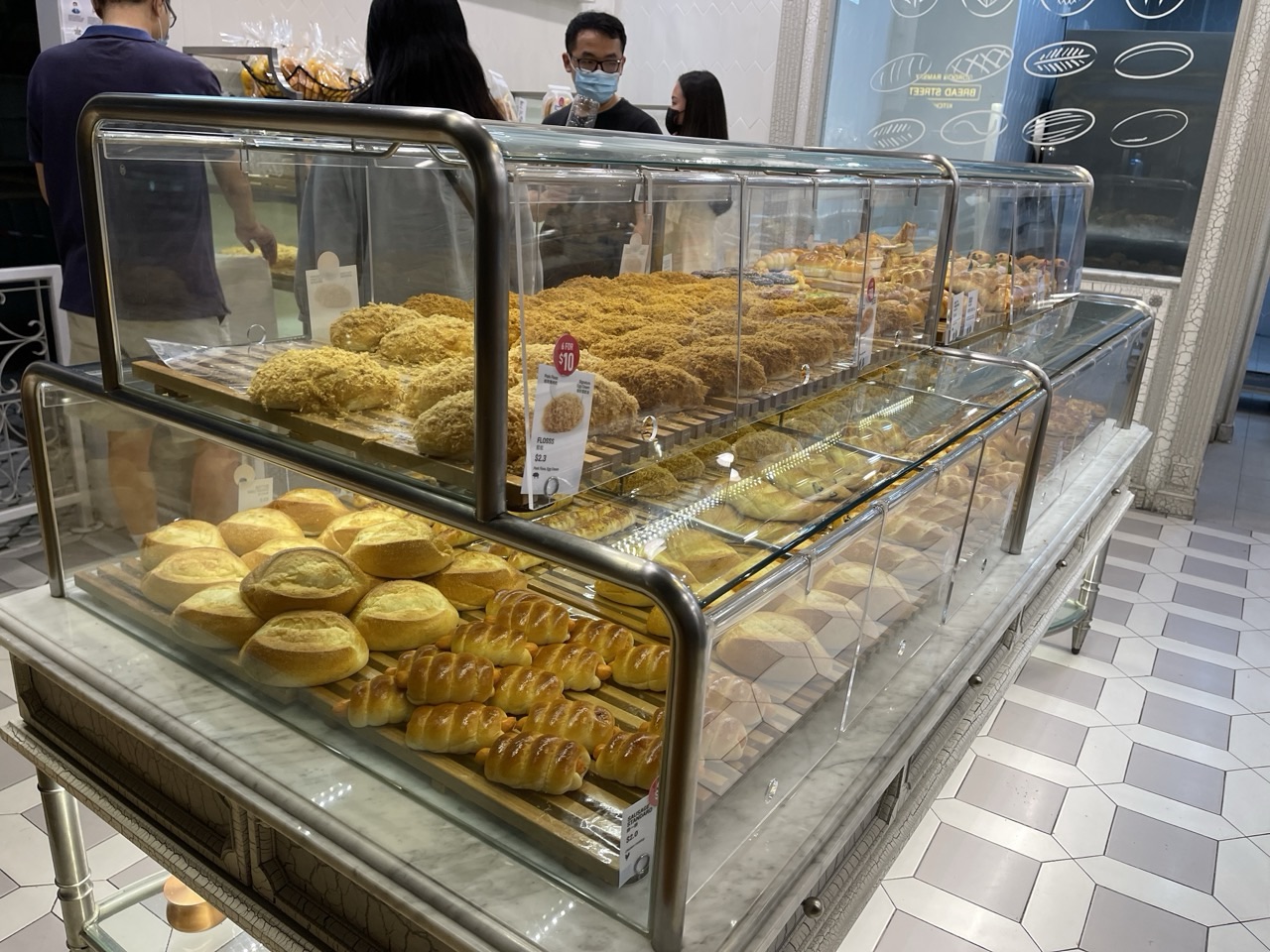
Baking is the art of preparing a mixture so that heat transforms it into something enjoyable and safe. Its challenge is that small decisions about flour, liquid, fat, mixing and oven conditions can produce large changes in texture. The gold standard is not a picture-perfect cake. It is a process that can be understood, adjusted and repeated.
For a beginner, the first useful improvement is surprisingly simple: follow a reliable recipe with measured ingredients, know what the mixture should look like at each stage and record what the actual oven did. The process matters before any complex decoration.
This is the activity-specific companion to The Gold Standard of Cooking. It belongs to eduKate’s Gold Standard master hub and links to food safety without repeating the operational scope of a commercial bakery or catering company.
The baker’s immediate answer
- Read the entire recipe, including cooling and storage.
- Measure ingredients consistently and prepare the intended pan.
- Use the mixing method the bake actually requires.
- Preheat and understand your oven’s behaviour.
- Never taste unsafe raw dough or batter containing raw flour.
- Check doneness using the recipe’s appropriate method.
- Cool, store and share according to ingredient safety.
- Record one cause-and-effect observation for the next attempt.
Baking guide contents
1. Baking begins before the oven is switched on
Unlike many forms of stovetop cooking, baking asks the cook to assemble a mixture that will change while largely out of reach. The oven then controls how heat moves through the dough or batter. This makes preparation, ratios, ingredient functions and timing unusually important. A beautiful cake that rises once by accident is not the same achievement as a method that can produce an appropriate result again.
Consider a fictional home baker who follows a banana muffin recipe in a warm Singapore kitchen. The first batch rises but is dense and uneven. The second batch becomes browner outside while the centre remains damp. The useful question is not ‘Am I talented at baking?’ It is ‘Which variables changed?’ The pan size, oven settings, mixing and ingredient quantities are all possible explanations.
The gold standard is a method of control. Decide what you want to make, select a tested recipe, measure consistently, handle ingredients safely, prepare the pan and oven, observe the bake, cool it appropriately and learn from the result. Creativity remains welcome; random changes are simply hard to interpret.
2. Choose the baked item to fit the occasion
A simple loaf for family breakfast, small muffins for a school event, a celebratory layered cake and a yeast-risen bread have different difficulty and handling requirements. The first decision is the intended result: number of portions, serving time, texture, dietary needs, budget and storage arrangements. A home baker who knows the task can avoid choosing an elaborate recipe that creates unnecessary stress.
For an introductory session, choose a recipe with manageable ingredients and an appropriate number of stages. Read the entire method including cooling, proofing, refrigeration, ingredient temperatures and equipment. Some ‘twenty-minute’ bakes require hours of preparation or cooling, and the named bake time is not the whole commitment.
A successful choice can be modest. Six well-made muffins that fit the available pan and can be enjoyed safely are a stronger result than twenty-four complicated pastries with no storage plan. Baking quality is measured against the real requirement, not an imaginary bakery competition.
3. Use ingredient weights to make results comparable
A digital scale can improve repeatability by reducing variation from how flour is scooped, compacted or levelled. Volume measures remain useful for some recipes, but weight gives beginners a clearer basis for comparing batches. If a recipe gives grams, use grams rather than improvising an unknown cup conversion.
Consider a formula containing 250 grams of flour and 125 grams of sugar. Sugar weighs half as much as flour in that formula, so the sugar-to-flour ratio by weight is 1:2, or 50%. That ratio is information about the recipe, not a guarantee that the final product will be sweet enough or structurally correct. Ingredients also differ in function.
Record the actual quantities used. If the scale was zeroed incorrectly or the recipe was doubled with a transcription error, identify it before blaming the oven. The gold standard of measurement is accuracy plus a record that another attempt can follow.
4. Understand the job of flour
Flour contributes structure through starch and, in wheat flour, proteins that can form gluten when hydrated and worked. Different flours vary in protein content and behave differently. A soft cake and a chewy bread may require distinct levels of gluten development. Replacing one flour with another by the same volume does not guarantee the same texture.
A novice may add flour repeatedly because dough feels sticky. That change alters the water-to-flour ratio and can make the result dry or dense. Consult the recipe’s intended dough texture and allow for the planned mixing or resting stage before deciding to add extra flour. Some yeast doughs are meant to feel softer or tackier than a beginner expects.
Gluten-free baking is not simply ‘remove wheat and proceed’. Alternative starches, binders and flour blends can need different hydration and structure management. For someone with coeliac disease or a severe allergy, ingredient labels and cross-contact control matter as much as the recipe’s taste. Use recipes designed and tested for the actual requirement.
5. Recognise how sugar changes more than sweetness
Sugar can influence moisture retention, tenderness, browning and texture as well as taste. In a cake, reducing it substantially may change the way batter behaves and how the finished crumb feels. That does not mean every recipe requires maximum sugar; it means changes should be made deliberately and evaluated against the intended product.
When the goal is a lower-sugar bake, look for a tested version designed with that intention. Otherwise adjust cautiously, taking notes. A formula from a bakery and one from a home cook may balance ingredients differently because their serving and storage requirements differ.
An excellent baker can explain why they changed an ingredient. ‘I reduced the sugar because I prefer a less sweet result, and the loaf became firmer after cooling’ is actionable feedback. ‘It seems healthier, so every substitution will work’ is not.
6. Know what eggs, fat and liquid contribute
Eggs can help with binding, structure, emulsification and colour, while fat affects tenderness and mouthfeel. Water and milk hydrate dry ingredients and support the physical changes of baking. These roles overlap, but ingredients are not always interchangeable. A recipe that relies on whipped egg foam behaves differently from one that uses baking powder for lift.
Ingredient temperature can influence mixing. Butter intended for creaming should have the consistency specified by the recipe; fully melted butter may not capture air in the same way. Cold or warm eggs and liquids can change batter consistency. The relevant rule is to read and follow the recipe’s method rather than repeating an internet slogan.
When substituting for an egg or dairy ingredient, choose guidance appropriate to the type of bake and the reason for the substitution. If the issue is an allergy, prevent cross-contact as well as eliminating the named ingredient. A safe replacement must meet the diner’s requirements, not just look similar.
7. Learn how leavening works
Yeast, baking powder, baking soda and incorporated air can all contribute to lift, but through different mechanisms. Yeast fermentation produces gas over time and is part of many bread processes. Baking powder produces gas through chemical reactions activated by moisture and heat. Baking soda requires the correct conditions, including appropriate acidity, to behave as intended.
Changing one leavener for another without adjusting the formula can produce odd flavour, poor rise or collapse. A cake that sank in the centre may have several causes; extra baking powder is not necessarily the remedy. Too much leavener can itself create an unstable rise.
A beginner can compare two small test batches from a suitable trusted recipe only when it is safe and meaningful to do so. Label each variation and keep other conditions alike. The aim is to observe the function of the ingredient rather than encourage arbitrary substitutions in a meal promised to others.
8. Mixing method is part of the recipe
Creaming butter and sugar, folding whipped foam, kneading bread dough and mixing muffin batter are different operations. Each seeks a different distribution of ingredients and development of structure. A stand mixer is not automatically superior to a bowl and whisk; the right tool depends on what needs to happen.
With a simple muffin formula, excessive mixing after flour is added can encourage a tougher or less tender result. With a yeast bread, insufficient development may contribute to weak dough structure. The lesson is not ‘always mix less’ or ‘always knead more’. It is to understand what the intended batter or dough should look and feel like at the specified stage.
Time alone is not an adequate description of mixing. Recipes should specify cues such as a homogeneous batter, incorporated ingredients or the structure expected after kneading. Practise observing these cues and write down what was actually done.
9. Prepare the pan and measure oven readiness
Pan size and material affect how quickly heat reaches a mixture and how deeply the centre must bake. Moving a recipe from shallow cupcake wells into one deep pan changes the problem. Follow the recipe’s recommended pan where possible and adjust only with a trustworthy method.
An oven that indicates 180°C may not distribute heat evenly or maintain exactly that temperature in every corner. Preheat according to the recipe and manufacturer instructions; use a suitable oven thermometer if calibration is uncertain. Position trays as directed and allow reasonable air circulation rather than overcrowding the cavity.
A heavy tray, pale metal pan and dark non-stick tin can produce different crust development. These effects are reasons to take notes, not to give every new baker a lengthy equipment shopping list. Begin with consistent equipment and learn its behaviour.
10. Manage baking temperature and time together
Heat sets structure, evaporates some moisture and promotes colour development. A high oven setting may create a dark crust while leaving a large cake underbaked. A lower setting is not always gentler if it lengthens baking excessively and dries the product. Match temperature and duration to the recipe, pan and product.
Check the oven sparingly where opening it could disturb the bake. Repeatedly opening the door can change temperature and affect delicate structures. A useful oven-readiness check happens before the batter is mixed or when the recipe calls for immediate baking after chemical leaveners activate.
Record the oven used, shelf position, temperature setting and observed finish time. The number in a recipe is an approximate operating reference unless the author’s test conditions match yours. Observation and appropriate food-safety checks complete the decision.
Jump to common baking questions
11. Do not taste raw flour dough or batter
Baking contains a less obvious food-safety risk. Flour is generally a raw agricultural product that has not been treated to eliminate all potentially harmful bacteria. Raw eggs can also present risk. The US Food and Drug Administration’s flour safety guidance tells consumers not to taste raw flour, dough or batter, even when the dough does not contain eggs.
The Singapore Food Agency’s raw eggs guidance describes Singapore’s egg controls while still advising that raw egg consumption carries risk, especially for more vulnerable groups. Use pasteurised ingredients in products specifically designed for unbaked consumption when appropriate, and follow verified food-safety directions.
Children should not be invited to sample raw cake mix ‘to see whether the sugar is right’. Taste an ingredient before it enters unsafe raw mixtures when that is appropriate, or evaluate the finished product after sufficient baking. Wash utensils and hands after handling raw flour or egg mixtures.
12. Avoid cross-contact when sharing baked food
Food allergies can involve wheat, egg, milk, nuts and other ingredients common in baking. A baker preparing food for other people should ask about actual requirements before choosing the recipe. A cake without nuts in its ingredient list may still be unsuitable if utensils, surfaces or ingredients were exposed to nuts elsewhere.
Keep labels and ingredient packaging when a bake is intended for a group. Use separate or suitably cleaned equipment when needed, and do not promise an allergen-free result without a preparation process that supports that assurance. A shared school or family event can have additional requirements set by its organiser.
Communicate substitutions. Someone expecting dairy-free muffins should not discover that the baker used ordinary butter because it seemed easier. The gold standard includes truthful information for the eater as well as a tasty result.
13. Recognise safe doneness, not just brown colour
Brown crust does not guarantee that the centre of a thick bake is set or that ingredients have been adequately cooked. Follow a reliable recipe’s doneness instructions and food-safety guidance. Appropriate methods can include checking internal temperature where specified, the condition of the crumb or the behaviour of the centre. Different products require different indicators.
A toothpick that emerges without wet batter may be a useful cue for many cakes, but it is not a universal measure for custard-filled pastries, cheesecakes or breads. The type of product determines the valid test. Do not rely only on aroma or the fact that the timer has rung.
The correct standard is a completed product that matches the recipe’s technical and safety requirements. If the centre is not appropriately baked, return to the validated instructions rather than serving a risky product merely because the top looks attractive.
14. Cooling and finishing are part of baking
A fresh loaf may seem ready to cut immediately, but its interior can continue changing as steam escapes and structure settles. A cake can tear when removed too early from its pan. Follow the recipe’s cooling instructions and use appropriate clean racks or containers. Do not leave perishable fillings at unsafe temperatures while waiting for decoration.
Frostings and glazes behave differently on warm surfaces. A cream-based topping may melt or become unsafe if handled improperly. A baker should know whether the intended finish needs full cooling, refrigeration or immediate service, and prepare a suitable area before the baked item leaves the oven.
Finishing should suit the intended use. A lunchbox muffin may not need a delicate decorative layer; a celebration cake may require more precise assembly. A beautiful topping cannot rescue unsafe storage or a cake whose centre was never baked.
15. Store baked goods for their actual ingredients
Storage needs vary substantially. A plain dry biscuit, a loaf of bread and a pastry containing cream or custard should not be treated as though they have identical shelf lives. Follow ingredient, recipe and food-safety guidance. Perishable fillings and products requiring refrigeration need appropriate prompt handling.
The Singapore Food Agency’s food-safety guidance
Label what you store and when it was made. Do not assume that a cake is safe indefinitely because it still smells pleasant. The responsible decision may be to bake a smaller batch that can be consumed safely rather than producing a large tray without a storage plan.
Jump to common baking questions
16. Read failure symptoms instead of blaming the recipe
If a cake sinks, a loaf is dry or cookies spread too far, describe the observable result precisely. Then compare the actual process with the recipe: measured ingredients, pan, oven temperature, mixing, leavening and cooling. Several different causes can create the same visible symptom, so avoid pretending one defect has one universal fix.
A too-dense muffin might involve excessive mixing, inaccurate leavener measurement or a recipe that simply produces a dense style. It is unhelpful to tell every beginner ‘add more baking powder’. A dry cake can involve excessive bake time, an inaccurate ratio or a pan substitution that changed heat exposure.
Select one likely cause to test at a time. Preserve variables that seemed to work. The learning value comes from being able to compare attempts and explain what changed, not from making a new recipe every time an outcome is disappointing.
17. A worked example: percentages show what changed
Suppose a teaching formula contains 240 g flour, 120 g sugar and 60 g fat. Relative to flour at 100%, sugar is 50% and fat is 25%. These are baker’s percentages for those ingredients, not nutritional percentages and not a complete working recipe. They allow comparison across batches when the ingredient quantities are scaled consistently.
To scale those three ingredients by 1.5, multiply each by 1.5: 360 g flour, 180 g sugar and 90 g fat. The proportions remain the same. But the resulting batch may not bake in the same time if placed in a larger or deeper pan. Scaling ingredients and scaling oven behaviour are separate problems.
This is a valuable mathematics connection for students: ratios, fractions and multiplication become observable when ingredients are measured. A teacher can let a learner do the calculations while an adult supervises safe equipment and food handling. The activity builds reasoning through a real task without treating the kitchen as a high-stakes test.
18. A four-bake learning sequence with real feedback
Bake one uses a trusted simple recipe and records the measurements, pan, oven position, baking result and cooling time. Bake two repeats the same recipe with the original process as closely as practical. Bake three targets one observed issue such as inconsistent portion size or uneven tray placement, changing only the relevant variable. Bake four confirms whether the adjustment worked and documents what still needs improvement.
That sequence is not a demand to bake four times in one week or a guarantee of proficiency after four attempts. People may need longer to master basic weighing or oven management. Others may already have the foundations and wish to explore yeast fermentation, pastry lamination or decoration.
Keep the review friendly and specific: ‘The middle muffins were larger because the batter was unevenly portioned; next time use the same scoop.’ That is stronger feedback than ‘I am bad at baking’. Reliable craft grows from controllable changes and a willingness to repeat.
19. Excellent baking is an honest repeatable result
Baking is part science, part judgement and part hospitality. Precision matters because ingredient ratios and heat affect structure. Judgement matters because ovens, pans and environments differ. Hospitality matters because someone will eat the result and needs accurate information about ingredients, handling and suitability.
A simple loaf that is appropriately baked, well stored and consistently pleasant is a meaningful achievement. A decorative showpiece that cannot be made safely or repeated for the intended audience fails a different and arguably more important test. The gold standard does not deny creativity; it protects the conditions that let creativity produce something useful.
The Gold Standard of Baking is clear purpose, safe ingredients, reliable measures, controlled processes and truthful feedback. Each batch is a chance to understand more of what actually happened in the oven.
Jump to common baking questions
Troubleshooting without guesswork
Each outcome can have several causes. Use this table to identify what evidence to collect, not to pronounce a diagnosis from one photograph.
| Observed outcome | What to investigate | A responsible next test |
|---|---|---|
| Dry cake | Recipe ratio, pan size, baking time and actual oven temperature | Repeat one trusted formula while recording conditions |
| Uneven muffins | Portion size, placement and heat distribution | Use consistent portions; assess oven position |
| Dense crumb | Mixing method, leavening, formula and product style | Verify instructions before changing one likely variable |
| Wet centre, dark crust | Pan depth, heat setting and appropriate doneness indicators | Follow a tested formula suited to the pan |
| Sticky dough | Hydration, flour type and intended texture | Allow the specified rest and avoid random extra flour |
| Unsafe-looking raw mix | Handling and contamination risk | Do not taste; follow FDA and SFA food-safety instructions |
Frequently asked baking questions
Why did my cake sink after baking?
Possible causes include mixing, leavening, oven conditions, bake time and the recipe’s structure. Record observations and compare the complete method before choosing one likely variable to test.
Is a kitchen scale essential?
Not legally or universally, but measuring by weight often improves repeatability, particularly for flour and recipes written in grams.
Can children taste cake batter?
Raw flour and egg mixtures may contain harmful bacteria. FDA and SFA guidance cautions against unsafe raw batter consumption. Wait until the food is appropriately cooked.
Can I swap every kind of flour one-for-one?
No. Flours differ in proteins, water absorption and structure. For allergies or gluten-free baking, use a tested suitable recipe and manage cross-contact.
Why does the same recipe behave differently in another oven?
Pan dimensions, actual oven temperature, air circulation and shelf position can alter heat transfer. Observe and record the differences without assuming recipe times guarantee identical results.
Source reading and linked eduKate guides
- US FDA: Handling Flour Safely
- Singapore Food Agency: Raw Egg Safety
- Singapore Food Agency: Food Safety Tips
- eduKate: Cooking
- eduKate: Food Safety
- eduKate: Gold Standard master hub
This is an educational baking guide. Individual allergies, medically prescribed diets, commercial food-service requirements and specialised equipment need the appropriate professional or regulatory guidance.