
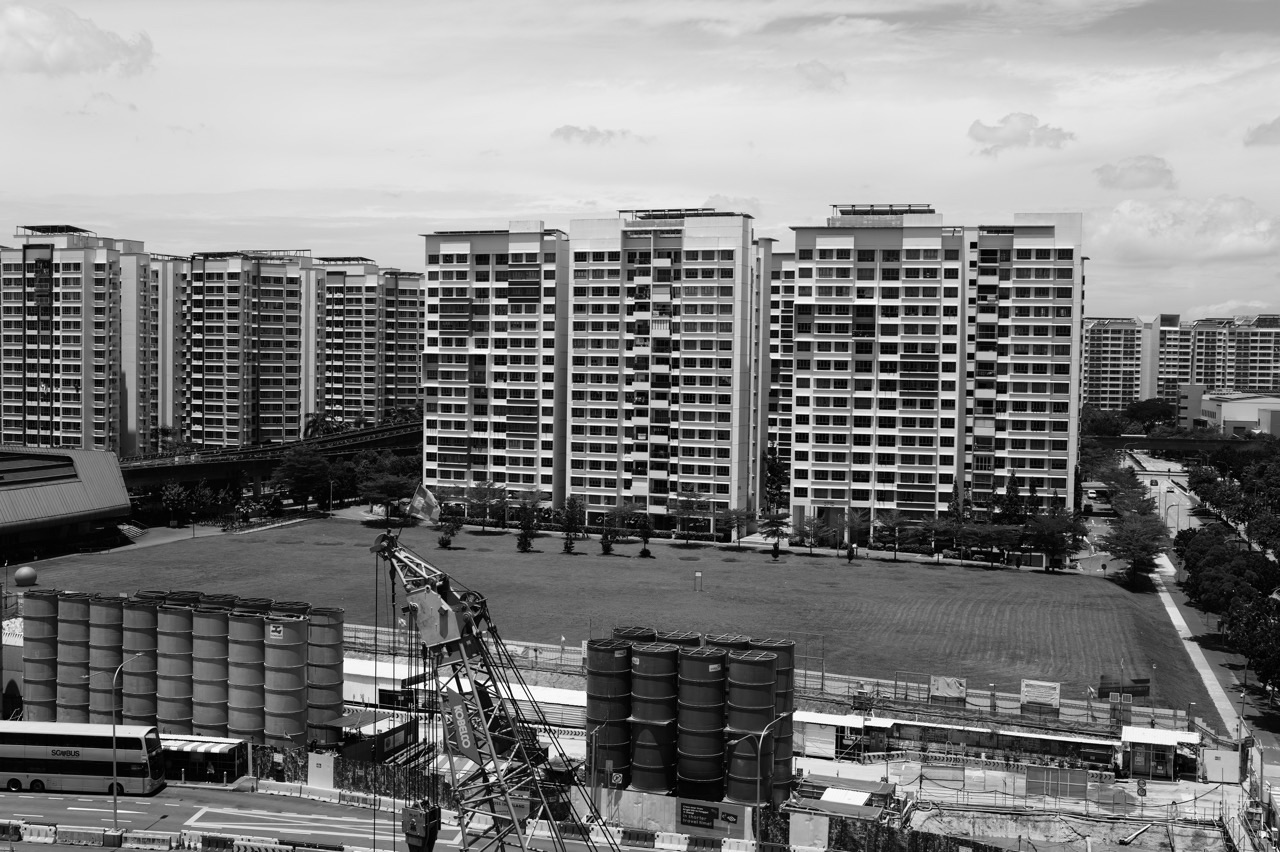
Civil engineers help create the infrastructure people rely on: bridges, roads, water and drainage works, foundations, public spaces and other built systems. Their gold standard is not one spectacular drawing. It is the ability to define the required function, understand physical constraints, design or supervise work within proper professional authority and leave trustworthy evidence for construction and maintenance. This guide follows a fictional pedestrian connection where surveyed ground levels disagree with the original model.
The eduKate Gold Standard prioritises dependable management and repeatable systems. Civil engineering as a profession overlaps with Structural Engineering, Hydraulic Engineering and Construction Management. This article focuses on the civil engineer’s professional decisions, authority and accountability across those interfaces.
Explore the civil engineering decisions
The survey discrepancy that changes the conversation
A fictional town is creating an accessible pedestrian link between a neighbourhood clinic and a transit entrance. The planning model depicts one ground elevation at a drainage junction; a later site survey indicates a level 0.4 metres different. The difference could reflect a different benchmark, outdated model or genuine site condition. A rushed team might adjust a few lines on the drawing and continue. A qualified engineer should clarify the reference systems and actual condition before deciding whether the proposed work remains suitable.
That 0.4-metre discrepancy is an invented classroom example, not an allowable construction tolerance, a drainage criterion or a recommendation for ramp design. Civil engineering calculations and safety conclusions require a competent engineer applying current codes and site-specific information. The educational lesson is that one small-looking model mismatch can have consequences for other disciplines and public access.
1. Begin with the function people need
A pedestrian link is meant to connect places, not simply fill a corridor with concrete. The professional must understand who uses it, when, with what mobility needs and under which environmental or operational conditions. The required outcome may involve usable access, adequate drainage, safe connections and long-term maintenance.
A civil engineer should ask how the link fits its neighbouring roads, transit structures, drainage network and buildings. A well-drawn isolated component can fail as an overall public facility if those interfaces are omitted. The function and boundaries must be written clearly before an attractive design is mistaken for an approved solution.
2. Distinguish a civil engineer from a Professional Engineer
People can study or work in civil engineering without being registered Professional Engineers. Singapore’s Professional Engineers Act governs prescribed professional engineering work, and the Professional Engineers Board’s current registration guidance explains that such work must be performed by an appropriately registered PE with an active Practising Certificate, or by people working under qualifying direction or supervision as the law requires.
The job title civil engineer does not automatically authorise the independent certification of regulated engineering work. A client should know which person holds professional responsibility, which tasks are delegated and whether the relevant engineering organisation is appropriately licensed when supplying regulated services. Authority matters because drawings may affect the safety of large numbers of people.
3. Understand current PEB registration pathways
PEB requires accepted qualifications, relevant practical experience, prescribed examinations and a professional interview for eligible applicants. The 2026 PEB requirements describe at least four years of relevant practical experience and the Fundamentals of Engineering and Practice of Professional Engineering examinations under the applicable rules.
An October 5, 2026 PEB announcement broadened recognition pathways, including relevant degrees from Singapore University of Technology and Design. Candidates must check the applicable qualification notification and actual eligibility; a university name or an old list of recognised schools is not sufficient by itself.
4. Treat the Practising Certificate as current authorisation
PEB distinguishes registration from the Practising Certificate required to undertake the corresponding professional engineering work independently. The certificate is renewed on an annual basis. A person with a historical professional registration should not present that status as proof of unrestricted current practice.
The project team needs clarity about the responsible PE’s discipline, applicable scope and authority to endorse or submit work. A consultant’s business card, an impressive project portfolio or a building contractor’s recommendation cannot replace checking professional status and relevant corporate licensing where applicable.
5. Read the brief for implicit trade-offs
Clients may ask for a shorter walkway, easier access, lower cost, better flood resilience and faster completion simultaneously. These goals can conflict. Professional engineering begins by recording priorities, constraints, assumptions and who may approve changes, not by promising every goal without qualification.
For the fictional clinic link, easier pedestrian access must be assessed alongside existing structures, utilities, drainage and actual geometry. The engineer’s job is to present appropriate options and consequences in coordination with other competent disciplines. A design is trustworthy when the people authorising it know what trade-offs they accepted.
6. Establish survey and coordinate reliability
A drawing can show precise numbers while using a different coordinate system or height datum from the current survey. The design team must understand where each source came from and how it relates to other records. An apparent 0.4-metre mismatch may be a reference issue rather than an actual physical change.
The qualified surveyor and engineer need an accountable process for reconciling the information. The eduKate Surveying Engineering guide covers geospatial and as-built truth in more detail. The civil engineer’s responsibility is to recognise when an unverified assumption could invalidate work dependent on the survey.
7. Build a ground-condition evidence trail
Subsurface conditions, previous construction, utilities and changes in site history can influence civil works. Ground investigations and specialist assessments should be scoped and interpreted by appropriately qualified professionals under applicable rules. A contractor’s casual recollection of nearby soil conditions is not a sufficient substitute for site evidence when professional investigation is required.
Our fictional project cannot determine the correct foundation or earthwork system from a single elevation mismatch. A responsible engineer asks which site data are reliable, which conditions require specialist review and what uncertainty remains. Appropriate geotechnical input and independent checks may be necessary depending on the works.
8. Understand the relationship among structural, geotechnical and drainage work
A pedestrian link may involve structural support, foundation performance, drainage gradients, public access and interactions with existing buildings. The respective experts need coherent assumptions and clear interface responsibilities. Changing a drainage alignment may affect other design decisions; revising the structure may alter maintenance access.
A civil engineer should coordinate rather than assume one discipline’s drawing automatically updates all others. If a change is approved, affected designers need the correct revised information. Professional handovers matter because an apparently small modification can travel through many technical documents.
9. Make calculation inputs discoverable
Engineering calculations depend on the codes, material properties, design conditions, site data and modelling assumptions selected by qualified professionals. A number without its basis is difficult to review. An engineer should record enough context for a competent checker to establish what was analysed, which revision was used and whether the calculation remains applicable.
The fictional 0.4-metre level difference should not be silently absorbed by adjusting a dimension until the model ‘looks right’. Its source needs investigation, and any subsequent professional design should use verified information. A clean spreadsheet is not proof that the input data are accurate.
10. Give design alternatives an honest comparison
Where several engineering approaches are possible, compare functional performance, constructability, maintenance, costs, risks, applicable standards and the effect on other systems. This is not an invitation to use one simplistic score to select a safety-critical design. Specialists and approved decision-makers should evaluate the actual proposal.
For the clinic route, alternatives might differ in how they connect to existing ground and drainage infrastructure. The civil engineer can frame the options and coordinate competent studies without declaring a route safe from a sketch. The public deserves a functioning connection rather than a competition for the most futuristic rendering.
11. Understand when independent structural checks apply
Singapore’s BCA structural-plan submission guidance
The engineer must determine the applicable statutory process for the particular project and engage the appropriate registered professionals. An independent check is not merely another person looking at a PDF. It is a legally and technically defined review within the relevant role and scope.
12. Keep compliance separate from overall usability
Meeting a specified regulation is essential but does not guarantee that every real user finds the project easy to navigate. A public pathway can comply with drawings yet feel awkward because signage, shelter or surrounding access was not considered. Those concerns need appropriate coordination without overriding formal safety requirements.
The civil engineer should understand which standards govern the actual design and which matters belong to accessibility, architectural or transport specialists. The project should be tested against its public purpose while recognising that legal compliance and community experience serve different, complementary checks.
13. Recognise construction staging as part of engineering safety
People may continue to use neighbouring roads, clinics or transit facilities throughout construction. Temporary access, worksite interfaces and conditions created during different stages need competent engineering and safety planning. A final drawing cannot by itself establish that intermediate construction arrangements are safe.
A construction team should know which temporary or enabling works require engineering design, review or authorised approval. The civil engineer must be clear about what falls under their appointment and what belongs to other responsible parties. Assuming that an acceptable final configuration makes every interim condition safe is a serious error.
14. Support the contractor without surrendering design responsibility
Constructors bring practical knowledge of site sequencing, access and equipment. Engineers should listen to constructability concerns and investigate alternatives, but must not approve changes casually because a contractor says a different method is faster. Engineering decisions need the appropriate evidence and authority.
In the fictional project, a proposed rerouting of site works may reveal a new obstacle. The civil engineer should check what changed and whether the proposed adjustment affects drainage, structural interfaces or public access. The correct question is not who has the loudest opinion, but what current, competent evidence supports the approved design.
15. Make requests for information genuinely answerable
A site team may send a request for information when drawings conflict or physical conditions differ. Vague answers such as ‘proceed as required’ can transfer uncertainty without resolving it. The engineering team should clarify the question, identify affected documents and provide an authorised response with suitable supporting evidence.
The 0.4-metre discrepancy needs a documented answer that the relevant designers and builders can apply correctly, once the required professional review is complete. A response should not be mistaken for an approval outside the issuer’s authority. Good documentation protects the next shift from relying on a casual conversation.
16. Use revision control to protect the built result
Drawings, models and specifications evolve. Contractors, inspectors and maintenance teams may inadvertently use an outdated revision if changes are not communicated and superseded copies controlled. A professional document-management system connects each approved change to the documents it affects.
A revised drainage drawing can have consequences for the pedestrian route’s finishing levels or adjacent structures. The civil engineer should help ensure consistency across disciplines within the appropriate approval process. Version numbers are meaningful only when everyone knows which version is authorised for the actual work.
17. Inspect the work within authorised responsibilities
Site inspections, monitoring, testing and certification depend on the contract, professional appointments and statutory requirements. An engineer should distinguish the parts they have personally observed from those reported by others, and know what evidence is needed before a result may be accepted or certified.
An inspection tick is not proof of every hidden condition. If access is unavailable or a test result is missing, record the limitation and obtain the appropriate follow-up. A quality system should not reward completion of paperwork ahead of competent verification.
18. Recognise that materials need traceability
Concrete, steel, earthworks materials and prefabricated components have different relevant specifications and quality controls. A supplier statement does not automatically demonstrate compliance for the installed work, and a test result from one batch cannot necessarily describe every delivery.
The civil engineer coordinates with the responsible quality and testing teams to ensure the right material evidence is attached to the right work. Where a serious discrepancy appears, trained personnel must determine the appropriate investigation and disposition. The goal is to avoid a polished structure that cannot be shown to meet its approved requirements.
19. Connect engineering decisions with project costs truthfully
Technical changes may affect quantities, programme, materials and future maintenance. A cost estimate is useful when it identifies the actual scope, assumptions and uncertainties. The engineer should collaborate with quantity surveyors rather than claim that a technical option has no financial impact simply because it looks similar on a drawing.
The eduKate Quantity Surveyors guide
20. Design for inspection and future maintenance
An infrastructure element may be safe and serviceable when new but difficult to inspect or maintain later. Access to drainage, visible signs of deterioration, practical repair arrangements and durable records should be considered during design by competent professionals. Maintenance teams inherit the consequences of decisions taken years earlier.
For a pedestrian link, the engineer should coordinate with whoever will maintain the facility and understand their real access and inspection needs. A component placed where it cannot be checked may create higher long-term risk than an alternative that is marginally less elegant in the initial rendering.
21. Take as-built truth seriously
Construction records should reflect actual installed conditions, including any properly authorised differences from the design. An as-built drawing that merely copies the original plan can mislead future works. The relevant survey, inspection and asset documentation need an accountable handover process.
A maintenance engineer may revisit the fictional drainage junction in a decade. They should be able to distinguish the verified built level from an early design assumption. The entire purpose of resolving a site discrepancy is weakened if the final documentation forgets what was found and what actually changed.
22. Make public impact part of a professional review
Civil works affect pedestrians, neighbours, businesses and public services. Engineering evidence should be coordinated with accessibility, environmental and community information relevant to the project. A technical report can state which effects were evaluated and which questions require other competent specialists.
The engineer should not imply that a bridge or walkway is good for every person merely because one performance criterion was met. The gold standard brings professional calculations together with an understandable explanation of how the finished work serves the place.
23. Learn from defects rather than assigning convenient blame
An unexpected site condition or post-completion defect can have many causes. Professional investigation requires accurate evidence, appropriate inspection and a distinction between suspected causes and verified findings. A contractor’s assertion that a feature is purely cosmetic should not replace competent evaluation where safety might be involved.
Consider the fictional clinic link developing unexpected water accumulation after completion. The responsible team should examine the actual circumstances and records under applicable procedures before asserting that maintenance staff, designers or builders caused it. Fair learning depends on evidence rather than quick reputational protection.
24. Develop as an engineer before taking regulated authority
Early-career civil engineers learn technical analysis, site observation, drawing interpretation, documentation, professional communication and ethics under suitable supervision. Registration as a PE requires additional recognised qualifications, examinations, experience and interview under current PEB rules. It is a serious professional milestone rather than an automatic consequence of graduating.
Students can practise with fictional conflicting surveys and ask how to identify the correct source and decision-maker. They should not prepare construction-ready designs from a short public guide. Responsible growth involves learning when a question is outside one’s competence and documenting why a proposed conclusion is or is not supported.
25. Judge professional engineering by a facility that remains trustworthy
A civil engineer’s impact can last for generations. Quality measures should therefore include correct assumptions, safety and compliance, independent checks where applicable, coordinated revisions, material evidence, accurate as-builts, maintainability and how the works perform over time.
Return to the model-versus-survey level discrepancy. The gold-standard response is not a clever line change hidden in a drawing. It is verifying the discrepancy, ensuring the relevant qualified designers agree on the consequences and leaving a built asset whose records match reality. Civil engineering deserves public trust when it makes safety and evidence survive beyond the project team.
Worked professional review: one 0.4-metre level difference
Suppose the early drawing labels an existing point at 12.8 metres on one referenced elevation system. A new survey records a point assumed to be the same at 12.4 metres. The numerical difference is 12.8 − 12.4 = 0.4 metres, but arithmetic alone cannot prove whether an engineering error exists. The points might be referenced differently, surveyed at different physical locations or based on different datum systems.
The professional team must confirm the coordinate and height references, survey provenance, actual location and applicable responsibilities. Only then can authorised engineers determine whether the design needs revision and how it affects adjacent works. A generic blog explanation must not be treated as instructions to adjust grades or drainage levels.
This example illustrates a practical skill: knowing when a confident model is less reliable than the evidence needs. The correct response to unresolved differences is controlled professional investigation, not forcing the numbers to match.
A second design review: three documents and no agreed ground level
The fictional project develops a more complicated evidence problem. A design model lists one level at the proposed junction, a later survey suggests a 0.4-metre difference, and an older drainage drawing uses a separate reference. The team cannot establish an engineering conclusion by averaging the three numbers. The documents might describe different physical points, reference systems or stages of the site. A qualified professional needs to establish their provenance before determining which inputs can be used together.
A useful information-review record identifies the drawing revision, surveyor or originating professional, reference datum, physical location, date and the status of each source. The relevant competent team then investigates and resolves inconsistencies through the project’s authorised process. A note such as ‘use latest’ can be dangerously incomplete when the newest file is not the correct source for every dimension or purpose.
If the resolution materially changes the approved design, affected civil, structural, drainage, accessibility and construction documents may need appropriate review and controlled reissue. Simply updating one model coordinate is not evidence that every dependency has been resolved. The project should also identify what has already been constructed using earlier information and whether any competent investigation is required. Those are safety and contractual questions, not matters for a junior drafter to guess.
The engineering result should still make sense ten years later
After completion, the person responsible for maintaining the link may not know why a drainage junction was configured in a particular way. If the record contains only the original model rather than the verified as-built position, later maintenance work can inherit uncertainty that the project team already solved once. Civil engineering handover should connect the accepted design, relevant site evidence and actual installed work in records that remain usable.
This is also why maintenance planning belongs in design review. A component that is difficult to inspect can appear economical when first installed, only to create repeated safety or cost problems later. The engineer should coordinate with appropriate asset owners and specialists about inspection, access and durability requirements rather than assume maintenance can always solve itself after handover.
The gold standard is infrastructure whose safety reasoning is not trapped in one engineer’s memory. Decisions, professional approvals and verified physical information should remain traceable through construction and subsequent ownership. A beautiful finished public link is far more valuable when the next engineer can trust the records and understand its limits.
Civil engineer quality checklist
- Are the function, site boundaries, public interfaces and design assumptions documented?
- Is the responsible PE and relevant active Practising Certificate identified?
- Are current surveys, datum systems and specialist investigations appropriately checked?
- Do civil, structural, geotechnical, drainage and access designs use consistent information?
- Are statutory approvals and independent checking requirements verified for the actual work?
- Are construction-stage risks and design changes handled through authorised procedures?
- Can inspection, testing, material and as-built records support the handover?
- Will maintenance teams understand what was installed and how to inspect it?
Frequently asked questions
Is every civil engineer a registered Professional Engineer?
No. Singapore distinguishes engineering employees and students from registered PEs holding the current Practising Certificate needed for specified regulated professional work.
Does a Professional Engineer registration last forever without renewal?
Registration and practising authorisation are different. PEB says the Practising Certificate is renewed annually.
Can a civil engineer independently approve any construction drawing?
No. Professional scope, appointments and statutory requirements determine authorisation. Particular works may require Qualified Persons and accredited checkers.
What is a ground-level datum?
It is the reference framework used for heights. Values from different systems or points can appear different even when the physical site has not changed.
Are structural and civil engineering identical?
They overlap, but structural analysis is a specialist part of a broader civil engineering ecosystem including infrastructure, site works and other disciplines.
Is a building safe if it passes one inspection?
Not necessarily. Appropriate evidence, review and testing depend on the type and stage of work. An isolated check cannot guarantee every hidden condition.
How can students become Singapore Professional Engineers?
Check PEB-recognised qualifications, experience requirements, prescribed examinations and the professional interview, including its October 2026 qualification updates.
What makes the civil engineer’s work excellent?
Sound evidence, correct professional authority, transparent design assumptions, safe coordinated delivery, reliable records and a facility that can be maintained.
Official sources and connected eduKate articles
- PEB: Registration, Practising Certificates and Licensed Firms
- PEB: Requirements for Professional Engineer Registration
- PEB: 5 October 2026 Approved-Qualification Updates
- BCA: Structural Plan Submission
- eduKate: Structural Engineering
- eduKate: Surveying Engineering
- eduKate: Quantity Surveyors
The gold standard of civil engineers is infrastructure designed and delivered by people who can show their evidence, authority and assumptions—and leave work that remains safe, understandable and maintainable after they move on.