
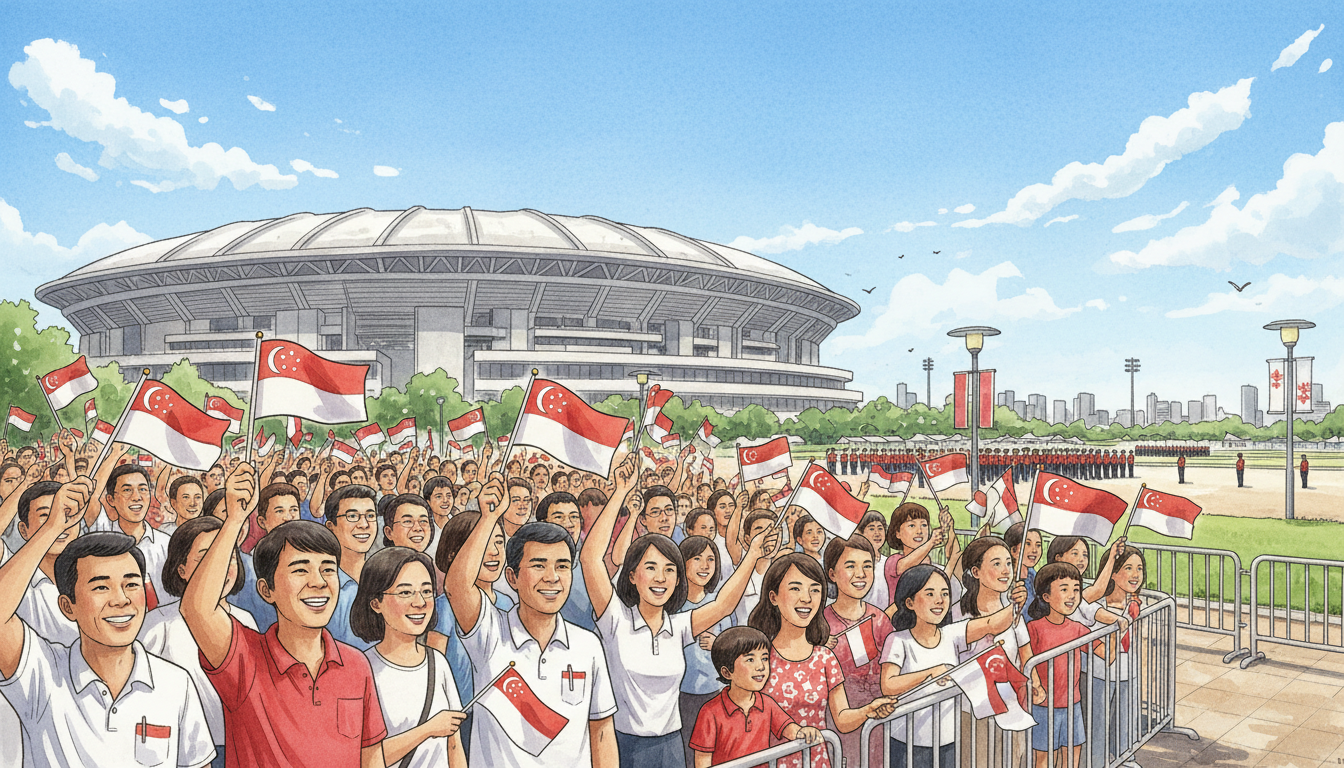
A festival can be full of people and still fail the people who give it cultural meaning. I would judge a programme by practitioner voice, accurate interpretation, responsible operations and what remains possible after the event—not only the size of the crowd.
This educational guide connects living heritage to festival planning. Its worked cases are fictional, and a real event must follow the appropriate local laws, permits, safety and accessibility requirements.
Five reading routes
Chapter index
Name the cultural purpose · Chapters 1–3
Deliver fairly and safely · Chapters 4–6
Create accessible meaning · Chapters 7–9
Protect the public story · Chapters 10–12
Leave something useful · Chapters 13–15
1. More visitors do not automatically mean more cultural value
A cultural festival can fill a square with music, colour and food while the people whose practices sustain it lose opportunities to rehearse or teach. A successful ticketing report cannot prove that cultural knowledge remains viable. It describes public reach. The gold standard of cultural festivals asks a different set of questions: who shaped the event, whose work was respected, how accurately was the practice introduced, and what remains useful after the weekend?
Start by making the festival’s objectives explicit. It might be a community gathering, creative showcase, educational encounter, tourism offer or fundraiser. Several objectives may coexist, but a plan that hides the tension between them becomes difficult to govern. For example, increasing capacity may create more visitor income while shortening a practitioner’s performance. Name that trade-off before assuming the biggest audience is the best cultural result.
2. Identify the living practice behind each attraction
A festival includes both cultural activity and production services. Staging, tickets, screens and seating support an encounter; they do not carry the same meaning as a song, dance, ritual, craft demonstration or shared meal. Treating all elements as interchangeable attractions can change a practice without acknowledging what has been lost.
The UNESCO discussion of festive events and social practices explains how such occasions support community life and how their continuity can depend on socioeconomic conditions. That framework is useful even when the particular event is not UNESCO-listed. Map the people, occasion, context and permissions connected to each culturally significant element. Then ask whether the public format accurately reflects what practitioners themselves consider important.
3. Give practitioners a real role in programme decisions
A common organising mistake is to invite community representatives after the stage schedule, sponsorship and publicity have been settled. That may be consultation, but it is not joint programme design. Performers may be left to adjust their practice to constraints they never helped examine. A valuable first meeting should name the decisions that are still open.
Discuss suitable performance length, rehearsal needs, cultural explanations, consent for recording, restricted elements, accessible ways to take part and a later record of what changed. Do not imply one convenient speaker represents an entire community. Participants may legitimately disagree. Record those differences, clarify who decides and give reasons for major choices. The Cultural Participation guide provides a deeper procedure for this work.
4. Make performer, artist and contributor terms understandable
An invitation to “celebrate culture” can quietly ask for skilled unpaid labour. Musicians prepare, craftspeople bring tools and materials, interpreters translate, dancers rehearse and organisers produce documents. Not every contribution is commercial work, but a genuine voluntary contribution must be distinguished from a professional commission that the event depends on.
Agree on the scope, payments or voluntary terms, expenses, schedule, insurance and safety responsibilities where applicable. Explain publicity images, music rights, livestreaming, editing, archival use and later distribution separately. An enthusiastic conversation backstage is not reliable evidence of perpetual reuse permission. Cultural integrity includes treating the people who perform and teach as contributors with choices, not as decorative elements supplied without conditions.
5. Build a budget that supports transmission as well as spectacle
A festival budget may show elaborate lighting, media packages and platform construction while omitting preparation time and apprenticeship needs. The public experience can look impressive but leave no resources for future practice. A more honest plan covers performers, materials, rehearsal spaces, translation, documentation, inclusive access and an appropriate follow-up.
Ask which costs will recur and who currently bears them. If a craftsperson funds equipment out of pocket, record that rather than calling the demonstration free. Consider whether the programme can fund a small sequence of lessons or a reliable future rehearsal space, not only the main-stage performance. This does not imply every festival must become a school. It asks whether the organisers understand the effect of their choices on the people who sustain the work.
6. Integrate safety planning with cultural meaning
Temporary venues, crowds, food, stages, weather, power and moving performances all create operational responsibilities. The details depend on the jurisdiction, scale and site, so an editorial culture guide cannot substitute for local permits, competent event professionals or relevant emergency services. Plans need to be checked with the responsible authorities before an actual event.
Begin safety planning early enough for practitioners to help adapt the format thoughtfully. A procession might need a managed route; a food demonstration a suitable licensed space; a performance a safe rehearsal area. Avoid presenting safety controls as an excuse for unexplained cultural redesign, but never treat tradition as a reason to ignore foreseeable danger. Clear roles protect residents, visitors, performers and staff while preserving the purpose where reasonably possible.
7. Make the entire visitor journey accessible
Free entry is not the same as meaningful access. A visitor may be unable to use an online booking form, read signage, understand a performance introduction, travel home at the scheduled hour or find an appropriate place to rest. A family member with a mobility need may reach the entrance but not the principal performance area.
Map invitation, booking, travel, arrival, movement, seating, comprehension, facilities, exit and feedback. Offer suitable alternatives where feasible, and describe real limitations honestly rather than promising universal access that the event cannot deliver. Test the route with people who do not already know the site. Accessibility is a design responsibility, not a logo on the poster. Cultural Rights explains the wider questions about access, dignity and cultural life.
8. Explain the performance without freezing its culture
Visitors may know little about the language or social setting of an activity. An introduction can help them understand, but it should not claim that every member of a community follows one identical tradition or that contemporary performers must copy an imagined ancient form. A demonstration adapted for an audience should be described as an adaptation.
Let competent practitioners review explanatory text, translation and attribution where appropriate. Distinguish a public performance from private or restricted practices that are not intended for the event. An informative guide need not be long: one verified context note, a clear credit and a respectful opportunity to ask a question may be more useful than elaborate unsupported publicity. Cultural Interpretation covers that responsibility in detail.
9. Treat food and marketplace culture as living livelihoods
A food festival may appear to celebrate heritage while vendors receive little more than a photo opportunity. The dish on a poster has a history, but it also depends on ingredient suppliers, working conditions, a relationship with customers and the skill of people who prepare it. A large visitor number cannot by itself show that any of those relationships improved.
Work with vendors on suitable space, licence and food-safety requirements, transparent terms, realistic crowd flow and acknowledgement of the skill involved. A festival does not need to stage every stall as an antique scene. Living food culture changes with people and places. Singapore’s UNESCO-inscribed hawker culture is a public example of culinary practice and community dining; the inscription does not certify an individual vendor or festival.
10. Control publicity, sponsors and recorded media
A marketing team may make the festival visible in ways that distort its cultural meaning. A short clip can present a performer out of context, a translated subtitle can change the intended statement, and an archive of livestreams can be reused years after contributors expected the recording to disappear.
Check names, source claims, permissions, appropriate credits and the permitted scope of editing. Be clear about a sponsor’s role and any contractual influence that could distort factual interpretation or fair access. Build a correction route into the publicity process. The aim is not to prevent creative promotion but to make it accountable. Visitor reach is a legitimate output; it does not replace evidence of fair terms, informed participation or respect for practitioner choices.
11. Worked case: the crowd grows but performers lose rehearsal time
In a fictional town, a music festival doubles attendance after adding a larger stage and tourism advertising. Its annual report presents this as proof that the tradition is thriving. But community musicians explain that rehearsal space has been reduced and younger volunteers mainly help with crowd control rather than learning the music.
The organiser revisits the aims with practitioners, reassigns part of the budget to rehearsal space and an agreed teaching route, and updates the public programme to distinguish the festival presentation from the full practice. The next review examines whether musicians consider their terms workable and whether interested learners can return. The event may still celebrate growing attendance while acknowledging earlier weaknesses in transmission. A sound assessment allows both facts to be true.
12. Worked case: a heritage street becomes a stage without consent
A festival in a working neighbourhood also creates a visitor-management question. The Gold Standard of Cultural Tourism follows host-community relationships, visitor behaviour, fair benefits and place care beyond the event. The festival standard remains responsible for the programme; the tourism standard examines how visitors move through the wider destination.
A fictional heritage festival sends hundreds of visitors through a residential street famed for old buildings. Tours block entrances, photographers capture identifiable families and guides describe today’s occupants as distractions from a romantic historical narrative. Residents complain that the festival is consuming their ordinary lives.
The organisers review stopping points and visitor numbers, clarify photography expectations, involve shopkeepers and residents in route planning and revise the narration to connect historical fabric with present use. An alternative path can sometimes preserve the learning purpose while reducing intrusion. The repair is not only crowd management; it is acknowledging that a living neighbourhood is not an empty exhibition. Tourists may be invited to understand a place without acquiring unlimited access to other people’s privacy.
13. Worked case: an online clip changes a performer’s meaning
A fictional dance company agrees to stream one complete performance as part of a festival. A marketing editor extracts a short passage, adds dramatic subtitles and releases it as an advertisement. The clip becomes popular, but its caption implies a meaning the performers do not recognise, and the original agreement addressed only the full stream.
The organisers review the contract, the actual recording, translation and performer feedback. They correct or remove misleading publicity and seek specific agreement for any later use that falls outside the original arrangement. A future production checklist separates documentary recording, livestreaming, social clips and commercial promotion. Cultural trust is easier to maintain when each new use is discussed before it becomes a public dispute.
14. Worked case: a food event excludes the people it celebrates
A fictional weekend market uses archival images of a former food district, decorates temporary stalls and sells souvenir versions of familiar dishes. Longstanding cooks are invited to a brief opening ceremony but have no influence over recipes, vendor terms or the public narrative. The event succeeds commercially but leaves an incomplete account of the tradition.
A repaired programme includes actual practitioners in relevant planning, reviews costs and credits, explains how new versions differ from the documented food practice and creates a proportionate way for visitors to learn about the original setting. Some cooks may decline to join; their absence should not be repackaged as endorsement. A useful review records both the public experience and what opportunities or constraints changed for people doing the work.
15. Review the event, repair the weak link and leave a real legacy
A useful festival report separates four kinds of evidence: cultural meaning, participation, operational delivery and longer-term continuity. Counting visitors, online impressions and vendor sales helps describe reach, but those numbers do not tell us whether an account was accurate or a living practice became easier to sustain.
Record specific changes: which contributor request altered the programme, which access barrier was repaired, whether performers understood rights and payments, whether incidents led to operational improvements and whether learners have a realistic next opportunity. Protect personal data and avoid ranking the inherent worth of communities.
Assign responsibility for each follow-up. If a festival does not have the resources to teach or conserve a practice long term, explain that boundary instead of claiming that the event “saved” it. Honesty about the limits of one weekend helps future organisers choose the next meaningful action.
| Festival duty | What can be checked | Next choice |
|---|---|---|
| Living practice | Practitioner participation and future opportunities | Adjust programme and teaching |
| Safe operations | Permits, risk reviews and accessibility tests | Use qualified operational review |
| Fair terms | Fees, licences, credits and costs | Revise agreements and budget |
| Public understanding | Context, source quality, questions and corrections | Improve interpretation |
Frequently asked questions
Does a sold-out event prove cultural success?
No. Reach and income are relevant but do not establish cultural accuracy, fair practitioner benefits or continued practice.
Does every performance need to reveal the whole tradition?
No. Restricted elements, customary practices, consent and contextual suitability may limit what is publicly presented.
Can a sponsor use event recordings freely?
Not as a blanket assumption. Check contracts, performance rights, filming, editing, attribution and agreed reuse.
Should a festival pay every participant?
Some voluntary contributions are legitimate, but professional labour and hidden costs should be considered transparently and without pressure.
Can a festival help safeguard heritage?
It can provide opportunities for practice and transmission, but one event alone does not prove the long-term viability of a tradition.
How should residential neighbours be treated?
Plan routes, crowd behaviour, photography and access with respect for occupants, safety and privacy.
Does UNESCO inscribe individual vendors?
Heritage inscriptions concern the identified element and do not automatically certify every associated vendor, product or event.
How should organisers evaluate the event?
Use evidence tied to the purpose: participation, source accuracy, permissions, access, operations and continuing opportunities.
Is this a regulatory event checklist?
No. Use qualified event professionals, relevant authorities, laws and permits for an actual festival.
Connected Gold Standard directory
Follow a specialist guide for the precise next decision. These article links connect cultural practitioners, communities, producers and visitors, and do not endorse a particular organiser.
- The Gold Standard of Culture
- Cultural Participation
- Cultural Rights
- Living Cultural Heritage
- Cultural Interpretation
- Cultural Documentation
- The Gold Standard of Creative Industries
- The Gold Standard of Community
- The Gold Standard of Music
- The Gold Standard of Food
- The Gold Standard of Tourism
- Culture Further Reading Index
- Gold Standard master collection
- Deep Reading Index
Official reference sources
- UNESCO — Social Practices, Rituals and Festive Events
- UNESCO — Ethics of Intangible Cultural Heritage
- UNESCO — 2003 Intangible Heritage Convention
- UNESCO — Guidance on Economic Dimensions of Heritage Safeguarding
- UNESCO — Hawker Culture in Singapore
Check current requirements and the actual agreements, qualified safety advice and local permits for a real festival. These UNESCO materials inform ethical and cultural context, not event certification.