
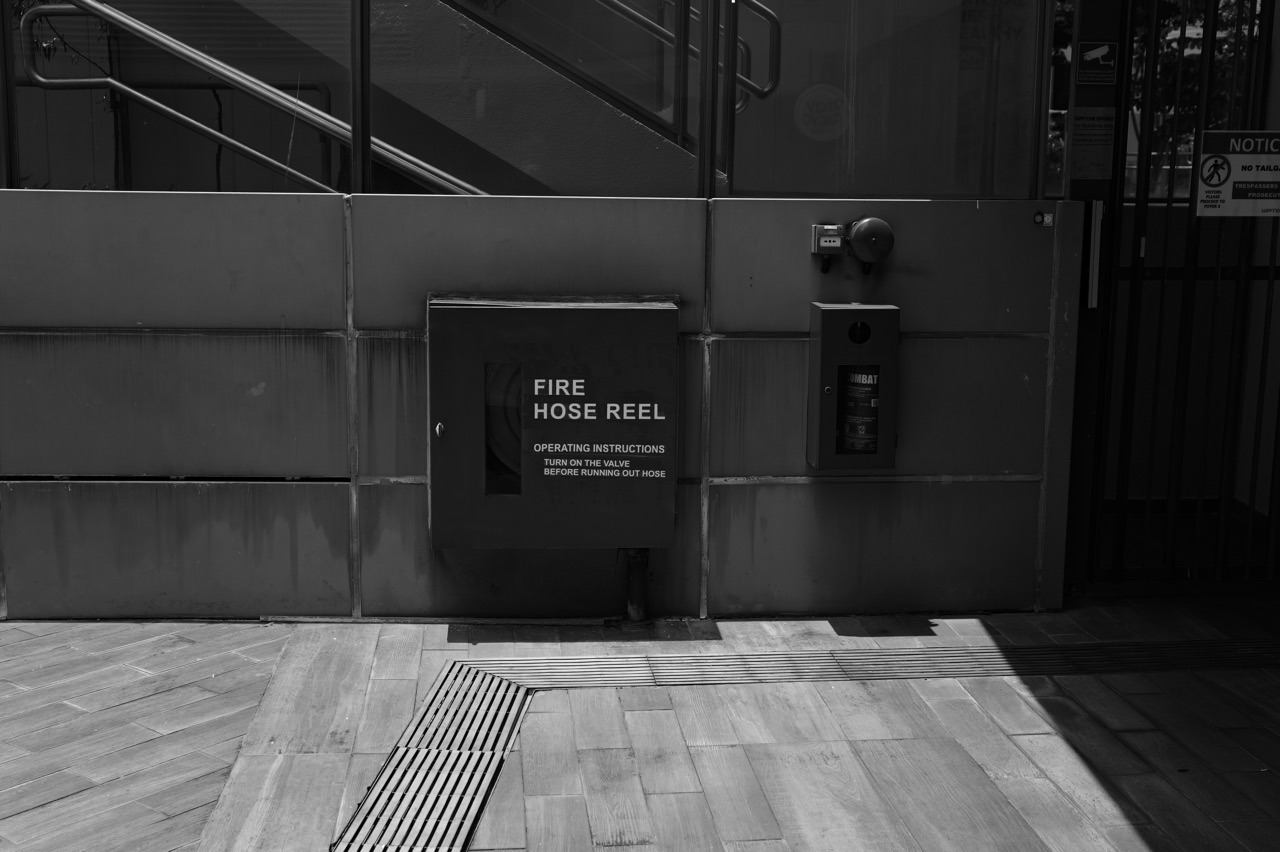
Fire Detection Systems Engineering ensures that appropriate warnings reach people and responsible responders when a building’s fire alarm system is activated. A detector can function correctly while an outdated alarm-zone map points staff to the wrong space. The system is only as useful as the full chain from physical detection to understandable, correctly mapped information.
This guide explains automatic and manual detection, alarm panels, electrical supervision, sounders, visual alerts, remote monitoring, building-system interfaces and maintenance. It uses Singapore SCDF Fire Code 2023 Clause 6.3, updated in September 2026, and the current SS 645:2019 installation and servicing standard.
It is a specialised companion to Fire Protection Engineering, Building Services Engineering, Human Factors Engineering and the Engineering Gold Standard hub.
What proves the fire alarm system works?
- The legally required detection and notification functions are correctly defined for the building.
- Detectors, manual inputs, control panels and zone information describe current physical spaces.
- Important circuits, power and interfaces have appropriate evidence of correct operation.
- The necessary alarm reaches occupants and approved responders in a meaningful form.
- Qualified maintenance and change control keep the system reliable after alterations.
Choose the fire detection question that matters to you
1. A detector can respond correctly while people receive the wrong information
A school extends its library into an adjacent room. The fire alarm control panel displays a normal condition after the renovation, and the new detectors are powered. During a planned review, the facilities team realises that the alarm-zone diagram still refers to the old partitions. A detector may operate correctly, yet emergency responders or staff could be directed using information that no longer describes the building.
Fire detection systems engineering connects appropriate sensing, manual activation, alarm panels, electrical supervision, building interfaces, occupant notification and the information reaching responsible responders. Fire protection engineering is the wider discipline addressing building design, means of escape, suppression and other safeguards. Detection is important because the warning must be credible, timely and understood by the people who depend on it.
The gold standard is not the greatest number of detectors or a panel with no active warnings. It is a functioning, correctly mapped and maintainable system whose performance is supported by the applicable fire-safety requirements and appropriate tests in the actual building configuration.
2. Start with the building’s purpose and people
A small shop, school, hotel, industrial warehouse and healthcare facility create different fire-detection and notification questions. Occupants may be awake, asleep, unfamiliar with the building, working amid high noise or unable to use the same route as other visitors. The requirements for suitable alarm types and supporting systems depend on the building’s actual classification and use.
An engineering brief needs current occupancy, geometry, floor area, activities, relevant fire compartments and the legal basis of the proposed works. A new tenant or a change of layout can affect whether earlier design assumptions remain applicable. A commercial instruction to ‘install complete fire alarm coverage’ does not settle those details.
Singapore SCDF’s Fire Code 2023 Clause 6.3 specifies relevant fire alarm obligations according to purpose group and building conditions. Real designs require the applicable version and a qualified fire-safety professional, not a generic one-size-fits-all layout.
3. Automatic detection and manual activation are separate parts of the strategy
Automatic detection responds to specified physical characteristics associated with a fire under the chosen technology and conditions. Manual call points permit people to initiate an alarm in accordance with the applicable system. These provisions can complement each other, but the right combination depends on the specific building and regulation.
A correctly located call point has little value if people cannot recognise or reach it. An automatic device may provide earlier warning under some conditions while still requiring a system design that accommodates areas where a particular sensing technology is unsuitable. Neither measure should be treated as a universal replacement for the other.
SCDF Clause 6.3 addresses both automatic and manual system requirements, depending on purpose group, size and occupancy. The compliance question is about the approved building, not an informal claim that every modern building always requires every device type.
4. Smoke, heat, flame and video-image detection respond to different phenomena
Detection products do not all respond to the same physical signal. Smoke detectors sense specified smoke-related conditions; heat detectors respond to relevant thermal characteristics; flame detectors observe defined radiation; and certain video-image systems analyse visual information for possible fire or smoke. Their strengths, limitations and applications vary.
Airflow, dust, process heat, ceiling geometry or optical obstructions can influence suitability. A technology that works well in an ordinary office may not be ideal in a particular industrial high-bay area. Selecting the most expensive detector without understanding the expected fire behaviour can produce poor results.
SS 645:2019, currently listed by Singapore Standards, addresses installation and servicing of electrical fire alarm systems, including manual call points and smoke, heat, flame and video-image detection. The actual detector choices need qualified design under the full standard and SCDF requirements.
5. Detector location matters as much as the device rating
A detector measures conditions at the place where it is installed. A sensor may respond reliably in a laboratory while missing relevant conditions in a room whose ceiling, ventilation or obstruction differs from the test environment. The building design and its later alterations therefore influence what the system can detect.
Qualified designers need to consider the actual protected spaces, likely physical behaviour, airflow and any provisions for unusual locations. The relevant regulations and standards establish placement requirements; this article deliberately avoids giving detector-spacing or installation instructions that could be misapplied.
A new partition or suspended feature can create a different physical arrangement from the one originally approved. The owner should have a change-management process that ensures the fire-detection design continues to represent the completed building.
6. High ceilings and open spaces require specialist assessment
Large halls, industrial workshops and warehouses can present different detection challenges from ordinary low-ceiling rooms. Environmental conditions and the distance between a possible fire and a detector may influence detection and false-alarm behaviour. A standard residential-style sensor selected by appearance should not be assumed suitable for every space.
SCDF Clause 6.3 includes provisions for video-image fire detection systems in certain unmanned buildings with large open spaces or high ceilings, where the prescribed criteria apply. The code also describes how these systems can complement conventional detection. Its requirements are site- and purpose-group-specific.
The right technical result depends on the actual fire-safety submission and approved approach. A demonstration that one camera recognises smoke in a test scene cannot automatically prove that an entire high-bay facility meets its fire-detection obligations.
7. Alarm panels must describe the physical location accurately
A fire alarm panel receives and displays information about activated devices and other relevant system conditions. During an incident, staff and responding personnel need to know where an alarm originated. A panel showing ‘Zone 7’ is not useful if the zone chart has not been updated after a building extension.
Engineering must preserve the mapping between the detector identity, panel information, physical floor plan and the actual area in which people work. Software programming and site wiring are parts of that evidence. An electronic panel can be functioning correctly while showing an obsolete building name or floor arrangement.
SCDF Clause 6.3.2 requires appropriate alarm-panel information and refers to SS 645 for relevant zones, panels and associated arrangements. Its explanations discuss the importance of an accurate zone or mimic plan for responders. This is why documentation is an operational safety feature rather than decorative signage.
8. Electrical supervision is intended to reveal failures in the alarm pathway
A fire alarm system includes detection devices, control equipment, power and wiring or other communication links. Under the relevant requirements, supervised arrangements help identify certain faults that could leave the system unable to perform as intended. A normal-looking display is only meaningful if the system can recognise and communicate important abnormal conditions.
Engineering teams should distinguish alarm events, supervisory faults and other statuses as applicable to the approved equipment. The ability to recognise a loss of information is itself part of dependable protection. Simply powering a panel during a contractor’s demonstration does not establish that every required pathway is supervised correctly.
Inspection and maintenance records need to identify the exact circuit or subsystem involved and the qualified response to a finding. Silently suppressing an inconvenient technical warning undermines the evidence on which users rely.
9. Power supplies and shared dependencies affect warning availability
Detection and notification systems need suitable electrical arrangements under the approved fire alarm design. Power dependencies can become particularly important when a building has a broader electrical disturbance. Having a backup power product on site does not establish that all required fire-related functions remain available under the intended conditions.
Design and test evidence should examine the actual installed sources, connections, monitored faults and limitations. Qualified professionals must determine the appropriate standards and legal requirements. A modification to a building electrical distribution system may affect alarm equipment even if no detector was deliberately changed.
The Substation Engineering and Electrical Engineering guides explain why a working device is not independent of its power and protective infrastructure.
10. Occupant notification must reach and be understood by the intended users
An alarm needs to communicate danger or a required response in an environment containing real people. A sounder may be difficult to hear in a noisy industrial space or may not suit all occupants’ sensory needs. Visible alarms or other approved arrangements may be relevant depending on occupancy and applicable requirements.
Human-factors engineering asks whether the message is distinguishable and meaningful under realistic conditions. An alarm sound that resembles an ordinary equipment alert can lead to hesitation or confusion. A visible device that cannot be seen from a key work area may not achieve its intended purpose.
SS 645 and SCDF Clause 6.3 set relevant requirements for audible and visible devices. Their prescribed arrangements and permissible exceptions require professional evaluation. Successful communication is not proved by merely seeing that a speaker is energised.
11. Fire alarm interfaces can depend on several contractors
The detection system may interact with building controls, sound systems, door-related functions or other fire-safety equipment under the approved design. Different contractors may supply these systems. A detector producing the right alarm at its own panel does not establish that the full intended building response occurs.
Engineering should identify which interfaces are required and who is responsible for design, testing and later changes. A modified ventilation control or entertainment system can affect an originally accepted alarm-related interface. Any safety-related dependencies need suitable qualified review rather than a generic network connectivity test.
The Building Services Engineering guide describes how individually accepted systems can fail the intended occupied-building function. Fire detection adds the importance of statutory fire-safety responsibilities across those interfaces.
12. Remote monitoring is a separate path that must function where required
Some premises must connect fire alarm information to an approved alarm monitoring company under the governing SCDF provisions. An alarm that sounds inside the building does not itself demonstrate that a required remote signal reaches the responsible monitoring organisation correctly. The communication path and recipient’s information are part of the service.
Tests should establish the actual approved scope and addressable information, including how relevant faults and changes are managed. An administrative service contract is not enough if the physical alarm interface was never properly accepted or has changed since commissioning.
SCDF’s Clause 6.3.8 and related provisions govern connection to approved alarm monitoring arrangements for relevant occupancies. Not all buildings have identical obligations; legal and technical decisions must be made for the actual premises.
13. False alarms are important evidence, not permission to weaken detection
Nuisance activations can interfere with work and reduce occupants’ confidence in a warning. Their causes can vary: environmental conditions, unsuitable detector selection, contamination, maintenance faults or real events misinterpreted by observers. An apparent false alarm should receive competent evaluation rather than a reflexive assumption that the device is defective.
A facility may seek to reduce repeated activations, but doing so by disabling devices or quietly relaxing required safety functions would be unsafe and may be unlawful. Qualified specialists should investigate the physical cause and determine the appropriate approved correction. Detection reliability and protection must remain connected.
The engineering aim is a signal that people take seriously because it is properly designed, maintained and understood. Reported false activations are useful feedback about the real installation, not just undesirable statistics to erase from the monthly dashboard.
14. Changing occupancy and tenant fit-outs can invalidate an older design
A school library becomes a multipurpose event room, a warehouse adds partitions or a shop extends into an adjoining unit. These changes may alter the physical area, fire load, occupants, access and legal design requirements. The fire detection system may still be electrically healthy while the approved design no longer describes the current arrangement.
Owners should identify which alterations require Qualified Person review, updated submissions or testing under the applicable requirements. The responsible professionals need current plans, detector and zone identities, equipment versions and the proposed use. An office renovation drawing can conceal a fire-safety change when viewed only as furniture layout.
The Fire Protection Engineering guide explains wider safeguards during alteration. This specialist article focuses on keeping detection, alarm communication and associated systems truthful as the building changes.
15. Factory, installation and end-to-end tests prove different claims
A detector manufacturer’s test can demonstrate a product characteristic under stated conditions. Installation inspection confirms selected features of actual equipment in the building. Integrated testing addresses intended interactions among alarm panel, notification and other relevant systems. No single test automatically proves the others.
Acceptance planning needs the current building and approved design, qualified personnel, the correct standard and reliable records. A test should be traceable to the requirement, the device and the physical location. Where an abnormal scenario cannot safely be reproduced, the correct professional method may involve justified inspection, analysis or controlled authorised verification.
The Engineering Verification and Validation Services guide clarifies why component compliance is different from a whole-system function that helps real users.
16. Maintenance should make recurring defects visible and actionable
Detectors and alarm equipment can be affected by age, contamination, environmental conditions and changes to the building. Maintenance needs an approved schedule and qualified servicing within the applicable law and standards. A technician completing one task does not necessarily resolve a recurring fault elsewhere in the installation.
Records should identify device location, meaningful findings, status and technical disposition. Changes in panel programming or zone mapping need controlled revision and suitable re-verification. An outage or impairment should not be concealed by continuing to show the last normal status to building users.
SS 645:2019 explicitly covers servicing as well as installation. The title of the standard matters because continuing care is part of the intended fire-detection service, not an optional commercial add-on.
17. Fire responders need a building they can understand under pressure
During a genuine incident, responders and occupants need information quickly. Inconsistent labels, obsolete maps or ambiguous alarms can delay understanding even when individual electronics work as designed. The quality of the interface should be reviewed from the perspective of people who did not write the panel’s software or the building’s original drawings.
An alarm record should help qualified users identify what occurred, where and when, with appropriate distinctions between normal, fault and fire-related states. The correct response procedures belong to the building’s authorised fire-safety arrangements and SCDF requirements, not a generic article.
The Human Factors Engineering guide explains how information can be technically accurate and still unusable under workload. The fire detection system must deliver actionable, appropriately verified information.
18. The fire detection gold standard is timely warning with evidence behind it
Fire detection systems engineering succeeds when sensors, panels, electrical supervision, notification and required interfaces provide credible information in the building that actually exists. A system with a technically correct detector but obsolete zone mapping cannot claim the full assurance its users need.
Review the complete chain: purpose group, hazard, chosen detection method, physical location, device and circuit identity, power, panels, notification, monitoring, qualified tests and continuing changes. Can a future fire-safety professional explain which evidence demonstrates each function? Does a significant finding reach an authorised decision and verified correction?
The gold standard is not a permanently green control panel or the greatest number of alarms. It is a dependable warning service that respects people, legal duties and the wider building protections throughout the asset’s life.
Worked case: a school library extension and an obsolete alarm-zone map
This is a fictional facility-assurance scenario, not a real fire or operating instruction. A school extends its library into adjacent rooms. The contractor connects the additional detection devices and the main alarm panel reports normal status. The zone chart used by the responsible fire-safety team, however, describes the old floor plan. A qualified project review must connect the installed devices, approved drawings, panel mapping and required interfaces before declaring the system complete.
| Reported evidence | What it really establishes | Unresolved safety question |
|---|---|---|
| All detectors show online | Selected electrical communication is present | Are the correct devices and positions covered by the approved design? |
| Panel has no active faults | Monitored conditions appear satisfactory | Does the current map match device identity and actual spaces? |
| New room passed installation check | Specified work was observed | Were the full building and alarm interfaces reassessed? |
| Old zone chart remains posted | Historical location information is available | Can responders identify the correct current room? |
| Alarm sounder operates in one test | One notification device responds | Are required occupants and locations reached under the approved arrangement? |
| Handover documents signed | Specified administrative activity completed | Is the integrated fire-detection service accepted with current records? |
The correct response is an authorised design and installation review, with appropriate approved verification and updated information. Neither adding more sensors nor dismissing the mapping error as paperwork would solve the underlying problem.
Frequently asked questions
Is a fire detector the same thing as a fire alarm system?
No. A detector is one input device. An electrical fire alarm system includes the relevant detection and manual inputs, control equipment, communication, power, notification and any required monitored interfaces.
Which Singapore standard covers fire alarm installation and servicing?
SS 645:2019 is currently listed by Singapore Standards. SCDF Fire Code 2023 Clause 6.3 references it for relevant buildings and fire alarm arrangements.
Does every building require the same type of fire alarm?
No. Applicable requirements depend on purpose group, building size, occupancy, design and regulatory provisions. Qualified professionals determine the correct system for a specific project.
What is a fire alarm zone map used for?
It helps identify the area corresponding to a reported alarm so staff and responders can locate the event. The map and electronic device identity need to describe the current building configuration.
Can a nuisance alarm simply be disabled?
No. Significant or repeated activations require competent assessment under the approved safety system. Disabling or modifying mandatory protection without authorisation can create serious safety and legal problems.
Does a healthy fire alarm panel prove the building is fire-safe?
No. The panel gives specified information about part of the protection system. Passive protection, escape arrangements, firefighting equipment and other fire-safety duties require separate evidence.
Current SCDF and Singapore fire alarm standards
- SCDF — Fire Code 2023 Clause 6.3 Electrical Fire Alarm System (updated 3 September 2026)
- Singapore Standards — SS 645:2019, Current Code of Practice for Installation and Servicing of Electrical Fire Alarm Systems
- Singapore Standards — SS 645:2019 Current and Redline Package (Updated February 2026)
- SCDF — Fire Codes, Acts and Published Amendments
- eduKate — Fire Protection Engineering
- eduKate — Engineering Quality Assurance Services
- eduKate — Instrumentation Engineering
- eduKate — Gold Standard Sectors and Services Directory
Fire alarm design, installation, alterations, testing, maintenance and emergency decisions require qualified professionals and the applicable SCDF approvals. This educational article does not provide detector placement or spacing instructions, alarm bypass procedures, fire safety certificates or emergency instructions.
The Gold Standard of Fire Detection Systems Engineering
A warning system deserves trust when its sensors, information, building layout and people form one maintained chain. The strongest evidence is not an empty panel fault list but a fire alarm service that stays accurate and usable as the building changes and can be verified by the responsible professionals.