
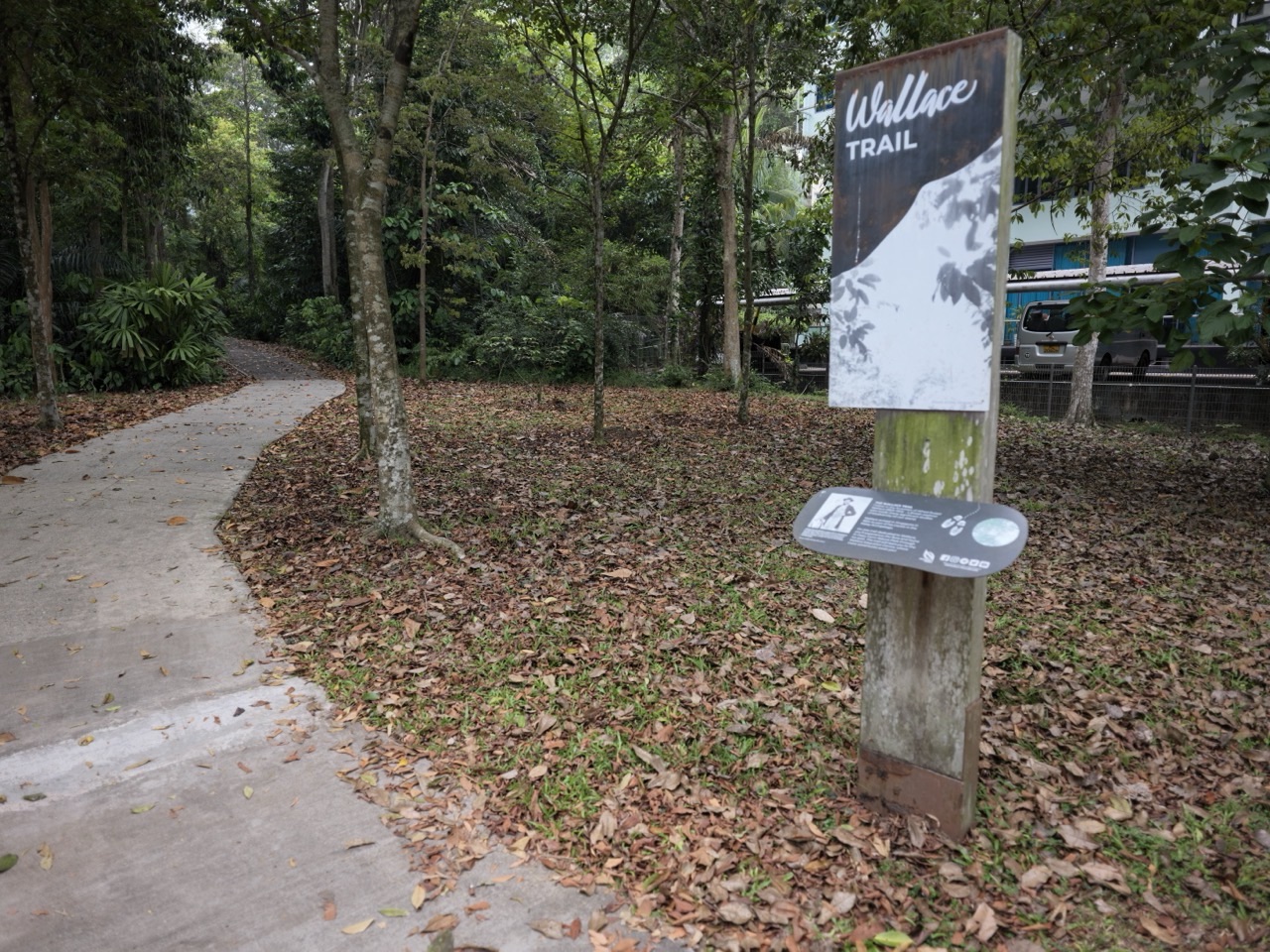
Hiking is not simply walking farther. Natural trails add variable footing, limited exits, changing weather, ecological sensitivity and route decisions that need preparation. A great viewpoint cannot compensate for an unsafe return.
This guide shows how to choose a suitable hike, read the official route information, prepare for Singapore’s tropical weather, respect wildlife and review what worked. It is written for individuals, families, educators and group organisers seeking a practical standard rather than a catalogue of dramatic destinations.
Within The Gold Standard | eduKate Singapore, the measure is reliable execution. This guide complements everyday walking and the field-trip safety guide, while concentrating on trail-specific choices.
Find the trail question you need
Choose the stage that matches your current planning: route fit, practical preparation, group management or learning after the hike.
Chapter index
Decide whether the trail fits: chapters 1–4
Prepare and move responsibly: chapters 5–9
Coordinate groups and handle uncertainty: chapters 10–13
Learn and return well: chapters 14–16
1. Hiking starts with the return journey
The gold standard of hiking is not reaching the most dramatic viewpoint. It is selecting a suitable trail, preparing for the conditions, moving responsibly through nature and returning without creating avoidable risk. A person can walk comfortably around a shopping precinct yet find a shaded forest trail difficult because of uneven surfaces, limited exits or sudden heavy rain.
Imagine an illustrative family planning a morning nature walk with a ten-year-old child and a grandparent. The family prefers a forest setting, but the route map shows several junctions and a long section without convenient exits. A responsible plan chooses a shorter marked route, sets a return time and explains that the group will turn back if weather or energy changes. Enjoyment is not reduced by having a clear boundary.
Hiking is distinct from everyday walking because environmental uncertainty becomes a central part of the activity. The route can have slopes, steps, roots, mud, wildlife and limited facilities. A good hiker treats all of these as design constraints rather than assuming that determination will overcome them.
Back to contents · Next chapter
2. Choose a trail for the people actually attending
A hike begins with the participants’ abilities, not an attractive online photograph. Who is joining? How much walking experience do they have? Are there mobility, health, communication or sensory needs? Will children or older adults require different pacing and rest? These questions help determine whether the proposed length, gradient and path surface are appropriate.
The National Parks Board’s hiking guidance recommends choosing among trails of varying distances and difficulties. This is a starting point, not a promise that a route will feel easy for every person. A description may include ‘easy’ without capturing every stair, root or narrow passage that matters to an individual.
Check the entire route and its exit points. Where practical, choose a shorter option for a first outing and learn how the group responds. A safe trail that people can enjoy again is better than one that forces a vulnerable participant to endure a difficult return simply because everyone has already started.
Back to contents · Next chapter
3. Read the official map and current notices
Online photos can be several years old. Trail access can change due to maintenance, ecological protection, weather or events. Consult the relevant authority’s current page, park map, opening hours and onsite signs before departure. A route that once connected two areas may be restricted when visitors arrive.
Make the route readable to someone other than the person holding the phone. Identify the official entrance, intended junctions, planned turnaround location and return path. Mark one or two points where the group can safely decide whether to continue. A single vague instruction—’follow the stream and it should join the main trail’—is not enough for a responsible hike.
Maps are tools, not guarantees. Mobile reception and positioning can be unreliable under vegetation or in certain terrain. Do not move off designated trails to force a digital route to match the map. The most important navigation skill for ordinary recreational hikers is the willingness to stop, check and return rather than improvising a shortcut.
Back to contents · Next chapter
4. Set a time boundary before setting off
An intended arrival time at a viewpoint is incomplete without a return plan. Calculate the time to walk out and back at the group’s realistic pace, adding rest, observation and weather delays. Identify when you must turn around even if the intended destination has not been reached. Hiking success is not defined by ignoring that time.
Nature reserves and nature parks may have specific opening and closing hours. NParks notes that visitors should observe posted hours and finish their hikes during permitted times. Check each place rather than assuming that a trail is open throughout the day. An early-morning start may be more comfortable in Singapore, but only where official access hours allow it.
If the group is significantly behind schedule at the halfway point, shorten the objective. An honest hiker does not compensate by racing on slippery or uneven paths. The best route is one that works for the people present and the remaining daylight or safe access window.
Back to contents · Next chapter
5. Prepare footwear and a light, useful pack
Uneven natural surfaces reward stable comfortable footwear with appropriate traction. Shoes should be suitable for the trail and broken in enough to avoid preventable discomfort. A new pair purchased the night before a long outing is not necessarily better than familiar footwear that is in good condition.
Carry drinking water, weather protection, a charged phone, any appropriate personal essentials and other supplies suitable for the location and duration. NParks recommends comfortable protective clothing, hydration and checking the route and conditions. Pack purposefully: a heavy bag of unnecessary items can increase fatigue without improving preparedness.
Check whether the chosen trail has toilets, water points or places to rest. Do not rely on a facility shown in an old blog post. If someone requires medication or other health-related arrangements, follow their individual professional advice. A good hiking pack supports a specific journey, not an imaginary expedition.
Back to contents · Next chapter
6. Treat tropical weather as a route condition
In Singapore, heat, humidity and heavy rain affect how a route feels. An overcast morning can still be warm and demanding, while a thunderstorm can develop rapidly. Check official forecasts and warnings. Have an alternative activity or cancellation plan rather than assuming that every scheduled hike must proceed.
NParks explicitly advises visitors not to enter forested areas during and immediately after bad weather. Wet ground, fallen branches and other hazards may remain after rain has stopped. A group should seek suitable shelter when conditions deteriorate, follow signs and official directions, and abandon the outing when a safe return cannot be assured.
An effective decision point occurs before entering the forest, not after the group has walked deep into it. Ask: ‘What weather would make us cancel? How would we leave? Where is safe shelter?’ Those questions turn a generic weather reminder into an actual operating plan.
Back to contents · Next chapter
7. Walk on designated trails and protect the ground
Nature reserves protect plants, animals and habitats that may be damaged by shortcuts. A narrow unofficial track might appear convenient but can trample saplings, accelerate erosion and disturb wildlife. NParks’ nature park and reserve etiquette tells visitors to stay on designated trails and avoid restricted areas.
Do not create a new route just to shorten distance or improve a photograph. A slope can become hazardous after many visitors cut across the same patch of ground. Staying on marked paths also reduces the chance of getting lost or accidentally entering areas not intended for hikers.
Teach children that respect for nature is expressed through behaviour. They can observe seeds and leaves without collecting protected material, photograph a flower without stepping into sensitive growth, and enjoy a view without leaving litter. The quality of an outing includes the condition in which the place is left for others.
Back to contents · Next chapter
8. Understand wildlife without trying to interact
Wild animals are not props for an outdoor learning activity. Observe quietly from an appropriate distance and never feed, touch, corner or provoke them. Wildlife may behave differently when surprised, protecting young or seeking food. Visitors should follow the park authority’s current advice for encounters with animals such as monkeys, wild boars or snakes.
Food packaging and plastic bags can encourage unwanted animal interactions in some places. NParks advises special caution with food in nature reserves and nature parks where animals may associate bags with feeding. Keep items properly secured, follow signs and avoid creating an incentive for wildlife to approach people.
An animal sighting is a good opportunity to learn observation and restraint. Ask what the animal is doing without approaching it. A close-up photograph obtained by following wildlife off the trail is not a successful nature encounter. A hiker’s competence includes knowing when to watch from afar and continue.
Back to contents · Next chapter
9. Use a pace that preserves attention
A hike is demanding when fatigue causes people to stop noticing the ground and their companions. Start at a pace suitable for the least experienced walker rather than forcing that person to catch up. On steps, roots and muddy sections, attention to footing is more useful than maintaining a fitness-device pace.
Plan brief rest points in suitable safe places. A stop should not block a narrow passage or leave group members standing where cyclists or other park users need to pass. If someone feels unwell, dizzy or unusually breathless, stop, assess the situation and seek appropriate assistance. A hike is not a test of whether a person can ignore warning signs.
Adjust the plan when the group cannot maintain its intended rhythm. A short route that allows conversation and careful observation may provide more value than a long route that consumes everyone’s energy. The standard is sustained control of the outing, not performance for an audience.
Back to contents · Next chapter
10. Keep children and groups meaningfully coordinated
A family or school hike needs a clear supervision arrangement. Adults should know who is responsible for which children, where the next regrouping point is and what to do if the group separates. Children should not be encouraged to run ahead around blind bends to prove independence.
Organised group activities in certain Singapore nature reserves or parks may require permits. NParks’ hiking guidance and place-specific pages explain relevant processes. The requirements vary by location and group type; an organiser should check the precise area and activity before announcing a meeting.
For an educational group, record appropriate contacts, basic safety arrangements and who will manage an incident. The best supervision system is one that works when a child is tired, a path is blocked or weather changes. A group photograph at the trail entrance does not prove that the remainder of the journey has been thought through.
Back to contents · Next chapter
11. Teach navigation through landmarks and decisions
A beginner can learn to read a simple route without being asked to lead the group into unfamiliar wilderness. Point out official trail signs, junction names, distances where supplied and distinctive landmarks. Ask the learner to explain the next permitted direction and where the group would return if necessary.
Use observation rather than memory games. ‘We crossed a bridge and turned left at the marked junction’ is a stronger navigational explanation than ‘I think the tree looks familiar’. Distinguish between a landmark that helps orientation and an unofficial track that might lead somewhere unsafe.
Where phones are used, keep attention on the path and stop in a safe place to consult the map. GPS is helpful but should not override onsite signs or official restrictions. The learning objective is better decision-making, not a false belief that an app can rescue poor route choices.
Back to contents · Next chapter
12. Prepare a reasonable response to an incident
A slip, lost contact with a group member or sudden illness can require assistance. Before starting, know how to contact the responsible facility or emergency services and communicate the trail’s name, entrance and last known marked location. A charged device helps, but a planned meeting point and clear group roles matter too.
Do not move a seriously injured person unnecessarily or attempt treatment beyond your training. Seek appropriate professional assistance, follow emergency instructions and protect the group from further hazards. In Singapore, dial 995 for emergency medical assistance when required. An article cannot replace practical first-aid training.
After an incident or near miss, review what made the situation likely: pace, footwear, visibility, group separation or a misleading route description. The aim is system learning, not public blame. Responsible hiking organisations adapt plans when they discover a hazard.
Back to contents · Next chapter
13. Make accessibility claims from evidence
A route may be labelled ‘family friendly’ yet contain narrow steps, steep slopes or a boardwalk that cannot accommodate a mobility aid. Do not equate attractive scenery with accessible design. Check each official park’s accessibility details, the surfaces and the route from transport arrival to trail exit.
Ask participants what practical information they need. Some may require frequent rest points, accessible toilets, lower sensory load or a shorter variant. Others may prefer a different type of outdoor activity entirely. Honest advance information supports autonomy more than a generic promise that everyone can participate.
The gold standard is inclusion through fit, not inclusion through pressure. A route can be inappropriate for a particular person without implying that the person lacks motivation. Choosing another environment may be the thoughtful answer.
Back to contents · Next chapter
14. Turn a nature hike into an evidence-based lesson
Hiking can make ecological relationships visible. Learners can notice shade, soil moisture, bird calls, mangrove roots or the way trails are designed to protect sensitive habitats. Choose questions appropriate to the actual location rather than assigning an identical nature worksheet everywhere.
One simple exercise is to compare two legally accessible viewpoints on the same trail. Does one have a denser canopy? Is the ground visibly wetter? Which plants grow nearby? Invite explanations, then discuss what the observations do and do not prove. Two viewpoints alone cannot establish a general scientific law.
Children can record a respectful field sketch or a short description. Avoid collecting specimens or disturbing wildlife in protected spaces. Nature education works when curiosity is joined to restraint, and when the journey remains safe enough that learners can pay attention to what they see.
Back to contents · Next chapter
15. Review the hike by its decisions, not just its distance
After returning, ask whether the route matched the group, whether the map and signs were clear, whether weather plans worked and whether everyone could participate. The number of kilometres completed is only one piece of information. A journey can meet its educational purpose even if the group turns back early for a sensible reason.
Use a brief incident-free review as well as discussing any difficulties. Note one successful decision and one change: start earlier within official hours, choose a lower-gradient route, carry different water quantities or check a closure notice more carefully next time. Distinguish observations from guesses.
For organised groups, record useful route information so the next leader does not have to rediscover the same hazard. But do not circulate unnecessary health or identity information about participants. A good review improves the shared process without invading privacy.
Back to contents · Next chapter
16. The gold standard is a safe, responsible return
A hike works when the landscape remains protected, the participants remain informed, and the group can return safely. A viewpoint, an animal sighting or a step-count milestone is optional. Route readiness, environmental respect and decisions when conditions change are not optional.
Capable hikers are willing to cancel when weather is wrong, shorten a route when energy changes, remain on marked paths when a shortcut looks tempting and keep their distance from wildlife. These choices may never appear in a photograph, yet they explain why the activity can be enjoyed over many years.
The Gold Standard of Hiking is therefore not about conquering a place. It is a managed encounter with a living landscape: prepare, observe, move responsibly, respond and return. The more reliably that process works, the more room there is for discovery.
A family hike decision sheet
Use this example to frame questions before departure; official route notices and individual needs always take priority.
| Stage | Check | Decision |
|---|---|---|
| One day before | Forecast, official trail status, participants and route | Choose a fitting route or postpone |
| Before entering | Weather, signage, footwear, water, planned turnback | Proceed only with a workable return plan |
| First junction | Actual pace, group comfort, route confidence | Continue, shorten or turn back |
| Wildlife encounter | Distance, behaviour and posted guidance | Observe without feeding or approaching |
| Rain or dangerous conditions | Current alerts and safe options | Follow NParks advice; avoid forested areas during and after bad weather |
| After the hike | Return completed, one success, one issue | Improve the next route or group plan |
Trail-readiness checklist
- The route matches the group, including any accessibility needs.
- I have checked official maps, notices, access requirements and opening hours.
- The starting point, permitted trail and way home are understood.
- I have a turnback time and clear weather cancellation criteria.
- I have suitable footwear, water, essential supplies and a charged phone.
- The group knows the supervision and regrouping arrangements.
- Everyone understands staying on the trail, not feeding wildlife and carrying out litter.
- I can explain what I will do if the route becomes unsafe.
Authoritative sources and further eduKate reading
- NParks: Hiking in Singapore — hiking guidance, etiquette and trails
- NParks: Nature Park and Nature Reserve Dos and Don'ts — protected habitats and safety
- NParks: Parks Dos and Don'ts — bad weather and visitor behaviour
- eduKate: Field Trips and Outdoor Education Safety
- eduKate: The Gold Standard of Walking
- eduKate: Gold Standard Master Hub
This is educational guidance, not a live trail advisory or personalised medical assessment. Always follow current NParks notices, venue rules, weather warnings and qualified emergency instructions.