
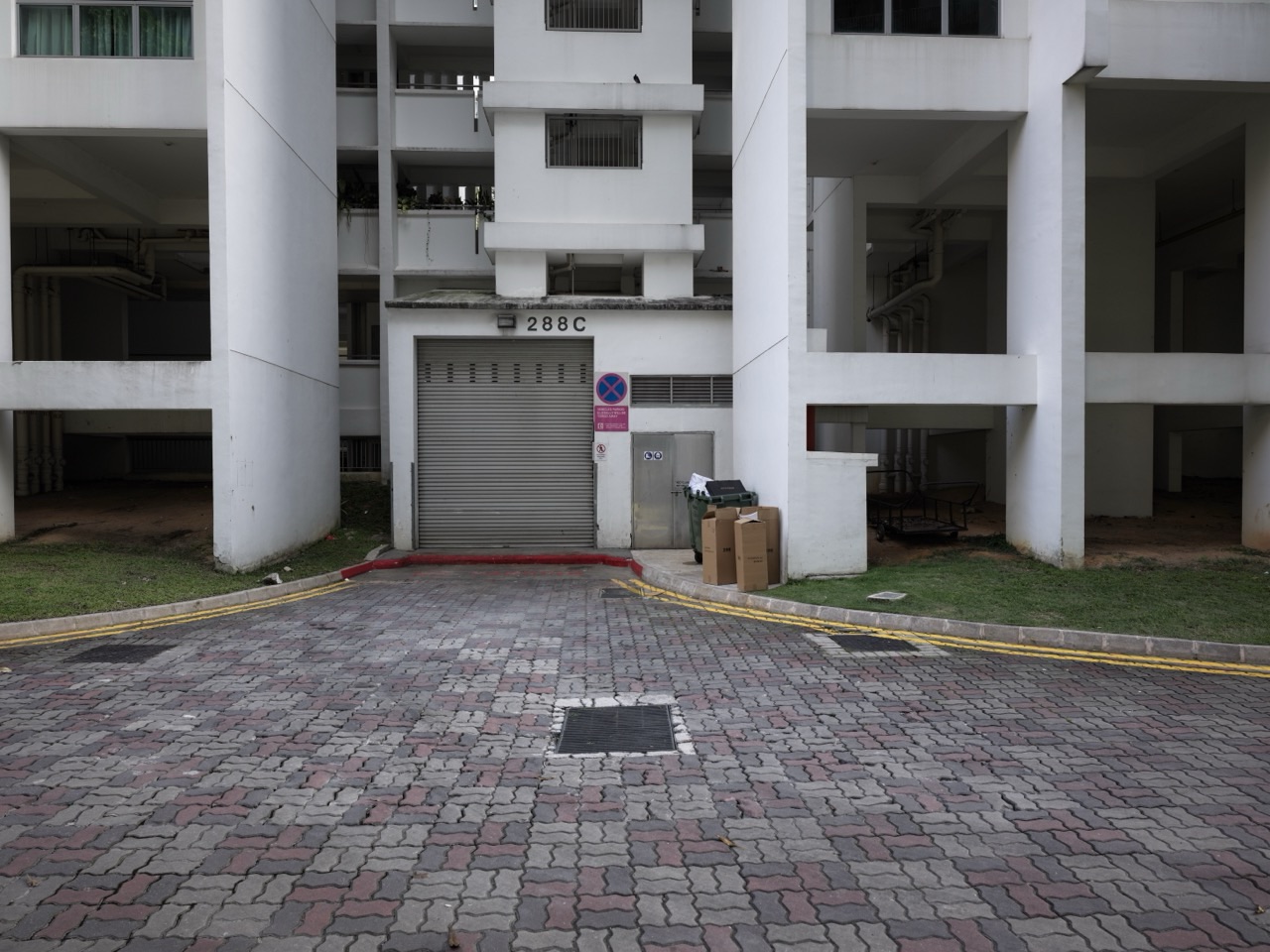
The gold standard of waste management is not an empty rubbish bin, a clean pavement or a beautiful recycling poster. It is preventing unnecessary waste, collecting what remains safely, recovering useful material wherever practical and knowing exactly what happens to the rest.
How do you become the gold standard of waste management? Follow materials from purchase to final disposal. Reduce avoidable inputs, design clear separation points, prevent recycling contamination, manage collection reliably, measure what is genuinely recovered and protect people, neighbourhoods and the environment throughout the chain.
Here is the strange magic trick of modern cities: rubbish appears to vanish. Put a bag down the chute and—poof!—the kitchen is clean. But the material is still somewhere. A truly excellent system remembers where it went and what it cost to move it.
Read How Singapore Works: Waste and Cleanliness.
What Does “Gold Standard” Mean for Waste Management?
- Prevention: unnecessary waste is designed out before it is generated.
- Segregation: materials follow an appropriate route at the point of disposal.
- Hygiene: collection and storage do not create pests, odours or public-health risks.
- Traceability: managers know where waste goes after collection.
- Recovery: recycling and reuse have real downstream destinations.
- Safety: workers and communities are protected during handling and transport.
- Efficiency: routes, equipment, labour and energy are managed sensibly.
- Land stewardship: final disposal is treated as a scarce capacity, not an infinite hole.
- Evidence: outcomes are measured, not inferred from the number of blue bins.
These are standards a school, shopping mall, hawker centre, construction site, hospital or city can actually test. Gold standard does not mean zero waste by declaration. It means disciplined improvement with a clear accounting of the residue.
The Waste Loop: Prevent → Separate → Collect → Recover → Treat → Dispose → Learn
1. Prevent before buying
Start at the design and procurement stage. Ask whether an item is needed, whether it lasts, whether a reusable alternative fits the task and whether packaging can be reduced without damaging the product. The cheapest bin to empty is often the one that never needed filling.
2. Separate materials at the right moment
Paper mixed with food scraps, or recyclables soaked by liquids, may lose recovery value. Clear signage matters, but convenient bin placement, staff habits and collection arrangements matter too. A system that depends on everybody making heroic decisions every day is not yet well designed.
3. Collect without creating a new problem
Collections need predictable timing, appropriate containers, reliable vehicles, safe lifting, pest control and a route through the neighbourhood that does not cause avoidable disruption. Overflow is not only unsightly; it can make otherwise recoverable material harder to handle.
4. Recover what has a real destination
A material is not recycled merely because somebody placed it in a blue bin. Recovery requires sorting, processing, an acceptable quality specification and somewhere the recovered material can actually be used.
5. Treat, dispose and learn
Residual waste must be managed according to its properties and applicable rules. Then use data to discover where prevention, sorting, contracts or infrastructure should improve. The waste hierarchy is a decision guide, not a magical disappearance machine.
Singapore’s Waste Reality: Clean Does Not Automatically Mean Circular
Singapore is a useful case study because land is scarce and waste systems must operate continuously at high urban density. The National Environment Agency (NEA) reported an overall recycling rate of 52% in 2025, with domestic recycling at 11%. This is why a tidy estate and a successful material-recovery system cannot be treated as the same achievement.
In simple terms, Singapore is good at moving rubbish out of sight. The next challenge is reducing how much becomes rubbish in the first place and recovering more value without contaminating the streams that are supposed to be recyclable. These figures are a dated benchmark, not a permanent measurement.
NEA: Waste Statistics and Overall Recycling.
What Actually Happens After the Rubbish Chute?
NEA explains that much of Singapore’s residual waste is sent for waste-to-energy incineration. Incineration reduces its volume by around 90%, helping conserve landfill space. It does not eliminate all residue: ash and non-incinerable waste are sent to Semakau Landfill.
That distinction matters. Energy recovery is useful, but burned is not the same word as recycled. Neither is landfill a limitless reserve. Management therefore needs upstream material reduction, careful downstream operations and realistic capacity planning.
NEA: Waste Management Infrastructure.
Recycling Contamination: A Small Mistake With a Big Shadow
A drink container tossed into mixed paper without being emptied seems trivial. Multiply it by thousands of households and collection points and contamination becomes a sorting and quality problem. The correct response is neither to scold everybody nor to pretend signage alone will fix behaviour.
Observe the actual disposal point. Can people recognise accepted materials? Is there a general-waste bin beside the recycling bin? Do cleaners and occupants know the route? Does the collection process keep sorted material separate? Is the destination able to process it?
The gold standard follows the material beyond the poster. For item-specific Singapore guidance, NEA links to the Recycle Right resources because not everything placed in a recycling bin is recyclable in that system.
Different Waste Streams Need Different Decisions
- Food waste: prevention, safe handling, separation and appropriate treatment routes.
- Paper and cardboard: keeping recoverable material clean and dry.
- Plastics: distinguishing items accepted by the local recycling system from difficult mixed materials.
- Electrical waste: using appropriate e-waste collection and recycling schemes rather than ordinary bins.
- Construction waste: considering reuse and material recovery during design and demolition planning.
- Hazardous and clinical waste: specialist handling and compliance rather than improvised disposal.
The point is not to memorise every category. It is to identify the material, hazard and authorised recovery or disposal route before you choose a container.
The Gold Standard of Waste Procurement
Waste starts long before collection. Think about a school event ordering single-use decorations, excessive printed brochures and individually wrapped supplies. The cleaning team can perform brilliantly and still inherit mountains of waste the purchasing decision created.
Good procurement considers durability, realistic quantities, packaging, repairability, collection arrangements and total disposal costs. Ask suppliers what arrives, what returns, what can be refilled and who takes responsibility for the end of life.
This is the quiet connection between waste and finance: materials purchased but not used consume cash twice—first at acquisition and again when they are disposed of.
Read The Gold Standard Of Procurement and The Gold Standard Of Inventory Management.
A Better Scorecard Than “Number of Bins Installed”
- Prevention: waste generated per relevant unit of service, adjusted for context.
- Material quality: contamination rates in streams intended for recycling.
- Verified recovery: mass sent to and accepted by a genuine recovery route.
- Residual disposal: how much remains after sensible avoidance and recovery.
- Service quality: missed collections, overflow incidents and complaints.
- Safety: handling incidents, exposures and near misses.
- Cost: whole-life collection, sorting, processing and final-disposal cost.
- System learning: whether recurring causes are corrected.
Waste numbers can deceive. A business with less activity may generate less waste without improving its processes. A site with a high reported recycling rate may be mixing in streams that cannot actually be recovered. Keep both absolute figures and meaningful intensity measures.
A Singapore Neighbourhood Break-Test
Picture a crowded neighbourhood festival on a rainy evening. Food stalls close together. Packaging piles up. A collection vehicle is delayed. The recycling bins are wet and full. The rubbish area is near a pedestrian route.
What should happen? The gold-standard organiser has planned container capacity, clear streams, overflow management, timely collection, worker safety and a response owner. After the event, the organiser counts the residual material, identifies where contamination happened and redesigns next year’s purchases.
A clean-up crew is essential. A system that reduces the size of the clean-up job is better.
Waste, Energy, Water and the Civilisation Graph
Waste does not sit alone. Waste-to-energy plants connect to electricity systems. Food waste links to supply chains and purchasing. Improper disposal can affect drains. Recycling links to global material markets. Infrastructure workers rely on transport, training and safety practices.
That makes waste management a vivid example of civilisation as interdependence. When one interface fails, its costs are transferred to another part of the city: a cleaner, an incinerator, a landfill, a resident or the environment.
Explore Energy Management, Operations Management, and How Singapore Works: The Whole Machine.
What Students Can Learn From One Rubbish Bin
Here is a practical science-and-Mathematics investigation for a school group: observe the waste categories produced during an ordinary lunch period, record them responsibly without handling unsafe material, propose one prevention change, then compare results across comparable days.
Students can practise classification, measurement, estimation, data presentation, causes versus symptoms and fair comparison. They can also write a persuasive English explanation of the change. That is more educational than colouring a recycling poster and assuming the problem is solved.
Waste management careers include environmental engineering, operations, logistics, materials science, facilities, procurement, policy, data analysis, community education and industrial design. Real improvement needs all of them talking to one another.
Read The Gold Standard Of Measurement and The Gold Standard Of Quality Control.
Sources and Further Reading
- NEA — Overview of Singapore’s waste-management approach
- NEA — Waste and recycling statistics (2025 data)
- NEA — Waste-to-energy and Semakau Landfill
- NEA — Reduce the use of disposables
- eduKateSG — How Singapore Works: Waste and Cleanliness
Waste Management in Practice: Prevention, Safe Streams and Verifiable Results
Waste management includes buying, using, separating, collecting and checking what really gets recovered. These examples use hypothetical quantities and current official Singapore waste guidance.
- Prevention Starts with What Is Bought
- Map the Material from Purchase to Final Destination
- Interpret National Waste Statistics Correctly
- Source Separation Keeps Material Recoverable
- Worked Case: A School Recycling Station Is Contaminated
- Food Waste Prevention Must Respect Food Safety
- Worked Case: Fewer Prepared Meals Are Not Automatically Less Waste
- Singapore’s Return Right Scheme Changes Recycling Behaviour
- Electrical Waste Requires an Authorised Route
- Waste-to-Energy Is Not the Same as Recycling
- Collection Is an Essential Public Health Service
- Protect Workers and Users in the Material Flow
- Procurement Determines Future Waste
- A Waste Scorecard Should Show Real Results
- Waste Services Must Be Practical for Different Residents
- A Safe Four-Week Waste-Literacy Exercise
- Frequently Asked Questions about Waste Management
- Official Sources and Connected eduKateSG Learning
Prevention Starts with What Is Bought
A clean city can still generate too much waste. A useful waste strategy begins before a product is bought: does a school, household or organisation genuinely need it, is something reusable already available, and can the product be repaired or used again? Collection and disposal are important, but they only respond after resources have been consumed.
An event organiser can compare durable, approved materials with decorations purchased for one day. The comparison should include function, safety and likely reuse rather than automatically assuming that one material is superior. To claim that waste was prevented, keep a credible baseline of what would otherwise have been purchased and discarded.
Map the Material from Purchase to Final Destination
A waste process follows purchasing, use, possible repair or reuse, separation, collection, sorting, treatment and final disposal. Each handoff can introduce errors. A product carrying a recycling symbol is not proof that it will be recovered through the actual local system.
Record the material category, source, person responsible, authorised collection point and downstream outcome. A contractor’s collection record shows material left the premises; it may not prove that the material was recycled. NEA’s disposal infrastructure overview helps distinguish Singapore’s treatment and landfill arrangements.
Interpret National Waste Statistics Correctly
NEA’s 2025 waste statistics report 0.83 kg of domestic waste generated per resident per day, compared with 1.06 kg in 2015. These are population-level indicators, not measurements of the typical rubbish bin in one school or a guarantee that each material stream improved equally.
Distinguish total generated, disposed and recycled waste. A national recycling rate requires a defined numerator, denominator and year. Paper and food waste, for example, have different treatment possibilities. Use the right category before explaining a trend and avoid mixing item counts, kilograms and tonnes without conversion.
Source Separation Keeps Material Recoverable
Paper, metal, glass, plastic, food waste, batteries and electrical equipment do not all belong in one bin. Their appropriate routes depend on condition, local collection systems and current rules. Food residue can contaminate paper or other recoverable material, while some waste creates safety hazards if mixed with ordinary recycling.
Put clear instructions where the disposal decision happens, make bins accessible and provide a suitable alternative for non-recyclable material. If collection points repeatedly contain the wrong items, investigate signage, placement, capacity and user needs. Another bin is not automatically the best intervention.
Worked Case: A School Recycling Station Is Contaminated
Imagine a school monitors a prepared, safe sample of twenty-five paper items at one collection station. Twenty are clean and five are contaminated by food or drink. The observed contamination by counted item is 5 ÷ 25 = 20%. This is not the contamination rate by mass, and the material’s actual recycling outcome has not yet been established.
The school could compare clearer signs or a new collection layout with a later, similar observation. Students should not open unknown waste bags or touch sharp or unhygienic material. Improvement is shown by cleaner, correctly handled streams and legitimate downstream recovery, not the number of colourful containers installed.
Food Waste Prevention Must Respect Food Safety
Food waste can arise from excess preparation, inaccurate forecasts, poor inventory rotation or spoilage. NEA reported about 790,000 tonnes of food waste generated in 2025, with an 18% recycling rate. These are national statistics, not an explanation of losses in an individual kitchen.
Food businesses can review ordering and approved storage processes, and consider safe redistribution where legitimate. Never keep or serve food that may be unsafe simply to protect a waste target. Current segregation and treatment requirements apply differently to defined building types; the responsible owner must check the applicable rule.
Worked Case: Fewer Prepared Meals Are Not Automatically Less Waste
A fictional café prepares sixty lunches but sells forty-eight on a typical day. Twelve remain. Management proposes making forty-five meals initially and preparing more when demand develops. The fifteen fewer initial meals are a production change; they are not automatically fifteen meals of waste eliminated, because some of the original meals may have been sold later.
A responsible trial compares actual sales, safe leftover handling, customer access, preparation capacity and cost over similar days. Food safety is a non-negotiable condition, not a cost to trade for a better waste percentage.
Singapore’s Return Right Scheme Changes Recycling Behaviour
Singapore’s Return Right beverage container scheme began on 1 April 2026 and completed its transition on 1 October 2026. Eligible regulated pre-packaged drinks in specified plastic or metal containers carry a 10-cent deposit that can be reclaimed at authorised return points.
Check the deposit mark and current collection requirements. A random plastic bottle without the eligible mark does not automatically qualify. In a classroom example, returning twenty eligible containers yields 20 × S$0.10 = S$2 in deposits, assuming all are accepted. The example illustrates incentive design, not the actual redemption rate.
Electrical Waste Requires an Authorised Route
Old batteries and electronics may contain recoverable resources but can also create fire, electrical and environmental risks when improperly discarded. NEA’s e-waste recycling guidance identifies the authorised routes and categories under Singapore’s extended producer responsibility framework, introduced in 2021.
Do not place unknown devices, batteries or lamps into ordinary blue bins or dismantle equipment in a classroom. Organisations must also protect confidential data on devices before authorised disposal. A useful management process links inventory records, security requirements and evidence of handover to a suitable collector.
Waste-to-Energy Is Not the Same as Recycling
Singapore uses waste-to-energy infrastructure for suitable residual waste and Semakau Landfill for relevant final disposal material, including incineration ash and non-incinerable waste. These stages help manage sanitation and disposal capacity but do not make unwanted material disappear.
Report source-separated recycling, energy recovery and final disposal as distinct outcomes. A kilogram collected for recovery is not necessarily a kilogram successfully recycled. NEA’s infrastructure guidance provides the Singapore context. Facility operations and hazardous-waste handling belong to authorised specialists.
Collection Is an Essential Public Health Service
Rubbish collection protects neighbourhood sanitation. Failure can lead to odour, pests, overflow and dangerous obstructions even when recycling campaigns are well designed. The operating plan must include suitable storage, reliable pickup, access for service workers and a response to missed collections.
Track missed pickups, time to correction, recurring complaints and the people affected. A favourable average can conceal particular buildings receiving poor service. During disruption, communicate legitimate temporary arrangements rather than ask residents to move unknown or hazardous waste themselves.
Protect Workers and Users in the Material Flow
Waste collection and treatment can involve moving vehicles, sharp material, lifting injuries, extreme heat, fire and harmful substances. Managers need competent personnel, equipment, established safety procedures and a route for reporting unsafe conditions. Speed targets must not encourage bypassing those safeguards.
Use material classification and appropriate authorised services for items needing specialist treatment. This article deliberately avoids instructions for dismantling batteries or processing chemicals. A near miss should lead to a review of hazards, instructions and controls, not pressure to conceal the incident.
Procurement Determines Future Waste
Product durability, repairability, packaging and realistically required quantity shape the material that eventually becomes waste. A business may reduce unnecessary transit packaging with supplier cooperation, while preserving product safety and protection. Cheap purchasing that causes frequent spoilage or damage may create more overall waste.
Compare options by their complete service and lifecycle rather than a marketing label. Where environmental evidence is incomplete, say so. Do not assume that one type of packaging is always better across all uses or that more recyclable material automatically means fewer environmental impacts.
A Waste Scorecard Should Show Real Results
Useful measures include total waste by category and unit, avoidable purchases, successfully reused material, verified recovery, collection reliability, significant incidents and final disposal. Define the comparison period, mass or item units and population. A set of attractive recycling posters is not an outcome metric.
Suppose a fictional school records 200 kg of discarded paper in one comparable term and 180 kg in the next. The measured decrease is 20 kg, or 10%. The observation does not by itself establish that one campaign caused the reduction. Enrolment, teaching activities and purchasing may also have changed.
Waste Services Must Be Practical for Different Residents
Residents may have different mobility, language or digital-access needs. A return point that exists on a map but is inaccessible to some users is not equally useful to all. A sound system provides clear public instructions and reasonable routes for people to obtain assistance.
Do not penalise users for confused sorting when the instructions are contradictory or the collection system changes without communication. Review the experience of households, businesses, collectors and processing facilities together. Better behaviour is more likely when the desired action is possible and understandable.
A Safe Four-Week Waste-Literacy Exercise
Week one: map a safe, clean school material stream from purchase to intended disposal. Week two: compare prevention, reuse and Singapore’s authorised collection routes with official NEA material. Week three: test one clear, approved sorting instruction using prepared clean examples. Week four: compare outcomes and state the limits of the evidence.
Students can practise conversions, percentages and causal reasoning without contacting actual unsorted refuse or hazardous items. The objective is to understand how everyday choices connect to recovery, sanitation, energy and land—not to claim recycling was achieved because a bin was emptied.
Worked Case: A Collection Target Is Met but Recovery Falls
A fictional community centre records 500 kilograms of source-separated material collected during a month. Its report says it exceeded a target of 450 kilograms and celebrates a successful recycling campaign. Later, the authorised processor’s records show that only 360 kilograms entered the relevant material-recovery stream, while 140 kilograms required other treatment because of contamination or incompatibility. These are teaching figures, not results from a real Singapore facility.
The collection target was exceeded by 50 kilograms, but the verified recovery proportion of the collected material was 360 ÷ 500 = 72%. That is not necessarily the final recycling yield: processing may cause further losses. A manager should ask which materials were collected, how contamination was determined, what destination documents support the treatment claims and whether the source-separation instructions need adjustment. Celebrating collection alone hides the next failure point.
When designing incentives, reward prevention and verified downstream quality rather than the weight placed into a recycling container. A campaign that encourages people to discard usable items merely to increase collection volume would defeat the original purpose. Report the complete material pathway and any evidence limitations so future procurement and education decisions become more accurate.
Frequently Asked Questions about Waste Management
Does an empty bin mean no waste was produced? No. Material may have been collected or transferred. Prevention and verified recovery are different outcomes.
Do all drink containers qualify for Return Right? No. Only eligible containers that satisfy the scheme’s current rules and carry the applicable deposit mark qualify.
Is waste-to-energy recycling? No. Material recycling and energy recovery are different processes, and final residues remain.
Why separate food waste? Source separation can protect other recyclables from contamination and support authorised food-waste treatment where applicable.
Official Sources and Connected eduKateSG Learning
Consult NEA 2025 statistics, waste infrastructure, food waste, Return Right and e-waste collection for actual Singapore arrangements. The numerical examples here are fictional.
Explore Procurement for source prevention, Food Safety for safe handling, Measurement for sound reporting and Operations Management for reliable service.
The standard: prevent unnecessary waste, collect the rest safely, protect recovery quality and establish what actually happened after materials left the building.
How to Be the Gold Standard of Waste Management
Buy more intelligently. Prevent waste upstream. Separate materials at the point of use. Keep recovery streams recoverable. Protect sanitation and worker safety. Know the downstream destination. Measure real outcomes. Preserve disposal capacity. Improve the next cycle.
The gold standard is not a city where rubbish mysteriously disappears. It is a city that understands what it consumes—and becomes steadily better at needing less, recovering more and protecting what remains.