
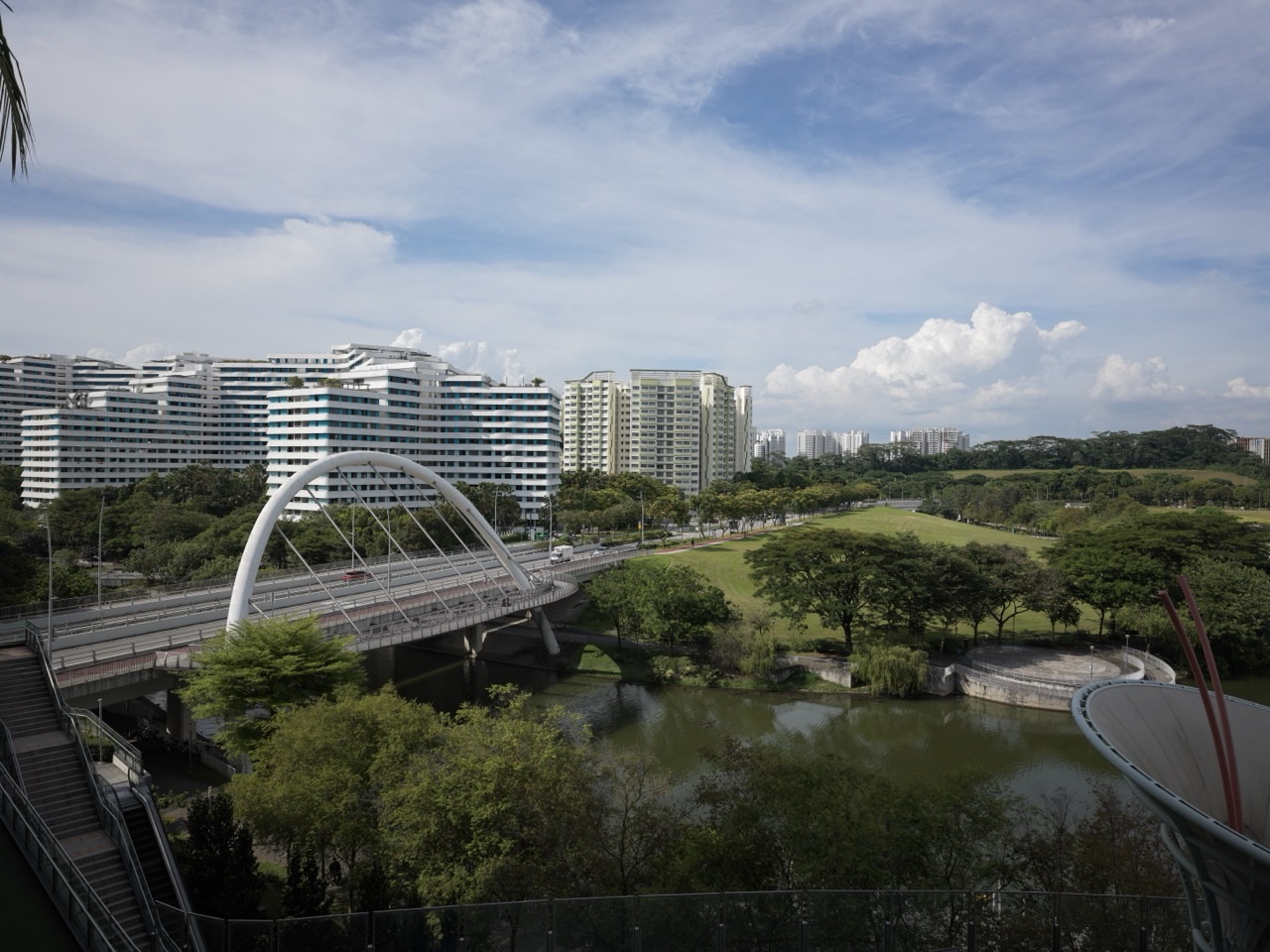
The Gold Standard of Water connects water resources, public health, drinking-water quality, utility services, wastewater, stormwater, floods, rivers, coastal systems and maintenance. Read the chapters from the source to the user and onward to environmental return, or follow a published specialist Gold Standard article.
Water chapter index
- Chapter 1
- Chapter 2
- Chapter 3
- Chapter 4
- Chapter 5
- Chapter 6
- Chapter 7
- Chapter 8
- Chapter 9
- Chapter 10
- Chapter 11
- Chapter 12
- Chapter 13
- Chapter 14
- Chapter 15
- Chapter 16
- Chapter 17
- Chapter 18
- Chapter 19
- Chapter 20
- Chapter 21
- Chapter 22
- Chapter 23
- Chapter 24
- Chapter 25
- Chapter 26
- Chapter 27
The Gold Standard of Water is safe, accessible and reliable water for the people, ecosystems and activities that depend on it, supported by careful management from the source to treatment, delivery, use, collection, restoration and responsible return to the environment. Good water systems are not measured only by how many pipes were installed or how much water passed through a treatment plant. They are measured by whether the complete service protects health and remains dependable.
A treatment plant can produce water that meets its target at the plant exit while a damaged distribution pipe introduces contamination farther downstream. A city can build a large drainage channel yet experience flooding when blocked inlets stop rainfall from entering it. A household can receive a water bill that looks precise while a meter or account record is wrong. Water quality requires attention at every interface.
This guide connects drinking water, water resources, treatment, distribution, wastewater, sanitation, stormwater, drainage, floods, coastal interactions, water-intensive businesses, monitoring, maintenance and public accountability. Specialist Gold Standard articles throughout eduKateSG cover the individual systems and professional responsibilities.
It is an international educational guide, not a certification of any water supply, home, river or wastewater facility. Water quality requirements, authorised testing, discharge permits, health warnings and engineering codes vary by jurisdiction. The worked examples are fictional learning cases; questions affecting safety or public health require authoritative local guidance and qualified practitioners.
1. What is the gold standard of water?
Good water management begins with the outcome people and nature need. Domestic users require safe and sufficient water at an accessible price. Farmers and industry need supplies appropriate to their activities. Cities need drainage that manages credible rainfall. Rivers, wetlands and coasts need protection from damaging pollution and irresponsible extraction.
Water is both a resource and a public-health issue. Its quality cannot be determined from colour alone, and its availability cannot be inferred simply because a reservoir is full. The standard includes quality, quantity, continuity, accessibility, affordability, environmental responsibility and the ability to recover from disruptions.
The World Health Organization’s drinking-water framework emphasises risk management from the catchment to the consumer, health-based targets, water safety planning and independent surveillance. This whole-chain approach provides a useful basis for thinking about other water services as well.
2. Understand the water cycle and human use
Water moves through evaporation, condensation, precipitation, infiltration, runoff, storage and living systems. The cycle is a foundation for understanding drinking-water sources, groundwater, irrigation, flooding and the effects of development.
A rainfall event does not become a reliable water supply automatically. Water must be collected or abstracted, managed, treated when required, stored and delivered. Some rain infiltrates into the ground; some returns to the atmosphere; some flows to rivers and the sea. Land use and infrastructure can change these pathways.
Good planning respects this relationship between natural conditions and human systems. A decision upstream can affect water availability or pollution downstream. The relevant scale may be a building, a catchment or a cross-border river basin.
3. Define the actual water service before selecting technology
Water projects are often described through equipment: a new pump, pipe, treatment process, tank or drainage channel. The first question should instead be what problem must be solved. Is the issue unsafe drinking water, intermittent supply, leakage, contaminated wastewater, flooding or high operating cost?
Different problems need different evidence. A community with poor reliability might benefit from distribution maintenance rather than a larger source. A flood-prone street may need better inlet management before additional downstream capacity. Technology should be chosen to fit a diagnosed service need.
A good brief states who is served, the relevant hazards, operating conditions, required performance, monitoring and who will maintain the asset. The service purpose should survive through design, construction and handover.
4. Source protection is the first safety barrier
Water quality risks can begin in the source or catchment. Land use, wastewater discharge, agricultural runoff, industrial activity and naturally occurring substances can affect water before it enters a treatment system.
Source protection uses appropriate risk identification, monitoring and controls to reduce contamination where possible. Treatment remains important but should not be expected to make every unmanaged upstream hazard irrelevant.
A complete water-safety strategy asks what contamination is credible, how it could reach users and which independent safeguards reduce the risk. The correct response depends on actual source characteristics and local health requirements.
5. Drinking-water treatment uses multiple safeguards
Treatment technologies may address particles, microorganisms, dissolved substances, taste or other characteristics, depending on the incoming water and applicable targets. A single method is not automatically suitable for every water source.
The multiple-barrier approach combines source management, appropriate treatment, controlled operation, reliable distribution and verification. Treatment must be designed and managed by qualified people using the governing standards. A laboratory sample taken at one time and location cannot prove every future condition will remain safe.
A well-run facility records measurements, alarms, process deviations and corrective actions. Operators should know when results require escalation or service restrictions, rather than altering a report to make the plant appear compliant.
6. Distribution protects water after treatment
Water travels through storage, pumps, pipes, valves and service connections. Leaks, pressure changes, incorrect cross-connections, contamination or maintenance work may affect delivery and water quality.
Distribution management includes asset knowledge, condition monitoring, safe repair, controlled pressure, water-quality sampling where appropriate and records that identify the actual pipe or location involved. A repaired leak should not be treated as complete without the applicable tests and sanitary safeguards.
A supply interruption is also an information event. Customers need timely, accurate instructions from authorised sources about the nature of the problem and what actions, if any, they should take.
7. Access and affordability are part of safe water
A household may live near a water source yet lack dependable access to water that is safe for drinking. Carrying water over long distances, unreliable hours of supply or unaffordable charges can create serious practical burdens.
The United Nations Sustainable Development Goal for water and sanitation focuses on universal and equitable access, water quality and better management. The WHO framework for safely managed drinking-water considers accessibility on premises, availability when needed and freedom from contamination.
Good water services therefore assess distributional impacts and barriers to access, not only network averages. The experience of vulnerable households should be considered when setting service and correction priorities.
8. Water utilities need accountable customer service
A utility service includes meter reading, billing, new connections, complaints, outage communication and fault correction alongside technical supply. Accurate water at the treatment plant is only one part of the customer’s experience.
Billing should connect authorised meter data, rates and account rules transparently. If a customer questions a sudden increase, the provider should have a documented way to review the relevant records and consider whether the cause is higher use, a leak, a meter problem or a billing error.
A well-designed complaint route gives the customer a clear owner, understandable information and a fair means of review under applicable rules. The aim is to resolve the correct problem rather than to close the ticket quickly.
9. Water loss is a service and resource issue
Utilities may lose treated water through leakage or other forms of non-revenue water, including apparent losses related to metering or commercial records. The exact meaning and accounting of these categories require a defined water balance.
A programme to reduce losses needs credible measurement and a strategy suited to the system. Repairs, pressure management, meter quality, asset renewal and records can all matter. A visible leak is not necessarily the largest source of total loss.
Reducing avoidable losses can help preserve scarce water resources, control operating costs and improve reliability. Savings claims should be compared with an appropriate baseline and the actual service outcome rather than assumed from the number of repairs made.
10. Storage balances supply, demand and disruptions
Water storage can buffer differences between source availability and demand, but tanks and reservoirs introduce their own quality and management requirements. A larger storage volume is not automatically a safer or more reliable service.
Operators must consider turnover, water quality, structural condition, access, operational controls and how stored water enters the distribution network. Where storage is part of emergency planning, the usable quantity and recovery method must be assessed under credible conditions.
A tank that appears full may not deliver water through a faulty valve or pump. As in other infrastructure systems, the promised function should be checked at the receiving point.
11. Groundwater has opportunities and limits
Groundwater can support households, agriculture and industry, but the resource is shaped by geology, recharge, abstraction and water quality. Levels can respond slowly to human pressure, and contamination can be difficult to remediate.
A groundwater assessment should distinguish measured conditions from assumptions about long-term availability. Wells and abstraction plans may require authorisation and appropriate protection of surrounding users and ecosystems.
A report claiming that an aquifer will provide an unlimited supply has not made a credible assessment. The gold standard considers the resource over time and recognises the uncertainty inherent in subsurface conditions.
12. Wastewater management protects communities and receiving waters
Used water from households, business and industry may contain different pollutants and require different collection, treatment and discharge arrangements. Sewage networks, pumping stations and treatment works need coordination.
A wastewater system can function poorly when inflows exceed its capacity, infiltration changes loading or mechanical failures interrupt processing. Treatment quality must be assessed with suitable sampling, operating records and the governing limits, not just visual appearance.
Safe sanitation protects people and the environment. Operators also need responsible methods for sludge, residues and other treatment by-products.
13. Industrial wastewater cannot be treated as ordinary domestic sewage
Industrial activities may generate wastewater with chemicals, heat, solids or variable loads that require specialist controls. Pretreatment, segregation, monitoring, permit limits and safe handling depend on the actual process and applicable law.
A plant should not assume that dilution makes every discharge acceptable or that a single end-point test captures variable production conditions. Better practice includes material and process knowledge, appropriate sampling and controls to prevent avoidable contamination.
Where changes in manufacturing alter wastewater characteristics, treatment and monitoring arrangements should be reviewed. A previously acceptable system may no longer match the new operating conditions.
14. Stormwater drainage begins at the catchment
Rainwater moves across roofs, roads, soil, parks and drainage systems. Urban development can change runoff pathways, while blocked inlets and poor maintenance can reduce the usable capacity of a well-designed network.
A drainage plan needs realistic rainfall assumptions, catchment understanding, surface conditions, hydraulic capacity and maintenance access. It should consider where water can safely flow when ordinary systems are exceeded.
Water reaching a low-lying area may have travelled through many upstream sites. The correct remedy could involve inlet care, upstream storage, flow-path management, larger assets or coordinated land-use changes. A single downstream drain cannot always solve the whole catchment problem.
15. Flood management is about people and recovery
Flood risk depends on the interaction of hazards, exposure and vulnerability. The same rainfall can produce different impacts depending on terrain, drainage, buildings, transport links and community preparedness.
Good flood management combines appropriately designed infrastructure with monitoring, warning, clear public information, safe access and recovery planning. It should also recognise the limits of forecasts and the possibility of events more severe than the chosen design condition.
An effective system prioritises people who may have difficulty moving or accessing information. A warning delivered only through one digital channel may be inadequate for some users.
16. Blue-green infrastructure brings benefits and care obligations
Rain gardens, permeable surfaces, detention landscapes, wetlands and planted waterways can contribute to managing runoff while also supporting shade, habitat and public amenity. Their value depends on suitable design and maintenance.
A rain garden can lose performance when it becomes compacted or clogged. A planted channel may need careful vegetation and sediment management. Nature-based infrastructure is not automatically maintenance-free or suitable for every hydraulic condition.
Projects should examine local soil, rainfall, groundwater, safety, access and ecological consequences before using broad environmental labels. Benefits and trade-offs should be monitored over time.
17. Rivers, lakes and coasts are connected systems
Water management extends beyond taps and pipes. Rivers carry sediment, nutrients and pollutants. Lakes and wetlands support biodiversity and human uses. Coastal zones interact with tides, storms, runoff and changing environmental conditions.
A project that changes upstream flows may influence erosion, habitat or flooding elsewhere. Dredging and coastal defences can have consequences beyond the immediate works. Sound management therefore considers connected physical systems and the people who rely on them.
Protecting freshwater and marine environments requires appropriate monitoring, lawful discharge control and cooperation where waters cross administrative boundaries.
18. Water, food and energy influence one another
Agriculture requires water, and water delivery and treatment use energy. Electricity interruptions may affect pumping or treatment. Industrial water demand can compete with other uses during scarcity.
Planning these systems independently can create expensive surprises. An irrigation expansion might increase groundwater pressure; a water-treatment upgrade can require stronger power supply; a cooling system may affect local water use.
Good resource planning identifies critical dependencies, practical alternatives and affected users. There is rarely a single universal allocation rule, so decisions must be grounded in evidence, relevant law and transparent priorities.
19. Water quality measurements need context
A laboratory result is meaningful only when the sample, method, location, handling, time and comparison standard are appropriate. Clear water can be unsafe, and an unusual-looking sample may require investigation without justifying an immediate conclusion about health.
Sampling programmes should consider which hazards matter and how conditions vary. Results should distinguish observations from interpretation, and unusual findings should be escalated using authorised public-health and technical procedures.
Water-quality requirements and advisory limits are jurisdiction-specific. A public summary should identify its source and date rather than presenting a generic number as universally applicable.
20. Maintenance protects the water service chain
Pumps, valves, pipe joints, instruments, filters, tanks, drainage inlets and treatment equipment deteriorate over time. Good maintenance plans prioritise risk and real failure mechanisms rather than assuming one schedule suits every asset.
A cleaned filter can still be incorrectly installed. A repaired valve may leave a bypass open. A pump may start without producing the expected flow. Suitable verification should establish that the relevant water function has been restored.
Maintenance records need accurate asset identification, observed condition, work performed, required tests and unresolved defects. These details become especially important during service disruption or investigation.
21. Resilience considers drought, floods and infrastructure failure
Water systems face different risks depending on place and use: drought, extreme rainfall, contamination incidents, mechanical breakdown, power interruptions, cyber problems and changes in demand.
Resilience planning identifies essential service levels, alternative supplies, public communication, credible emergency responses and recovery resources. Multiple water sources can offer resilience, but they may still depend on one vulnerable treatment or electrical system.
A reliable plan is not a promise that failure is impossible. It is evidence that foreseeable hazards have been considered and that accountable people know how to protect essential users.
22. Water data, sensors and digital controls require scrutiny
Water networks increasingly use meters, remote sensors, monitoring software and automation. These systems can improve visibility and response, but they depend on correctly installed and maintained instruments and trustworthy data.
A pressure sensor that has drifted can trigger incorrect operational decisions. A dashboard might report stable storage while a communications fault prevents new readings from arriving. A high-quality system reveals missing or uncertain data instead of filling gaps with unjustified confidence.
Automation should have appropriate safeguards, secure access and human oversight suited to the consequence of a wrong decision. The physical water system remains the final reality against which digital claims must be checked.
23. Worked case: safe water leaves the plant but customers report a problem
In a fictional town, treatment-plant results meet the required standards while residents in one district report an unusual taste and intermittent discolouration. The operator cannot dismiss the reports solely by pointing to the plant’s final water sample.
A competent investigation follows the network, maintenance history, pressure changes, possible disturbance, relevant sampling locations and authorised public-health arrangements. The observations could have multiple causes; this example does not diagnose a real contamination event.
Suppose a recent pipe repair changed local flow conditions and disturbed deposits in an ageing distribution section. Appropriate corrective action and official communication depend on the actual findings and requirements. The incident also reveals a need to coordinate maintenance with monitoring and customer alerts.
The lesson is that the complete promise reaches the customer’s point of use. Treatment success at one location does not automatically establish every downstream condition.
24. Worked case: a new drain cannot prevent a blocked entrance
A fictional shopping street receives a drainage upgrade. After a heavy storm, water still pools around an entrance. The building manager blames the new drain, but the first inspection finds leaves and debris blocking the nearest inlet.
The technical team reviews catchment flow, inlet capacity, maintenance access, rainfall conditions and any changes in nearby construction. It distinguishes whether the system is undersized from whether its designed capacity is simply unavailable because of blockage.
Suppose a revised landscaping arrangement directs leaves into the same inlet during storms. Correcting the maintenance routine and upstream design may be more effective than installing larger underground pipes without diagnosing the cause.
The case shows why the gold standard includes the everyday operating environment, not just the original engineering calculation.
25. Worked case: a community water tank has enough volume but poor continuity
A fictional community has a storage tank intended to help during short supply interruptions. During an outage, the tank level appears sufficient, yet residents receive little water. A worker assumes that the gauge is wrong.
A competent investigation, using authorised safe methods, checks the actual storage, outlet controls, pumping or gravity delivery arrangements, pressure and distribution network. A stored volume does not prove that usable water can reach customers under the required conditions.
Suppose a valve was incorrectly configured after previous maintenance. The response involves suitable technical correction, verification, accurate records and review of handover checks. Public communication must reflect the real availability of safe supply.
The lesson is that water storage should be assessed by service delivered, not merely a full-tank reading.
26. Practical routes for different readers
A household can begin by understanding official water-quality information, meter records, service notices and legitimate reporting routes. A business should identify critical water needs, discharge obligations, consumption patterns and risks of disruption.
Utilities should map the chain from source to customer and from wastewater collection to safe treatment and discharge. Engineers need to verify the particular standards and conditions of their designs. Policymakers should consider affordability, allocation, public health and ecological impacts together.
Students can trace one glass of drinking water backwards through distribution, treatment, source and catchment, then follow wastewater into collection and treatment. The exercise reveals the hidden infrastructure behind an ordinary daily activity.
27. Water quality scorecard
A gold-standard water system understands its source, risks and users. It protects drinking-water quality through appropriate safeguards, delivers sufficient supply, manages wastewater safely, handles stormwater realistically, monitors ecosystems and infrastructure, communicates honestly and maintains a credible recovery plan.
It also treats access and affordability as parts of the service and keeps records that allow failures to be diagnosed and corrected. The scorecard is a learning framework, not a water-quality certificate or substitute for authorised public-health guidance.
28. Water subject directory: connected specialist Gold Standard guides
The following published articles are specialist parts of the water ecosystem. This root explains why source, treatment, delivery, use, collection, drainage and environmental stewardship need to be managed together; the sub-articles examine specific duties, technologies, companies and services.
Water sources, drinking-water quality and utility delivery
- The Gold Standard of Fire Hydrant System Testing | Accessible Hydrants, Verified Water Supply and Safe Readiness
- The Gold Standard of Public Water Supply Interruption Reporting Services | Accurate Triage and Verified Restoration
- The Gold Standard of Wastewater Treatment Plants | Controlled Flows, Clean Effluent and Accountable Recovery
- The Gold Standard of Water Distribution Engineering | Pressure, Quality and Service at the Last Tap
- The Gold Standard of Water Distribution Network Management
- The Gold Standard of Water Filter Maintenance Services | Honest Water Claims, Hygienic Cartridges and Verified Flow
- The Gold Standard of Water Management
- The Gold Standard of Water Quality Monitoring
- The Gold Standard of Water Tank Cleaning Services | Potable Water Safety, Licensed Inspection and Verified Certification
- The Gold Standard of Water Treatment Engineering | Multiple Barriers and Quality Proven to the Customer
- The Gold Standard of Water Treatment Plants | Multiple Barriers, Verified Quality and Reliable Supply
- The Gold Standard of Water Treatment Reliability
- The Gold Standard of Water Utility Companies | Safe Supply, Network Reliability and Accountable Service
Wastewater, sanitation, hygiene and environmental protection
- The Gold Standard of Environmental Engineering | Pollution Prevented, Performance Proven
- The Gold Standard of Environmental Remediation Engineering | Cleanup with Evidence and Lasting Protection
- The Gold Standard of Environmental Services | Measured Protection and Practical Restoration
- The Gold Standard of Industrial Water Pump Manufacturing | Verified Flow, Sound Castings and Serviceable Design
- The Gold Standard of Wastewater Engineering | From Used Water to Safe Reuse
Stormwater, drainage, flood resilience and urban water
- The Gold Standard of Flood Early Warning
- The Gold Standard of Flood Risk Engineering | Catchments, Exposure and Resilient Decisions
- The Gold Standard of Gutter Cleaning Services | Safe Roof Work, Clear Drainage and Verified Rainwater Flow
- The Gold Standard of Stormwater Harvesting
Rivers, coastal systems, hydrology and resource engineering
- The Gold Standard of Airport Transfer Services | Flight-Aware Pickup, Licensed Drivers and Trusted Arrival
- The Gold Standard of Bus Drivers | Safe Journeys, Clear Communication and Reliable Service
- The Gold Standard of Coastal Ecosystem Restoration
- The Gold Standard of Coastal Engineering | Connected Defences and Adaptable Shorelines
- The Gold Standard of Coastal Protection
- The Gold Standard of Delivery Drivers | Safe Routes, Honest Handoffs and Recoverable Parcels
- The Gold Standard of Dredging Engineering | Safe Depths, Sediment and Marine Stewardship
- The Gold Standard of Driver Licensing Services | Proven Competence and Secure Entitlement
- The Gold Standard of Geotechnical Engineering | Ground Uncertainty Managed Before It Moves
- The Gold Standard of Hydropower Engineering | Electricity with River Responsibility
- The Gold Standard of Marine Surveying Services | Condition Evidence and Seaworthy Decisions
- The Gold Standard of Marine Surveying Services | Vessel Condition Beyond the Certificate
- The Gold Standard of Water Resources Engineering | From Catchment to Community
Water-related maintenance, service and infrastructure
- The Gold Standard of Civil Engineering | Infrastructure That Remains Safe and Useful
- The Gold Standard of Digital Infrastructure
- The Gold Standard of Facilities Management
- The Gold Standard of Public Infrastructure Inspection
- The Gold Standard of Water Leak Detection
- The Gold Standard of Water Leak Detection Services | Find the Source, Protect the Building and Verify Repair
The practical boundaries matter. A drinking-water safety question may involve catchment protection, treatment, network maintenance, customer sampling and public-health communication. A flood concern can involve land use, inlets, drainage infrastructure, warning and recovery. Follow the specialist article corresponding to the actual decision.
29. Frequently asked questions
What is the gold standard of water?
Safe, reliable, accessible and responsibly managed water from the source through treatment and delivery, with effective wastewater management, drainage and environmental protection.
Does clear-looking water mean it is safe to drink?
No. Important microbial and chemical hazards may not be visible. Follow authoritative local water-quality advice and testing requirements.
Is a successful treatment-plant test enough for the entire network?
No. Water quality and pressure can be affected downstream. The whole source-to-consumer system requires risk management and appropriate monitoring.
Can bigger drains eliminate urban flooding?
Not in every situation. Catchment changes, blocked inlets, drainage pathways, maintenance and events exceeding the design basis can all matter.
Why must groundwater be monitored?
Because abstraction, recharge, geology and contamination can affect availability and quality over time, sometimes in ways that are slow to detect or reverse.
What should a customer do after receiving a water-quality advisory?
Follow the current instructions from the local authorised water or public-health authority, rather than relying on generic advice that may not suit the specific incident.
Primary water and sanitation resources
- WHO — Drinking-water
- WHO — Guidelines for Drinking-water Quality (June 2026)
- WHO — Drinking-water Safety and Quality
- World Bank — Understanding Non-revenue Water
- The Gold Standard of Infrastructure
- The Gold Standard of Engineering Services
- The Gold Standard of Energy
- The Gold Standard master hub
The gold standard of water is not one reservoir, pipe, pump or laboratory result. It is the dependable protection of a complete life-supporting system: safe water for people, responsible treatment after use, functioning drainage and healthy waterways sustained through clear evidence and accountable care.
Water pollution: sources, pathways and loads
The Gold Standard of Water Pollution. Follow the chapter routes for worked examples, evidence limits and specialist reading.