
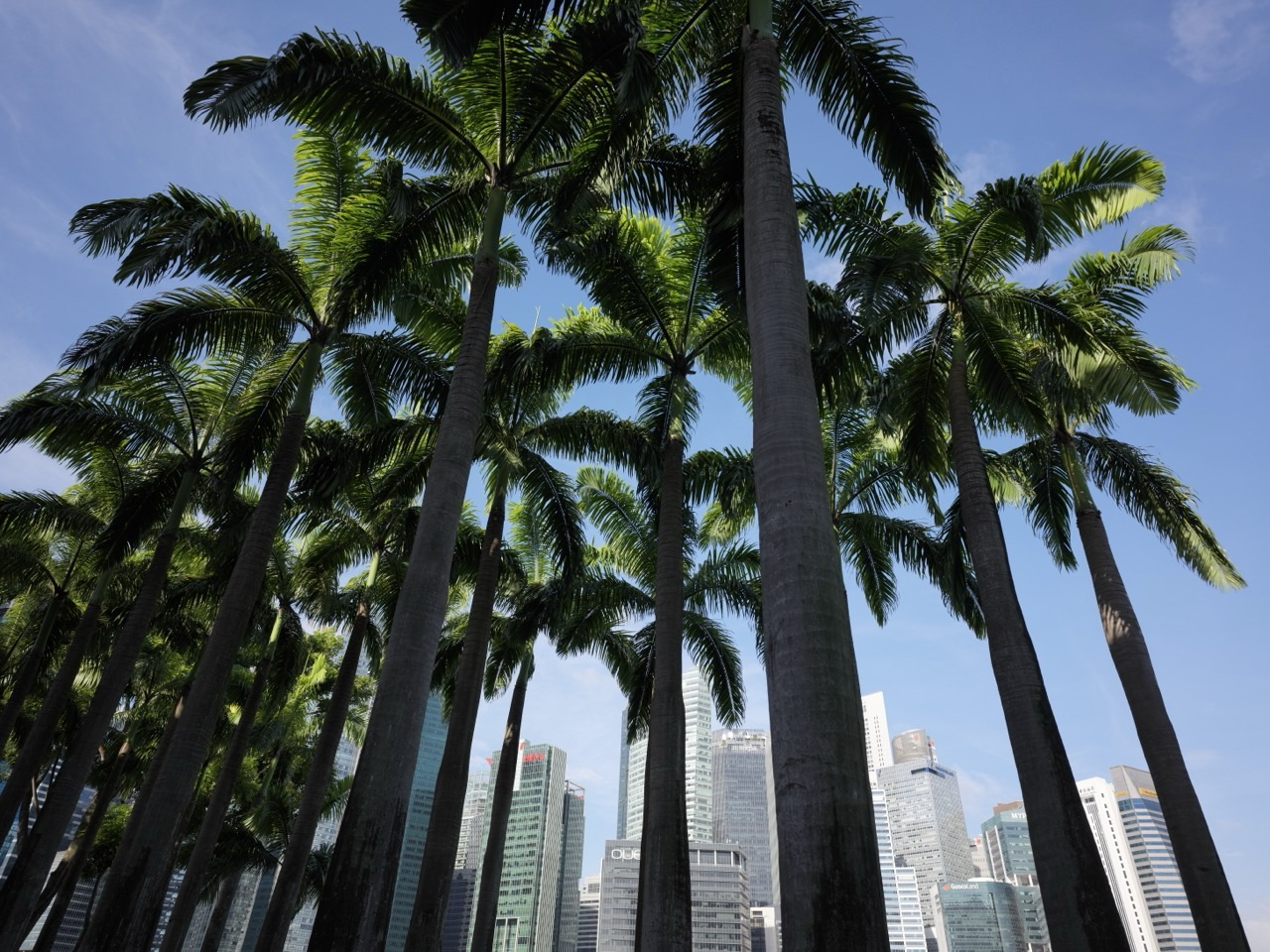
Things to do in Singapore | Hoe Chiang Road. Walk the southern edge of Anson, study the redevelopment of 15 Hoe Chiang Road, trace the new internal-street and public-space strategy, compare older office blocks with mixed-use towers, and use one short CBD road to understand how Singapore is turning closed commercial parcels into more connected neighbourhoods.
Hoe Chiang Road is one of those streets where the important story is still being built.
The road sits inside the Anson–Tanjong Pagar transformation zone.
URA’s current planning direction is adding housing, public space, sheltered walking routes and stronger connections toward Cantonment.
The redevelopment of 15 Hoe Chiang Road makes that strategy especially visible.
- Walk Hoe Chiang Road and compare older office buildings with newer mixed-use redevelopment.
- Study the 15 Hoe Chiang Road site from public areas.
- Look for the planned publicly accessible internal street concept.
- Compare the road with Enggor Street, its paired one-way connector.
- Continue toward Bernam Street and Cantonment.
- Walk north toward Anson Road and Tanjong Pagar.
- Use the route to understand how public connectivity can be inserted through private development sites.
Read: Things to do in Singapore | Enggor Street
Read: Things to do in Singapore | Anson Road
Read: Things to do in Singapore | Bernam Street
Start With the Big Idea: Hoe Chiang Road Is About Permeability
URA’s Anson guidelines identify Hoe Chiang Road and Enggor Street as a one-way pair linking the southern CBD toward Cantonment and the Rail Corridor.
The planning goal is not simply to move vehicles.
The area is being redesigned to support wider sidewalks, cycling lanes, public spaces and more direct pedestrian connections.
Official planning reference: URA | Urban Design Guidelines for Anson
Study the 15 Hoe Chiang Road Redevelopment
URA’s current Master Plan 2025 material identifies 15 Hoe Chiang Road as one of the mixed-use developments supported under the CBD Incentive Scheme.
The project is intended to add new public spaces and connectivity enhancements rather than functioning only as a private tower.
That is the key lesson.
Redevelopment can improve the network around it, not merely the building inside its own property line.
Official current planning reference: URA | Rejuvenating Our Downtown
Use the Internal Street as a Planning Lesson
URA’s annual-report material highlights a publicly accessible internal street planned across the 15 Hoe Chiang Road redevelopment.
The route is intended to connect with surrounding covered walkways and a new bus stop.
That means a private development parcel becomes part of the public movement network.
Official planning reference: URA | Annual Report 2024/2025
Understand Why Internal Streets Matter
A very large building site can become a barrier if pedestrians must walk around its perimeter.
An internal street changes that.
- walking distance shortens;
- ground-floor shops gain footfall;
- public space becomes more useful;
- bus stops connect more directly;
- neighbouring blocks feel less isolated.
Permeability increases the value of the whole district.
Use Hoe Chiang Road to Teach Private Land, Public Benefit
Urban planning often asks private redevelopment to contribute to public objectives.
That can include:
- public walkways;
- covered links;
- public plazas;
- cycling connections;
- trees;
- new bus access.
The development owner gains a larger, newer project.
The city gains better connectivity and public realm.
The exchange is part of how dense districts improve without public agencies owning every parcel.
Compare Hoe Chiang Road With Enggor Street
URA plans the two streets as a paired movement system.
Enggor Street is especially useful for studying sidewalks, cycling and low-rise street edges.
Hoe Chiang Road adds the through-site connectivity and major redevelopment story.
Together they show how street improvement works at network scale.
Continue nearby: Things to do in Singapore | Enggor Street
Study the Low-Rise Street Edge
URA’s Anson framework also guides developments along Hoe Chiang Road and Enggor Street to provide a two- to four-storey street edge before taller building mass steps back.
The lower edge creates a more intimate pedestrian experience and relates better to nearby historic Tanjong Pagar.
A tall building can therefore be both high-density and human-scaled at street level.
Walk Toward Bernam Street
Bernam Street forms part of the same wider walking-and-cycling network.
New housing and mixed-use redevelopment are bringing more residents into the southern CBD.
That increases the importance of comfortable side streets because residents use the district outside office hours too.
Continue nearby: Things to do in Singapore | Bernam Street
Walk Toward Cantonment
The planned connector reaches toward Cantonment MRT and the former Tanjong Pagar Railway Station.
Circle Line Stage 6 opened in July 2026, making the southern end of this route substantially more useful.
An office district that once faced south toward industrial and railway land now connects into a new rail and heritage node.
Continue nearby: Things to do in Singapore | Cantonment
Walk Toward Anson Road
Anson Road provides the broader mixed-use renewal context.
URA says the Anson–Tanjong Pagar area is gaining more than 1,100 new homes alongside retail, dining, public courtyards and improved walking connections.
Hoe Chiang Road is one of the small streets that must make that larger promise work on the ground.
Continue nearby: Things to do in Singapore | Anson Road
Use Hoe Chiang Road to Teach the Difference Between a Building and a District
A good building can still sit inside a bad district.
A successful district requires connections between buildings.
That is why public-space and through-block requirements matter.
The quality of the gaps between towers can be as important as the towers themselves.
A Simple Hoe Chiang Road Half-Day Plan
- Morning: begin at Tanjong Pagar MRT.
- Walk south toward Hoe Chiang Road.
- Redevelopment stop: study the 15 Hoe Chiang Road site from public areas.
- Connectivity stop: trace how an internal street could shorten pedestrian routes.
- Continue through Enggor and Bernam streets.
- Finish at Cantonment MRT or the former Tanjong Pagar Railway Station.
Hoe Chiang Road Through the eduKate Ecosystem
Things to do in Singapore | Enggor Street
Things to do in Singapore | Bernam Street
Things to do in Singapore | Anson Road
Things to do in Singapore | Cantonment
Frequently Asked Questions
What is happening at 15 Hoe Chiang Road?
URA identifies it as a CBD Incentive Scheme mixed-use redevelopment with new public-space and connectivity features, including a publicly accessible internal street.
Why is an internal street important?
It allows pedestrians to move through a large development site instead of walking around it, improving district connectivity and supporting ground-floor activity.
Is Hoe Chiang Road a tourist attraction?
No. It is most useful as an urban-planning walk linking Anson, Bernam, Enggor and Cantonment.
What is the main learning idea?
Permeability. Hoe Chiang Road shows how redevelopment can make a district more connected when private sites contribute public routes and spaces.
Official References and Current Sources
URA | Rejuvenating Our Downtown
URA | Urban Design Guidelines for Anson
Things to do in Singapore | Hoe Chiang Road
Hoe Chiang Road is a lesson in what happens between towers.
A new building can add floor area.
An internal street can add connection.
A public space can add life.
A better district needs all three.