
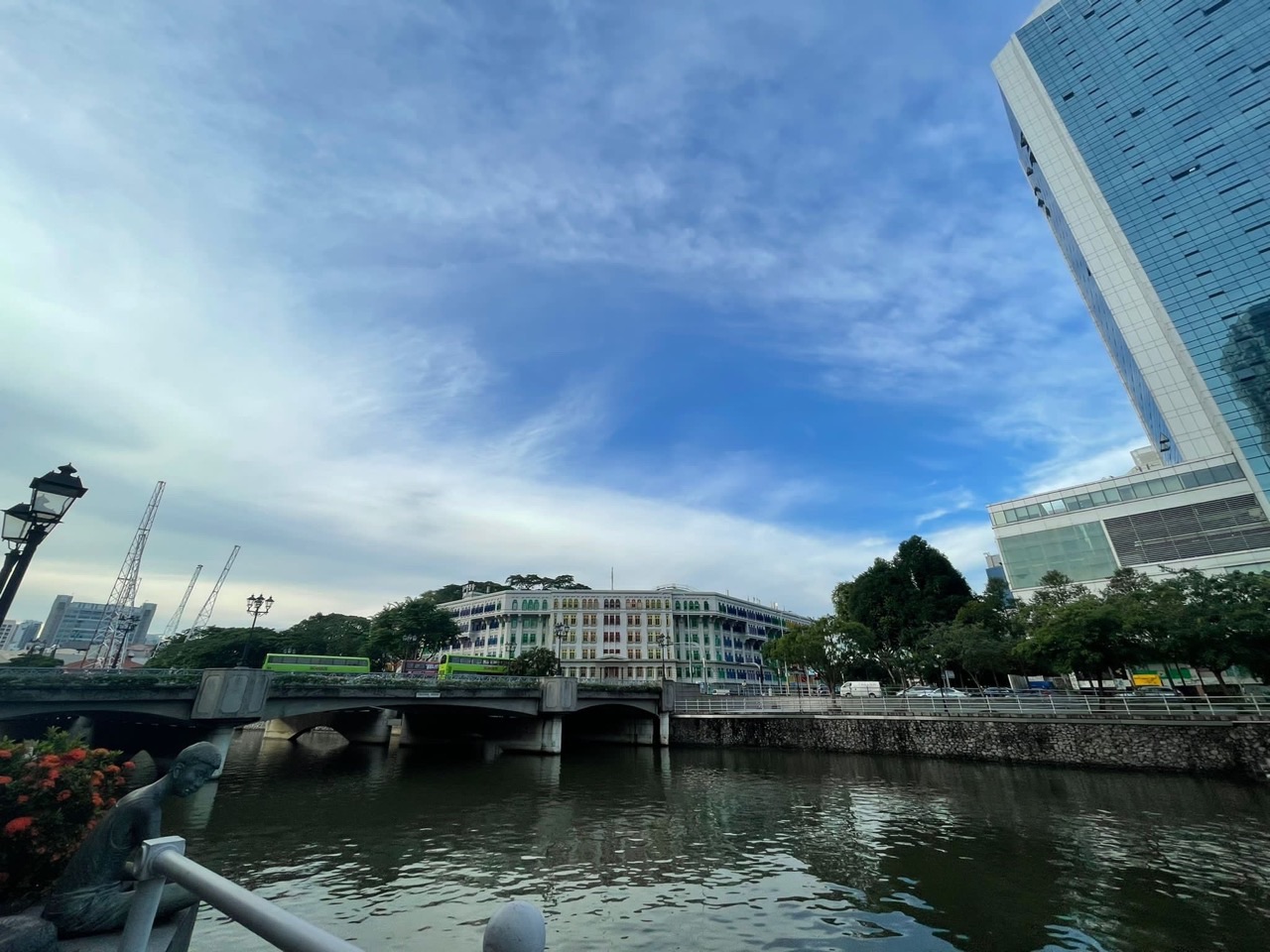
Did you know that a Singapore journey can connect tropical plant science, port history, living neighbourhoods and an offshore island? Our ten choices are Gardens by the Bay, Singapore Botanic Gardens, Marina Bay, Chinatown, Little India, Kampong Gelam, the National Museum of Singapore, the Asian Civilisations Museum, Sentosa and Pulau Ubin.
The best places to visit in Singapore depend on what you want to understand as well as what you want to see. A compact map does not make every attraction a short walk, and Singapore’s heat and rain make pacing important. Choose a few contrasting places each day.
This Singapore travel guide separates neighbourhood exploration from ticketed attractions and full excursions. Combine an outdoor morning with an indoor collection, or spend longer in a district through food, architecture and careful observation. The result can be more memorable than a crowded attraction checklist.
eduKate · World heritage and learning
Find your reading route through Singapore
Choose places that fit your interests, then build a comfortable journey around them.
Choose your places
Use the index for a quick comparison, or open a short list below. Every place has its own section and a link back here.
| Place | Why choose it? |
|---|---|
| 1. Gardens by the Bay | Designed landscapes and environments under glass |
| 2. Singapore Botanic Gardens | A historic garden with a continuing scientific purpose |
| 3. Marina Bay | A waterfront view of an engineered city |
| 4. Chinatown | Living commerce and layered cultural heritage |
| 5. Little India | A neighbourhood explored through detail |
| 6. Kampong Gelam | Malay heritage, faith and contemporary enterprise |
| 7. National Museum of Singapore | A starting point for questioning national history |
| 8. Asian Civilisations Museum | Singapore understood through regional connections |
| 9. Sentosa | An island destination requiring choices within choices |
| 10. Pulau Ubin | An offshore landscape with a different pace |
Open places 1–5
- Gardens by the Bay — Designed landscapes and environments under glass
- Singapore Botanic Gardens — A historic garden with a continuing scientific purpose
- Marina Bay — A waterfront view of an engineered city
- Chinatown — Living commerce and layered cultural heritage
- Little India — A neighbourhood explored through detail
Open places 6–10
- Kampong Gelam — Malay heritage, faith and contemporary enterprise
- National Museum of Singapore — A starting point for questioning national history
- Asian Civilisations Museum — Singapore understood through regional connections
- Sentosa — An island destination requiring choices within choices
- Pulau Ubin — An offshore landscape with a different pace
PLACE 1 OF 10 · Gardens and the bay
1. Gardens by the Bay
Designed landscapes and environments under glass
Gardens by the Bay is a strong introduction to Singapore’s interest in plants, design and urban space. The Supertrees create a distinctive skyline, while Flower Dome and Cloud Forest offer different enclosed environments. Treat the outdoor gardens and paid attractions as separate choices when planning time and cost.
Look at the relationship between a plant and the conditions created for it. Compare temperature, moisture and display design rather than viewing every planting as interchangeable decoration. The wider garden also invites questions about shade, movement and how people use a large public landscape.
Access and planning
Check the official opening and maintenance calendar for each attraction. Construction can change walking routes; the current site includes a waterfront diversion notice. Allow time for those diversions, book appropriate tickets and keep an indoor option available during thunderstorms.
PLACE 2 OF 10 · Gardens and the bay
2. Singapore Botanic Gardens
A historic garden with a continuing scientific purpose
Singapore Botanic Gardens offers a different experience from the futuristic forms beside Marina Bay. The World Heritage garden combines landscaped spaces with a history of botanical work. Its collections encourage close observation rather than a rush towards one landmark photograph.
Choose a section and study it carefully: planting structure, labels, mature trees and the use of shade can all shape the visit. The National Orchid Garden is a distinct attraction within the wider grounds. Comparing a botanical institution with a display garden makes the different purposes easier to recognise.
Access and planning
Use the official garden map to choose an entrance near your intended route; the grounds are extensive. Check separate admission rules for paid sections. Wear comfortable shoes, carry water and follow storm advice rather than sheltering beneath a large tree.
PLACE 3 OF 10 · Gardens and the bay
3. Marina Bay
A waterfront view of an engineered city
Marina Bay brings together prominent buildings, public promenades and a waterfront shaped by deliberate urban planning. It is useful for understanding Singapore at the scale of a city: connections, skylines and the arrangement of places around water become visible in one broad view.
Walk a selected segment instead of feeling obliged to complete every possible loop. Compare what the skyline communicates with what the route requires from a pedestrian: crossings, shade, seats and access to transport. A recognisable building can be appreciated from outside without buying entry to every attraction.
Access and planning
Plan for exposed sections with limited shade and check temporary diversions or event restrictions. A hotel, observation deck or exhibition has its own admission arrangements. Separate a public waterfront walk from ticketed experiences so the day remains comfortable and affordable.
PLACE 4 OF 10 · Three neighbourhoods with different histories
4. Chinatown
Living commerce and layered cultural heritage
Chinatown combines places of worship, food, shops and streets with a long history of settlement and commerce. Its interest comes from those overlapping uses rather than a single definition of tradition. Allow time to move beyond the busiest souvenir frontage.
Compare the design of shophouses and the changing use of their ground floors. At a hawker centre, observe ordering and tray-return practices and choose food according to your preferences and dietary needs. Religious sites offer another perspective, but worshippers and ceremonies deserve priority over sightseeing.
Access and planning
Use current opening information for any museum or temple you want to enter. Dress and behave according to the venue’s rules. Keep pavements clear when taking pictures and ask permission before photographing people closely or stepping into a working shop.
PLACE 5 OF 10 · Three neighbourhoods with different histories
5. Little India
A neighbourhood explored through detail
Little India offers colour, food, trade and religious architecture within a living urban district. Its streets invite attention to specific materials and activities: flower garlands, fabrics, signs and shop displays can each lead to a more precise question than a broad cultural label.
Notice how businesses serve residents as well as visitors. A food stop or a conversation with a willing shopkeeper can add context, but no individual should be expected to explain an entire culture. Describe what you actually observe and avoid treating all Indian traditions as identical.
Access and planning
Choose a short walking area and allow for busy pavements, especially around major celebrations. Follow entry and footwear instructions at religious sites. Food, shopping and worship operate to different rhythms, so check the particular place rather than relying on a general district schedule.
PLACE 6 OF 10 · Three neighbourhoods with different histories
6. Kampong Gelam
Malay heritage, faith and contemporary enterprise
Kampong Gelam connects the Sultan Mosque area with a district of shops, food and contemporary creative businesses. It offers a useful way to see how heritage surroundings continue to change. Historic identity and present-day commercial life can be studied together.
Look at street patterns, building scale and the relationship between a major religious landmark and smaller premises nearby. Browse independently owned businesses with consideration for their working space. The district’s different uses help explain why heritage conservation involves decisions about livelihoods as well as appearances.
Access and planning
Check visitor arrangements for the mosque and respect prayer times and dress requirements. Some streets and businesses become busy later in the day; choose a time that matches your interests. Do not assume every historic building is open to the public.
PLACE 7 OF 10 · Museums, Sentosa and an island landscape
7. National Museum of Singapore
A starting point for questioning national history
The National Museum offers a framework for exploring Singapore’s past through collections, interpretation and exhibitions. It is a valuable complement to neighbourhood walks because a gallery can bring together documents and objects that are difficult to interpret in the street.
Ask how the exhibition selects and organises evidence. Which people speak directly through a photograph, interview or object, and which need further explanation? A museum narrative is more useful when visitors examine how it is constructed rather than memorising a sequence of dates.
Access and planning
Consult the museum’s current gallery and upgrading notices before booking. Its published information places the Singapore History Gallery reopening in October 2026, so older closure notices may conflict with newer updates. Verify the actual programme for your visit rather than assuming every gallery is available.
PLACE 8 OF 10 · Museums, Sentosa and an island landscape
8. Asian Civilisations Museum
Singapore understood through regional connections
The Asian Civilisations Museum brings the journey beyond national borders by examining Asian cultures and connections. For visitors to a historic port city, this regional perspective is particularly useful: objects can reveal exchange, movement and adaptation across places.
Choose a small group of objects and compare material, use and origin. A vessel, textile or crafted item can raise questions about trade and skill without reducing an entire society to an exhibit. Read provenance and dating carefully, and acknowledge where a label gives a range or an uncertain attribution.
Access and planning
Check the museum’s current galleries, exhibitions and admission categories. Give the collection enough time rather than squeezing it between distant attractions. Its riverside setting can pair with a short walk, with an indoor visit providing relief from the heat.
PLACE 9 OF 10 · Museums, Sentosa and an island landscape
9. Sentosa
An island destination requiring choices within choices
Sentosa is a substantial leisure destination, not one attraction with one ticket. Beaches, transport connections and paid experiences serve different interests. The best approach is to decide what your group actually wants to do before buying a bundle or filling the day with commitments.
A beach-focused outing differs from a theme-park day or a visit to a historical site. Compare those options on time, mobility, cost and appetite for queues. Leaving space for a break can matter more than adding another attraction, especially for children or a multigenerational group.
Access and planning
Use Sentosa and individual operators’ current information for transport, reservations and maintenance closures. Check height, age and other eligibility requirements before purchasing activities. Beach and sea warnings apply here too; an organised leisure setting does not remove weather or water risks.
PLACE 10 OF 10 · Museums, Sentosa and an island landscape
10. Pulau Ubin
An offshore landscape with a different pace
Pulau Ubin introduces a quieter landscape northeast of the main island, with settlement history, vegetation and outdoor recreation. NParks’ information helps visitors understand the island as habitat and community space rather than simply an escape from the city.
Choose walking or cycling according to your ability and the route. If visiting Chek Jawa, use the designated facilities and current guidance; sensitive intertidal habitat is not a place for unrestricted collecting or wandering. Listen for birds and observe plants without expecting rare wildlife to appear on demand.
Access and planning
Plan the bumboat journey from Changi Point and the return before setting out. Carry water, sun and rain protection, and suitable payment for local arrangements. Check trail notices and bicycle condition, keep to suitable routes and leave wildlife unapproached and unfed.
Plan a thoughtful visit
Group days geographically: Marina Bay and Gardens by the Bay can share a general area, while the Botanic Gardens and Pulau Ubin require different journeys. Neighbourhood walks reward cooler hours and flexible meal stops. Use MRT and bus routes alongside actual walking distances; a station name alone does not identify the best attraction entrance. Reserve separately ticketed experiences selectively, check maintenance notices and keep room for rain, rest and spontaneous discoveries.
Frequently asked questions
Can I see these ten places in one day?
A meaningful visit needs several days and personal choices. Pulau Ubin and Sentosa can each justify substantial time, while museums and neighbourhoods reward unhurried attention.
Are the two major gardens interchangeable?
No. Singapore Botanic Gardens has a historic botanical setting; Gardens by the Bay combines designed outdoor landscapes with separately managed attractions and conservatories.
Build understanding through evidence
Compare a shophouse street, a waterfront promenade and a garden path. Sketch how each manages movement, shade and shared use. Explain one design choice using what you observed, then identify a question that needs historical or scientific evidence.
Continue learning about Singapore
Top 10 Things to Do When Visiting and Touring Singapore
Top 10 Things to Learn When Visiting and Touring Singapore
Use companion reading to explore an activity, cultural detail or geographical question that adds meaning to the places you choose. A deeper understanding can be more rewarding than a longer checklist.
For families connecting maps, estimates and clear explanations with school learning, explore Secondary 1 Mathematics Tutor Clementi | Small Groups Tutorials. Begin with a well-defined question and explain the reasoning as carefully as the answer.
Sources and current information
Sources reviewed on 16 October 2026 (Singapore time). Official destination descriptions establish background, not a guarantee of opening, access or safety on your travel date. Check current venue notices, transport arrangements and relevant government travel advice before booking.
- Singapore Tourism Board: official visitor portal
- Singapore Tourism Board: neighbourhoods
- Singapore Tourism Board: Chinatown
- Gardens by the Bay: attractions and current notices
- NParks: Singapore Botanic Gardens
- National Museum: upgrading information
- Asian Civilisations Museum
- Sentosa: official destination website
- NParks: visiting Pulau Ubin
Touring Singapore: keep going from these ten places
Want a more detailed way to explore? The Touring Singapore master guide connects all published day-by-day 100-word field guides, the Top 10 Things to Do and Things to Learn articles, and local family-learning guides. Choose a subject rather than trying to visit every landmark in one day.
These are independent themed vocabulary routes, not a single timed itinerary. Check official access and operating information for your chosen destination before travelling.