
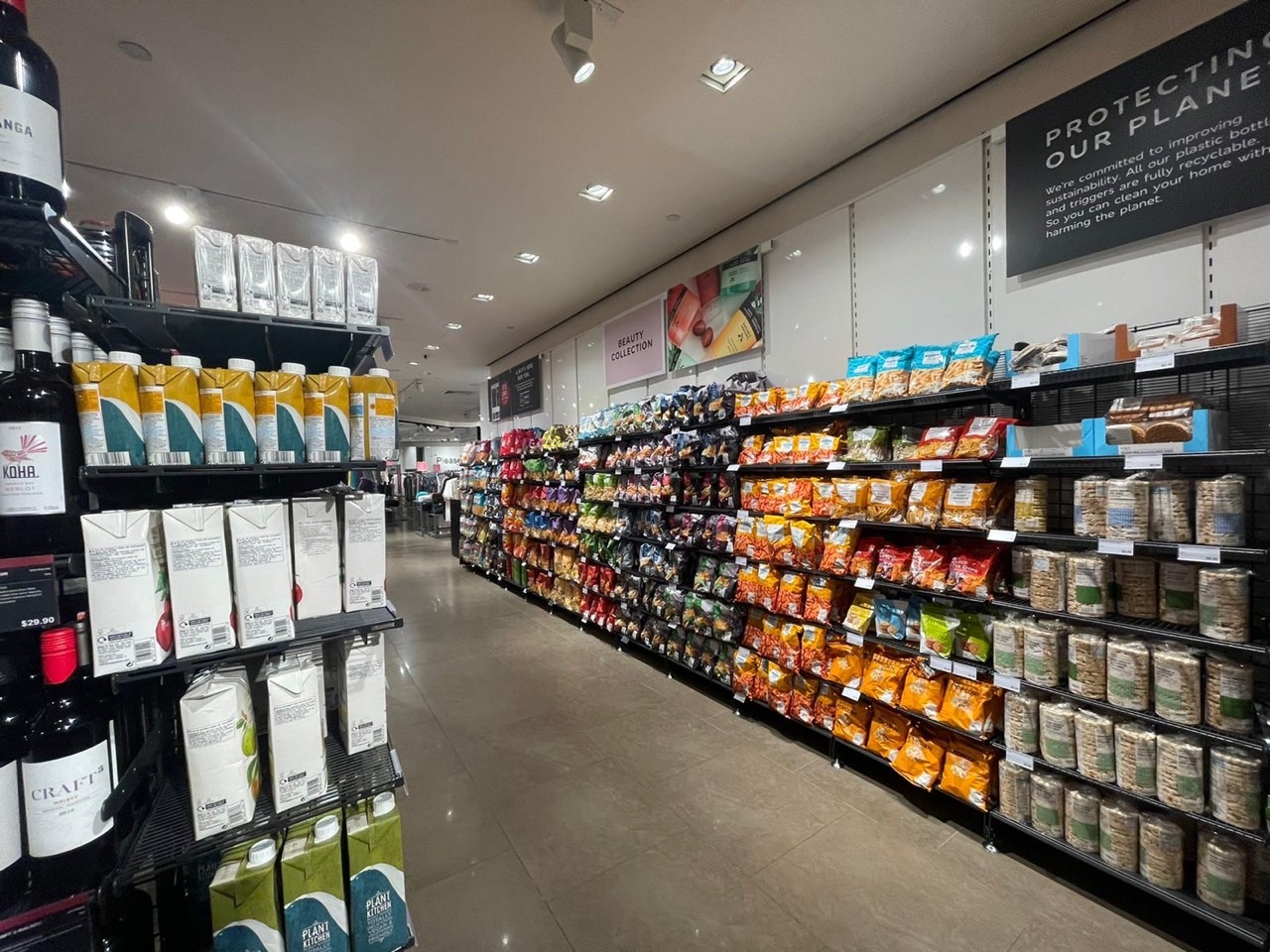
G1 Retail Operations K132 is a hands-on upper-secondary MOE–ITE Applied Subject available only through approved schools. In 2027, candidates take a one-hour written paper (30%), a 30-minute simulated retail-process practical (30%) and a digital selling skills assessment (40%) that includes supervised preparation and a 15-minute roleplay. This is joint MOE–ITE Applied Subject Certification, not a Singapore-Cambridge SEC subject grade. SEAB says 2027 is the final examination year for this applied subject and its two sister subjects.
The useful reason to study Retail Operations is much broader than trying to become a salesperson. Students learn to receive and check stock, keep records, organise merchandise, fulfil online orders, explain product features, listen to customers and respond accurately to questions. These are practical skills that can encourage curiosity about retail, e-commerce, logistics, hospitality and business services. Future admissions and careers depend on the student’s actual qualifications and further training, not solely on one school award.
Before choosing revision resources, check the 2027 K132 syllabus for Retail Operations and SEAB’s current G1 directory. Its cover clearly states that it applies to joint MOE–ITE certification rather than the SEC. School instructions determine the approved simulated retail training environment and the real examination schedule.
Quick reference: three 2027 assessment papers
| Component | Duration and essential task | Weighting |
|---|---|---|
| Paper 1 | Written; one hour; 30 compulsory MCQ marks | 30% |
| Paper 2 | Handling Retail Processes practical; 30 minutes; 110 marks | 30% |
| Paper 3 preparation | Six supervised curriculum hours over three weeks; 12 marks toward Paper 3 | Part of 40% |
| Paper 3 practical | Demonstrate Selling Skills; 15 minutes; 108 marks, product pitch and interaction | Part of 40% |
| Award | Joint MOE–ITE Applied Subject Certification in approved schools | Not an SEC grade |
| 2027 status | Last examination year for MOE–ITE Applied Subjects K130–K132 | No automatic 2028 continuation |
What the subject teaches beyond a retail counter
The 2027 syllabus has three learning domains: Introduction to Retailing; Handling Retail Processes; and Customer Service, Selling Products and Services. The first teaches about store formats, online retailing and changing customer behaviour. The second focuses on the operational realities of stock, records, replenishment, display and fulfilment. The third develops professional communication, product knowledge, selling skills and responses to customer concerns.
The skills are integrated rather than isolated. A digital promotion is unhelpful if the store has no stock. An accurate stock card is valuable because it supports real customers who expect the item to be available. A polished sales presentation can be misleading if the presenter has not verified a feature. Students who can explain these relationships are building responsible judgement, not simply learning a scripted greeting.
Worked example: an online order and a stock discrepancy
Imagine a practice retail scenario with no real customers or private information. The stock system reports eight reusable water bottles, but a physical count finds seven acceptable items because one bottle is damaged. Two online orders request three bottles each. The associate must first recognise that available sellable stock is seven, not eight. The two orders require six acceptable units, leaving one. The damaged item should be handled and recorded under the relevant store process rather than silently included in an order.
The learner can explain the sequence: reconcile the documents and count, identify acceptable stock, select the correct products, complete the order-check procedure, package appropriately and update the records. If the next online order asks for two bottles, the candidate should not promise both automatically from a remaining count of one. A responsible reply may need to explain availability or check a permitted alternative under policy.
This example has simple arithmetic but substantial operational meaning. It connects accurate records with an honest customer promise. The examination uses its own simulated setting and specified equipment; this imaginary example is only a way to understand the logic of the task.
Thirty-three useful retail decisions students can practise
1. Retail operations include the work customers do not see
Here is a familiar situation: Before the customer sees it, a worker has checked stock, verified documents, stored it appropriately and replenished the shelf. The subject examines that operational chain alongside selling and communication. Retail becomes more interesting when we ask which invisible processes are necessary to give a customer a dependable experience. A product on a shelf is only the visible end of a chain of information, handling, decisions and communication. Understanding that chain helps the student give practical rather than decorative answers.
The principle to remember is Assuming retail is only about smiling at customers leaves out the organisational skills that keep products available. A common mistake is Describe the steps that occur between receiving a carton and placing an eligible item on display. If a result looks wrong, the learner should distinguish what the document says, what the physical merchandise shows and what the intended customer was promised. That comparison identifies the actual point requiring attention instead of assigning blame by guesswork.
A manageable exercise is to Retail operations can be explored as a genuine management and service discipline. This is a school reasoning activity and does not require access to real stock systems or customer data. The habit is relevant to undefined and makes the student better prepared for scenarios that are similar in purpose but different in detail from the last worksheet.
2. Identify which kind of store serves which need
Consider the decision presented by Store formats differ in scale, product range, access and customer expectations. The appropriate format depends on what a customer is trying to obtain. There may be an easy-looking answer that fails to account for the customer, stock condition or store procedure. Begin by identifying who needs the information and which step must be correct before the next step can occur.
The important idea is A large store is not automatically better for a person who needs one simple item urgently. Avoid Compare an everyday purchase in a convenience store and a specialist retailer without ranking them by status. A clear explanation names the required check and why it protects the customer or business. If the learner cannot yet explain the term, give a simple made-up example and ask them to compare the correct and incorrect response rather than memorise a long paragraph.
Try this small practice: Service design begins with the customer’s actual situation. Then ask what would change if the order quantity, product condition or customer need were different. This transfer is valuable for undefined and helps practical knowledge survive beyond a familiar simulated store.
3. Physical shopping and e-commerce work together
Imagine that a trainee meets this situation: Omnichannel retailing can link digital information, inventory visibility and physical fulfilment. The learner should see the same customer journey across different channels. The task is not merely to sound friendly. It requires a decision based on accurate information, appropriate communication and a procedure that can be checked. Many of these decisions can be explained in ordinary language before the student learns the full technical vocabulary.
The key difference is Calling every website a fully integrated omnichannel system exaggerates what the business actually provides. A tempting shortcut is Draw a simple sequence from online enquiry to collection and note where errors could occur. Rather than treating speed as the only mark of competence, check whether the customer receives correct information and whether the recorded process can be verified. In a simulated examination, following the supplied instructions is part of the assessed skill.
An effective exercise is to Digital retail work requires connected processes. Invite a partner to ask why the choice suits the situation. This is preparation for undefined and encourages a confident but thoughtful style of service, where clarity and reliability matter as much as presentation.
4. A purchase order is not a delivery note
Take the example of The purchase order records what was requested, while delivery documentation describes what arrived. A worker needs to reconcile the records and physical merchandise. The student can begin with three questions: what is the customer trying to do, what does the organisation’s information actually show, and which action is permitted? Answering these before moving the merchandise or pitching a sale reduces preventable mistakes.
The core reasoning is Accepting every box as correct because its label resembles the order risks stock and accounting errors. Watch out for Use an invented order and delivery note to identify one deliberate quantity discrepancy. If the first proposed response is weak, ask where the assumption entered. A better answer specifies the real feature, benefit, document or procedure that justifies the decision. There is no need to pretend the student knows a store policy that has not been supplied.
For short practice, Document matching is a practical workplace skill. Keep the explanation proportional to the question and include any uncertainty that a staff member would need to verify. The same careful habit is useful in undefined, where people rely on what others say and record.
5. Quantity is not the only receiving check
Here is a familiar situation: Receiving checks can involve product type, quantity, condition and expiry where relevant. A correct count does not make damaged or unsuitable merchandise acceptable. Retail becomes more interesting when we ask which invisible processes are necessary to give a customer a dependable experience. A product on a shelf is only the visible end of a chain of information, handling, decisions and communication. Understanding that chain helps the student give practical rather than decorative answers.
The principle to remember is Recording ‘ten delivered’ without noting that two are unsaleable misstates usable stock. A common mistake is Separate ordered, received and acceptable quantities in a fictional stock record. If a result looks wrong, the learner should distinguish what the document says, what the physical merchandise shows and what the intended customer was promised. That comparison identifies the actual point requiring attention instead of assigning blame by guesswork.
A manageable exercise is to Quality control requires more than simple arithmetic. This is a school reasoning activity and does not require access to real stock systems or customer data. The habit is relevant to undefined and makes the student better prepared for scenarios that are similar in purpose but different in detail from the last worksheet.
6. Handle unwanted merchandise systematically
Consider the decision presented by The employee must follow the approved store process for rejecting or returning unsuitable merchandise and recording the issue. The task is procedural and evidence-based. There may be an easy-looking answer that fails to account for the customer, stock condition or store procedure. Begin by identifying who needs the information and which step must be correct before the next step can occur.
The important idea is Quietly putting the wrong item on a shelf can pass the problem to a future customer. Avoid Describe which records and supervisor decisions need checking before a hypothetical return. A clear explanation names the required check and why it protects the customer or business. If the learner cannot yet explain the term, give a simple made-up example and ask them to compare the correct and incorrect response rather than memorise a long paragraph.
Try this small practice: Operational integrity protects both business and customers. Then ask what would change if the order quantity, product condition or customer need were different. This transfer is valuable for undefined and helps practical knowledge survive beyond a familiar simulated store.
7. FIFO is a stock-handling principle
Imagine that a trainee meets this situation: First-in, first-out is a common method of rotating older suitable stock ahead of newer stock, subject to the organisation’s product and safety rules. The task is not merely to sound friendly. It requires a decision based on accurate information, appropriate communication and a procedure that can be checked. Many of these decisions can be explained in ordinary language before the student learns the full technical vocabulary.
The key difference is A tidy shelf with newly delivered goods in front may cause older products to be overlooked. A tempting shortcut is Explain why arrival dates and appropriate expiry checks can both matter in stock placement. Rather than treating speed as the only mark of competence, check whether the customer receives correct information and whether the recorded process can be verified. In a simulated examination, following the supplied instructions is part of the assessed skill.
An effective exercise is to Good inventory rotation reduces preventable waste. Invite a partner to ask why the choice suits the situation. This is preparation for undefined and encourages a confident but thoughtful style of service, where clarity and reliability matter as much as presentation.
8. Understand stock take and stock check
Take the example of Stock checking and stock taking help verify the recorded stock position. The difference is evidence of a discrepancy needing investigation, not proof that theft occurred. The student can begin with three questions: what is the customer trying to do, what does the organisation’s information actually show, and which action is permitted? Answering these before moving the merchandise or pitching a sale reduces preventable mistakes.
The core reasoning is Automatically accusing a staff member when the count differs from a database neglects other possible errors. Watch out for List plausible reasons for an inventory difference without assigning blame. If the first proposed response is weak, ask where the assumption entered. A better answer specifies the real feature, benefit, document or procedure that justifies the decision. There is no need to pretend the student knows a store policy that has not been supplied.
For short practice, Accurate stock control supports trustworthy operations. Keep the explanation proportional to the question and include any uncertainty that a staff member would need to verify. The same careful habit is useful in undefined, where people rely on what others say and record.
9. Stock shrinkage has several possible causes
Here is a familiar situation: Shrinkage can reflect loss, damage, theft, process or recording errors. The first response is to examine evidence and follow policy. Retail becomes more interesting when we ask which invisible processes are necessary to give a customer a dependable experience. A product on a shelf is only the visible end of a chain of information, handling, decisions and communication. Understanding that chain helps the student give practical rather than decorative answers.
The principle to remember is A missing unit is not evidence of a particular person’s wrongdoing. A common mistake is Describe the record and physical checks a retailer might carry out under supervision. If a result looks wrong, the learner should distinguish what the document says, what the physical merchandise shows and what the intended customer was promised. That comparison identifies the actual point requiring attention instead of assigning blame by guesswork.
A manageable exercise is to Fair investigation is an ethical workplace habit. This is a school reasoning activity and does not require access to real stock systems or customer data. The habit is relevant to undefined and makes the student better prepared for scenarios that are similar in purpose but different in detail from the last worksheet.
10. Restocking requires judgement
Consider the decision presented by Replenishment should consider actual demand, lead times, product conditions and shelf capacity. Sending more goods blindly can create excessive stock elsewhere. There may be an easy-looking answer that fails to account for the customer, stock condition or store procedure. Begin by identifying who needs the information and which step must be correct before the next step can occur.
The important idea is Refilling purely because a shelf looks empty may ignore what is available in storage or soon to expire. Avoid Prepare a simple hypothetical minimum-stock decision table. A clear explanation names the required check and why it protects the customer or business. If the learner cannot yet explain the term, give a simple made-up example and ask them to compare the correct and incorrect response rather than memorise a long paragraph.
Try this small practice: Supply-chain planning combines numbers and context. Then ask what would change if the order quantity, product condition or customer need were different. This transfer is valuable for undefined and helps practical knowledge survive beyond a familiar simulated store.
11. RFID and stock systems are tools
Imagine that a trainee meets this situation: Technology can improve visibility but still depends on accurate data and handling processes. A scanning system does not repair a damaged product. The task is not merely to sound friendly. It requires a decision based on accurate information, appropriate communication and a procedure that can be checked. Many of these decisions can be explained in ordinary language before the student learns the full technical vocabulary.
The key difference is Treating a digital record as infallible can hide physical discrepancies. A tempting shortcut is Explain which decision requires both electronic information and a visual check. Rather than treating speed as the only mark of competence, check whether the customer receives correct information and whether the recorded process can be verified. In a simulated examination, following the supplied instructions is part of the assessed skill.
An effective exercise is to Operational technology needs human verification. Invite a partner to ask why the choice suits the situation. This is preparation for undefined and encourages a confident but thoughtful style of service, where clarity and reliability matter as much as presentation.
12. Visual merchandising supports comparison
Take the example of Effective display groups relevant products and labels them so people can find and compare options. It should reduce confusion rather than merely create an attractive photograph. The student can begin with three questions: what is the customer trying to do, what does the organisation’s information actually show, and which action is permitted? Answering these before moving the merchandise or pitching a sale reduces preventable mistakes.
The core reasoning is Over-decoration that hides prices or product differences weakens the service experience. Watch out for Design a simple, readable practice shelf layout on paper. If the first proposed response is weak, ask where the assumption entered. A better answer specifies the real feature, benefit, document or procedure that justifies the decision. There is no need to pretend the student knows a store policy that has not been supplied.
For short practice, Visual communication contributes to service quality. Keep the explanation proportional to the question and include any uncertainty that a staff member would need to verify. The same careful habit is useful in undefined, where people rely on what others say and record.
13. A planogram is a specification
Here is a familiar situation: Following a display specification tests whether the candidate can translate a plan into an organised physical arrangement. Creativity is not an excuse to ignore the stated requirements. Retail becomes more interesting when we ask which invisible processes are necessary to give a customer a dependable experience. A product on a shelf is only the visible end of a chain of information, handling, decisions and communication. Understanding that chain helps the student give practical rather than decorative answers.
The principle to remember is Filling gaps with unrelated merchandise may look complete but fail the given task. A common mistake is Read a planogram and identify which row each specified item belongs on. If a result looks wrong, the learner should distinguish what the document says, what the physical merchandise shows and what the intended customer was promised. That comparison identifies the actual point requiring attention instead of assigning blame by guesswork.
A manageable exercise is to Following visual plans is important in real retail work. This is a school reasoning activity and does not require access to real stock systems or customer data. The habit is relevant to undefined and makes the student better prepared for scenarios that are similar in purpose but different in detail from the last worksheet.
14. Online order fulfilment is a complete sequence
Consider the decision presented by The store must verify availability, pick the correct item, check condition, pack appropriately and record fulfilment. An accurate order matters more than speed alone. There may be an easy-looking answer that fails to account for the customer, stock condition or store procedure. Begin by identifying who needs the information and which step must be correct before the next step can occur.
The important idea is Choosing a similar product without authorisation can disappoint customers and damage trust. Avoid Trace a fictional online order from receipt through picking and packing. A clear explanation names the required check and why it protects the customer or business. If the learner cannot yet explain the term, give a simple made-up example and ask them to compare the correct and incorrect response rather than memorise a long paragraph.
Try this small practice: E-commerce depends on operational accuracy. Then ask what would change if the order quantity, product condition or customer need were different. This transfer is valuable for undefined and helps practical knowledge survive beyond a familiar simulated store.
15. Choose packaging for the item
Imagine that a trainee meets this situation: Packaging should protect the item while reflecting the organisation’s procedure and reasonable resource use. The item and delivery conditions matter. The task is not merely to sound friendly. It requires a decision based on accurate information, appropriate communication and a procedure that can be checked. Many of these decisions can be explained in ordinary language before the student learns the full technical vocabulary.
The key difference is A large attractive gift bag is not automatically suitable shipping protection. A tempting shortcut is List what should be checked before selecting packaging for a fragile practice product. Rather than treating speed as the only mark of competence, check whether the customer receives correct information and whether the recorded process can be verified. In a simulated examination, following the supplied instructions is part of the assessed skill.
An effective exercise is to Safe product handling is a transferable skill. Invite a partner to ask why the choice suits the situation. This is preparation for undefined and encourages a confident but thoughtful style of service, where clarity and reliability matter as much as presentation.
16. Professional presentation is more than appearance
Take the example of Professional conduct includes respectful communication, accurate information, preparedness and responsible follow-through. Appearance alone cannot replace product knowledge. The student can begin with three questions: what is the customer trying to do, what does the organisation’s information actually show, and which action is permitted? Answering these before moving the merchandise or pitching a sale reduces preventable mistakes.
The core reasoning is A warm greeting followed by invented specifications is not good customer service. Watch out for Write a short sequence for greeting, discovering needs, checking information and concluding. If the first proposed response is weak, ask where the assumption entered. A better answer specifies the real feature, benefit, document or procedure that justifies the decision. There is no need to pretend the student knows a store policy that has not been supplied.
For short practice, Service professions reward dependable communication. Keep the explanation proportional to the question and include any uncertainty that a staff member would need to verify. The same careful habit is useful in undefined, where people rely on what others say and record.
17. Listen for the customer’s actual need
Here is a familiar situation: A good sales response begins with relevant questions and verified features. The worker should not push a more expensive bag before establishing suitability. Retail becomes more interesting when we ask which invisible processes are necessary to give a customer a dependable experience. A product on a shelf is only the visible end of a chain of information, handling, decisions and communication. Understanding that chain helps the student give practical rather than decorative answers.
The principle to remember is Equating successful selling with persuading somebody to buy the most expensive option misunderstands responsible service. A common mistake is Draft two neutral questions that would clarify the customer’s requirements. If a result looks wrong, the learner should distinguish what the document says, what the physical merchandise shows and what the intended customer was promised. That comparison identifies the actual point requiring attention instead of assigning blame by guesswork.
A manageable exercise is to Customer relationships depend on accurate listening. This is a school reasoning activity and does not require access to real stock systems or customer data. The habit is relevant to undefined and makes the student better prepared for scenarios that are similar in purpose but different in detail from the last worksheet.
18. Features and benefits are related but different
Consider the decision presented by A feature is what a product has; a benefit is how that feature addresses a customer’s need. A useful pitch connects the two without inventing performance claims. There may be an easy-looking answer that fails to account for the customer, stock condition or store procedure. Begin by identifying who needs the information and which step must be correct before the next step can occur.
The important idea is ‘Premium’ is a marketing adjective, not evidence of a particular benefit. Avoid Write a verified feature and a possible relevant benefit, marking the latter as conditional where necessary. A clear explanation names the required check and why it protects the customer or business. If the learner cannot yet explain the term, give a simple made-up example and ask them to compare the correct and incorrect response rather than memorise a long paragraph.
Try this small practice: Marketing literacy is strongest when claims are traceable. Then ask what would change if the order quantity, product condition or customer need were different. This transfer is valuable for undefined and helps practical knowledge survive beyond a familiar simulated store.
19. Upselling should be relevant
Imagine that a trainee meets this situation: Upselling suggests a higher-value alternative that better meets a verified need. It is not permission to apply pressure or conceal a less expensive suitable option. The task is not merely to sound friendly. It requires a decision based on accurate information, appropriate communication and a procedure that can be checked. Many of these decisions can be explained in ordinary language before the student learns the full technical vocabulary.
The key difference is Pushing a costly alternative without a genuine reason can reduce trust. A tempting shortcut is Compare when an upgraded option would and would not be justified. Rather than treating speed as the only mark of competence, check whether the customer receives correct information and whether the recorded process can be verified. In a simulated examination, following the supplied instructions is part of the assessed skill.
An effective exercise is to Ethical selling balances service and revenue. Invite a partner to ask why the choice suits the situation. This is preparation for undefined and encourages a confident but thoughtful style of service, where clarity and reliability matter as much as presentation.
20. Cross-selling is different from upselling
Take the example of Cross-selling introduces a complementary item such as a compatible protective case when useful. Upselling concerns an alternative version of the main product. The student can begin with three questions: what is the customer trying to do, what does the organisation’s information actually show, and which action is permitted? Answering these before moving the merchandise or pitching a sale reduces preventable mistakes.
The core reasoning is Offering an unrelated accessory to every buyer is neither attentive nor necessarily effective. Watch out for Label three fictional recommendations as upsell, cross-sell or neither and explain why. If the first proposed response is weak, ask where the assumption entered. A better answer specifies the real feature, benefit, document or procedure that justifies the decision. There is no need to pretend the student knows a store policy that has not been supplied.
For short practice, Retail training uses precise terminology. Keep the explanation proportional to the question and include any uncertainty that a staff member would need to verify. The same careful habit is useful in undefined, where people rely on what others say and record.
21. The digital pitch needs a clear sequence
Here is a familiar situation: A useful pitch identifies audience needs, product information, benefits, suitable recommendations and a clear close. The 2027 Paper 3 preparation includes organising research into a script. Retail becomes more interesting when we ask which invisible processes are necessary to give a customer a dependable experience. A product on a shelf is only the visible end of a chain of information, handling, decisions and communication. Understanding that chain helps the student give practical rather than decorative answers.
The principle to remember is An unstructured information dump can overwhelm the listener even when the facts are accurate. A common mistake is Draft a sixty-second outline that begins with a real customer need and ends with a relevant choice. If a result looks wrong, the learner should distinguish what the document says, what the physical merchandise shows and what the intended customer was promised. That comparison identifies the actual point requiring attention instead of assigning blame by guesswork.
A manageable exercise is to Digital communication requires structured thinking. This is a school reasoning activity and does not require access to real stock systems or customer data. The habit is relevant to undefined and makes the student better prepared for scenarios that are similar in purpose but different in detail from the last worksheet.
22. Product research must be current
Consider the decision presented by Features, prices, variants and terms may change. The research should identify the exact assigned category and verify current information from appropriate sources. There may be an easy-looking answer that fails to account for the customer, stock condition or store procedure. Begin by identifying who needs the information and which step must be correct before the next step can occur.
The important idea is Repeating unsupported claims or outdated prices in an assessed pitch can mislead. Avoid Write down the product model, the verified information source and date of access. A clear explanation names the required check and why it protects the customer or business. If the learner cannot yet explain the term, give a simple made-up example and ask them to compare the correct and incorrect response rather than memorise a long paragraph.
Try this small practice: Research habits matter in online selling. Then ask what would change if the order quantity, product condition or customer need were different. This transfer is valuable for undefined and helps practical knowledge survive beyond a familiar simulated store.
23. Images are supporting evidence
Imagine that a trainee meets this situation: Relevant, accurate images can help a customer understand features and compatibility, but the presenter should not imply a picture proves performance. The task is not merely to sound friendly. It requires a decision based on accurate information, appropriate communication and a procedure that can be checked. Many of these decisions can be explained in ordinary language before the student learns the full technical vocabulary.
The key difference is A glamorous image of an unrelated item is not a substitute for product knowledge. A tempting shortcut is Check that every image corresponds to the product and benefit being discussed. Rather than treating speed as the only mark of competence, check whether the customer receives correct information and whether the recorded process can be verified. In a simulated examination, following the supplied instructions is part of the assessed skill.
An effective exercise is to Visual communication should remain truthful. Invite a partner to ask why the choice suits the situation. This is preparation for undefined and encourages a confident but thoughtful style of service, where clarity and reliability matter as much as presentation.
24. A customer’s question changes the script
Take the example of A good salesperson checks the information and answers accurately, even if the response is that the feature is unavailable or must be confirmed. The student can begin with three questions: what is the customer trying to do, what does the organisation’s information actually show, and which action is permitted? Answering these before moving the merchandise or pitching a sale reduces preventable mistakes.
The core reasoning is Inventing a confident ‘yes’ to keep the sale can create legal and practical consequences. Watch out for Practise a respectful response that states what is known and how uncertain information will be checked. If the first proposed response is weak, ask where the assumption entered. A better answer specifies the real feature, benefit, document or procedure that justifies the decision. There is no need to pretend the student knows a store policy that has not been supplied.
For short practice, Responsible sales and after-sales support share this principle. Keep the explanation proportional to the question and include any uncertainty that a staff member would need to verify. The same careful habit is useful in undefined, where people rely on what others say and record.
25. Complaint resolution needs action
Here is a familiar situation: Acknowledgement, policy checks and a proportionate next step are more helpful than apology alone. The associate should avoid offering a remedy that is not actually authorised. Retail becomes more interesting when we ask which invisible processes are necessary to give a customer a dependable experience. A product on a shelf is only the visible end of a chain of information, handling, decisions and communication. Understanding that chain helps the student give practical rather than decorative answers.
The principle to remember is Promising an immediate refund without verifying the store’s policy may create a second problem. A common mistake is Write a response that listens, verifies details and explains an appropriate follow-up. If a result looks wrong, the learner should distinguish what the document says, what the physical merchandise shows and what the intended customer was promised. That comparison identifies the actual point requiring attention instead of assigning blame by guesswork.
A manageable exercise is to Trust grows through reliable service recovery. This is a school reasoning activity and does not require access to real stock systems or customer data. The habit is relevant to undefined and makes the student better prepared for scenarios that are similar in purpose but different in detail from the last worksheet.
26. Distinguish serving from selling
Consider the decision presented by Good service can mean giving a correct answer or directing the customer to a suitable option without completing a sale. Ethical conduct helps long-term trust. There may be an easy-looking answer that fails to account for the customer, stock condition or store procedure. Begin by identifying who needs the information and which step must be correct before the next step can occur.
The important idea is Judging every customer interaction solely by whether money changed hands overlooks service quality. Avoid Describe what a successful interaction looks like when the customer only needs accurate advice. A clear explanation names the required check and why it protects the customer or business. If the learner cannot yet explain the term, give a simple made-up example and ask them to compare the correct and incorrect response rather than memorise a long paragraph.
Try this small practice: Service outcomes should reflect real needs. Then ask what would change if the order quantity, product condition or customer need were different. This transfer is valuable for undefined and helps practical knowledge survive beyond a familiar simulated store.
27. Paper 1 is still part of the qualification
Imagine that a trainee meets this situation: The 2027 K132 written paper lasts one hour, contains 30 marks of compulsory multiple-choice questions and is worth 30%. It covers retail concepts, procedures and customer service. The task is not merely to sound friendly. It requires a decision based on accurate information, appropriate communication and a procedure that can be checked. Many of these decisions can be explained in ordinary language before the student learns the full technical vocabulary.
The key difference is Practical enthusiasm does not automatically produce accurate theoretical answers. A tempting shortcut is Make a glossary for purchase orders, inventory records, omnichannel retail and selling techniques. Rather than treating speed as the only mark of competence, check whether the customer receives correct information and whether the recorded process can be verified. In a simulated examination, following the supplied instructions is part of the assessed skill.
An effective exercise is to Theory helps justify what happens in practice. Invite a partner to ask why the choice suits the situation. This is preparation for undefined and encourages a confident but thoughtful style of service, where clarity and reliability matter as much as presentation.
28. Paper 2 tests the retail-floor process
Take the example of The practical lasts 30 minutes and is worth 110 marks and 30% overall. It uses a simulated retail environment and specified equipment. Correct sequence and records matter. The student can begin with three questions: what is the customer trying to do, what does the organisation’s information actually show, and which action is permitted? Answering these before moving the merchandise or pitching a sale reduces preventable mistakes.
The core reasoning is Spending too long on a decorative display while neglecting order fulfilment can undermine task completion. Watch out for Create a paper-based checklist aligned with the real teacher-issued practical task. If the first proposed response is weak, ask where the assumption entered. A better answer specifies the real feature, benefit, document or procedure that justifies the decision. There is no need to pretend the student knows a store policy that has not been supplied.
For short practice, Working to a standard under time pressure is a useful skill. Keep the explanation proportional to the question and include any uncertainty that a staff member would need to verify. The same careful habit is useful in undefined, where people rely on what others say and record.
29. Paper 3 has a separate preparation period
Here is a familiar situation: The syllabus allocates six curriculum hours across three weeks for product research and script preparation, contributing 12 marks to the 120-mark Paper 3 practical total. The practical presentation itself lasts 15 minutes and contributes the remaining 108 marks. Retail becomes more interesting when we ask which invisible processes are necessary to give a customer a dependable experience. A product on a shelf is only the visible end of a chain of information, handling, decisions and communication. Understanding that chain helps the student give practical rather than decorative answers.
The principle to remember is Assuming the assessed preparation can be carried out freely at home or completed by a parent misreads the supervised conditions. A common mistake is Ask the school what resources, notes and authentic work are permitted during the preparation task. If a result looks wrong, the learner should distinguish what the document says, what the physical merchandise shows and what the intended customer was promised. That comparison identifies the actual point requiring attention instead of assigning blame by guesswork.
A manageable exercise is to Preparation quality and actual delivery are distinct competencies. This is a school reasoning activity and does not require access to real stock systems or customer data. The habit is relevant to undefined and makes the student better prepared for scenarios that are similar in purpose but different in detail from the last worksheet.
30. Paper 3 is an interaction, not a monologue
Consider the decision presented by The 15-minute practical can assess professional image, verbal and non-verbal communication, selling process and responses to standard questions or situations. The candidate must remain attentive to what is actually asked. There may be an easy-looking answer that fails to account for the customer, stock condition or store procedure. Begin by identifying who needs the information and which step must be correct before the next step can occur.
The important idea is Reading a rehearsed script without responding to a customer’s specific question is inadequate. Avoid Practise a roleplay in which the listener asks two realistic unexpected follow-up questions. A clear explanation names the required check and why it protects the customer or business. If the learner cannot yet explain the term, give a simple made-up example and ask them to compare the correct and incorrect response rather than memorise a long paragraph.
Try this small practice: Adaptability is important in customer-facing roles. Then ask what would change if the order quantity, product condition or customer need were different. This transfer is valuable for undefined and helps practical knowledge survive beyond a familiar simulated store.
31. The practical papers come before the written examination
Imagine that a trainee meets this situation: K132 lists Paper 2 around the first week, Paper 3 around the second week and written Paper 1 in the last week of October. These are estimates rather than an individual exam entry notice. The task is not merely to sound friendly. It requires a decision based on accurate information, appropriate communication and a procedure that can be checked. Many of these decisions can be explained in ordinary language before the student learns the full technical vocabulary.
The key difference is Leaving all practice until the final written-exam week can miss the earlier practical demands. A tempting shortcut is Create a revision calendar from the school’s actual examination notice. Rather than treating speed as the only mark of competence, check whether the customer receives correct information and whether the recorded process can be verified. In a simulated examination, following the supplied instructions is part of the assessed skill.
An effective exercise is to Time planning helps candidates arrive prepared. Invite a partner to ask why the choice suits the situation. This is preparation for undefined and encourages a confident but thoughtful style of service, where clarity and reliability matter as much as presentation.
32. This is the last listed K132 examination year
Take the example of SEAB specifies that 2027 is the final year of examinations for MOE–ITE Applied Subjects. The K132 award is joint MOE–ITE certification, not an SEC grade, and only approved schools can offer the examination. The student can begin with three questions: what is the customer trying to do, what does the organisation’s information actually show, and which action is permitted? Answering these before moving the merchandise or pitching a sale reduces preventable mistakes.
The core reasoning is Assuming every later cohort may register for the same K132 subject just because the old PDF remains online is misleading. Watch out for Ask the school which programmes apply to the student’s precise cohort and which award is assessed. If the first proposed response is weak, ask where the assumption entered. A better answer specifies the real feature, benefit, document or procedure that justifies the decision. There is no need to pretend the student knows a store policy that has not been supplied.
For short practice, An informed decision begins with accurate credentials. Keep the explanation proportional to the question and include any uncertainty that a staff member would need to verify. The same careful habit is useful in undefined, where people rely on what others say and record.
33. Future opportunities should be explored, not promised
Here is a familiar situation: Retail training can introduce skills used in stock control, service operations and e-commerce, while further courses can lead in different directions. Admission and professional progression depend on current requirements. Retail becomes more interesting when we ask which invisible processes are necessary to give a customer a dependable experience. A product on a shelf is only the visible end of a chain of information, handling, decisions and communication. Understanding that chain helps the student give practical rather than decorative answers.
The principle to remember is Equating the subject with an automatic retail job, business diploma or higher-level academic certificate limits the child’s understanding. A common mistake is Read a current ITE or other relevant course page and compare both its admission conditions and actual work content. If a result looks wrong, the learner should distinguish what the document says, what the physical merchandise shows and what the intended customer was promised. That comparison identifies the actual point requiring attention instead of assigning blame by guesswork.
A manageable exercise is to Transferable practical skill supports later choices. This is a school reasoning activity and does not require access to real stock systems or customer data. The habit is relevant to undefined and makes the student better prepared for scenarios that are similar in purpose but different in detail from the last worksheet.
Paper 2: what a 30-minute retail-floor practical demands
Paper 2 asks the candidate to operate as a Retail Sales Associate in a simulated retail setting. The published K132 scheme includes receiving, storing, displaying and replenishing merchandise, and fulfilling an online order. A thirty-minute paper rewards calm sequencing. Rushing to produce a neat display while failing to complete the required receiving check is not a sensible approach. Students should practise the actual school’s training procedures, records, stock-handling steps and safe movement of goods.
The mark allocation is 110 marks and 30% of the overall assessment. The paper is not the same thing as an unrestricted supermarket work shift; equipment and scenario details are supplied in the examination. Candidates need to demonstrate prescribed processes in the allotted period. A short paper checklist, used as revision outside the exam where permitted, can help them understand dependencies without substituting for independent practical ability.
Paper 3: why six hours of research come before fifteen minutes of selling
The digital sales assessment has a supervised preparation task and a separate practical examination. In the 2027 syllabus, candidates spend a total of six hours over three weeks during curriculum time researching a product in an assigned category. They gather accurate features, benefits, possible relevant complementary merchandise and an appropriate selling approach, then organise a script. This preparation contributes 12 marks. The practical component lasts fifteen minutes and contributes 108 marks, making 120 marks in total for Paper 3.
The marker may play a customer and ask standard questions or introduce a scenario. The student should not merely recite the script. They need to listen to the question, supply accurate information, avoid unsupported claims and respond professionally. The Paper 3 skills can be practised through hypothetical roleplay, but actual assessed preparation must remain the candidate’s own work within school rules.
A four-week learning routine
- Week 1: learn the retail process from purchase order to receiving, storage, stock record and display. Practise small quantity checks.
- Week 2: trace online order fulfilment, identify likely errors and explain how accurate records prevent customer problems.
- Week 3: practise feature-versus-benefit explanations and ethical upselling or cross-selling in fictional, non-assessed product scenarios.
- Week 4: rehearse one written MCQ set, a short process checklist and a roleplay with unexpected customer questions, using the school’s actual instructions as the reference.
The 2027 final examination year and the qualification distinction
The official K132 cover says that the qualification is joint MOE–ITE Applied Subject Certification and is not the Singapore-Cambridge SEC. It appears in the applied-subject category of the SEAB G1 directory, where SEAB also says 2027 is the last examination year for K130, K131 and K132. A family choosing subjects for a younger cohort should not assume this same award is examinable in 2028 simply because a past-year document remains on the website.
This does not make the student’s existing learning pointless. Inventory, digital communication, customer needs and fair service remain real skills. The sensible follow-up is to ask the school which programmes apply to the student’s cohort and check the course criteria of any future institution. If the learner later wants to study logistics, hospitality or digital retailing, their full qualifications and current admissions rules will determine eligibility.
Frequently asked questions
Is G1 Retail Operations K132 an SEC subject?
No. The official syllabus identifies joint MOE–ITE Applied Subject Certification, not the Singapore-Cambridge SEC, even though the paper is listed on SEAB’s G1 directory.
Is 2027 the last Retail Operations examination year?
Yes, SEAB’s October 2026 G1 directory states that 2027 is the last year of MOE–ITE Applied Subject examinations, covering K130, K131 and K132.
What is the split among the K132 papers?
Paper 1 is 30%, Paper 2 Handling Retail Processes is 30%, and Paper 3 Demonstrate Selling Skills is 40%.
How long does the Paper 2 retail practical last?
Thirty minutes, assessing prescribed simulated retail tasks such as receiving, storing, displaying, replenishing and fulfilling an online order.
How long is the Paper 3 practical?
Fifteen minutes, after a six-hour supervised preparation task spread over three weeks. Paper 3 has 120 total marks across preparation and practical performance.
Does a good sales pitch guarantee full marks?
No. Candidates must also demonstrate accurate product information, professional communication and responses to questions, with marks allocated separately to preparation and performance.
Is Retail Operations the same as G1 Elements of Business Skills K129?
No. K132 is joint MOE–ITE applied certification with hands-on simulated retail assessment. K129 is a Cambridge G1 SEC subject with a written paper and a business investigation project.
Can a parent conduct the product research for the candidate?
No. Assessed preparation must follow the school’s supervised authenticity rules. Parents can help with ordinary study routines and discussing ethical communication.
What if a younger student wants retail and business subjects?
Ask the school about actual future offerings and examine continuing SEAB subjects or school learning programmes. Do not assume K132 has a direct automatic replacement.
Does this award guarantee a retail job or a business diploma?
No. Further study and employment depend on current programme, admission, skills and employer requirements.
Official sources and supporting eduKate articles
This guide is based on the published 2027 K132 school examination document and SEAB’s last-year notice. All product, stock and customer scenarios above are invented exercises, not private store data or current retail offers. The school controls the real simulated assessment, product category and candidate permissions.
- Official 2027 K132 Retail Operations joint MOE–ITE syllabus
- SEAB G1 directory and 2027 applied-subject final-year notice
- G1 Retail Operations overview, selling and next study choices
- Paper 3 digital selling and customer questions
- How to answer customer questions accurately
- How SEC business-related subjects differ
- Applied G1 subjects and approved-school conditions
- ITE, Higher Nitec and 2028 pathway planning
- Building an accurate secondary learning foundation
A good retail lesson turns a familiar shopping experience into something the student can explain and improve. Check the product, respect the customer’s question, follow a correct process and communicate without exaggeration. These skills are worth learning carefully, whatever future course or career the student eventually chooses.