
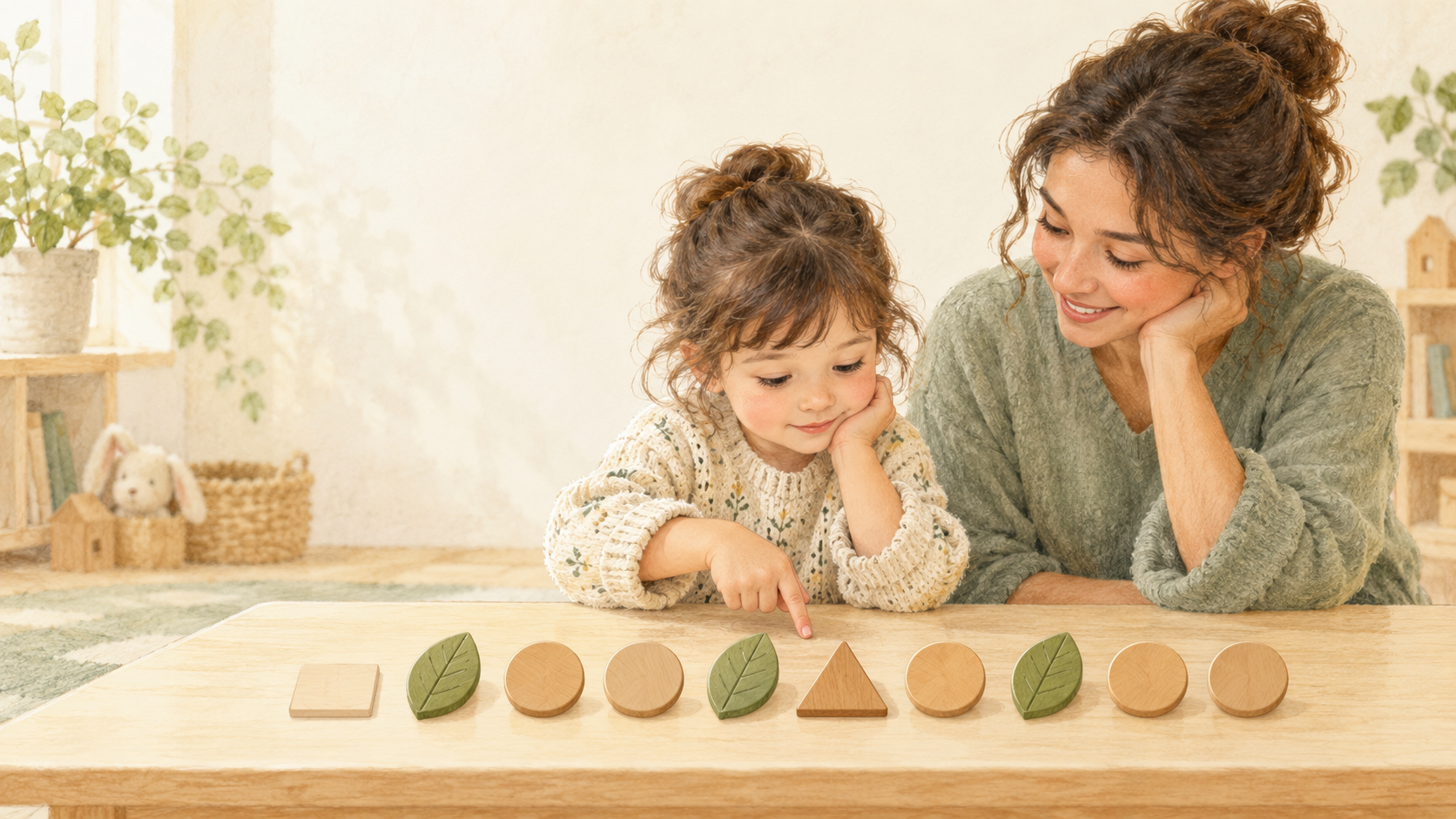
What to do in Singapore when you want children to learn through play rather than spend another day passively watching screens? Plan a visit to Children’s Museum Singapore. Its spaces are designed to make exploration, conversation, choice and imagination part of the learning process for young visitors, with adults participating rather than merely waiting outside.
A worthwhile museum day does not require children to memorise dozens of labels. It asks them to notice, make decisions, test ideas and describe what they have learned. Parents can support the experience without turning every activity into a school examination.
Important October 2026 visitor update: Children’s Museum Singapore is in the middle of an exhibition change. From 29 September to 12 November 2026, Level 1 remains open with free admission for all visitor categories, while Level 2 is closed. The whole museum is scheduled to close 13 November, and a new interactive exhibition, Money Town: Make It Count!, is scheduled to open 14 November 2026. These dated arrangements matter: an older guide to the former hawker-themed exhibition is not a reliable description of the rooms available now. Always confirm booking and admission through the official Children’s Museum Singapore website immediately before travelling.
The quick answer: book a slot, choose one learning goal, play together
Children’s Museum Singapore is at 23-B Coleman Street, Singapore 179807. It is intended for children aged 12 and below, accompanied by adults. Choose one age-suitable experience, secure a visitor time slot and plan a short outing that includes rest and a comfortable journey home.
- Check the actual date: before 13 November, Level 2 is not available; 13 November is a scheduled whole-museum closure; from 14 November, check the newly opened Money Town exhibition.
- Book ahead: admission uses timed sessions, and a walk-in place is not guaranteed.
- Choose one question: what does a community need, what makes a good choice, or how can play teach us about money?
- Let children lead: ask what they notice and what they want to try instead of supplying every answer immediately.
- Respect the museum: keep hands gentle, follow exhibit instructions and be considerate of other children.
- Plan for energy: bring necessary items, check toilets and rest opportunities, and leave if the child has had enough.
- Reflect briefly: ask the child to explain one idea or demonstrate a decision after the visit.
The visit is successful when children become more curious or thoughtful, even if they spend most of the session on only a few activities.
What makes a children’s museum different?
A conventional museum often presents objects behind cases with explanatory labels. Children’s museums may use interactive environments that allow younger visitors to manipulate safe materials, imagine roles and explore concepts through play.
That does not mean the spaces are unstructured playgrounds. Exhibitions are designed around learning aims, safety, age suitability and the way children develop understanding through experience.
A child pretending to manage a stall may be exploring exchange and fairness. Sorting items may introduce classification. Choosing between activities may involve planning and self-regulation.
The important question is not whether the child can repeat the curator’s language. It is whether the experience gives the child an idea they can use and explain.
Who is the museum designed for?
The National Heritage Board’s museum listing identifies Children’s Museum Singapore as an institution dedicated to children.
Its general audience is children aged 12 and below, with adult accompaniment. Not every exhibition is aimed at exactly the same age group. A five-year-old and an eleven-year-old may participate in different ways, and younger siblings may need separate play provision.
Adults do not normally attend alone simply to explore the children’s galleries. Check current entry rules for your family or group rather than assuming any visitor can enter at any time.
The age range is a planning tool. The best activity is one the actual child can understand and enjoy comfortably, not necessarily the one advertised as the newest.
Begin with the official museum information
Before setting off, open the Children’s Museum Singapore official portal and check the visiting and ticketing sections.
Look for current dates, open floors, timed sessions, capacity, visitor categories and any announcements about an exhibition transition. Some older pages may remain searchable long after an exhibition has closed.
Do not make a booking based solely on a third-party image showing a colourful exhibit. Its caption may refer to a previous installation.
If the exhibition you promised is unavailable, explain the change to the child before leaving home. A good visit starts with accurate expectations, not a surprise at the entrance.
The dated 2026 exhibition change
The previous Level 2 presentation, Into the Hawkerverse, closed in late September 2026 as part of preparations for a new exhibition. From 28 September onward, Level 2 has not been part of the ordinary visitor experience during the transition.
The museum announced free access to its open Level 1 areas from 29 September through 12 November, subject to booking and other ordinary conditions.
A full-day closure on 13 November 2026 is planned to facilitate the transition. Money Town: Make It Count! is scheduled to open the following day.
These facts should not be written as though they remain permanently true. A guide that is accurate on 31 October must clearly identify which arrangements expire in November.
What is available before Money Town opens?
During the free-admission transition period, Level 1 remains available, but visitors should not expect to experience the former upstairs exhibition.
That makes the visit potentially smaller than a family remembers from an earlier trip. Parents can still use the available interactive elements to encourage curiosity, storytelling and discussion.
Choose the child’s interest rather than trying to recover the missing second floor through an unnecessarily long sequence of activities.
The practical question becomes: “Will we enjoy the currently available Level 1 experience enough to make the trip worthwhile?” For some families the answer is yes; others may prefer to book after the new show opens.
What is Money Town: Make It Count!?
The new exhibition, scheduled from 14 November 2026 through January 2029, focuses on money concepts through child-friendly play. It is designed particularly for ages five to nine, with appropriate provision for younger siblings.
The announced themes include earning, saving, spending, giving, understanding value and distinguishing needs from wants. It also introduces historical aspects of trade and currency.
The exhibition is co-developed with the Austrian children’s museum FRida & freD through a curatorial collaboration, with UOB Foundation as presenting partner.
At the date of this article, the new exhibition is upcoming, not already available for visitors. Check the official site after opening for confirmed room details, activity availability and current ticket prices rather than assuming everything will operate exactly as originally described.
Why money is a useful theme for children
Money affects ordinary decisions: what a household buys, what it saves for later, which items are shared and what trade-offs people make when resources are limited.
Children do not need adult financial anxiety to learn these ideas. Play can introduce choices in a low-pressure setting where mistakes become opportunities to think.
For example, if a pretend shopper cannot obtain everything in one basket, the child can discuss priorities. If a game involves saving for a later goal, the child can learn that choosing something now may reduce what is available later.
The goal is practical reasoning, not encouraging a young child to obsess about wealth or financial status.
Learning through play is not the same as free entertainment
An interactive museum can be delightful, but its educational value depends partly on attention and conversation.
A child may repeat a pretend purchase many times. Instead of demanding a correct answer, ask what they are trying to achieve, what happened and what might change if they chose differently.
Let the child control suitable aspects of play. Adults can guide with language and examples but need not take over the interaction.
The best learning often happens when a child moves from “I like this” to “I chose this because…” That is the beginning of reasoning.
The difference between a need and a want
A need is something necessary for wellbeing or a particular essential purpose. A want is something a person would like but does not necessarily require in the same way.
In practice, context matters. Food is an essential category, but a specific expensive treat may be a preference. Clothing is necessary, but choosing a particular decorative design may be optional.
Do not teach this as a judgment that people with fewer resources are making poor choices. Families have different circumstances and constraints.
A child-friendly example can compare a meal, clean water, a school supply and a toy. Ask what the family must prioritise, while recognising that pleasure and play also have legitimate roles in childhood.
Earning is more than receiving a coin
In simple play, earning may be associated with completing a task in exchange for pretend money. That can help children begin understanding the relationship between work, compensation and responsibility.
But real work is more complicated, and not every necessary contribution is paid. Family care, volunteering and community service may have value without a direct monetary transaction.
Ask what people do to keep a school, home or neighbourhood working. A child may identify cleaners, teachers, nurses, drivers, caregivers and many others.
The learning point is that economic systems depend on people’s skills and effort, not that the amount someone earns measures their worth.
Spending is a decision, not just a purchase
Spending money requires comparing options and deciding what is worthwhile. Young children can practise by choosing a small set of pretend items within a fixed budget.
The most useful explanation is about consequences. If all of the available amount is spent, less remains for later. If one item is chosen instead of another, the child can explain why.
Do not make the exercise only about finding the cheapest object. Price, purpose, suitability, quality and safety can all matter.
A museum play activity can introduce the habit of asking: “What am I getting, and what am I giving up?”
Saving teaches about time
Saving can mean keeping some resources for a future goal rather than using everything immediately. For a child, that may be a pretend purchase requiring several rounds of collecting tokens.
Ask what the goal is and how long it might take. Then explore whether the child still wants the item after thinking about other options.
Avoid promising that saving always guarantees a particular future outcome. Real life includes changing prices, unforeseen needs and other uncertainty.
The concept is patience and planning. It can apply beyond money, such as saving time for an important activity or materials for a longer project.
Giving introduces relationships and empathy
Some money-learning activities introduce donating or sharing with people or causes. The educational goal can be helping children see that resources may be used for the benefit of others.
Do not pressure children to give away personal belongings as proof of kindness or compare generosity as a competition. A thoughtful discussion should respect family decisions and the child’s understanding.
Ask how someone might know whether an organisation is legitimate or whether a particular kind of help meets a real need. Older children can learn that good intentions benefit from checking information.
The central lesson is that using resources involves ethical as well as personal choices.
Value is not always a number on a tag
An item has a price, but its value to a person can depend on usefulness, personal meaning, quality, scarcity or context.
A familiar toy may be more meaningful to a child than a new expensive object. A durable school bag may be better value than a cheaper one that quickly fails.
These are examples to discuss rather than universal rules. Different families make different decisions with the information and resources available.
A good museum experience helps a child explain their own reasoning while recognising that another person may make a different sensible choice.
Historical money and Singapore’s changing economy
Money Town’s announced story includes trade and currency history. This can connect children to the wider story of how people exchange goods and services across time.
Ask a simple question: “How did people decide what one item was worth before using the payment methods we have today?” Avoid telling a simplistic story that all societies followed an identical progression from barter to coins to banknotes.
Trade systems have varied across places and periods. A historical display may introduce selected examples rather than provide a complete global economic history.
Children can understand that money is a system of shared conventions and trust, not merely a collection of colourful notes.
Counting, comparison and simple maths
Pretend prices create opportunities for number recognition, addition, subtraction and comparison. A young child may choose between two items or count tokens needed for one purchase.
A Primary-school child can begin with simple hypothetical amounts. If an item costs three tokens and the child has five, how many remain? If two items cost two tokens each, can both be purchased?
The answer is less important than seeing the quantities clearly. Use physical counters when suitable rather than demanding mental calculation immediately.
For older children, discuss budget limits, change and the difference between total cost and cost per item.
A museum is a safe place to practise disagreement
Children may prefer different things. One may want to spend pretend tokens immediately while another wants to save. That disagreement can become a respectful discussion about priorities.
Ask each child to give a reason. Then ask whether both choices can be sensible under different goals.
Avoid humiliating a child for choosing something playful rather than practical in an imagined situation. The museum’s role is exploration, and children learn by revising ideas.
This is a transferable skill: reasoning through a disagreement without reducing the other person’s choice to a moral failure.
How to support a child who is very young
A child below the main exhibition’s target age may learn through touching safe objects, sorting, repeating actions, identifying colours or role-play.
Do not expect a toddler to explain household budgeting. Instead focus on simple ideas such as choosing, waiting, taking turns and putting something back.
Check the museum’s current provision for younger children and follow supervision rules. Any play pod or baby-oriented corner may have specific age guidance and capacity limits.
The adult’s role is to help the child feel safe, interested and free to investigate, not to accelerate them into more complex concepts than they are ready for.
How to challenge an older child without making it an examination
A child aged ten to twelve may understand the basic money concepts quickly. Offer a more demanding question: “How would you plan for something important next month if the amount available were limited?”
Introduce trade-offs, unforeseen costs and differences between price and value. But keep the situation hypothetical and age-appropriate.
Avoid turning family finances or private money worries into a public museum discussion. The child does not need to know sensitive personal details to learn responsible decision-making.
A more advanced child can also investigate the history of currency and the social rules that make exchange possible.
Planning the timed admission
Children’s Museum Singapore uses timed admission. The published general slots are 9 a.m., 11 a.m., 2 p.m. and 4 p.m., each approximately one hour and forty-five minutes, under its current arrangement.
The museum normally opens Tuesdays to Sundays from 9 a.m. to 5.45 p.m., with a cleaning interval from 12.45 p.m. to 2 p.m. and Monday closure.
Booking typically opens ahead of the visit, and walk-in admission is capacity-dependent rather than guaranteed. The museum also has strict late-arrival rules, so arrive comfortably before the slot.
Use the official ticketing portal for actual availability, eligibility and any changed times. A published schedule does not prove a place remains bookable for your date.
The importance of not arriving late
A family with small children may need time for transport, toilets, snacks or a stroller. When admission is tied to a slot, arriving at the building at the last minute creates unnecessary stress.
Plan backwards from the assigned entry time. Check the journey from your starting point, the exact entrance and any nearby works.
A child may need a few minutes to settle before exploring. A calmer arrival helps them focus on play rather than an adult’s anxiety about missing the session.
If unforeseen disruption occurs, follow the museum’s actual booking terms rather than assuming that staff can extend a timed admission indefinitely.
The 13 November 2026 closure is a firm planning point
At the time of writing, the museum has announced a whole-building closure on Friday, 13 November 2026 to prepare for the next exhibition.
Do not choose that date for a family outing based on the museum’s normal Friday operating hours. The specific closure notice overrides the ordinary weekly schedule.
If you have already promised a child the visit, explain the change and select another date. An alternative can be another child-friendly cultural or library activity if appropriate.
A reliable article distinguishes general hours, temporary closures and future openings rather than collapsing them into a single outdated claim.
The 14 November opening is not a guarantee of every programme
Money Town is scheduled to begin on 14 November 2026. That does not mean every workshop, special event or promotional activity advertised around the launch operates every day afterwards.
Check the specific exhibition and ticket pages for age suitability, admission, capacity and programme schedules. A paid workshop may be separate from general museum entry.
If the new exhibition is the main reason for your visit, confirm that it has opened and is available for your selected slot before leaving.
A good family plan does not depend on guesses about upcoming activities.
Admission and visitor categories
Singapore citizens and permanent residents have generally been eligible for free standard museum admission under the institution’s rules. The 29 September to 12 November 2026 transition introduced free admission for all visitor categories to the reduced Level 1 experience.
After that period, admission conditions for non-resident and overseas visitors may differ, especially with the new exhibition.
Do not promise one rate for every family. Check the museum’s official ticketing page when reserving, and account for adults and children correctly.
A “free” admission price also does not mean you can walk in without a reserved time when capacity controls apply.
Getting to 23-B Coleman Street
Children’s Museum Singapore is at 23-B Coleman Street, in the Civic District. City Hall is one possible MRT starting point, with the actual walking route dependent on the exit chosen and the group’s needs.
Check the public transport route and access from your current location. Some children may struggle with a long exposed walk or busy crossings, especially in hot or wet weather.
If you are using a stroller or mobility aid, review the appropriate route and ask the museum about specific accessibility arrangements rather than assuming all historic building entrances are identical.
The outing begins at the door of your home, not when your entry code is scanned.
Adults should participate, not supervise from a distance
A child may not need an adult to explain every step, but they do need appropriate supervision and support. Shared play creates opportunities for conversation and for adults to notice how the child thinks.
Stand nearby, follow the museum’s rules and allow the child to attempt an activity independently when suitable. Resist the urge to correct every small decision.
Use open questions: “What did you try?”, “What changed?” and “Why did you choose that?” These help children explain their reasoning without feeling examined.
The adult is part of the learning relationship, not merely a ticket holder.
Why hands-on exhibits need gentle behaviour
Interactive displays are shared resources. Rough handling, running through crowded zones or taking over an activity can make the experience less safe and less enjoyable for everyone.
Explain simple rules before entering: gentle hands, take turns, respect staff instructions and leave materials for the next child.
If an exhibit is damaged or unavailable, do not attempt to repair or force it. Tell staff appropriately and choose another activity.
The lesson extends beyond the museum. Children learn that public resources remain useful when people care for them together.
What to do when another child wants the same activity
A busy interactive exhibition can create competition for popular materials. Rather than treating every delay as a problem, use it as an opportunity to practise patience and negotiation.
Explain how taking turns works. Offer another nearby activity when appropriate. Avoid forcing a child to wait indefinitely if the space is crowded or their attention is fading.
Do not shame a child for feeling frustrated. Help them express what they want and consider workable alternatives.
A museum teaches social decision-making through shared use of materials as well as through its explicit subject matter.
An observation activity for parents
Choose three behaviours to notice: choice, revision and explanation.
Choice: what does the child select? Revision: do they change strategy when something does not work? Explanation: can they describe what happened in their own words?
Do not use the observations to rank children against one another or make clinical claims about development. A brief museum visit is not a formal assessment.
The purpose is to discover what interests your child and which kinds of questions help them think more deeply.
A simple money vocabulary pack
Use five beginner terms: earn, spend, save, give and value.
Explain each with one concrete example. Someone can earn money through paid work; spending uses money for a purchase; saving keeps resources for later; giving transfers resources to someone else; value concerns usefulness or importance, which may not be identical to price.
For older children, add budget, trade-off, needs, wants and currency.
Do not overload the visit with memorisation. The power of vocabulary is that children can use words to describe choices they have just experienced.
Why play must remain play
It is tempting to treat a museum as an opportunity to maximise “learning outcomes” every minute. Too much questioning can interrupt the child’s own exploration and make the outing feel like tutoring.
Choose one meaningful learning goal and allow free exploration around it. A child may learn by repeating an activity rather than moving quickly to the next station.
If the child invents a story that does not match the exhibit’s historical context, distinguish imaginative play from factual explanation without dismissing the creative process.
Good learning balances curiosity, joy, accurate information and space for the child to think independently.
A first visit for a five-year-old
Begin by explaining the visit as an opportunity to play and explore together. Choose a calm arrival time and prepare the child for taking turns.
When inside, invite the child to select an activity. Ask simple questions about choices and consequences. If the child becomes fascinated by one safe activity, allow appropriate time for repetition.
Offer a break before they become overwhelmed. Do not insist they complete every exhibit or pose for a photograph at every stop.
Afterwards, let the child describe their favourite decision rather than asking them to recite a formal lesson.
A first visit for a nine-year-old
An older child may be ready to consider the difference between what they want now and what they might want later.
Use a hypothetical budget or pretend tokens if the current exhibition provides an appropriate activity. Ask what the child might save for and how changing one choice affects the result.
Encourage explanations but accept several sensible answers. A museum is a place to investigate alternatives.
At home, connect the idea to a modest everyday decision, such as planning which school supplies are actually needed before buying optional decorations.
Visiting with two children of different ages
A toddler and an older primary-school child may not have equal interest in the same activity. That is normal.
Check what the museum currently provides for younger siblings, and organise supervision so that neither child is left unattended. Do not assume that an older sibling should act as an adult guardian.
Choose a shared starting point, then allow different age-appropriate activities when safely possible. If both children need attention, shorten the visit rather than trying to satisfy every interest.
The purpose is a positive family experience, not maximum coverage of the building.
What a grandparent can contribute
Older relatives may have experiences of shopping, saving or exchanging goods that differ from those of children growing up with digital payments.
Invite them to explain a familiar practice without requiring exact historical expertise. Children can compare how choices were made in earlier everyday life with the imaginary situations in the museum.
Respect privacy. Do not turn family financial hardship into an entertaining story without the person’s willingness to share.
Intergenerational conversations can help children understand that money is a social tool whose uses and technologies change, while many decision-making challenges remain familiar.
Accessibility and sensory needs
Children’s museums can involve sound effects, bright displays, movement, crowding and shared play materials. Individual children experience these differently.
Check current accessibility, sensory-support and quiet-space information on the official museum site. Ask staff about suitable support when needed.
A child who prefers quieter activities should not be forced into a crowded interactive station. A shorter visit or alternative activity may be a better experience.
Access is not only about physical entry. It includes being able to participate comfortably, understand instructions and step away when overwhelmed.
Food, water and the cleaning break
The museum’s scheduled daily cleaning interval matters when planning meals and naps. Do not assume galleries remain accessible continuously from morning to evening.
Use appropriate external food arrangements and follow rules about eating or drinking in exhibition spaces. Check the available visitor facilities, including toilets and any family care spaces.
Young children may need water, a snack or a rest even when the admission window has not ended. Prioritise their comfort over completing every activity.
A child who is hungry or exhausted is less able to enjoy an exhibit, no matter how well it was designed.
A forty-minute visit can be enough
Although timed sessions may last longer, a family does not have to stay until the final minute. A younger child may reach a natural stopping point much earlier.
Choose one or two activities and spend time talking about them. Leave when the child has had a satisfying experience rather than insisting the entire ticket duration must be consumed.
An older child who enjoys extended exploration may use more of the slot, subject to closing and capacity rules.
The valuable measure is curiosity and learning, not time spent inside the building.
A primary-school reflection without worksheets
After leaving, ask three questions: “What did you do?”, “What choice was difficult?”, and “What might you do differently next time?”
Let the child answer in words, drawing or play. If they do not want to talk immediately, allow the reflection later.
Avoid turning the conversation into a test of whether they remember every label.
A short personal explanation is a useful learning result because it encourages the child to reconstruct an experience in their own language.
How a family can continue the money lesson at home
Choose a small everyday situation, such as planning a simple snack purchase or deciding how to use pretend tokens for a game.
Ask the child to identify the purpose, compare options and explain what they would do if the available amount changed.
Use fictional examples rather than exposing sensitive household financial information. Children can develop financial concepts without being asked to solve adult money worries.
The lesson is repeated thoughtful choices, not one museum session that supposedly guarantees financial literacy.
Why financial literacy is not just arithmetic
Counting money and calculating change matter, but financial understanding also involves judgement about information, priorities, risk and fairness.
A child may be able to add prices correctly yet still need help distinguishing a trustworthy offer from an advertisement designed to create urgency.
Money Town’s concepts provide a starting point for those conversations. They should be extended gradually, with age-appropriate language and real-world context.
The goal is informed agency: helping a child make better decisions rather than merely memorising financial vocabulary.
A safety note about digital payments
Children may be curious about cashless payment and QR codes. Explain that digital tools can move real money, and that an adult’s phone or banking app is not a toy to experiment with unsupervised.
Use pretend interfaces or supervised explanations rather than making real payments for demonstration purposes.
An older child can learn to check a payment request and identify whom money is being sent to, but sensitive banking credentials must remain private.
Financial learning includes knowing when not to perform an action.
What to do if the museum is fully booked
Do not assume that visiting in person will produce entry if online reservations are full. Check whether the museum offers any walk-in capacity and accept that it may not.
Choose another date or a different suitable activity nearby. A public library or another child-friendly exhibition can provide learning without requiring a stressful last-minute argument at the ticket counter.
Do not buy third-party tickets from an unverified seller or bypass admission procedures.
A well-designed outing includes a backup that preserves the family experience even when the preferred slot is unavailable.
Rainy-day planning in the Civic District
The museum is an indoor destination, which can be useful when ordinary showers make an outdoor trip less appealing. But your journey there may still involve exposed crossings.
Check NEA weather information and plan a suitable safe approach. During thunderstorms, seek substantial shelter rather than rushing across an unsafe route because a timed admission is near.
Leave extra travel buffer when conditions are uncertain.
A booking is valuable, but personal safety and the child’s comfort are more important than insisting the original itinerary be completed.
What not to do during this transition period
Do not promise that the former Into the Hawkerverse Level 2 exhibition remains available after its September 2026 closure. Do not book 13 November 2026 as though it were an ordinary Friday.
Do not assume the free-admission window for all visitors will continue after 12 November. Do not promise that every Money Town activity is already open before 14 November.
Do not enter galleries without the required child or booking, leave young children unsupervised, or treat shared exhibits roughly.
Accurate, dated visitor information protects families from disappointment and makes educational writing trustworthy.
A parent’s one-page planning checklist
Before booking, write down the visit date, child ages, intended exhibit, admission category, session time, journey and backup plan.
For the current transition, specifically check whether the visit is before 13 November, on the closure day, or after Money Town’s planned opening.
Choose one learning question and one comfort requirement. For example: “Our seven-year-old will explore needs and wants; we will book the eleven-o’clock session and leave time for lunch after the museum.”
The plan is simple but resilient. It helps adults enjoy the visit rather than spending the entire session solving preventable logistical problems.
Frequently asked questions
What age is Children’s Museum Singapore for?
It is designed for children aged 12 and below, who attend with adults. Specific exhibitions or activities may target narrower age ranges.
Is Children’s Museum Singapore free in October 2026?
From 29 September through 12 November 2026, its open Level 1 experience has been offered free to all visitor categories, subject to booking. Level 2 is closed during the changeover.
When does Money Town open?
The announced opening date is 14 November 2026. Check the museum’s official website for confirmation and ticketing before visiting.
Can I visit on 13 November 2026?
No. A whole-museum closure is scheduled for Friday, 13 November to prepare for the new exhibition.
Is Into the Hawkerverse still open?
No. The earlier Level 2 exhibition closed in September 2026 to make way for a new presentation.
Must I book a timeslot?
Advance booking is strongly advised because visits are capacity-limited and walk-ins are not guaranteed. Check the actual current admission system.
Can adults visit without children?
The museum’s ordinary visitor model requires adult accompaniment of children; adults generally are not admitted simply to explore the children’s galleries without a child. Verify any special event rules separately.
Is Money Town suitable for toddlers?
Its main learning activities are designed particularly for ages five to nine, with provision described for younger siblings. Check specific age suitability and supervision rules before booking.
Will a child learn financial literacy in one visit?
A museum can introduce useful concepts, but real understanding develops through repeated age-appropriate practice, conversation and real-life decisions over time.
Official sources and connected eduKate reading
For current admission, closure and exhibition details, use the Children’s Museum Singapore official website and the National Heritage Board museum listings. Because late-2026 arrangements are changing, recheck the museum’s live ticketing and exhibition announcements before relying on a past promotion or printed schedule.
In the eduKate library, continue with Touring Singapore | Things to Do and Places A–Z, What to do in Singapore | Plan a Three-Generation Family Day, What to do in Singapore | Enjoy a Low-Cost Learning Day and What to do in Singapore | Discover Hawker Culture Through One Meal.
What the child should bring home
The best souvenir from a children’s museum is a new way of thinking. A child learns to choose, to explain a decision, to reconsider it and to recognise that their actions affect other people.
Plan around the actual exhibition available, respect age and booking rules, and let play do its educational work. If your child comes home wanting to ask another question about value, community or choices, the museum has already helped something important begin.